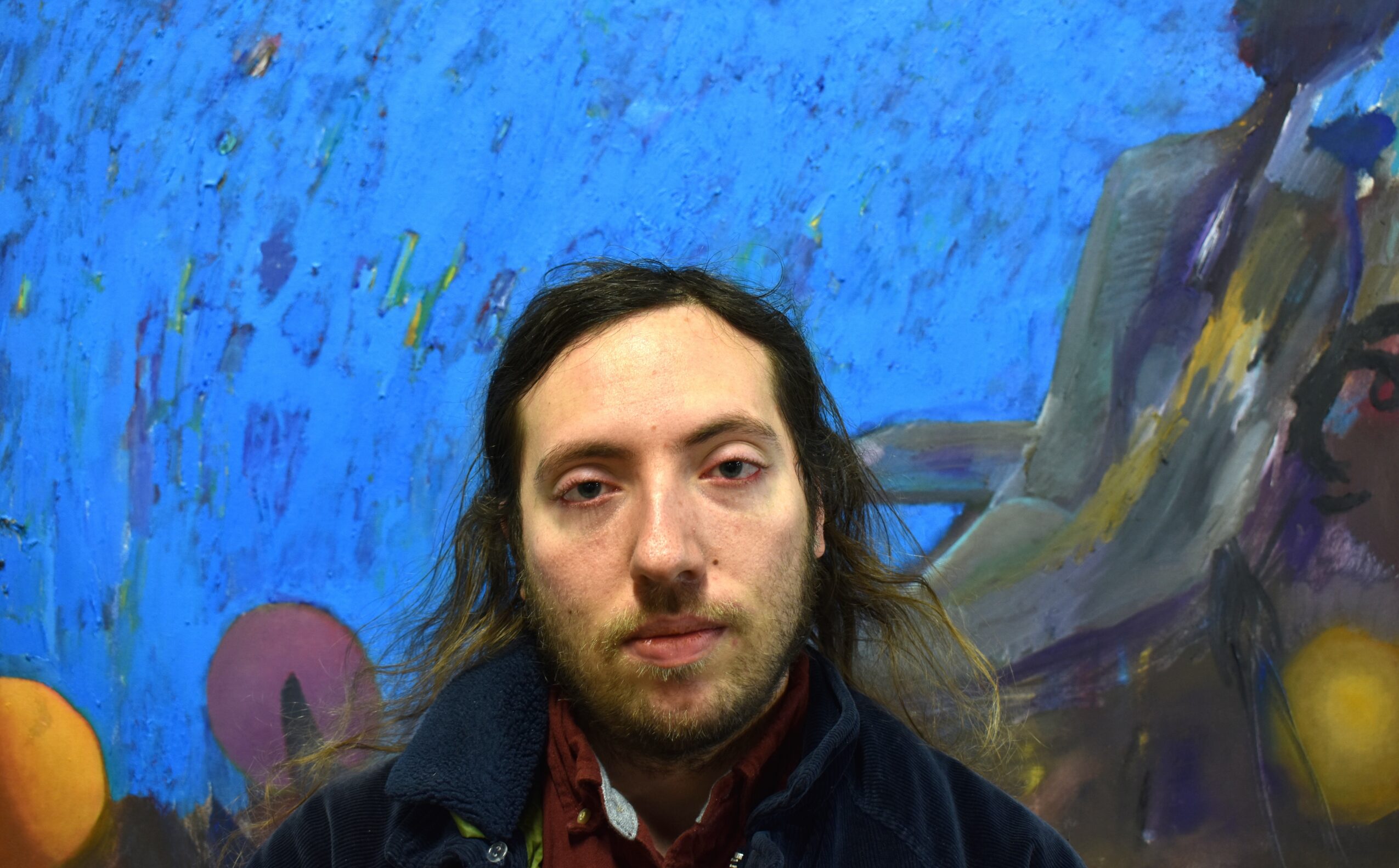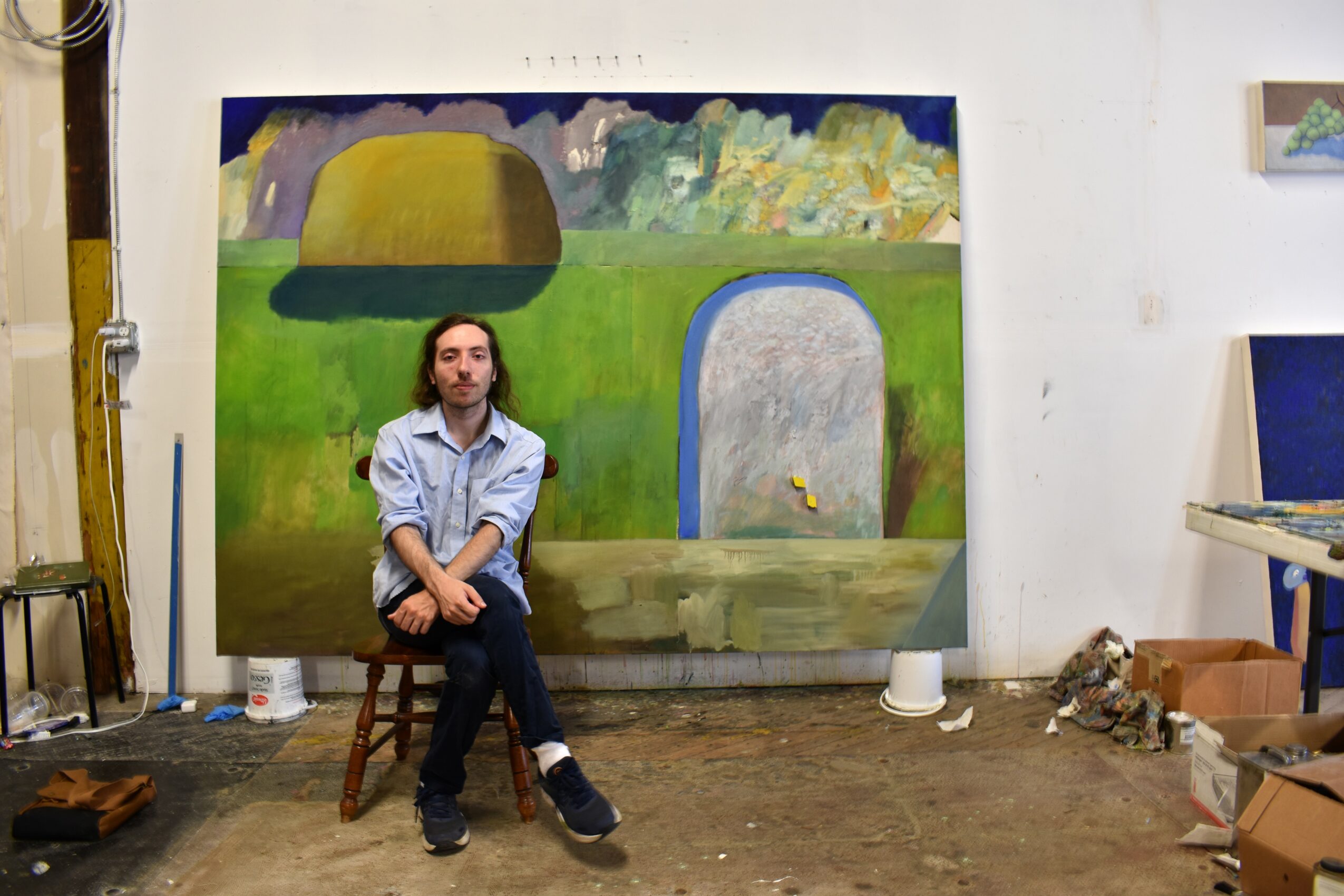
We recently had the chance to connect with Xyl Lasersohn and have shared our conversation below.
Good morning Xyl, we’re so happy to have you here with us and we’d love to explore your story and how you think about life and legacy and so much more. So let’s start with a question we often ask: What do you think is misunderstood about your business?
There are two sides of art as a business. One is where you are creating a product to sell, and studio time is the creation of that product. That product is a commodity and thus you keep inventory of said items and sell them as a unique one of a kind thing. The other side of art as a business is much more fugitive, in that it is much less quantifiable. In that the object created is a catalyst for the artistic experience. Thus the side of the business that is most misunderstood is how to elicit this experience, In a world filled with images, how can a painting do something that an image cannot? Which is exactly why there is conflation between the output of AI image creation and the output of the artist. Since most people believe the artist is there to create an image rather than to sublimate.
Can you briefly introduce yourself and share what makes you or your brand unique?
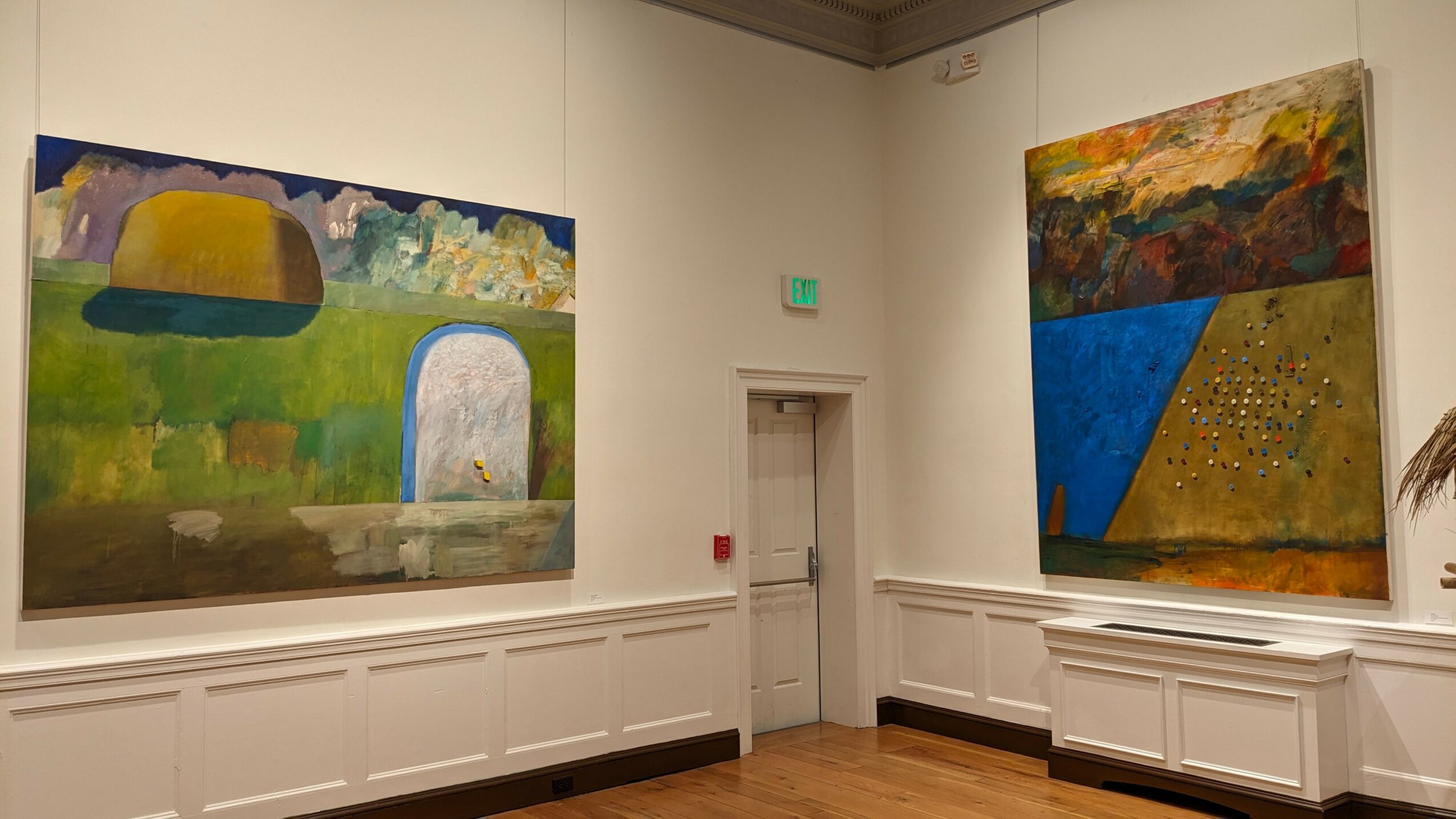
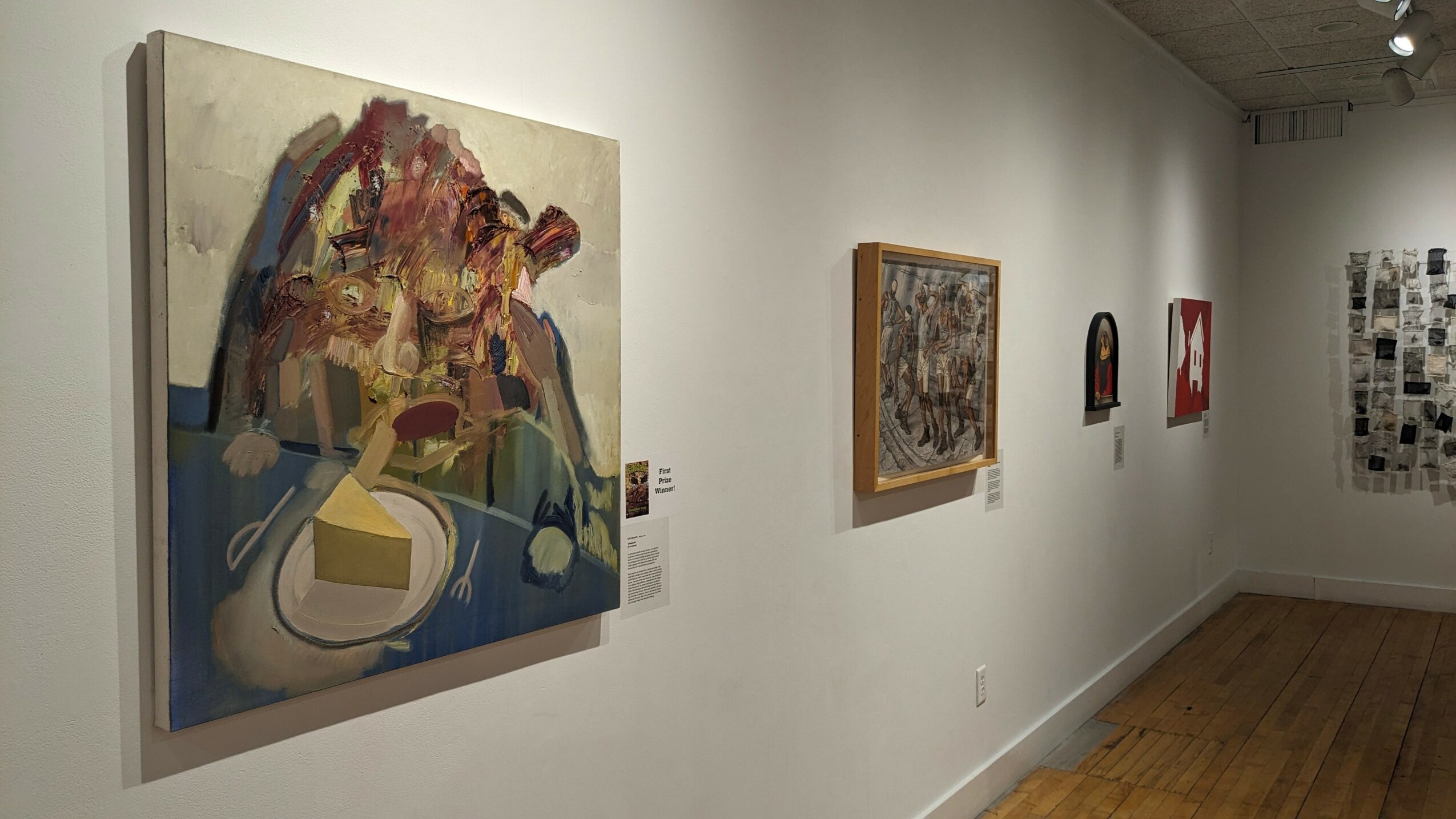
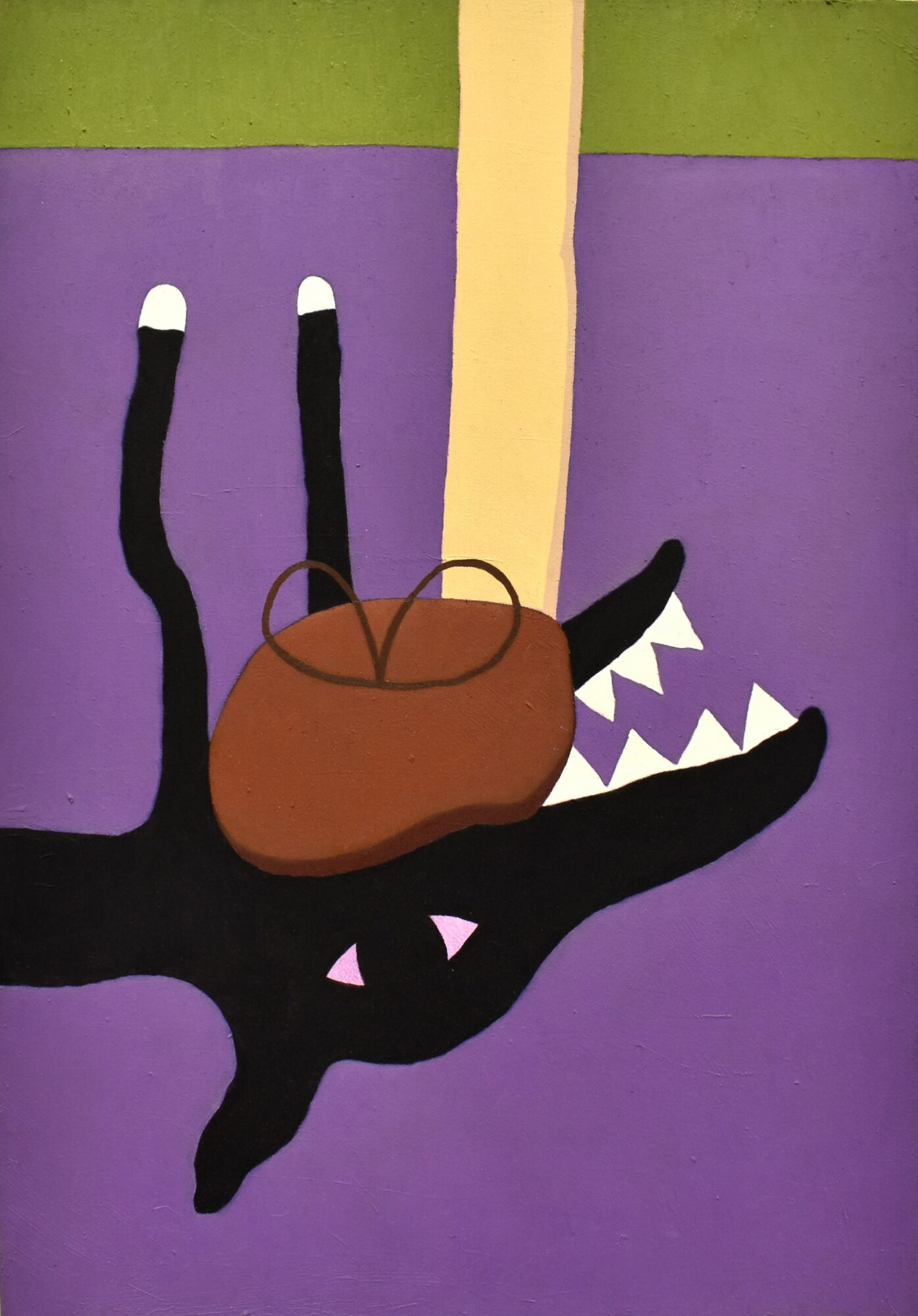
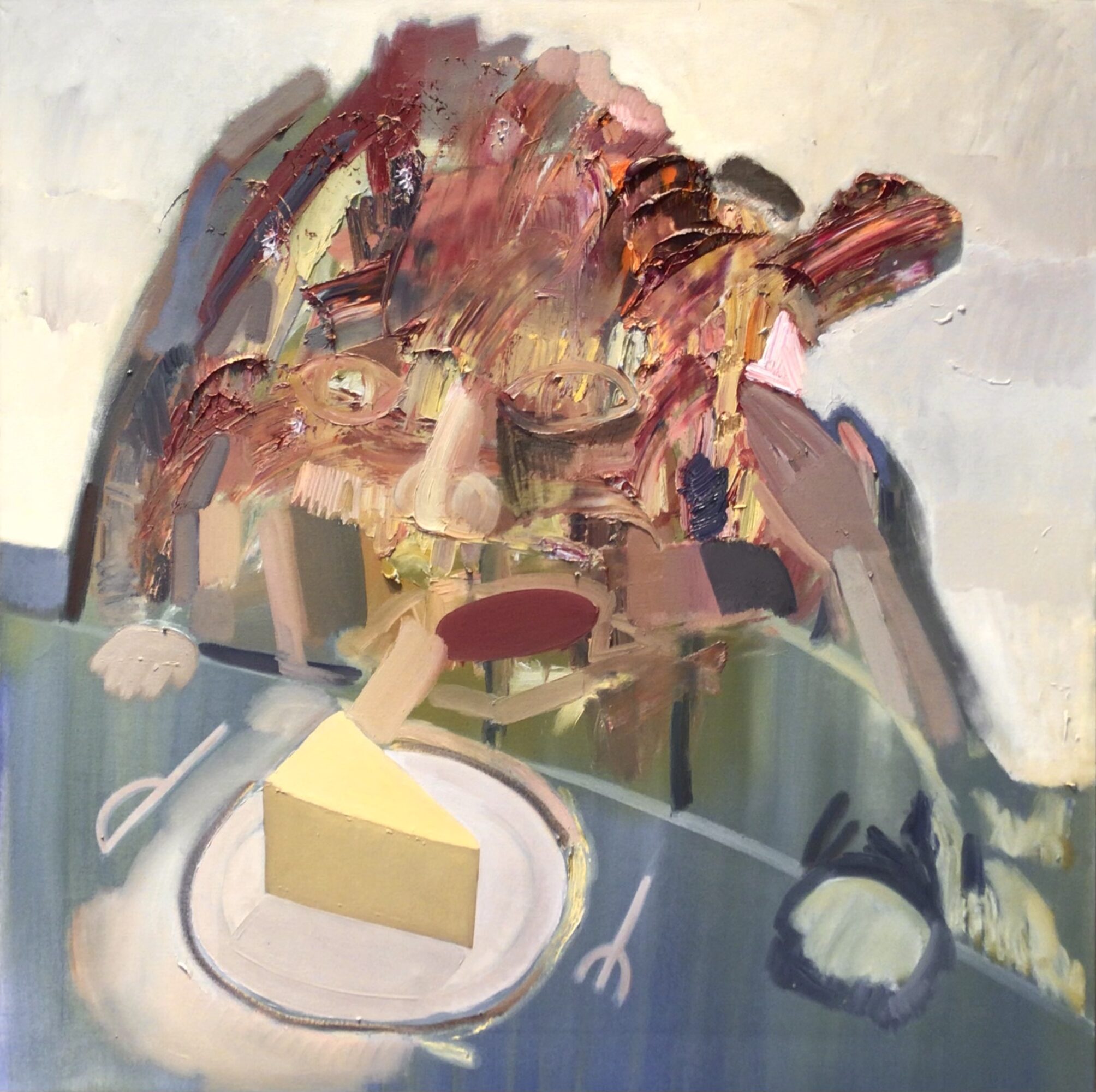
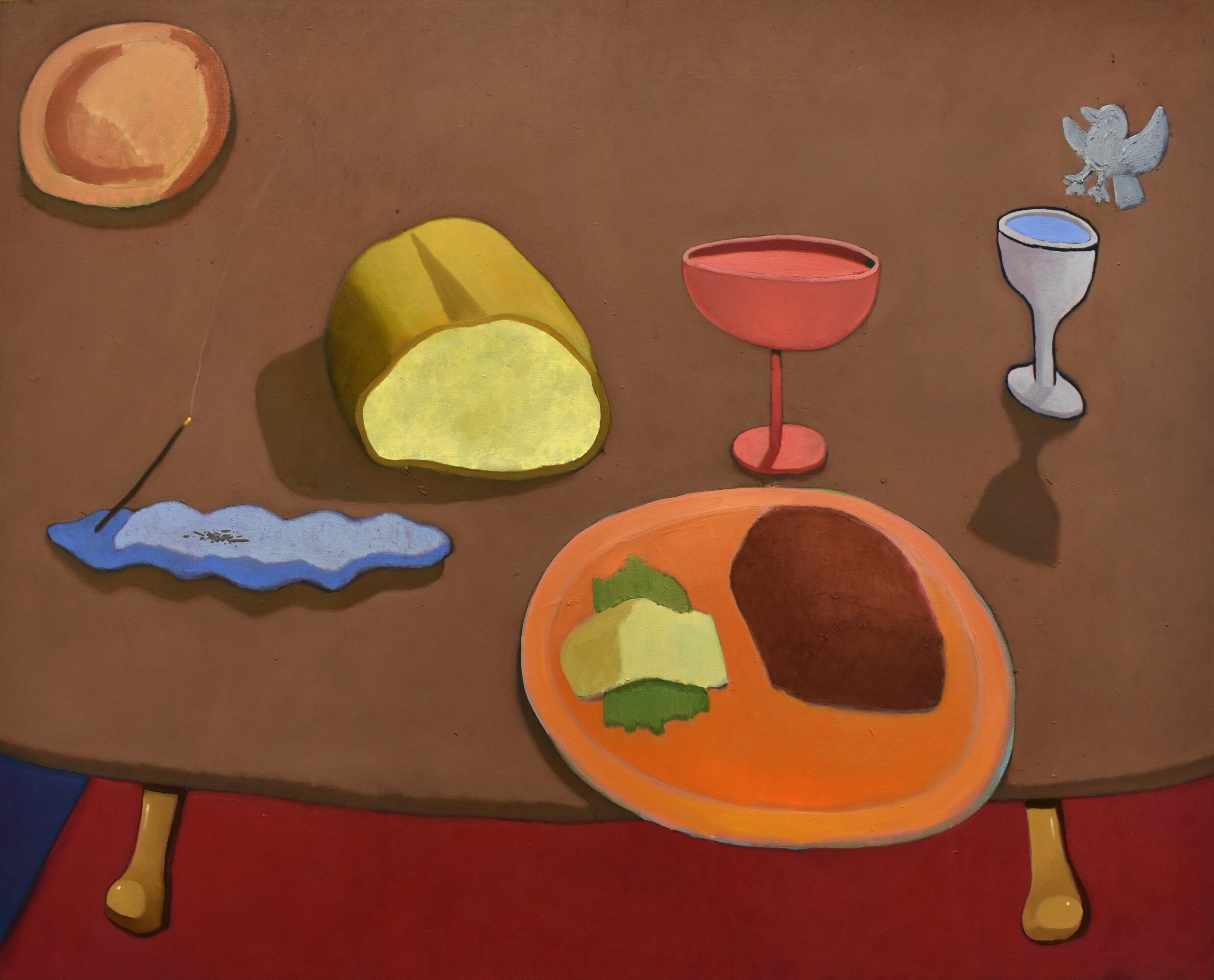
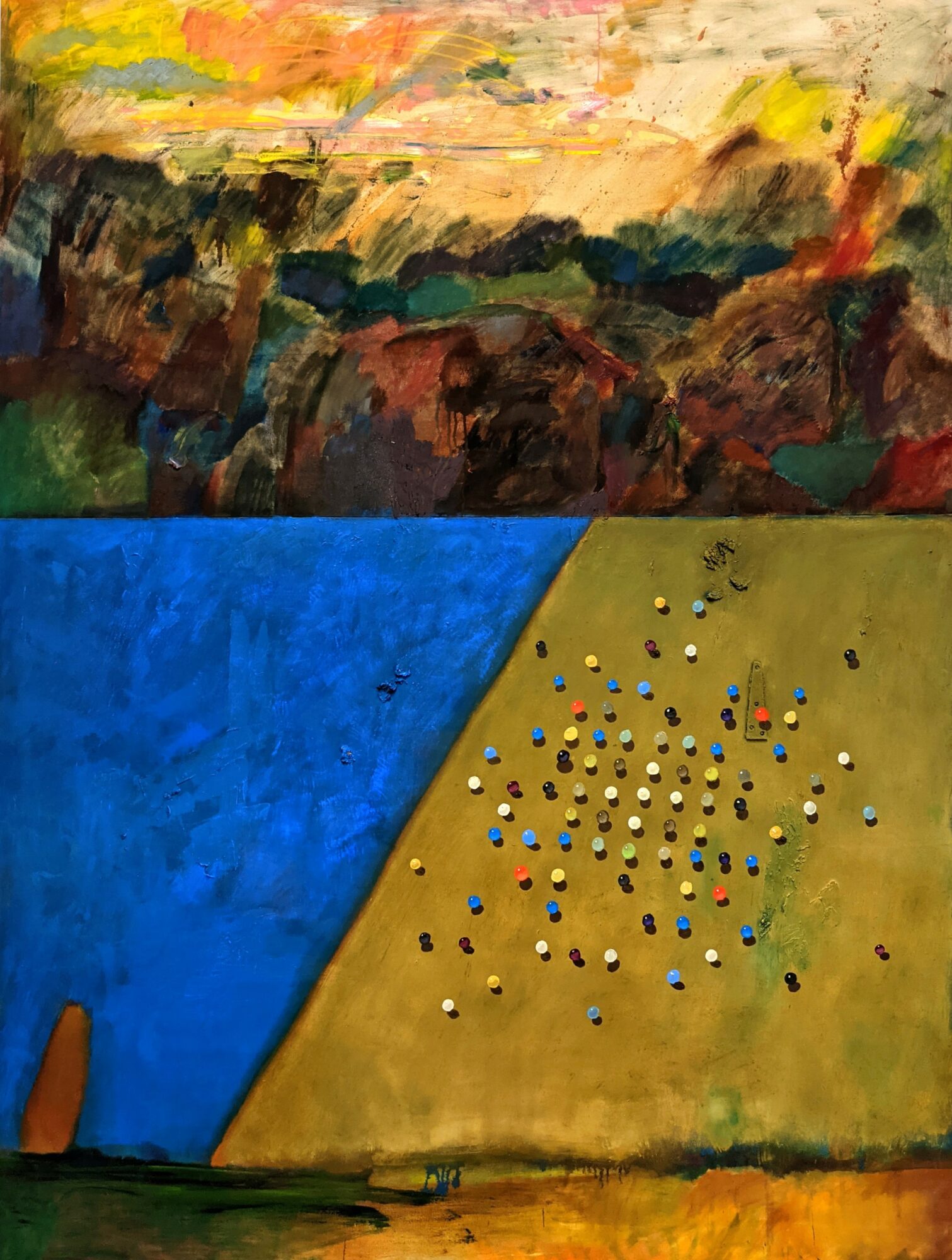
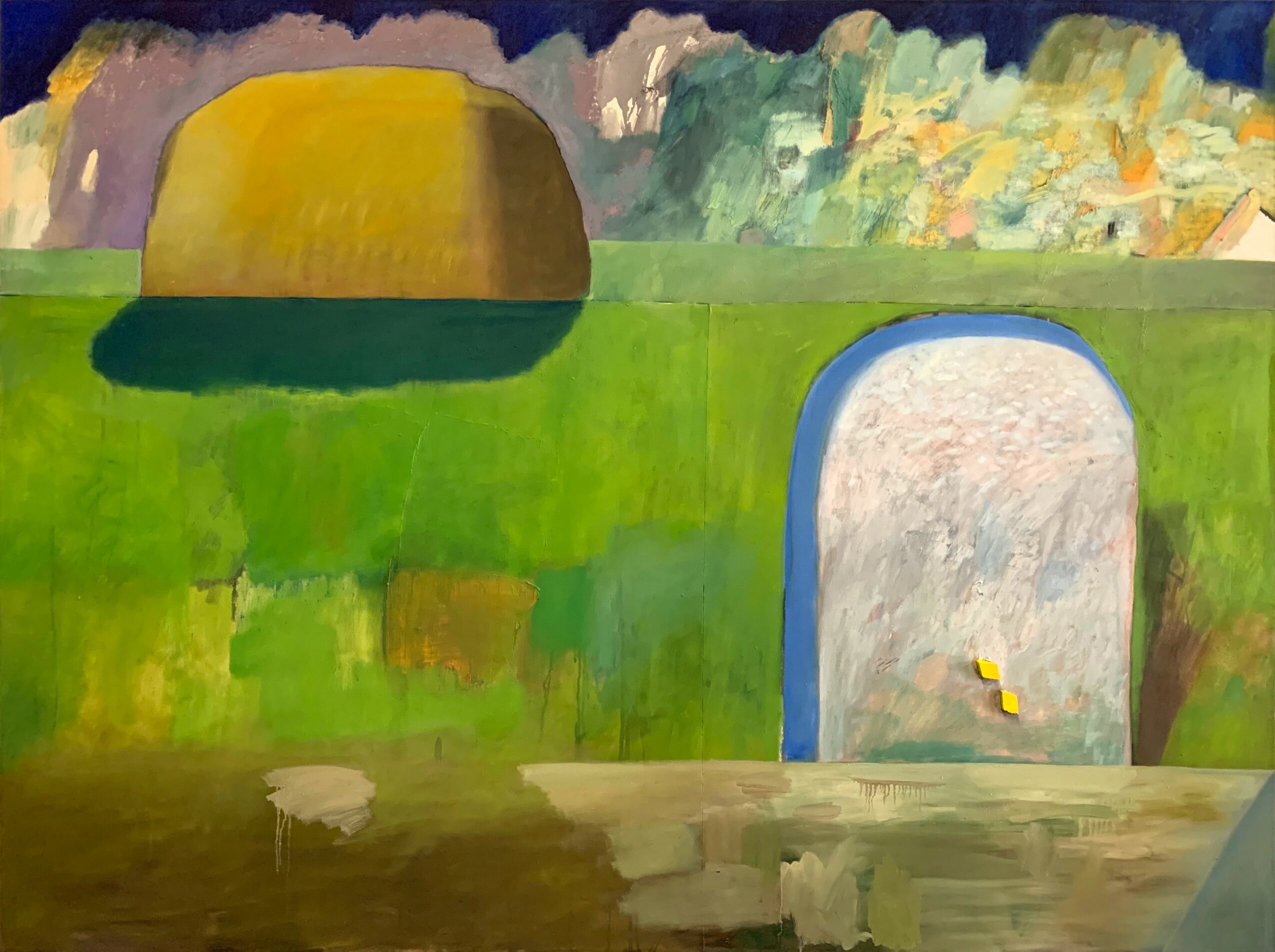
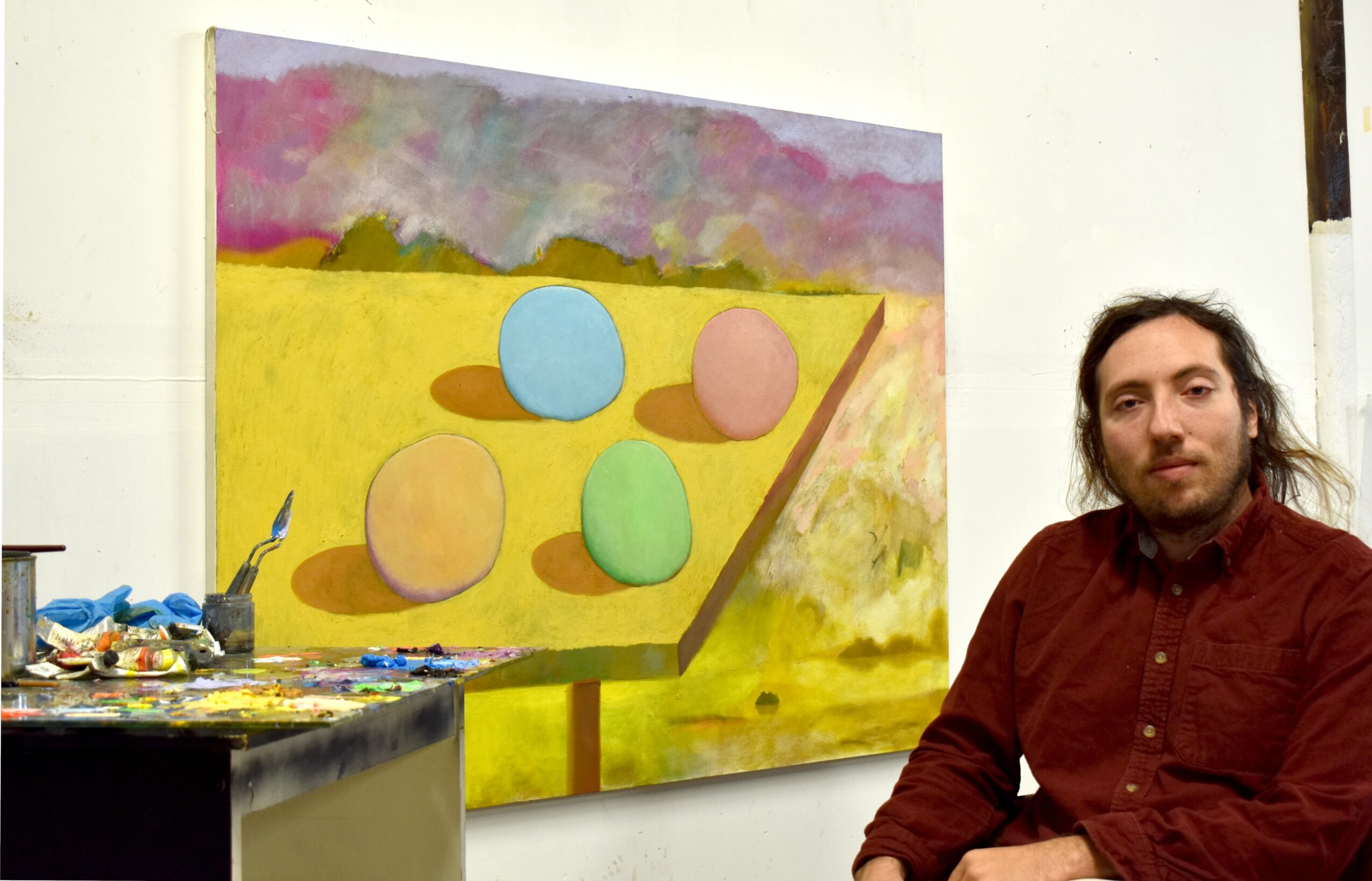
I am Xyl Lasersohn, I am an oil painter. I create semi-abstract paintings that blur the line between interior and exterior. Tables will be set in mountainous terrain at sunset, with various objects placed upon the surface. For me the table is both a means to present these objects and a symbol of literal perspective. In art, perspective is a constructed system in which to recreate the binocular vision of the human eye. In essence it is a plane with a grid placed upon it and the angle and curve of the plane dictates the perspective rendered. So the table for me is a vessel for these two things, it is always a carrier for meaning rather than a thing that has meaning divorced from what is placed upon it. In my art I think a lot about enclosure and the boundaries between two distinct things. When these boundaries are broken and are ruptured, an inherent violence gets baked into the work, that is in no ways direct but always there
Amazing, so let’s take a moment to go back in time. What’s a moment that really shaped how you see the world?
I think my world view has always been shaped by books. My mother owns a bookstore, so there was never a shortage of books available. Which led to my aesthetic taste being formed through I-Spy, The Ark in the Attic, M.C. Escher and other titles that blended books, games, and art. Escher was the first artist I became obsessed with, and tried recreating what I saw in the books without realizing the majority of his output were lithographs, woodcuts, and mezzotints. So I am not sure if there is really one epiphanic moment, but a slow erosion into my current self.
What fear has held you back the most in your life?
I think art in the moment lauds clarity and intentionality, in that both the artist and the art should be able to succinctly deliver a cromulent message that is easily understandable and cinched with a bow. I think in comparison my art is a leaky ship. But perhaps that is what holds me back the most, the fear of being understood. I fear that by being understood the work will lose a depth that ambiguity casts. Yet part of me wants everything to mean something, where each object depicted has a symbolic and or cultural meaning and it makes sense together in a harmonious resplendent accord. Yet here I am, thinking perhaps I am driven primarily by spite, in that in some world if I bang my head against the wall enough I might break through, and so there really is no choice but to paint more.
Sure, so let’s go deeper into your values and how you think. What’s a cultural value you protect at all costs?
I grew up in a household that was selectively Jewish. We would celebrate both Christmas and Hanukah. There are many Kosher rules and we mostly only adhered to some during holidays. I never attended temple or church, save a few vicarious visits. Despite this I do identify as Jewish rather than completely Atheist or Christian. I recently started learning Hebrew and have been thinking about what does and does not signify Jewish-ness. In that many historical artists changed their names or changed how they painted in order to not appear Jewish. Which I think is why I think about objects that are fugitive in nature, things that can be two things at once, or cannot be positively identified as one thing.
Okay, so let’s keep going with one more question that means a lot to us: What are you doing today that won’t pay off for 7–10 years?
I think the artistic career is always one of the long game. Unless you see success right outside of the institution, chances are you are playing the long game. In a professional Practices class they told us that the odds are that only one of us, out of the entire auditorium would statistically make it as a full time independent studio artist. For better or for worse I took those odds. I think art is probably the closest I have come to an earnest religious practice. In that it is mostly driven through a belief that things will work out in the end. Despite all one hopes to ignore, I still live in a capitalistic state, where how I live and the resources available to me are correlative with my ability to have others relinquish funds. But luckily hardship builds character.
Contact Info:
- Website: https://XLasersohn.com
- Instagram: @XLasersohn
- Linkedin: Xyl Lasersohn
- Facebook: Xyl Lasersohn