Vincent Scarfo shared their story and experiences with us recently and you can find our conversation below.
Good morning Vincent, it’s such a great way to kick off the day – I think our readers will love hearing your stories, experiences and about how you think about life and work. Let’s jump right in? Have any recent moments made you laugh or feel proud?
I’m incredibly proud to share that our youngest daughter, Isabella (Izzi), recently committed to the United States Coast Guard Academy as a member of the Class of 2031 and will play lacrosse there!
Izzi was fortunate to have several schools interested in her joining their lacrosse and/or field hockey programs, but the Coast Guard Academy truly aligns with who she is—a focused young woman who values service, education, and teamwork. Whether in the classroom, on the field, or in the community, Izzi leads with heart and purpose.
As a family, we couldn’t be more proud of her commitment to serve our country and pursue a world-class education.
Can you briefly introduce yourself and share what makes you or your brand unique?
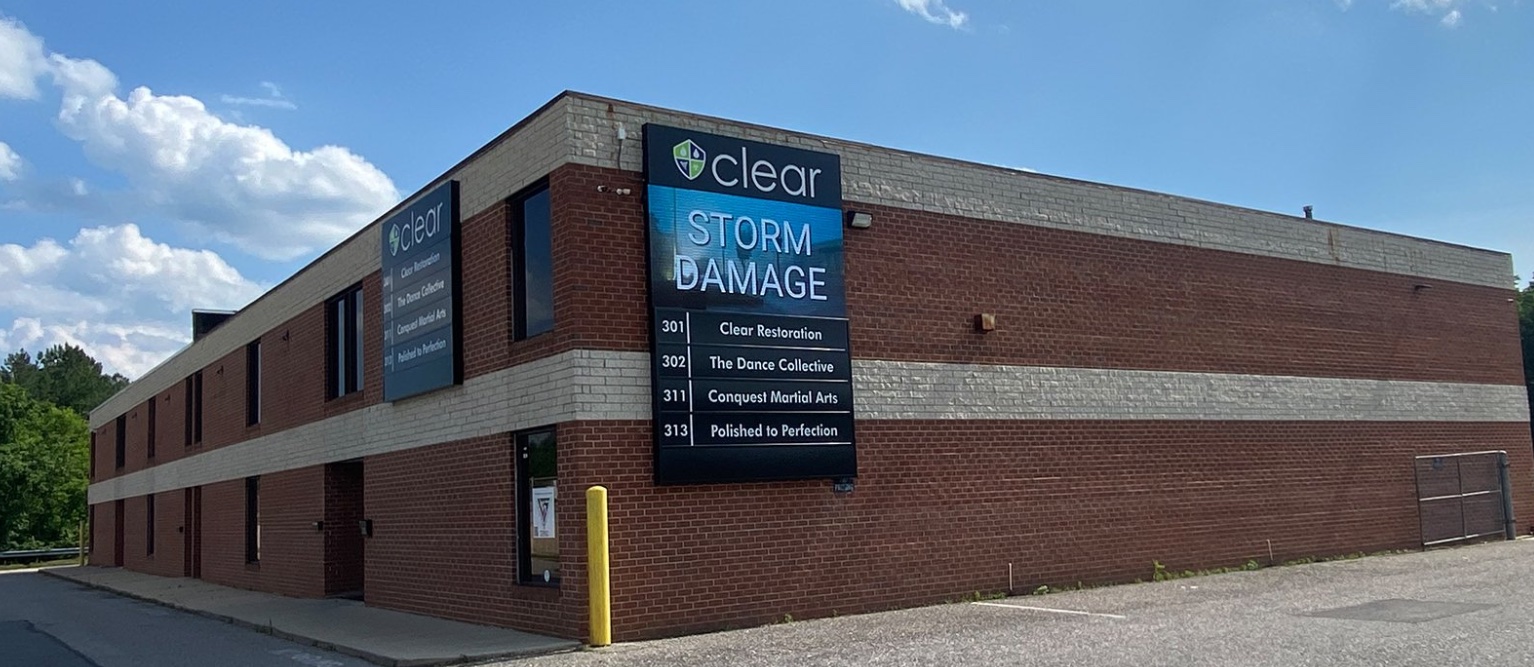
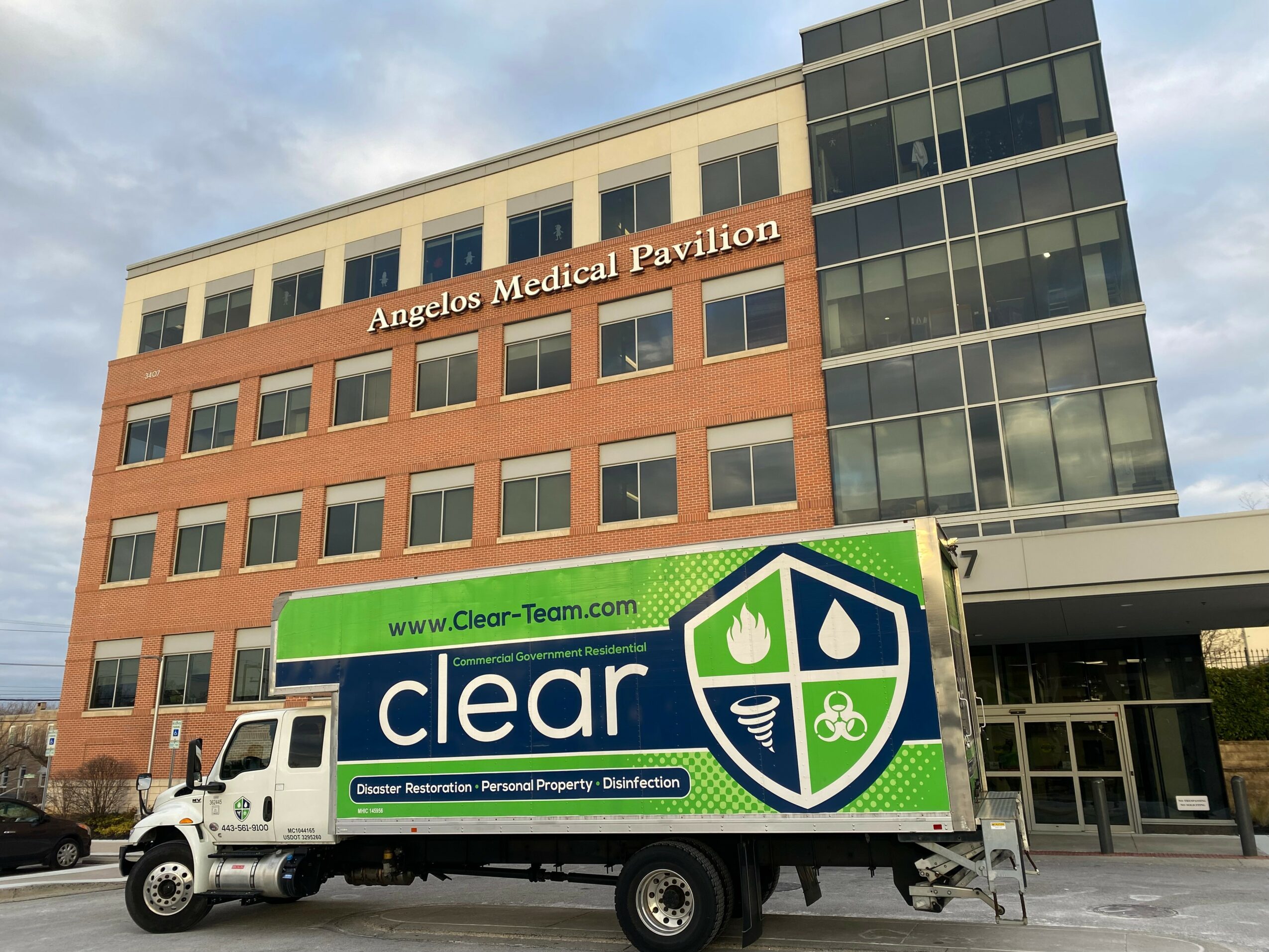
I’m Vincent Scarfo, and I’ve spent my career helping people and organizations build or rebuild—both literally and figuratively. I currently serve as Chief Operating Officer for Clear: Restoration and PreDisaster Consulting, a Millersville, Maryland-based company dedicated to helping families, businesses, and communities recover after disaster and prepare before it strikes.
What makes Clear unique is our purpose: we don’t just restore properties—we restore peace of mind. We combine advanced technology, experienced teams, and a deep commitment to service. Every project, whether a flooded home or a large commercial loss, is an opportunity to help someone turn a bad day into a fresh start.
Before joining Clear, I held leadership roles at UPS, GE, and FedEx where I learned the People–Service–Profit philosophy—take care of your people, and they’ll take care of everything else. That belief continues to guide my work today.
Outside of Clear, I serve as Chair of the Restoration Industry Association’s Legislative Task Force, where we advocate for fair legislation and give restoration professionals a stronger voice in government policy. It’s rewarding to help shape policies that protect consumers and strengthen an industry that helps people in their toughest moments.
What I love about my journey—and about Baltimore—is the sense of community. Whether leading a company, mentoring others, or collaborating with industry peers, I’m driven by one goal: to build organizations and relationships that make a lasting, positive impact.
Appreciate your sharing that. Let’s talk about your life, growing up and some of topics and learnings around that. What’s a moment that really shaped how you see the world?
One of the most defining moments in how I see the world came early in my career, when I was selected by the UPS leadership team to support our then CEO, Oz Nelson and United Way of America’s (UAW) Board of Directors member as he volunteered a to rebuild the United Way of America’s (UAW) National Corporate Leadership program. During a three year span, I had the opportunity to interact with about 330 of the nation’s most influential Fortune 500 CEOs— who were driving massive organizations. Our mission was to ask have them see the value to the communities they served and the benefits to their employees if they would develop a national United Way campaign within their companies. I expected to see only boardroom formality and bottom-line focus. Instead, I found people deeply committed to doing good, using their influence to help others while holding themselves and their companies to high moral and ethical standards.
Those conversations taught me that leadership isn’t just about results—it’s about responsibility. The best leaders don’t separate success from service; they align the two. That experience shaped the way I lead today, reminding me that no matter how large a company grows, its true value lies in the integrity and compassion of its people.
What’s something you changed your mind about after failing hard?
During my time with HY-TEK-BIO, I poured everything I had—time, energy, and even our family’s 401(k)—into building what I believed could be a breakthrough climate mitigation company that would significantly improve our planet. I went nearly five years without taking a paycheck because I genuinely believed in our efforts. But despite the sacrifice, it ultimately didn’t succeed in the way we’d hoped.
That experience changed how I define success and failure. I used to believe that hard work and passion always guaranteed results. Whenever I stumbled, I’d double down—work harder, push longer, and find a new way to succeed at the same job, project, or mission. Over time, I learned that a true leader (personally or professionally) must recognize when timing, capital, or market readiness and or team, just aren’t aligned—no matter how strong the vision is. That realization taught me humility, patience, and the importance of protecting balance in both business and family life.
Failing that hard gave me clarity: purpose matters, but so does sustainability. Today, I approach every venture with that mindset—still driven by belief, but grounded in better risk management, stronger teams, and a clearer understanding that failure isn’t the end; it’s part of the process of becoming a better leader.
Next, maybe we can discuss some of your foundational philosophies and views? Whose ideas do you rely on most that aren’t your own?
I’ve relied heavily on Fred Smith’s (FedEx) People–Service–Profit philosophy, which I was fortunate to learn firsthand during my time at FedEx. The idea is simple but powerful: when you take care of your people, they’ll deliver exceptional service, and profits will naturally follow. It’s a framework that’s guided every leadership decision I’ve made since.
Today, I carry that forward by constantly asking my own team—and encouraging my leaders to ask theirs—“Do your direct reports know what a good day looks like?” Because when people understand what’s expected, feel supported, and can measure their own success each day, they take ownership and pride in their work. That’s when teams thrive.
So while I’ve developed my own leadership style over time, Fred Smith’s principle remains the foundation. It’s a daily reminder that great results always start with great people—and that clarity, purpose, and respect are what turn good organizations into great ones.
Okay, we’ve made it essentially to the end. One last question before you go. What will you regret not doing?
If there’s one thing I’ll always wish I had done, it’s serving our country in uniform. Growing up, I admired those who committed their lives to something larger than themselves. While my career path ultimately led me into corporate and entrepreneurial leadership, that sense of duty never left me.
In many ways, I’ve tried to give back through service in other forms—working on Capitol Hill for UPS, FedEx, and GE, where I helped shape policies that strengthened America’s infrastructure and workforce, and later serving on the National Defense Transportation Association’s Board of Directors, supporting those who move critical supplies and aid across the world. Those experiences deepened my respect for the people who serve every day, often quietly, to keep our nation strong.
Still, I know that if I could go back, wearing our country’s uniform would have been one of the greatest honors of my life.
Contact Info:
- Linkedin: https://www.linkedin.com/in/vincenzoscarfo/
- Facebook: https://www.facebook.com/vincenzo.scarfo.3
- Youtube: https://www.youtube.com/watch?v=B0Xjxnaa6wM&t=224s