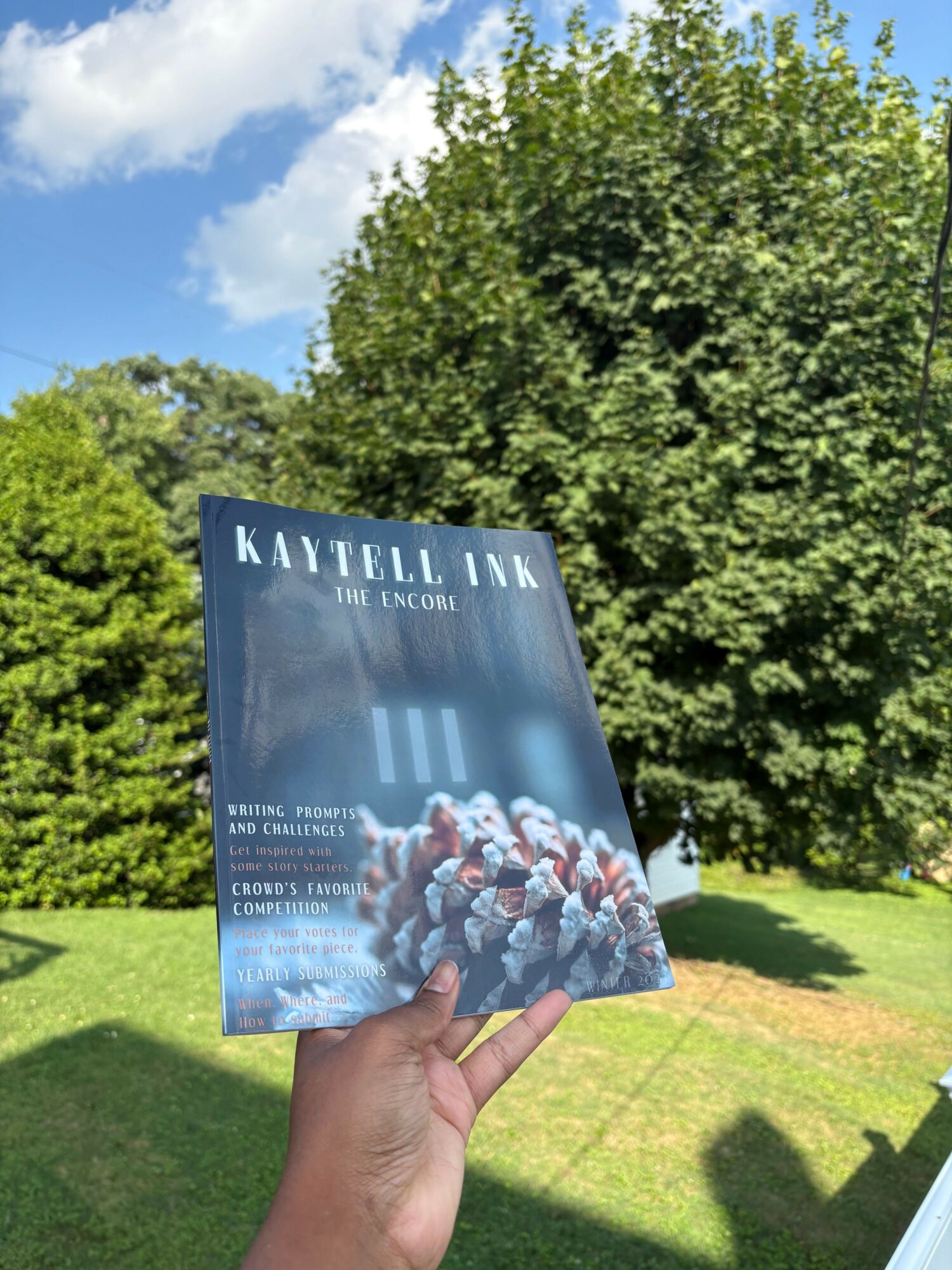
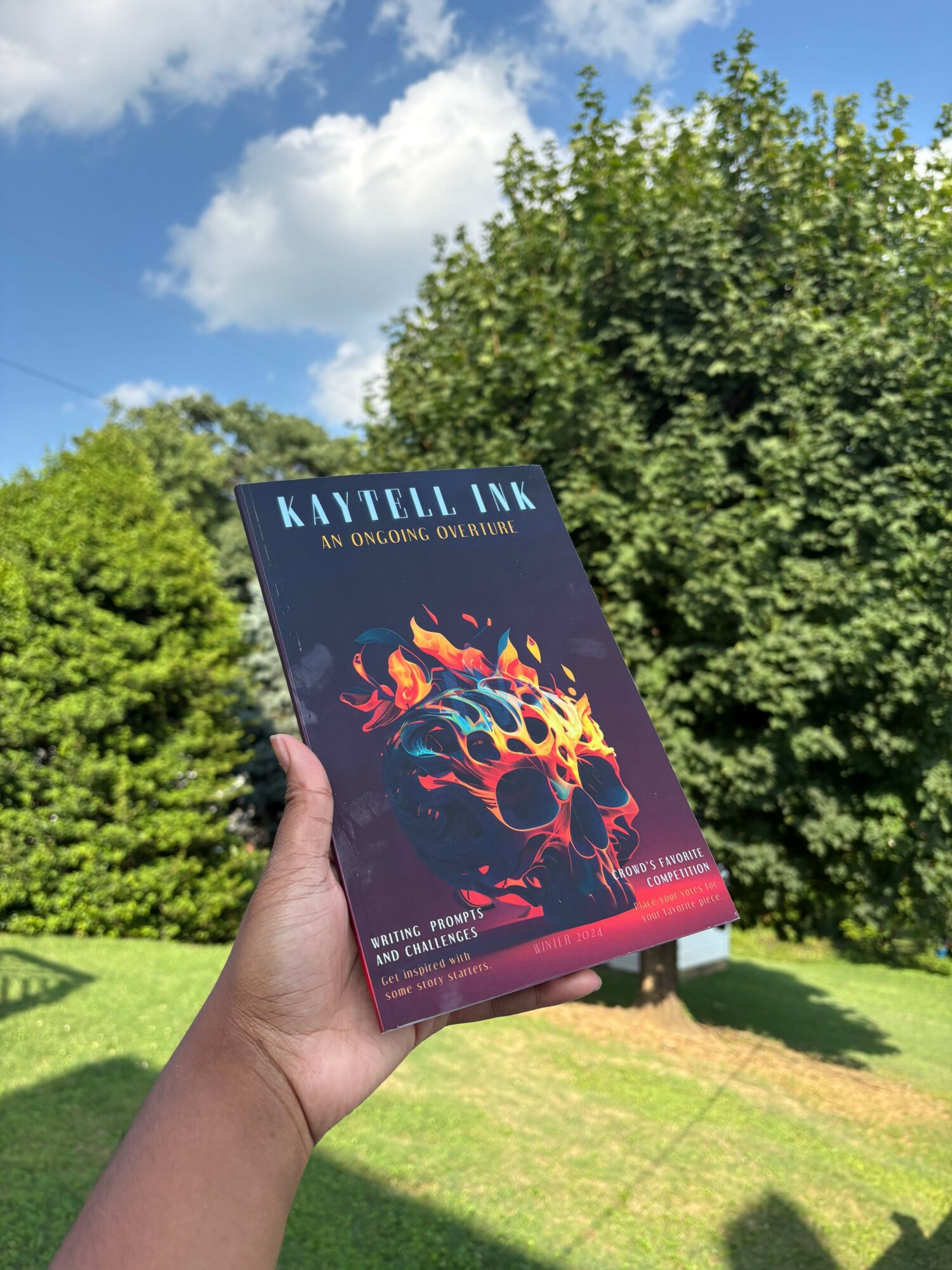
Kayla Tellington shared their story and experiences with us recently and you can find our conversation below.
Kayla, it’s always a pleasure to learn from you and your journey. Let’s start with a bit of a warmup: What do you think is misunderstood about your business?
A lot of people think literary magazines are just about publishing polished work, but I consider KayTell Publishing a teaching magazine, kind of like a teaching hospital. We’re not just here to gatekeep what’s “good enough”; we’re here to help writers grow.
Many of our contributors are emerging writers who might not yet know how to format a submission email or set up a manuscript correctly. Instead of treating those missteps as reasons to dismiss someone’s work, we treat them as teachable moments. That doesn’t mean we overlook the basics, but we approach them with care, not condescension.
Submitting your writing can be nerve-wracking. It feels like saying, “Do you think I’m good enough?” and that’s a vulnerable thing to do. I see my role—and the role of our editors—as helping build confidence and clarity. Or at least, that’s how I like to approach the process.
This isn’t to say we accept less—but we see more. We see potential, and instead of saying, “That’s someone else’s job to fix,” we grab onto it. We believe growth belongs in the same space as opportunity.
Ultimately, I want writers to leave our process not just published, but more equipped to navigate the broader publishing world. Because writing is one thing, but understanding how to share your work professionally is a whole other skill set. And whether you’re writing poems or horror novels, indie or traditional, self-publishing or submitting to agents, you’re launching a small business. KayTell exists to help writers start that journey with a little more knowledge, a little more confidence, and a lot less fear.
Can you briefly introduce yourself and share what makes you or your brand unique?
My name is Kayla Tellington, and I wear a lot of hats as an entrepreneur, but at the heart of everything I do is writing and publishing. I recently earned my MFA in Creative Writing & Publishing Arts from the University of Baltimore, where I published my debut short story collection, Cold Girls Stay Quiet, as part of my thesis project.
My brand as a whole is KayTell, and whether I’m working on a baking project, a new story, a publishing initiative, or even something education-based, my mission is always the same: start, try, and eventually you will succeed. I used to tell myself, “One day I’ll do this,” until I finally just did it, whether or not I was perfect at it. And through that process, I’ve been able to look back and actually see the growth. Even the early projects that felt messy or uncertain laid the foundation for the stronger, more polished work I’m creating now.
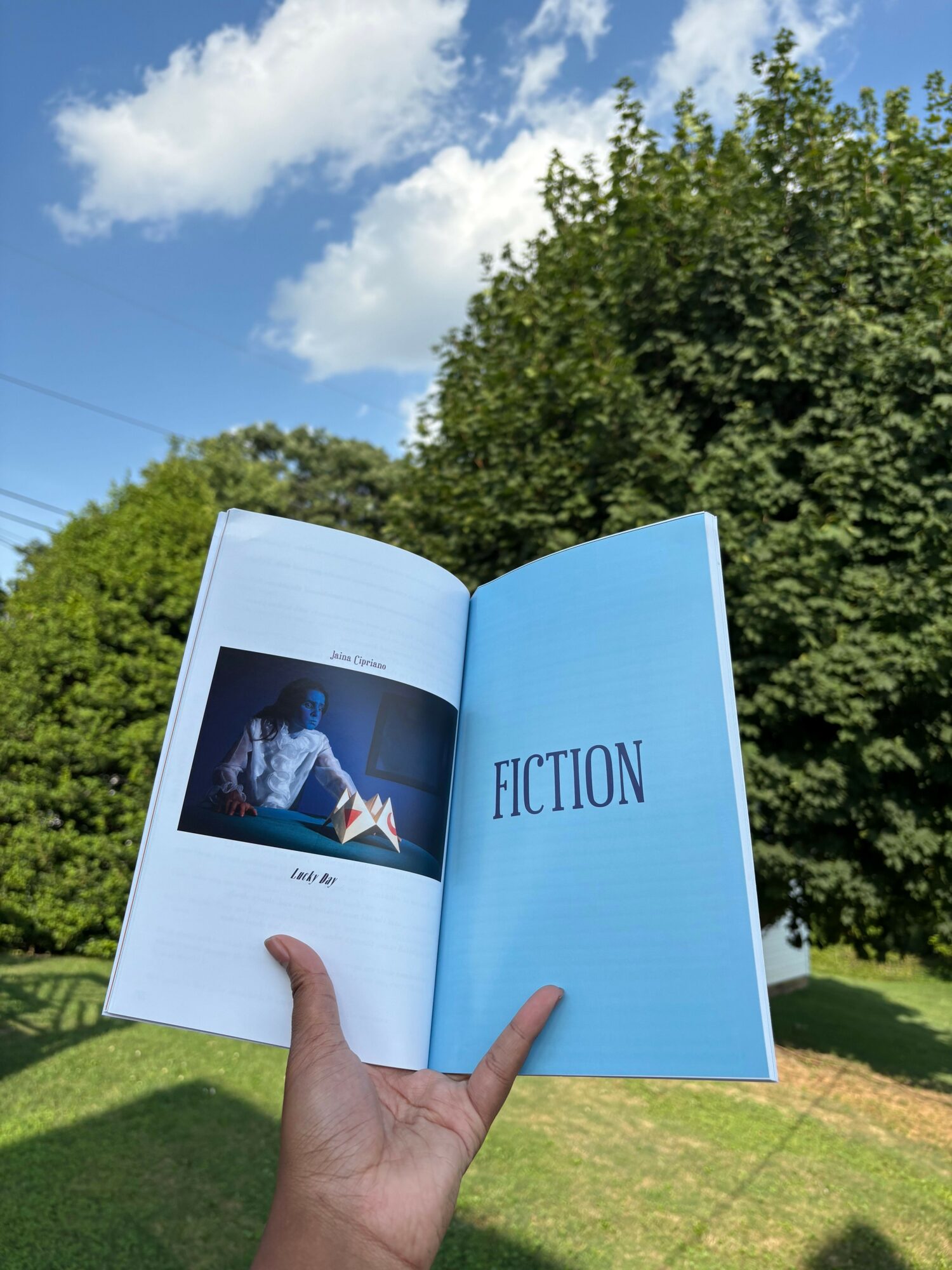
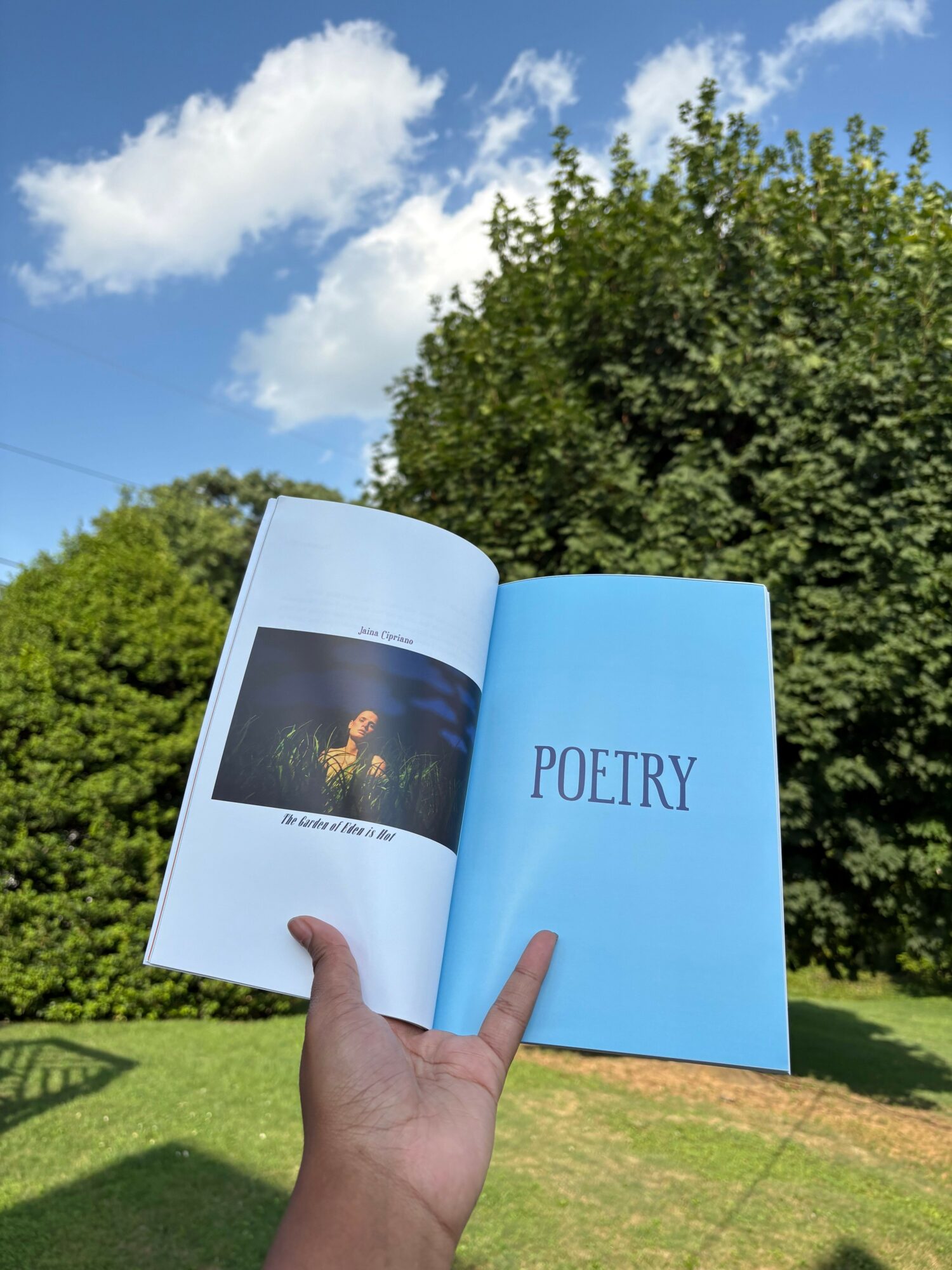
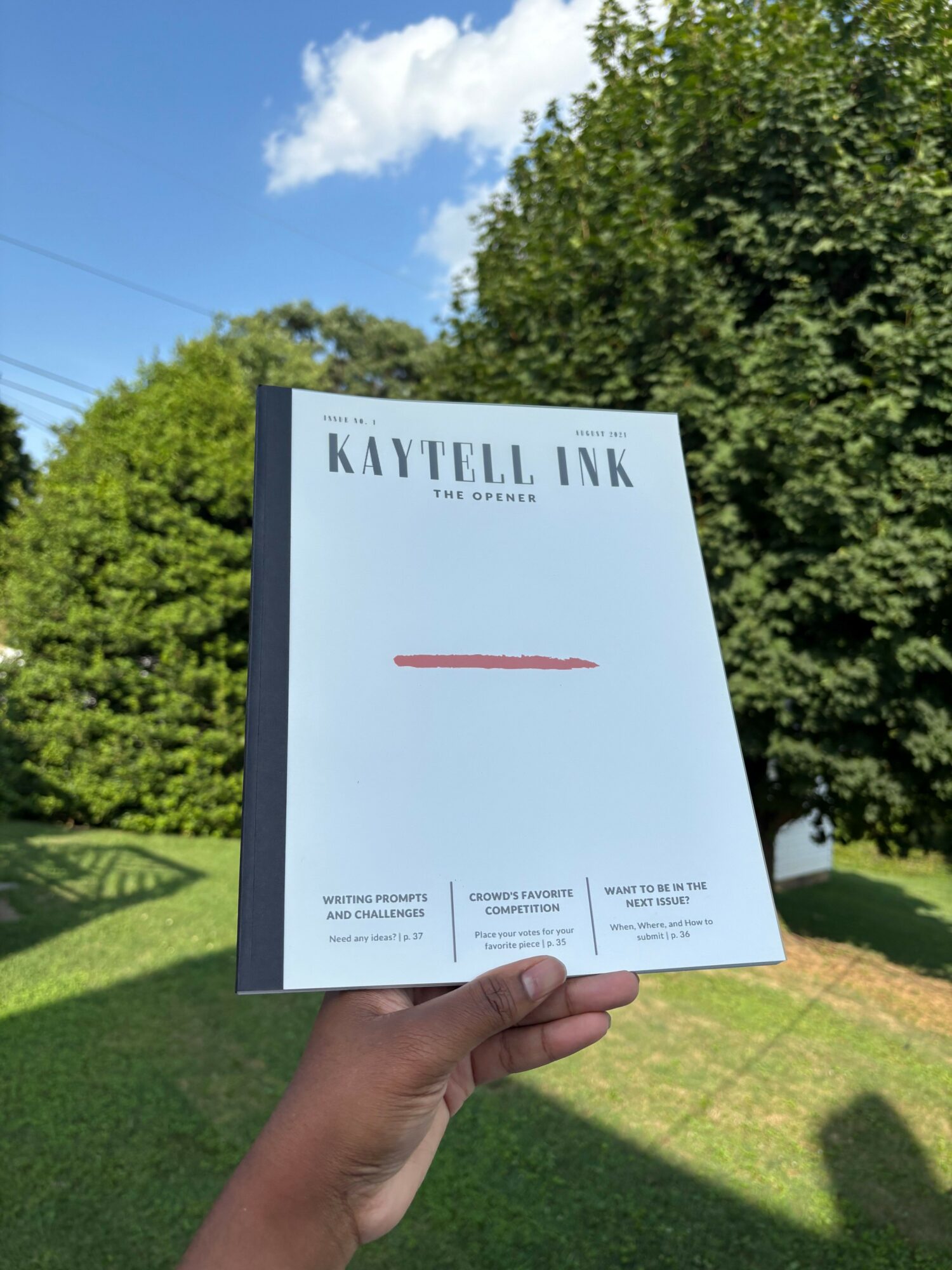
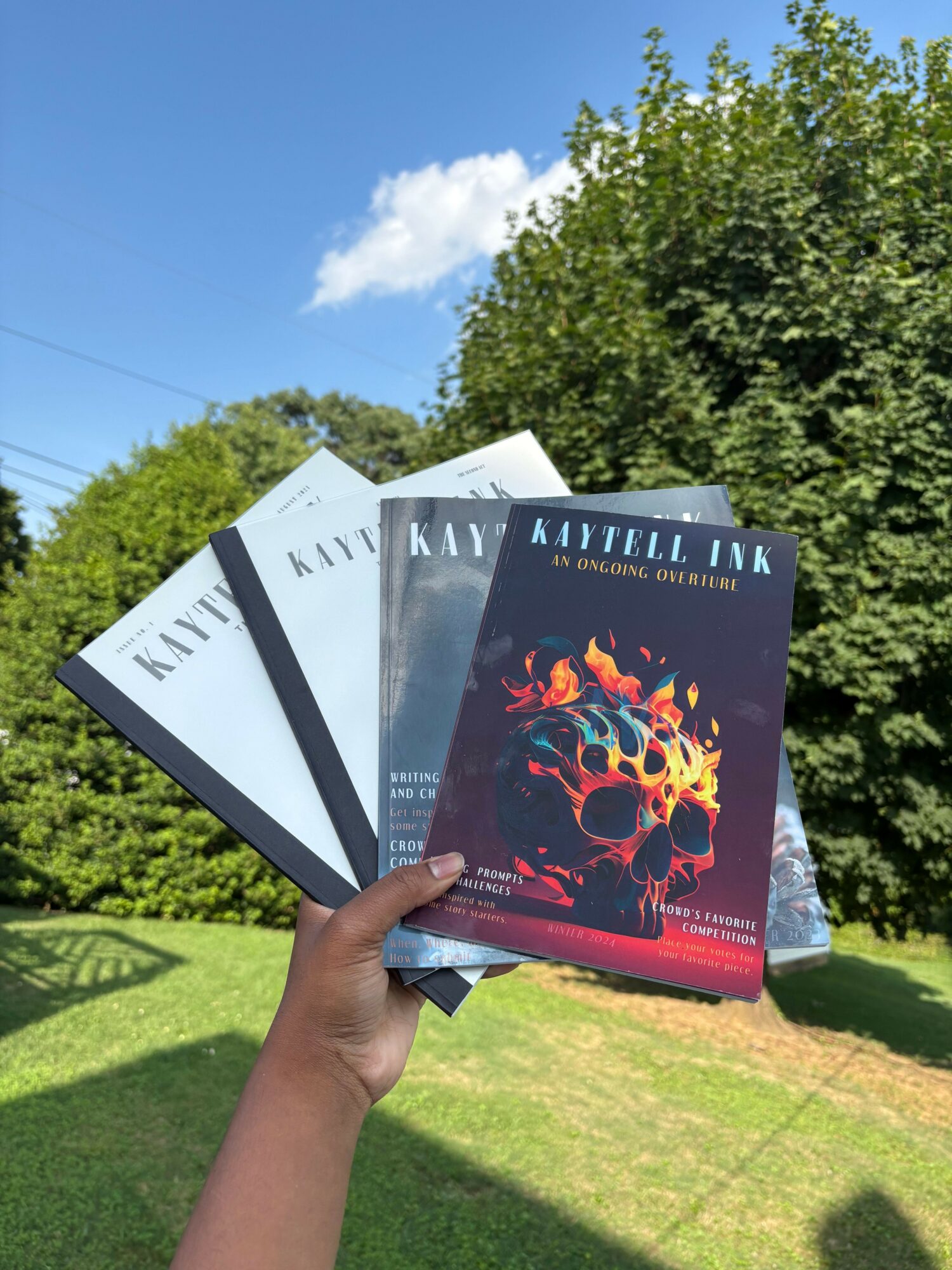
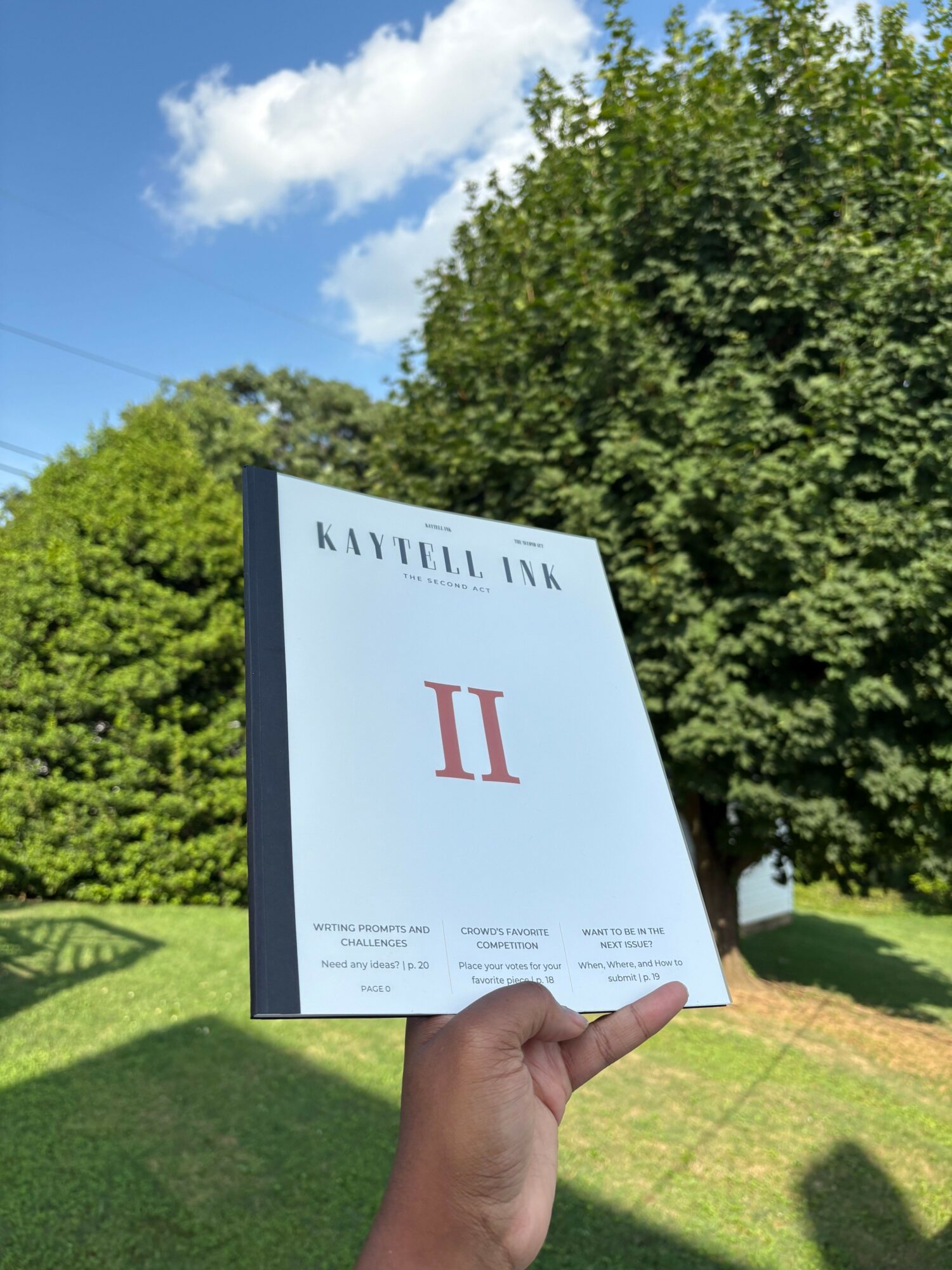
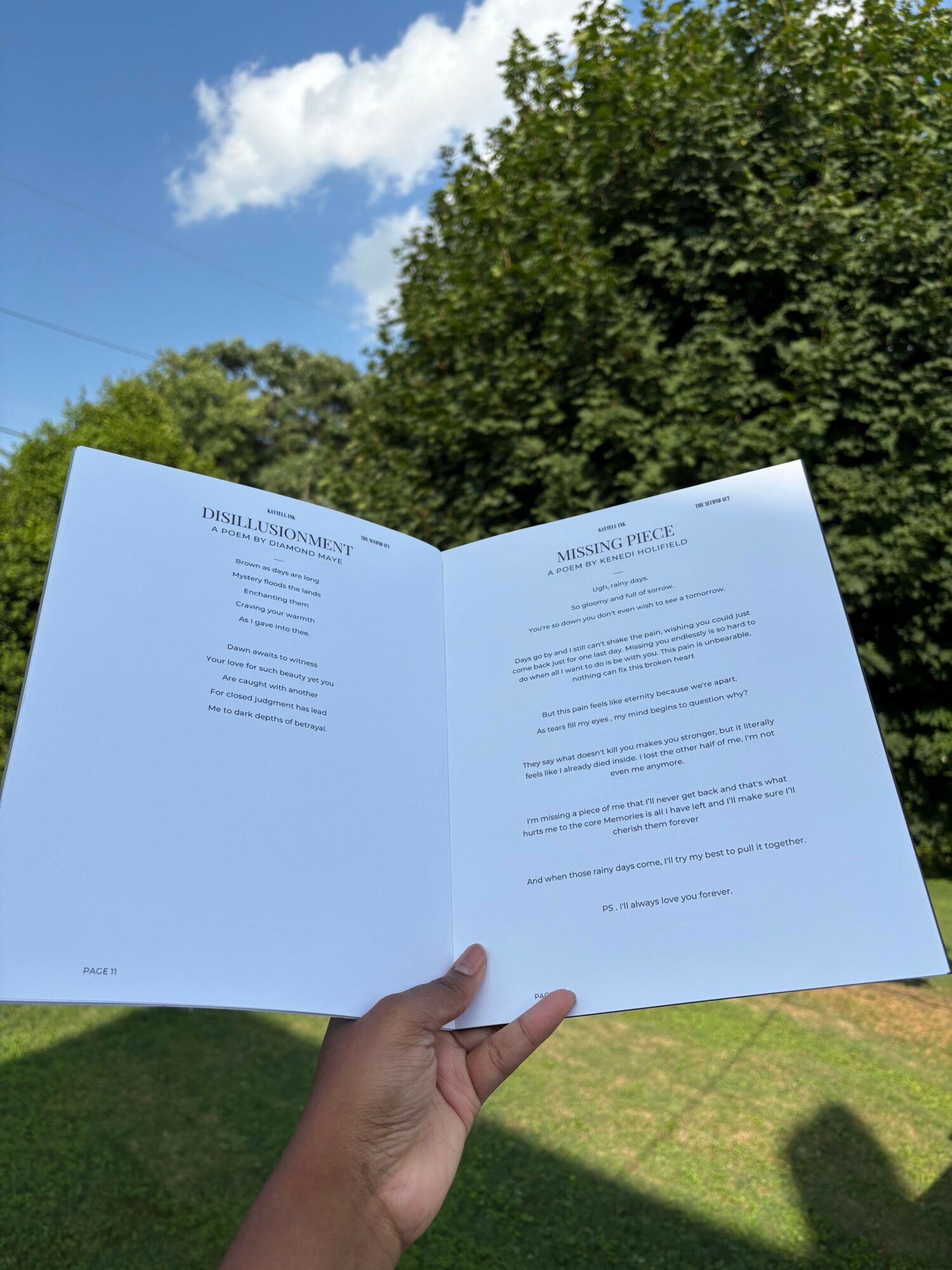
One piece of my brand that’s especially close to my heart is KayTell Publishing, an independent literary magazine I started and currently lead as Editor-in-Chief. A lot of people don’t really know what a literary magazine is—it’s essentially a curated collection of short stories, poems, memoir, and art, often by emerging writers. These publications are essential stepping stones in the professional creative world. In fact, many larger publishers expect to see a history of literary magazine credits on your resume before they take a chance on you. That makes literary magazines both a creative outlet and a professional gateway, and that’s what makes our work so important.
KayTell Publishing gives new writers a chance to break into the world of publication. For many of our contributors, we’re their very first “yes,” and I don’t take that lightly. Submitting your work is vulnerable. It’s scary. But we aim to meet that moment with care and respect. Because the sad truth is, just like with resumes, the more publications you have, the better your odds, but getting those first few is the hardest part.
This past year, I’ve had the joy of building an incredible team of editors who have helped bring this dream to life. Before them, I was trying to juggle everything alone, and it was clear it wasn’t working. Their support helped me reignite a passion I thought I was failing at, and now we’re doing what I always hoped we could: building a platform where emerging voices can be heard and celebrated.
Great, so let’s dive into your journey a bit more. What did you believe about yourself as a child that you no longer believe?
As a child, I believed that in order to be happy—or to be successful—I had to become the biggest name in writing. Deep down, I think a part of all of us wants to “blow up,” depending on how comfortable we are with attention. But for a long time, I truly thought that if I wasn’t famous for my writing, I had failed.
Over time, that belief shifted. It’s become less about me and more about others. That’s actually where the inspiration for becoming a publisher came from. I still love writing and anything tied to literature, but I realized that I’m not the only one with this dream—and I could be a part of helping others reach theirs.
Now, the joy comes from building something bigger than myself. From watching new voices take their first steps. From knowing I had a hand in someone else’s literary journey. That’s what success looks like to me now—and it feels a lot more fulfilling.
When you were sad or scared as a child, what helped?
Reading.
It took some time to really fall into the world of words, but once I did, it changed everything. I realized I could escape mentally, emotionally, to a place far from whatever I was going through. Even when I couldn’t physically leave a situation, books gave me somewhere else to be. That feeling was powerful.
I know not everyone enjoys reading, and that’s okay. But for me, it was a lifeline. And eventually, that experience made me want to create those same kinds of spaces for other people, to offer stories that help you leave when you need to, even if just for a little while.
I think our readers would appreciate hearing more about your values and what you think matters in life and career, etc. So our next question is along those lines. What are the biggest lies your industry tells itself?
Lately, one of the biggest lies is that traditional publishing is the only serious goal that “real” writers should have.
The truth is, self-publishing is growing—and it’s not just a last resort anymore. Sure, because anyone can do it, it sometimes leads to amateur mistakes that might turn readers like me off. But not every reader is looking for perfect book design or big-name backing. Sometimes, they just want a good story.
I believe that if a writer takes their time, invests in editing, design, and truly shaping their work, their self-published book can be just as impactful and successful as one backed by a major company. Publishing has changed. The gatekeepers don’t hold all the keys anymore, and that’s not a bad thing.
Thank you so much for all of your openness so far. Maybe we can close with a future oriented question. Are you doing what you were born to do—or what you were told to do?
I’m doing both.
I was told to do what makes me happy, but also to make sure it could take care of me when my parents are no longer here. That advice shaped everything. I’ve been given a privilege that not everyone gets: the chance to pursue a dream out of passion, not just necessity.
I’m an educator, growing in my career. I’m a writer, steadily building my portfolio of publications. I’m an editor, playing a pivotal role in the journeys of other writers. All of it feels aligned with who I am and what I’m here to do. So yes…what I was born to do, and what I was raised to believe I could.
Contact Info:
- Website: https://www.kaytellinkpublishing.com/
- Instagram: https://www.instagram.com/kaytellpublishing/?hl=en
- Linkedin: https://www.linkedin.com/in/kayla-tellington-10b62a199/