We recently had the chance to connect with Siriguejo and have shared our conversation below.
Hi Siriguejo, thank you so much for taking time out of your busy day to share your story, experiences and insights with our readers. Let’s jump right in with an interesting one: What makes you lose track of time—and find yourself again?
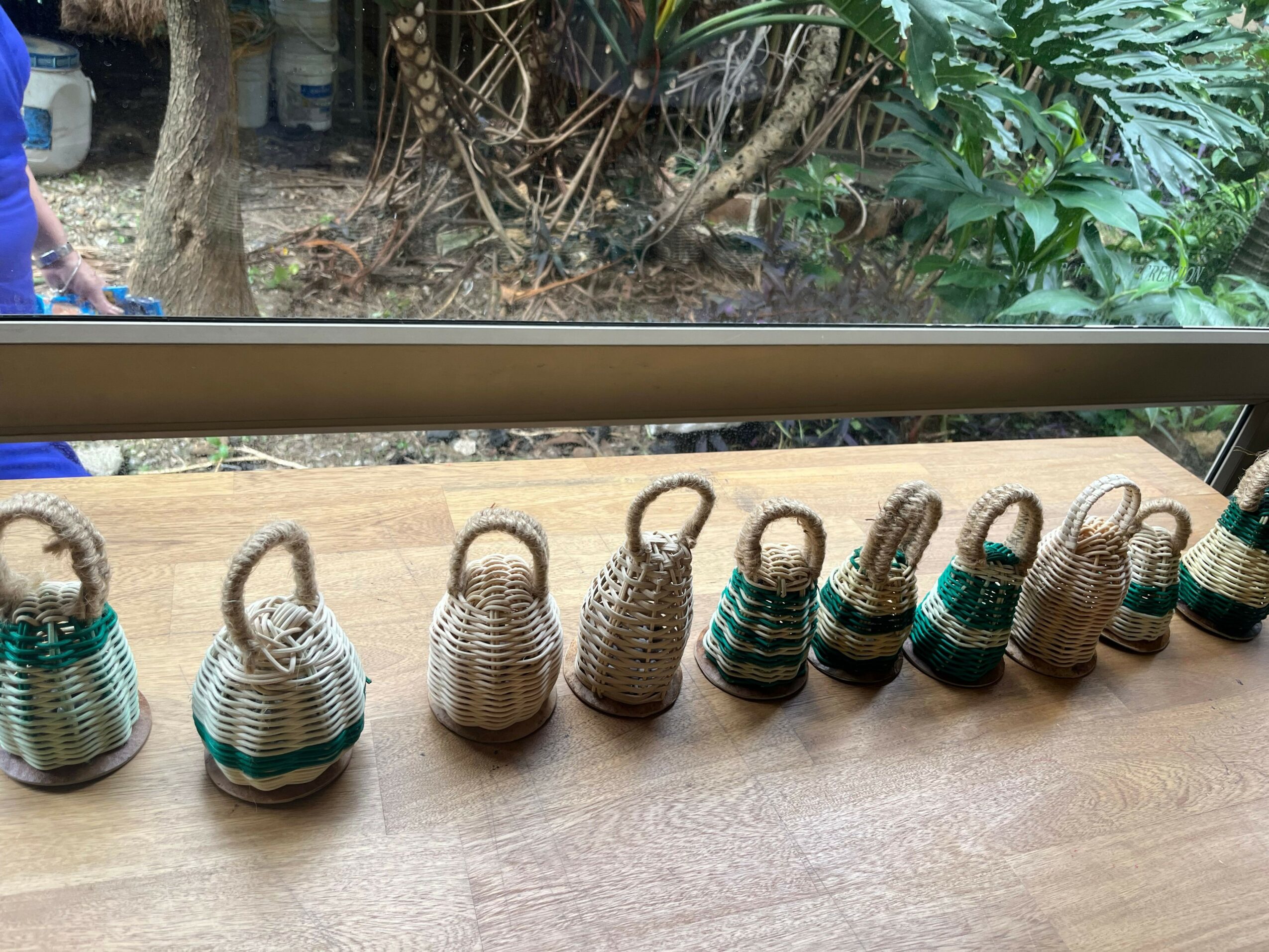
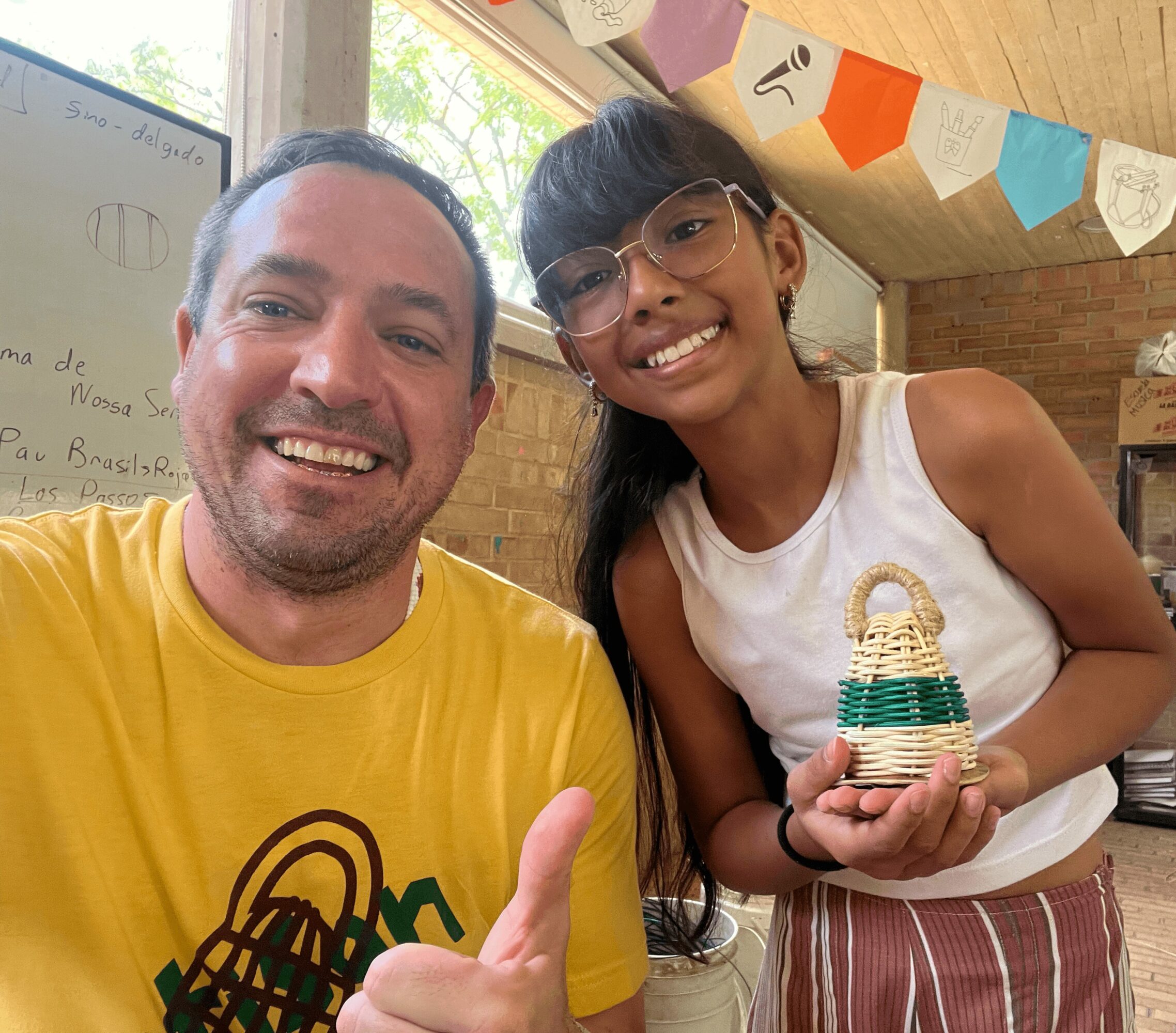
When I’m in the studio working on artisan crafts—screen printing designs, shaping gourds for berimbaus, or weaving caxixis and xequeres—I lose all sense of time. There’s something meditative about the rhythm of the work: the sound of seeds shaking in a gourd, the texture of the fibers as they come together, the smell of wood and varnish. These traditional crafts connect me back to the roots of capoeira and Afro-Brazilian culture, while also giving me space to create and reflect. It’s in those quiet, focused moments that I feel most grounded—completely absorbed, yet deeply connected to something larger than myself.
Can you briefly introduce yourself and share what makes you or your brand unique?
About Me
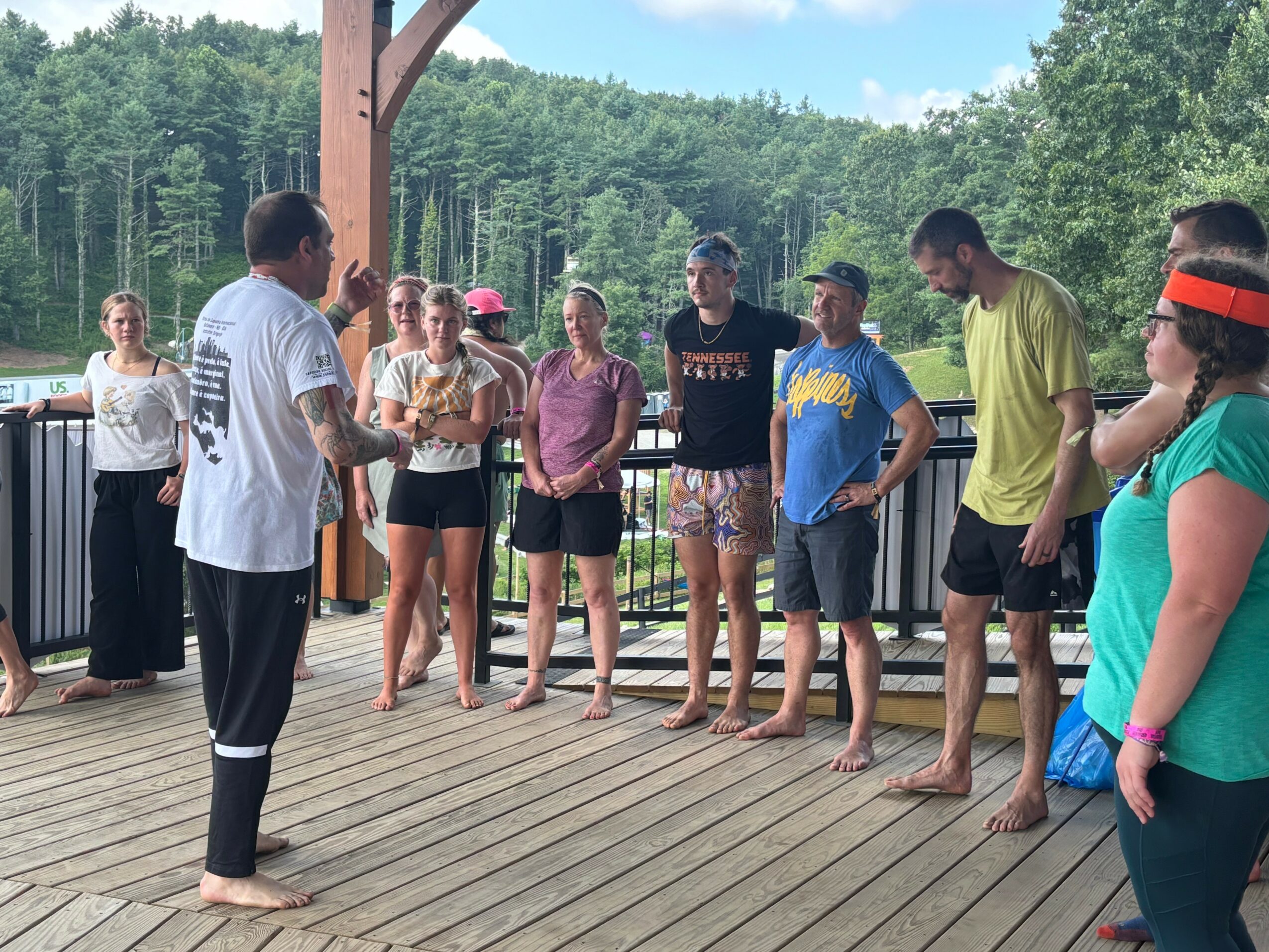
I’m Justin West —known in the capoeira community as Siriguejo. Based in Baltimore, I’m a certified math educator and capoeira instructor (under Mestre Ray of Belo Horizonte, MG Brazil) with a deep commitment to Afro-Brazilian cultural arts.
Around 2005 I began training capoeira in Baltimore. In 2008 I founded the non-profit Capoeira Social Project (CSP) with the mission of using capoeira — and the broader arts, music, instruments, crafts, and language connected to it — as a vehicle for education, empowerment, and community.
At Capoeira Social Project in Baltimore:
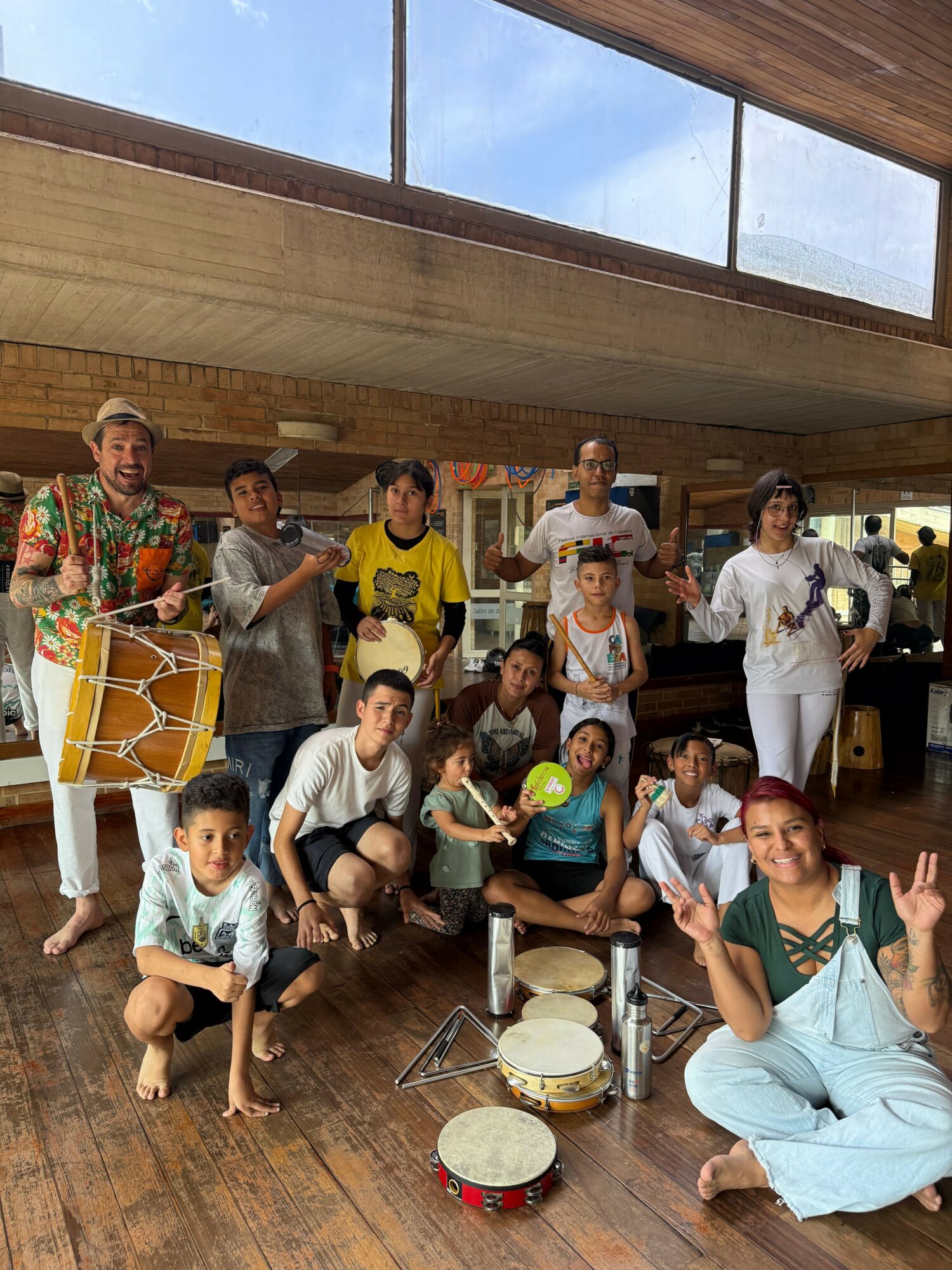
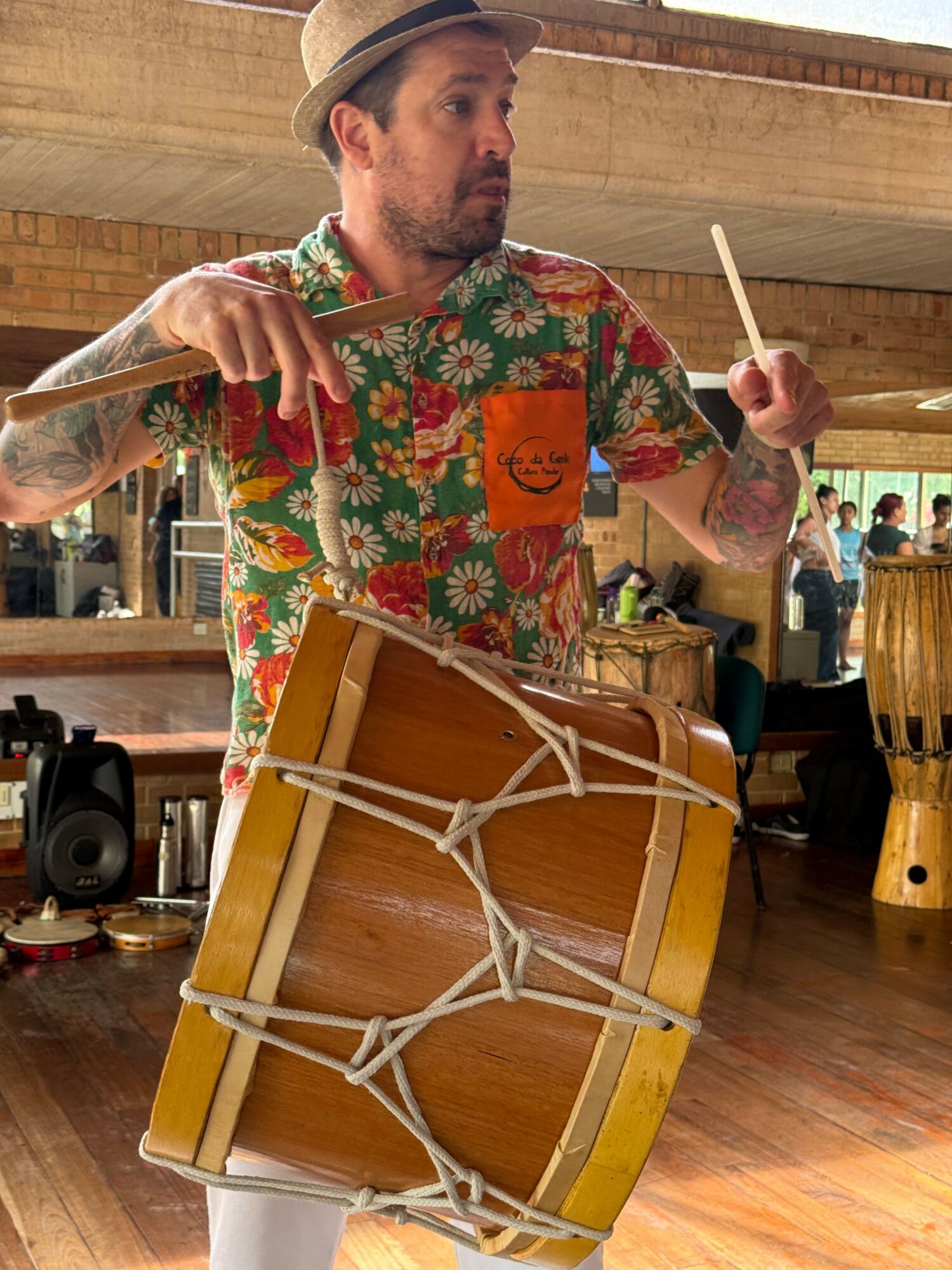
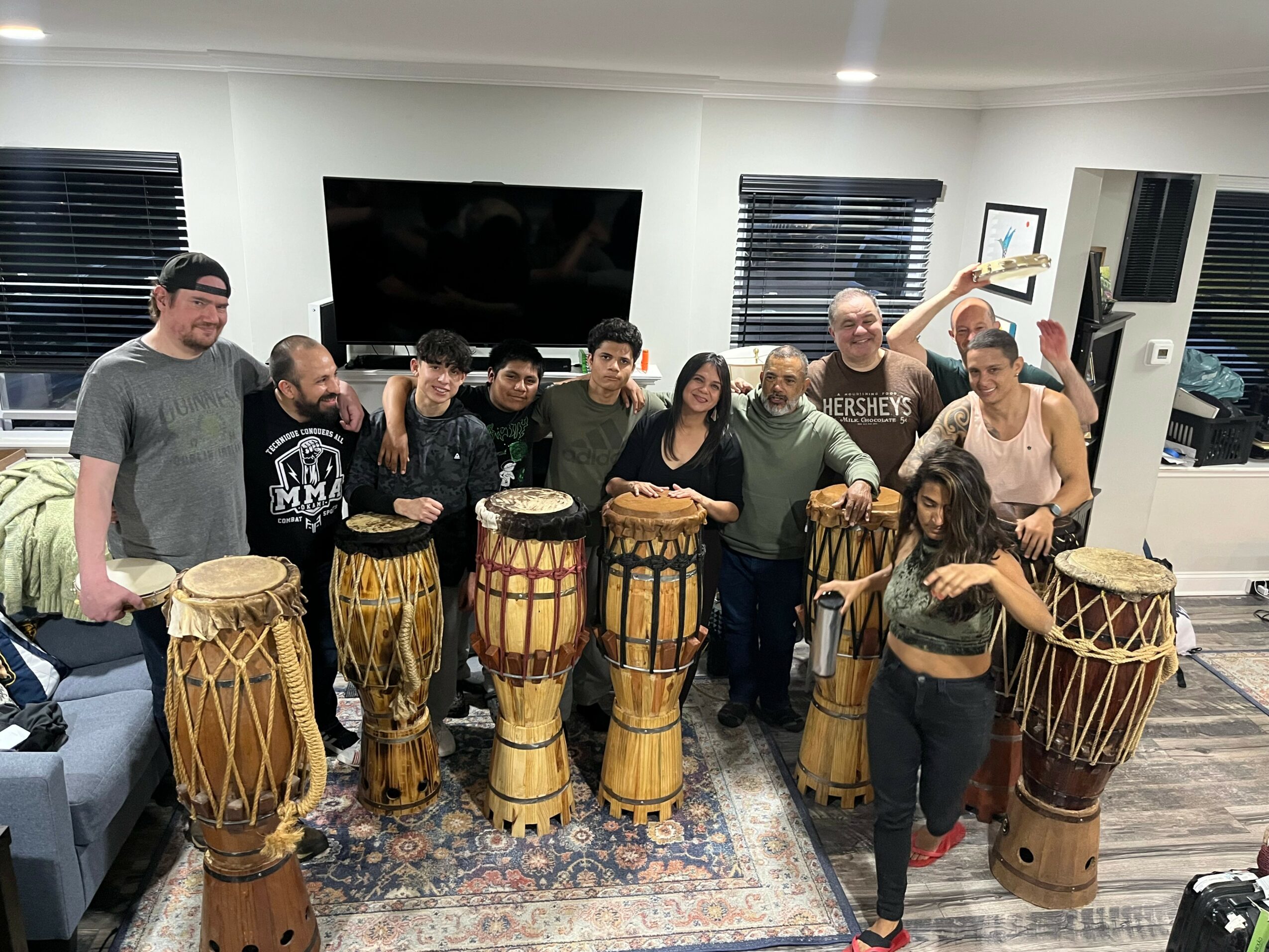
• We teach capoeira (Angola, Regional, Contemporary) alongside percussion, dance forms like maculelê and samba de roda, and traditional instruments including the berimbau, pandeiro, atabaque.
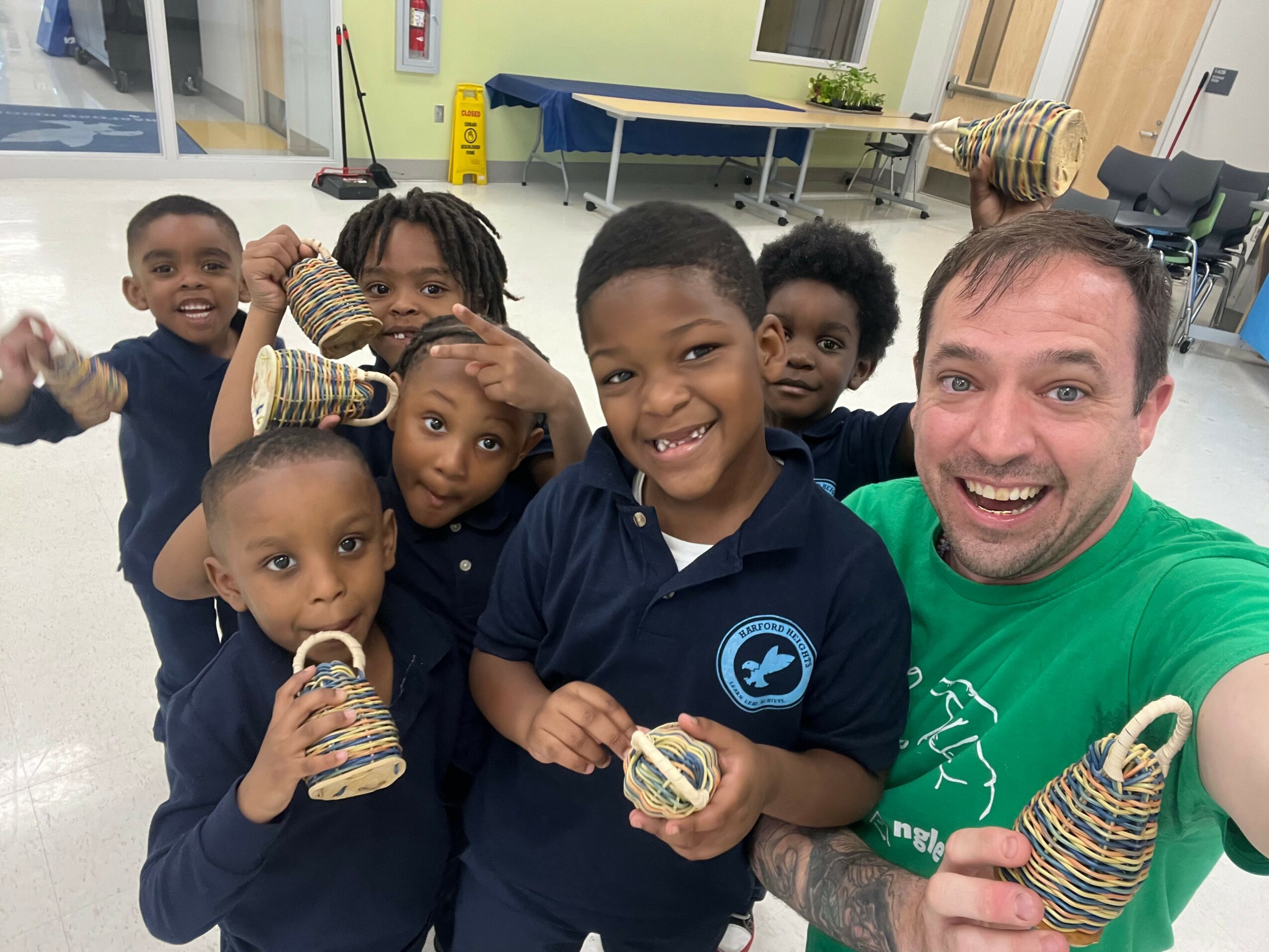
• We integrate visual-arts and hands-on craft workshops: screen-printing , instrument-making (caxixis, xequerês, berimbaus), wood-staining/pyrography, up-cycling materials to create instruments.
• We bring in academic and life-skills: mathematics, Portuguese language, cultural history of Afro-Brazilian traditions, bilingualism, self-confidence, teamwork, and creative expression.
• Our “education for body, mind, and life” approach means we don’t just focus on physical movement — we emphasize mental and creative growth, cultural identity, and practical skills.
My own journey has taken me from Baltimore to Brazil and back: after earning a master’s degree in Mathematics Education, I moved to Brazil to deepen my study of capoeira, Portuguese, and Afro-Brazilian culture. Returning to Baltimore, I brought those experiences into the studio and community.
Right now, with CSP I’m working to expand our after-school and summer-workshop offerings for middle and high school youth — combining capoeira, Brazilian percussion, visual arts (screen-printing, instrument-craft), and academic tutoring. (You may have heard of our program at the National Academy Foundation in Baltimore: that’s one of our key initiatives.)
What makes this special is how we interweave disciplines: the music and movement of capoeira, instrument craft, visual-arts techniques, language and maths — all of it rooted in a cultural tradition but applied here in an urban school context in Baltimore. The result: students don’t just learn a new skill, they discover confidence, creativity, and connection to something larger than themselves.
Appreciate your sharing that. Let’s talk about your life, growing up and some of topics and learnings around that. Who were you before the world told you who you had to be?
Before I found my way to capoeira and the arts, I was living a version of success that never felt like mine. I had followed a path into engineering, commuting out to suburbia every day, sitting in traffic, doing work that paid the bills but left me drained. I spent my evenings trying to unwind the only way I knew how—drinking too much, trying to quiet the feeling that I was living someone else’s life.
I think, back then, I was someone searching for meaning in a world that kept telling me it was enough to just have a good job and a steady routine. It wasn’t until I connected with capoeira—its rhythm, its community, its creativity—that I started to remember who I really was: someone who learns best through movement and sound, who finds peace in making things with my hands, and who feels most alive when teaching and creating with others. That gave me direction, and a purpose that’s felt authentic ever since.
When did you last change your mind about something important?
The last time I changed my mind about something truly important was when I decided to return to the United States from Brazil. For years, I believed my future—and my happiness—were rooted in Brazil. I had built a life there: a community of close friends who had become my family, a deep connection to the culture that shaped my work, and a home with my wife and our young daughter. But after losing my teaching job during COVID and facing constant arguments about what came next, it became clear that something had to change.
Coming back to the U.S. meant making some painful choices. It meant separating from my wife and leaving my daughter behind in Belo Horizonte, knowing I’d be missing moments I’d never get back. But it also meant believing that I could take everything I had learned in Brazil—about teaching, about capoeira, about resilience—and build something meaningful here.
When I returned to Baltimore, I was able to step into a position as a public school math teacher, and from there, I began rebuilding the Capoeira Social Project into a full-fledged afterschool program. Through community support and several grants, we’ve been able to acquire equipment and offer afterschool programs in three schools since 2022.
That decision was the hardest I’ve ever made, but it reminded me that sometimes changing your mind isn’t about giving up—it’s about honoring a deeper calling, even when the path is uncertain.
So a lot of these questions go deep, but if you are open to it, we’ve got a few more questions that we’d love to get your take on. What’s a belief or project you’re committed to, no matter how long it takes?
I’m committed to the vision of establishing a permanent home for the Capoeira Social Project—a proper studio building that embodies everything we teach and believe in. The idea is simple but powerful: a first floor dedicated to movement and music, where students can train capoeira, learn percussion, and experience the energy of Afro-Brazilian culture; and a second floor designed for arts and technology training, where they can screen print, design, build, and connect their creativity to future careers.
This space would be more than just a studio—it would be a hub for cultural education, mentorship, and community in Baltimore. It’s a place where young people can discover their strengths, develop discipline, and find belonging through the arts.
It’s a big dream, and I know it won’t happen overnight. But every class we teach, every partnership we form, and every grant we earn brings us one step closer. I believe in it completely—because I’ve seen how transformative this work already is, and I know what it could mean to finally have a home built for it.
Okay, so before we go, let’s tackle one more area. What pain do you resist facing directly?
The pain I resist facing directly is how much I miss my daughter. Leaving Brazil meant leaving her behind at a time when she was still so little—when every day brought a new word, a new smile, a new piece of who she was becoming. I tell myself that I made the right decision—to rebuild my life, to create something lasting here that she can one day be proud of—but that doesn’t make the distance any easier.
There are days when I stay busy teaching, training, or running programs so I don’t have to sit with that ache. But it’s always there, under the surface. I think part of me keeps going so hard with this work because it’s the only way I know to turn that pain into purpose—to build something meaningful enough that, when she’s older, she’ll understand why I had to go, and see that everything I’ve done was, in some way, for her.
Contact Info:
- Website: https://www.cspmd.org
- Instagram: https://www.instagram.com/capoeirasocial.project/
- Facebook: https://www.facebook.com/CapoeiraSocialProject/
- Youtube: https://www.youtube.com/@capoeirasocialproject