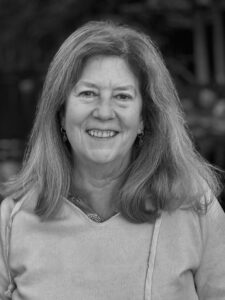
 Today we’d like to introduce you to Sarah Hood Salomon.
Hi, Sarah, we’re thrilled to have a chance to learn your story today. So, before we get into specifics, let’s briefly walk us through how you got to where you are today.
I began taking pictures in high school and was utterly mesmerized by the practice of photography. I continued to make images in college, and upon graduation, I got a job in a camera store in Amherst, MA. While there, I created a list of possible job contacts. I packed my bags and moved to Boston, but every contact fell through. I was able to get part-time work as a photography assistant. When that work slowed down, I pounded the pavement, made lots of cold calls, and eventually began getting a few freelance photographer jobs. Over time, I built a successful practice as an editorial photographer, but I always kept practicing my artistic work. I married a wonderful and supportive man, but raising children was too demanding for me to keep up a freelance business. I worked on my photography in between diaper changes, and when my kids were finally grown, I went back to school to earn an MFA in photography through Maine Media College. That experience was invigorating and challenged me to look at my work differently. I am now creating sculptural photography, and this past year, I have brought numerous solo and group shows.
We all face challenges, but looking back, would you describe it as a relatively smooth road?
Feedback is critical to an artist, but my work was completely dismissed during one critical portfolio review. I became discouraged and changed how I took pictures to what I thought was wanted. I approached the same institution with the new work but was again rejected. I became very depressed and stopped taking pictures for three months. I needed to figure out where to begin. A friend told me not to worry about the big picture yet, but to make a start. I went out to the woods and took a few terrible pictures. I went out the next day and made some better images. I went out daily for several months, and a new direction became clear. I gradually regained my confidence and learned that I need to be true to my vision and not try to make work that I think will be acceptable to others.
I appreciate you sharing that. What else should we know about what you do?
My work is rooted in a deep love and admiration for trees. Climate change and urbanization have created enormous challenges for the survival of our forests. The ever-expanding human population severely limits the amount of natural habitats. The photographic remnants in this exhibit come from images taken on properties about to be developed – the trees in the pictures will soon be destroyed. I have purposely scratched, sliced, and puréed my photographs in response to their imminent destruction. The original images are unrecognizable and can’t be reconstructed, just as landscapes altered by humans can’t be reclaimed.
My work questions the nature of a photograph and what it represents. I desire to turn a photograph into something more complicated than ink dots on paper. Detaching the ink from the paper breaks the photograph’s surface into separate elements. I also disrupt the image by slicing photographs and manipulating the individual strands. These components are suspended in resin to form sculptural works of art that push against the restrictions of the two-dimensional photograph.
My photographs and sculptures celebrate woodlands, but I also feel great sadness about the inevitable changes humans bring to our planet. My work will help others become more aware of the beauty and fragility of our forests and their inhabitants and inspire action for positive change.
We’d love to hear about your fond memories from growing up.
As a child, my parents taught me to nurture plants, put them in the best possible environment, and encourage them to thrive. But what happens when an acorn is dropped in a tiny patch of dirt with insufficient sunlight and water? Nature is resilient, and given time, roots can crack through cement, but humans can be ruthless in their pursuit of progress. Encroaching branches are ruthlessly hacked off, yet humans also squeeze potted flowers onto narrow balconies to soften the edges of urban environments. These observations caused me to examine the complex coexistence of humans and plants and also explore the liminal space, or threshold, between what a plant wants to be and the adaptations they are forced to make.
Contact Info:
- Website: www.sarahhoodsalomon.com
- Instagram: @sarahhoodsalomon
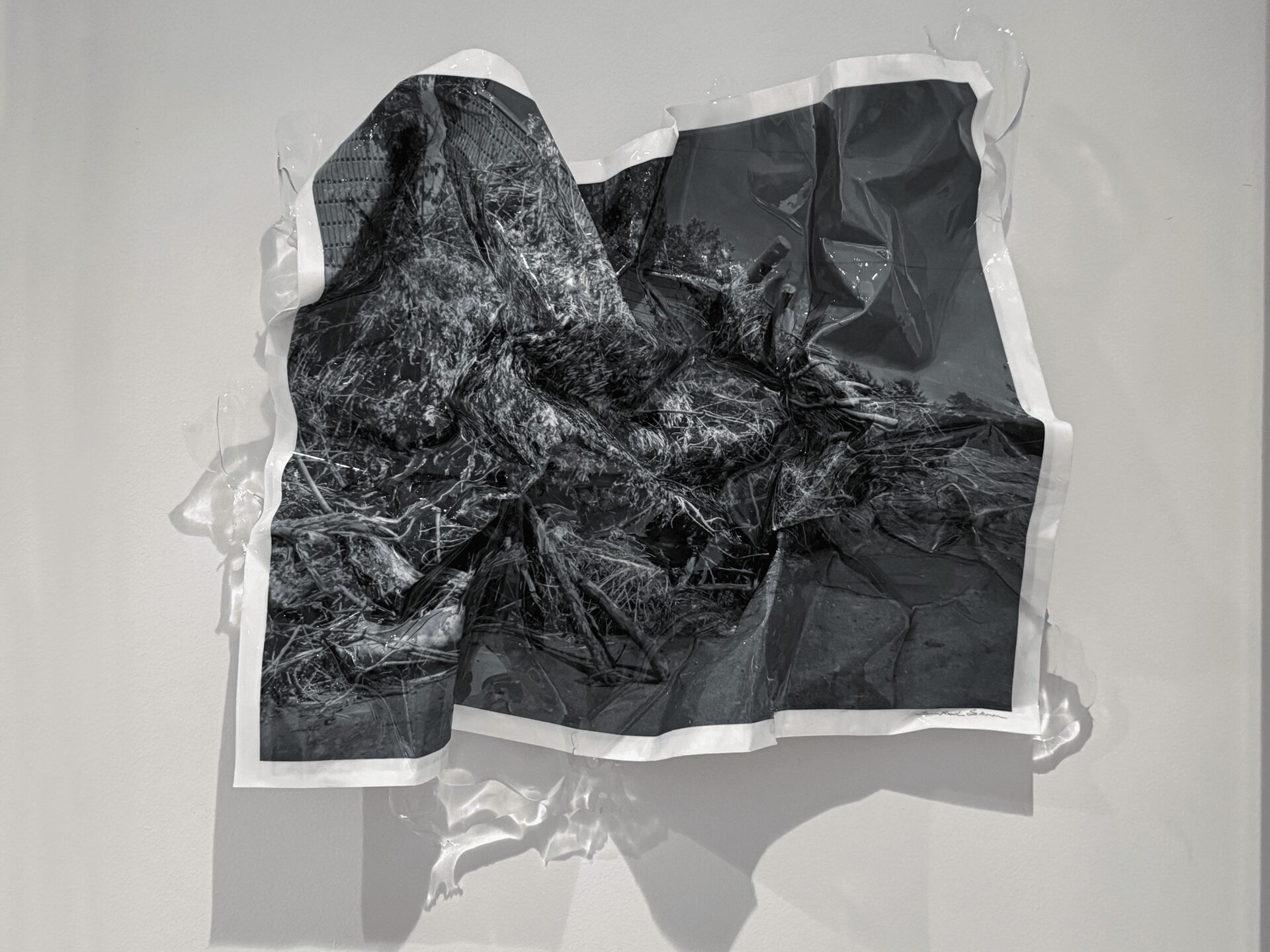
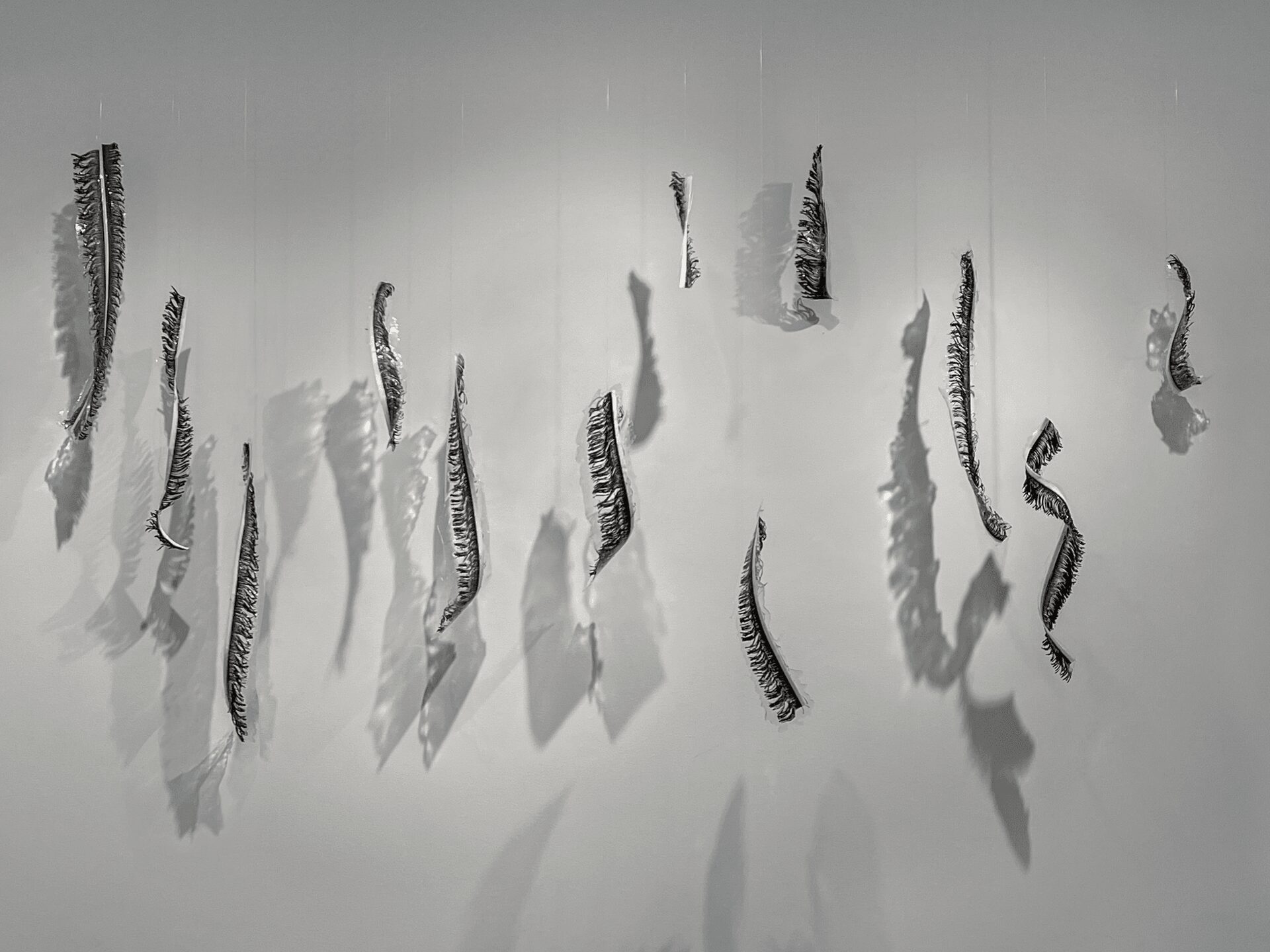
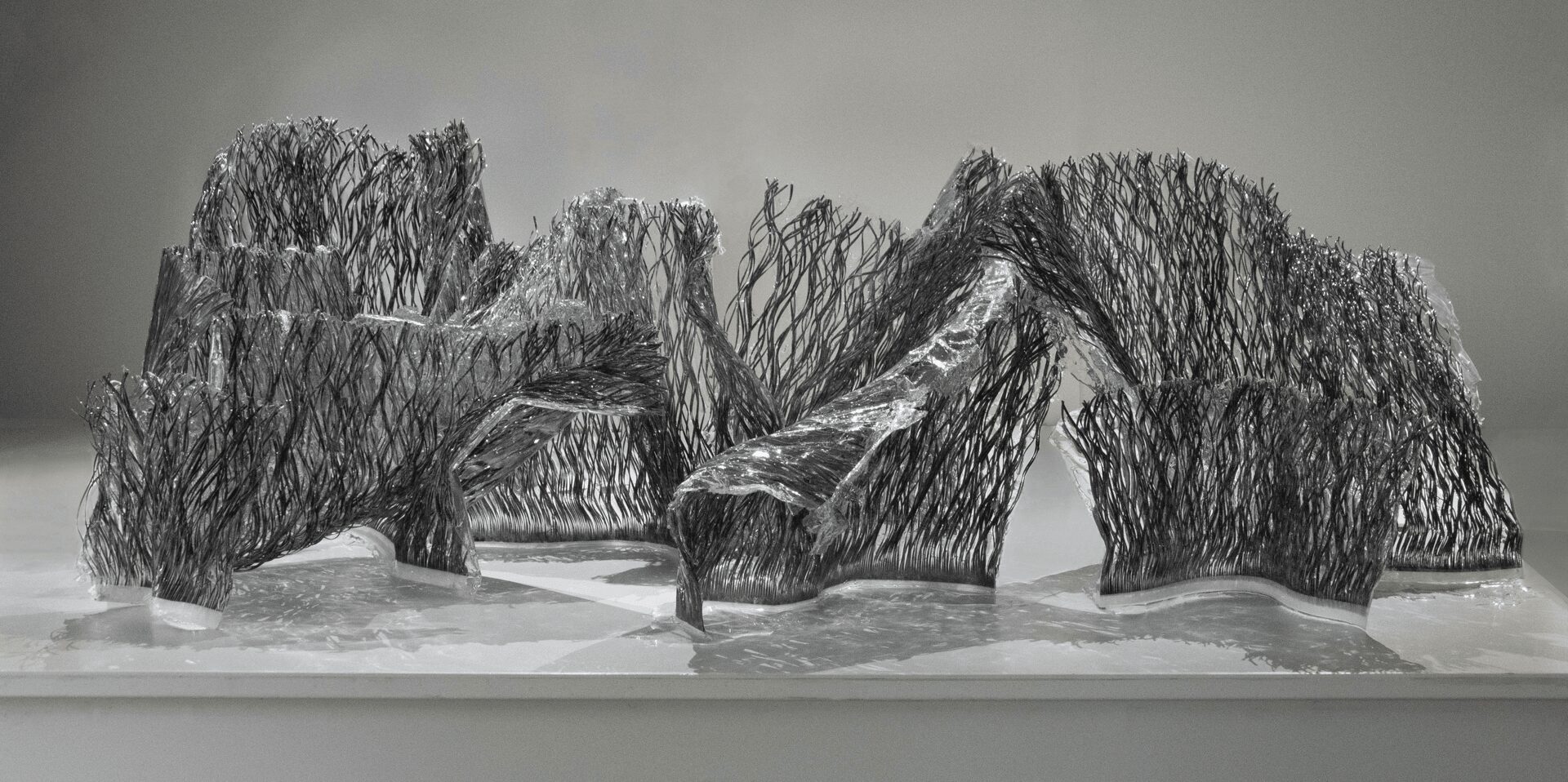
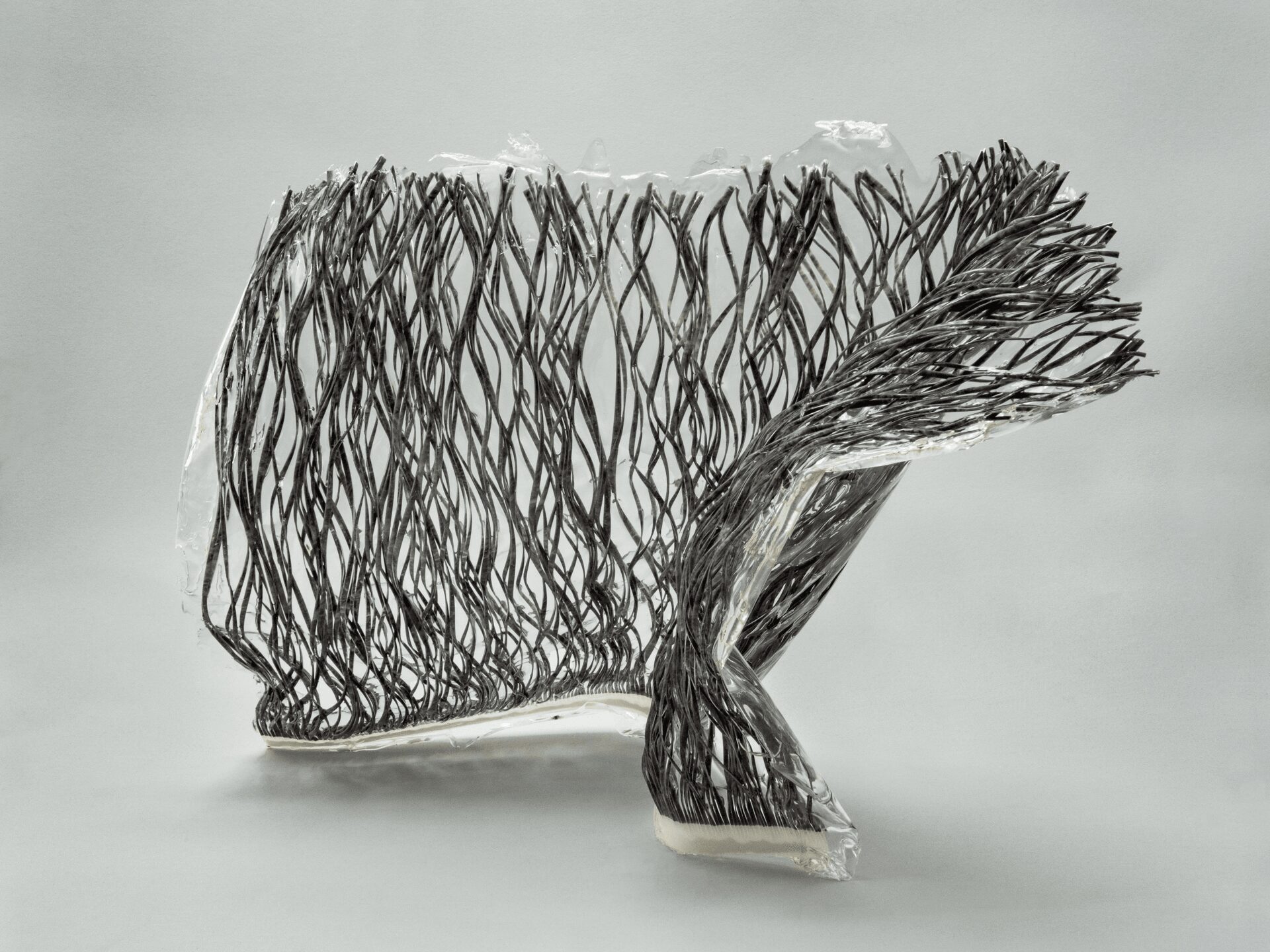
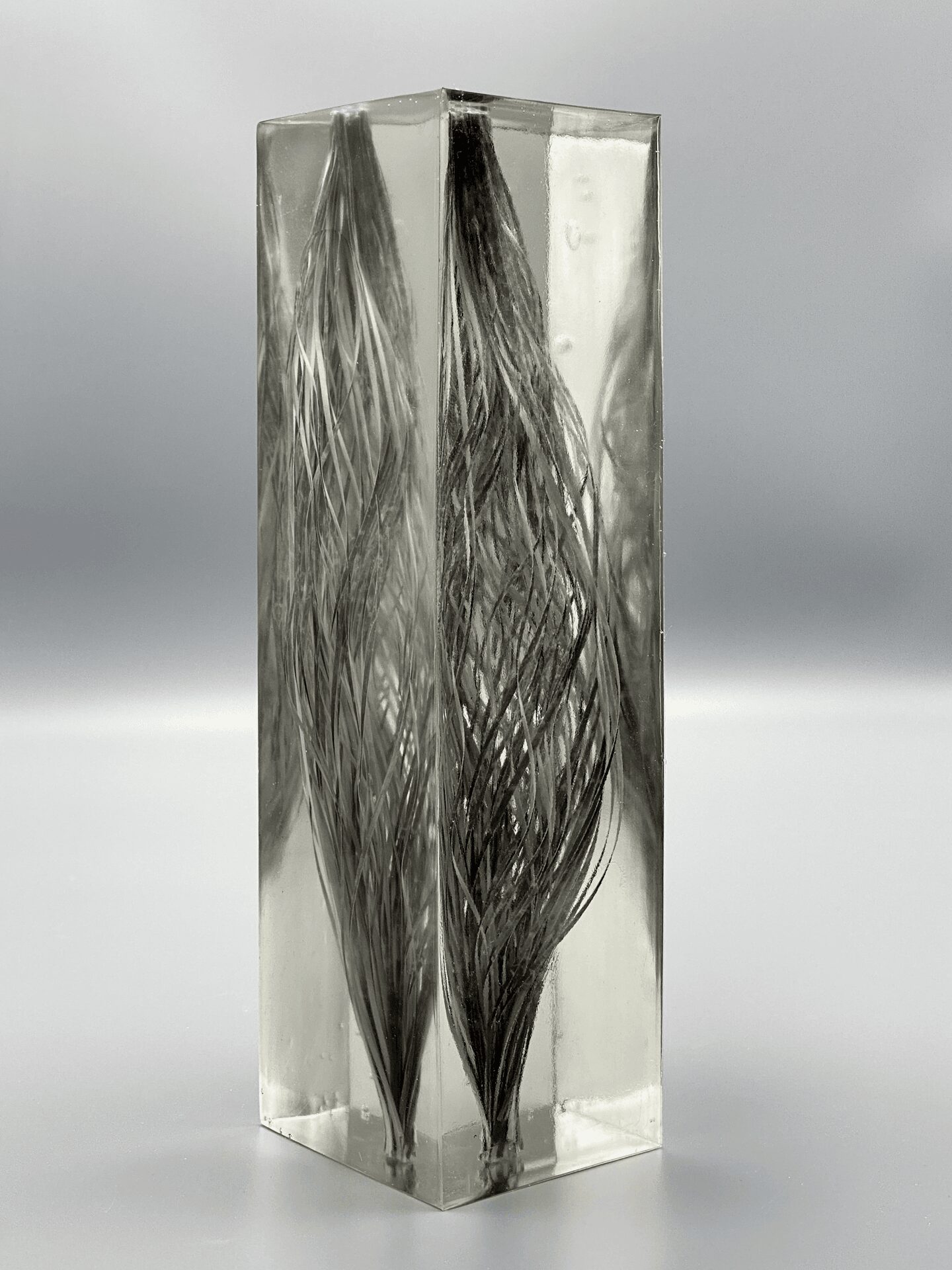
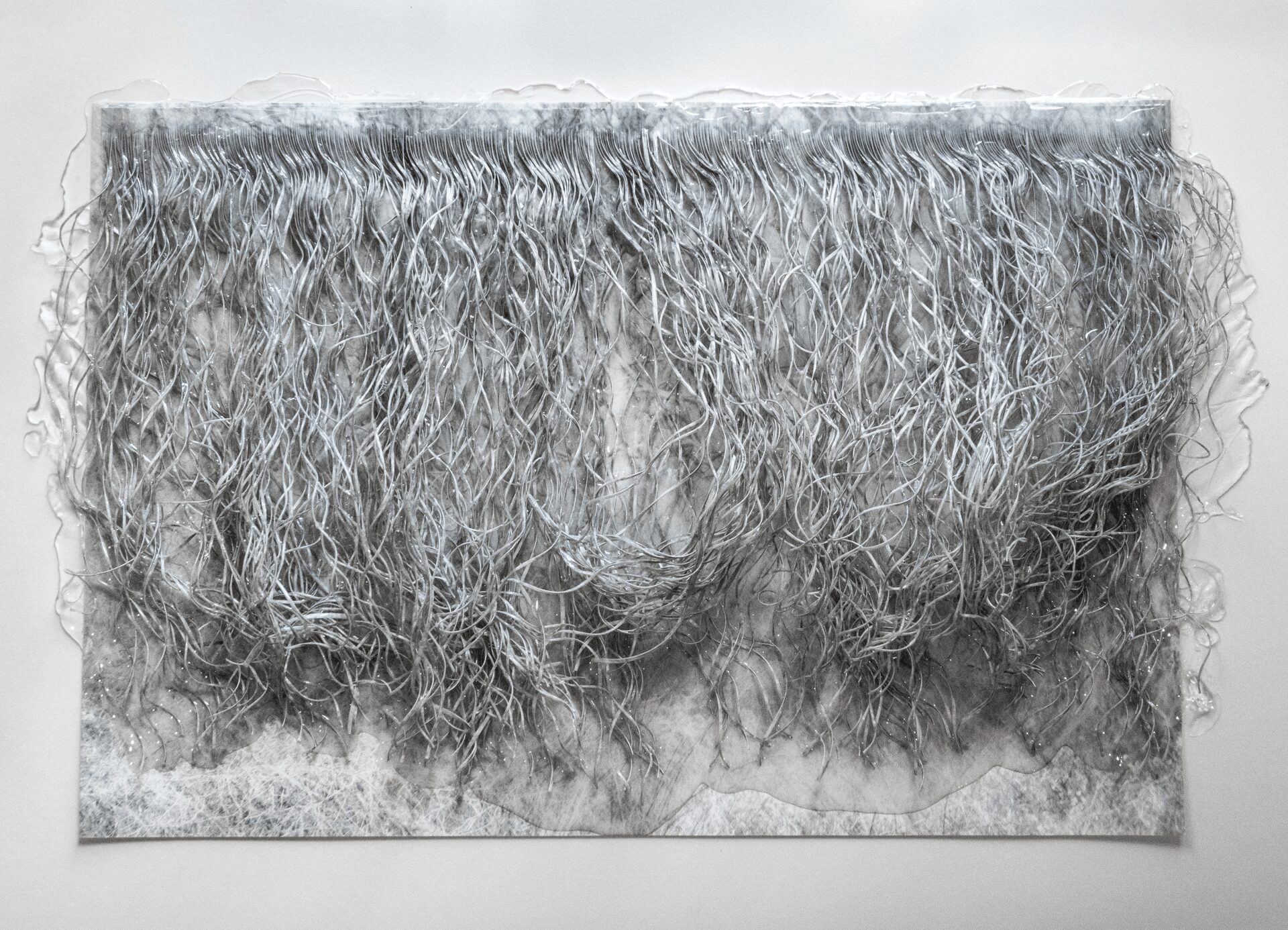
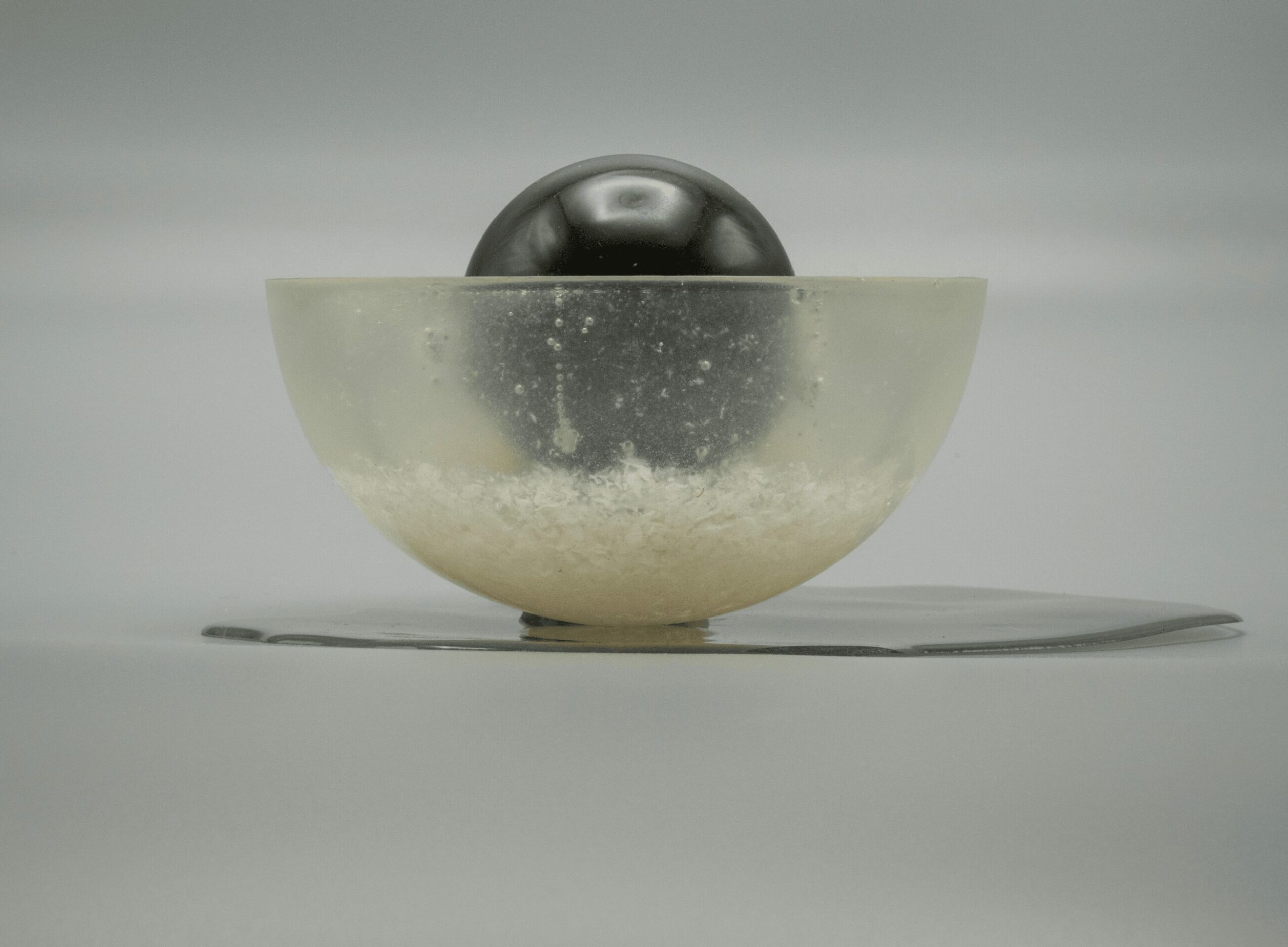 Image Credits
All images ©SarahHoodSalomon