Today we’d like to introduce you to Linda Aluoch.
Alright, so thank you so much for sharing your story and insight with our readers. To kick things off, can you tell us a bit about how you got started?
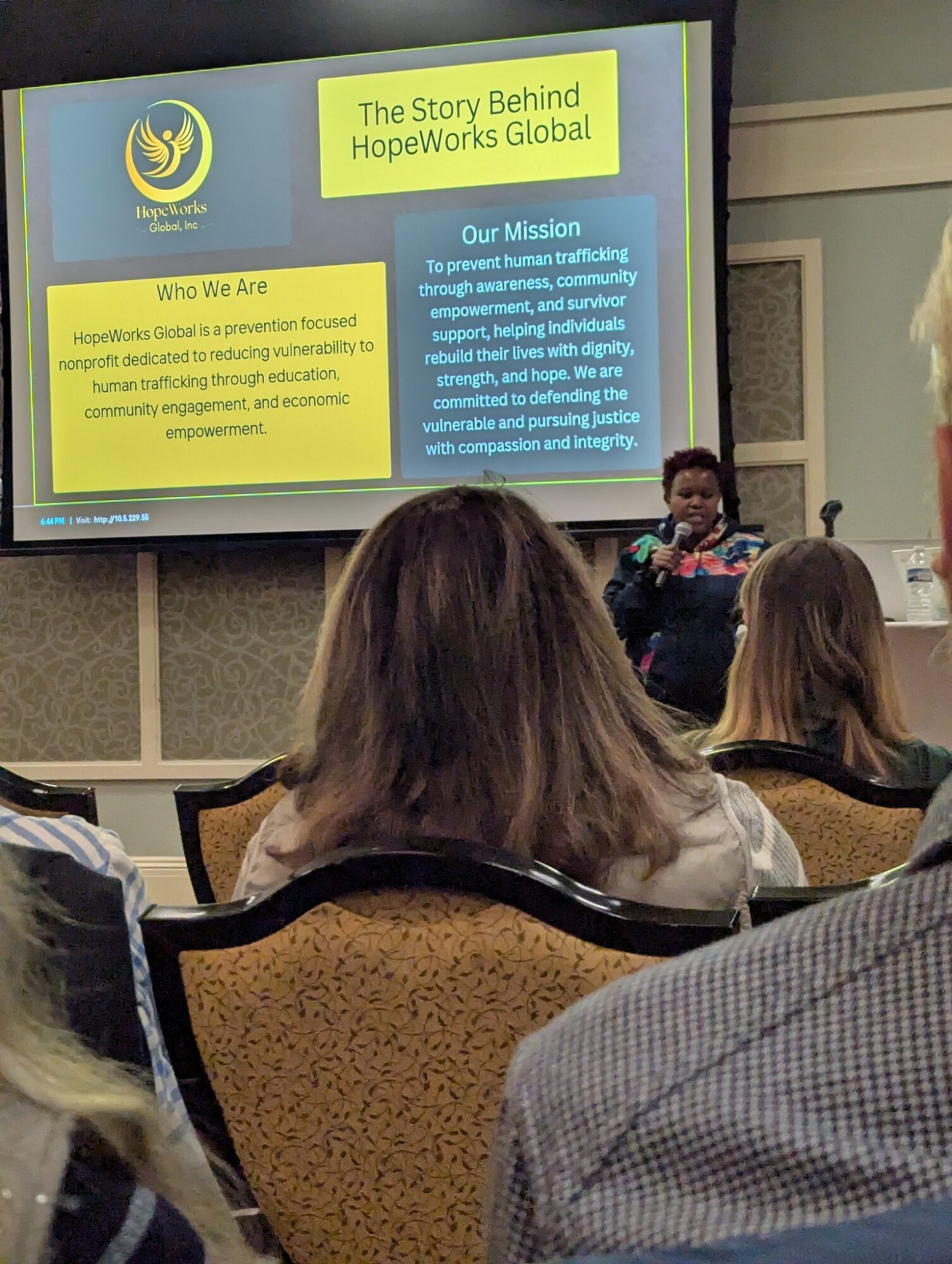
I’m a certified Human Rights and Anti-Trafficking Consultant, and the Founder of HopeWorks Global. This work is deeply personal to me not just a professional field, but a mission born from my own lived experiences.
Every initiative is rooted in my journey, and in a deep commitment to protect, empower, and restore dignity to those often forgotten.
I was born and raised in Kitui, semi-arid Eastern part of Kenya (Africa) a place where poverty, survival, and silence shaped childhoods. Mine included.
I grew up surrounded by hardship. I witnessed domestic violence at an early age. I endured abuse by people who should have protected me. I carry physical scars from those years, one from a burn sustained while fighting over scraps in a cooking pot, another from stepping on a nail while wearing shoes with soles that barely covered my feet. My feet were so hardened from walking barefoot, I didn’t feel the pain until I saw the bloody footprints.
But the deepest scar came from losing my sister to what I later understood to be human trafficking. We didn’t recognize the signs. By the time she returned, the damage had been done. After her exploiters abandoned her as a liability, she was found in a slum dwelling in Kenya and died within one week from HIV-related complications directly resulting from her exploitation.
It took me nearly twenty years to grieve that loss, in part because our family was unable to mourn openly due to the fear and stigma surrounding HIV-related deaths in the early 2000s. I never imagined that helping a friend here in Harford County would become the source of the healing and renewed sense of purpose I so deeply needed.
That loss still fuels everything I do.
My mother, a resilient single parent, fought tirelessly to give us something more. She took out loan after loan to keep us in school, sometimes going home with nothing on her paycheck. Her quiet strength taught me that education is power and that sacrifice can change the course of a life. Today, I carry that same spirit forward through HopeWorks Global.
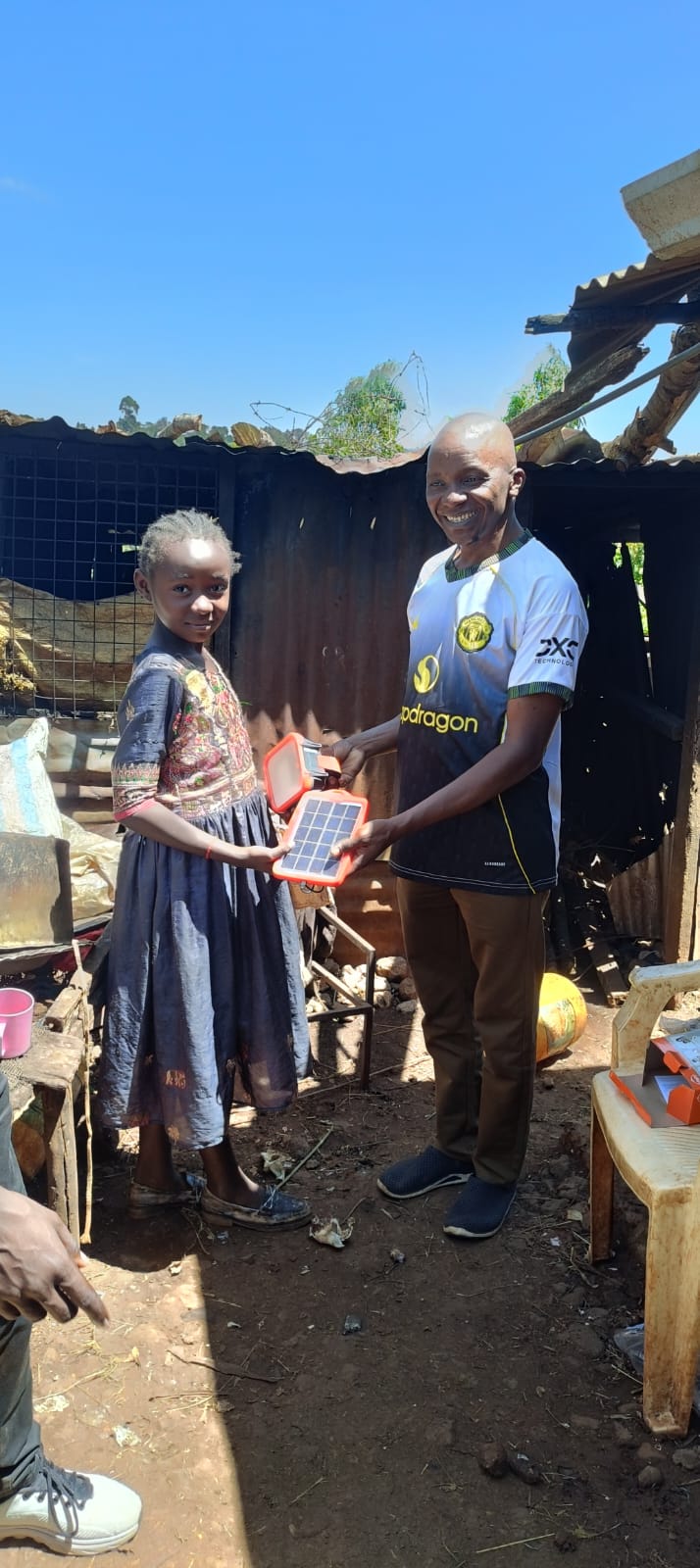
This isn’t just a cause for me. It’s personal. It’s about the girls still fetching water in the early hours of the morning, risking their safety for survival. It’s about the women being exploited because poverty left them without choices.
It’s about the families here in the U.S. and in Kenya who don’t even know what trafficking looks like until it’s too late. I’ve seen the pain up close. In my childhood. In rescue situations here in the U.S. In the faces of survivors whose stories echo my own in different ways.
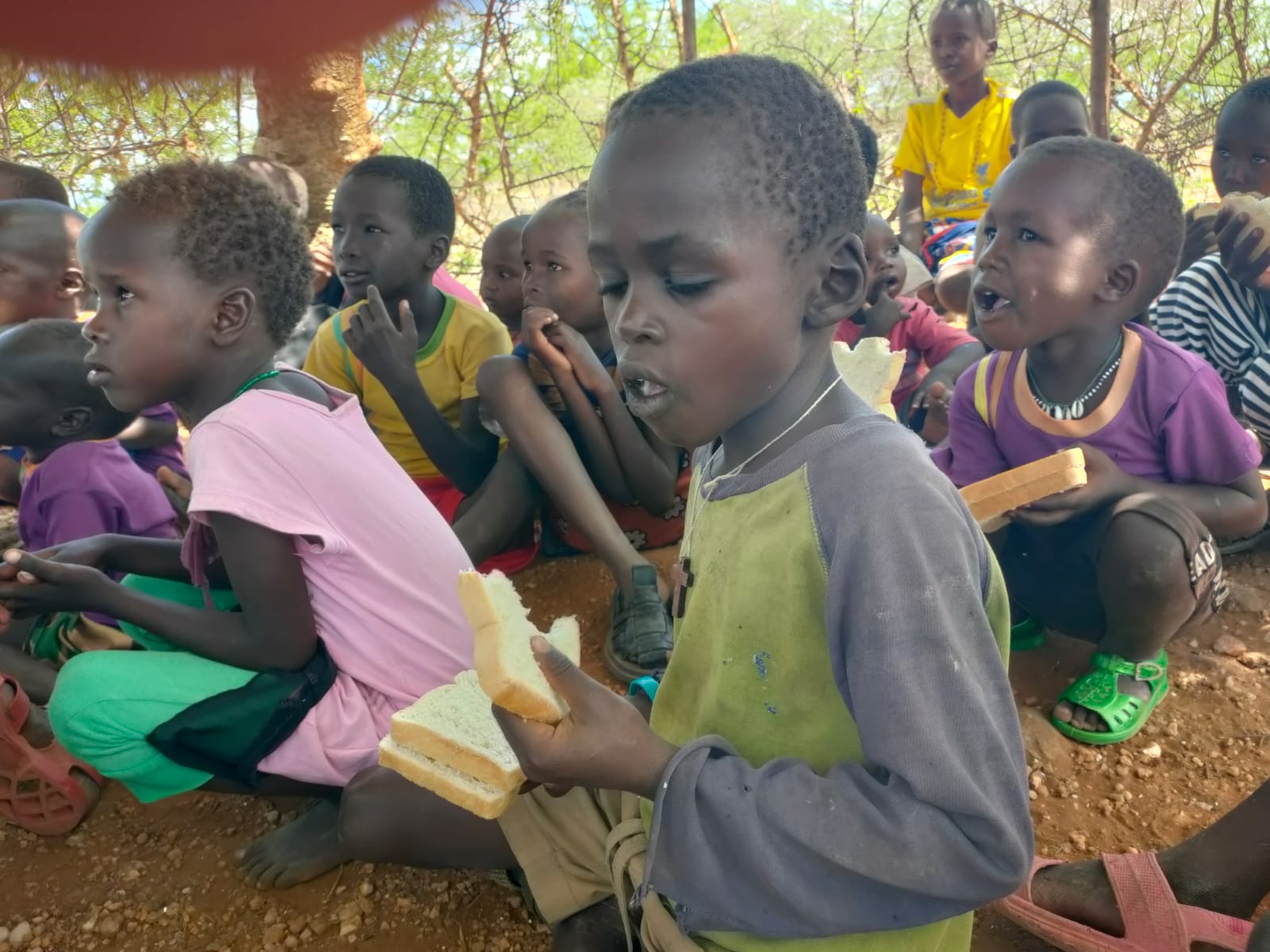
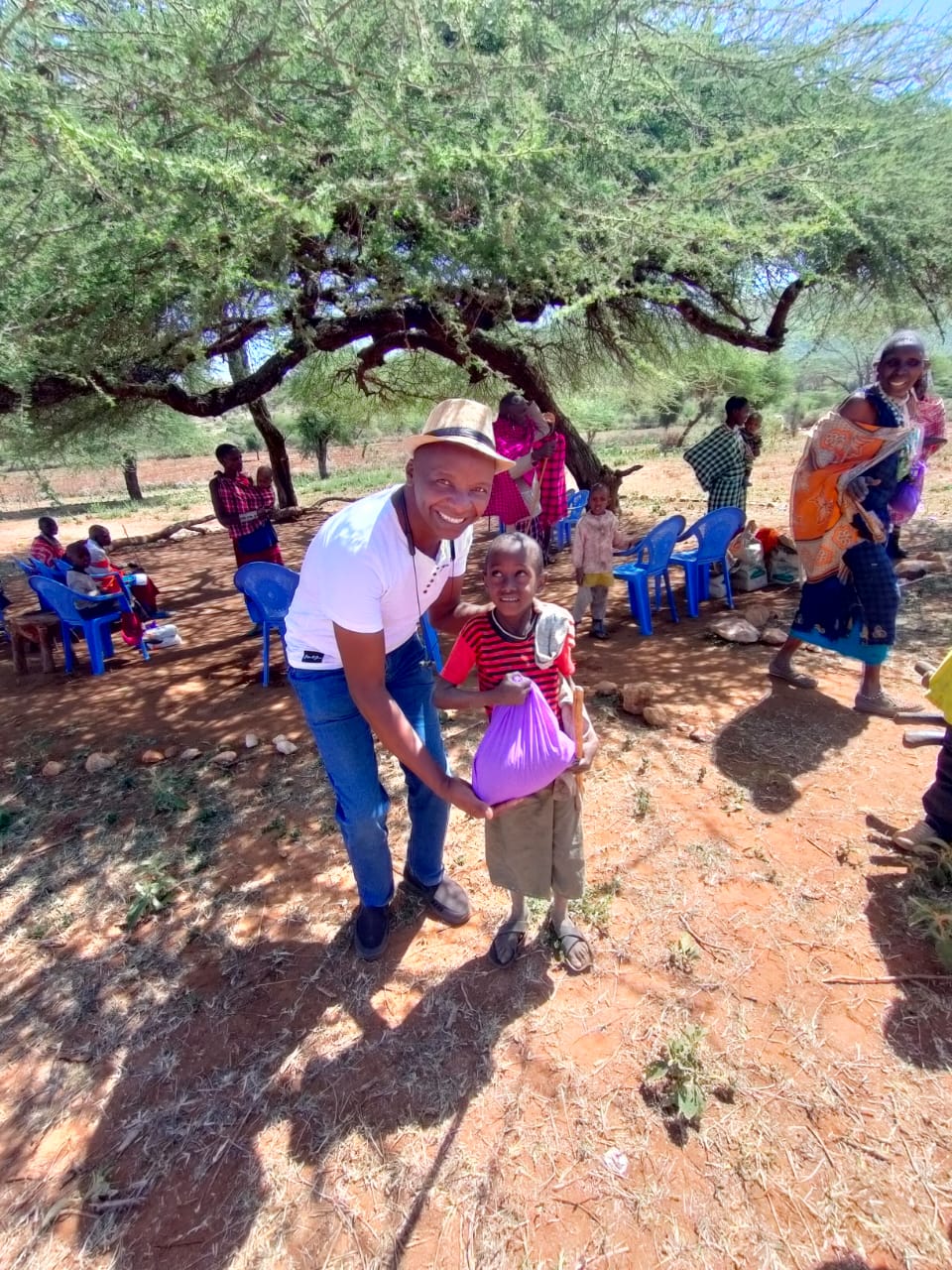
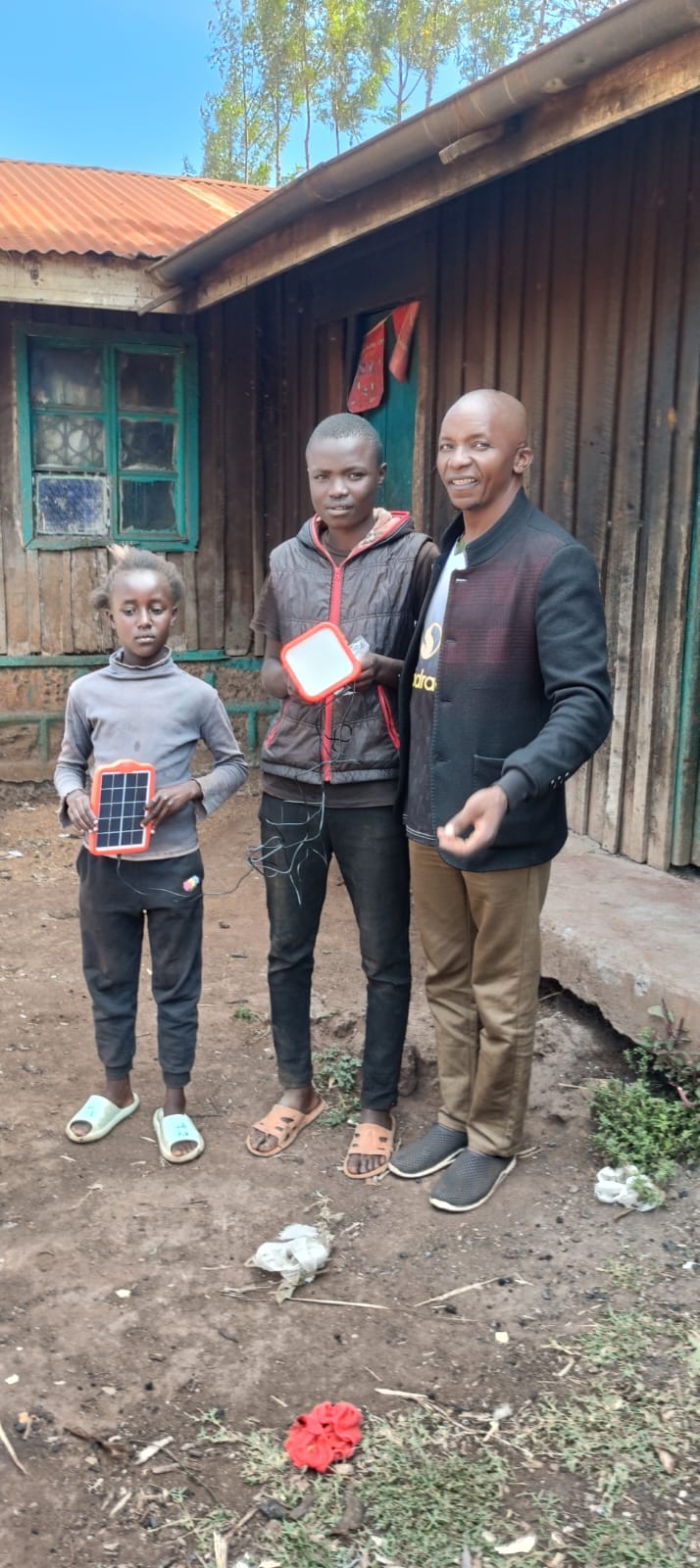
That’s why I founded HopeWorks Global to go beyond awareness and tackle the root causes of trafficking: poverty, lack of education, gender inequality, water scarcity, and harmful cultural norms. Through our work, we:
Educate communities to recognize and prevent exploitation.
Equip individuals with life-changing skills and support to rebuild their lives with dignity.
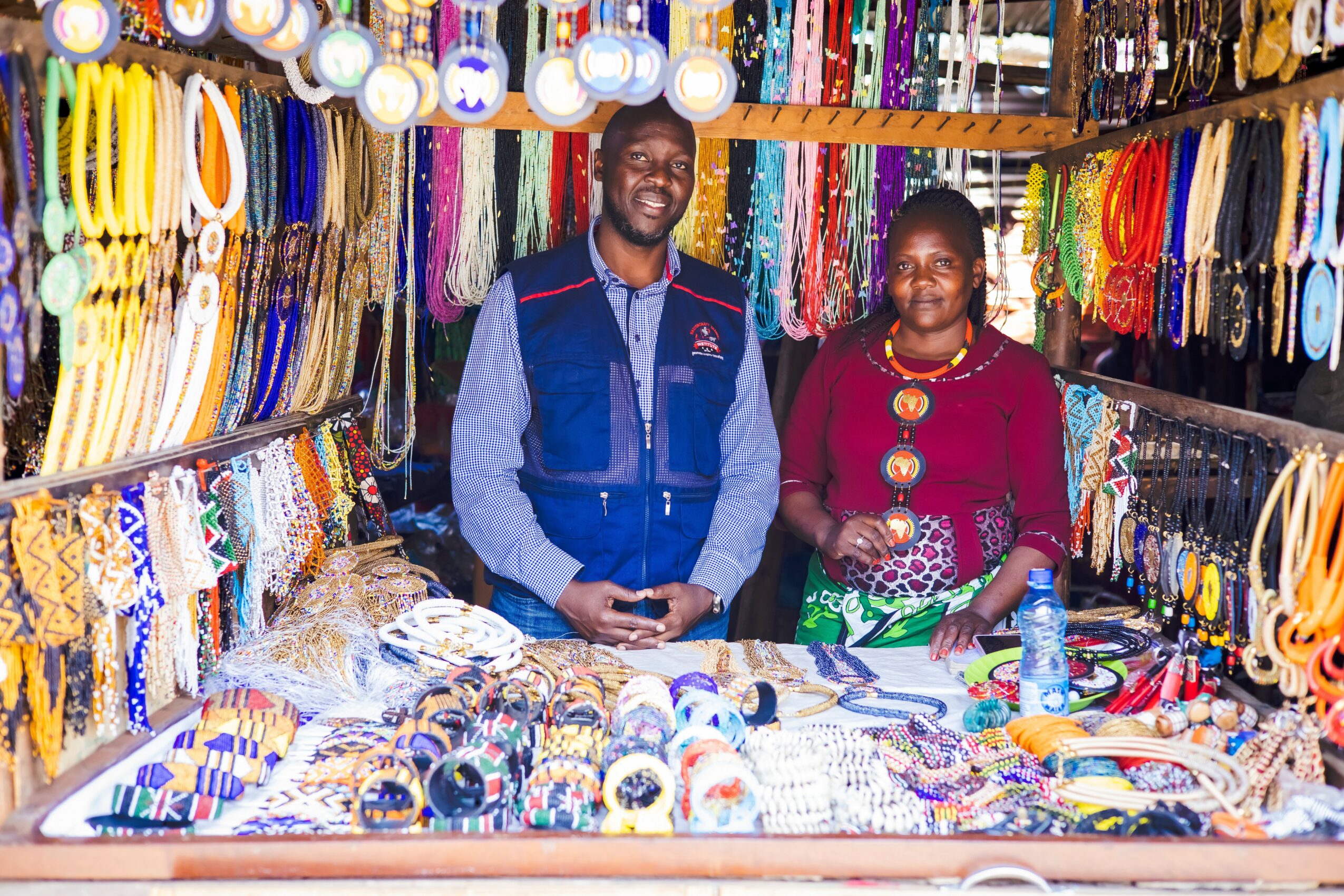
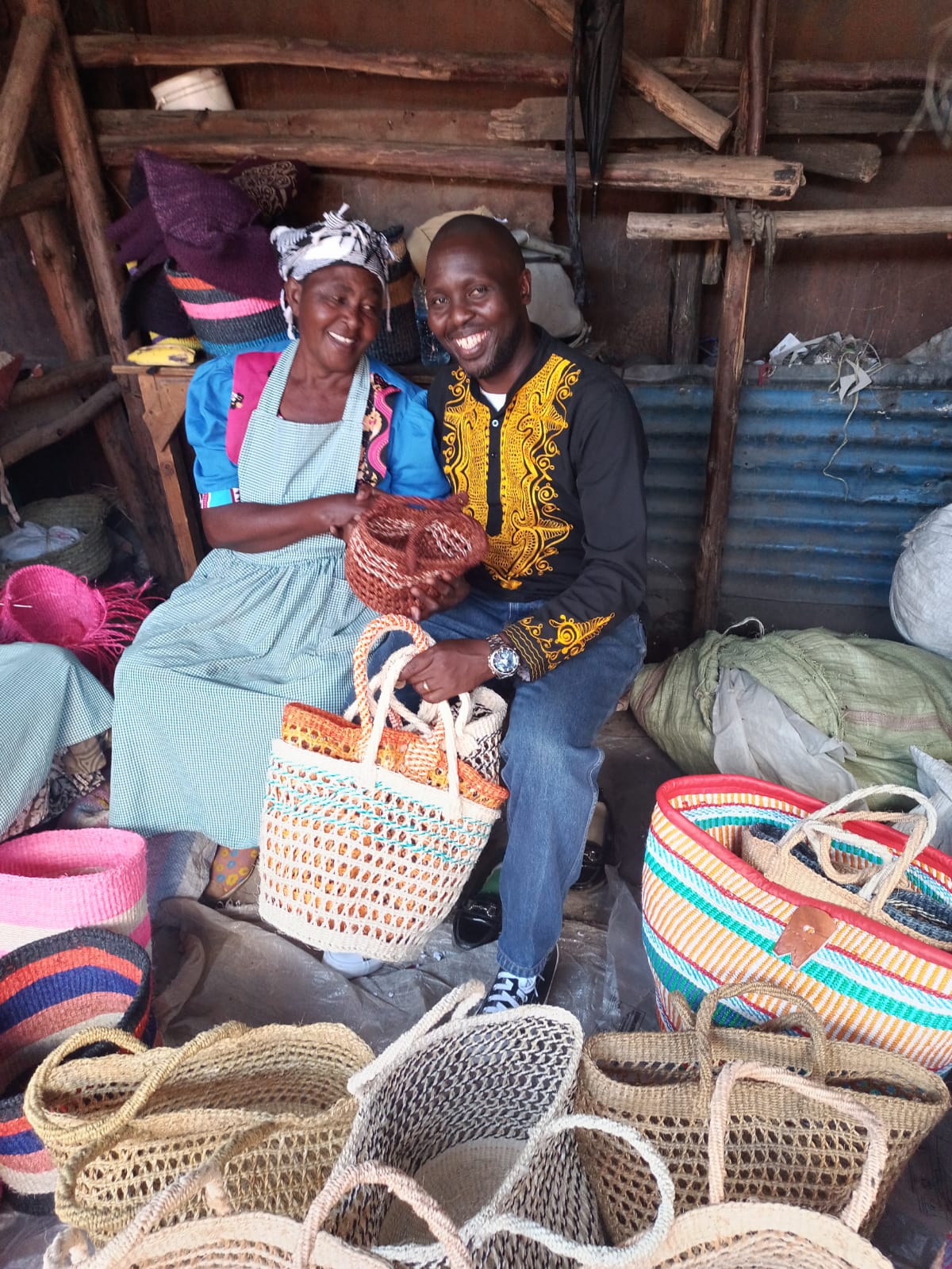
Empower survivors and at-risk artisans through AfroKouture, our social enterprise that turns creativity into opportunity.
I believe scars can become a voice for justice. If my scars, the ones you can see and the ones you can’t, etched silently beneath the surface, can speak…Let them echo across every border, every barrier, and every injustice.
Let them call us to action because silence is no longer an option.
Can you talk to us a bit about the challenges and lessons you’ve learned along the way. Looking back would you say it’s been easy or smooth in retrospect?
No, it has not been a smooth road and in many ways, those challenges continue even a year later. As a developing organization, HopeWorks Global is still navigating operational growth, resource limitations, and the complexities inherent in this work. Building sustainable systems while responding to urgent needs requires constant adaptation. However, these ongoing challenges have reinforced our commitment, sharpened our approach, and strengthened our resolve to build an organization that is both effective and enduring.
Appreciate you sharing that. What else should we know about what you do?
I did not recently step into advocacy. Long before moving here, I consistently looked for ways to improve the lives of others, particularly within marginalized communities. My work has always been rooted in practical solutions that restore dignity and expand opportunity.
In Kenya, I helped introduce warehouse receipt systems within agricultural communities, enabling farmers to secure fairer prices for their produce and reduce exploitation by middlemen. In another community with limited access to education, I supported the introduction of skills based learning to create pathways toward economic stability and self sufficiency.
That same commitment to dignity and access led to the establishment of AfroKouture in Harford County, a social enterprise created to challenge exploitation through ethical opportunity, creativity, and economic empowerment. AfroKouture reflects my belief that prevention can take many forms, including sustainable enterprise that values people, culture, and purpose over profit alone.
After leaving corporate employment, I worked with a nonprofit organization whose programs served individuals experiencing homelessness in Harford County. During that time, I made it my mission to identify, address, and remove the barriers people faced when trying to access housing and essential resources. That experience further shaped my commitment to prevention, early intervention, and systems level advocacy.
This lifelong work ultimately led to the founding of HopeWorks Global. Above all else, our mission is to be the hands and feet of Jesus. Our guiding principle comes from Proverbs 31 verses 8 and 9, calling us to speak up for those who cannot speak for themselves and to administer justice for the poor and the needy. That scripture is not symbolic for us. It is the foundation of how and why we do this work.
So maybe we end on discussing what matters most to you and why?
What matters most to me is dignity. Dignity in how people are seen, treated, and supported, especially those who are marginalized, exploited, or overlooked. When dignity is stripped away, injustice is allowed to take root. Restoring it changes everything.
This matters to me because I have seen firsthand what happens when systems fail to protect the most vulnerable and when silence, stigma, or indifference causes harm to go unaddressed. I have also seen the power of what happens when someone shows up, listens, and refuses to look away.
My work is driven by the belief that people are not problems to be fixed, but individuals worthy of compassion, justice, and opportunity. At its core, this calling is about faith in action, standing in the gap, speaking up for those who cannot speak for themselves, and ensuring that no one is treated as disposable.
Contact Info:
- Website: https://www.hopeworksglobal.org
- Other: https://afrokouture.com