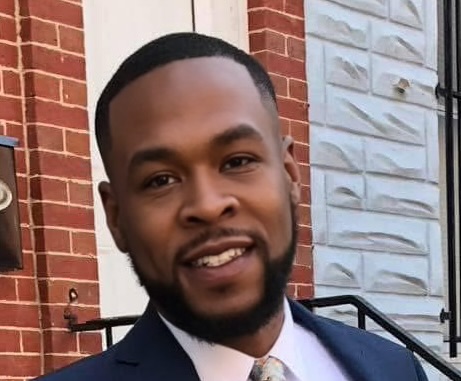
Today we’d like to introduce you to Keith Holt.
Hi Keith , we’d love for you to start by introducing yourself.
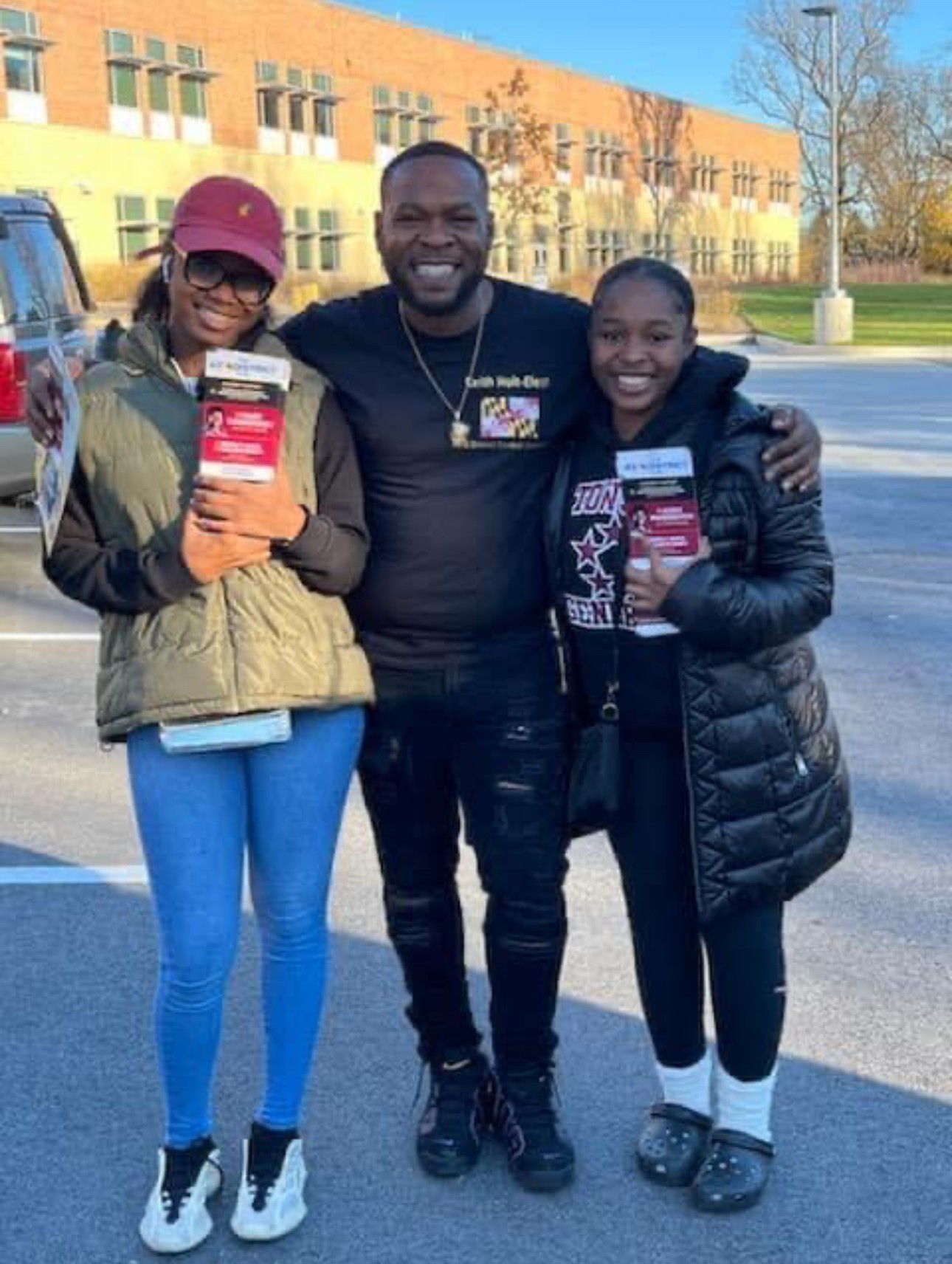
My passion for advocacy has always been the driving force behind my work with marginalized communities nationwide. My work has been featured in prominent media outlets such as CNN, the Washington Post, and Governing Magazine. From the beginning of my professional career, I have been dedicated to empowering individuals and families while creating inclusive environments that foster well-being and a sense of belonging for all community members.
My passion for public service was ignited in high school when I was the Baltimore City Youth Commissioner, where I was introduced to the profound impact of advocacy and community engagement. I worked with Fusion Partnerships on advocating for the young people at Cheltenham Juvenile Center who had claims of physical, mental, and sexual abuse. This eventually led me to work at the Baltimore City Health Department as their first Youth, Gender, and Sexual Minorities Outreach Coordinator. I spearheaded the creation of the Know Your Status Free Ball and Conference, a staple for organizations and health departments nationwide. Our work was instrumental in taking the Baltimore City Health Department from a distant government agency to a trusted community partner.
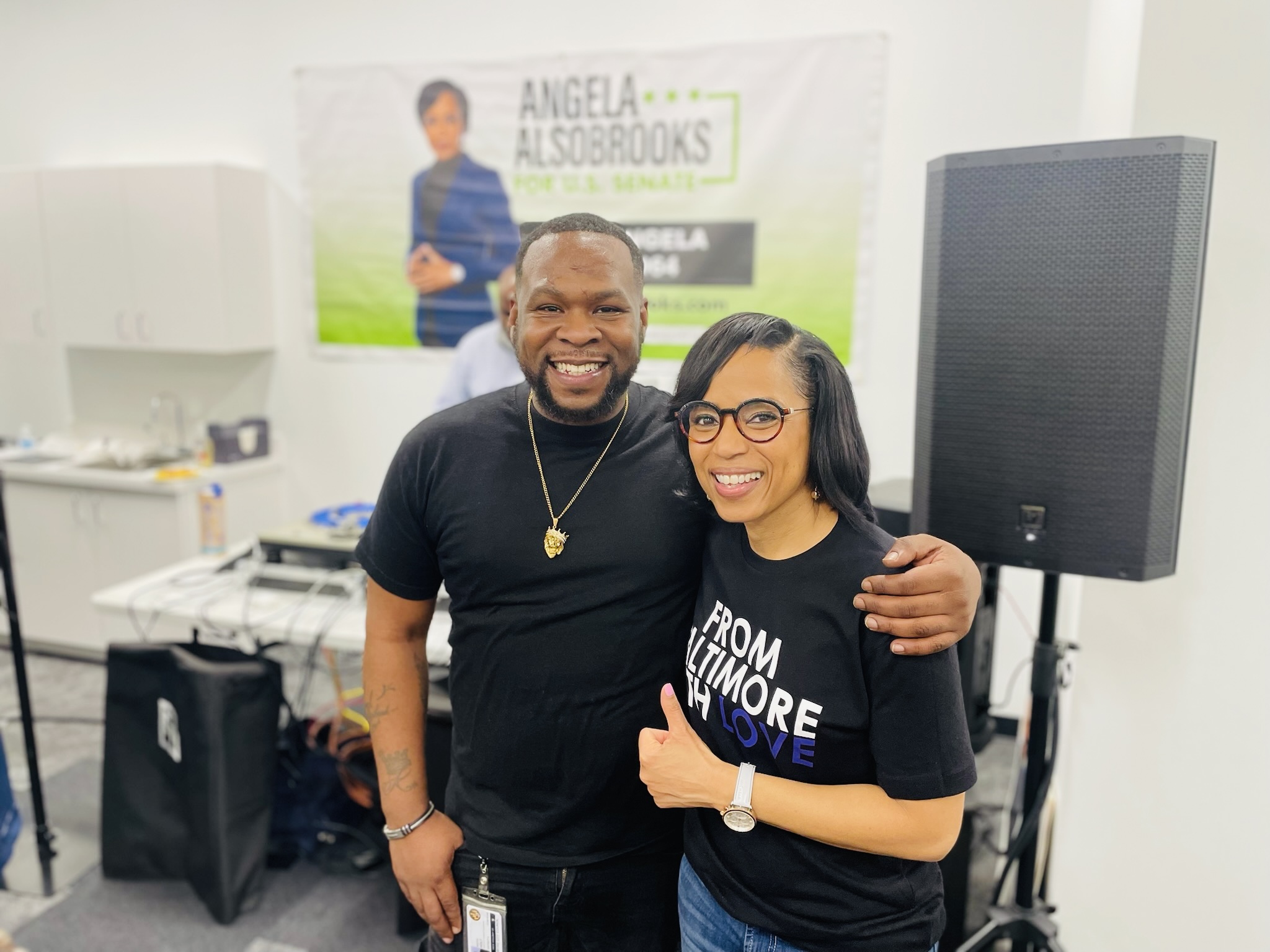
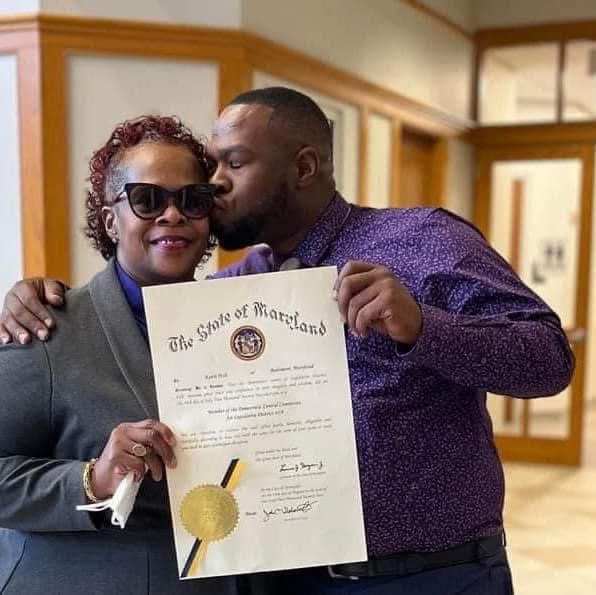
My activism eventually led me to my current role at SAGE, the nation’s largest organization dedicated to LGBTQ+ elder advocacy. I also serve as the President of the Maryland LGBT Chamber of Commerce and Chairman for LGBTQ for the Maryland Democratic Party, and I am proud to be the first African-American to hold either position.
Would you say it’s been a smooth road, and if not what are some of the biggest challenges you’ve faced along the way?
One of the most challenging struggles I faced was accepting my identity and sharing it with my family. Growing up in a Christian household, I grappled with understanding and embracing my sexuality. I often felt uncertain about who I was and felt nervous about revealing my true self to my parents—two of the most loving and supportive people in my life. The fear of rejection from my family loomed over me and made it difficult to open up to them, even when I was out publicly in other aspects of my life.
Even while my LGBTQ+ advocacy efforts ramped up, I still wasn’t open about my sexuality with my family. For instance, during my time as the Youth, Gender, and Sexual Minorities Outreach Coordinator at the Baltimore City Health Department, one of my responsibilities was organizing events to help coordinate outreach on HIV. At the time, Baltimore was one of the top three cities in the country for HIV diagnosis based on population. I channeled my passion for LGBTQ+ activism and participation in the international underground ballroom community into innovative HIV education and outreach. This led to the creation of the Know Your Status Free Ball and Conference, white parties, an award-winning ball magazine, and other non-traditional life-saving initiatives.
The free ball became a road map for health departments and organizations around the country to disseminate resources such as housing, gender-affirming care, substance abuse, and HIV testing. My creative approaches to public health led me to appear on CNN, the Washington Post, The Baltimore Sun, and more.
While I hoped my family would never encounter the exposure I had received, I knew I had to continue advocating for my community. As my advocacy for LGBTQ+ rights grew more prominent and passionate, I reached a turning point: I knew I wanted to be open with my parents and family about my identity. Sharing the truth was a scary but profound moment. Fortunately, my family has been supportive and proud, solidifying my confidence in being true to myself.
My experience has empowered me to advise others struggling to educate loved ones about their identity. Acceptance requires patience on both sides. Throughout my journey, I’ve realized that we have a view of our lives, whereas our parents also have an image of what our lives look like. That’s why it is essential to educate our loved ones and have open conversations with them when the time is right and the person is ready. I am a testament because my mom, dad, and family are my biggest and most loyal supporters of my life today.
Thanks for sharing that. So, maybe next you can tell us a bit more about your work?
Today, I serve as the Community Engagement Coordinator at SAGE, cultivating impactful relationships within the community to advance social equity and sustainable development. My key focus is collaborating with housing developers as part of SAGE’s National Housing LGBTQ+ Elder Initiative Team. Together, we engage with communities nationwide to understand their unique challenges while helping bring more LGBTQ-welcoming elder housing to Baltimore.
We’ve made advances over the years, but LGBTQ+ elders still face unique barriers and inequalities that can stand in the way of a healthy and rewarding life. They are twice as likely to be single and three to four times more likely to be without children. Accessing safe and affordable housing remains one of the most significant concerns facing LGBTQ+ elders. According to an Equal Rights Center report, 48% of older same-sex couples applying for elder housing were subjected to discrimination, which puts LGBTQ+ elders at greater risk for chronic health problems, social isolation, poverty, and premature mortality.
These challenges underscore the urgency of our mission in Baltimore and nationwide. LGBTQ+ elders deserve to live in spaces where they can be their authentic selves without fear or prejudice. That’s why our team at SAGE’s National LGBTQ+ Elder Housing initiative is working with Pennrose to help bring LGBTQ+-affirming and affordable housing for older adults in Baltimore. For this project, we are also working with Chase Braxton, FreeState Justice, Begin Anew, and others to provide a collaborative project for some of our most vulnerable community members.
A central part of my role is organizing community events regarding our LGBTQ+-affirming housing projects. My efforts include planning town hall meetings and listening sessions and creating open, collaborative spaces for dialogue throughout the project’s lifecycle. These events are designed to amplify the voices and experiences of LGBTQ+ older adults, ensuring their needs and perspectives remain at the heart of our work.
In addition, I serve as the President of the Maryland LGBT Chamber of Commerce and Chairman for LGBTQ for the Maryland Democratic Party. These roles allow me to continue advocating for the LGBTQ+ community. I am proud to be the first African-American to hold either position.
If you had to, what characteristic of yours would you give the most credit to?
Continuing to be open to educating myself on LGBTQ+ issues has been invaluable, especially since joining SAGE, a national advocacy and services organization that’s been looking out for LGBTQ+ elders since 1978. SAGE offers support services and consumer resources to LGBTQ+ older people and their caregivers to ensure they’re not invisible.
The experiences of the LGBTQ+ community today are vastly different from those of previous generations. LGBTQ+ elders faced a plethora of challenges when they were younger that made it difficult for them to live fully and authentically. Many spent decades in the closet, hiding their true selves out of fear of discrimination. And those who live openly often face profound discrimination. Even now, many LGBTQ+ elders are less likely to seek out services or resources, which may be due to being conditioned by a lifetime of inequities, profound disparities, and stigma.
At SAGE, I’ve gained tools and knowledge to proactively connect with LGBTQ+ elders in our community and ensure they receive the care and support they spent a lifetime fighting for. With most of my previous experience focused on community mobilization on LGBTQ+ issues more broadly, this work at SAGE has allowed me to adjust my approach, as engaging with LGBTQ+ elders demands a deeper understanding of their unique experiences. The challenges LGBTQ+ elders face differ from those of younger generations, so it became necessary to honor those differences to foster trust and inspire meaningful change, specifically in my work to create inclusive LGBTQ+ housing within the Baltimore community.
One of the most essential principles in my work is seeing people as human beings above all else. Whether talking with stakeholders, allies, or community members, I wholeheartedly strive to treat every person with respect and dignity and learn from those who paved the way for me and countless others. At our core, we all share similar desires: to be happy, loved, and appreciated. Approaching others with empathy and respect, and in ways that I hope to be treated, has been the guiding principle through not only my activism and work at SAGE but in every capacity of my life. This perspective has been the cornerstone of my success and will continue to shape my efforts in the future.
My commitment to LGBTQ+ advocacy is dedicated to two of our community’s most fabulous LGBTQ+ elders who raised me in this work and serve as my personal mentors, “The Grand Duchess” Carlton Ray Smith, who passed away in 2024, and Sandy Diore, who took me under her wing as her son while nurturing and protecting me. Sandy passed away two years ago. I will forever speak their names and hope they are proud of me. I dedicate my work to them and the many other LGBTQ+ elders who fought and continue to fight daily to live as their beautiful, authentic selves.
Contact Info:
- Website: https://www.sageusa.org
- Facebook: https://www.facebook.com/profile.php?id=100094095620302
- LinkedIn: https://www.linkedin.com/in/keith-holt-b0942b180/