Today we’d like to introduce you to Janethe Peña.
Hi Janethe, so excited to have you with us today. What can you tell us about your story?
Founded in 1999 as part of the Latino Transitional Housing Partnership, DC Doors was created to help residents facing homelessness and economic instability access housing and the support needed to rebuild their lives. In 2010, the organization launched as an independent nonprofit after securing funding for a new program, marking a major moment of growth and expanding what DC Doors could offer to the community.
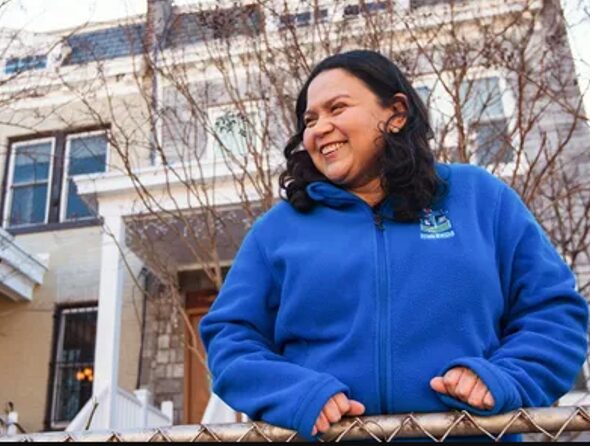
Led by Founder and Executive Director Janethe Peña, an immigrant who fled Nicaragua’s civil war and grew up in Washington, DC navigating housing and economic insecurity, DC Doors’ programs are shaped by local community leadership, compassion, and dignity. Core programs include Zoe’s Drop-In Center for young adults ages 18-24 and a permanent supportive housing program for adults and families.
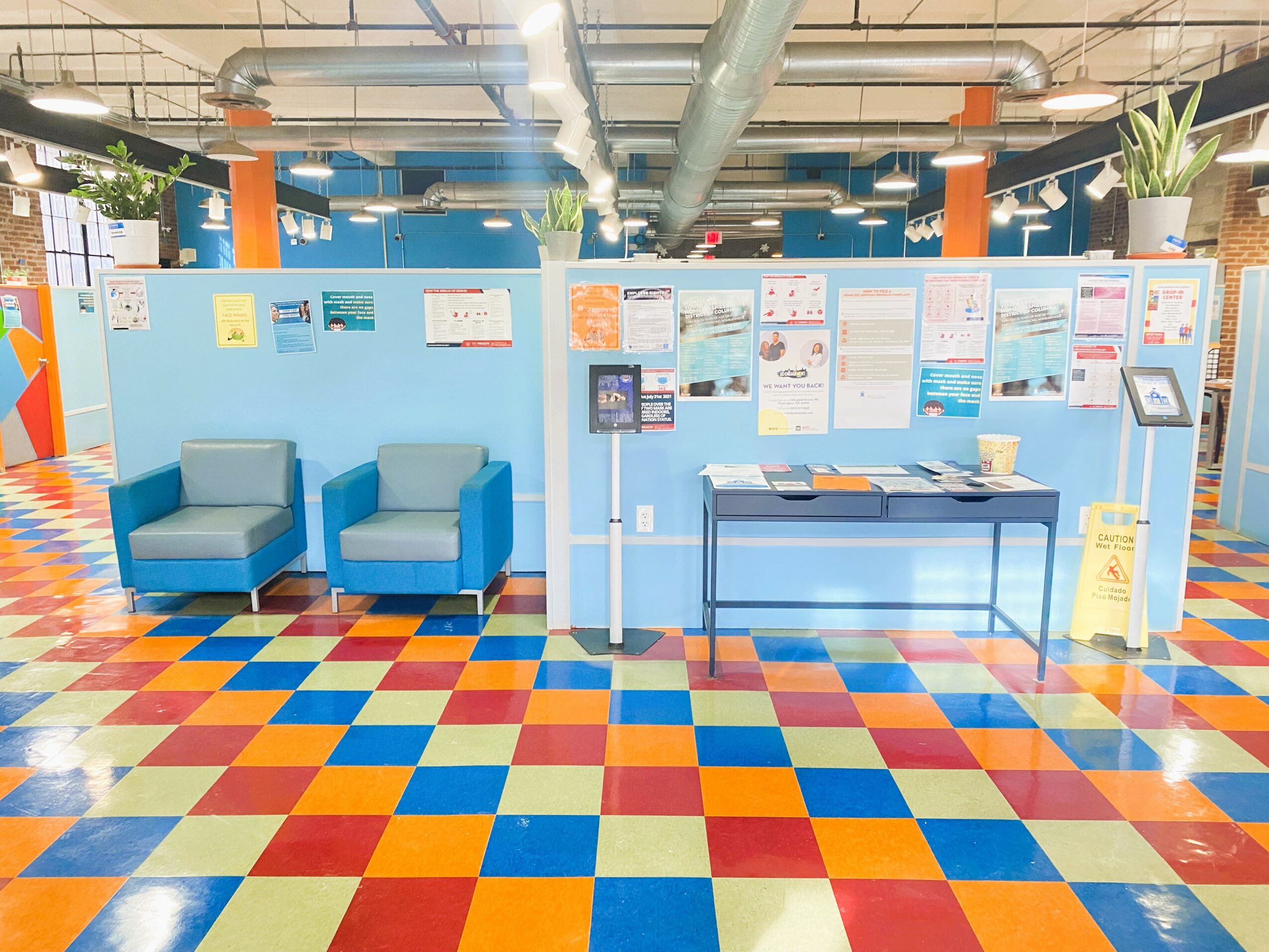
DC Doors opened Zoe’s Drop-in Center in the wake of the COVID-19 pandemic, in partnership with DC’s Department of Human Services. The center was named “Zoe’s” by DC’s Youth Advisory Council. Over the past five years, Zoe’s has served more than 10,000 young adults and grown into a national model as one of only three 24/7 comprehensive service hubs in the country for young adults experiencing homelessness. At Zoe’s, young people can count on hot meals and support securing housing, along with legal assistance, medical and mental health care, education, and life-skills training. Zoe’s also connects participants to jobs through SNAP Employment & Training and other workforce development programs. All services are culturally responsive and accessible in more than seven languages.
DC Doors’ Permanent Supportive Housing program helps clients move into long-term housing and stay there. In the past year alone, the program helped more than 85 individuals and families secure stable homes and continues to provide ongoing support so they can remain housed.
Alright, so let’s dig a little deeper into the story – has it been an easy path overall and if not, what were the challenges you’ve had to overcome?
It has not always been a smooth road. Like many nonprofits serving vulnerable communities, DC Doors has had to navigate challenges around funding, shifting policies, and changing priorities that affect how resources are distributed.
One of the biggest challenges has been making sure homelessness and mental health remain at the forefront of funding and policy conversations. The people we serve often need more than one form of support. Housing is critical, but so are behavioral health services, case management, employment support, and help with basic daily needs. When funding priorities shift, it becomes harder to provide the consistent, wraparound care that people truly need to move toward stability.
Another challenge is working with a highly transient population. Many of our clients are moving between shelters, temporary housing, the streets, or other unstable living situations. That can make it difficult to maintain contact, build trust, and provide continuous services. But we also know that consistency on our end matters. Even when someone disappears for a while, we want them to know that DC Doors is still here when they are ready to reconnect.
One of the less obvious challenges is that when you are so focused on doing the work, you do not always have the time or capacity to tell people about the work. So much of what we do happens behind the scenes. Because funding is limited, we have not always been able to hire dedicated staff for communications, storytelling, or development. Our priority has always been the mission and making sure young people and community members get what they need. At the same time, when our impact is not as visible as it should be, it can affect our ability to raise the funds needed to sustain and grow the work.
Despite these challenges, they have also reinforced our commitment. They remind us why this work matters and why flexible, compassionate, community-based support is so important. That is how we have been able to serve an average of more than 2,000 community members each month. Our goal has always been to meet people where they are, respond to their immediate needs, and help open doors to long-term stability.
Thanks for sharing that. So, maybe next you can tell us a bit more about your work?
As the Founder and Executive Director of DC Doors, I lead a community-based nonprofit serving individuals and families experiencing homelessness in Washington, D.C. Our work has a special focus on young adults, immigrants, Black Americans, survivors of sexual violence, and members of the LGBTQI+ community. These are all our neighbors who deserve support, dignity, and a real chance to find stability.
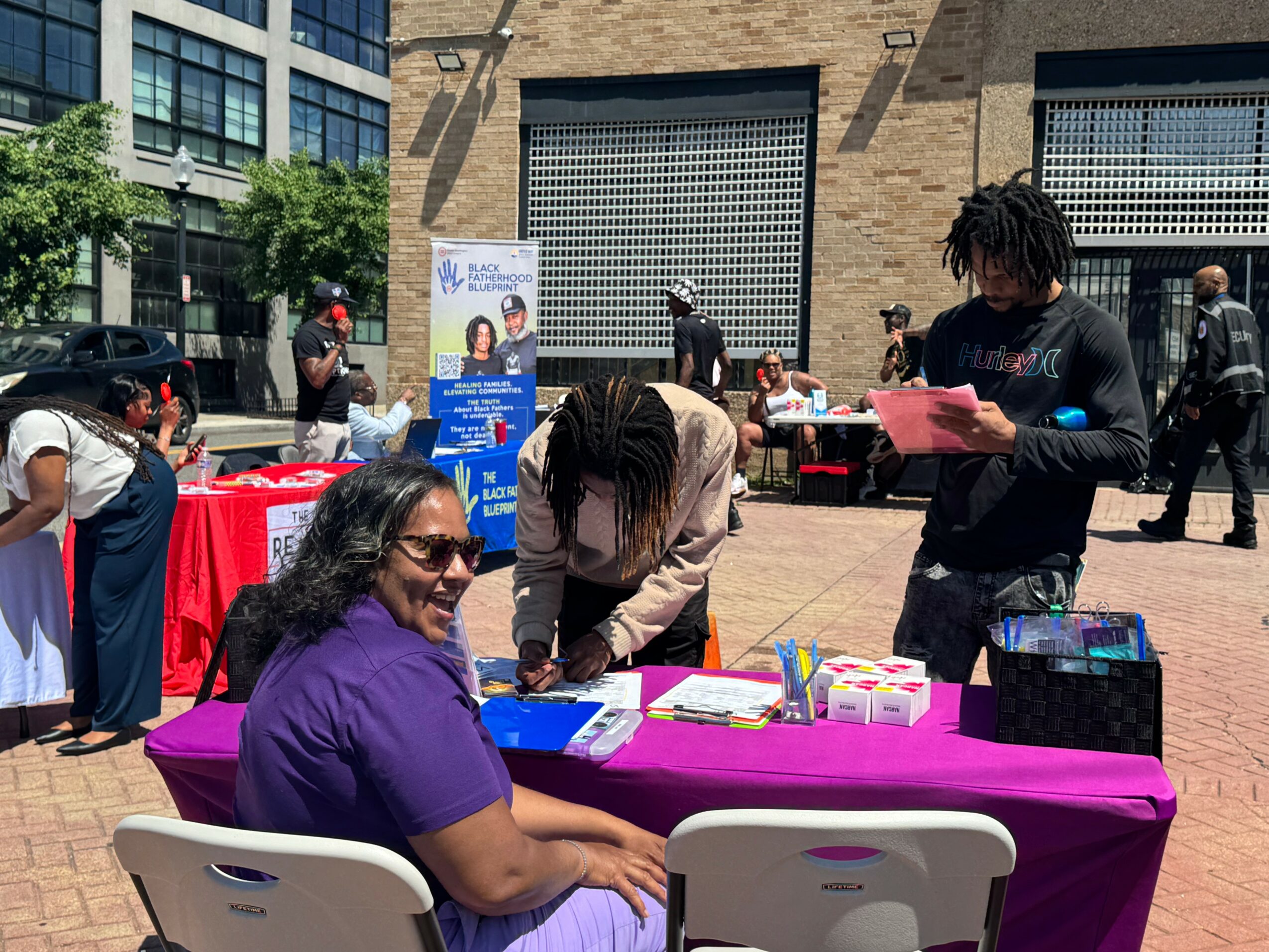
At DC Doors, we provide housing navigation, case management, drop-in services, workforce support, life skills training, basic needs assistance, and help accessing identification documents, benefits, and other essential services. Our goal is to remove barriers so that people can take the next step forward, whether that means finding housing, securing employment, getting connected to health care, or simply having a safe place to rest.
My work has always centered on opening doors for people who are too often overlooked, and it is deeply informed by my own lived experience. We meet people where they are and do not believe in a one-size-fits-all approach. Every person comes to us with a different story, different challenges, and different strengths. Some people need food, clothing, a shower, or help getting identification. Others need support navigating housing, employment, health care, or family issues. We try to see the whole person and respond with dignity, patience, and practical support.
That same philosophy shapes how we operate as an organization. We do not believe in a top-down approach. We listen to the people we serve and work to integrate their feedback, experiences, and leadership into how we provide services. We have even hired former clients to work in our drop-in center, which speaks to the trust we have built and the belief that those closest to the challenges also have insight into the solutions.
DC Doors is also known for providing 24/7 support for young adults. In fact, we are the only 24/7 resource in Washington, D.C. for young people ages 18 to 24 experiencing homelessness, and one of only three such social service hubs in the country.
What I am most proud of is the trust we have built in the community. Many of the people we serve have experienced trauma, rejection, or systems that have failed them. When someone walks through our doors and feels respected, heard, and not judged, that matters. Sometimes that is the first step toward believing that change is possible.
What sets DC Doors apart is our heart and our consistency. We are deeply connected to the people we serve, and we understand that progress does not always happen in a straight line. We stay present, we adapt, and we keep showing up. For me, this work is not just about providing services. It is about helping people reclaim hope, stability, and a sense of possibility for their lives.
Do you have any advice for those just starting out?
My advice for anyone just starting out is to stay close to the people you serve. Listen first. The community will teach you what is needed, what is missing, and what actually works. You may come in with a plan, but the real work requires humility, flexibility, and a willingness to adjust.
I also wish I had known how important relationships would be. In nonprofit work, you cannot do anything alone. Partnerships, volunteers, funders, staff, government agencies, and community members all play a role. Building trust takes time, but it is one of the most valuable things you can invest in.
There will be moments when the work feels heavy and progress can feel slow. But do not let those challenges make you lose sight of the impact. We have been working with community advocates, and sometimes the smallest step in helping someone can become the beginning of a much bigger change in their life.
I would also tell people to take care of themselves and their teams. This work requires compassion, but it also requires endurance. You have to protect your own well-being so you can continue showing up for others.
Most importantly, lead with heart, but stay organized and continue to strengthen the capacity of your organization. Passion is what brings you to the work, but consistency, accountability, and strong systems are what allow you to keep making a difference.
Pricing:
- Donate on our website: www.dcdoors.org
Contact Info:
- Website: https://www.dcdoors.org
- Instagram: https://www.instagram.com/dcdoorscommunity
- Facebook: https://www.facebook.com/dcdoors
- LinkedIn: https://www.linkedin.com/company/dc-doors-inc