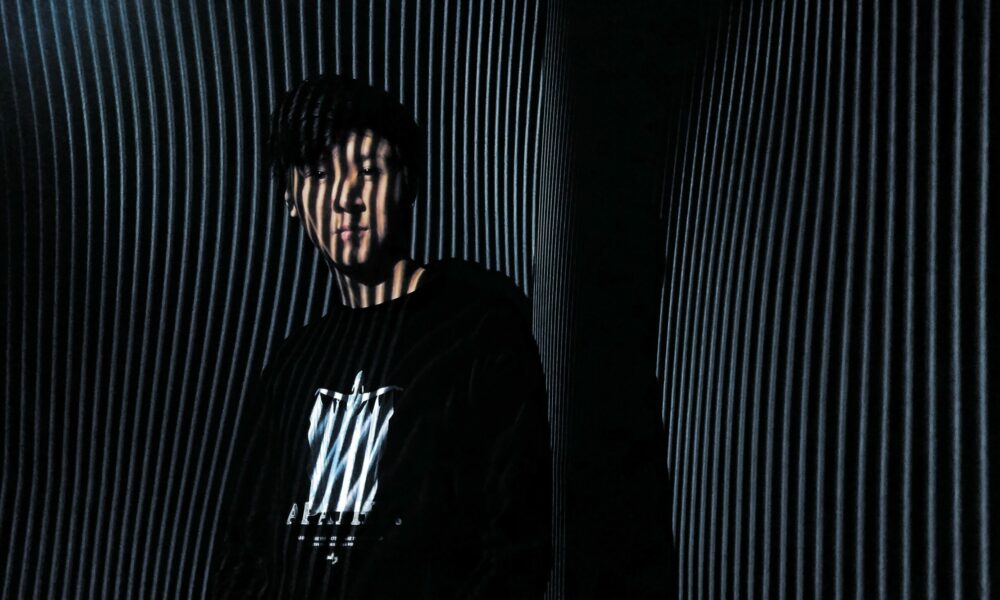
Today, we’d like to introduce you to Brenton Lim.
Hi Brenton, thanks for sharing your story with us. To start, maybe you can tell our readers some of your backstory.
I was born in the late 90s, when consumer electronics were at their peak. I was lucky to grow with the technology as it advances in real time, so each decade introduced new products that the world only imagined were impossible.
My beginnings in art happened before I could realize it; using the internet, playing Custom Robo on the Gamecube, and using any drawing program I could play with at the time (shout out KidPix). I didn’t realize how the styles, design language, and uniqueness of the early 2000s would shape my current practice.
It wasn’t until I entered college when the media I absorbed as a youth would finally manifest itself into my work. I constantly try to remember and retrace the visual artifacts that feel so familiar.
I’m sure it wasn’t obstacle-free, but would you say the journey has been fairly smooth so far?
I think everything falls into place as it should. I am a firm believer that the universe provides cues in order for us to react to. I’d like to reference the analogy of a conveyor belt from music producer Rick Rubin, whom I have been listening to and reading from recently.
As artists, we must learn to prioritize what we learn, absorb, and what we do. As normal as it feels to wonder how far you can go, everything has a time and a place. I feel that all that’s happened in my creative journey is happening as it should, no matter how much I feel could be different.
Alright, so let’s switch gears a bit and talk business. What should we know about your work?
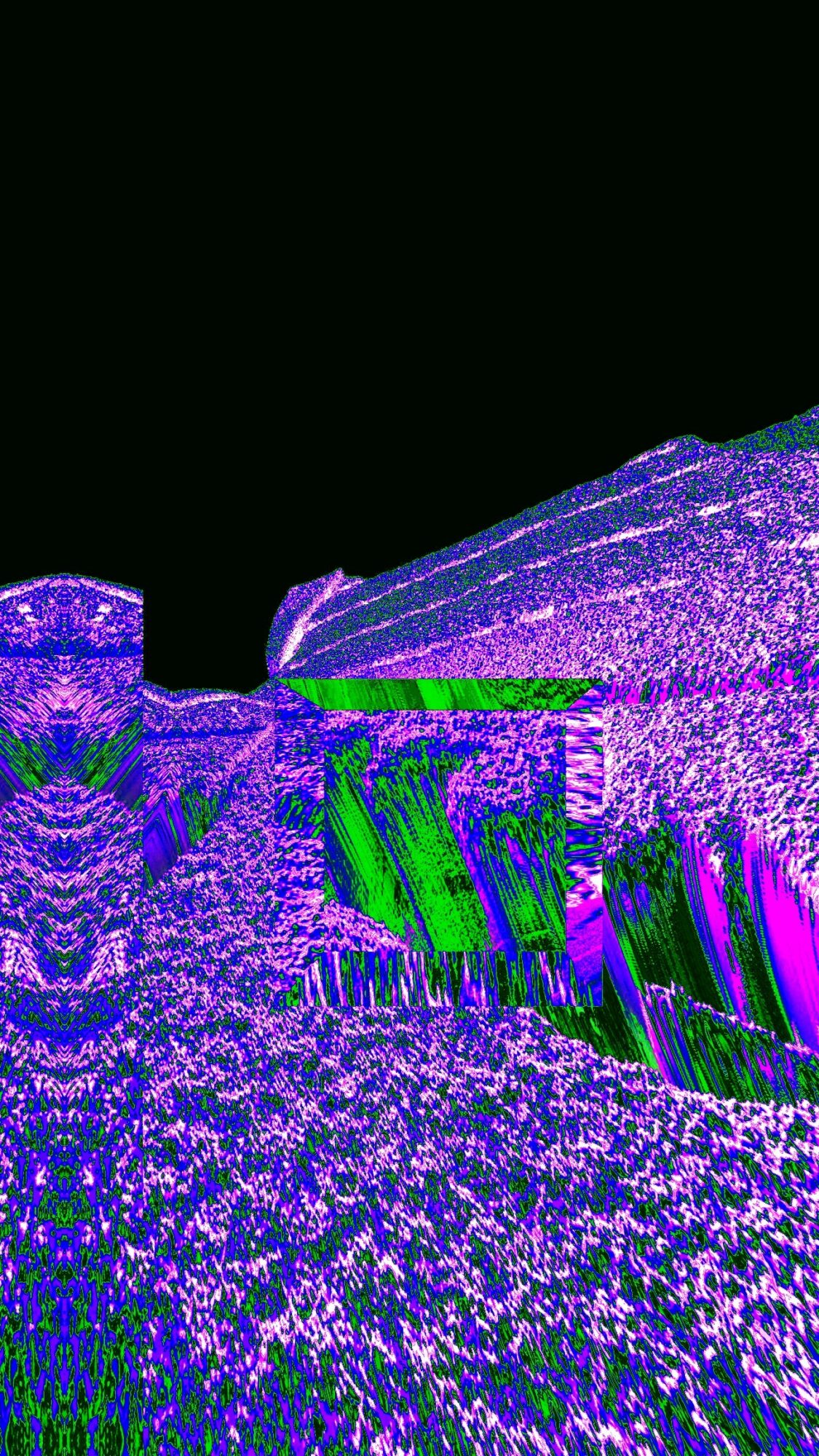
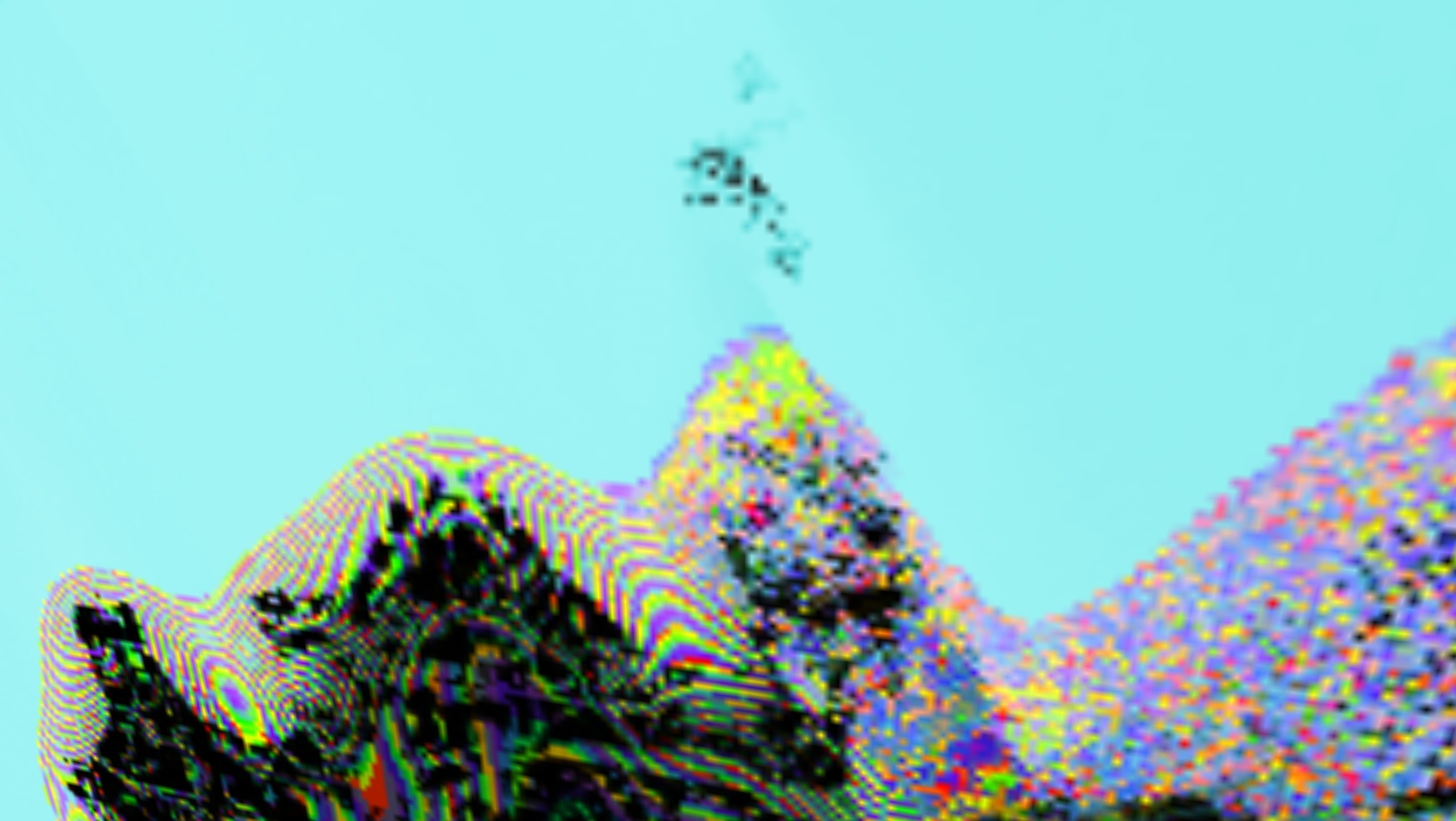
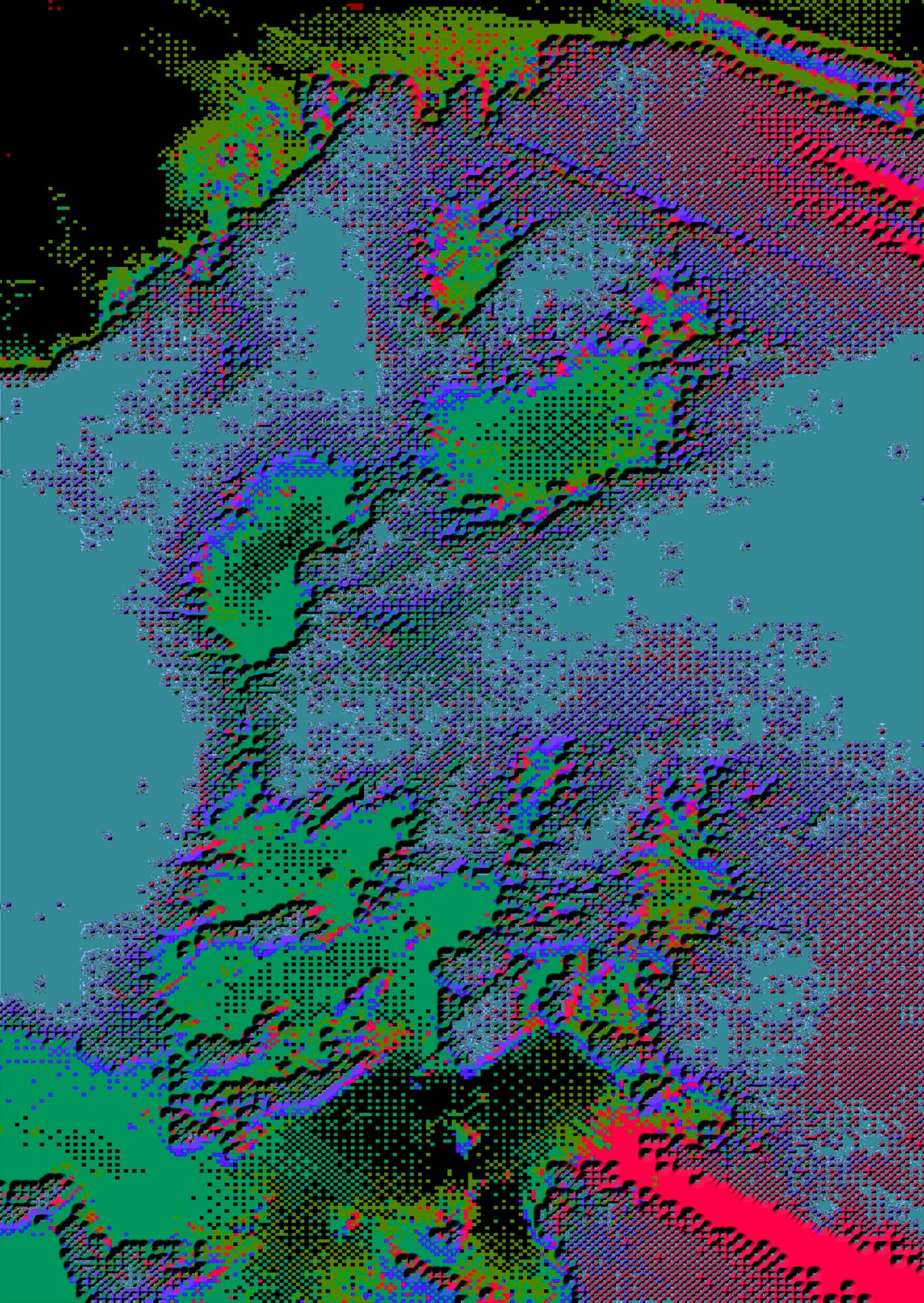
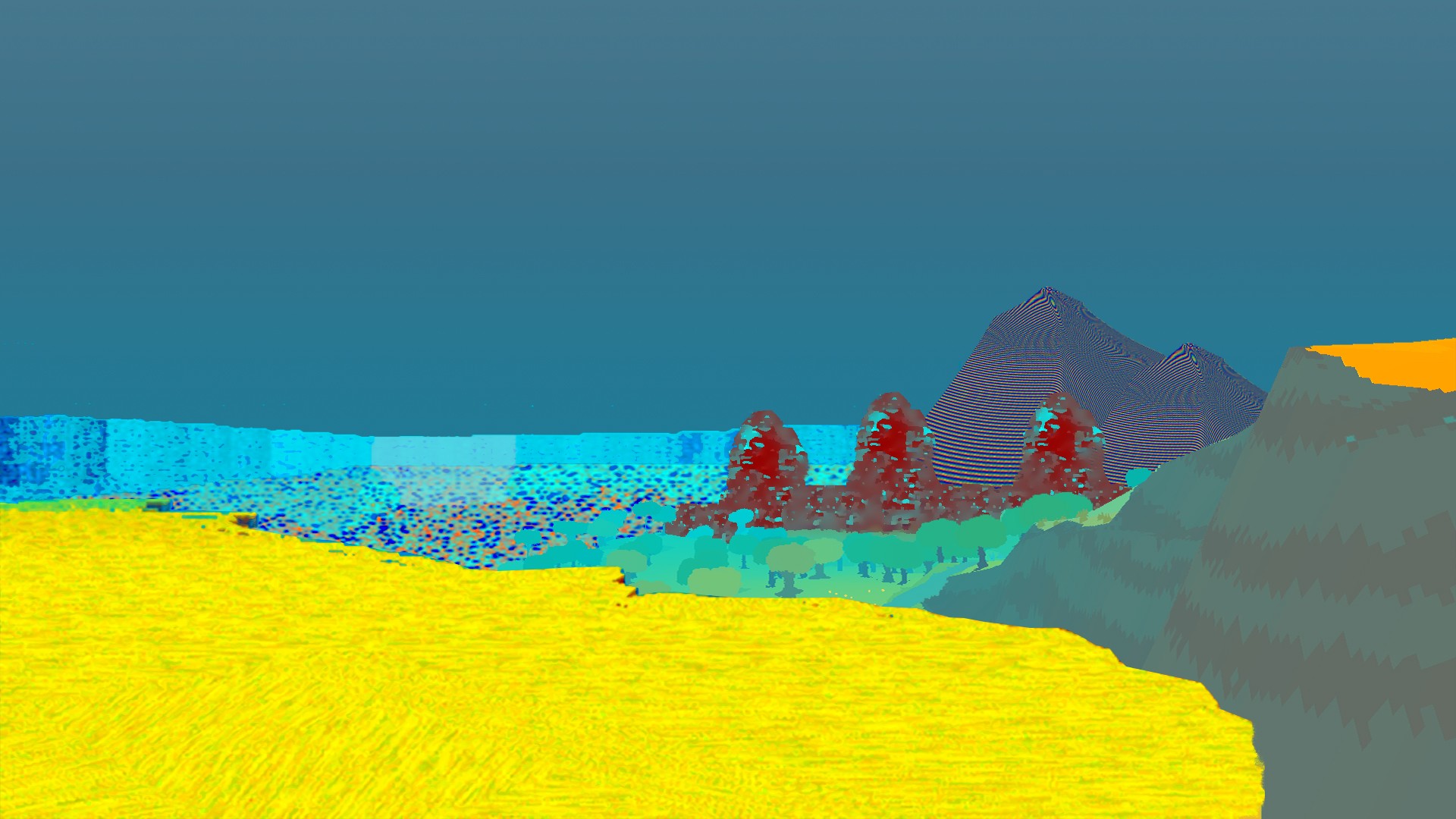
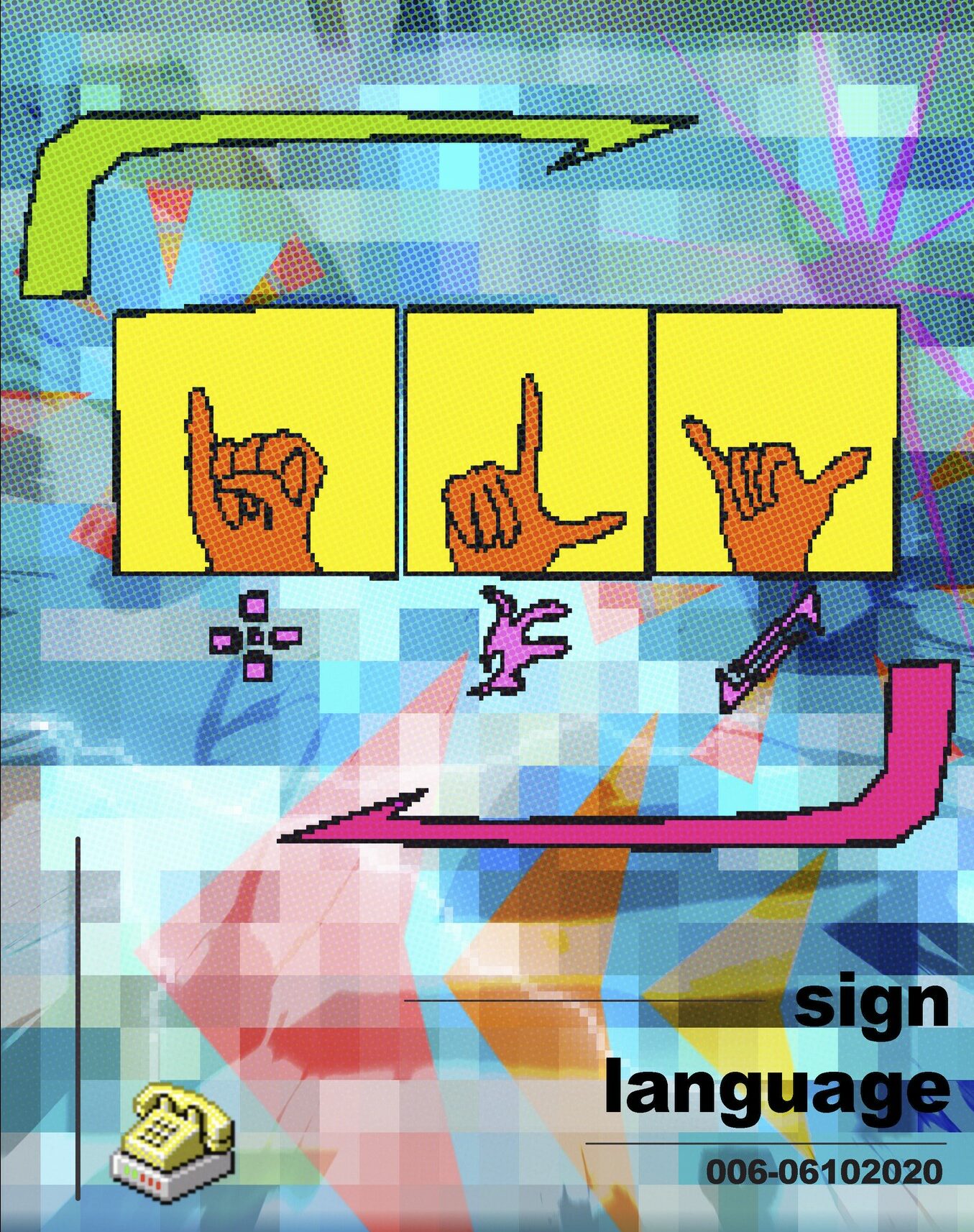
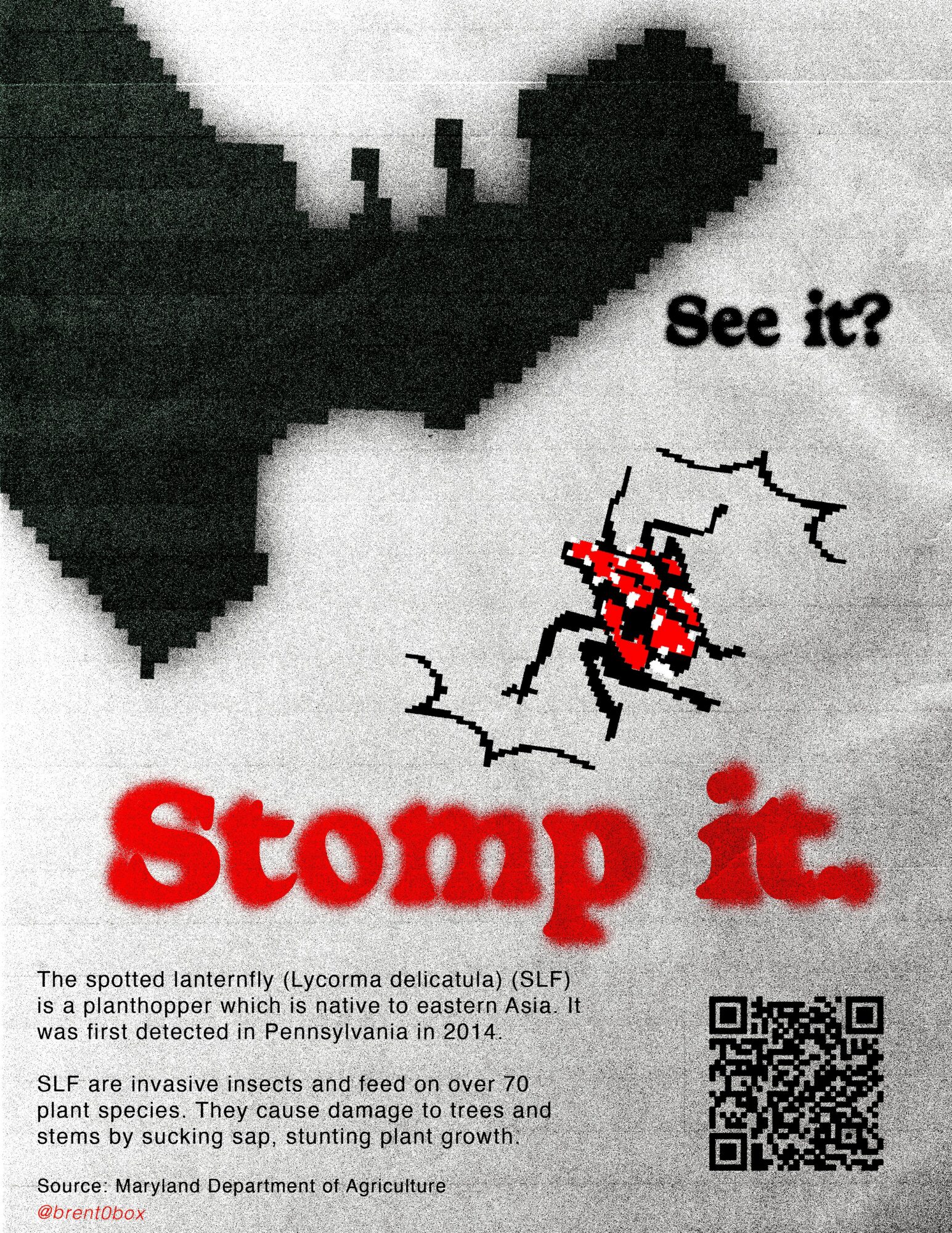
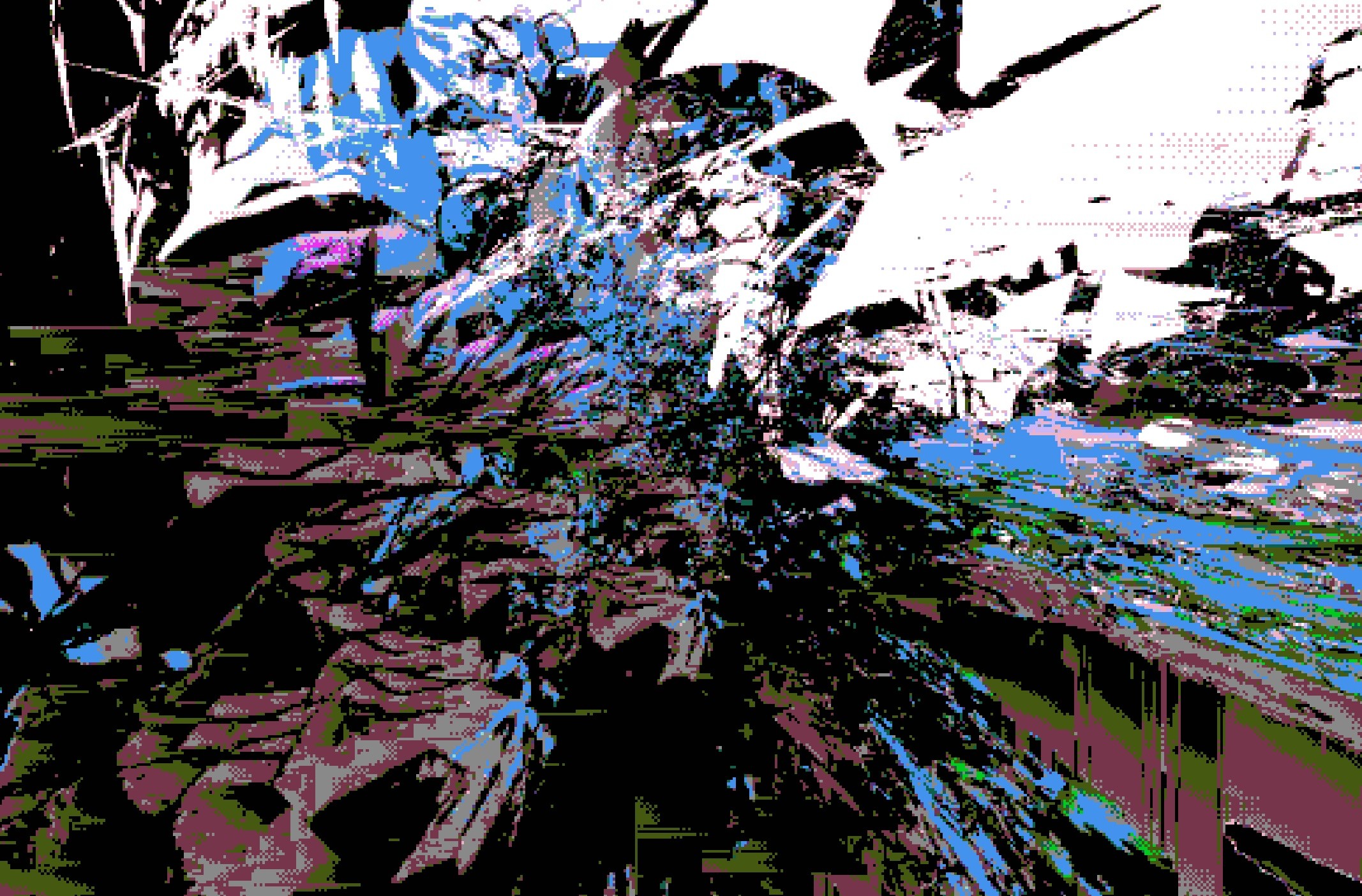
My work delves heavily into digital experimentation. I’m constantly trying to break, hack, build, merge, and reduce any digital material (images, files, objects) I can. A philosophy of my practice is to constantly find connections between the physical and the digital—the seen and unseen. My work is inspired by technology, glitch art, and interactive/experiential design. I try not to worry about pixelation and lean toward having a crunchier image quality.
I’m not so concerned with the digital cleanliness of images, instead look for how it can obscure, emphasize, or reference. I’m most proud when I show friends or family some of my abstract work, and they start to pick out forms or shapes that remind them of something else (kind of like cloud watching). I get joy from seeing their reactions to something that looks incidental, like paint splatter, iridescent oil on the pavement, or ripples in a pond.
Lately, I have been collaborating with my former professor and artist, Carrie Fucile, where we have been performing live audio-visual pieces around the city. This has been important in the future of my career of doing live visuals for events.
We love surprises, fun facts, and unexpected stories. Is there something you can share that might surprise us?
My starting process. I usually do not have a vision or idea of the work before adding it to a blank document or canvas. I describe how I initially work as finger-painting, then figuring it out from there. I let the work dictate itself through me, then refine it.
I am always really curious about how artists begin their work, typically they say something like seeing a frame of a movie, or like a photograph. I can never think of something, then just recreate what I just saw. I want to move freely through a piece so that it reveals itself through a stream-of-consciousness approach.
Contact Info:
- Instagram: https://instagram.com/brent0box
- Website: https://linktr.ee/brent0n