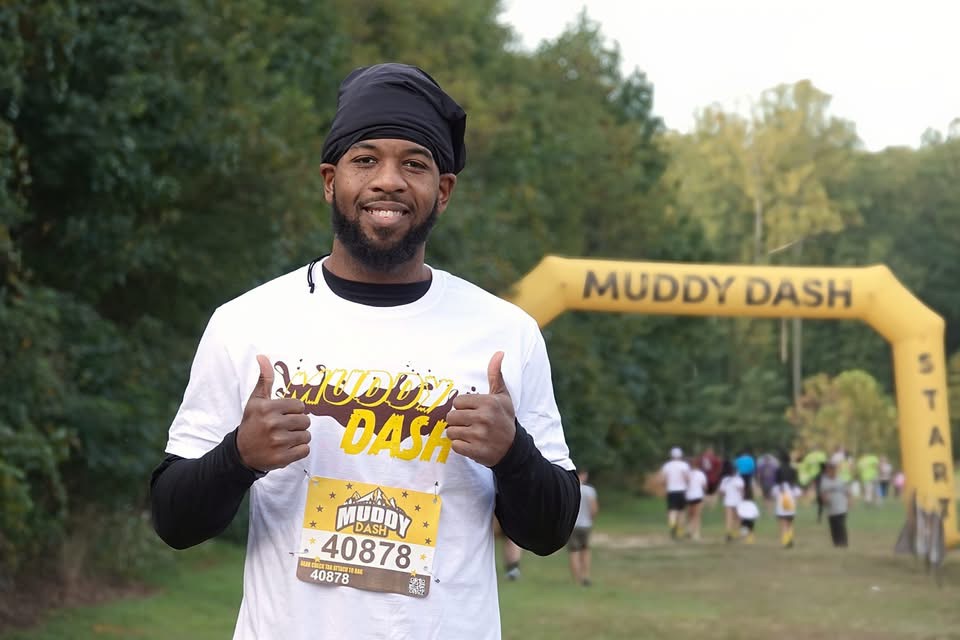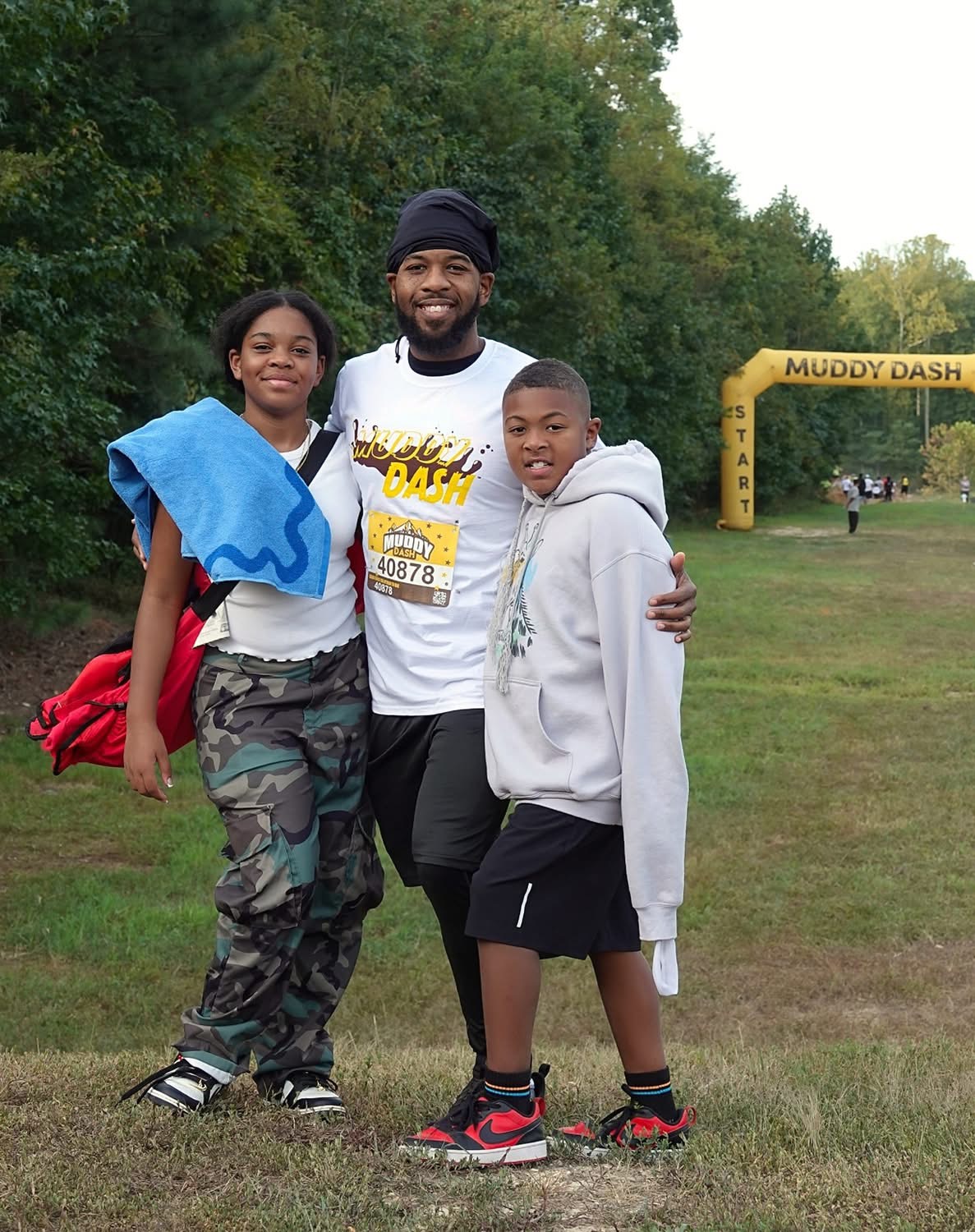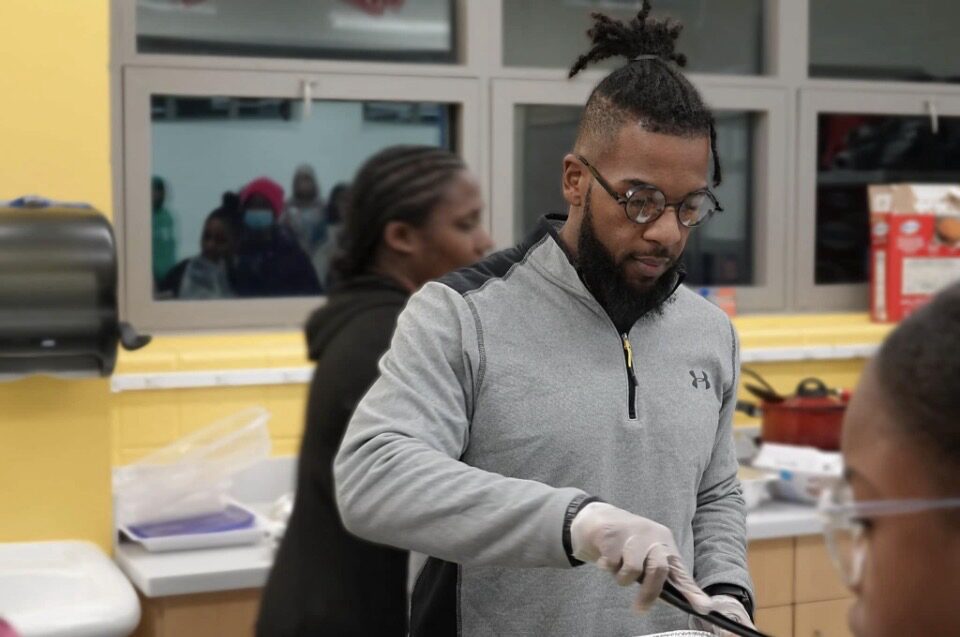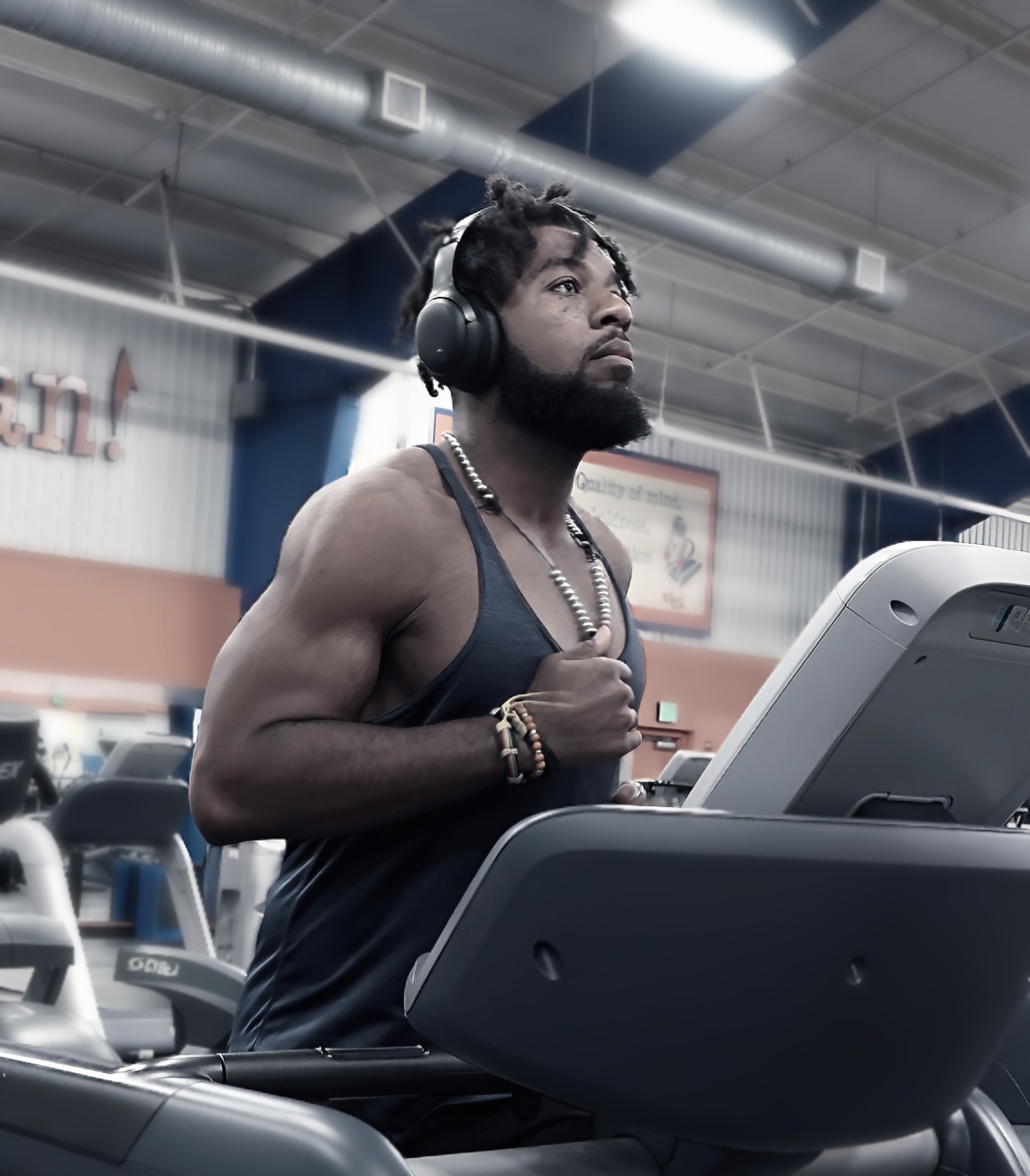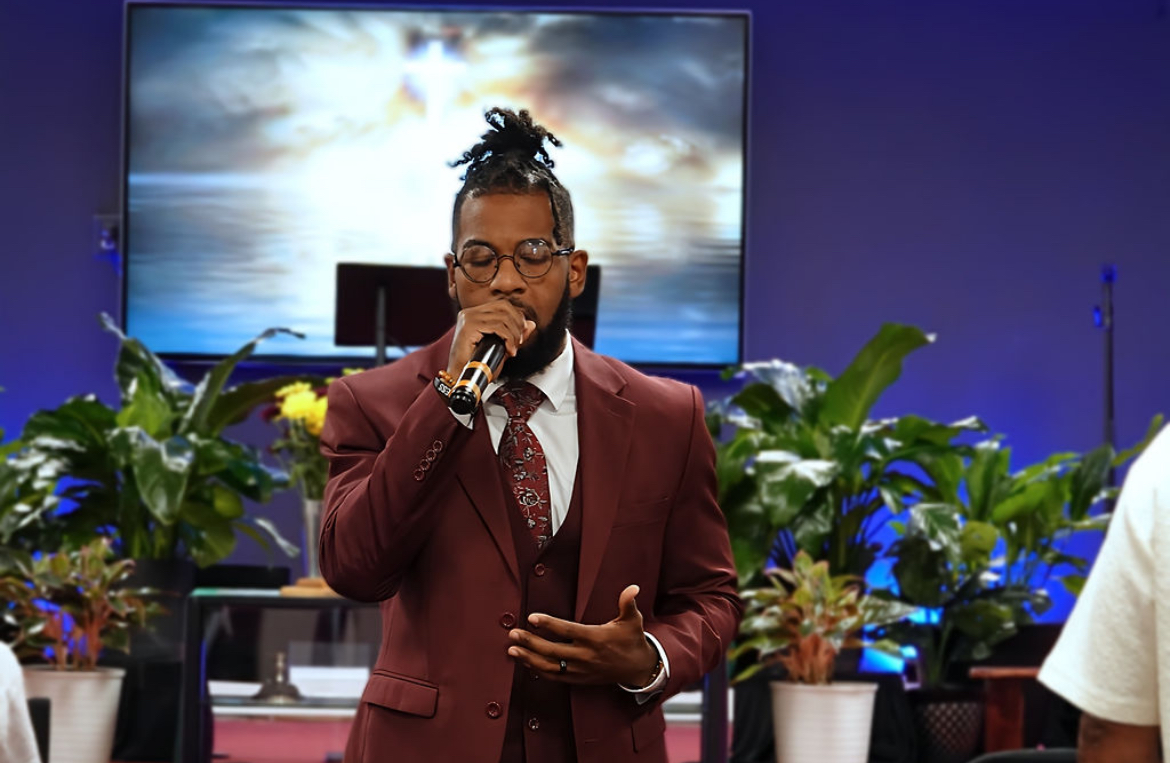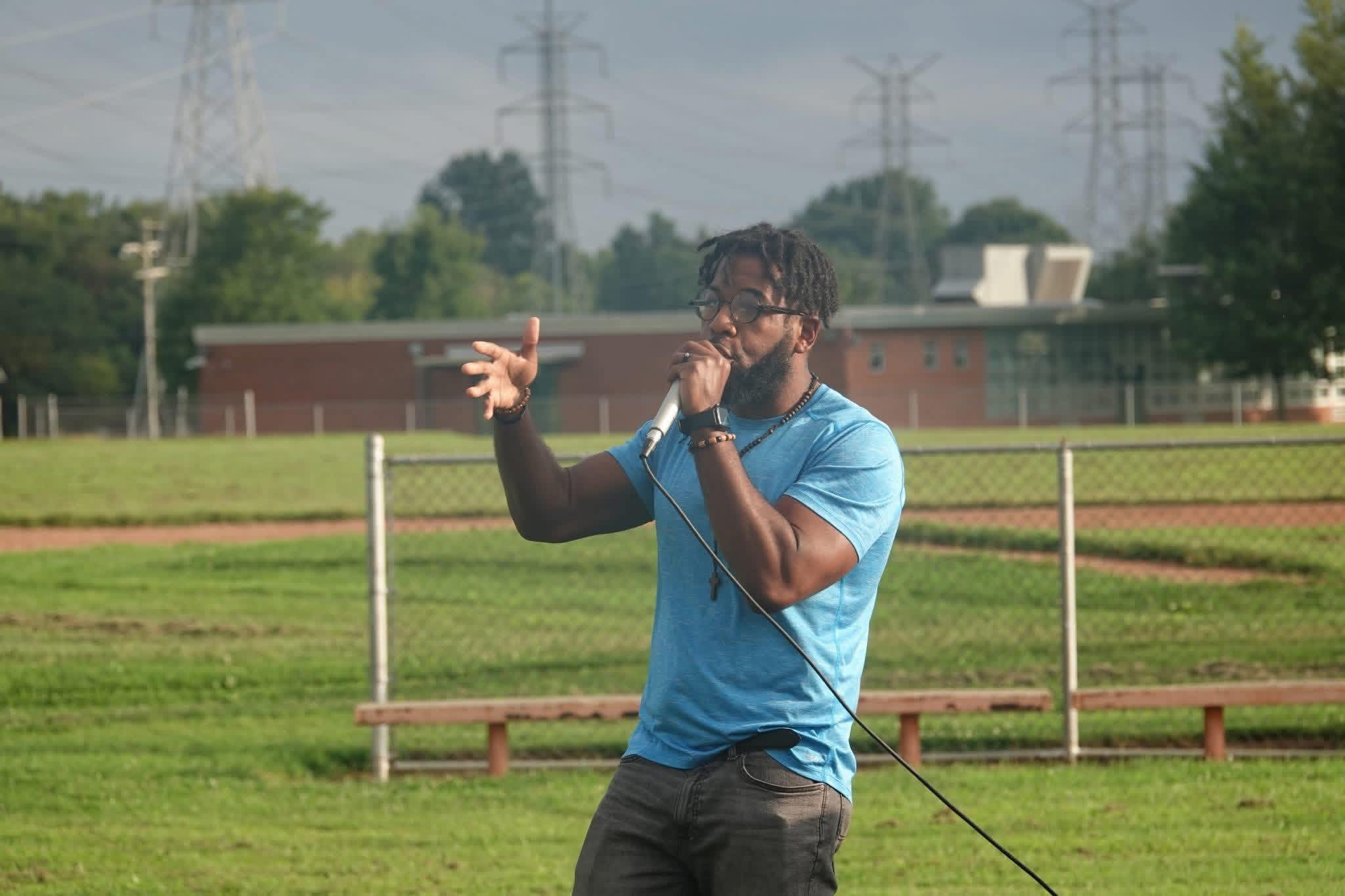
Today we’d like to introduce you to Tye Gibson.
Hi Tye, we’re thrilled to have a chance to learn your story today. So, before we get into specifics, maybe you can briefly walk us through how you got to where you are today?
My story has always been rooted in service, community, and helping people see what is possible for themselves.
I started in spaces where people needed more than programming, they needed consistency, encouragement, accountability, and someone willing to meet them where they were. Over time, my path has taken me through youth development, fitness, ministry, community outreach, program management, and nonprofit leadership. At first, those things may seem separate, but for me they have always been connected. Whether I am training someone in the gym, mentoring a young person, leading worship, organizing a community event, or building partnerships, the heart of the work is the same: helping people grow, heal, connect, and move forward.
Today, I have the privilege of leading and supporting work across community spaces in Baltimore, including my role as Executive Director of the Julie Community Center. My focus is on helping the center become a true hub for the community, a place where families, youth, seniors, local organizations, and neighbors can find support, resources, connection, and opportunity. I believe community centers should be more than buildings. They should be bridges.
That idea of bridging gaps is a major part of my work. I am passionate about connecting nonprofits, schools, churches, businesses, families, and community members so that we are not all working in silos. I have seen how much stronger communities become when people stop competing for space and start collaborating around shared needs.
In addition to my work with Julie Community Center, I also founded GPS Life and GPS Youth, which allow me to continue building programs centered on mentorship, wellness, leadership, and personal growth. My fitness background also plays a role in how I lead, because I believe wellness is physical, emotional, mental, and spiritual. People need food, safety, movement, belonging, purpose, and support.
Where I am today is really the result of many different parts of my life coming together. I am a husband, father, minister, personal trainer, program builder, and community leader. All of those roles shape how I see people and how I serve. My goal is to help create spaces where people feel seen, supported, challenged, and connected to something bigger than themselves.
Would you say it’s been a smooth road, and if not what are some of the biggest challenges you’ve faced along the way?
It has definitely not been a smooth road, but I believe the challenges have helped shape me into the leader I am today.
One of the biggest challenges has been learning how to build meaningful work with limited resources. In community work, the needs are often much larger than the budget, the staff capacity, or the time available. You may see families who need food, youth who need mentorship, seniors who need connection, and organizations that want to help, but do not always know how to work together. A large part of my journey has been learning how to take what is available, bring the right people to the table, and create something that can still make an impact.
Another challenge has been navigating leadership in spaces that are changing. Leading a community center means balancing vision with reality. You have to think about programs, partnerships, funding, building needs, staff, volunteers, community trust, and the day-to-day needs of the people walking through the door. It can be rewarding, but it can also be heavy. I have had to learn how to stay flexible, make decisions under pressure, and keep the mission at the center even when everything is not perfect.
I have also had to learn how to manage multiple roles and responsibilities. I am a husband, father, minister, personal trainer, nonprofit leader, and community builder. Those roles all matter to me, but they also require balance, discipline, and strong boundaries. I have learned that being committed to service does not mean doing everything alone. It means building systems, developing partnerships, and trusting other people to help carry the work.
The road has had challenges, but those challenges have given me a clearer sense of purpose. They have taught me to lead with empathy, to stay grounded, and to focus on building bridges instead of working in isolation. They have also reminded me that community work is not about having perfect conditions. It is about being willing to show up, listen, adapt, and keep building.
Great, so let’s talk business. Can you tell our readers more about what you do and what you think sets you apart from others?
Julie Community Center is a community-based organization in Southeast Baltimore focused on becoming a true hub for families, youth, seniors, neighbors, and local partners. Our goal is to be more than a building with programs. We want to be a place where people can find connection, support, resources, opportunity, and a sense of belonging.
As Executive Director, my focus is on building programs and partnerships that respond to real community needs. That includes food access, youth development, wellness, mentorship, workforce development, family engagement, and community events. We are working to create a space where local organizations, schools, churches, businesses, and residents can come together instead of working in isolation.
What sets Julie Community Center apart is our commitment to being relational and responsive. We are not trying to force programs onto the community. We are listening, learning, and building based on what families and neighbors actually need. I believe community centers should serve as bridges — connecting people to resources, connecting organizations to one another, and helping strengthen the community from the inside out.
I also bring my broader background into the work, including youth development, nonprofit leadership, ministry, fitness, and wellness. Through GPS Life and GPS Youth, I continue to build mentorship and leadership opportunities that support young people and families beyond traditional programming. My fitness background also shapes how I think about wellness as a whole, physical, mental, emotional, spiritual, and social.
What I am most proud of is that the work is rooted in people. Whether we are feeding neighbors, mentoring youth, hosting wellness events, supporting families, or building partnerships, the mission is the same: to help people feel seen, supported, and connected to something bigger.
Networking and finding a mentor can have such a positive impact on one’s life and career. Any advice?
My biggest advice for finding a mentor or networking in general is to focus on relationships, not transactions. Some of the best opportunities in my life have come from simply showing up, being genuine, asking questions, and staying connected with people over time.
I have learned that mentorship does not always have to be formal. Sometimes a mentor is someone you meet for coffee once a month, someone who gives honest feedback, or someone who opens your eyes to a different way of thinking. What has worked well for me is being willing to learn from people in different spaces, nonprofit leaders, pastors, fitness professionals, educators, parents, and community members.
I also believe you have to bring value to relationships. Networking should not only be about what someone can do for you. It should also be about how you can support, connect, encourage, or serve others. The strongest relationships I have built have come from being consistent, authentic, and willing to help before I ever ask for anything.
Contact Info:
- Website: https://www.thejuliecommunitycenter.org
- Instagram: https://www.instagram.com/juliecommunitycenter
- Facebook: https://www.facebook.com/tye.gibson.319/