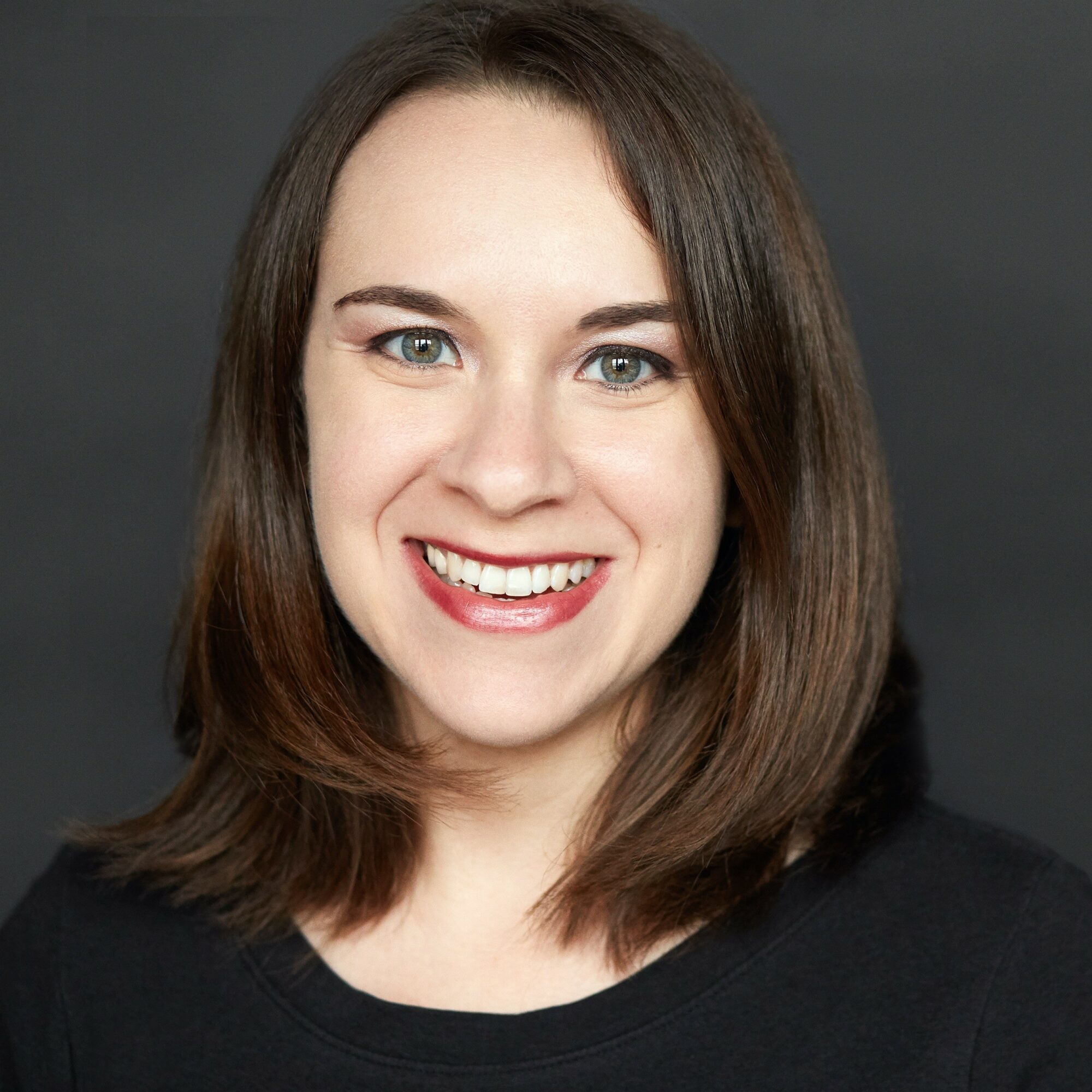
Today we’d like to introduce you to Sara ElShafie.
Hi Sara, it’s an honor to have you on the platform. Thanks for taking the time to share your story with us – to start maybe you can share some of your backstory with our readers?
I got into science communication initially to improve my own skills. Early in my PhD program in Integrative Biology, I realized that I was terrible at explaining my scientific research to my own family. But we’d always shared our lives with each other through stories, so I decided I needed to figure out how to distill my research into interesting stories tailored for them—or any given audience.
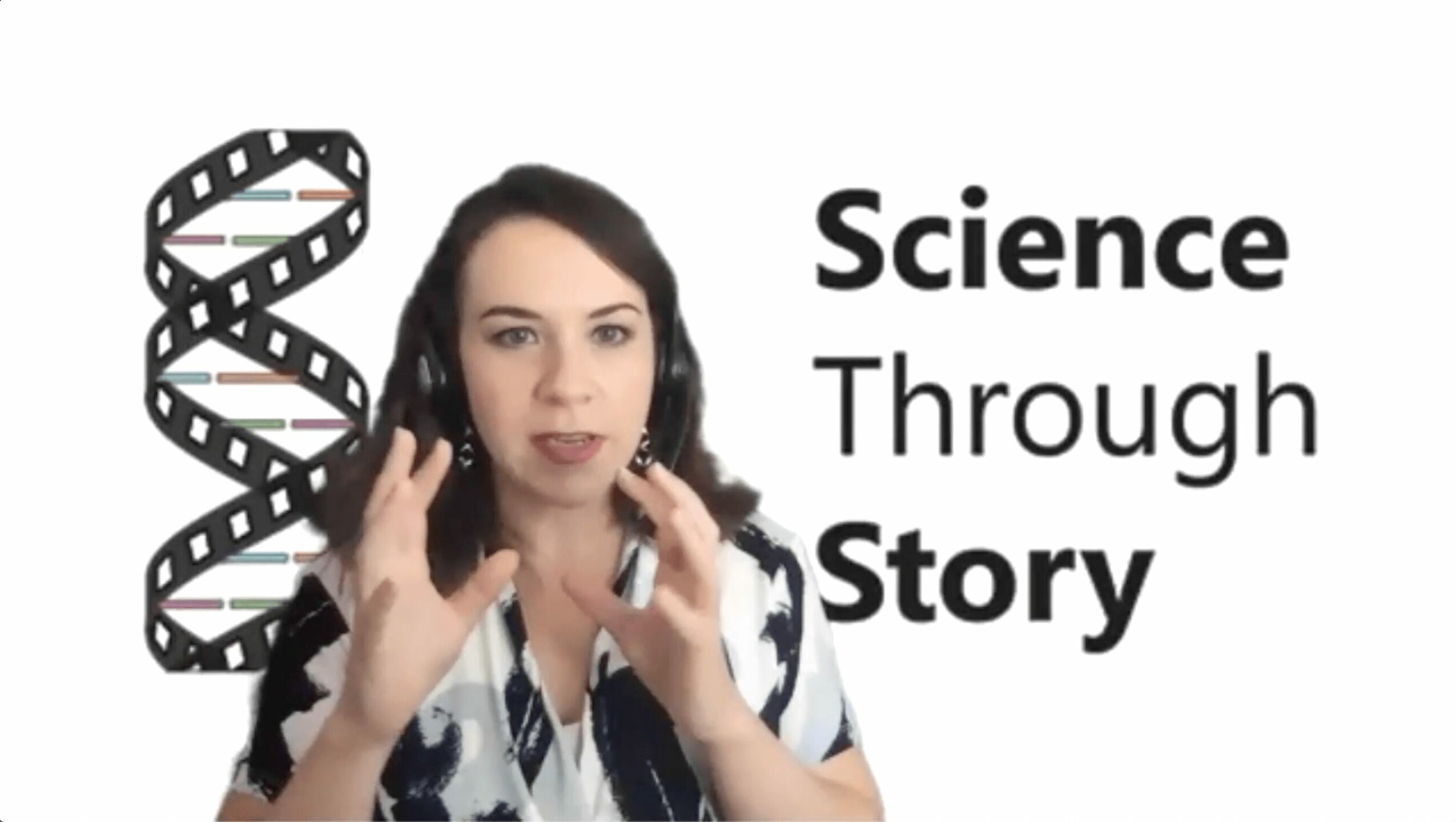
Meanwhile, I had always been a big movie buff, and I started wondering if some of the methods that filmmakers use to tell stories could apply to engaging people with science. I reaching out to artists in the film industry and reading the same material they do. We collaborated on some storytelling workshops for the public, in which I integrated their approaches with navigating typical challenges I and my colleagues encountered in communicating science. After doing that for a few years, I had developed a whole workshop series that I called Science Through Story. I established it as an LLC during the pandemic, when there was suddenly a huge demand for science communication training.
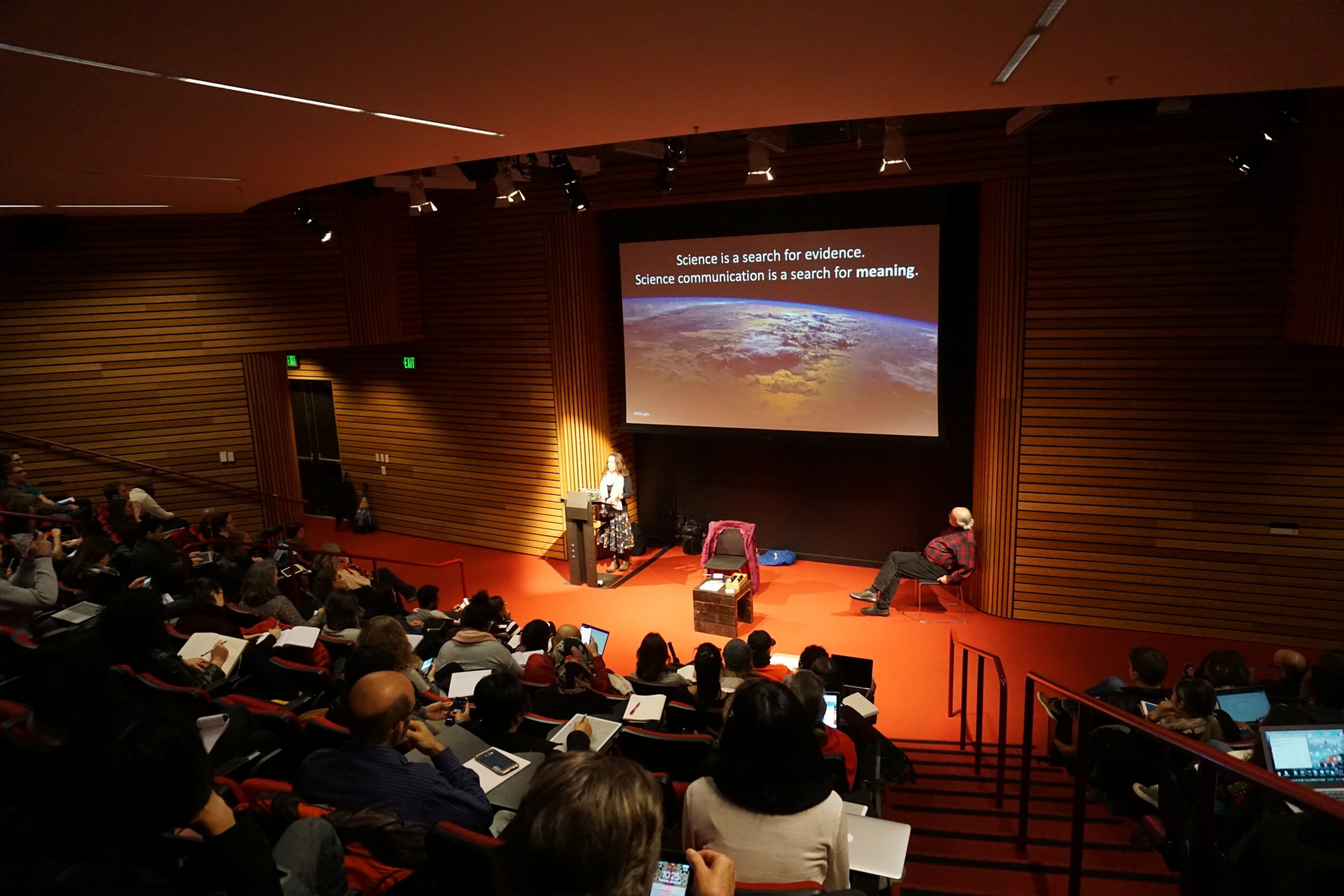
I have now been doing this work for a decade. What started as a pursuit for skilled development became a grad school passion project, which snowballed into a side gig and became a side business. I run hundreds of events, reaching thousands of participants, for clients ranging from college students to CEOs and research labs to theme parks. I still run the business on my own time, outside of my day job at a think tank in DC. I love getting to work with all kinds of people on all kinds of topics through this work. Most of all, I love helping people connect with their own subject matter in new ways so they can use it to connect with others.
I’m sure it wasn’t obstacle-free, but would you say the journey has been fairly smooth so far?
It has definitely been a winding road full of unexpected turns. When I first got started, I had no idea that science communication was a field of study, let alone a whole career area. And I had certainly never thought about starting my own business. But as with many entrepreneurs, what starts as a passion project became something more. It was definitely challenging in the early years to figure out how to balance this side gig with my dissertation research and grad student teaching. But I was fortunate in that I had an advisor who was entirely supportive of the pursuit as long as I could figure out how to balance everything and stay on track to completing my PhD.
I also had the benefit that while I was in the early stages of developing this work, I was initially just doing it for fun wth no stakes involved. I started out offering workshops as a volunteer, just as a public service and to test drive content and build up experience. After doing that for a while, I felt comfortable asking for a small honorarium for my time. After several years, I had enough professional experience and confidence to offer my services professionally and put together a fee schedule.
What helped me most through the logistical challenges was meeting amazing mentors along the way, many of them also entrepreneurs, who were always happy to answer my questions and offer advice. I try to pay that forward now as much as possible. And my passion for the subject and the work has always made it worth it worthwhile and fulfilling.
Alright, so let’s switch gears a bit and talk business. What should we know?
I develop and facilitate workshops to help people engage broad audiences with complex content. I initially focused on applying storytelling skills to science communication, as reflected in the name of my LLC. But I’ve expanded to work on any complex content – for example I’ve worked with urban planners and economists. I intentionally curate my training to complement other workshops that are already available on science storytelling. These tend to focus either on humanizing science by talking about the experience of doing science—akin to the style of a TED talk—or on writing clear and effective technical manuscripts or grant proposals for peer review. These are both important skills, but when I first started seeking communication training myself, I found a gap in learning how to take complex, technical content and translate that into engaging stories of different lengths and formats that are tailored for different audiences and contexts. And that is probably the skill that scientists and any technical practitioner needs the most frequently. So that is the gap that I have aimed to fill.
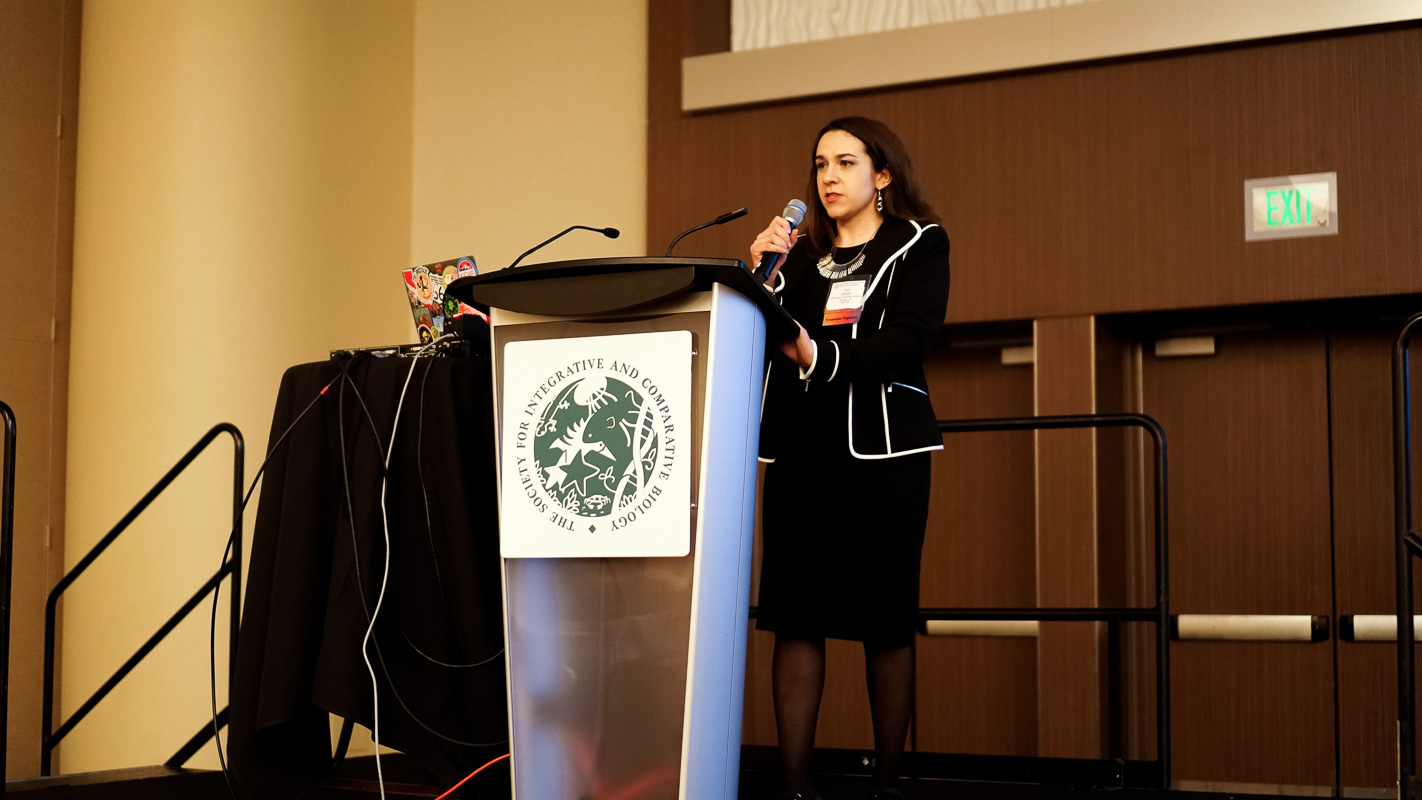
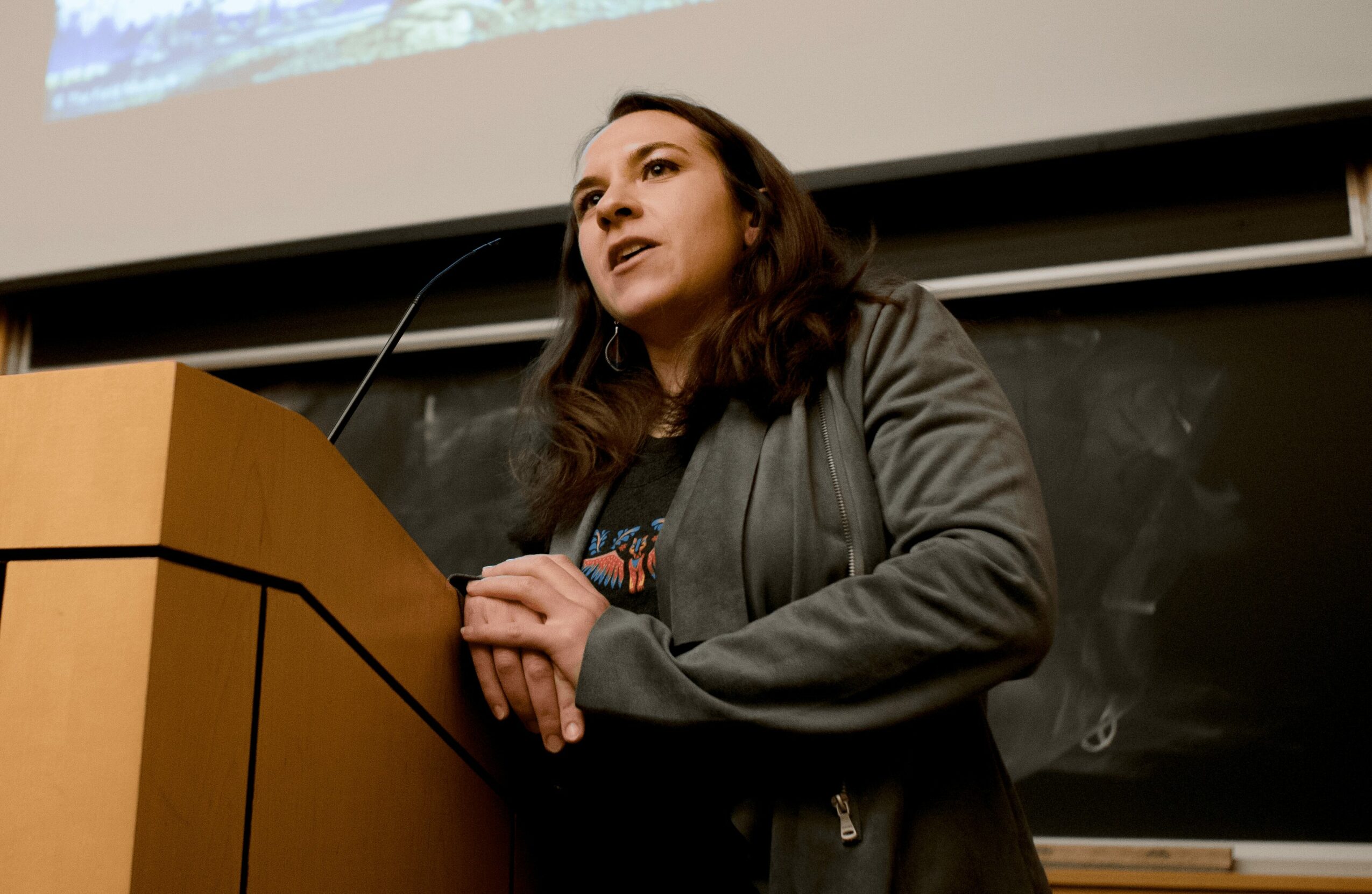
With my experience as a communications coach workshop facilitator, and my background as an integrative biologist and earth scientist, I am broadly versed in enough scientific disciplines that I can learn quickly about any area of specialty enough to create a bespoke training for any client group. I’ve honed a series of workshops that includes translating complex content into narratives – the most requested workshop – as well as message framing, visual communication, and accessibility. On request, I incorporate training in public speaking skills, building communication, strategy and online presence, engaging specific audiences like funders, and engaging with the media. I also train people to build and facilitate their own workshops on any topic.
What do you like best about our city? What do you like least?
I think the best thing about Baltimore is the people. Many of the friends and colleagues I hold in highest regard are based in Baltimore. I’m also a big fan of the city’s aquarium.
I am based in Silver Spring, MD, right on the DC border. I absolutely love living in the DC area because of the incredible diversity and no shortage of things to do, plus all the beautiful nature and countryside in the surrounding area—especially near Hagerstown in Middletown, where my extended family lives. And I particularly love living in Silver Spring for the diversity, community, and quality of life.
Contact Info:
- Website: https://www.sciencethroughstory.org/
- LinkedIn: https://www.linkedin.com/in/sara-elshafie/