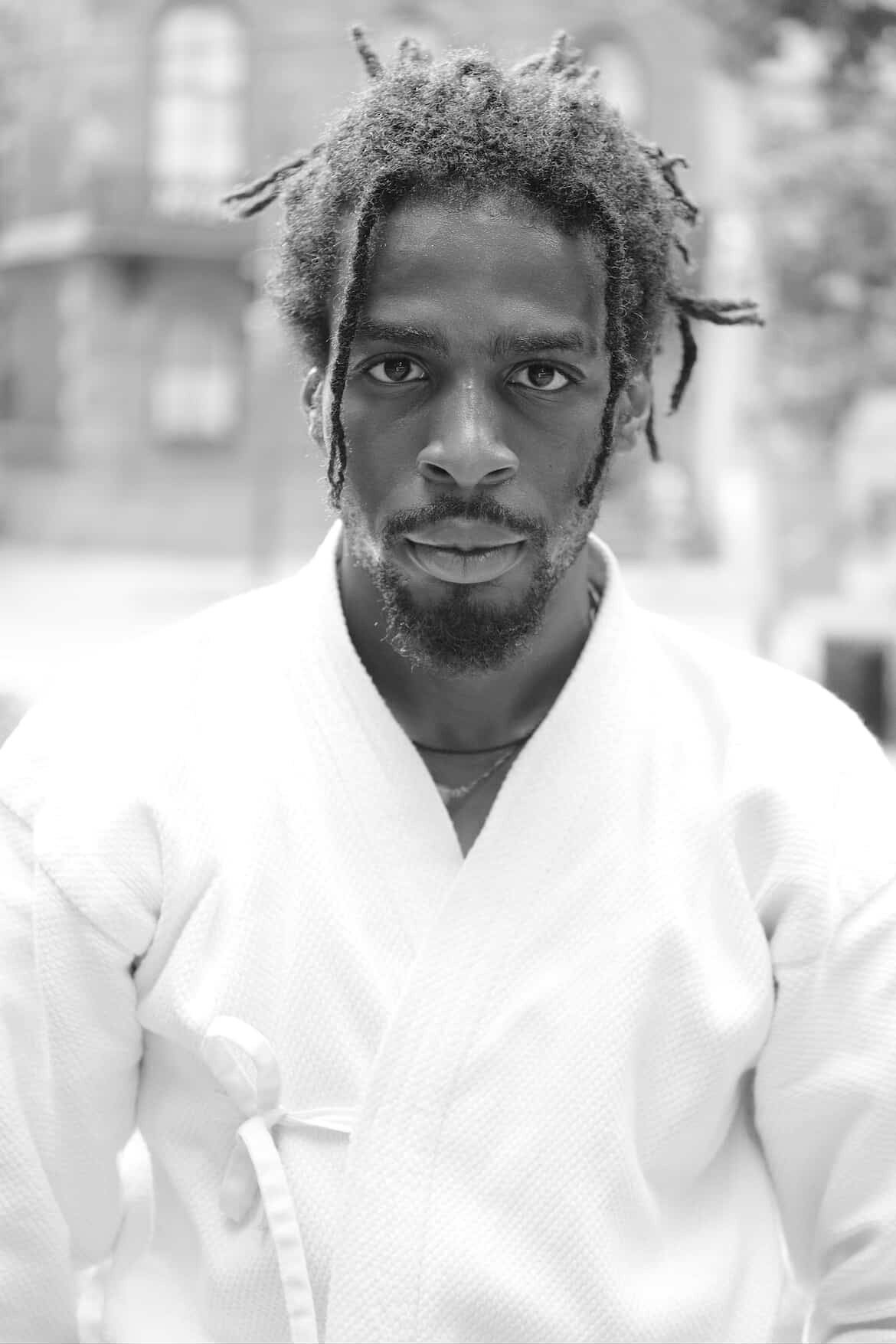
Today we’d like to introduce you to Kamau Amen.
Hi Kamau, thanks for joining us today. We’d love for you to start by introducing yourself.
My name is Kamau Amen.
I am a visual artist, music artist, craftsman, and most importantly, a spiritualist and martial practitioner.
My relationship with martial arts as a spiritualist has led me to a profound love, resonance, and acceptance of myself and my African ancestry, alongside a deep appreciation for Japanese culture and philosophy.
In both cultures, ancestry, community, family, moral principle, metalwork, and craftsmanship are revered as sacred relationships with the elements that make us whole, reminding us of the oneness we all share.
From a young age, I’ve naturally gravitated toward the way of budo and warriorhood. I remember a field trip to a pumpkin patch where I saw a spear my father had purchased for me. I became obsessed with it at the age of five. I was later gifted a bokken at the age of six, which I still have to this day, from an extended family member who helped raise me along with my parents and many others in the spiritual community surrounding me.
It has been through the wisdom and practices of my ancestors and elders that my life has been shaped with intention and recognition of my spirit from a young age. This was not passive influence, but active care, support, and nourishment of who my spirit has always known itself to be.
In benefit of the guidance of community and traditional systems practiced by my ancestors, my name Kamau Hapi Amen was divined and given to me to serve as a reminder of my path—one I would come to understand more deeply over time.
I did not fully grasp the weight of that naming until I was 16, when curiosity led me to ask—after already following that calling without needing to name it.
These moments, though small at the time, would go on to change everything. I would spar with my friends, who I still revere as brothers to this day, and without much influence from the external world, I found myself living in the likeness of what I’ve come to understand as traditional warriorhood. I would practice my swordsmanship on trees and train for hours at a time. I would not rest or go to bed if I did not have the splintered bokken actively in bed with me. At the time, I had no idea what this love and discipline would come to mean in my life.
By the age of 10, my practice had deepened. I was grateful, but I began to feel that something was missing. My bokken never had a sheath, so I improvised—using Christmas wrapping paper rolls and duct tape to create my first saya. Eventually, I wanted steel, but I knew I wouldn’t be allowed to have it at that age, and I had no knowledge of iaito (practice swords). So, like before, I improvised.
I found an old curtain rod in the backyard and began shaping my own version of a katana. As I refined my process, I made countless variations, spending hours creating one after another. This process continues to shape my craftsmanship today.
As of today, following my personal initiation into traditional African spiritual systems, I have been called further along the path of swordsmanship—continuing to carry the torch of traditional ways through movement, discipline, and craftsmanship.
Every work of expression is animated by a life force that cannot be replicated—only lived, discovered, and, at times, revealed.
In addition to martial arts, I am an expressionist by nature. I work across multiple mediums including painting, drawing, and custom apparel through my brand AMॐN. I also produce music both for myself as MUGEN11 and for my collective BLAK NOMADS.
My intention with my art is to display the journey of spirit through the body, expressed through the many forms our identity takes over time. We move through different seasons as different versions of ourselves, each one evolving from the last, yet carrying something familiar within it. Through my work, I aim to help people recognize the beauty in both change and continuity within their own expression.
I often pair visual work with music, creating experiences that function as journeys—designed to evoke and move emotion in alignment with each piece.
I began creating clothing because I felt there were no garments that fully represented my energy, messaging, or visual language. This evolved into creating one-of-one pieces, first for myself and then for others, allowing each design to bring forward what is already present.
Simply put, I give the image permission to reveal itself. This is a process of channeling.
As for my music, I began creating because I felt there was little that sonically represented me or my artistic vision. While I was drawn to the power of 808s, I found that much of that space leaned toward more carnal expressions of the human experience. At the same time, I was deeply inspired by orchestral and ethereal elements, which carried a more expansive and elevated emotional quality.
I began blending these elements with mantras and intentional messaging to support transformation and growth. This led to the name MUGEN11, which I interpret as “Infinite doorways.”
I continue to create music with the intention of guiding listeners through a diverse exploration of sound, energy, and inner experience. I often tune my music to specific frequencies to support resonance within the body—a practice I was introduced to by my brother.
My previously released album I AM AS SO is available on all streaming platforms.
Currently, I have been working on my album GODSKING for the past three years, taking my time with the process.
I believe it is important for people to take away this premise:
Live your music.
Can you talk to us a bit about the challenges and lessons you’ve learned along the way. Looking back would you say it’s been easy or smooth in retrospect?
It has not been a smooth road at all.
Like many who choose a path outside the rhythm of the “norm,” I was raised as, and continue to be, an outlier to the social standards often placed upon African American men. From an early age, I existed beyond many of the expectations assigned to me.
Throughout much of my childhood, it was neither common nor socially celebrated—as it may be in some spaces today—for a young Black boy with long, thick locs to be deeply interested in drawing, martial arts, and metal music. In the same way, it was uncommon to witness Black men embracing cultural attire, discipline, and expression beyond the narrow frames of cosplay or the pursuit of the “American Dream.” In the early 2000s, such images often invited assumptions and projections about character.
With that came the challenge of being perceived through lenses that sought to simplify me—to place me into categories that felt easier for others to understand. With greater wisdom, I now recognize that comparison and simplification are not always malicious or personal. Often, they are ways people process what they do not yet understand by relating it to what they already know.
Even so, I often found myself navigating interactions that lacked authentic depth and nuance regarding who I truly was. Those experiences were deeply alienating in my upbringing and gradually shaped me into a reclusive person—not only in physical presence, but inwardly as well.
There were many moments when I felt the truest aspects of my character were overlooked, and in turn, my inner voice was challenged. Outside of my immediate family and spiritual community, I experienced little social validation or popularity among my peers during my school years. I had to learn to find it within myself—for myself, and as myself.
I consider that season of life profoundly important because school is one of the first consistent environments where many of us learn to socialize, explore identity, and test who we are in the presence of others. It is where many first seek belonging.
With this came struggles with depression, anxiety, low self-esteem, and even an attempt on my own life. Yet the very poisons that once harmed me would later become medicine in my journey as an artist. The pain I carried compelled me to look inward—to examine what lived within my spirit—and to transform suffering through creativity, reflection, and different mediums of expression.
As you know, we’re big fans of you and your work. For our readers who might not be as familiar what can you tell them about what you do?
As of today, I remain actively engaged in the creative arts—both independently as “MUGEN11” and alongside my collective, “BLAK NOMADS”, where I serve as a producer and instrumentalist through guitar and a variety of percussive instruments.
Over the past year, however, I have become more widely recognized as **“The Akan Samurai.”** This identity has grown from the intersection of my spiritual and cultural upbringing, my daily appearance, my martial discipline, and my recent efforts to establish **Bokkens & Batakaris**—a dynamic cultural arts education program that merges Japanese Budo martial traditions with traditional African spiritual and philosophical systems. Together, these elements have shaped the image many people know me by today.
In regard to style, I dress daily in an African-Japanese fusion that often sparks conversation and curiosity about who I am and what I represent. I mention this because appearance is often the first catalyst for engagement when meeting others, and over time I have become recognized for the visual expression I carry.
If I had to name what I am most proud of in this season of life, I would say myself, my family, and my community. Without all three, my commitment to this path would not feel as grounded or as true in the ongoing journey of knowing myself. I can look in the mirror and be at peace with who I am, because the inner child within me loves and appreciates the man I have become—and the man I am still becoming through time, discipline, and devotion.
I believe what sets me apart most is my commitment, my authentic joy, and my deep appreciation for cultural expression. I firmly believe we should offer the best of ourselves to the people, places, and practices we love—fully and without hesitation. It is through this belief that I give myself daily to the traditions of my direct ancestors and to the legacy of warriors from adjacent cultures whose spirits reflect a similar path. In that way, what sets me apart is also what connects me to others.
Where we are in life is often partly because of others. Who/what else deserves credit for how your story turned out?
1. I would like to honor my family for the foundation I stand on—most especially my mother, Surama. She has always encouraged me to seek my truest reflection, both within myself and in the world around me. Through her, I’ve come to know a very important part of the community I stand in today, and through her guidance, I’ve developed the skills to build and sustain community as I move forward.
2. I would like to honor my nanas—Nana Yaw Yirenkyi, Nana Kofi Amoa, Nana Akosua Baakan Dansua, Nana Afua Nsia Korantemah, and Nana Obrafo Kwesi Ali. Through their guidance, I have received wisdom, initiation, herbal medicine, and a deeper understanding of the traditions my ancestors walked.
Because of them, I’ve come to see those traditions not as something distant, but as something alive within me—a continuation I carry with responsibility and respect. Their teachings have grounded me, helping shape my sense of direction while offering steady affirmation in moments where I’ve had to reflect on my path and my efforts.
3. I would like to honor the San Francisco Tenshin Ryu Hyoho Keikokai, as well as my instructor/senpai, Michael Medina and my senpai Jordan Price, for their dedication to preserving and embodying samurai customs, etiquette, and traditions through the living practice of the Tenshin Ryu system.
Not only have Mike and Jordi supported me in my study of Tenshin Ryu, but also as exemplary characters in my walk of life. They have been steady voices of support throughout my journey as a young man and martial practitioner, and I carry deep gratitude for their guidance.
I would also like to extend a special acknowledgement to the Tenshin Ryu Hyoho Headquarters, and express my gratitude to the 10th Shike, Kuwami Masakumo, and the 11th Shike, Ide Ryusetsu. Through their commitment to maintaining and transmitting this system, I—and many others—have access to a discipline that continues to transform our lives daily.
As a testament to this training, there was once a time when sitting fully in seiza felt impossible for me. I could not sit more than partially back on my knees without significant stiffness, pain, and the need for support. What was once natural in childhood had become distant due to years of physical strain from activities like skateboarding, cross country, and track—combined with a lack of consistent mobility practice and the effects of modern sedentary habits.
In 2024, I became more intentional about restoring my physical wellness. I returned to foundational practices from my upbringing as an athlete and son of a personal trainer —foam rolling, myofascial release, and trigger point work—and began to regain some mobility. However, it wasn’t until I fully committed to the Tenshin Ryu system that I began to experience the deeper results I had envisioned.
The structure of the training, along with its emphasis on discipline and etiquette, has provided both my body and mind with a consistent framework for refinement. Today, I am grateful to say that I can sit fully in seiza with significantly less pain and for much longer periods. And beyond the physical, the philosophies of the system have strengthened my resolve in how I move through daily life.
Though it may seem like a small achievement, this transformation represents a major personal recovery and milestone in my journey.
4. I would like to honor my collective, BLAK NOMADS. As nomads, we stand together not only as artists, but as a true brotherhood.
In both my times of need and in the rhythm of everyday life, knowing I have brothers I can call, trust, and rely on has had a profound impact on my journey—especially as an artist. That sense of community and accountability continues to shape and strengthen me.
I want to give a special shoutout to my brothers: Kweku (Kudo NYC), Jofi (Kofi Bisa) , Ola (7G Bumin), Khem Sa Ra Nefer Atum Ra, Dame (Dame the Pioneer), Nasiru, Kwabena (DJ Kwab), and all affiliated members who contribute to the collective’s energy and growth.
Contact Info:
- Instagram: https://www.instagram.com/mugen11savant/
- Youtube: https://www.youtube.com/channel/UCoJx_fNbcPQKNoe2VOGgxIg
- Soundcloud: https://on.soundcloud.com/cT86o6C83sAQeGjD1W
- Other: https://www.youtube.com/@mugen11amen
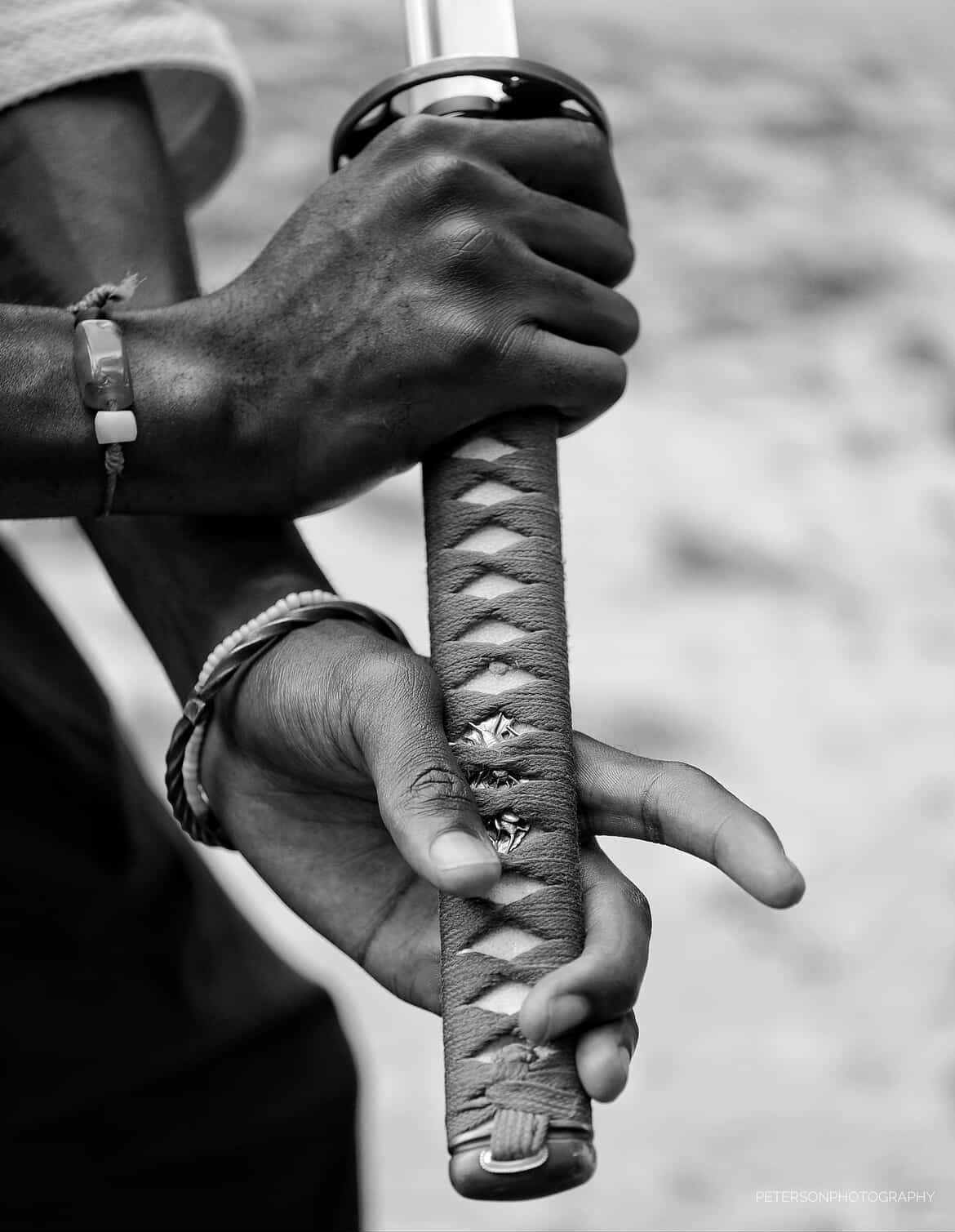
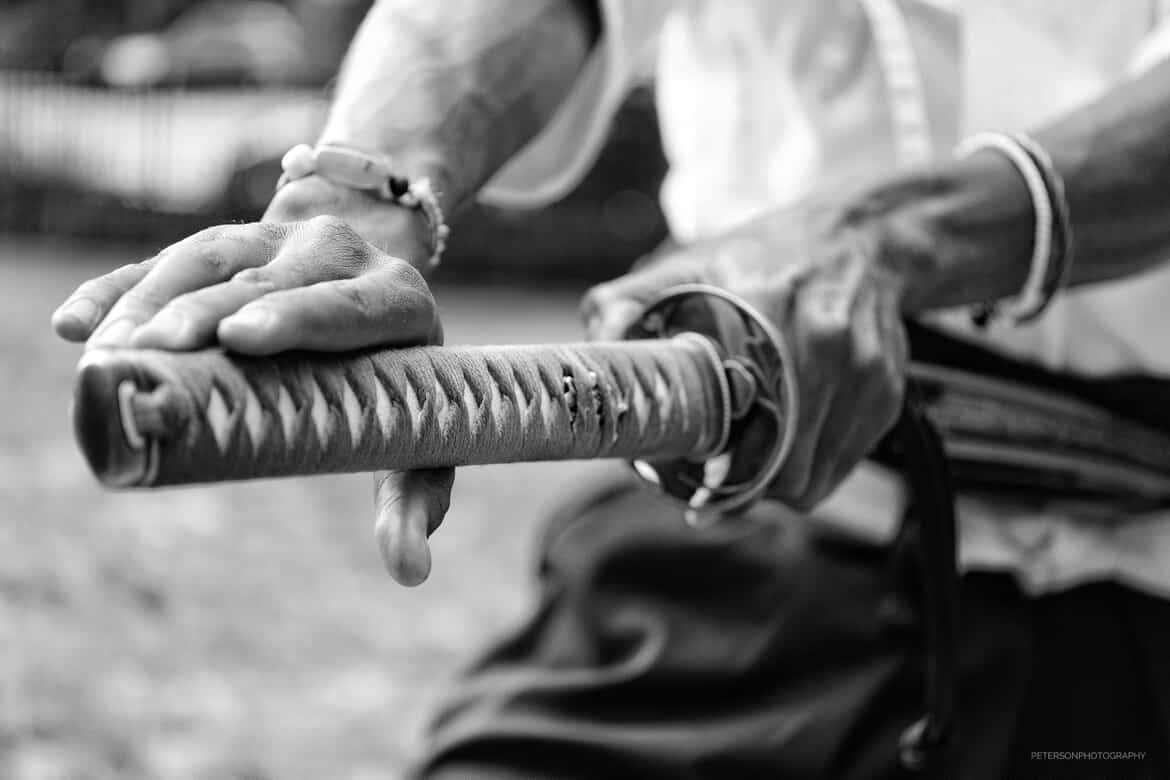
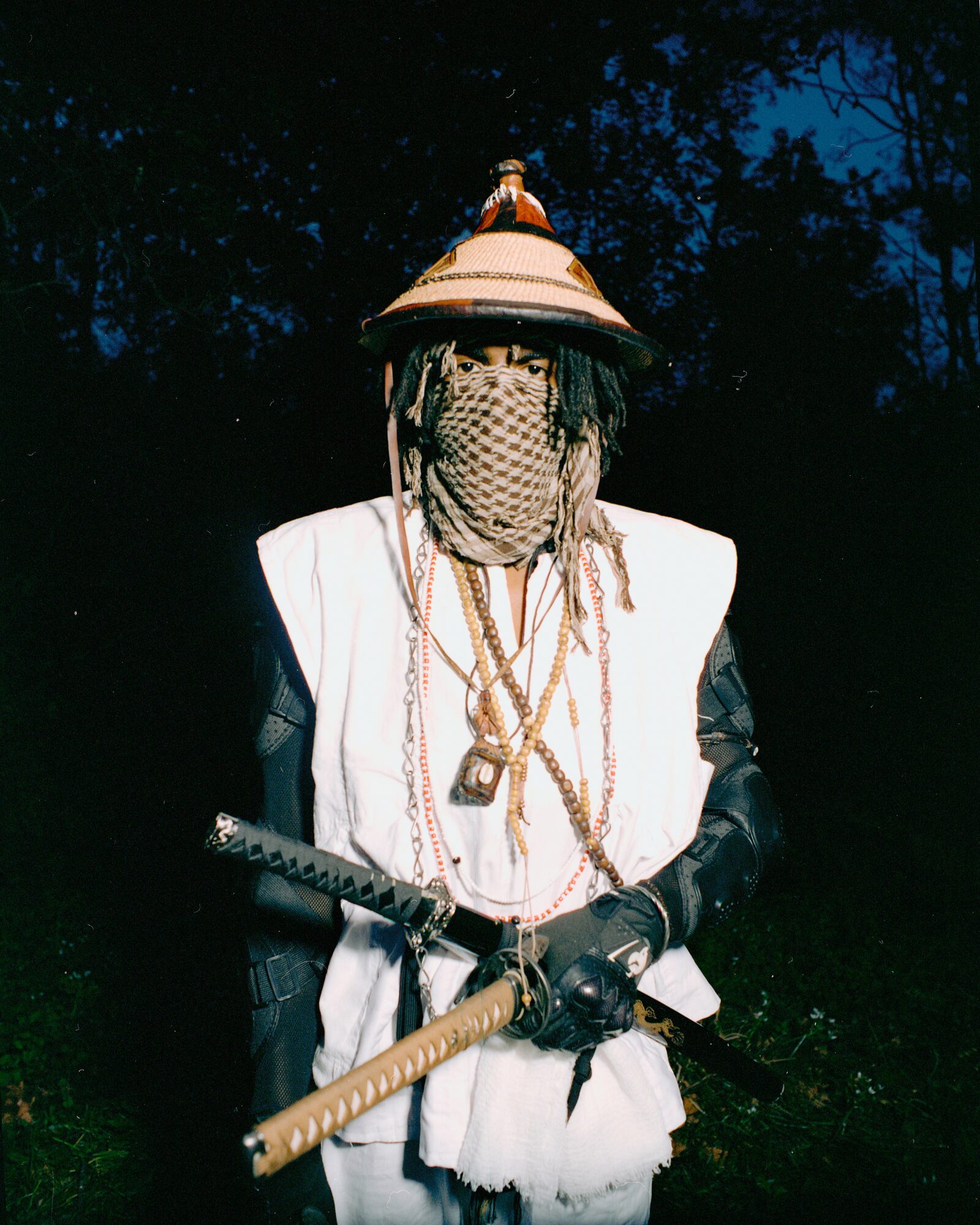
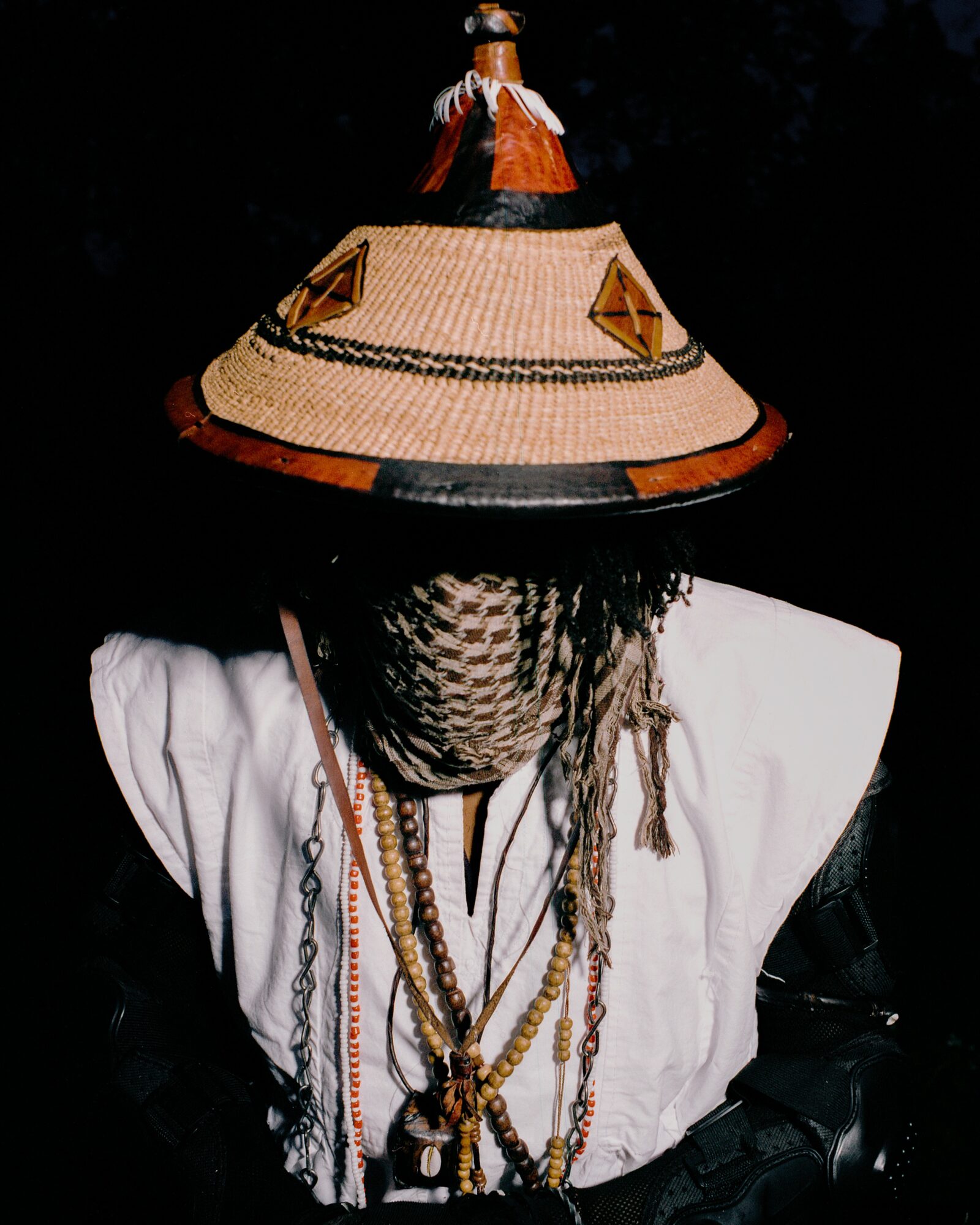
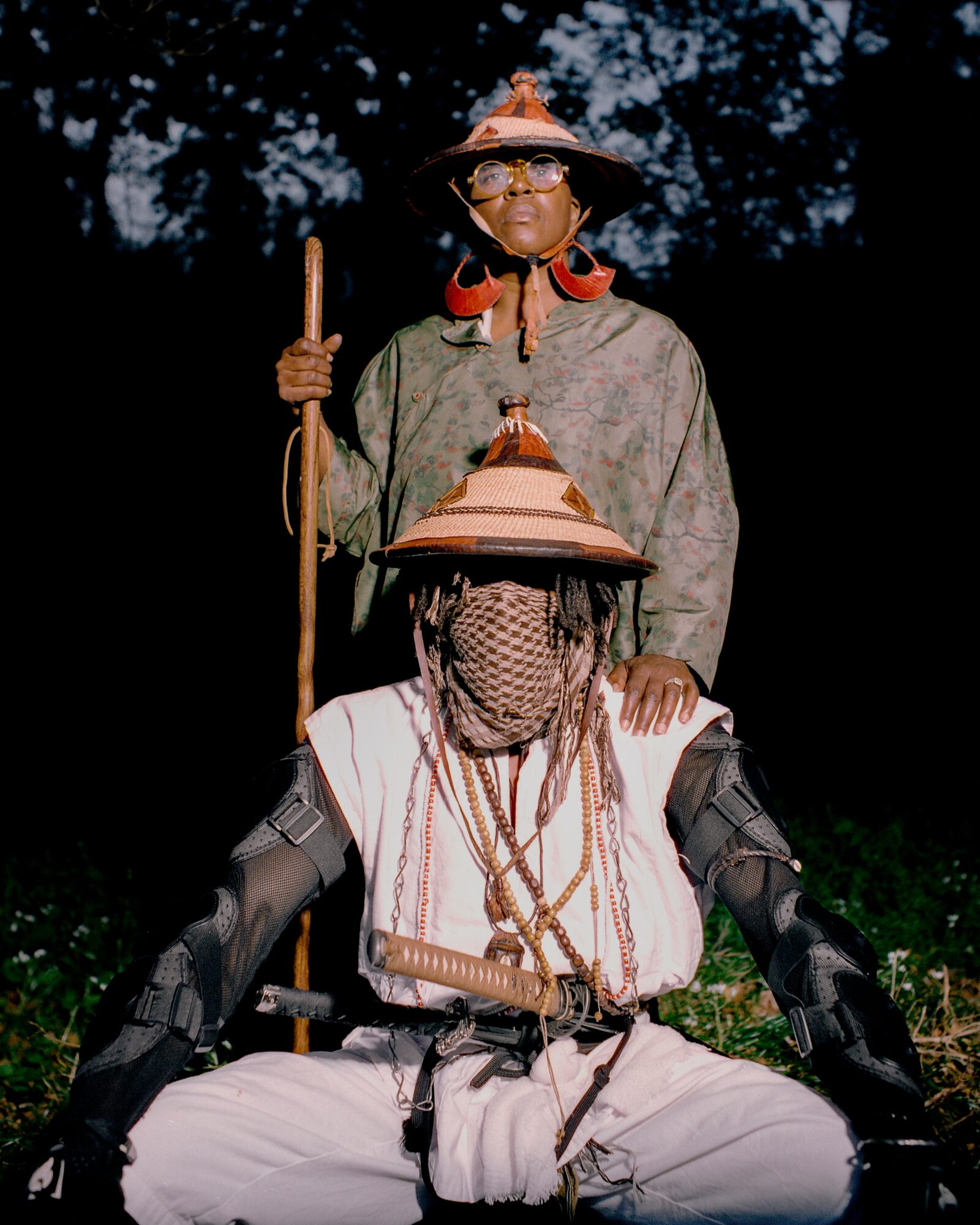
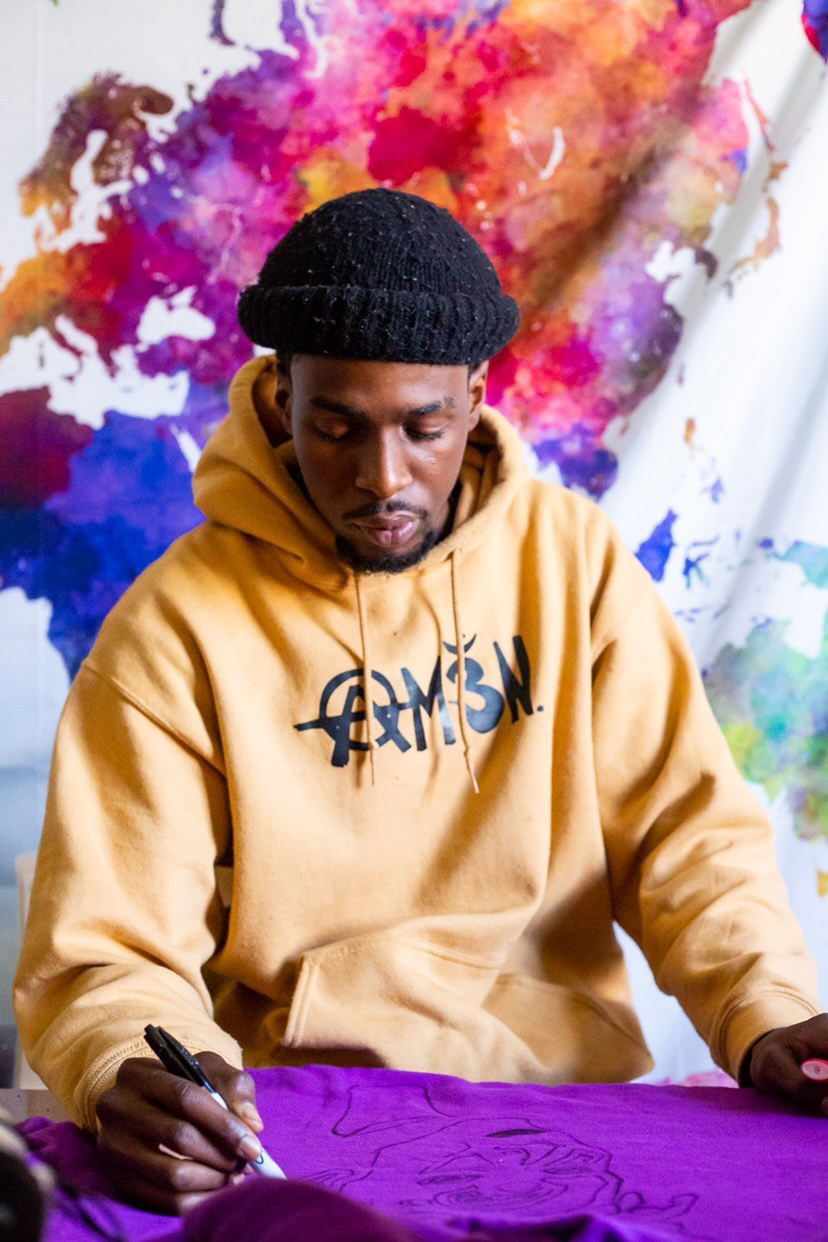
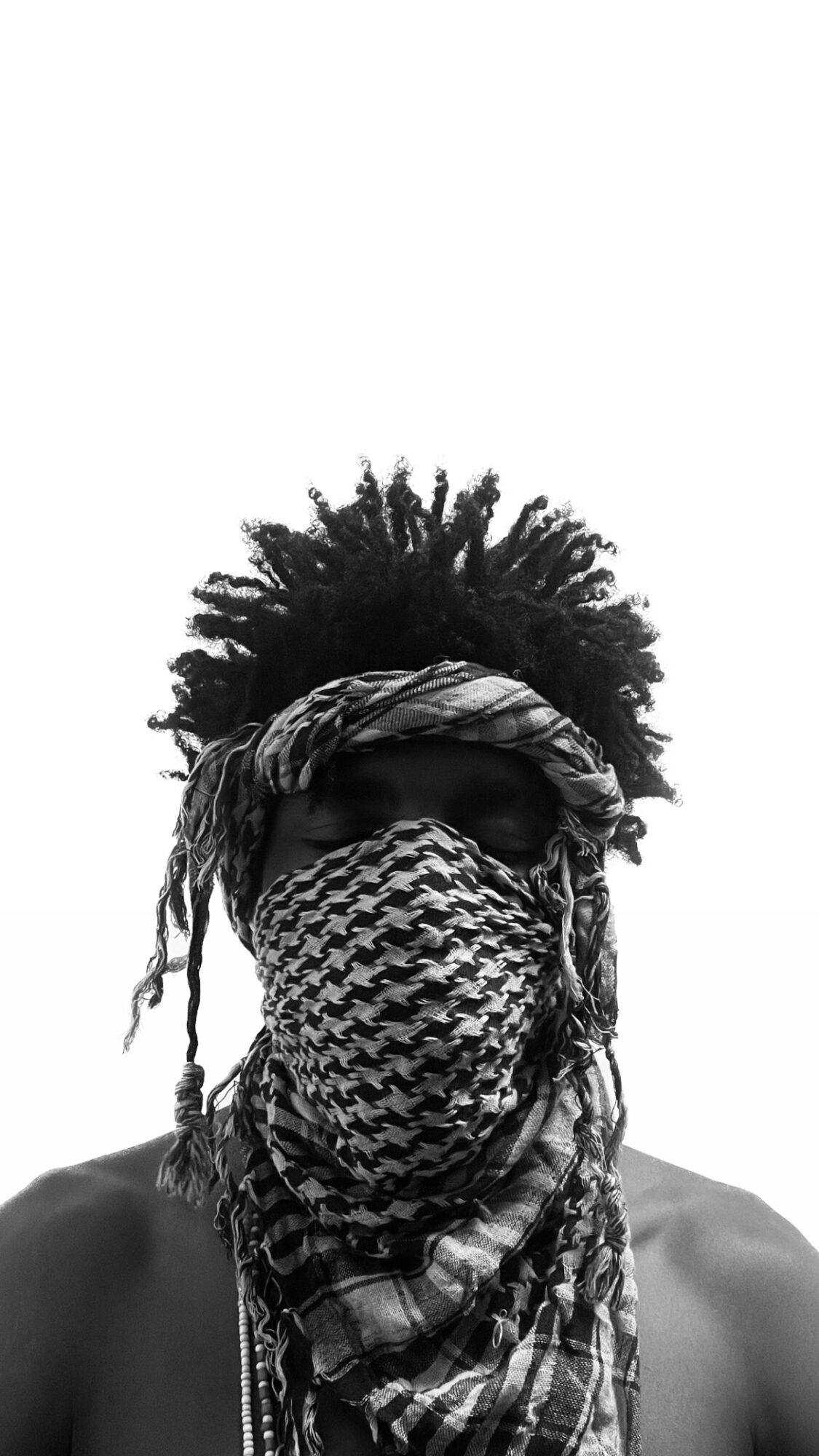
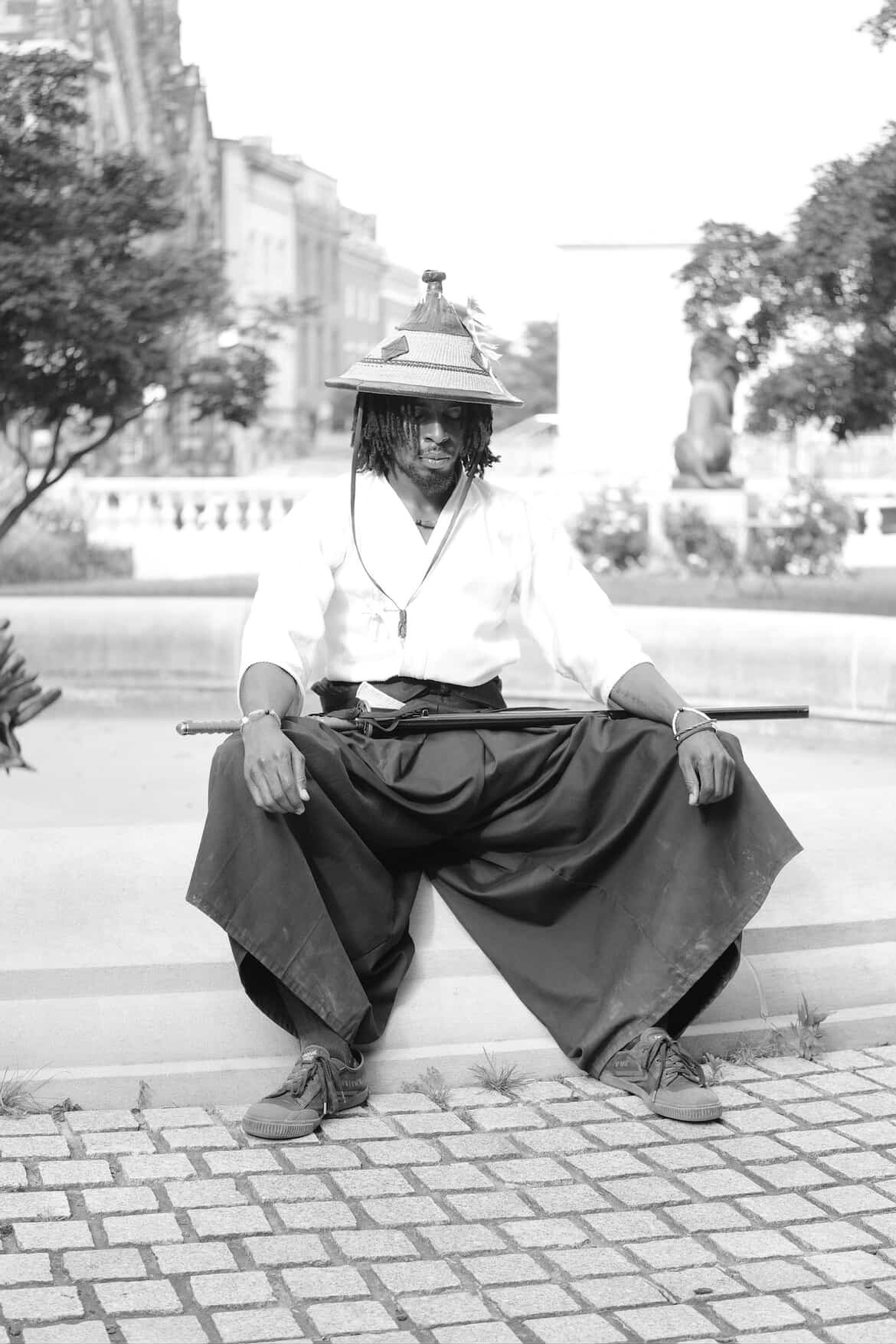
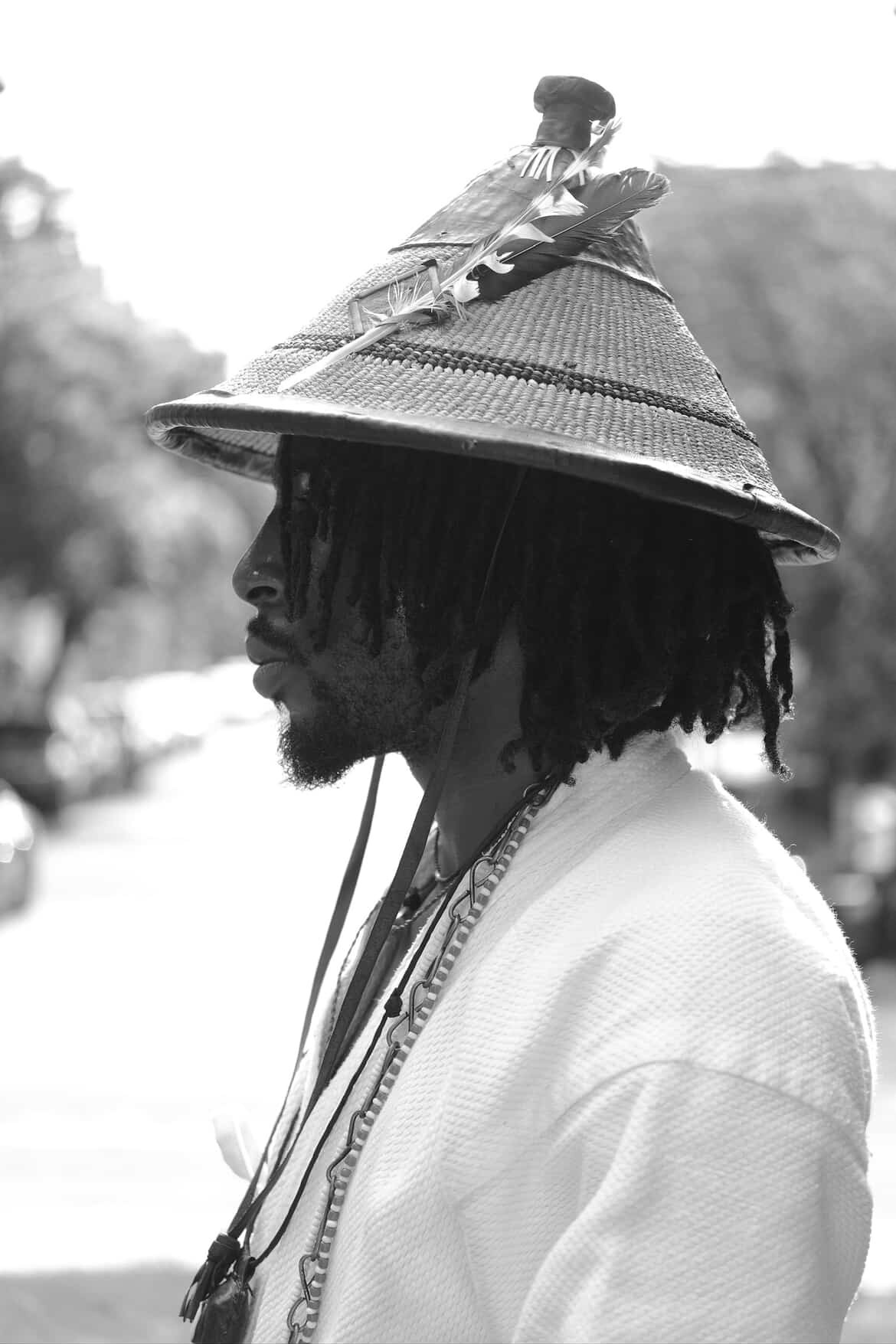
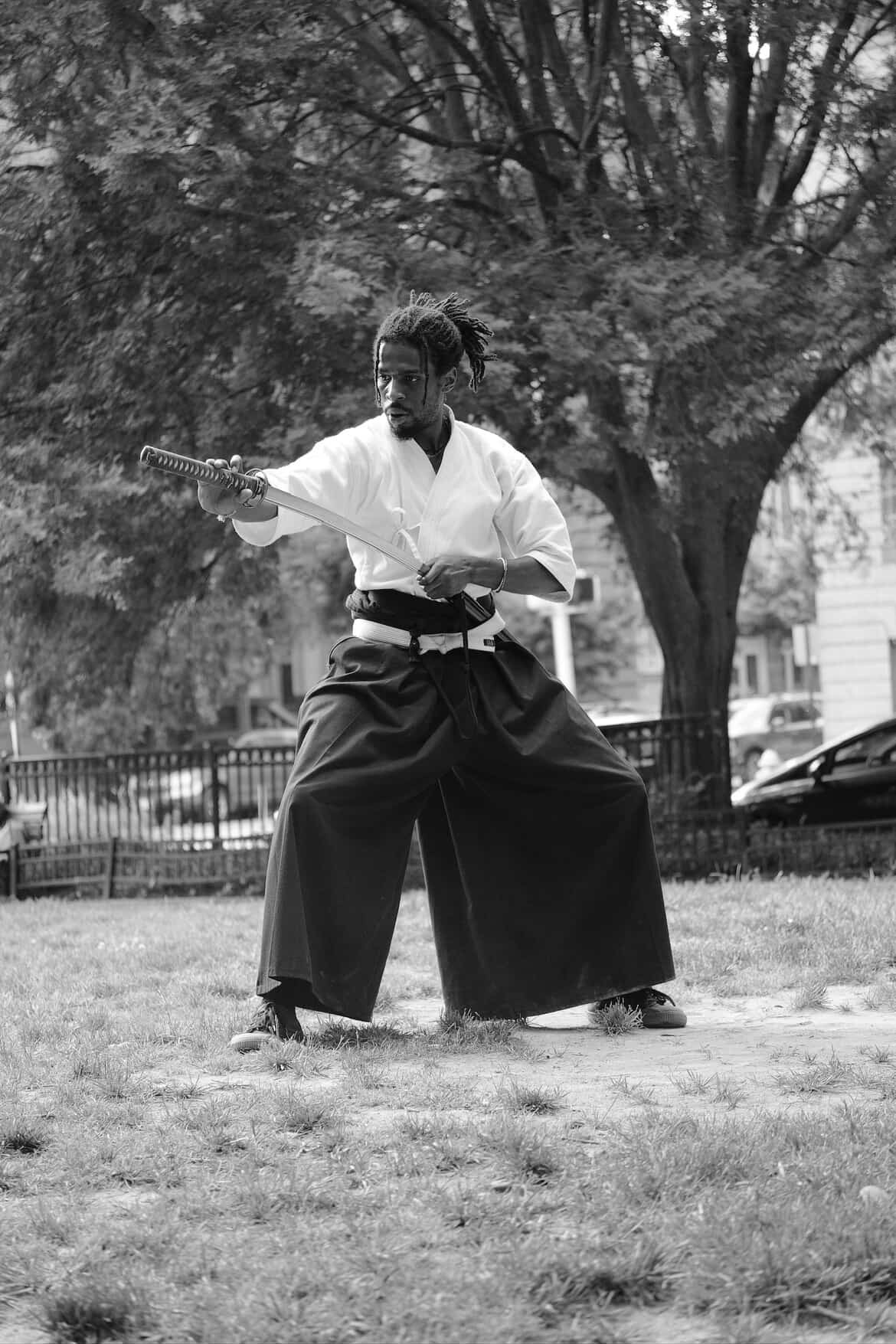
Image Credits
Mount vernon 2025 – Petersonphotography45
MUGEN11 of Sesawo – Tavon Shaw
Custom 1 of 1 Illustration 2021 – Christina Randolph