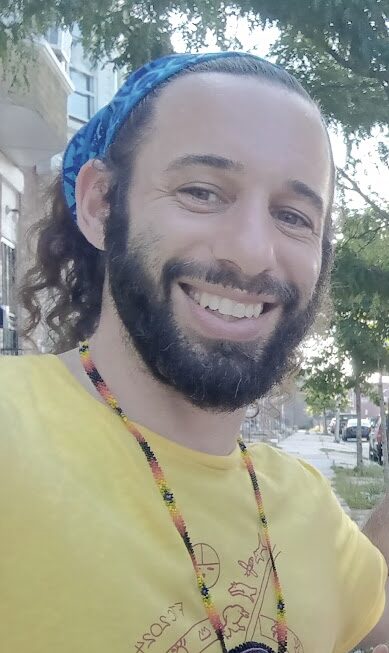
Today we’d like to introduce you to Gabriel Pickus.
Alright, so thank you so much for sharing your story and insight with our readers. To kick things off, can you tell us a bit about how you got started?
My story starts in a car seat when I was almost four. My mom was dropping me off at daycare, and we were listening to Raffi’s “There’s a Big Beautiful Planet in the Sky.” I looked out the window past the clouds and asked her where it was. She said, “We’re on it.” We’re in the sky. I was completely flabbergasted. That moment lit something in me I’ve been chasing ever since.
I grew up in Chicago, attended bilingual schools, and spent 14 summers inside Habonim Dror, an international youth movement rooted in social justice. That shaped me as an educator long before I had that word for myself. I eventually spent a year in Israel/Palestine designing conflict resolution curricula for youth across religious communities. I was finishing my BA in Religion with a focus in Liberation Theology at Goucher College in Towson when I started working directly with Baltimore youth in 2009. I stayed. I kept making music, studying martial arts, and working with kids.
As my work and mission evolved, I collaborated with schools, faith institutions, and non-profits across the city, working with over 100 organizations and thousands of young people. I started in conflict resolution, but it quickly became clear that it wasn’t enough. The conflicts had deeper roots: systemic racism, redlining, disinvestment, disconnection from self, from each other, from the earth. That pushed me toward integrative arts, policy work, and research. In parallel, I was deepening my own holistic health practice in energy medicine and martial arts, and all of it fed back into how I thought about education. The body, the mind, relationships, and the land are inseparable parts of the same whole.
Then the pandemic hit. Kids were suddenly locked behind screens, and every problem I’d been working against got starker all at once: the inequity, the mental health crisis, kids cut off from green space, the isolation. It clarified something for me. I started building InDiGO (Inward Discovery Grows Outdoors) in 2020 and officially founded it in 2021, centered on a simple conviction: nature is our greatest teacher and healer, and classroom. Kids need to get outside to be healthy and successful.
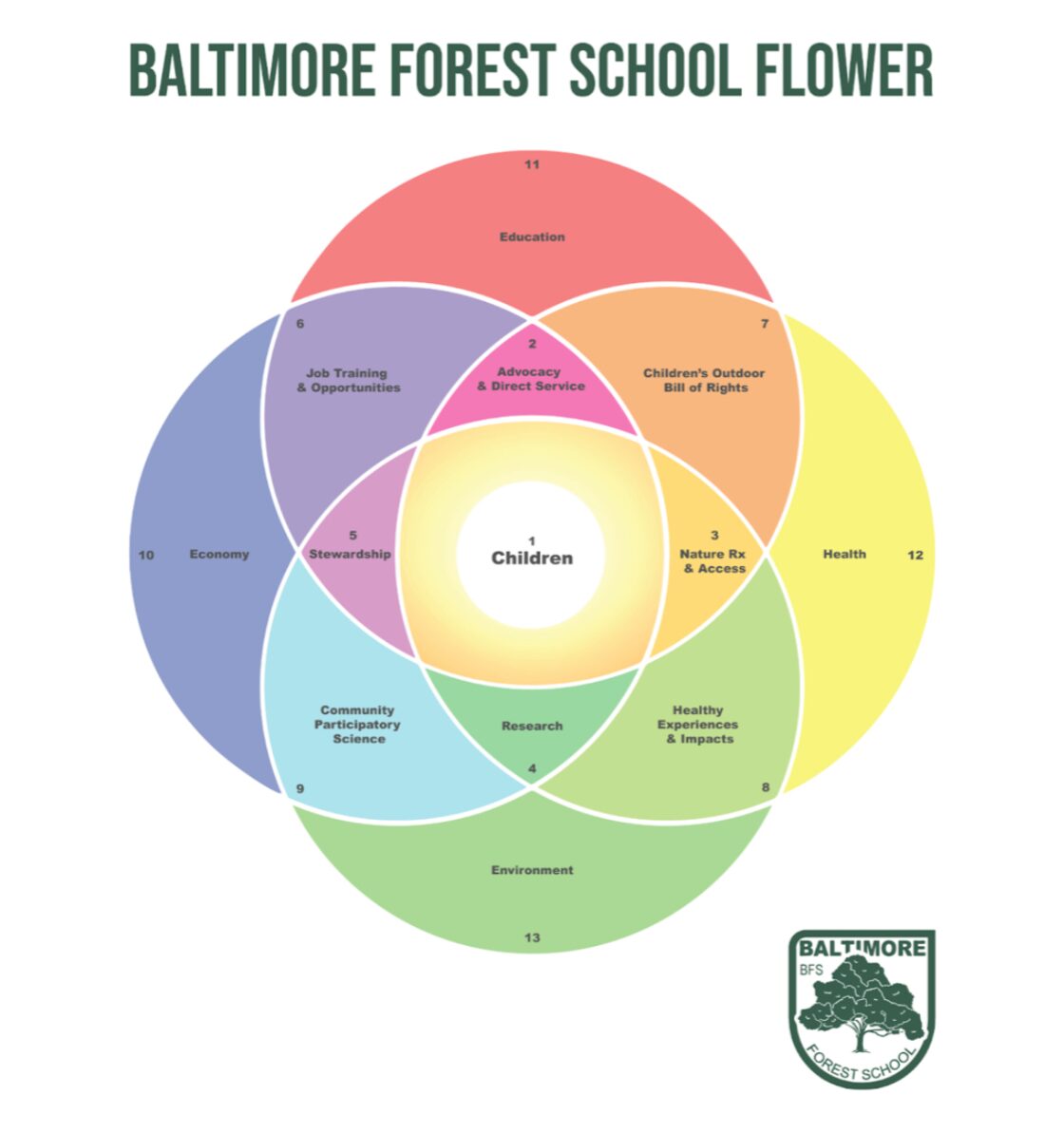
I started finding other organizations working toward the same thing, and instead of competing, we decided to collaborate. That impetus to shift the culture became the Baltimore Forest School Cooperative, now 10 organizations strong and counting. Each member organization, including InDiGO, has a lane and a piece of the puzzle to make it systemically possible to get nearly 80,000 kids in City Schools outside. We’re just getting started.
Honestly, I just want to play with kids outside. It’s what I enjoy, and it keeps me happy and healthy too. At the heart of it, I want to have my own children soon, and I want to be able to send them to a diverse school that actually implements what we know works: the kind of whole-child, nature-based education that Steiner, Montessori, and Loris Malaguzzi (the founder of the Reggio Emilia approach) dedicated their lives to. These best practices in education were always meant to be for everyone. But those schools are expensive and largely inaccessible. That’s a betrayal of everything those educators stood for.
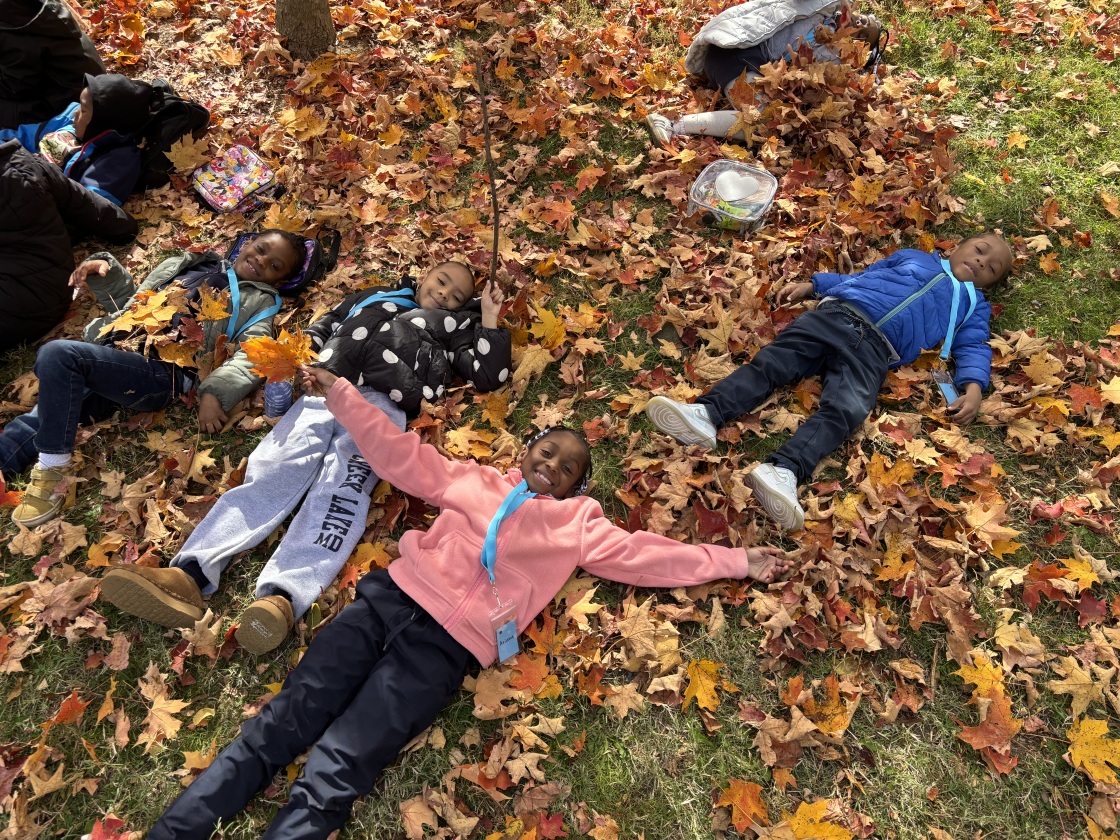
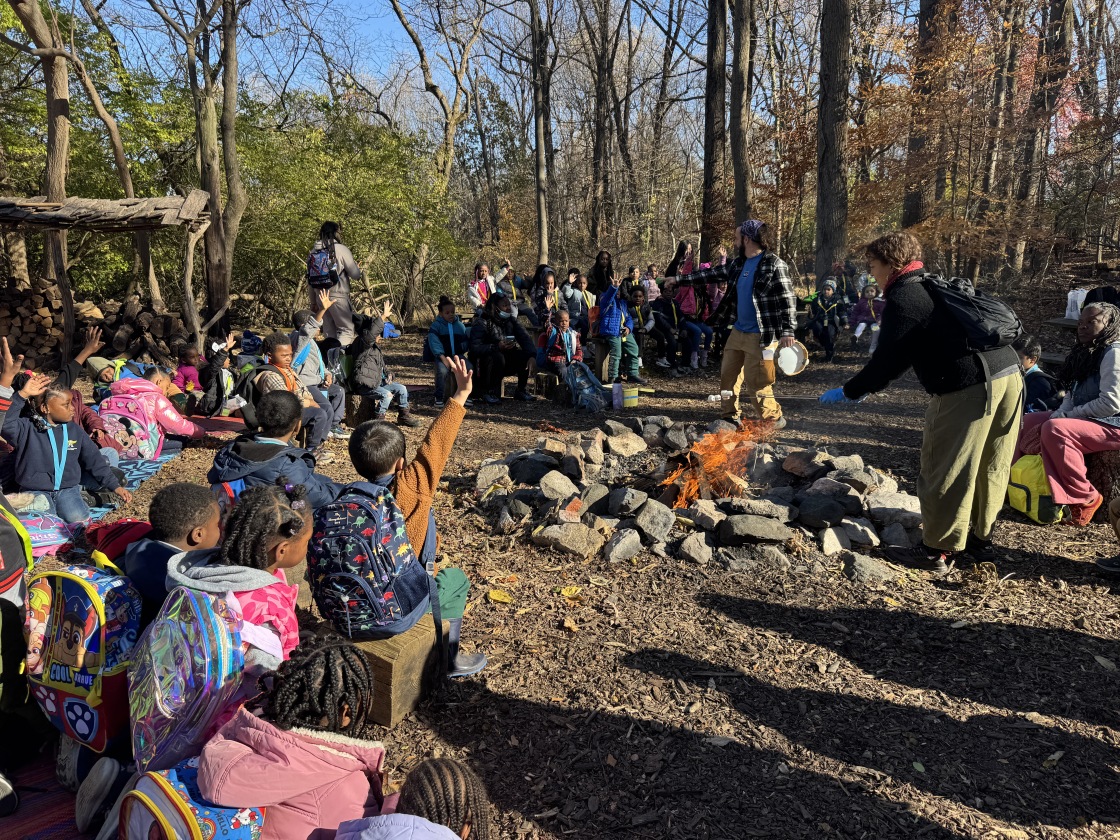
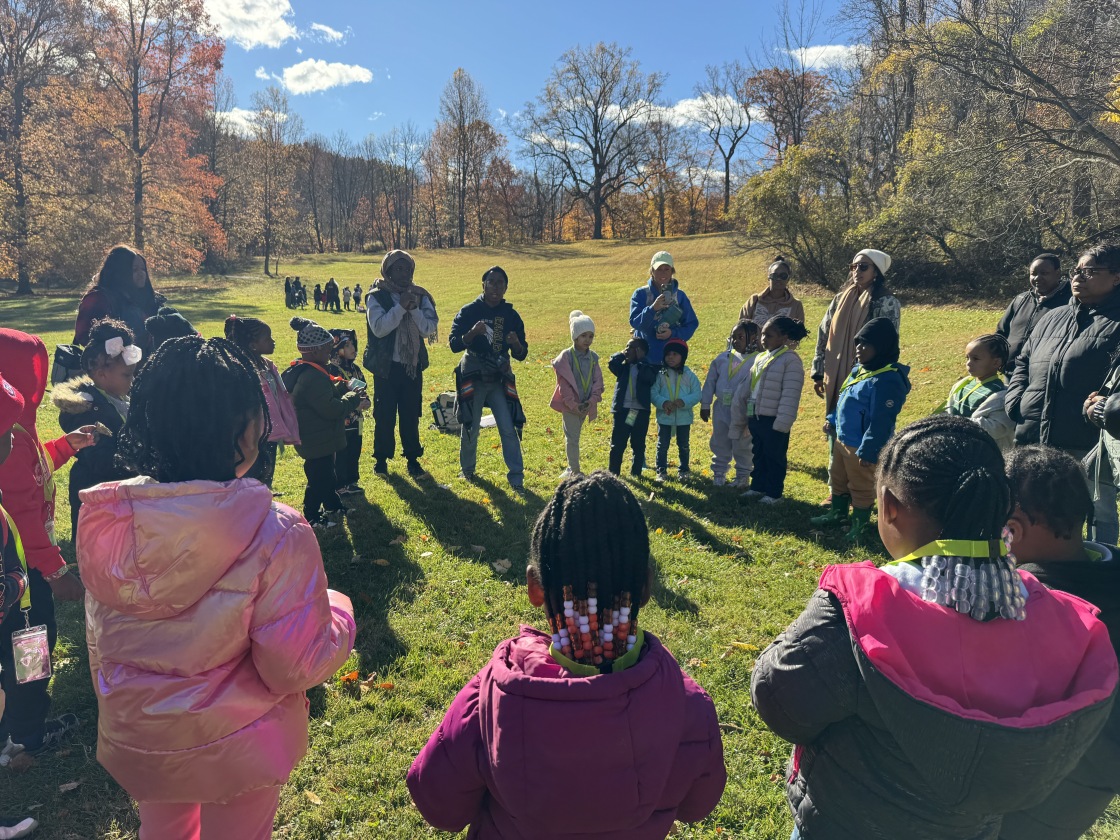
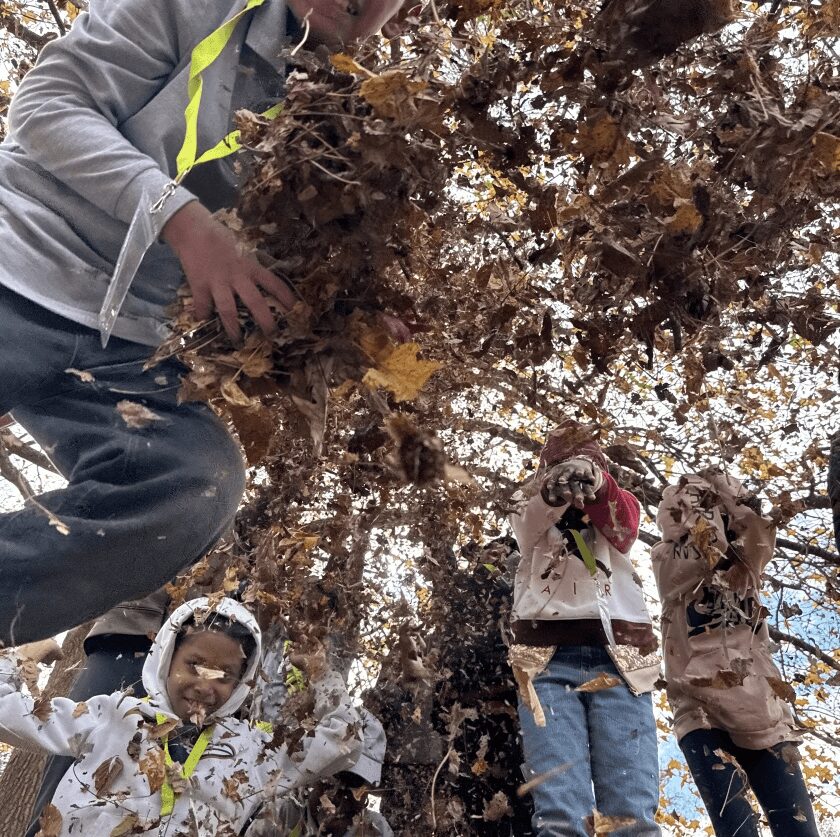
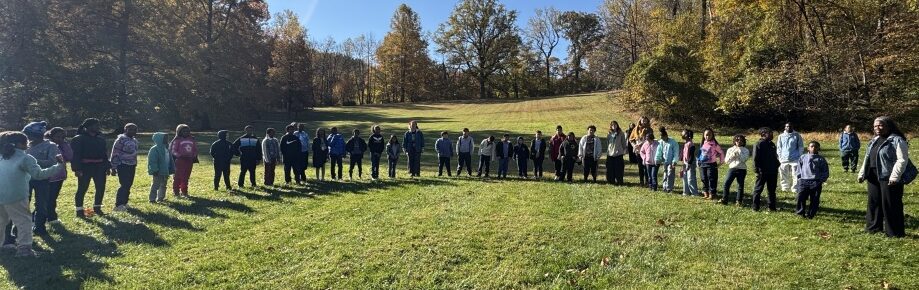
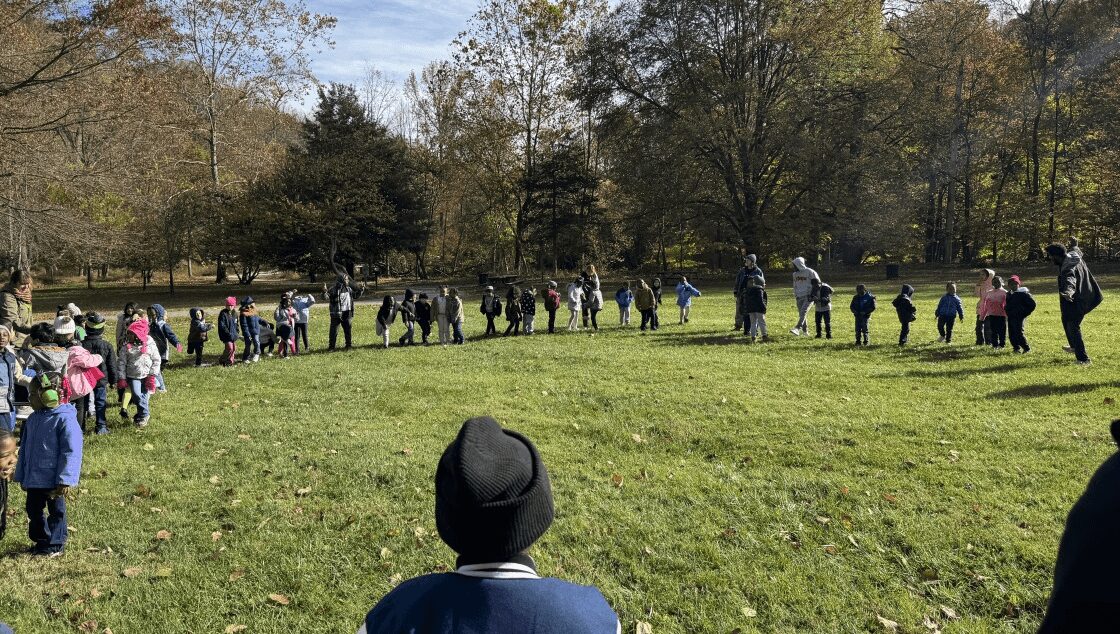
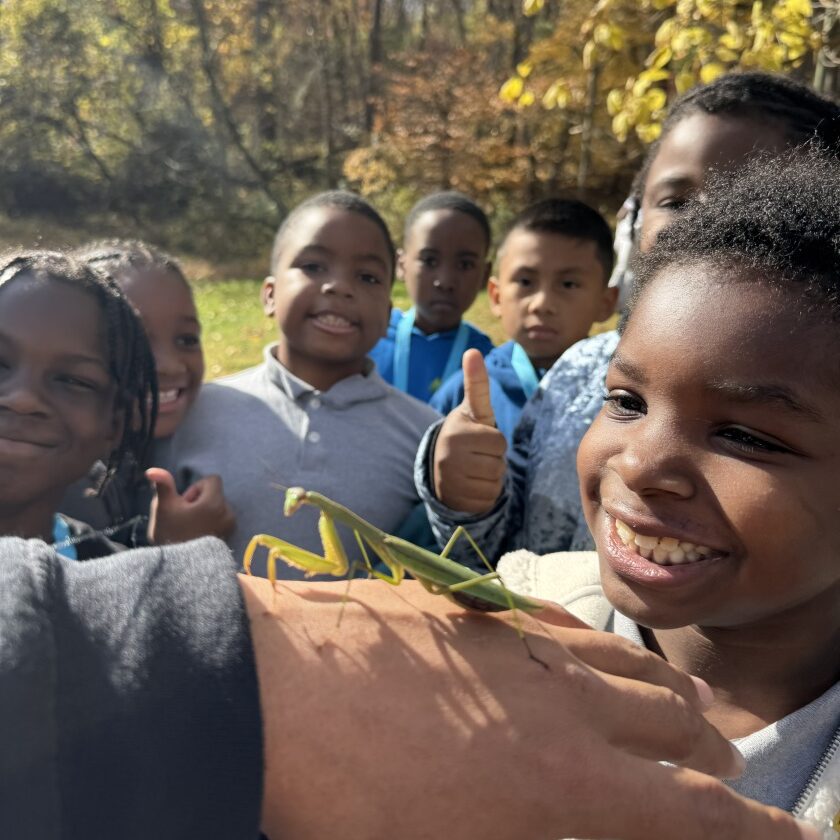
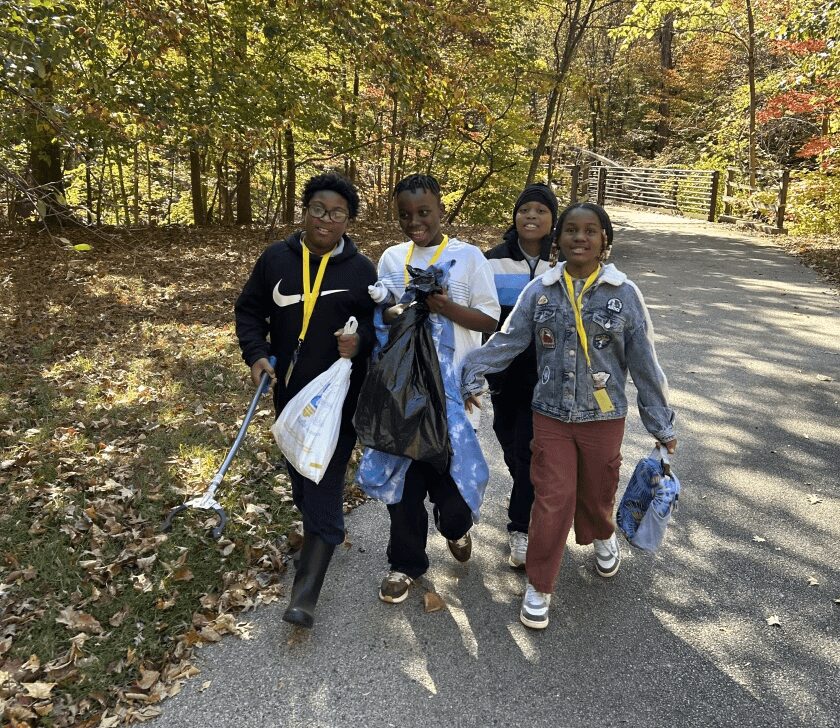
So we put together field trips, summer camps, and Nature Everywhere Week. We have piloted every possible onramp and avenue, from overnight trips to integrative academics, summer camps, and workforce development. We work hard for every little moment a kid can access time and space to be a kid outdoors. And then the kids get outside, and their eyes light up. I run into them at school, and they ask when the next field trip is. They share a memory from summer camp. I watch them start picking up litter and telling their friends not to kill bugs or break tree branches. When the City Council listens, when I see what’s possible, and how what we’ve already done has changed lives, I’m reminded that it’s all worth it.
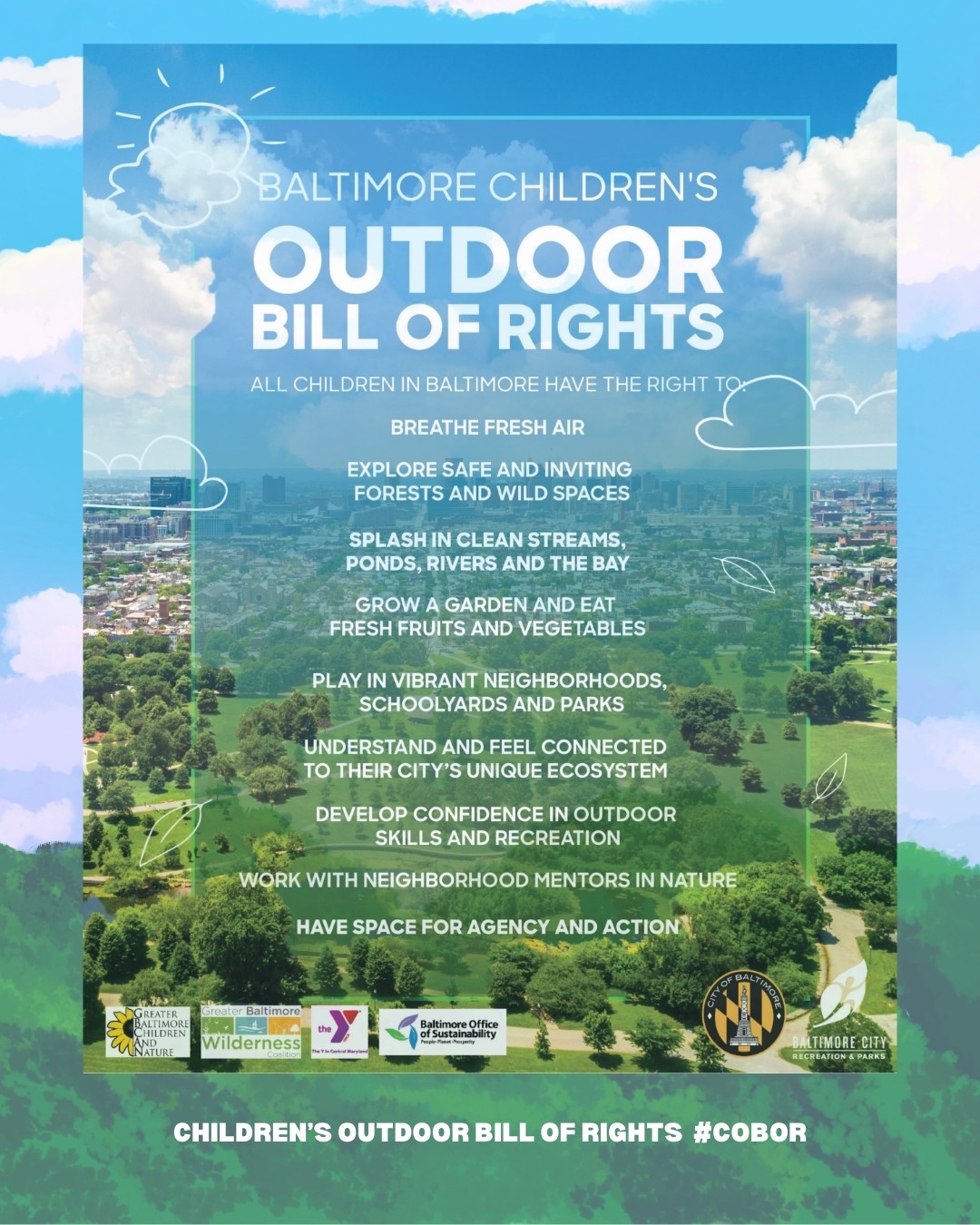
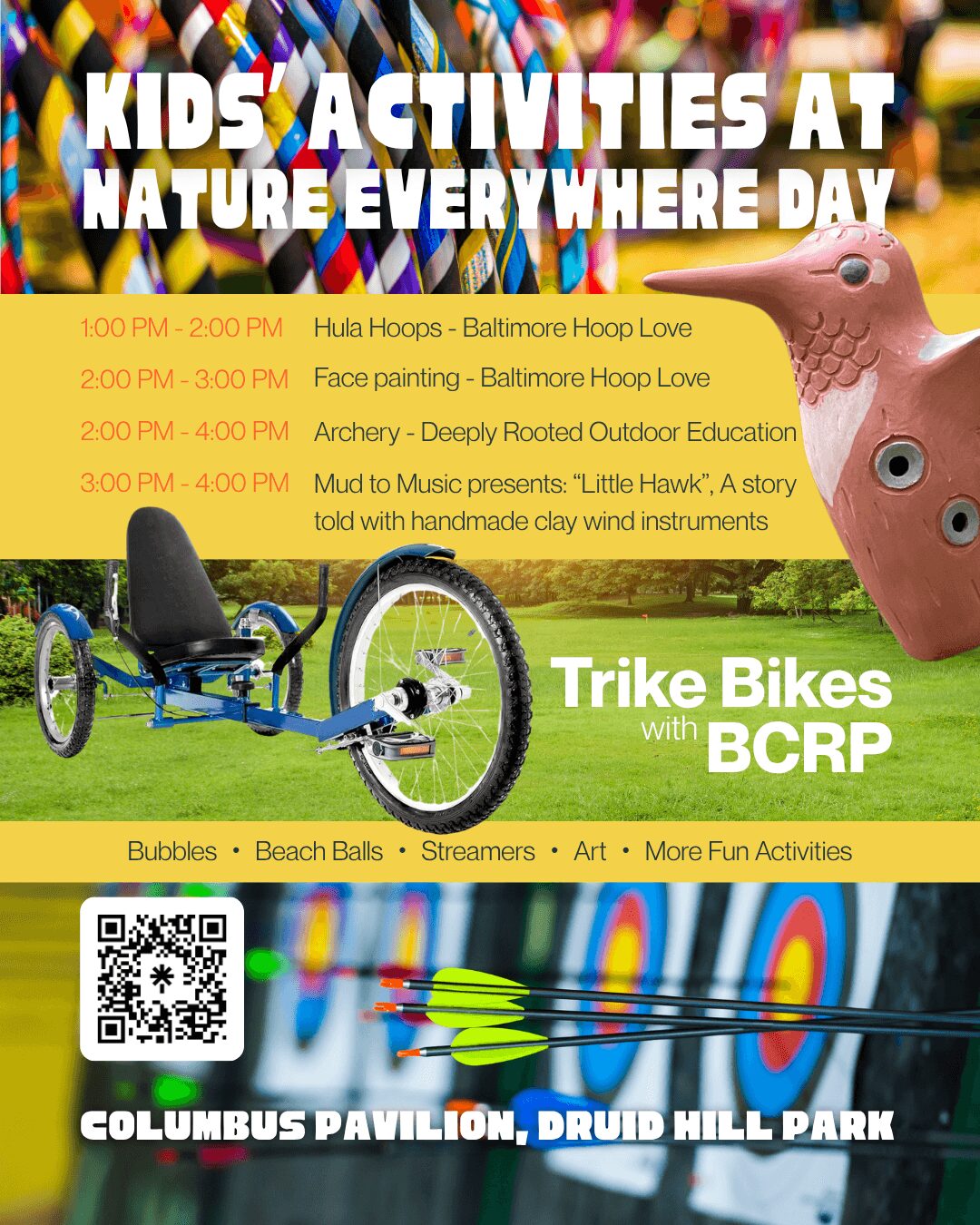
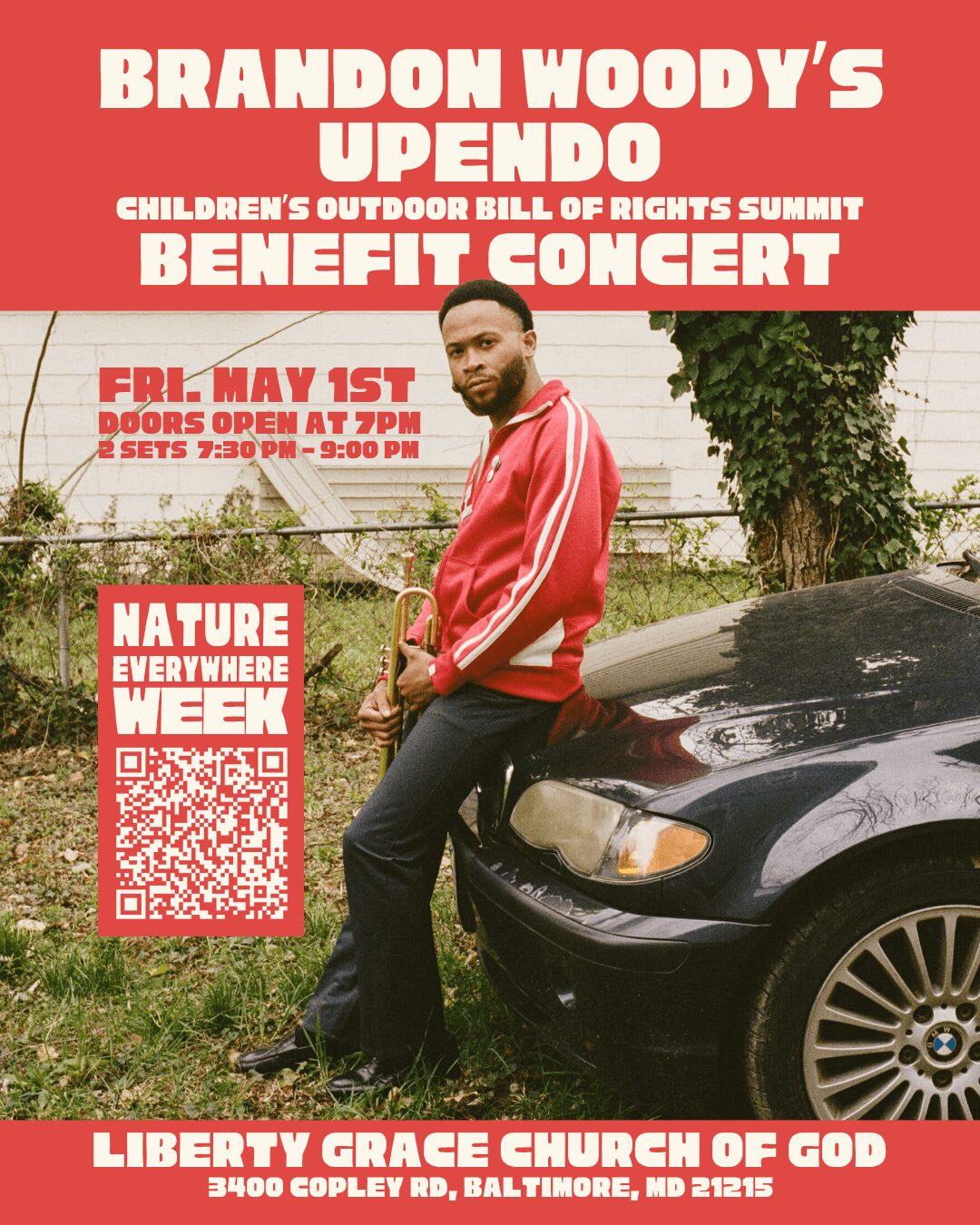
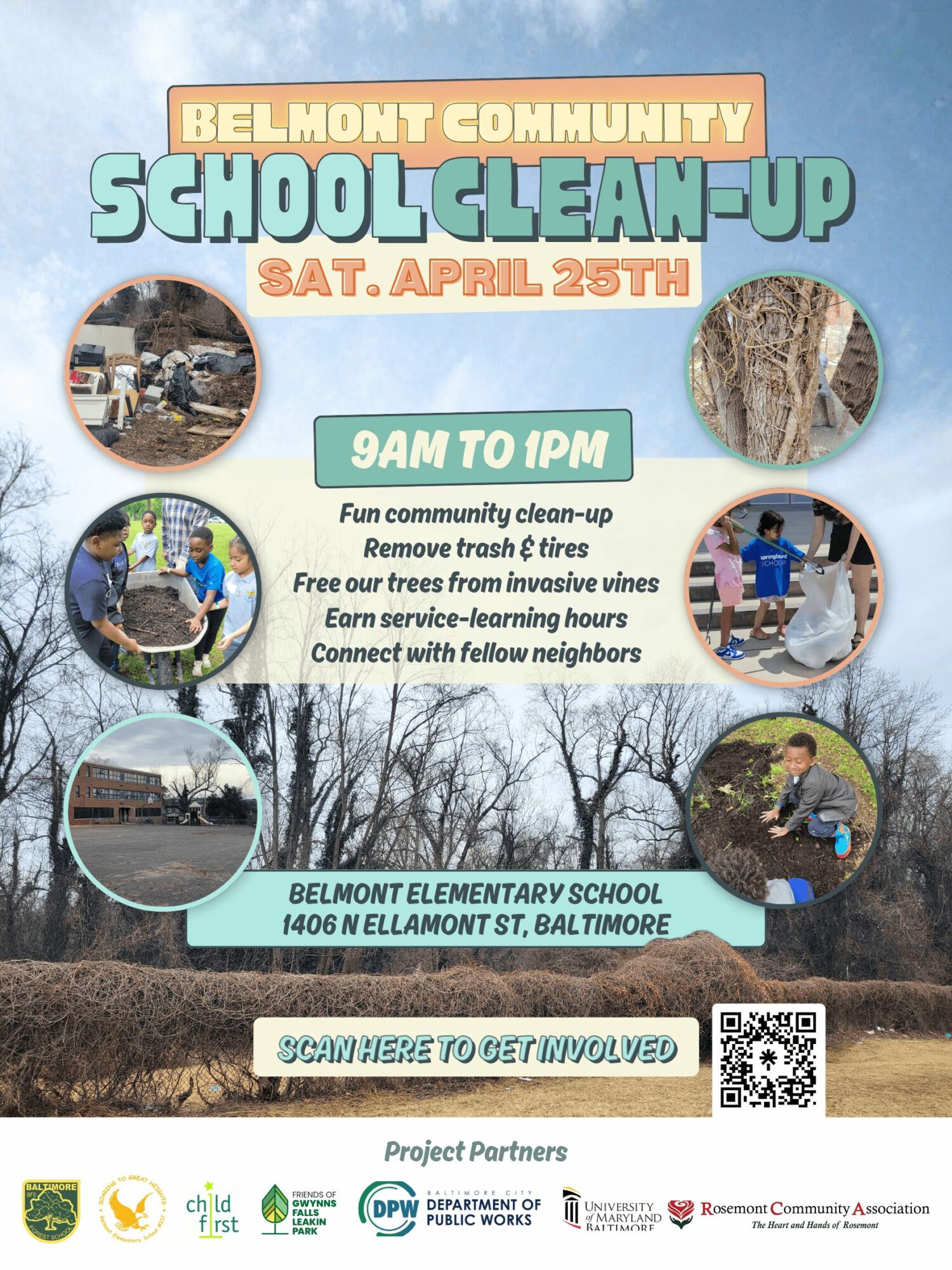
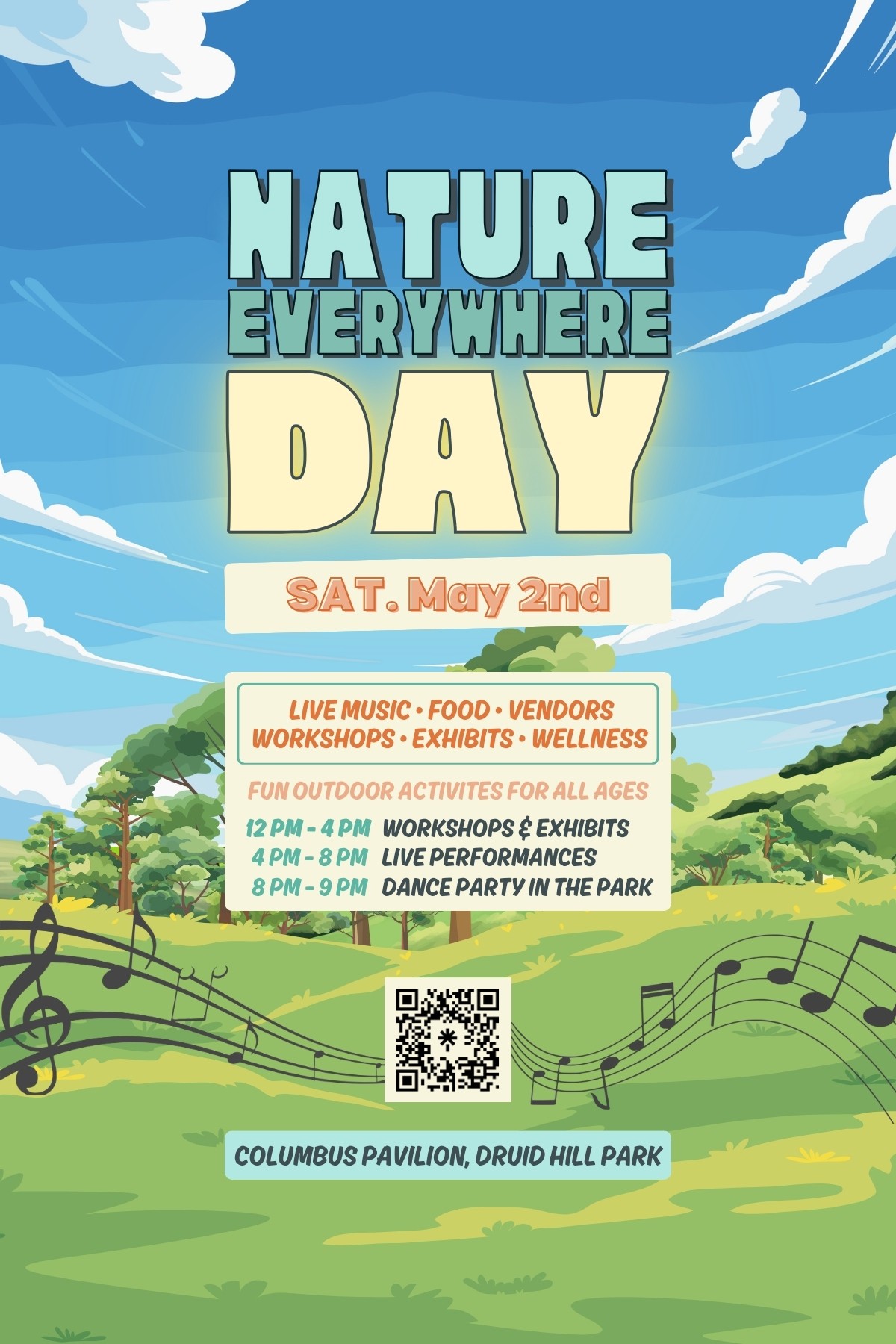
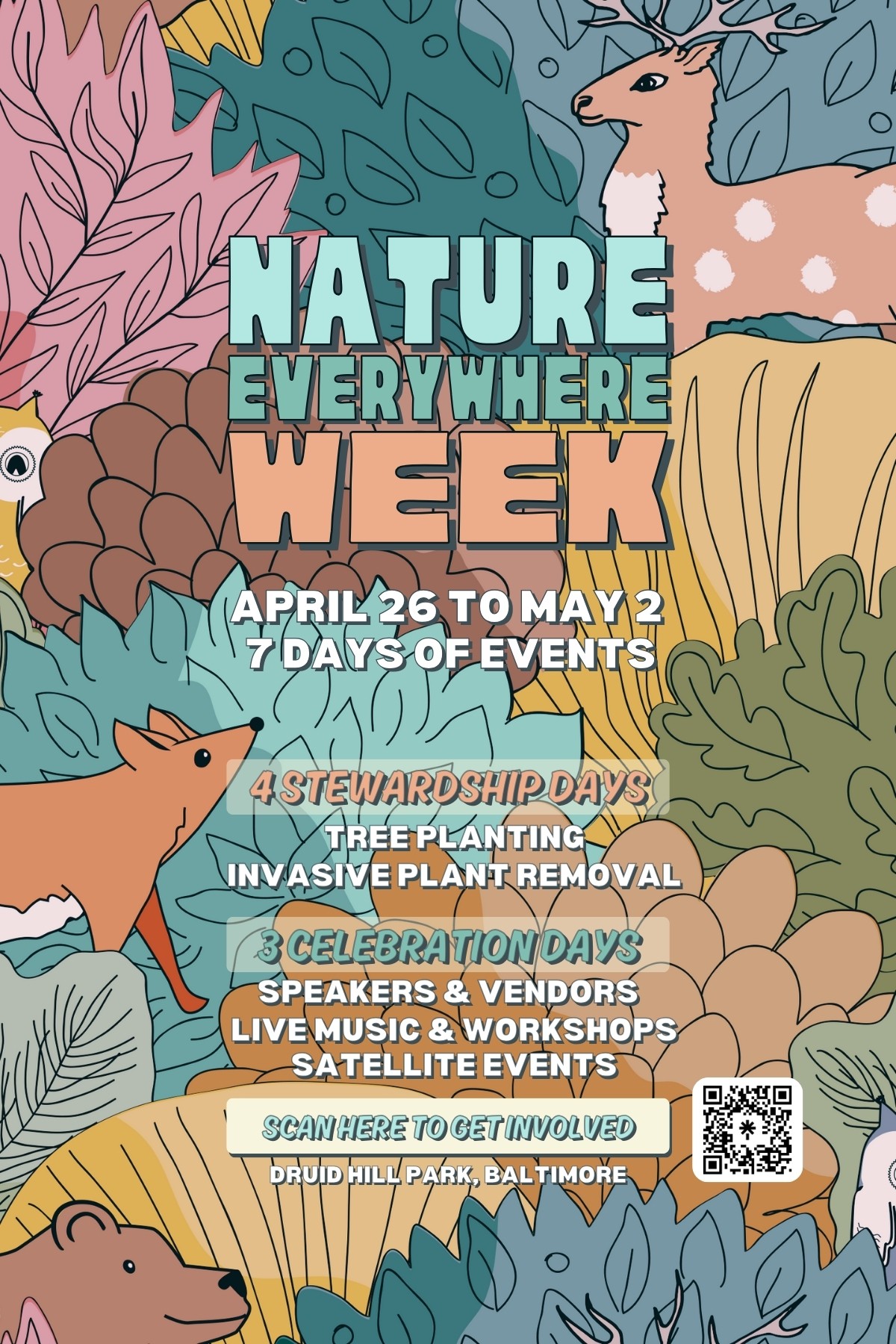
Baltimore’s then-Mayor Jack Young signed the Children’s Outdoor Bill of Rights (COBOR) in 2019, a declaration that every child in this city has the right to clean air, safe parks, clean water, and time in nature. We’ve been advocating for that promise to become real policy ever since, because the potential is right here. Baltimore has forests. We have land. Right now, too much of it is used for illegal dumping instead of what it could be: living classrooms, healing spaces, places where nearly 80,000 kids in City Schools can learn, grow, and become stewards of the future. That future isn’t far off. It’s just outside. We just heard the news that City Council will be passing a resolution to make COBOR city policy during Nature Everywhere Week this year! Please come volunteer to plant trees, cut vines, and help us shape the next year of implementation. There are now 8 days of events, but if you can only make it to one, be sure to come out on May 2nd for the festival. We’ve asked Mayor Brandon M. Scott to start a new holiday in Baltimore: Nature Everywhere Day, a day not just to celebrate Baltimore’s COBOR, but to live it. We’ve got quite the lineup of activities and live music. Check it out and sign up to volunteer at www.inwarddiscovery.org/natureeverywhereweek2026.
Can you talk to us a bit about the challenges and lessons you’ve learned along the way. Looking back would you say it’s been easy or smooth in retrospect?
The biggest challenge is that education has become indoctrination. The system, which most of us adults are products of, has conditioned us deeply, and that conditioning runs so deep we don’t even see it. We’ve been set up in a game of winners and losers where winning comes at someone else’s expense. Even within the environmental education community, people make the mistake of thinking environmental education is about the environment. It’s not. It’s about the kids. Our systems are not designed to center children, and yet centering children would be the single most beneficial shift we could make across every system we have.
I don’t know if people believe the Matrix is real, but I’ve literally watched people transform into Agent Smith mid-conversation. People who are supposedly working toward the same goals suddenly become obstacles, held back by their own conditioning, bureaucratic pressure, or fear of the system. And the most disorienting part is that they often have no memory of it afterward. They genuinely believe they’ve been helpful the whole time. I had to learn not to take it personally. I had to learn to recognize it for what it is.
Leadership is hard. Everyone is a critic, and very few people are willing to actually step into a leadership role. Over time, my martial arts practice taught me something essential about this. In soft-style martial arts, you don’t fight force with force. You receive it, you roll with it, you redirect it. The resistance, the bureaucracy, the pressure — all of it becomes fuel. That’s the practice. You let it shape you the way pressure shapes a diamond, and then you get back to work.
Thanks for sharing that. So, maybe next you can tell us a bit more about your work?
At its core, InDiGO is built around what we call Unifying Experiences. A unifying experience isn’t just a fun activity outside. It’s what happens when a whole child engages from within because the experience has real personal meaning to them on multiple levels. It’s healing and transformative. It reconnects the body, the mind, relationships, and the land as parts of the same whole. That’s what we’re creating conditions for every time we take kids outside.
What sets us apart is the breadth of our work and its ability to transcend traditional boundaries and sectors. Most organizations operate at one level. We work across all of them simultaneously, from global research and best practices to city policy to direct engagement with kids in the field. The research informs the programs. The programs inform the policy advocacy. Policy advocacy creates the conditions for programs to reach more kids. It’s a spiral, not a ladder.
We’ve held that through line without losing the kids at the center of it. It would be easy to get lost in the systems work and forget why you’re doing it. But then you’re on a field trip, and a kid has their first s’more, or steps into a stream for the first time, or suddenly realizes that they are part of nature, that Baltimore has some incredible parks they never knew existed. That look of discovery is everything. The policy memos, the coalition meetings, the advocacy — all of it exists to protect that moment and multiply it until every child in Baltimore has access to it.
We’d love to hear about any fond memories you have from when you were growing up?
I think I already answered part of this one: that moment in the car seat, hearing Raffi, is probably my earliest and most formative memory. But the one that shaped me most consistently over time was summer camp. I spent 14 summers at Habonim Dror, and what that experience gave me, more than anything, was proof of how much you can learn from nature and community when you’re fully immersed in both. I hated school. My body rejected sitting at a desk all day, to my teachers’ dismay. So the contrast was powerful. At camp, you can’t hide. You’re with the same people, outside, day after day, and you have to figure out how to collaborate, how to have hard conversations, how to disagree and still show up for each other. Those skills have served me more than anything I learned in a classroom. In many ways, everything I’m trying to build now is an attempt to give Baltimore’s kids some version of what those summers gave me.
Pricing:
- Folks can donate at www.inwarddiscovery.org and click support
- Folks can sign up to volunteer during Nature Everywhere Week by visiting www.inwarddiscovery.org/natureeverywhereweek2026
Contact Info:
- Website: https://www.inwarddiscovery.org
- Instagram: @inwarddiscovery
- Facebook: https://www.facebook.com/InwardDiscoveryGrowsOutdoors/
- Youtube: https://www.youtube.com/channel/UC2785P5VdJURg7gF7F0HYEQ/videos
- Other: https://www.baltimoreforestschool.org