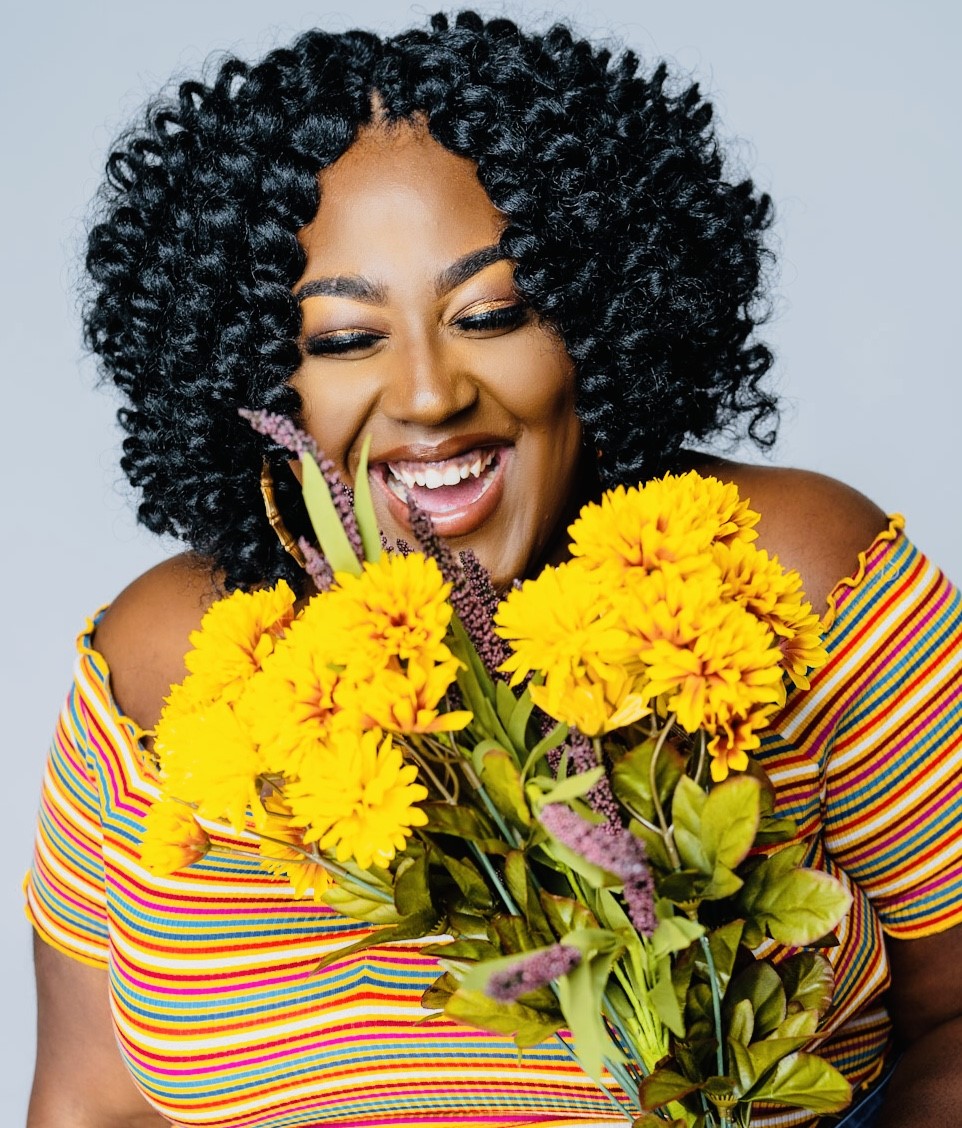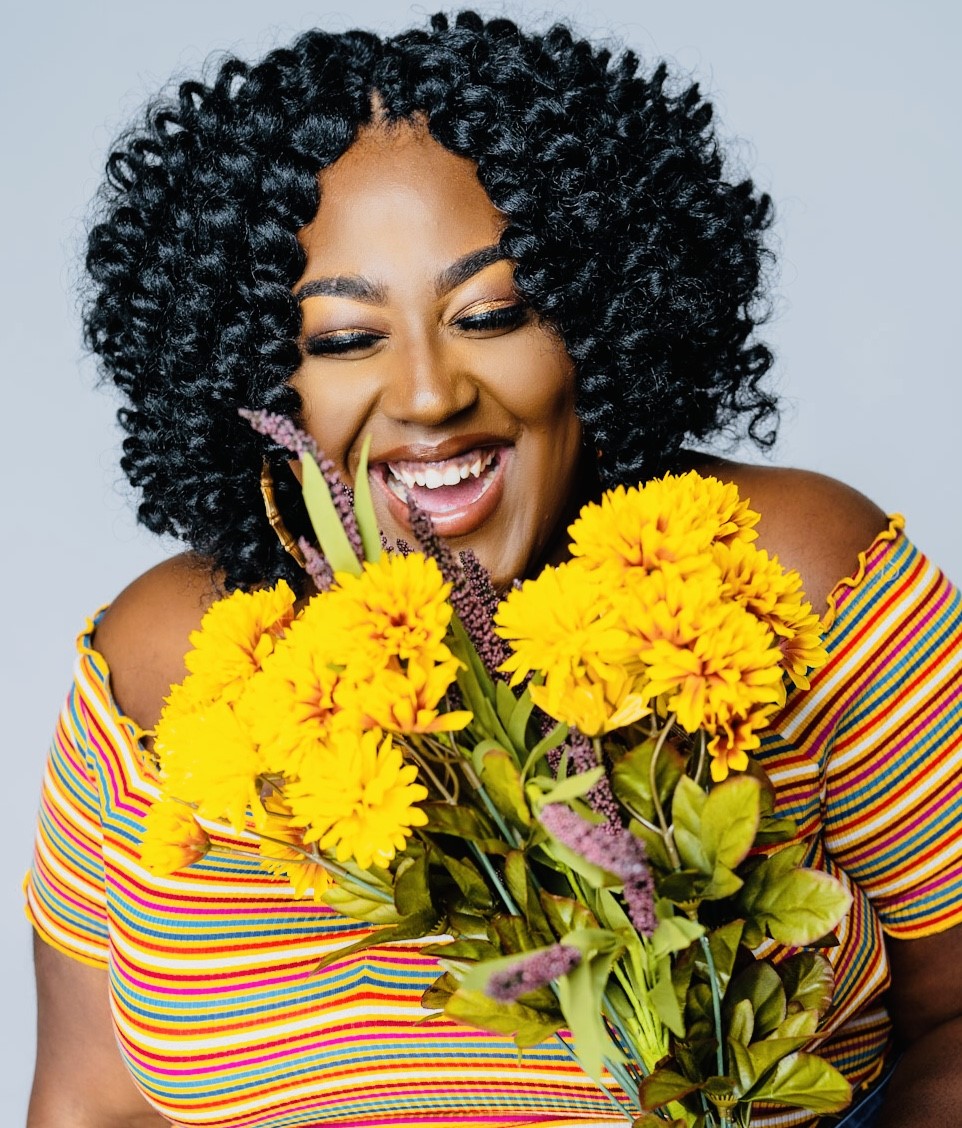
Today we’d like to introduce you to Gabby Jackson.
Hi Gabby, please kick things off for us with an introduction to yourself and your story.
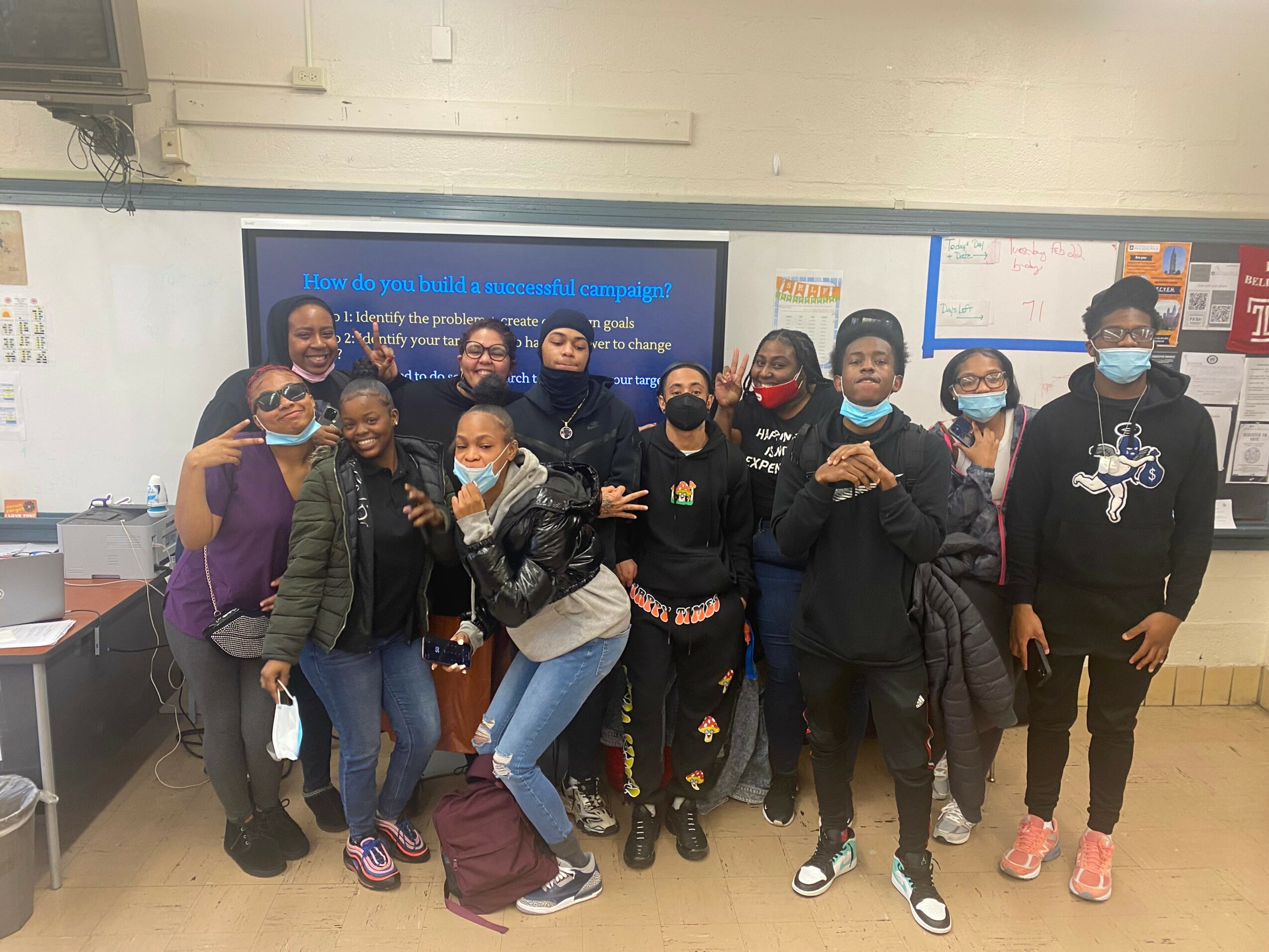
In 2017, I began my journey at Lutheran Settlement House in Philadelphia, PA, as an IPV Teen Specialist, where I supported youth impacted by Intimate Partner Violence (IPV). One of my key responsibilities was facilitating the Students Talking About Relationships (STAR) program, which aimed to raise awareness about IPV, examine the social justice factors contributing to violence in our communities, and create safe spaces for youth. In 2019, I began facilitating STAR at Philadelphia’s Juvenile Justice Services Center (JJSC), working across different units.
Building rapport with the youth, especially in these high-stress environments, was essential for creating these safe spaces. I learned deeply from every young person I worked with, but especially those incarcerated at JJSC. During one of my sessions, while conducting an activity called the A-Z Relay, where we listed characteristics of healthy relationships from A to Z, a lock-down interrupted us. The group had started brainstorming words for the letters when suddenly, the youth were locked in their cells. For the first time, I saw them not just confined to a unit but to literal cages.
As we were in lock-down, I could hear youth shouting through the doors, urging us to continue the activity. The final word on the chart was for the letter “F,” and one youth called out, “Miss Gabby, I have a word for F… FREEDOM!”
In that moment, I was overcome with emotion. I had just witnessed children who had experienced trauma, been failed by systems, and endured the harshest circumstances still holding onto their child-like hope and resilience. But society didn’t see them that way. They were labeled by their environment, not by their humanity. That experience propelled me to dive deep into research on how I could contribute to creating change for youth affected by the carceral system. I didn’t know exactly what path to take, but I knew there was space where I could empower youth, amplify their voices, and bring healing to communities.
Though my work before this had been impactful, I consider this moment to be where my work truly began. It led me to explore organizing strategies, transformative and restorative justice (a special thank-you to Vermont Law School for my Master’s in Restorative Justice), and other frameworks designed to heal within broken systems.
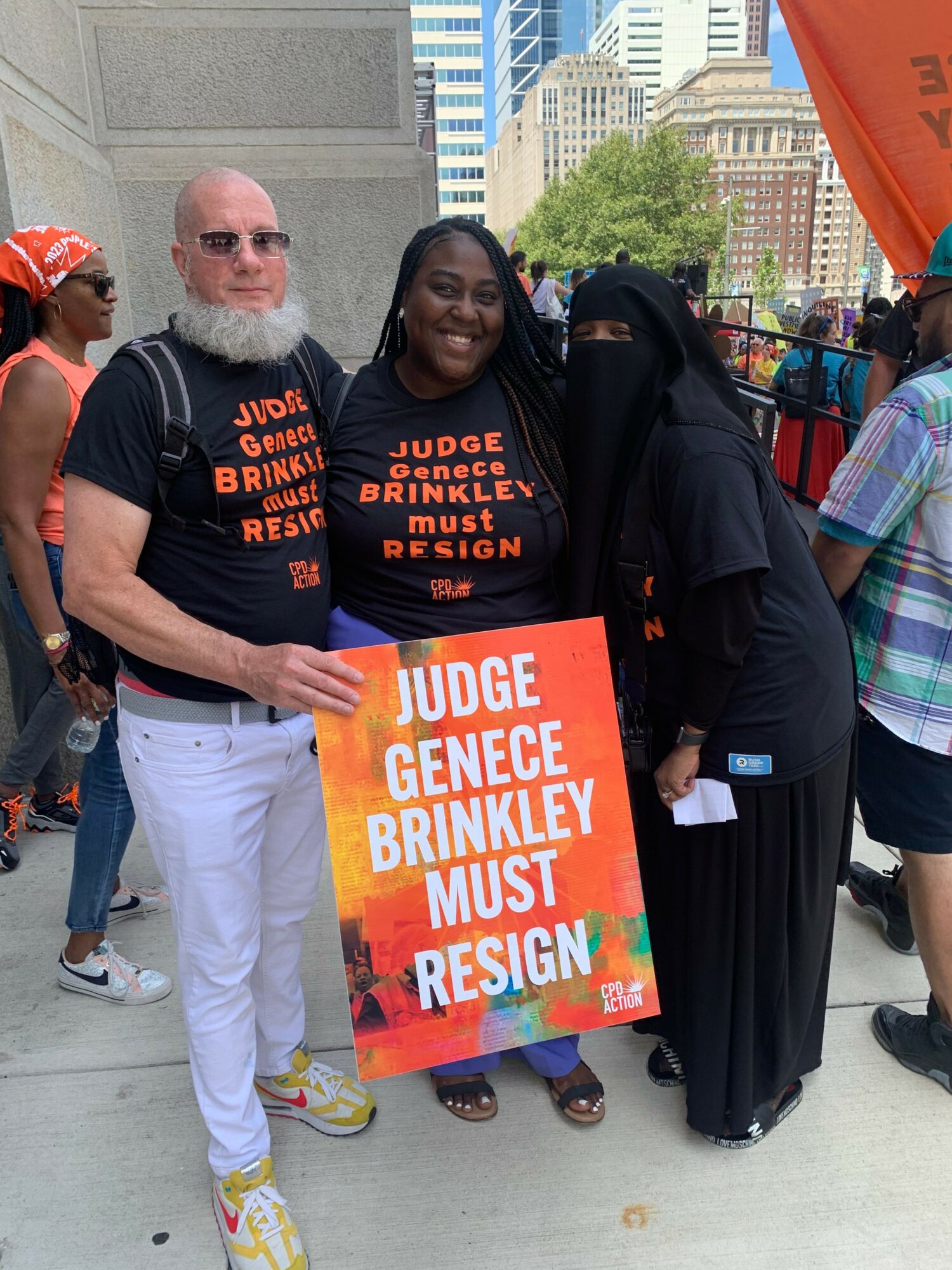
I eventually transitioned from Lutheran Settlement House to The Youth Arts Self-Empowerment Project (YASP) as the Director of Organizing & Advocacy. There, I had the privilege of supporting youth in harnessing their voices, stories, and leadership to advocate for systemic change on behalf of young people affected by the carceral system. I worked alongside some of the most inspiring youth in Philadelphia, helping them shift legislative policies, create community spaces to speak about their cases, and my personal favorite oversee the Fellowship Program, where youth impacted by the system were paid to drive change and transform their own lives.
After my time at YASP, I transitioned into my current role as the Healing-Centered Violence Prevention Specialist with Baltimore City Public Schools. This was a shift from organizing to working directly within a system to create real change. In this role, I support youth impacted by various life challenges, including those affected by the carceral system. My goal is to help them feel valued, empowered, and motivated to be their best selves.
In addition to my work in the public sector, I own Love District, a consulting business focused on strategic planning, program development, and grant writing for social change driven by love and a commitment to creating a more just world.
We all face challenges, but looking back would you describe it as a relatively smooth road?
The road hasn’t been smooth, and honestly, I wouldn’t expect it to be. The work I’ve done has required navigating systems that weren’t built with people like the youth I serve in mind. One of the biggest challenges has been trying to shift how society views young people, especially those affected by the carceral system. There’s a constant battle against the stigma that comes with being incarcerated or labeled as a “juvenile delinquent.” These young people are often seen as products of their environment, not as individuals capable of change, growth, and healing.
In the beginning, I struggled with the emotional toll of witnessing how deeply these systems fail our youth. Whether it was at Lutheran Settlement House or at JJSC, seeing young people in dire circumstances, some even in physical cages, was heart-wrenching. It made me question the very systems I was working within systems that perpetuate harm rather than healing. The personal connection I had with the youth made it even harder to reconcile the limitations of these systems and the fight for justice.
On a practical level, I also had to face the frustrations of working within institutions that weren’t always receptive to new ideas. At YASP, for example, pushing for legislative policy changes was often a slow, uphill battle. There were times when I felt like we weren’t making the impact we hoped for, or that the systems we were trying to influence weren’t listening to the voices that mattered most…the youth.
When I transitioned to Baltimore City Public Schools, I faced the challenge of trying to create real change within a large, bureaucratic institution. Shifting the culture within the system and helping students find their voices in such a structured environment was no small feat. There are still days where it feels like the gears of change turn slowly, and it can be frustrating to see how entrenched some of these systems are.
And of course, balancing my work at Love District while trying to maintain personal and professional growth has been a challenge in itself. It’s a lot of emotional labor and strategic thinking, and I’ve had to learn how to manage my time and energy to avoid burnout.
But despite all the struggles, each setback has fueled my determination to keep going. There are tough days, but I’ve learned to embrace those moments as opportunities for growth. My work has always been about healing, and I remind myself that healing isn’t linear it’s messy, it’s hard, and it’s worth every bit of the struggle.
Thanks – so what else should our readers know about your work and what you’re currently focused on?
I am currently the Healing-Centered Violence Prevention Specialist for Baltimore City Public Schools, the founder of Love District Consulting LLC, and one of Leeway Foundation’s 2025 Media Artist & Activist Residents.
As the owner of Love District Consulting LLC, my work is rooted in the belief that meaningful social change must be guided by love, intention, and community-centered values. Through Love District, I provide strategic planning, program development, and grant writing services to organizations committed to equity, healing, and justice. My goal is to help mission-driven teams bring their visions to life in ways that honor the people and communities they serve. Love District is more than a consulting firm it’s a space where purpose meets compassion and where transformative work is supported with both strategy and heart.
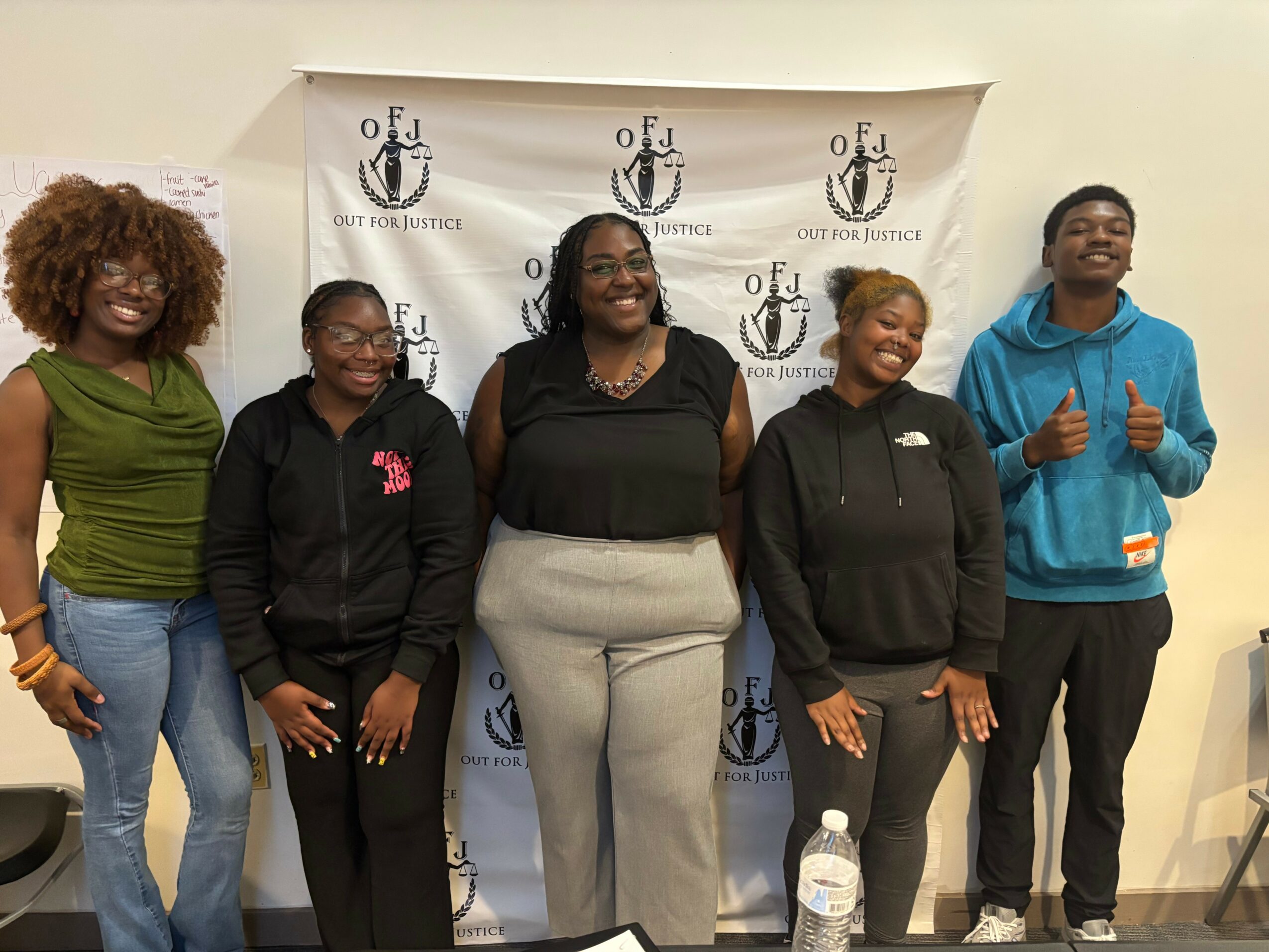
I currently serve as a consultant with Out For Justice in Baltimore, MD, where I am designing a youth program for young people impacted by the carceral system. This work focuses on amplifying youth voices, equipping them with tools to effect change in their communities, and ensuring they receive the support needed to step into their fullest potential.
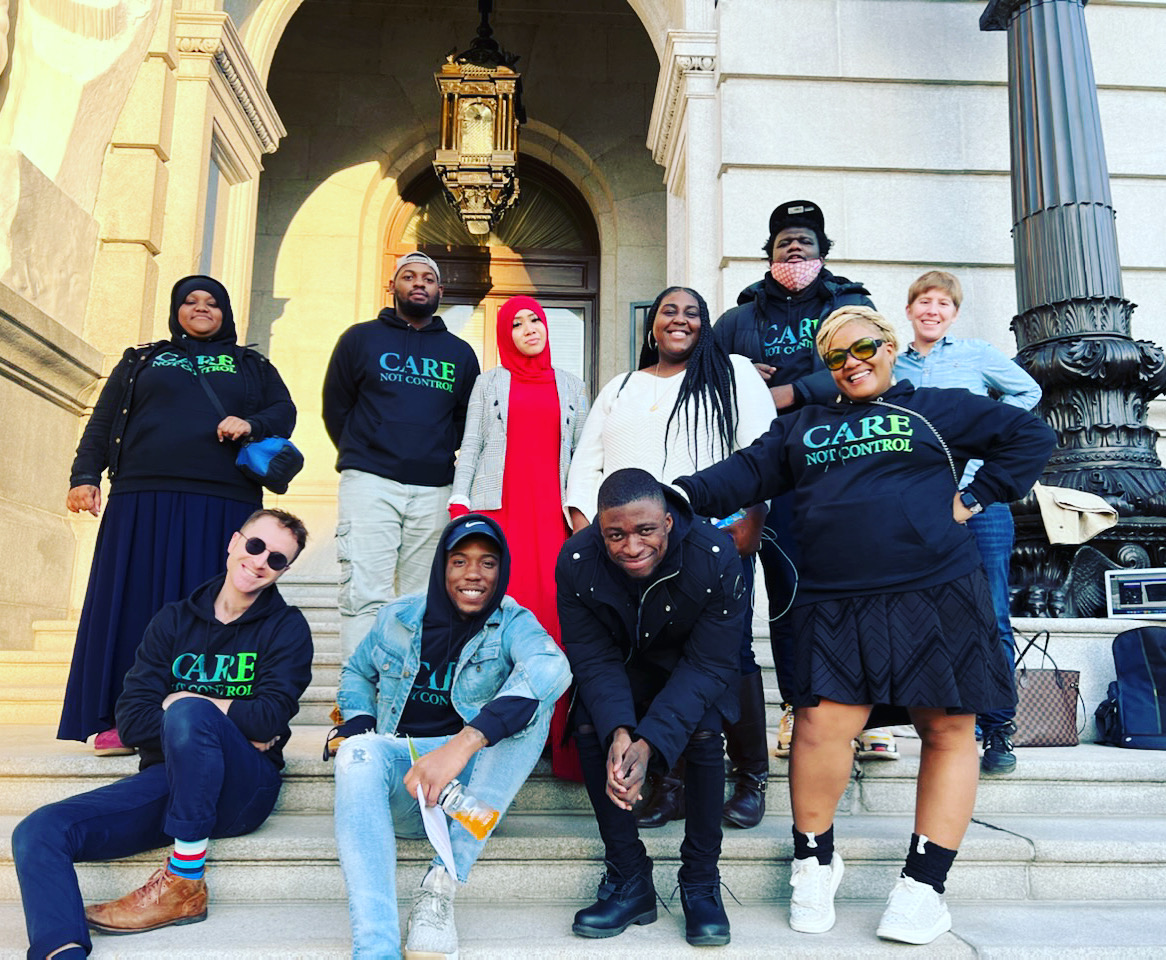
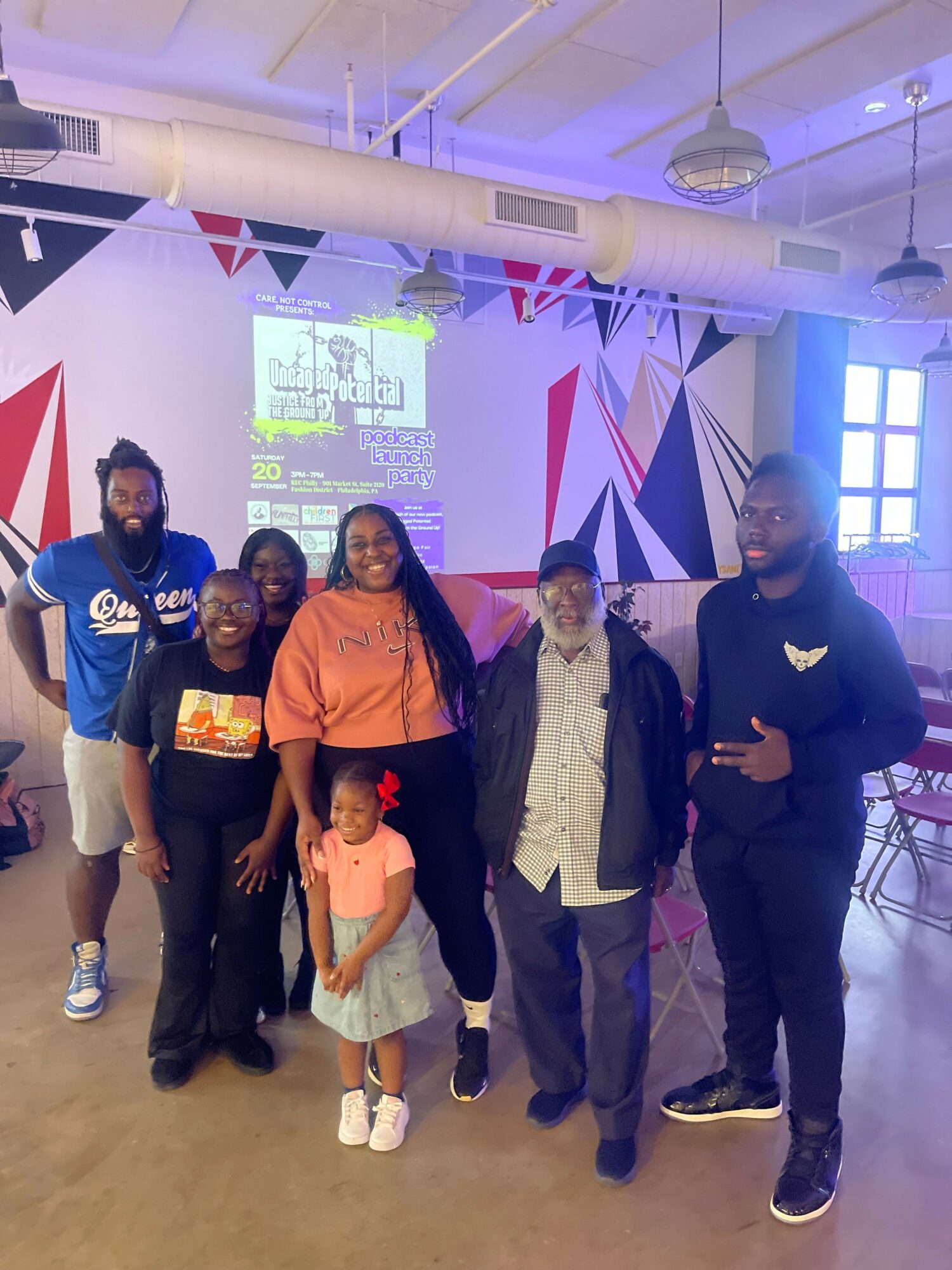
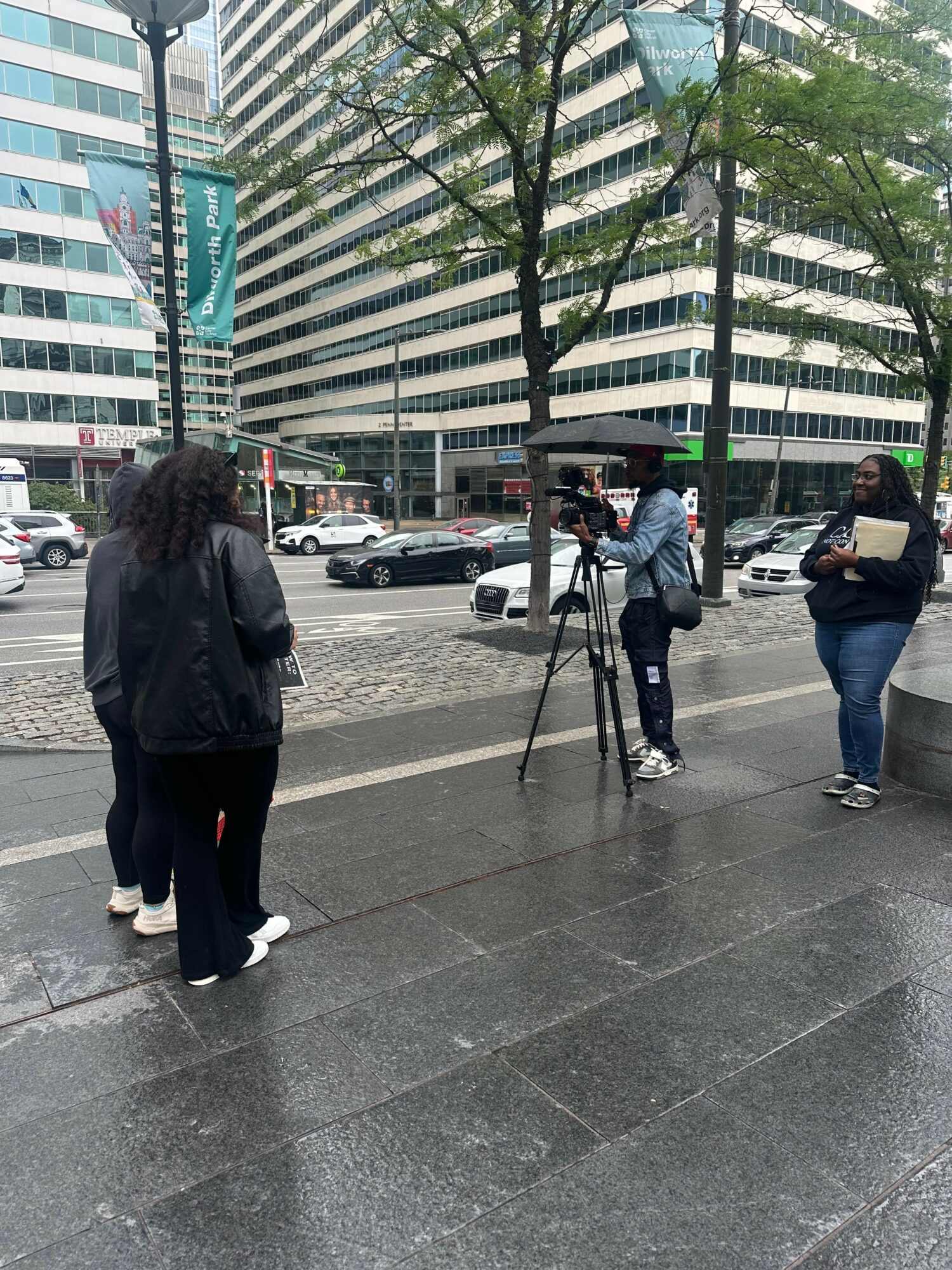
As a 2025 Media Artist & Activist Resident with the Leeway Foundation, I spent a year collaborating with remarkable youth leaders from Care, Not Control in Philadelphia, PA. Together, we created UnCaged Potential: Justice From the Ground Up, a podcast (available on Spotify, Apple, and YouTube) that elevates youth expertise and lived experience. Through this project, we explored topics such as restorative and transformative justice, abolition, and the school-to-prison pipeline highlighting what young people believe is truly needed to build safe, supportive, and liberated communities.
In my role as the Healing-Centered Violence Prevention Specialist with Baltimore City Public Schools, I support students by addressing the root causes of violence through trauma-informed, restorative, and healing-centered approaches. My work focuses on creating safe and supportive school environments where young people feel valued, heard, and empowered. I collaborate with staff, community partners, and families to develop interventions, facilitate healing spaces, and implement strategies that reduce violence while promoting emotional well-being and healthy relationship skills. At its core, my role is about helping youth navigate challenges, strengthening school communities, and fostering conditions where students can thrive holistically not just academically.
Where do you see things going in the next 5-10 years?
Over the next 5–10 years, I see several major shifts in the fields of youth development, community healing, violence prevention, and social impact consulting.
First, I believe the movement toward healing-centered and trauma-informed approaches will continue to grow transforming from optional frameworks into standard practice. Schools, community organizations, and justice-focused programs are increasingly recognizing that addressing harm requires more than discipline; it requires connection, emotional literacy, and environments that support young people holistically. I expect to see more investments in restorative practices, mental health supports, wellness spaces, and staff training designed to address root causes rather than symptoms.
Second, I anticipate a continued rise in youth-led and lived-experience–driven leadership. Young people, especially those impacted by systems are no longer being positioned as “program participants,” but as co-creators, strategists, and experts. In the coming years, more organizations will shift toward co-design models, participatory decision-making, and platforms that amplify youth voice and leadership. This will also include stronger pipelines that support youth to transition into long-term leadership roles.
Third, within the justice field, I see a growing momentum toward alternatives to punishment-based systems, particularly around juvenile justice. Communities are calling for investments in prevention, diversion, restorative justice, and community-based healing instead of incarceration. Over the next decade, I believe we’ll see more states and cities shifting funds toward solutions that uplift youth rather than criminalize them.
In the consulting sector, I anticipate a strong shift toward values-driven, equity-centered consulting that prioritizes community accountability, authenticity, and relationship-building over traditional corporate models. Organizations are increasingly seeking consultants who understand culture, healing, and community dynamics not just productivity metrics. The demand for mission-aligned, heart-centered strategy work will continue to rise.
Overall, I see the next 5–10 years as a time when the field becomes more holistic, more youth-centered, and more rooted in love, healing, and justice. The changes ahead will require creativity, collaboration, and courage and I’m excited to be part of shaping what this next chapter looks like.
Contact Info:
- Instagram: https://www.instagram.com/distinct_ladylegacy/?hl=en
- LinkedIn: https://www.linkedin.com/in/gabriel-jackson-25396a393/
- Youtube: https://www.youtube.com/@carenotcontrol/playlists