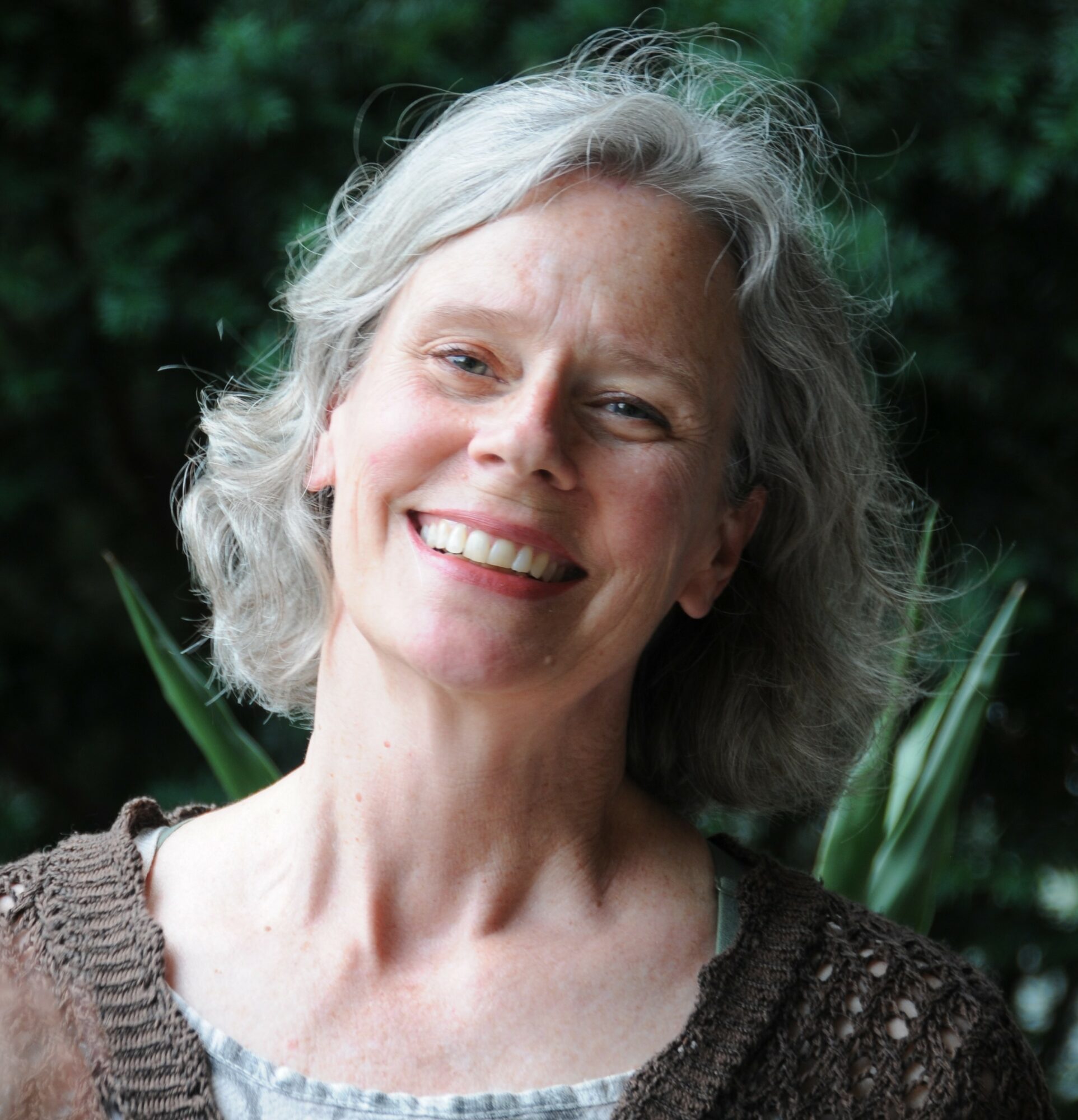
Today we’d like to introduce you to Caroline Chavasse.
Hi Caroline, so excited to have you on the platform. So before we get into questions about your work-life, maybe you can bring our readers up to speed on your story and how you got to where you are today?
Education was not something I thought much about during the first part of my life. I was a trained dancer and actor, later, writer and video-maker. I spent 10 years in NYC appearing in television commercials. That allowed me to pursue my real goal of performing in Off-Off-Broadway productions, working in a small theater group that included Philip Seymour Hoffman, and eventually performing my own material, which led to working for LeVar Burton’s film development company at Paramount in LA. After moving to Baltimore, I taught video art at the Maryland Institute College of Art for 8 years. I also had two children, and thoughts about school and education came into focus.
My partner, Danny Mydlack, who had always been interested in pedagogy, started researching schools for our kids. I researched in my own way. Just by walking around in the world with a baby and a toddler I could feel myself bumping up against a very constricted view of children. The moment I remember most was going to a mommy and me gym class for 3 year olds. It was at a very fancy gym and literally everything was padded. Kids could really let loose in there. But we spent the first 20 minutes of an hour “class” learning how to sit quietly in a circle. And then walk down the hallway with a “sticky finger” on the wall so everyone would walk in an orderly line.
That need to train and tame energetic and expressive bodies was not only a waste of time, I thought, but squandering the incredible gifts that come with childhood–energy! It enraged me. So when my partner came home and told me about a school based on the Sudbury model of education, I went, “huh?” just like everyone else. He was talking crazy. Sudbury schools are run democratically where kids and staff each have a vote and where children have a say in how their school functions and supports them. There is also no prescribed curriculum beyond that of running the school, developing sophisticated communication skills through working with people, and balancing the needs of the individual with the community’s. Kids can pursue their own interests and the cumulative effect is that these kids have the wherewithal and After visiting Sudbury schools (there were 4 within driving distance of Baltimore!) and reading through the literature, I knew it was right for our family.
But there were no Sudbury schools in Baltimore. We had to start our own.
Our diverse and (then) affordable neighborhood in North East Baltimore nurtured our goal. I kept meeting other parents who were opening restaurants and hair salons in the neighborhood. It seemed a place where someone really could pursue their vision. We found a space in the upstairs floor of a church, started with 11 kids and the next year opened with 40. The Church of the Messiah was incredibly important in us getting started–working with us so we could open. I joked that we just kind of dropped out of the sky with our crazy little school, and they joked back, “Well our whole religion is literally based on someone dropping out of the sky so…” They took in stride our kids running around and playing all day long in their churchyard. We had no money but used our theatre backgrounds to good use by holding events and Q & A’s where we could present a pretty tight show about what the heck a Sudbury education was. What we said was it’s pretty radical but (we like to think) a very old-fashioned approach to the way human beings (aka children) learn and prepare themselves for a successful and meaningful adulthood.
We kept growing steadily, and eventually bought a beautiful property on an acre of land in Northeast Baltimore in 2016. This was due to an incredible effort by our parents. We had no funding, no rich benefactors and no deep pockets. The community made it happen. The building was, by all accounts from former inhabitants and the local paper, a very well-run orphanage from the 1930s to the 70s–where kids had pet birds, made jam from the fruit trees on the property, and were allowed to be energetic kids. We felt the good vibes of the building and added our own.
Working at a Sudbury school lets me bring all of my creativity to the job. I am forced to learn new skills on the regular. I get to wear many hats, and it’s been so wonderful working with my colleagues and the students in a community where we are our own boss. I also enjoy talking to parents and working with children in an environment where I am not trying to constantly coerce, trick, entertain, lead, or label them.
Would you say it’s been a smooth road, and if not what are some of the biggest challenges you’ve faced along the way?
We are out there. We are doing something totally different. Our positive outcomes, whether admission to competitive colleges, strong college performance, excelling on the job, or successful transitions to conventional schools, don’t always outweigh public skepticism. It’s just plain old hard to be outside of the mainstream. Instead of trying to be more palatable, we just double down even more on who we are. We joke to parents in Admissions meetings that we are trying to talk them OUT of coming to the school.
Fortunately, we didn’t invent these ideas. We stand in a long tradition of educators who believed children deserve respect, autonomy, and a meaningful say in their own lives. The idea that children should have rights during their school day puts us in the company of thinkers and movements stretching from Lev Tolstoy’s schools in the nineteenth century to the freedom schools and democratic education movements of the twentieth century. Faced with the reality that few people have heard of the Sudbury model and that many adults remain skeptical that children can be trusted, we choose to be unapologetic in our beliefs and practice.
Our on-going challenges include getting the word out on a limited budget. Word-of-mouth has worked well for us over the years, but we’ve also put free books in little free libraries, beefed up our social media presence, hosted lecturers, used radio ads, and documented with video testimonials our grateful parents and graduates.
Appreciate you sharing that. What else should we know about what you do?
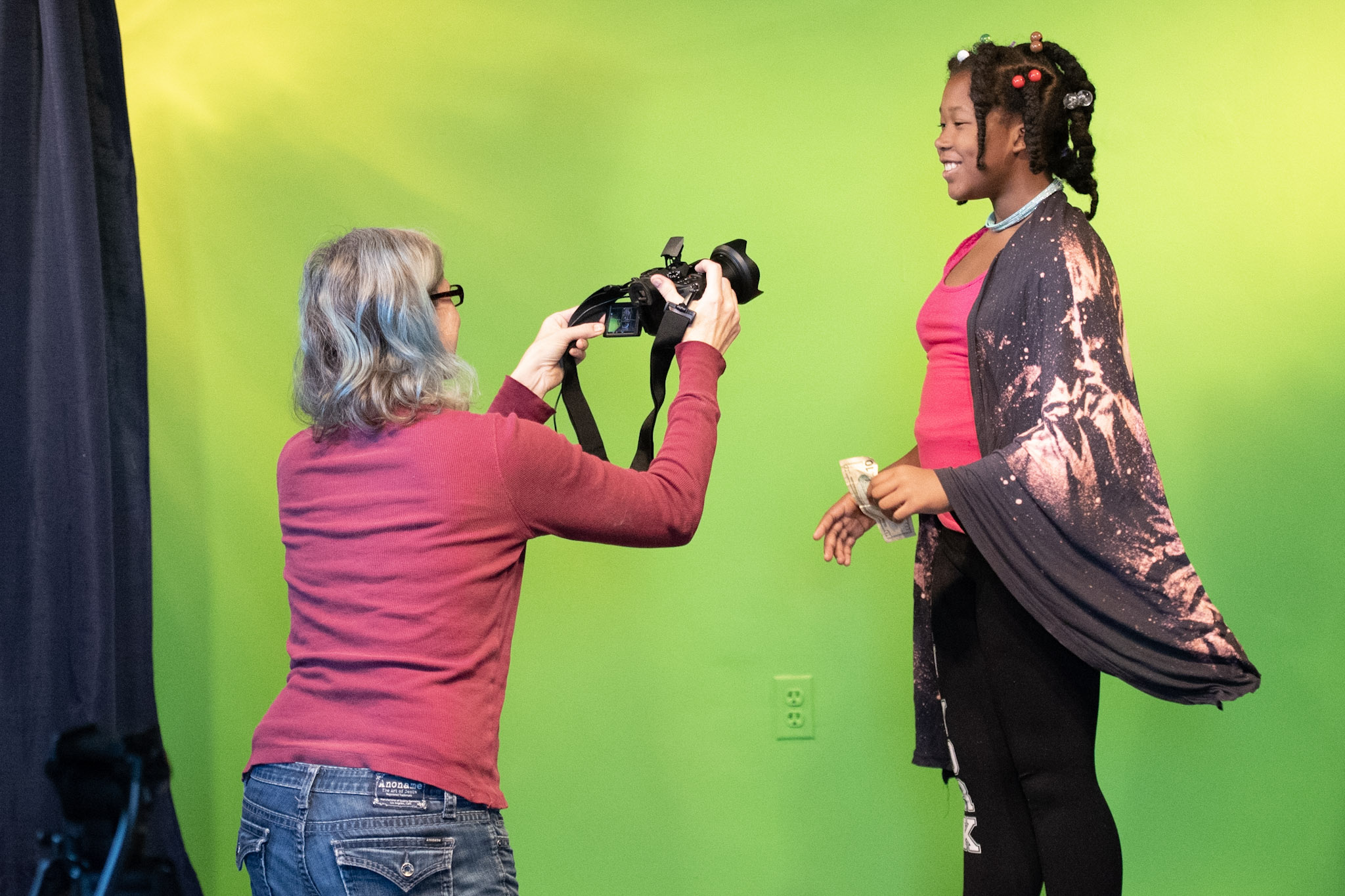
While I founded Arts & Ideas Sudbury School, I’m not a principal or head of school. My title is Staff and my job is to be the adult in a school full of kids. That might mean working with kids on cooking projects or planning field trips, designing print ads, writing essays for the newsletter, taking time to be with a kid who is struggling, shooting photos for social media, public speaking, counseling parents, advising a teen writing an essay, pitching a softball, handling admissions, planning events, plunging toilets, planting trees and driving a van full of tired campers back to school after a camping trip–and always thinking about how things could improve.
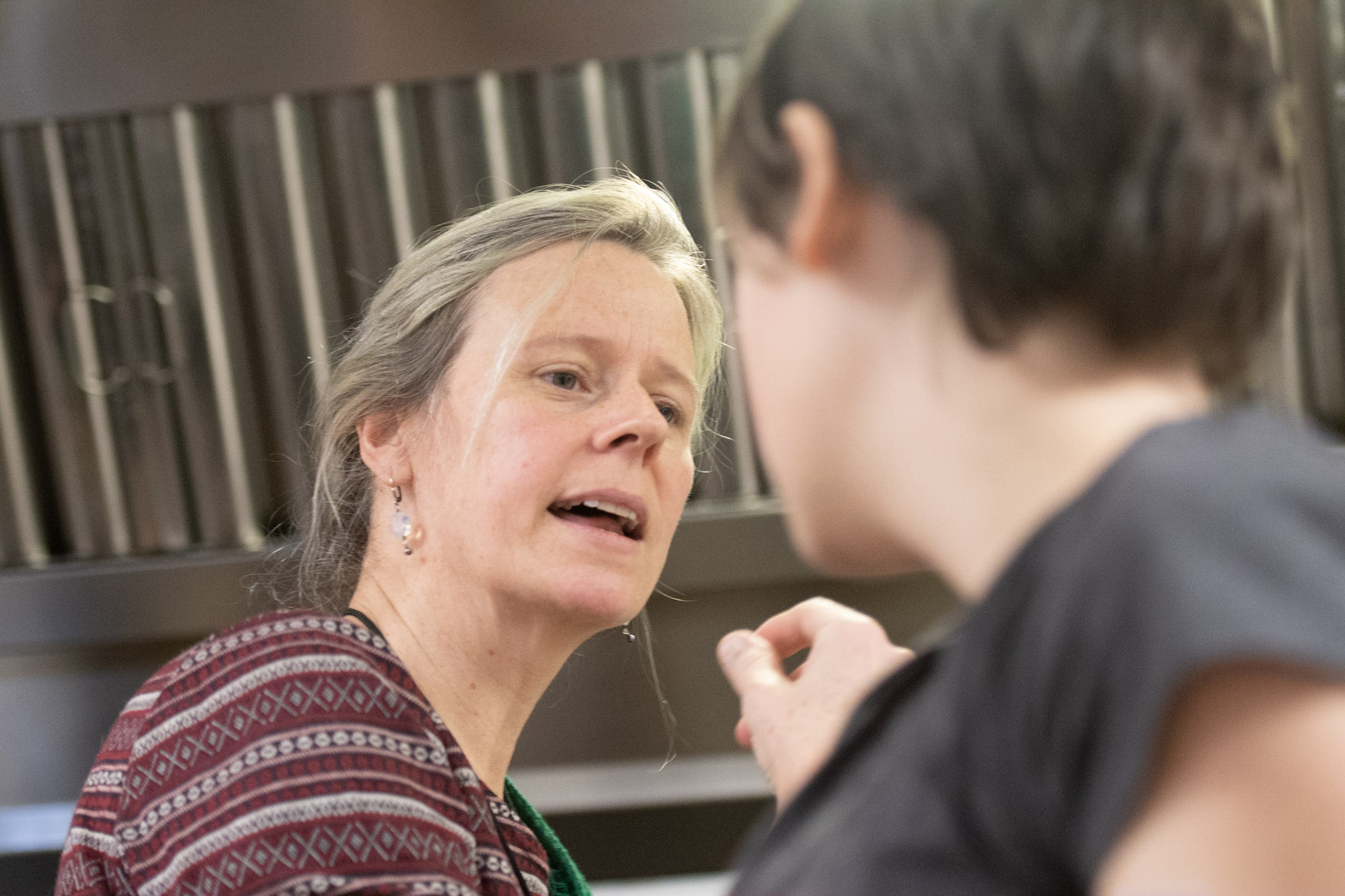
Mostly, my job is to be interrupted, and to try to see the world from the viewpoint of a young person.
Is there any advice you’d like to share with our readers who might just be starting out?
There comes a time at night when you simply must just go to bed. All the problems will be easier to handle in the morning.
Try to have fun, even with tasks you don’t want to do. Hopefully you love the thing you are doing and the hard bits are just folded in with the good stuff.
Find commonalities with others who are also creating and doing in your world. I always appreciated getting to learn about the other schools in our part of town, and while we didn’t share pedagogical ideals we shared the goal of wanted a strong neighborhood with lots of great schools, and people in them who care about children.
Your expectations probably won’t be fulfilled in the ways you imagine, but take action anyway. Do stuff to cause the unexpected. We had a really couple of hard years when we temporarily moved the school to a bigger space. We had building and landlord problems out the wazoo. We even faced homelessness with the school. I remember thinking, “Bad things can happen even when you really, really try very hard. Organizations fail, people lose their dreams.” Looking back I see now if we hadn’t moved we wouldn’t have gained a really important staff member who is still with the school, and who is integral to our success. We also might not’ve been able to buy our building. The crisis pulled our whole community together and, working with committed parents, we made it happen.
Not least important: be a professional. Answer emails, write well, have a good website. If you get slighted or not treated well, sleep on angry responses; delete the long-winded email. The little defeats will eat at you but try to train yourself to see all the successes, and let them weigh more.
Pricing:
- 10,650. per year with strong financial aid options
Contact Info:
- Website: https://aisudbury.org
- Instagram: ai_sudbury
- Facebook: Arts & Ideas Sudbury School
- Youtube: @artsandideassudburyschool
- Other: office@aisudbury.org