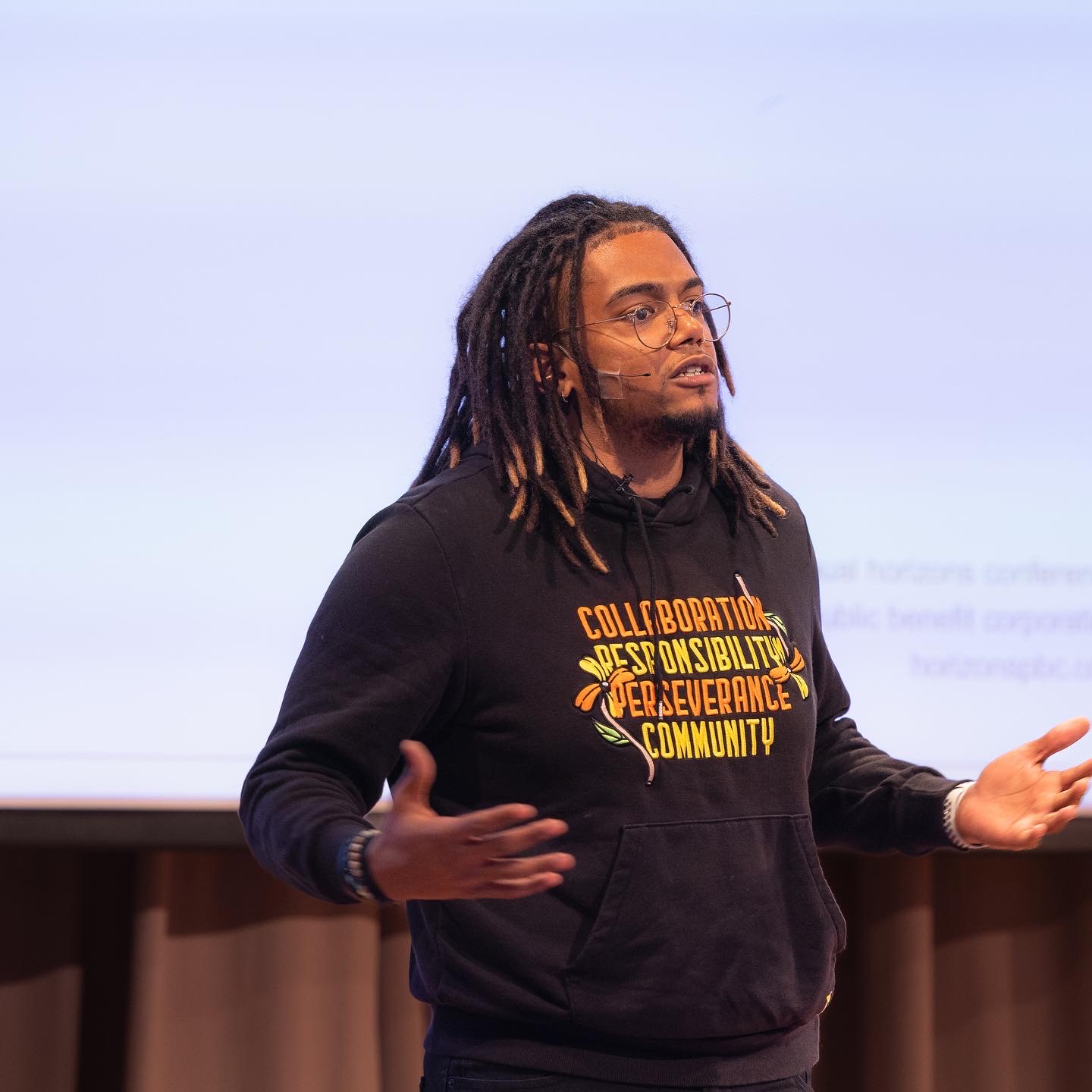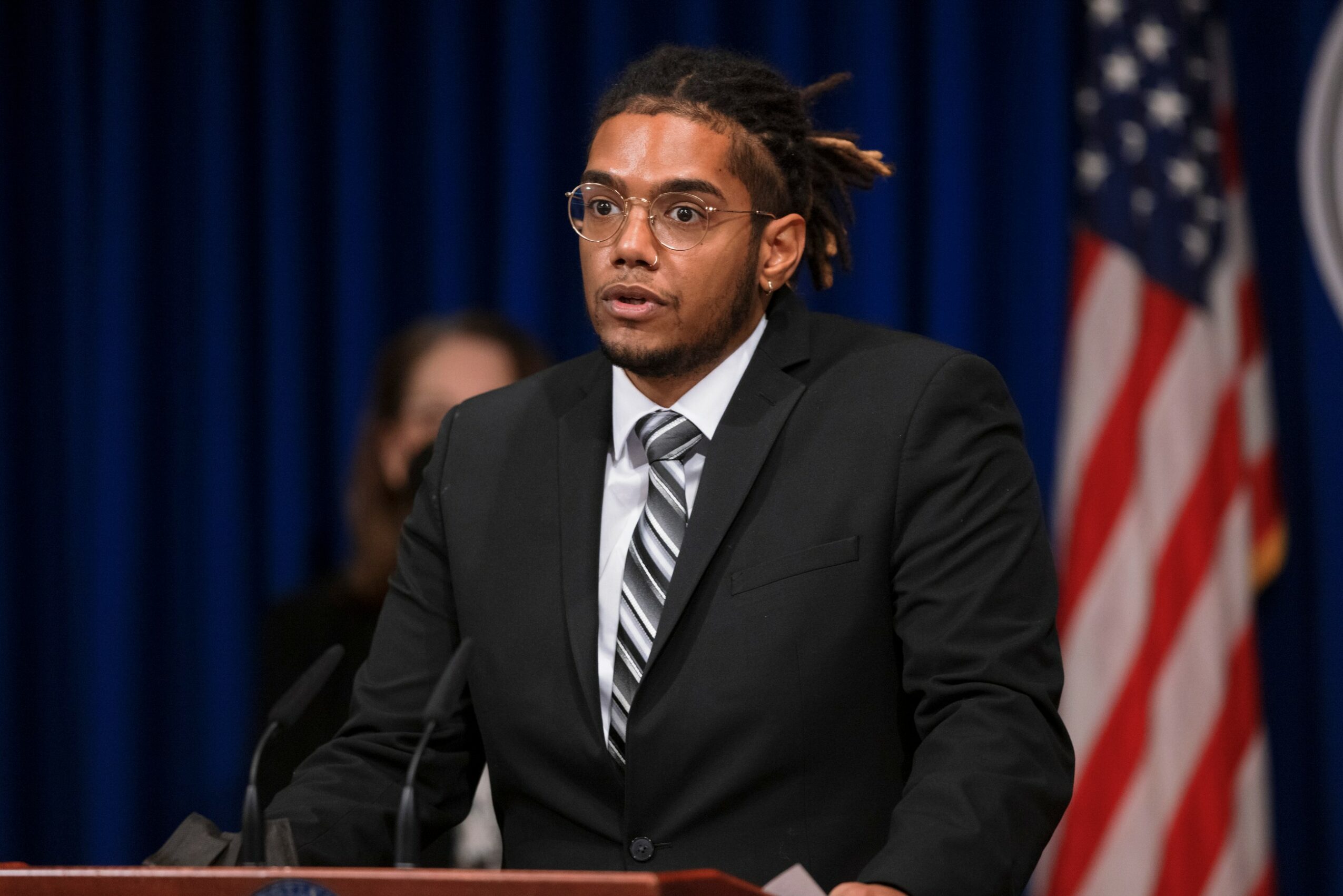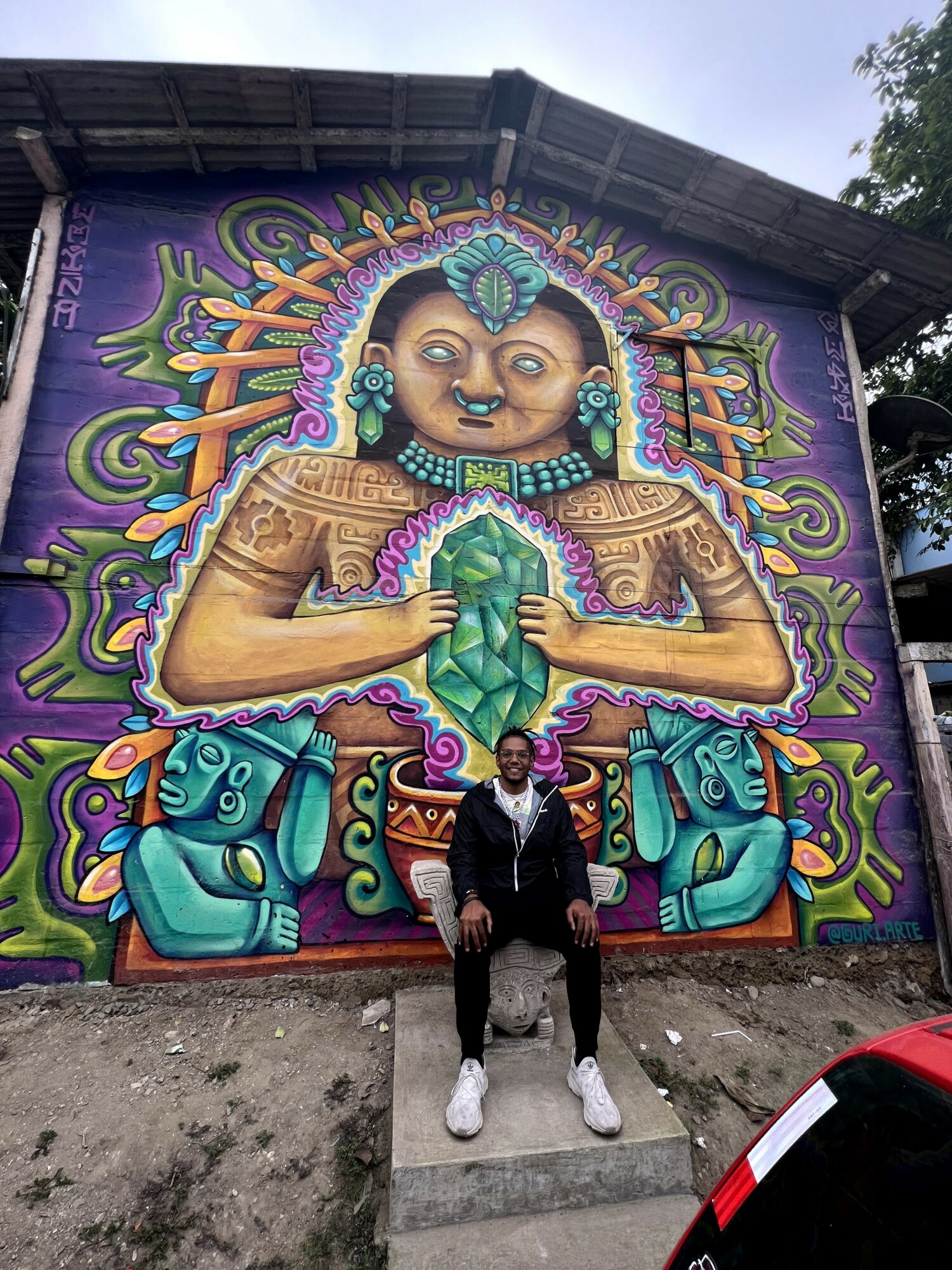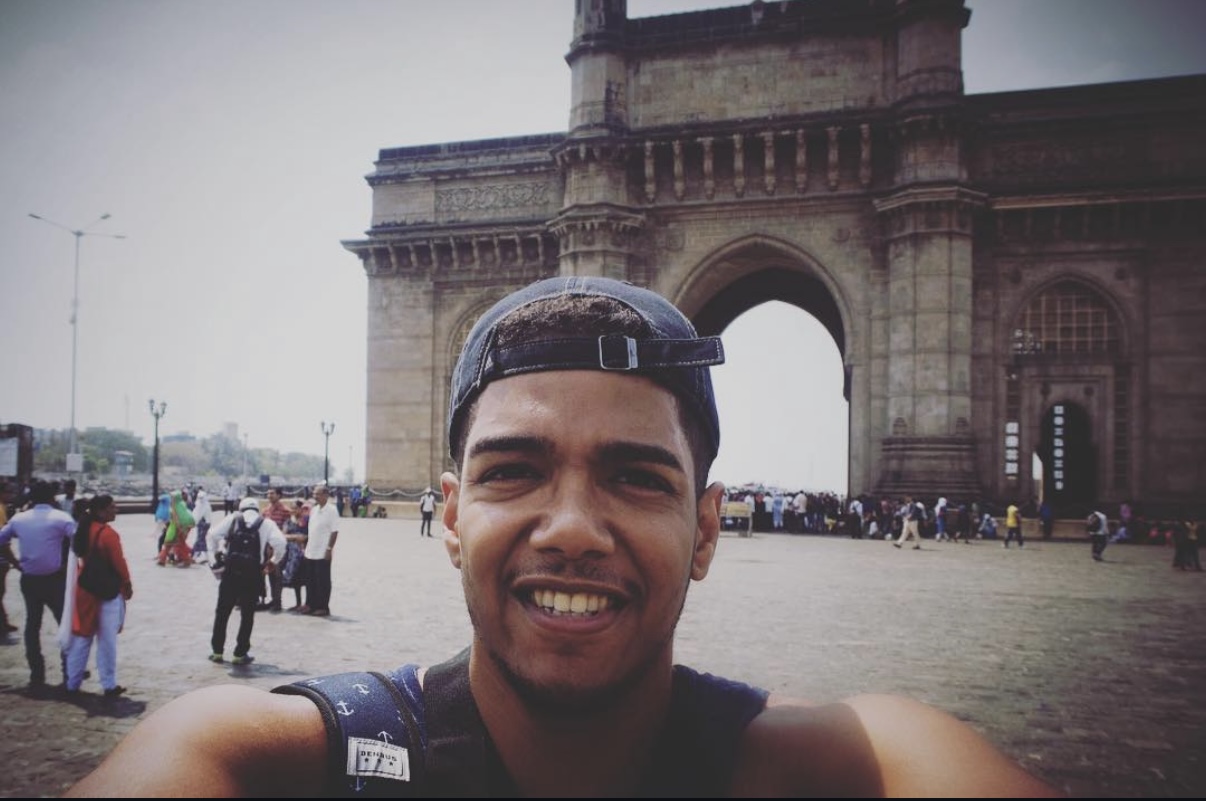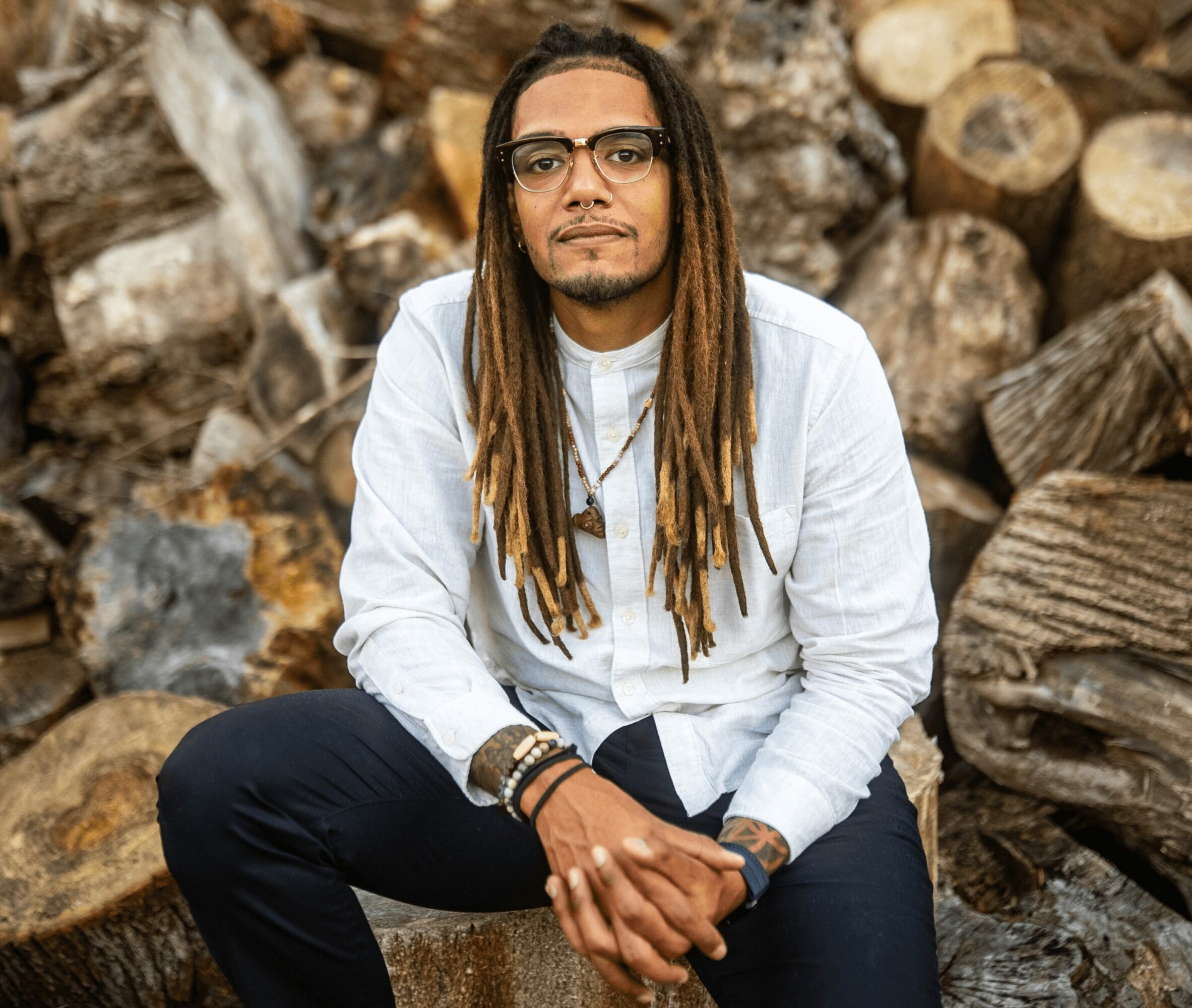
Today we’d like to introduce you to Victor Alfonso Cabral, MSW, LCSW.
Hi Victor Alfonso, so excited to have you on the platform. So before we get into questions about your work-life, maybe you can bring our readers up to speed on your story and how you got to where you are today?
My name is Victor Alfonso Cabral, MSW, LCSW (he/him). I identify as a cisgender Afro Latine man, neurospicy (ADHD + gifted), and a first-generation immigrant who grew up in the hood. I was born in Río Piedras, Puerto Rico to Dominican parents and lived there until I was about two. My mother moved us to the Bronx, where we lived until the mid-90s before settling in Reading, Pennsylvania. I grew up watching my parents work tirelessly to give us a better life. We didn’t have much, but we had love, and we learned how to survive.
Like many families in our community, we carried trauma that we didn’t have words or resources for. It showed up as silence, as striving, as doing our best to hold everything together. When we spent a short time living in the suburbs, I experienced racism for the first time. Before that, I had already known what colorism felt like. Those experiences shaped how I understood myself and the world around me.
I graduated from Reading High School, where I did well and played sports, but the violence and loss around me left a mark. I wanted more for my life but didn’t yet know what that meant. I went to Millersville University, struggled to adjust, and eventually lost financial aid and housing. I came back home and worked long shifts at a steel mill in Reading. That time forced me to face myself. I started to take care of my health, lost over a hundred pounds, and began reconnecting with what mattered most.
It was during that season that I began to hear a deeper call. I left my job, sold most of what I owned, and moved back into my childhood neighborhood with my fiancée and our one-year-old daughter. I started working with youth in my community, and that work changed my life. The young people I served became mirrors for me. I began to see the pain I had normalized and started my own healing journey.
Over time, that journey led me into community work, therapy, leadership, and storytelling. I began to see healing as a collective act, something spiritual and creative, not just clinical. My path has taken me from direct service to policy, from state leadership to international healing work, and now to building spaces rooted in truth, imagination, and liberation.
Today, I lead Dreamers of the Day Counseling and Consulting, where I support individuals, organizations, and communities in becoming trauma-informed and grounded in healing values. I also direct The Living Liberation Collective, which weaves art, storytelling, and spirituality into practices of freedom and connection.
At the heart of it all is my family. My wife and I have been together for twenty years, since we were seventeen. She has been my strongest support through every chapter, and together we are raising two beautiful daughters who remind me every day what love, growth, and legacy look like.
I am also working on a film titled We Are the Medicine, which tells stories of healing, culture, and connection, and developing writing that explores how spirit and community shape transformation.
My story is about becoming whole. It’s about remembering that everything we survive can become part of the medicine we offer to the world.
Would you say it’s been a smooth road, and if not what are some of the biggest challenges you’ve faced along the way?
No, it hasn’t been a smooth road. My path has been full of detours, breakdowns, and lessons I didn’t know I needed. There were long stretches where I was just trying to survive, doing my best with what I had. Losing financial aid, working at the steel mill, trying to raise a family while figuring out who I was. All of that shaped me.
I’ve faced poverty, racism, and the quiet pressure that comes from growing up in systems that tell you to settle, to stay small, to be grateful for what little you have. I’ve struggled with depression, self-doubt, and the pull to look like I had it all together even when I was falling apart.
There were times I wanted to quit. Times I questioned whether I was really meant for the life I felt called to live. But those moments ended up being the ones that deepened my faith and taught me how to stay present in uncertainty. I learned that healing is not about erasing pain but about learning how to live with it in a different way.
The road hasn’t been smooth, but it has been sacred. Every challenge has stretched my capacity for compassion, humility, and grace. I’ve come to understand that transformation is not a straight path. It is a cycle of remembering, forgetting, and returning. And every return brings me closer to who I really am.
As you know, we’re big fans of you and your work. For our readers who might not be as familiar what can you tell them about what you do?
At my core, I see myself as an artist. My medium is not paint or clay. It is people, language, and experience. My work lives where healing, culture, and imagination meet.
Through Dreamers of the Day Counseling and Consulting, I create spaces where people can slow down enough to hear themselves again. Sometimes that looks like therapy. Other times it looks like community dialogue, leadership development, or reimagining how an organization cares for its people.
Through The Living Liberation Collective, I explore the creative side of healing. I work with story, music, fashion, and film to help people remember that liberation is not a concept. It is a practice. It lives in the way we speak, dress, rest, and love each other.
What I specialize in
I specialize in weaving art, spirituality, and social work into something that feels human and reachable. I focus on helping people reconnect with their wholeness, not just manage symptoms or meet metrics. Whether I am holding space in a circle, on a film set, or in a policy room, I approach it as creative work.
What I am known for
I am known for bringing depth and tenderness into spaces that are often rigid or performative. For modeling vulnerability as strength. For translating complex ideas about trauma, liberation, and spirituality into language people can feel. For creating experiences that open hearts without losing the truth.
What I am most proud of
I am most proud of the moments that cannot be measured. When someone takes a deep breath after years of holding it in. When a team begins to speak to each other with more care. When a young person realizes their story matters. Those are the moments that remind me why I do this work.
What sets me apart
I move through the world as both a healer and an artist. I carry the rhythm of my ancestors, the grit of a steel mill worker, and the sensitivity of a poet. My work is rooted in lived experience, guided by spirit, and shaped by years of listening deeply.
What sets me apart is not just what I do but how I do it. I create from a place of reverence. Every gathering, workshop, or piece of art is an offering. I am not interested in perfection. I am interested in presence.
My art is the way I live. It is the way I love. It is the way I return, again and again, to the truth that healing is both a personal and collective act of creation.
Alright, so to wrap up, is there anything else you’d like to share with us?
What I want people to know is that healing is not a luxury or a performance. It is everyday work. It is the small choices we make to come back to ourselves and to each other. It is how we learn to stay open when the world tells us to shut down.
I believe that every person carries medicine inside them. Sometimes that medicine is buried under pain, shame, or survival, but it is there. The work I do is not about giving people something new. It is about helping them remember what they already have.
I also want to remind people that creativity is not separate from healing. The way we cook, dress, pray, build, love, or speak is creative. Every act of imagination is an act of resistance against a world that tries to make us forget who we are.
My hope is that my story encourages someone to listen a little more closely to their own. To trust that even the hardest seasons can become part of their art. To know that they are not alone on the path home to themselves.
Pricing:
- Individual Therapy: $150 per 50-minute session (Licensed in PA)
- Consulting, Training, and Facilitation: Rates begin at $1,500 per half-day and $3,000 per full-day engagement. Multi-session contracts are customized based on scope and duration.
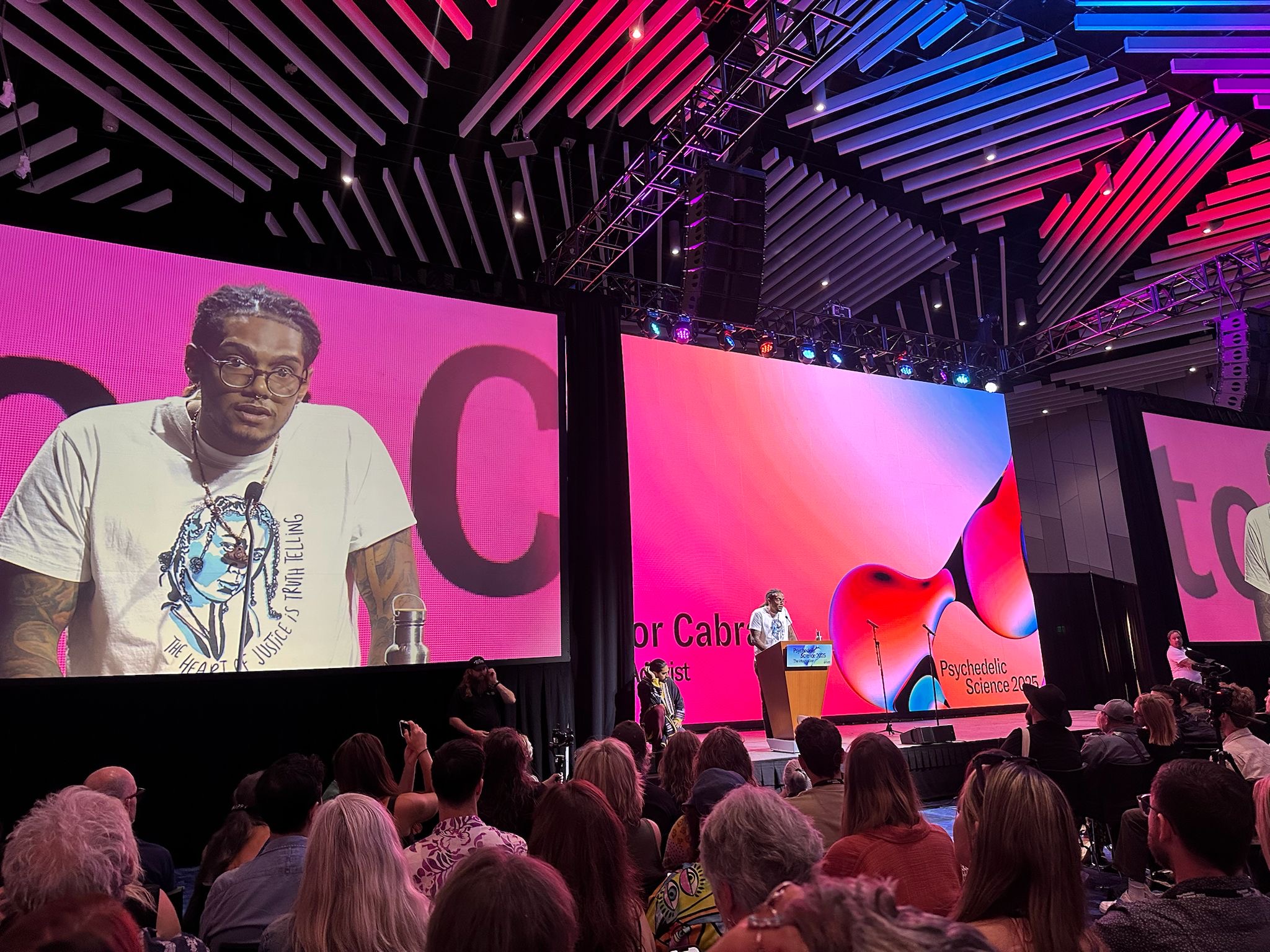
- Speaking Engagements: Rates range from $2,000 to $10,000 depending on event size, preparation, and travel.
- Creative and Media Projects: Pricing is determined through conversation based on the nature of the collaboration.
Contact Info:
- Instagram: https://www.instagram.com/awondrousmind/?hl=en
- LinkedIn: https://www.linkedin.com/in/victor-cabral-msw-lcsw-25455170/
- Youtube: https://www.youtube.com/watch?v=2-dPu3sdGFA