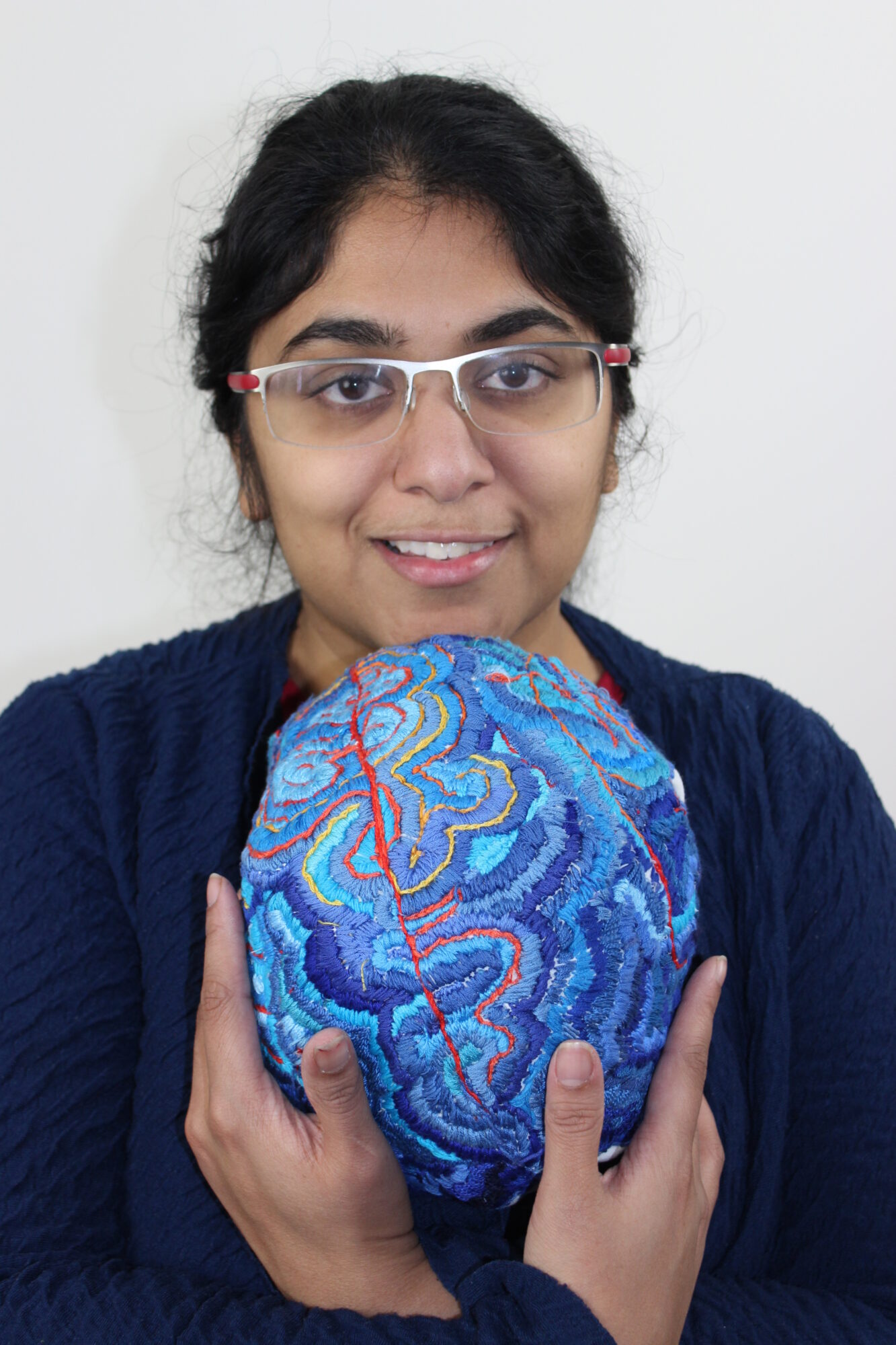
 Today we’d like to introduce you to Trisha Gupta.
Trisha, we appreciate you taking the time to share your story with us today. Where does your story begin?
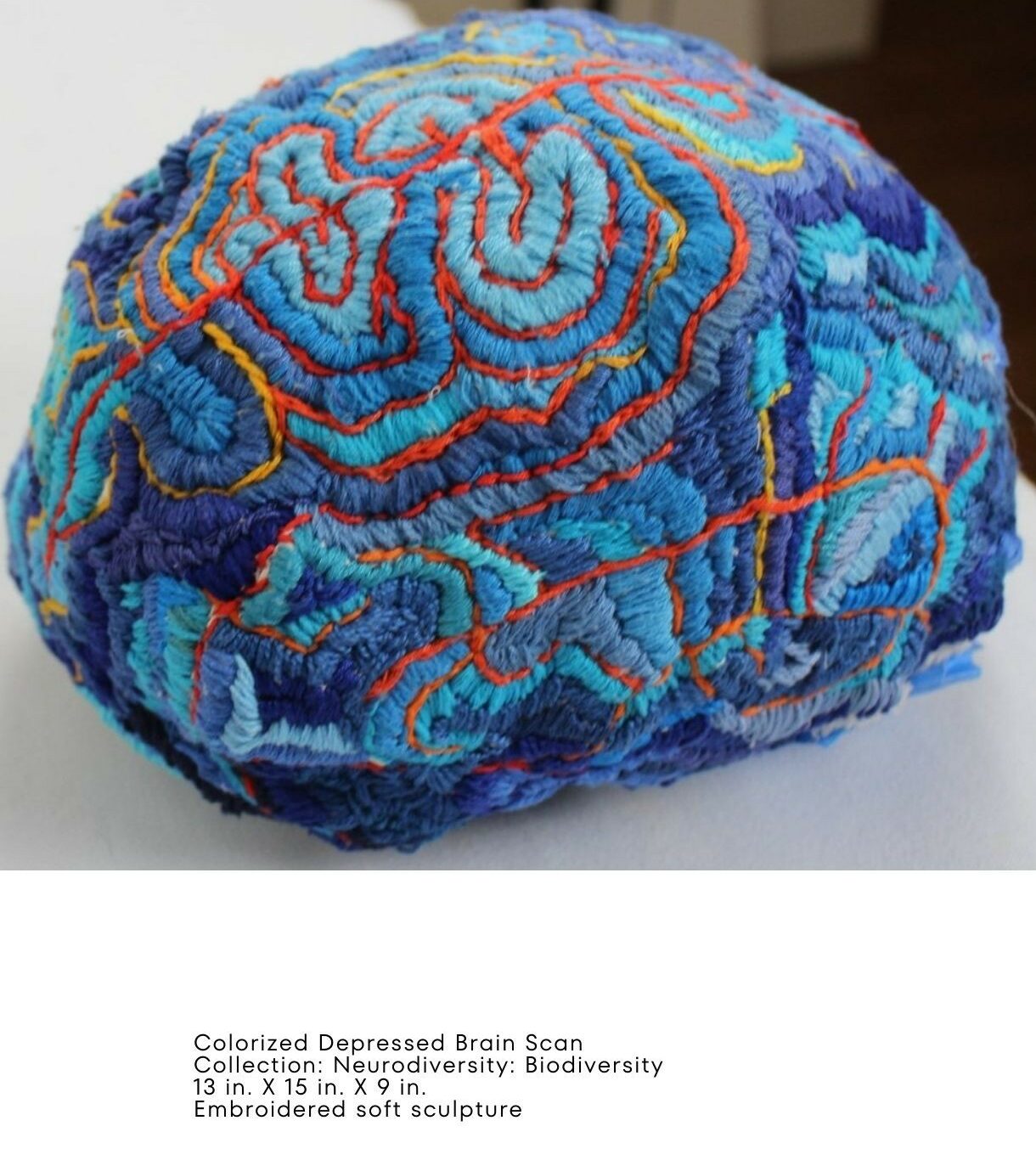
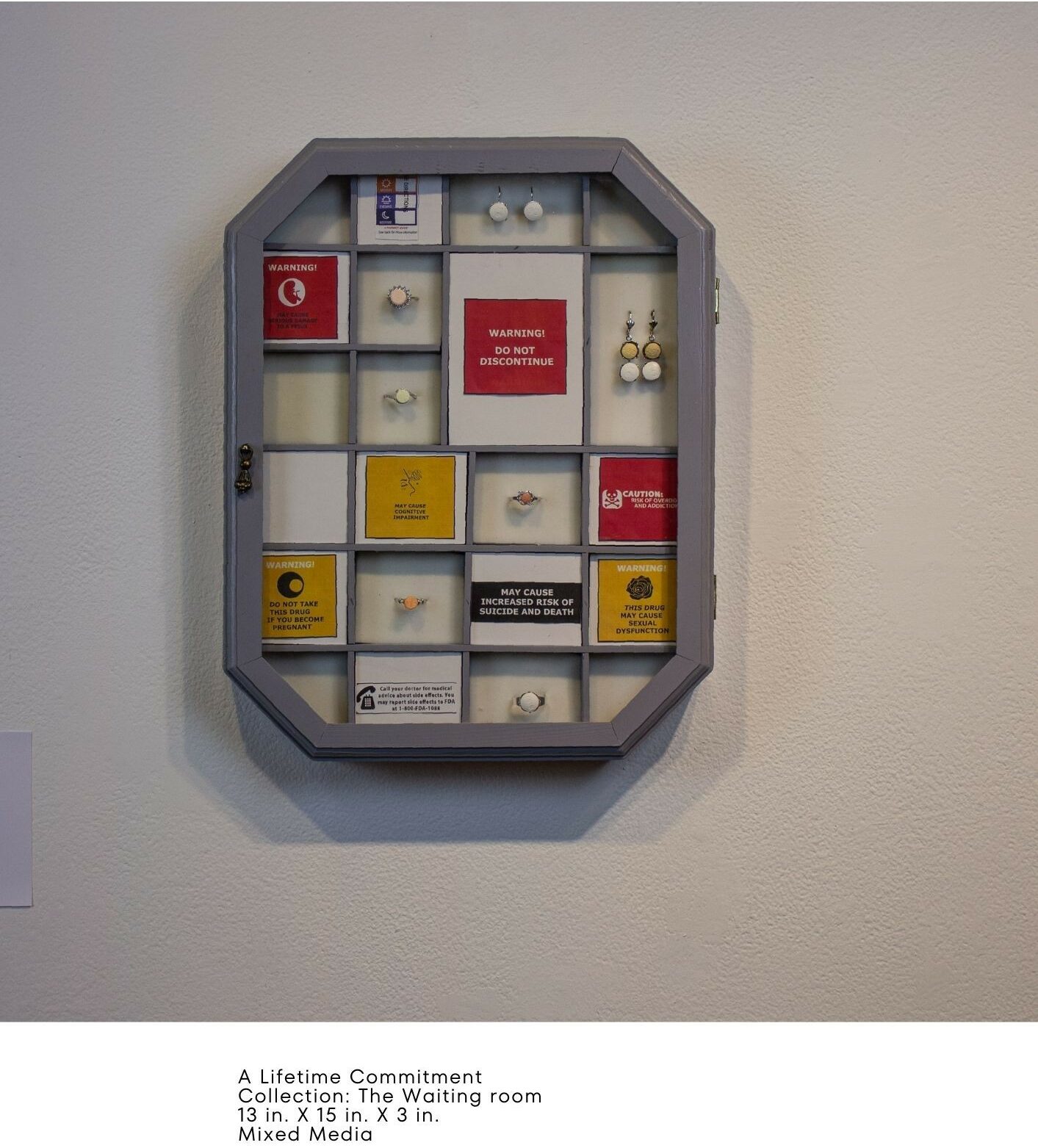
This is the scene I remember when I worked in mental healthcare. The provider in a white coat provides information and is benevolent, essential, and venerated. The other, the patient, sitting in a paper gown is considered uneducated, vulnerable, and dependent. These set roles are concrete, black and white, and are part of a fabricated reality that in no way resembles the reality of the human experience. We are all patients at times and providers at others.
While the term provider has an alternative meeting and refers to the traditionally masculine term that determines who provides monetary support for the family, anyone with a mother knows that not only your father, “provides”. Perhaps that is what makes this scene so absurd to me. In my own life, I have consumed as much mental health treatment as I have ever provided. In reality, as a provider a former mental health care worker, and as an occupational therapy candidate at Columbia College of Physicians and Surgeons, I have worked in prisons, mental health care community care, and homeless shelters.
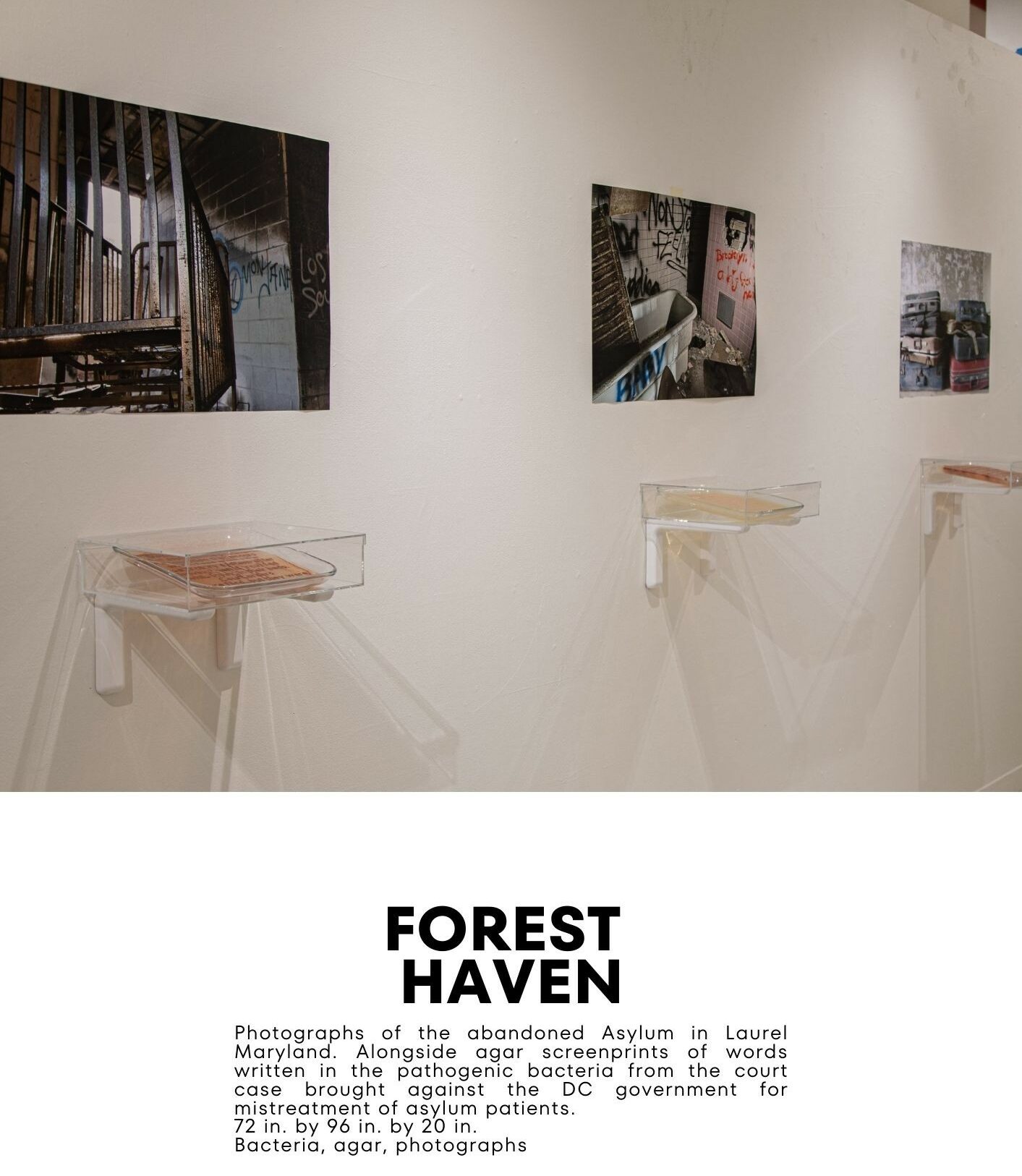
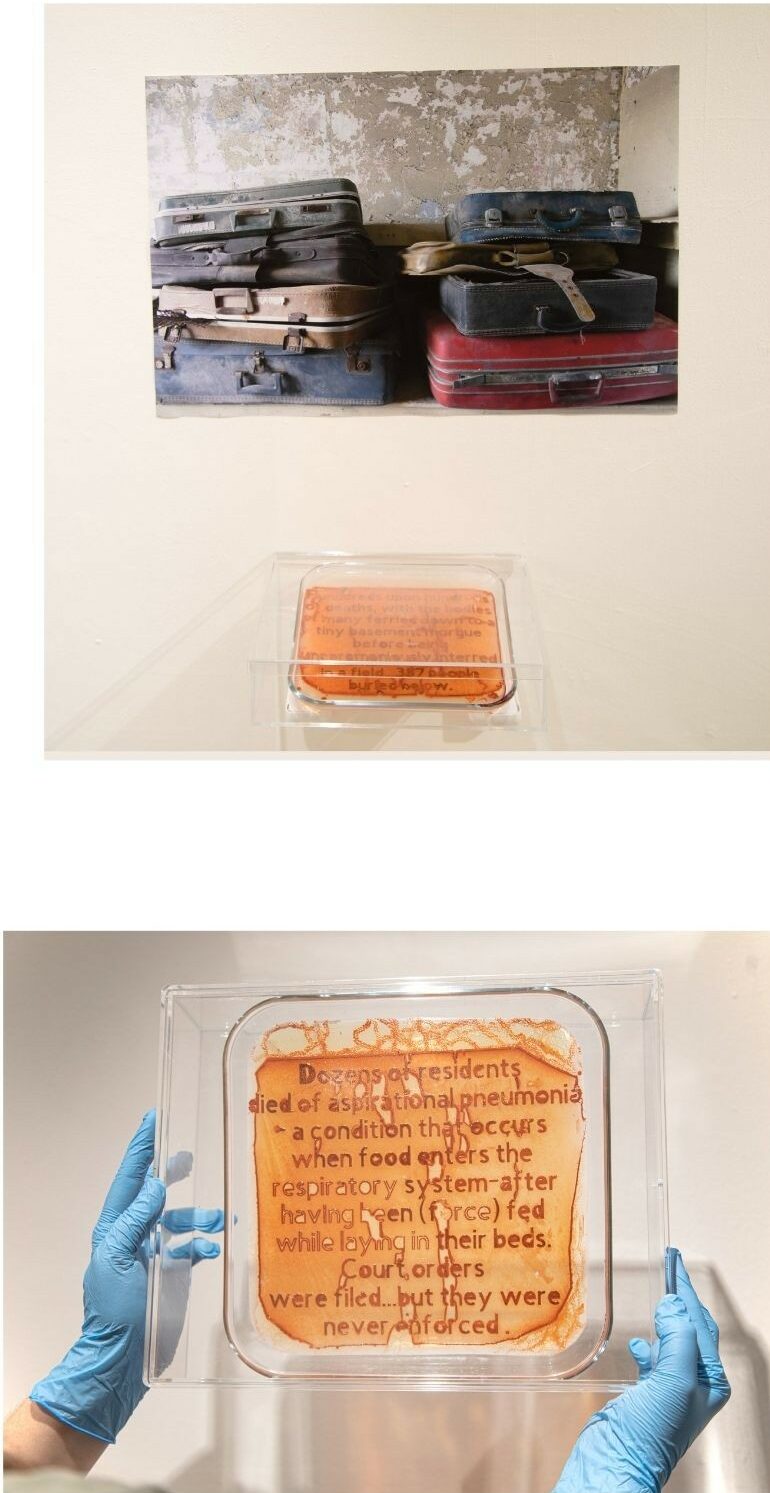
These buildings are supposed to house distinct populations, but in reality, they all are places that attempt to contain people whose trauma has been marginalized. My work in the last few years has focused on Forest Haven Asylum, a site where the staff criminally abused, tortured, and murdered over 389 patients. I have created a footpath, documented acres of buildings, started community outreach events, and matched crimes with the site where they occurred. These asylums are what horror movies are made of, -desolate white dust-filled chambers with remnants of treatments like hydrotherapy and isolation chambers.
Filled with enraged graffiti that seems as though it could have been written at any moment by a patient, spectator, or viewer. While the asylums have closed, the attitudes that promoted mistreatment are real. My aunt committed suicide when I was 14. And for years, due to family abuse, I struggled and was in and out of mental health hospitals. When I think about how close I came to being placed in a facility for more constant care- I am terrified at what could have happened. It was this feeling that motivated me to work in healthcare and to be present for other women who may face domestic abuse.
I have felt as a girl in an inpatient ward, the complete isolation and lack of safety and humanity that exists for people with mental illness. The fact that patients who were so vulnerable were abused brings up larger questions about what happens when the treatment is worse than the disease.
We all face challenges, but looking back, would you describe it as a relatively smooth road?
As a proponent of people before diagnosis, I work to create therapeutic spaces in my community for immigrants and women who have faced domestic abuse. I now run therapeutic art initiatives that provide art as therapy. My studio out of Burtonsville is getting set up to be a community print shop and a community resource.
I believe people need a place to decompress and maintain connections with each other. This was not easy to achieve and most of my work grew from working as a volunteer and dedicated time and hours of work to create programs that were eventually funded by the Maryland State Art Council. Even now, I am constantly working 70-hour weeks working as a print shop technician, and on my work to be able to have the time and resources to maintain my studio.
My work has not been easy to define. When I was in graduate school as an occupational therapy candidate- I worked in hospitals, off Riker’s Island, and with a variety of people with major mental illnesses. What I found was that the medical system and billable hours were not treating everyone. I remember working at a free clinic out in Washington Heights and talking with people with complex depression and anxiety who would not have any access to care but a free clinic.
One of the first experiences that had a profound effect on me was Carrol Fennelly’s work with Hope House to run prison family unification camps. I was working for her program as an artist. Fathers were united with their families, and kids got to meet their parents. Most of the men take parenting classes and maintain good behavior to see their kids.
I remember breaking down and realizing that the act of making murals with families was profoundly transformative to so many people. This was a creative solution that facilitated so much change. Just a few months before that I had been working as an occupational therapy student on rotation for men who had been previously incarcerated. I learned so much I did not expect from this. However, working without the community and other family members limited my ability to have the kind of profound change that Carrol’s program was getting.
This was the kind of programming I wanted to offer. Unfortunately due to my health issues as I have an old spinal cord injury, and my treatment; I could not finish my occupational therapy degree. This has been a road to stability and a way to help people. But I also knew even then that the type of services I wanted to offer I could not find in the healthcare system.
I have had to find my way and there have been so many times when my health and my treatment have played an important part in shaping who I am right now. I do identify as a patient and a provider. And those roles are as vast and bound together by my empathetic understanding of loss and healing.
Thanks – so what else should our readers know about your work and what you’re currently focused on?
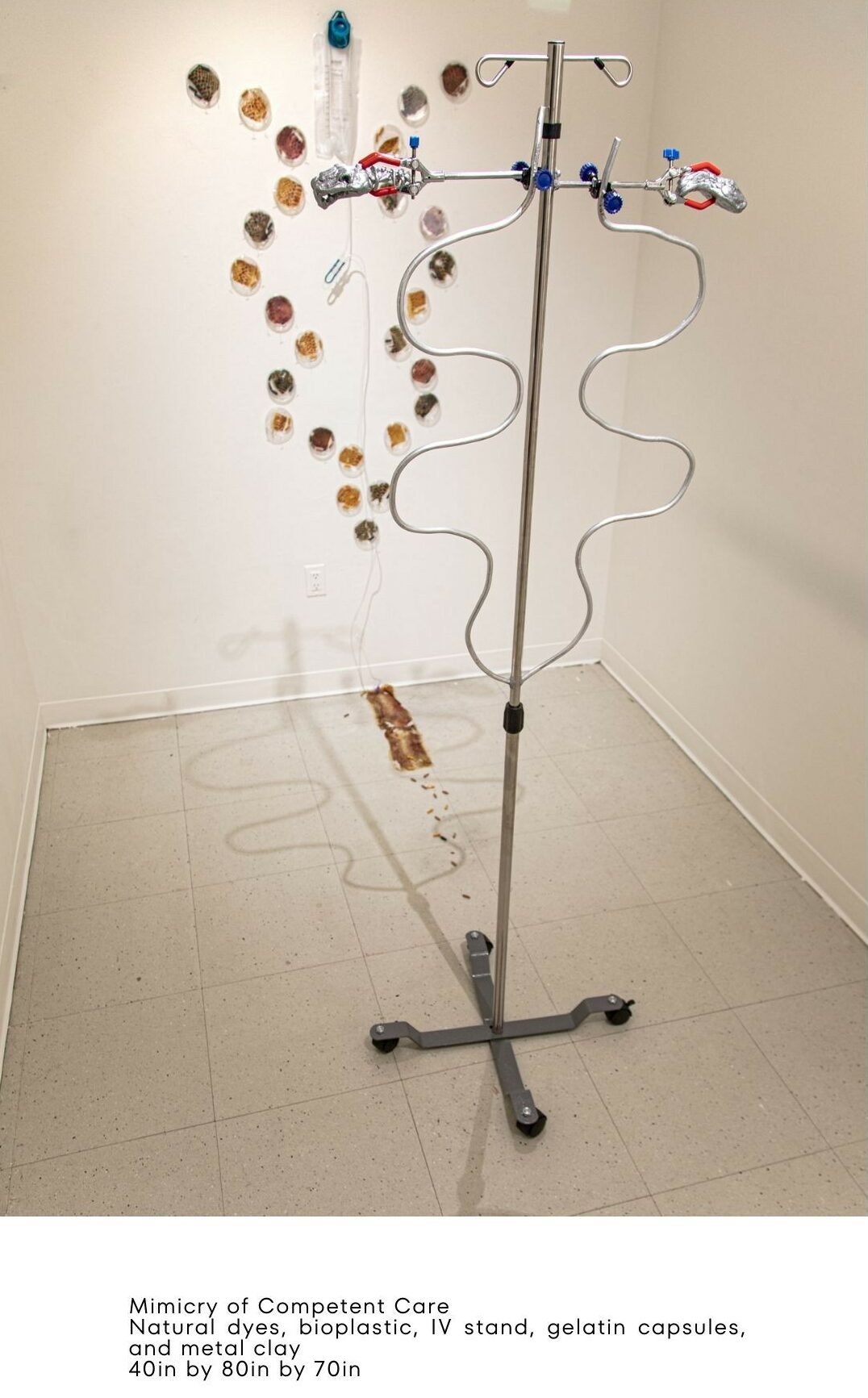
I am known for my viscosity printmaking. I own a printing press and I work with SAGA and have shown in New York and at the MET for this work. Recently, I have been making bioArt work and installations.
I use my science background to help me make work in conjunction with living organisms. This may be bacteria or other plants and animals.
Networking and finding a mentor can have a positive impact on one’s life and career. Any advice?
I think this is such a difficult question as I have not had one mentor. I have had so many people who have helped me. One of my mentors was Kathy Carraccio. She is an amazing printmaker who has worked with such a wealth of different people.
My bioArt work was heavily influenced by the SVA bio art residency. And right now I am working with Melodie Davis on small business administration and business practices. I think it helps to take an active interest in what everyone else is working on and to ask yourself if you can help others. I think that there are so many symbiotic relationships that can evolve if you are willing to put effort into others first.
Pricing:
- My large pieces sell for $1000 to $2000
- My small pieces range from $100 to $500
- I work with people through grants and free of charge
- But I also work with the community on a collaborative print for $50 an hour.
Contact Info:
- Website: trishaart.com
- Instagram: @trishaguptaart
- Facebook: Trisha Gupta studio
- Youtube: https://www.youtube.com/channel/UC99rPqqFK-9VJTT9AxlqwsA