Today we’d like to introduce you to Miguel Almario.
Hi Miguel, so excited to have you on the platform. So before we get into questions about your work-life, maybe you can bring our readers up to speed on your story and how you got to where you are today?
I started doing photography back in 2015 when I borrowed my dad’s DSLR and took it with me to the Philippines for vacation. While there, I took photos of whatever resonated with me – landscapes, intimate moments, and gritty urban areas. Around the same time, I became a cinephile in college by watching movies with friends and learning about the process of filmmaking.
As I continued taking up photography as a hobby, I eventually embraced analog photography. Shooting on film allowed me to be more intentional with my shots, and helped me become candid with my interactions with people. The more I shot different subjects, the more I started to embrace imperfection and see the world differently.
I’m sure it wasn’t obstacle-free, but would you say the journey has been fairly smooth so far?
I think everyone has their share of trials and tribulations, and I’m no exception.
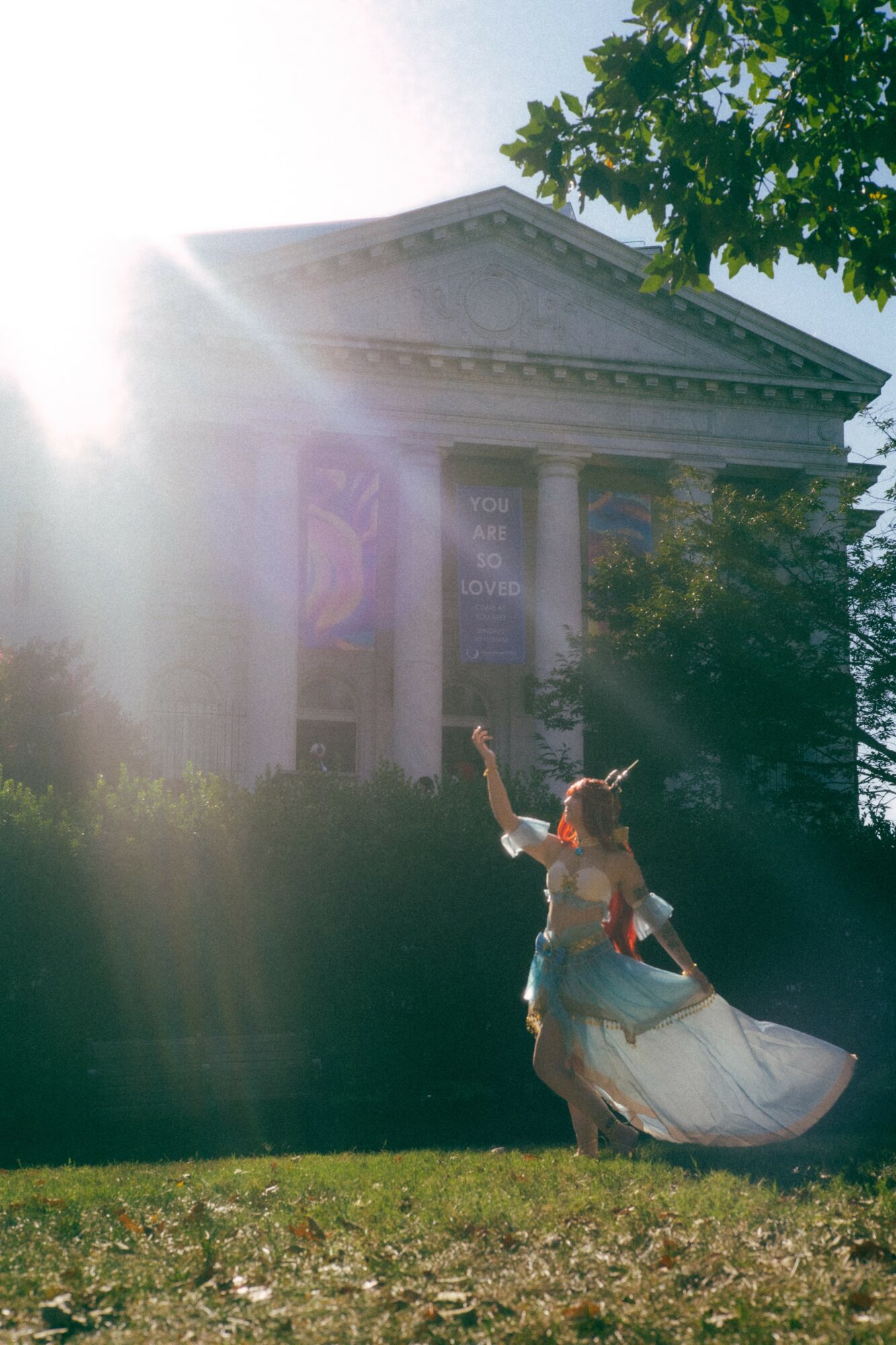
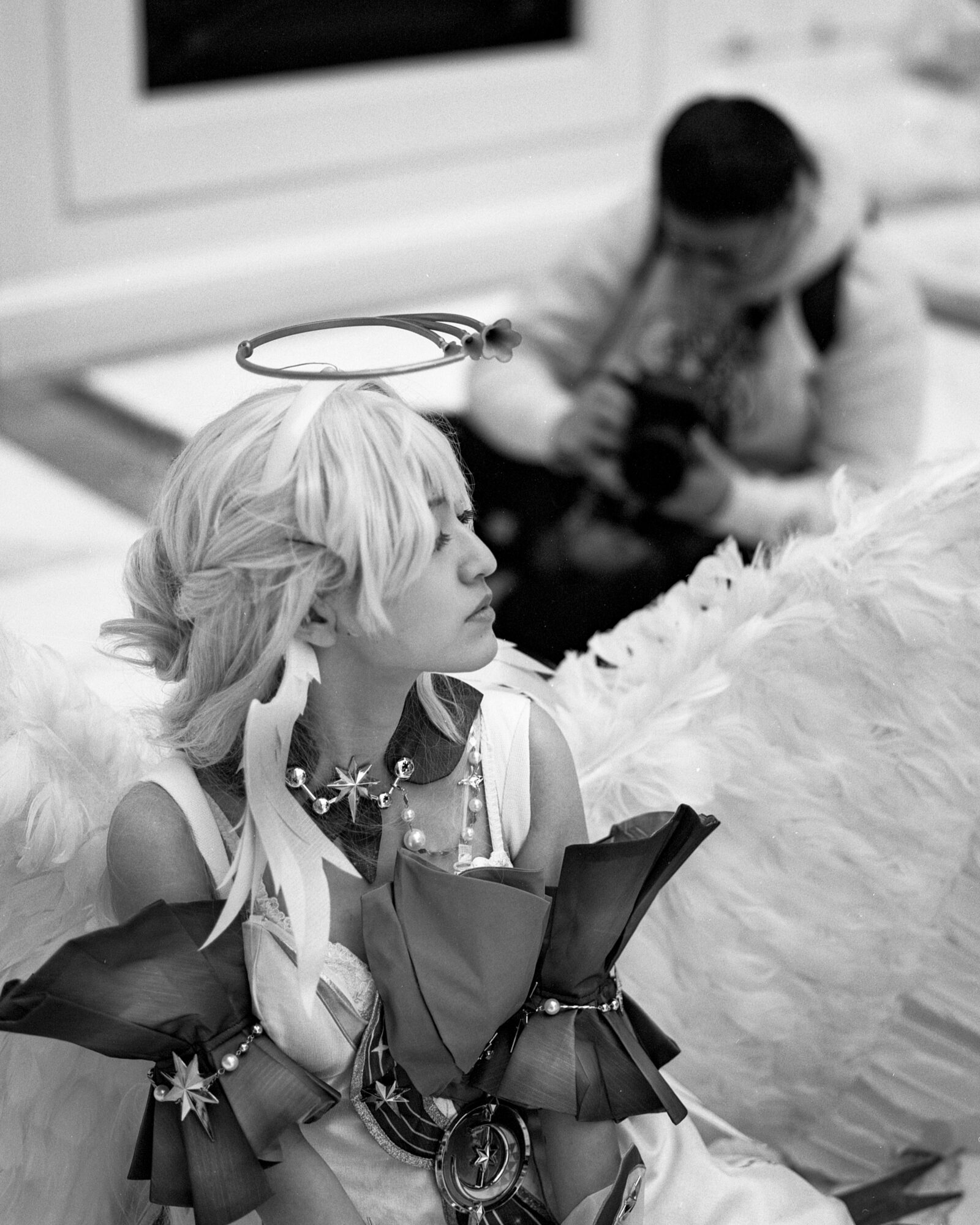
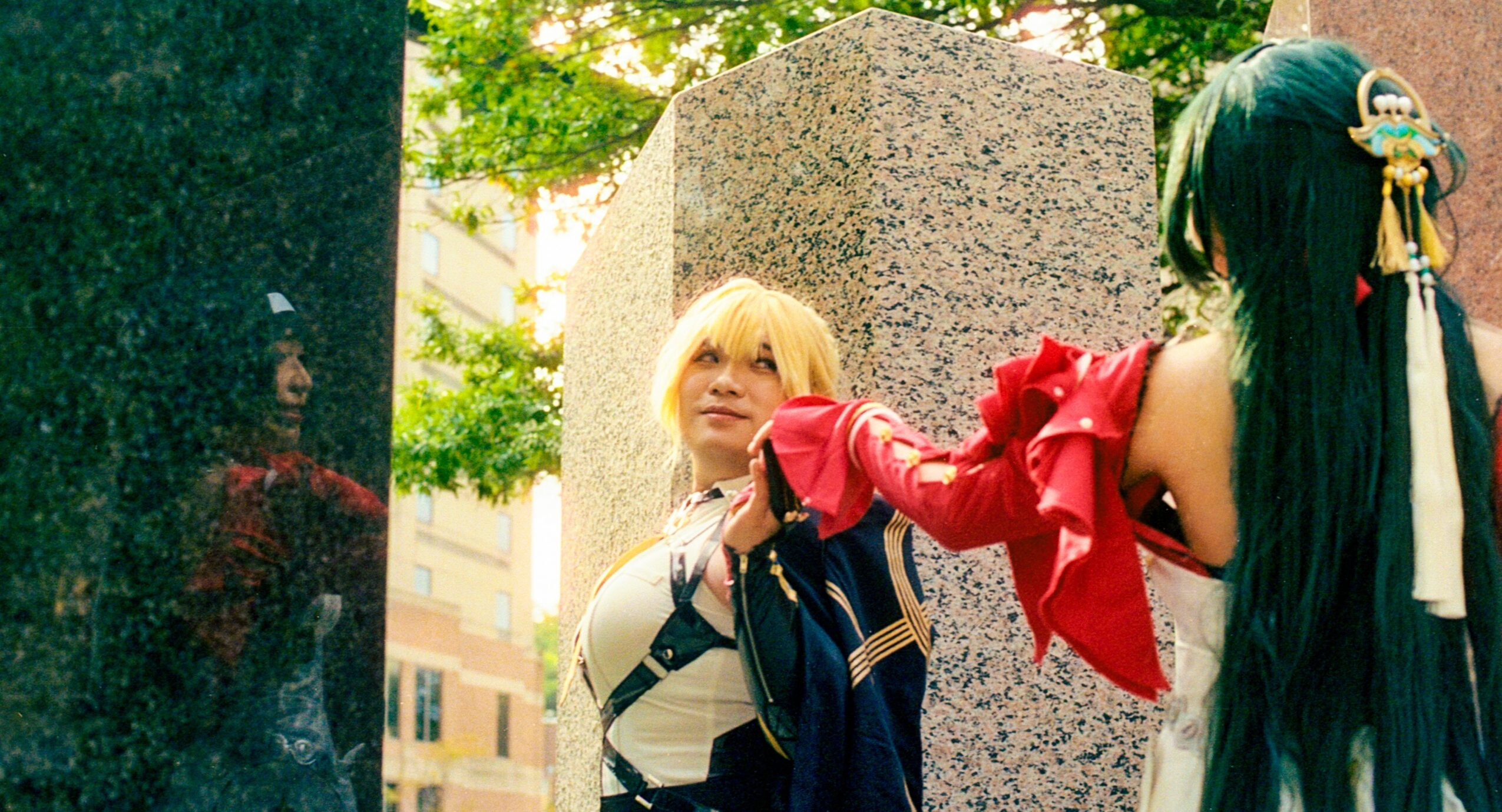
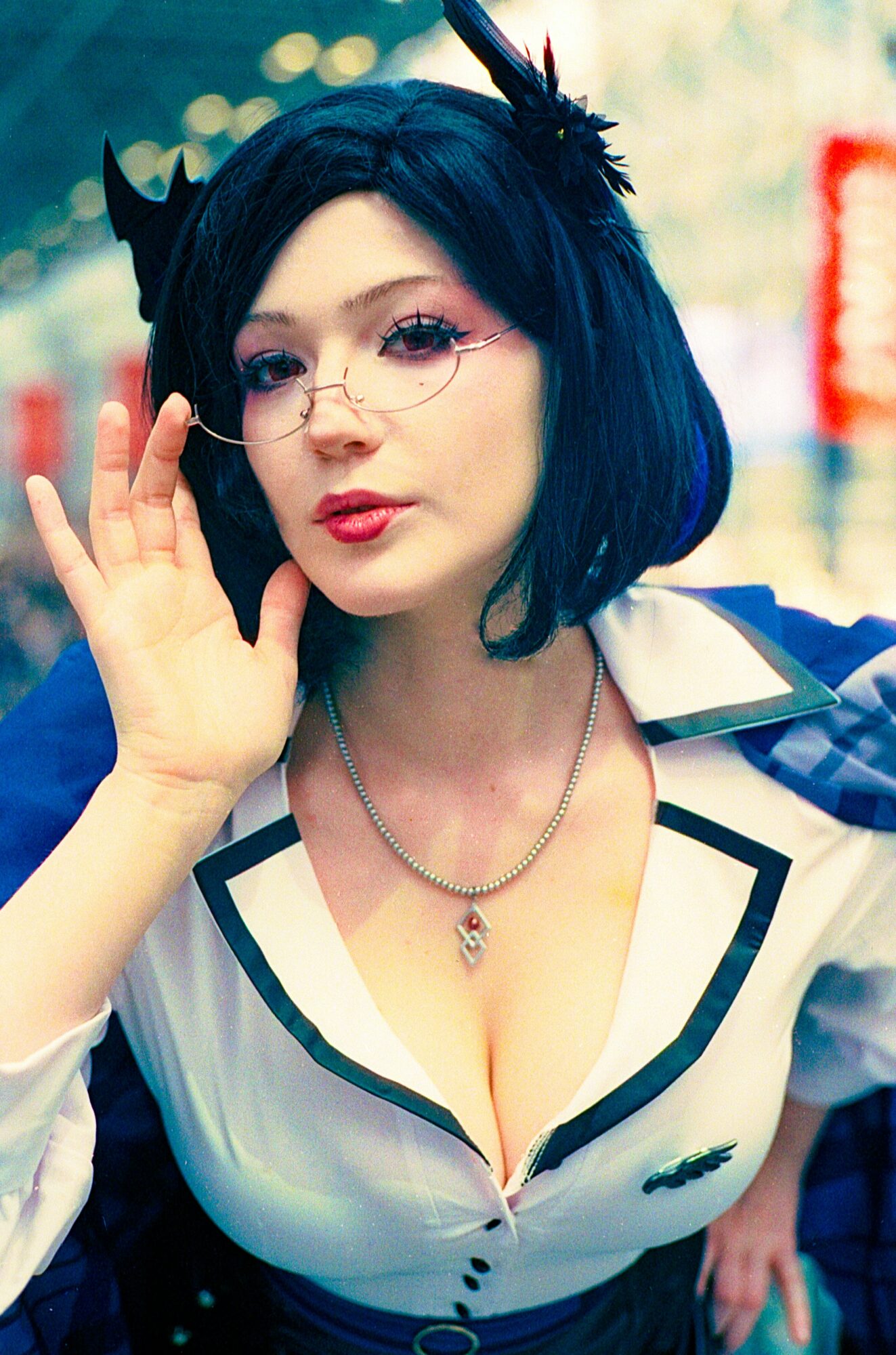
Around the turn of the decade, I was mostly committed to shooting cosplay on film – it was where I started taking my work more seriously. At the time, I felt that the idea of exploring that subculture through an analog medium was a fascinating and novel perspective. However, I’ve had my share of negative experiences, and growing pressure to perform for others and be the best led me to severe burnout.
By the end of 2022, I announced my retirement from cosplay photography and I was adamant in my decision. I felt like it was the right time to create on my own terms and experiment with other styles and subjects. As time passed, however, I felt that something was missing. I didn’t want to admit it at the time, but there was still a part of me that felt connected to that genre and the community.
Around two years later, I made my return with the intention of setting better boundaries and a newfound perspective – cosplay photography should not completely define me; it should instead be one of many facets of my creative self.
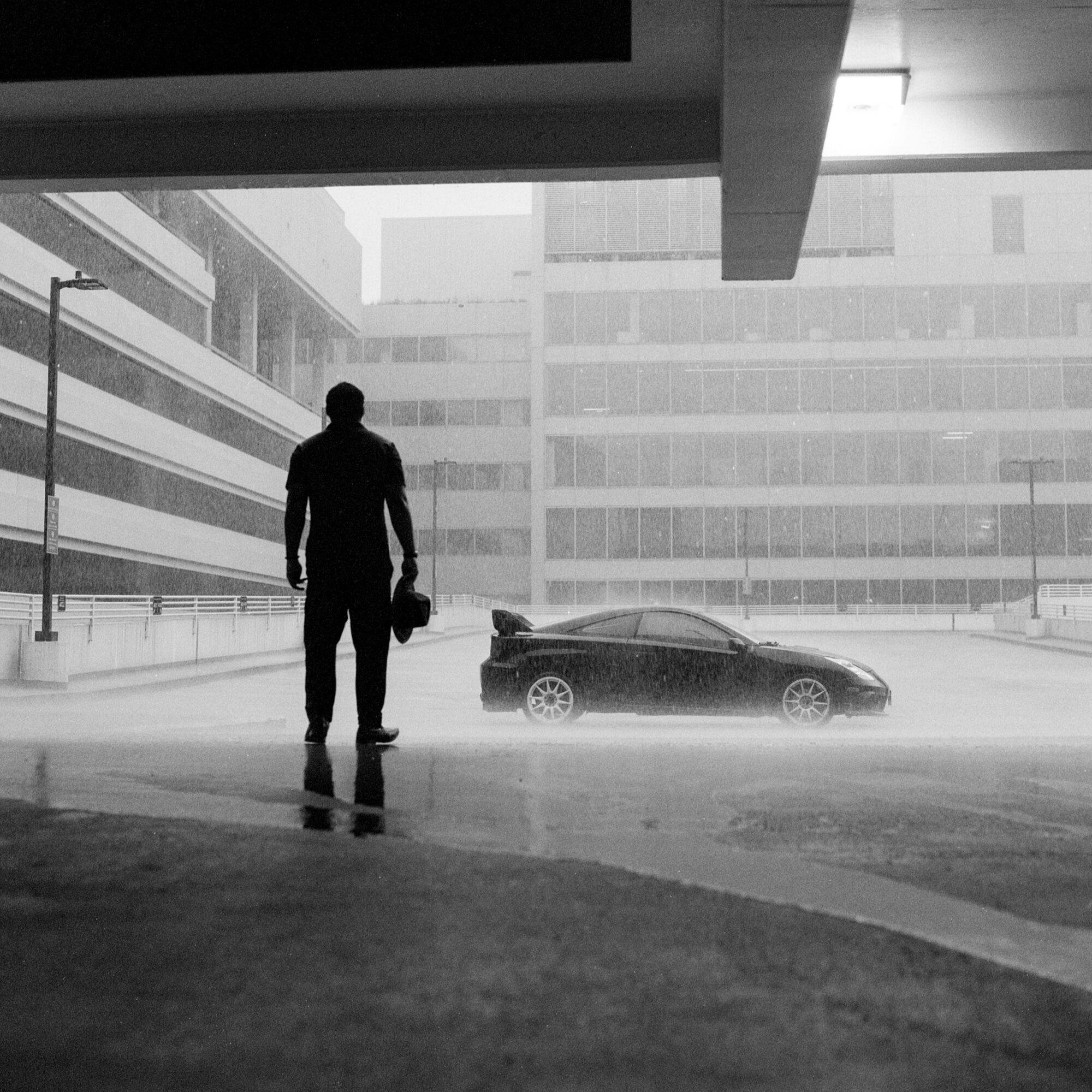
I still dabble in cosplay, but I am more comfortable with getting back to my roots in street photography and delving into narrative and experimental works. I believe it’s healthy to have a good balance in your portfolio, while being open to explore other areas in your creative journey.
As you know, we’re big fans of you and your work. For our readers who might not be as familiar what can you tell them about what you do?
As a Filipino filmmaker and photographer, my goal has always been to capture the beauty and expanse of the world around us and to candidly explore the human experience.
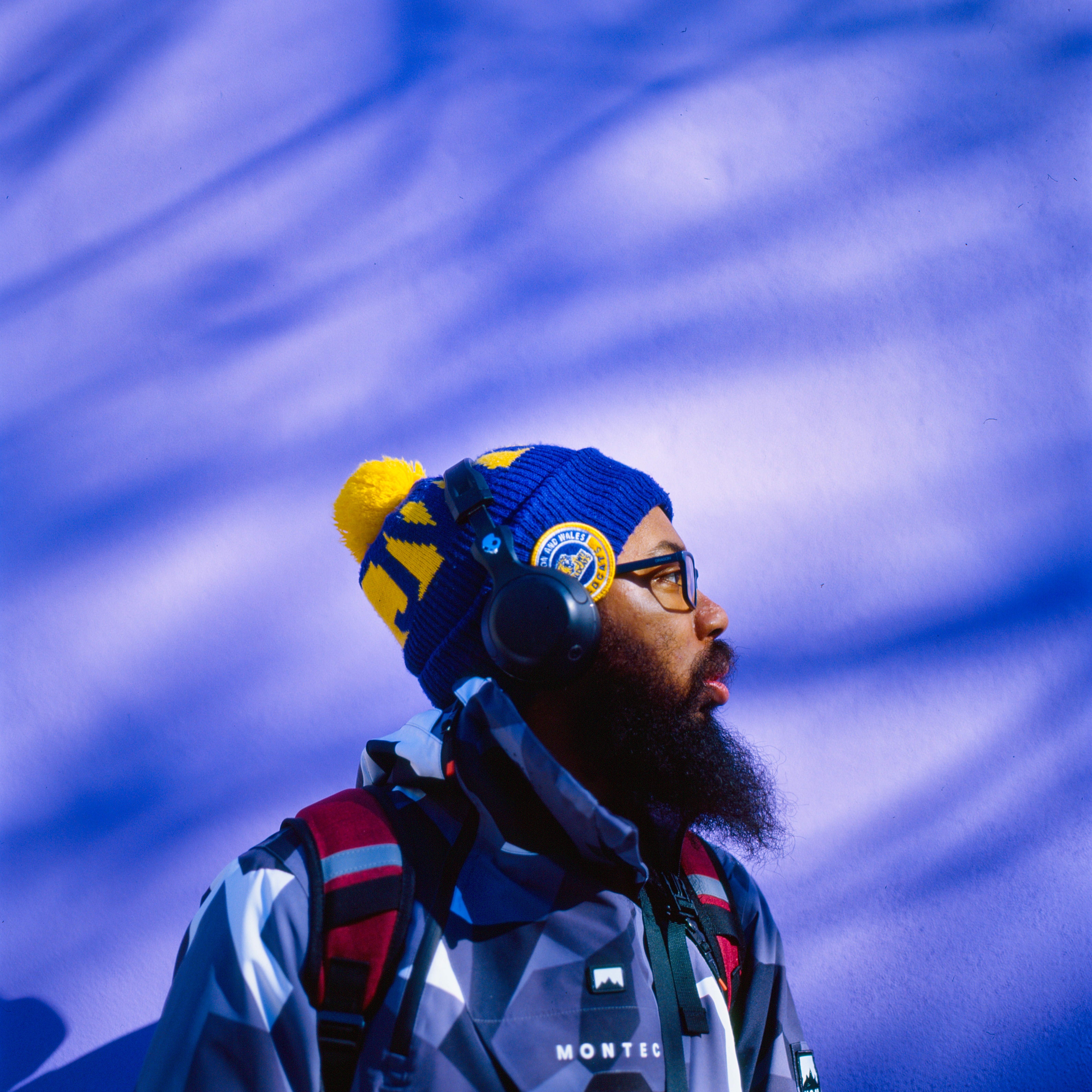
I feel like what makes my work unique is that I try to infuse my love for cinema and my personal experiences to create a unique visual experience on a variety of subjects. Whether it’s cosplay, portraiture, street, landscapes, or the macabre – I do my best to capture different perspectives that feel honest.
For me, I believe that true spectacle lies within humanity. I try to celebrate the grace of people choosing to perform or to live, and finding truth within it.
Can you talk to us about how you think about risk?
I believe that risk is necessary for growth, and I’ve taken quite a lot solely out of that necessity.
Shooting cosplay on film is in itself a major risk because the genre leans towards a specific aesthetic, and the look and the process of shooting on film is inherently antithetical to the desires of the community. However, I strongly believe that taking that risk would open people to a new perspective with regard to how cosplay could potentially be presented.
This isn’t to say I’m cavalier about its general conventions. I think everyone is entitled to their preferred look or process – but I do think that film should be seen as a valid and distinct way to portray cosplay.
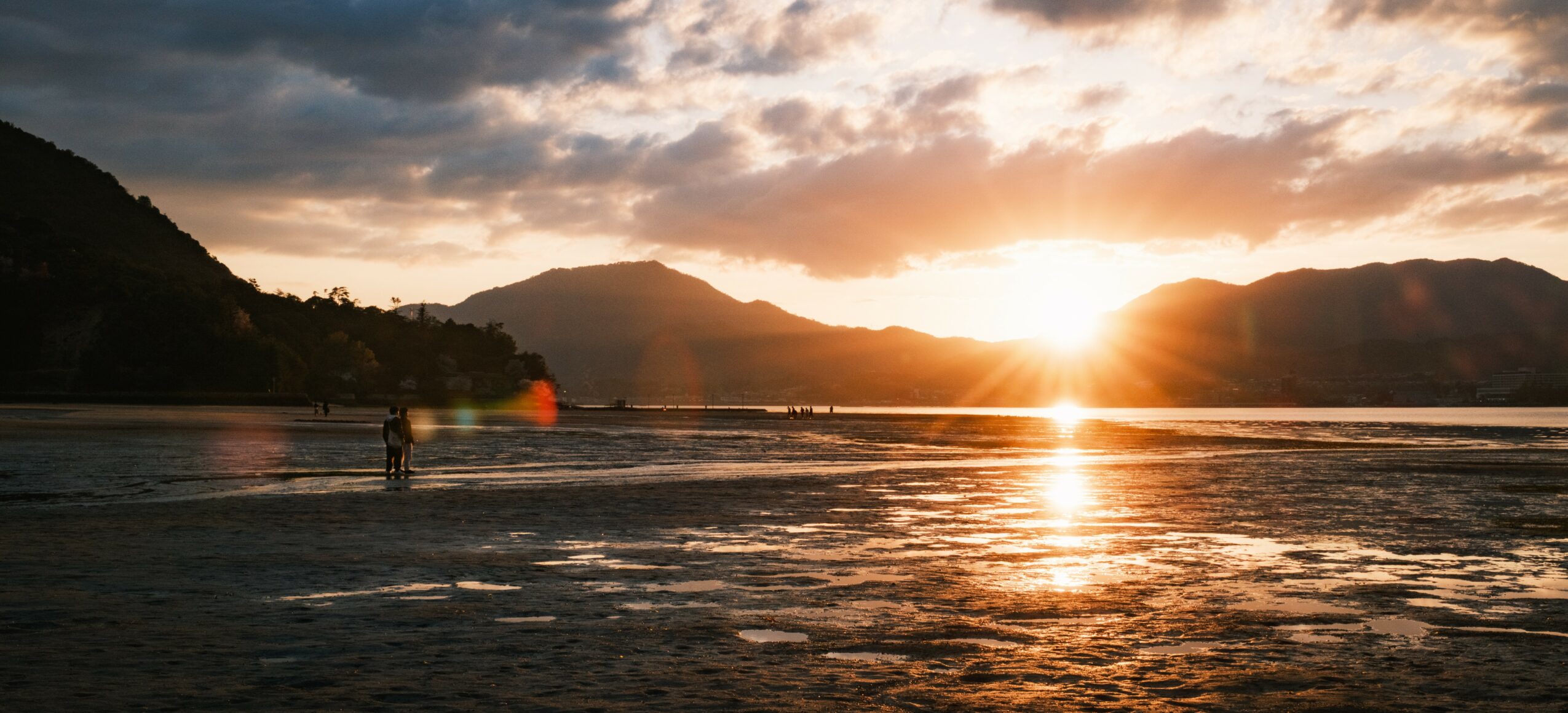
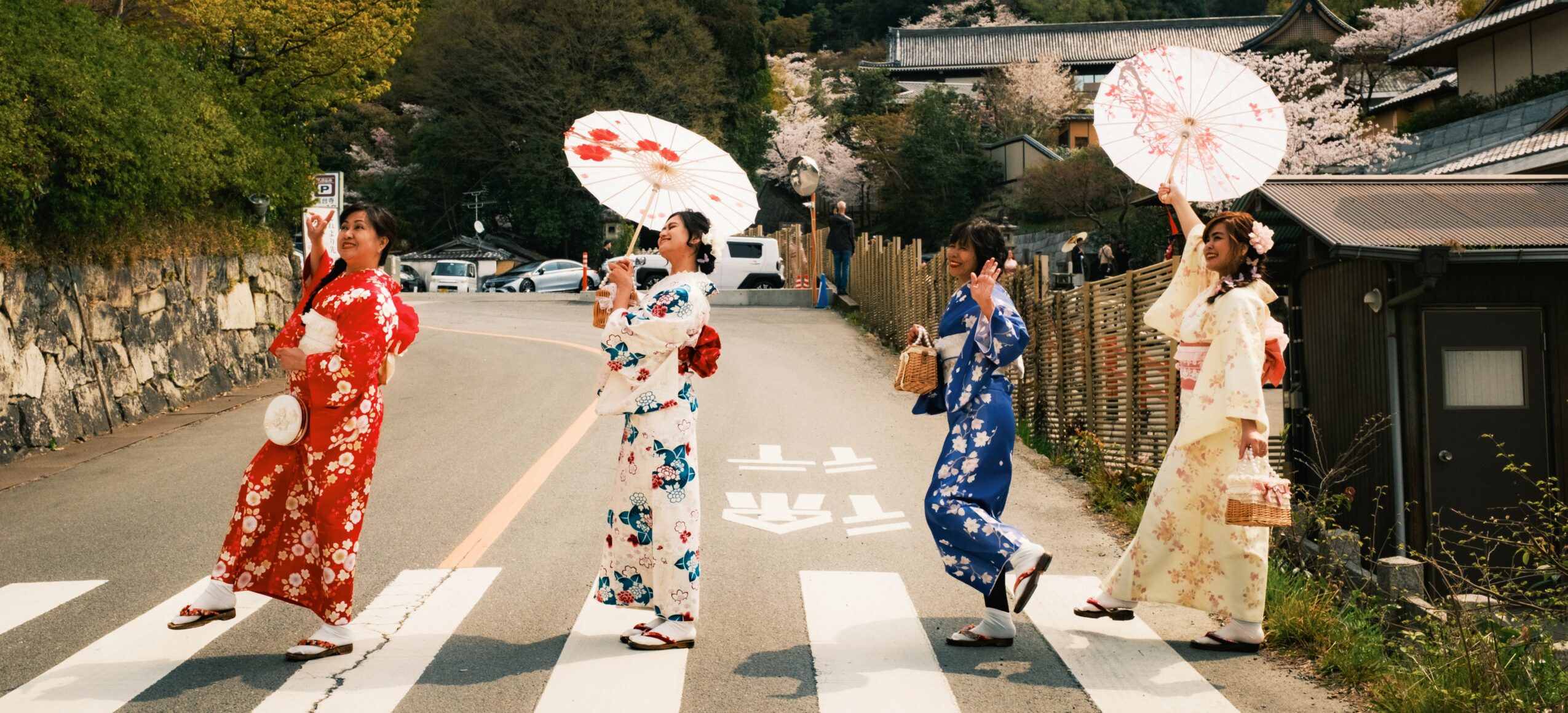
I’ve also experimented with aspect ratios and how they could potentially enhance my approach to visual storytelling. My most recent travelogues in the Philippines and Japan have adopted the letterbox aspect ratio to give my photos a more cinematic feel.
The choice to commit to the wider image challenged my approach to composition, specifically with keeping my subjects near the center whilst maintaining balance across the expanded space. My time with experimenting with aspect ratios on a variety of formats taught me a deeper understanding of framing, and how aspect ratios can be used to transform the very emotion of the image.
There’s also the fun in trying out different types of film in the realm of analog photography – slide film, esoteric film stocks, expired film, and redscale were all things I’ve dabbled in the past. Some of that experimentation was for fun, but I try my best to be deliberate in my choices of film (or medium) to help tell the story.
I think these risks taught me that innovation often means understanding the norms and challenging them thoughtfully, not rejecting them. And that’s ultimately the essence of it – opening new doors while respecting the ones that are already there.
Contact Info:
- Website: https://www.arsonisticfilmcompany.com/
- Instagram: https://www.instagram.com/this.miguel.almario/
- Youtube: https://www.youtube.com/@arsonisticfilmcompany