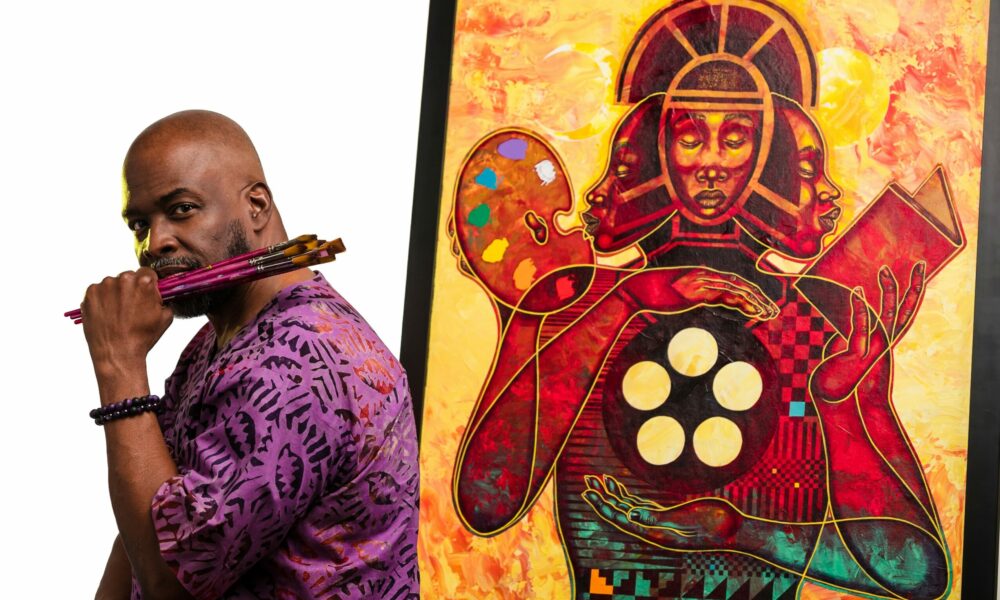
Today, we’d like to introduce you to Larry Poncho Brown.
Larry, we appreciate you taking the time to share your story with us today. Where does your story begin?
I am the son of a teenage parent who had to give up his dream to become an artist to provide for his family. I was raised in a very creative environment but felt I had to learn from afar. I always felt like I was encroaching on my Father’s creative space that seemed very personal. I had to learn to value that space and why it was important. My father was self-taught, so I was amazed by his raw talent. As I got older it took me awhile to realize that my Father’s DNA was running through my veins, and many of the answers I was searching for was already, mostly inside me.
My Father ultimately changed his discipline to printing, leaving a perfect opportunity and opening for me to grab the baton and push forward where he may not have had the opportunity. I understood the frustration my Father was feeling, as there were few opportunities for black artists in the 60’s and 70’s. As I got older, I also understood that he did not want me to feel this frustration. I give honor to my father, Larry O. Brown, Sr.
Alright, so let’s dig a little deeper into the story – has it been an easy path overall, and if not, what were the challenges you’ve had to overcome?
I evolved from an interest in graffiti to studying Commercial Art at Carver Vocational-Technical High School. I went to college on a dare from my high school art teacher, the late Chenal Alford. I elected to study graphic design and photography. This creative path was a bit unorthodox for an artist who loved painting. I never realized that the biggest mistake I made in my education was to choose graphic design over general fine arts as a course of study.
I didn’t realize that by choosing graphic design I would never be taken seriously as a fine artist. The decision followed me my entire career as an artist, but I would not have changed a thing if I could go back in time. The road was not smooth and did not come with a roadmap. The more challenging it got, the more I created.
The more no’s I received meant a yes was around the corner. I also reached a point where I had to create the path that I was searching for. There were not many folks who looked like me on my path, so I had to be content with being the one. I had a major studio fire in 1995, where I lost everything I had built. I had to start all over again, but I was blessed to be armed with the roadmap that I had created and a huge following of supporters at my back.
Appreciate you sharing that. What else should we know about what you do?
My earlier works were predominately airbrush illustrations. He evolved from a graffiti artist in his earlier years to a classically trained sign painter and graphic artist. Artistic practice is a graphic design path fused with fine art. I was a sign painter for many years, turned graphic designer for a few more years, and turned illustrator for a few years before I branched into doing fine art or art for the commercial market.
My early published works in the mid 80s like his “Black is Black” Series was the first to address the subject of colorism in the African American art realm. I was one of many artists often referenced as “The Popular Artists” who gained national recognition during “The Cosby Show” era, and found commercial success between 1985-2000 during a period known as “The Golden Age of African American Art”.
By making their art accessible to the masses through direct participation in community art and cultural festivals and the traditional artist arrangement of artist representation, gallery representation, and art publisher distribution. At the height of this era, my works were sold in 3000 galleries across the country and on the walls of 500,000+ homes.
Are any books, apps, podcasts, or blogs that help you do your best?
I have a mad black art book fetish and have amassed quite an art book collection. At my current age of 61, I probably do not engage with as many apps, podcasts, and blogs as I should. I hate the idea of being influenced by this thing we call social media.
I embrace the parts that further my reach and connection to my collectors’, fans, and followers, while moving with intention to not be overly accessible through those platforms. I try to keep up with apps that extend my creative knowledge, such as Procreate, or even apps that save me time on graphic design, like Canva. I am also currently familiarizing myself with AI applications.
Contact Info:
- Website: www.larryponchobrown.
net - Instagram: www.instagram.com/
theartofponcho - Facebook: www.facebook.com/
theartofponcho - Linkedin: https://www.
linkedin.com/in/ larryponchobrown/ - Twitter: www.twitter.com/
theartofponcho - Youtube: www.youtube.com/c/
larryponchobrown
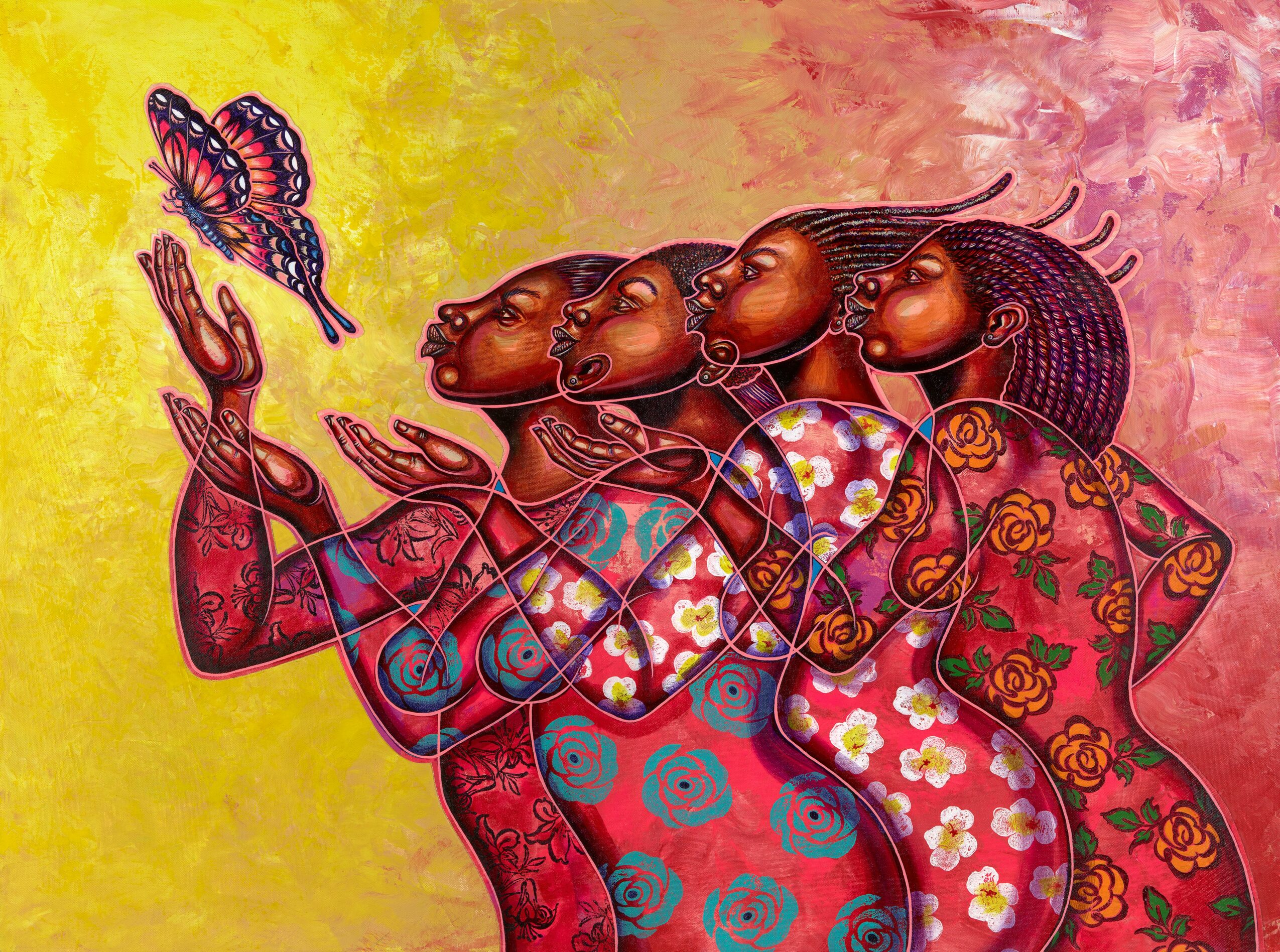
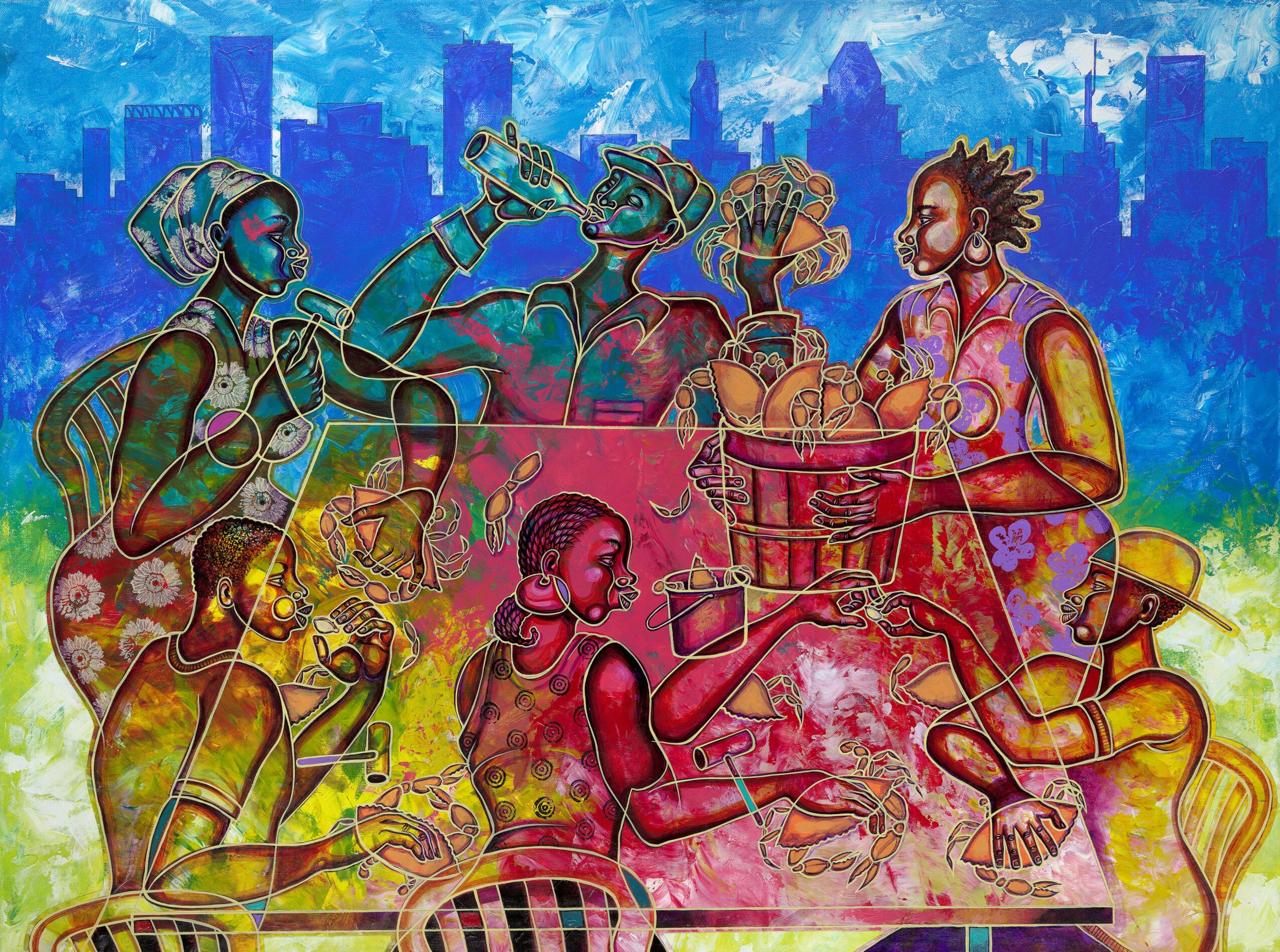
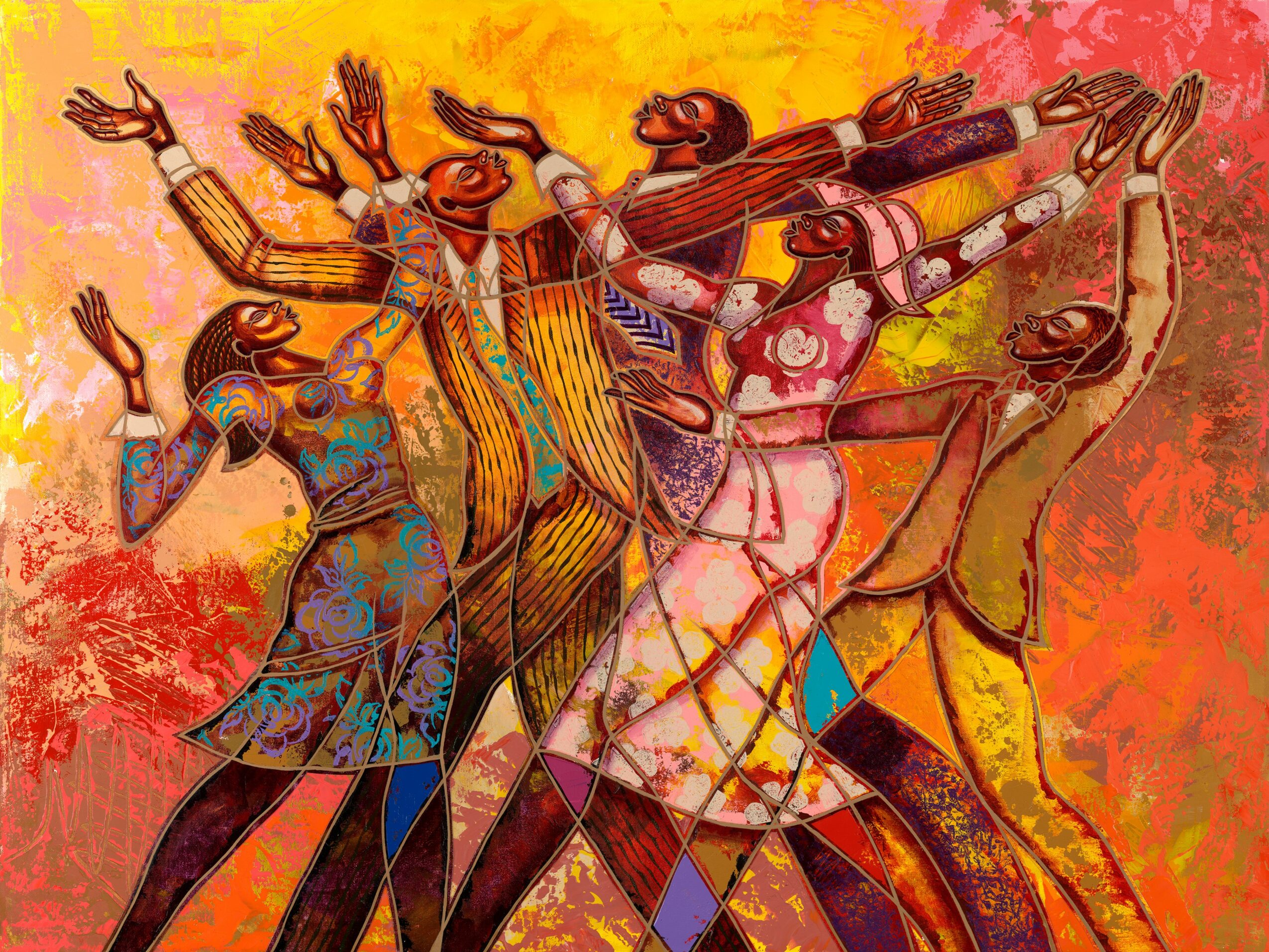
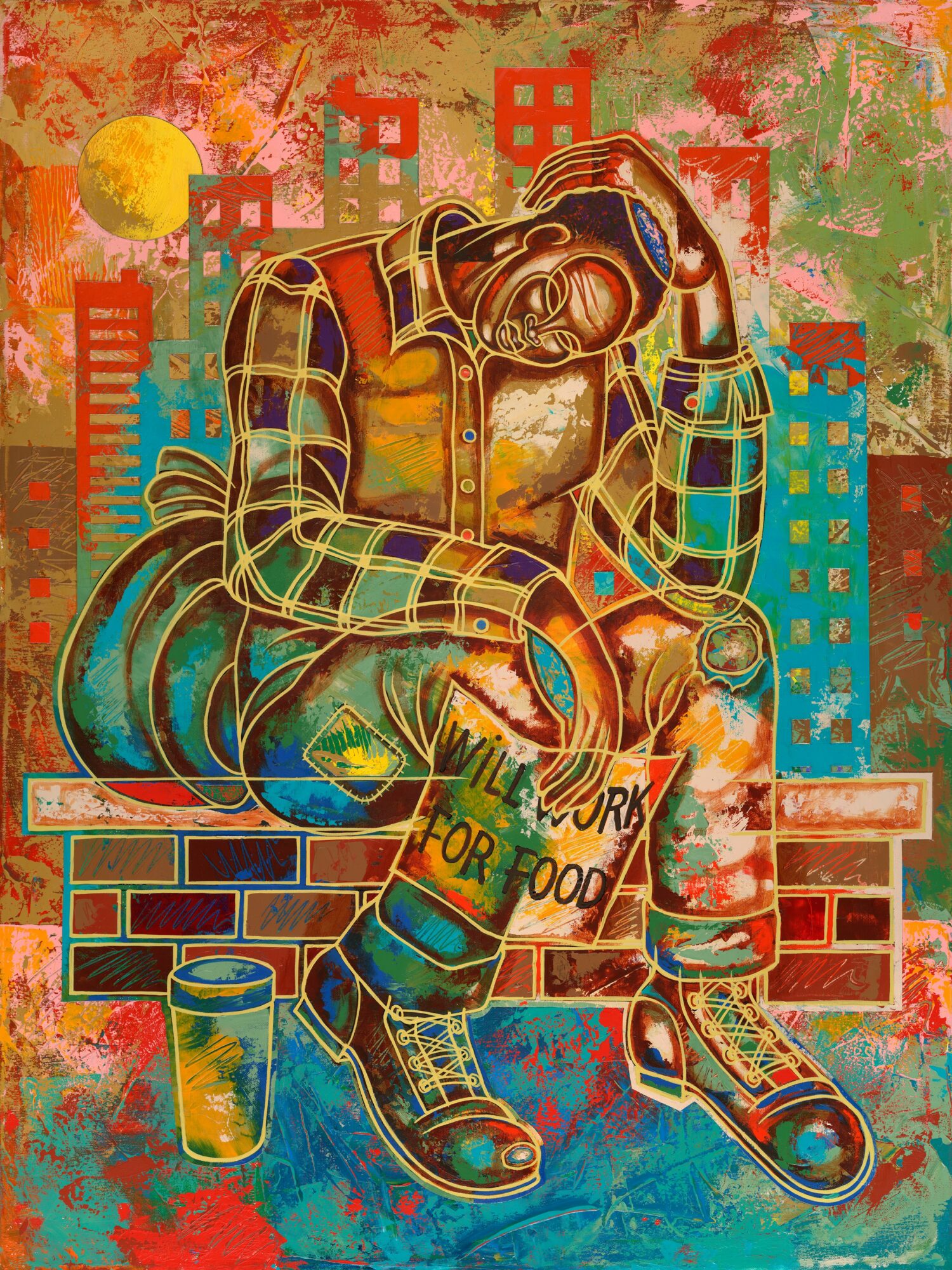
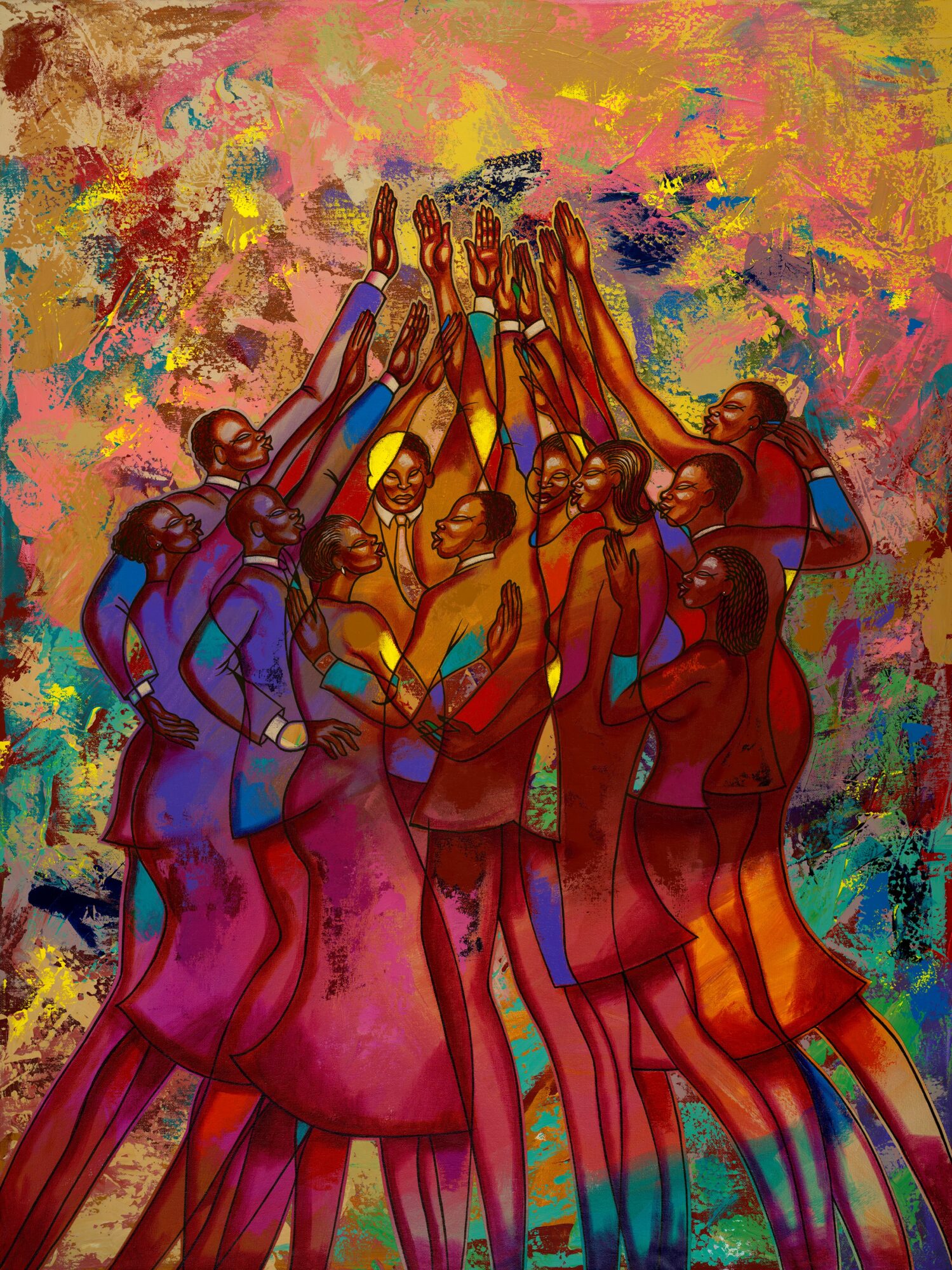
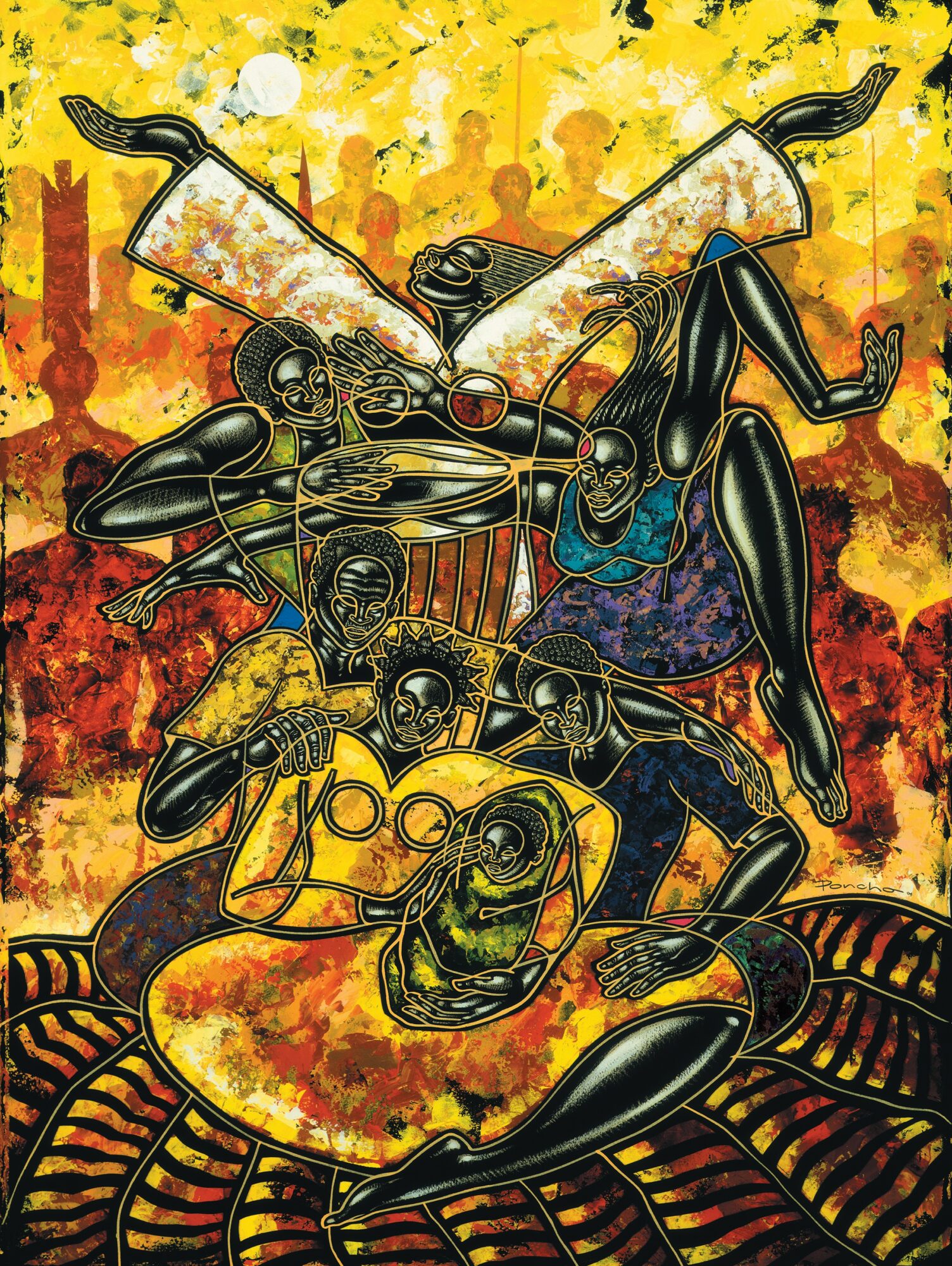
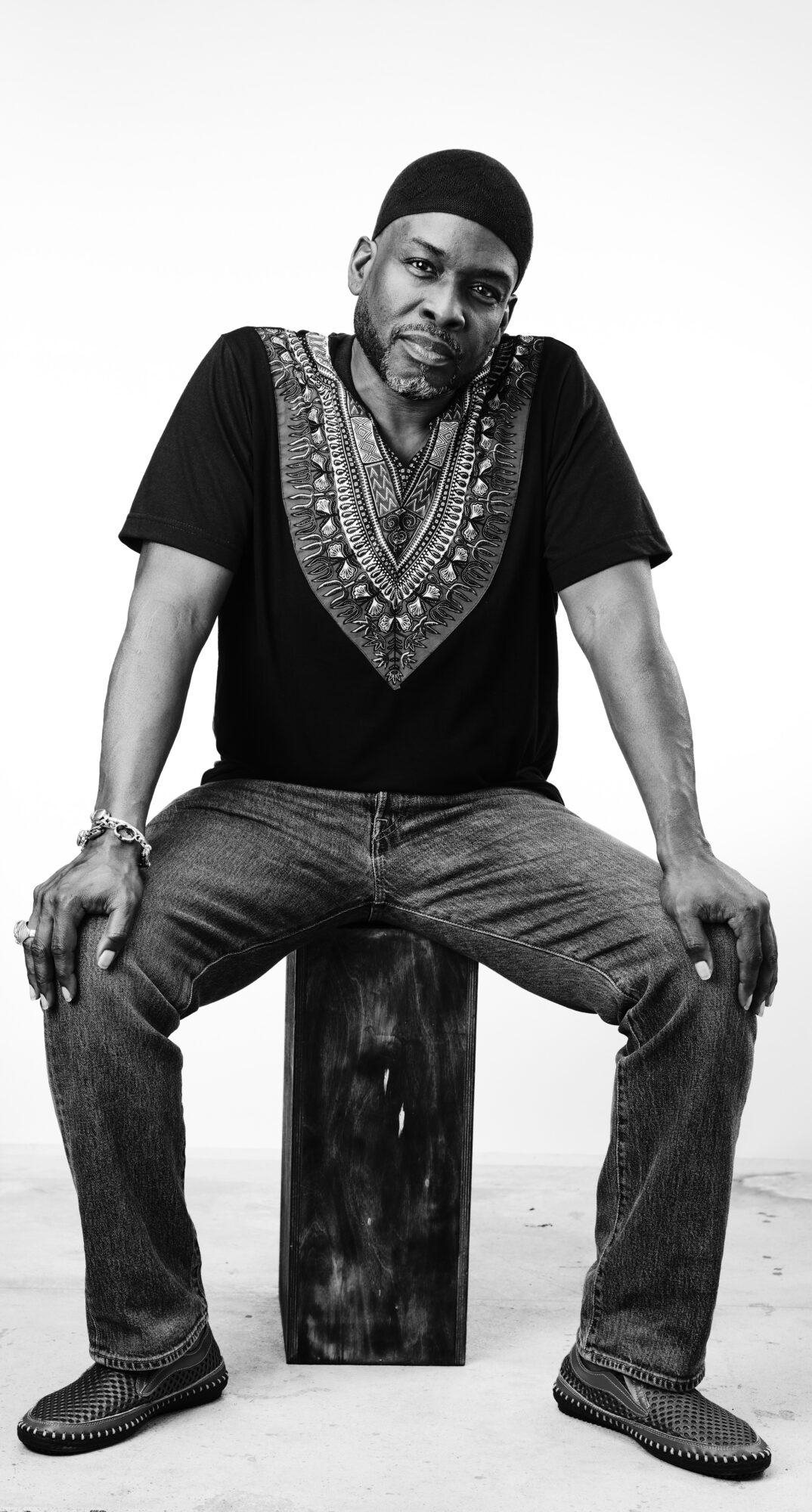
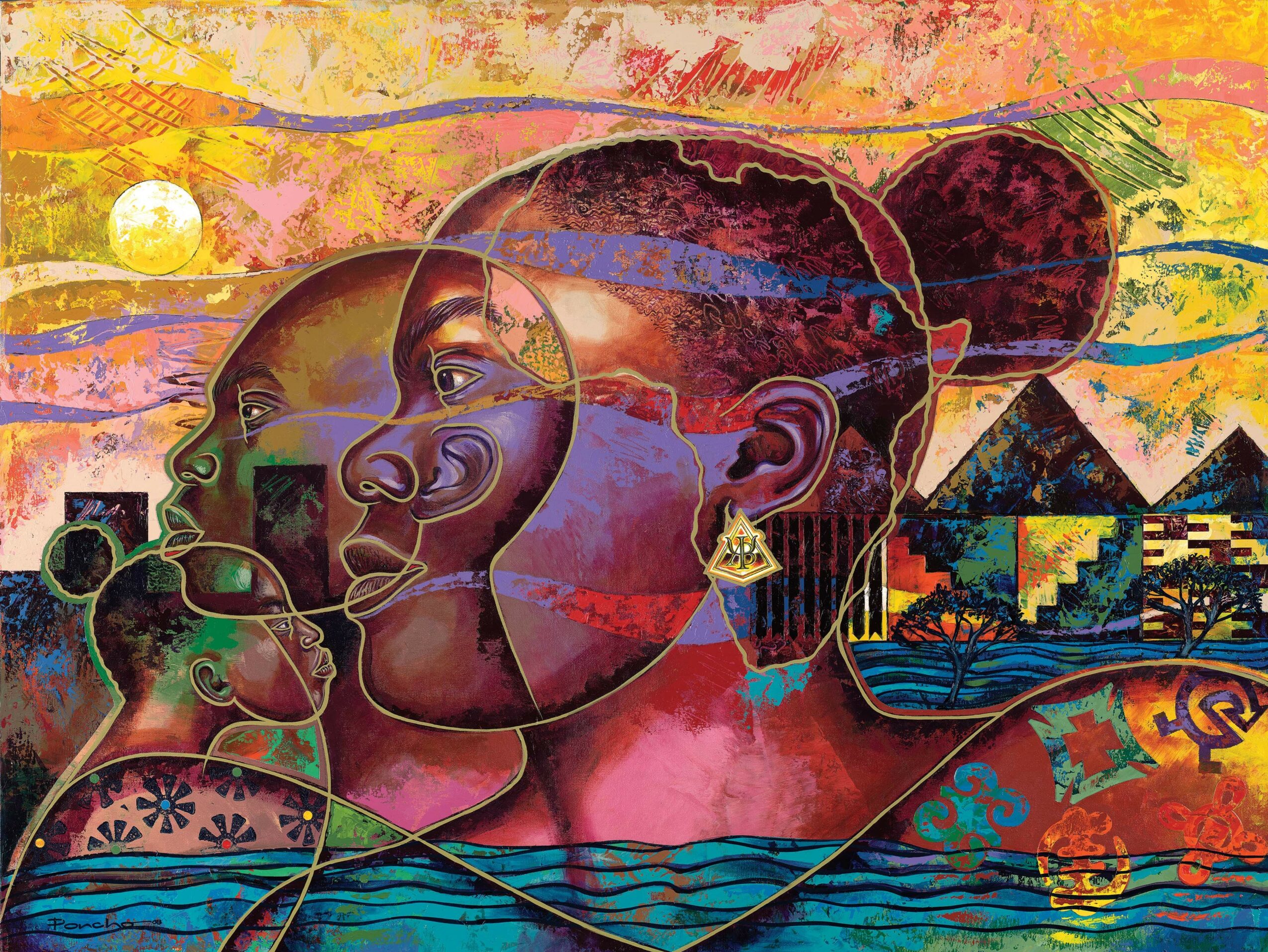 Image Credits
Kirth Bobb