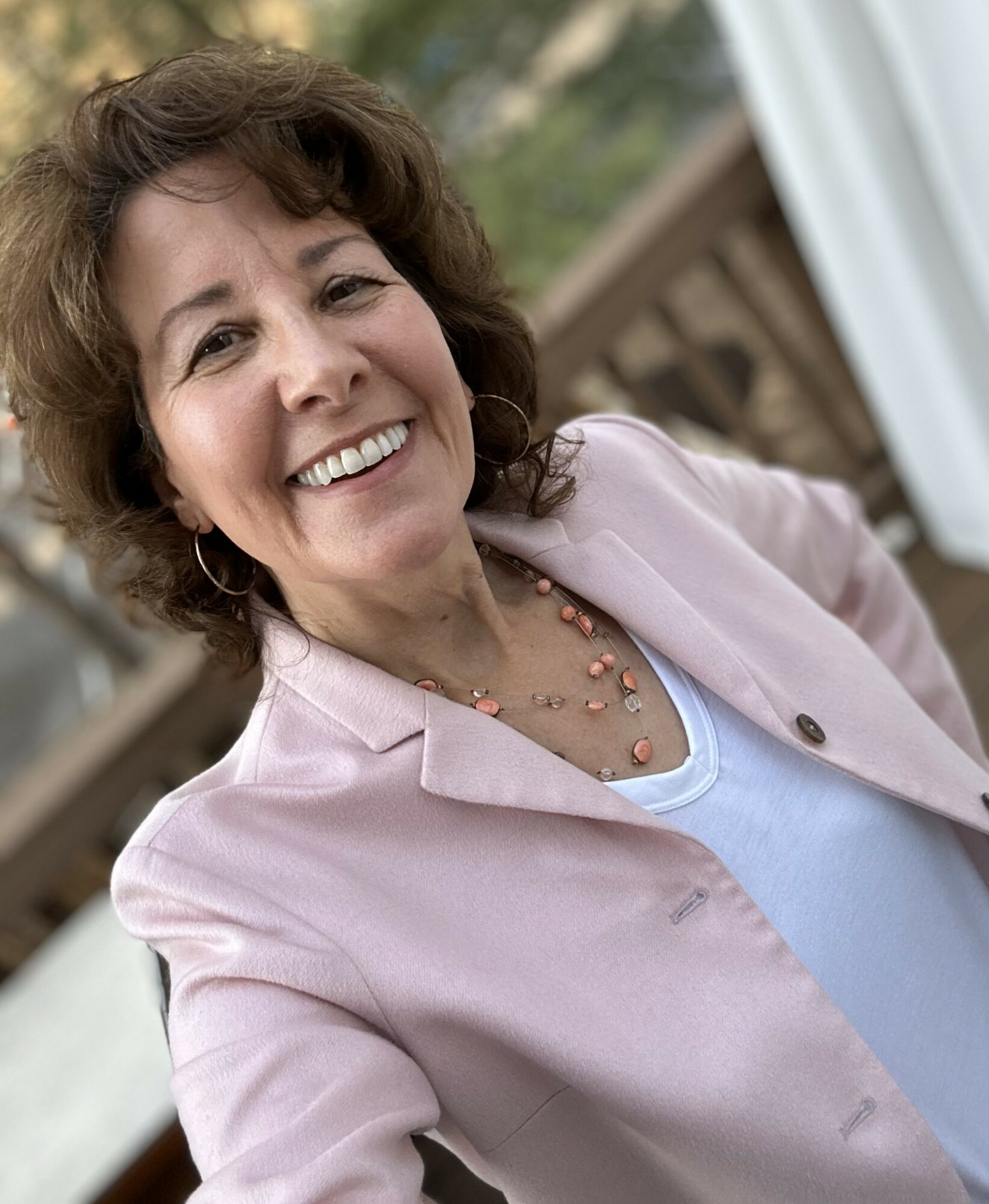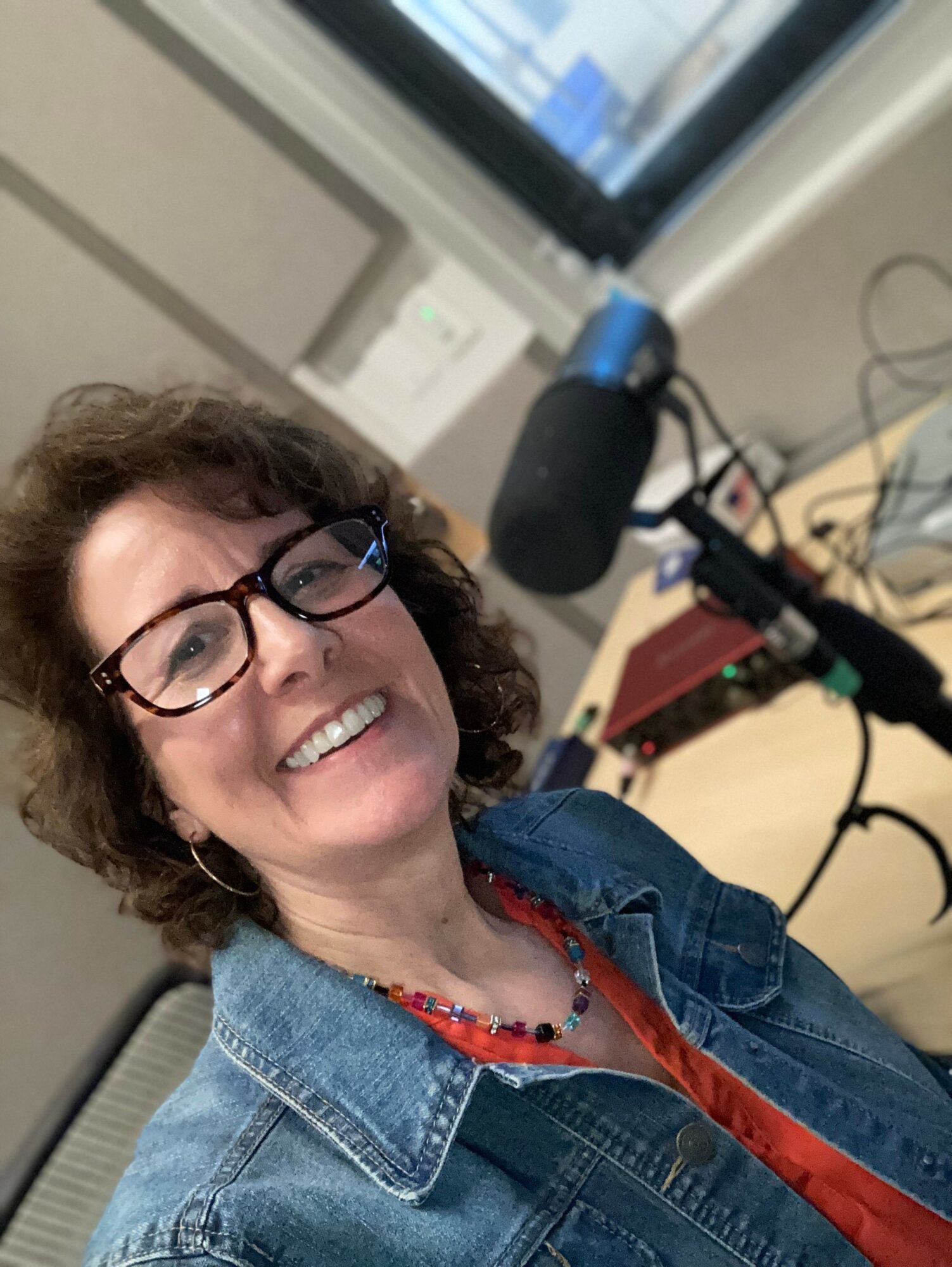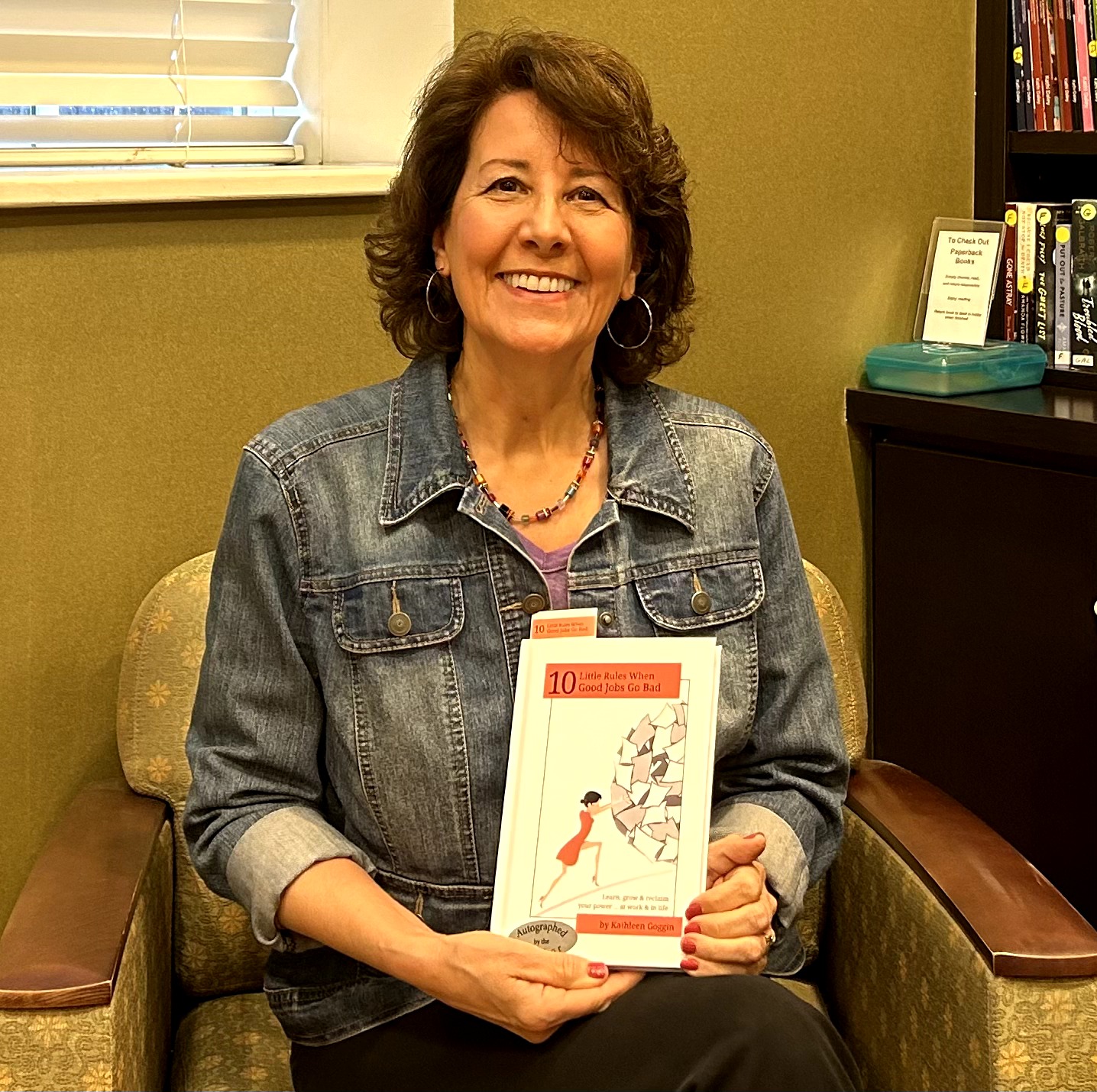
Today we’d like to introduce you to Kathleen (Kate) Goggin.
Kathleen (Kate), we appreciate you taking the time to share your story with us today. Where does your story begin?
I am a METRO girl, born in Washington, D.C., raised in Prince George’s County, Maryland, and now living in Leesburg, Virginia.
I have an insatiable curiosity about the world and how it works. This led me to write about diverse topics, including science, technology, and aviation. As a writer-editor with over 20 years of experience, I have helped everyone—from leaders to lawyers to lab engineers—write information clearly and concisely for general readers.
It sounds easy, but it’s a big challenge for experts to communicate to non-technical audiences. Those readers might be budget staffers down the hall who don’t know technical jargon, or they might be external investigators, investors, or industry partners who are more concerned with the project’s safety, financial, or community impacts rather than the technical details. The bottom line is that experts cannot achieve their business goals unless they can explain their program to everyone in plain language.
I love my profession, and it suits my strategic spirit and strengths. For example, I have lived and worked overseas several times, but I failed at foreign languages. Yet, translating and interpreting tech talk between experts and non-technical people comes easily to me. It can be a bit like solving a puzzle, and the results are incredibly satisfying.
For the most part, I enjoyed my work over the years, but I struggled like everyone else. I tried to keep my career on track, in some sort of straight line, but that was never my reality. My career was more of a patchwork quilt. I doubted myself a lot.
Along the way, I found other people, including coworkers, friends, and neighbors, all asking the same questions about their job choices. They wanted to hear the truth from me, someone who had been there and done that. They were facing their own difficult decisions, especially when they did everything right, yet nothing seemed to work out for them.
It was through this informal mentoring that I shared my job stories and tips with them. People responded positively and felt validated, heard, and seen.
Then one day, I was sorting through old documents when I texted my writer group. I was doubled over laughing as I looked at my career list. While I worked with amazing people, I also encountered a cast of characters. I survived a lot of good jobs that went bad, and my positive strategies were what saved me.
Then, a publisher in the group asked if I wanted to write that book about my job experiences, mentoring advice, and lessons learned. It would be a perfect fit for her “10 Little Rules” series, where authors turn personal experiences into shared wisdom. Stunned by this divine intervention, I texted back, “Absolutely!”
There was no interview or application, and we had never worked together before. Yet, we had read each other’s work, and that gave us instant respect and trust. In addition, we knew each other well through our writing community. That day felt like we held hands and dove off a cliff together – pure magic.
In January 2024, she drew up a contract, and six months later, I delivered the manuscript for 10 Little Rules When Good Jobs Go Bad: Learn, Grow, and Reclaim Your Power at Work and in Life.
It’s a fun self-help guide on managing eventual changes in every job and pivoting when things don’t go as planned. It’s full of simple, actionable tips that can help you change your mindset, improve your work environment, and regain some control, even if the job itself isn’t improving. Things like setting boundaries, improving communication with your boss or coworker, or finding ways to build skills on the side all help you survive and even thrive while you’re in a rough patch.
The book features 10 true stories that illustrate lessons learned (rules) and proven strategies. At the end of each chapter, readers reflect on journal prompts to write their own rules for greater job satisfaction.
The book has become the gift book of the season for laid-off and fired workers, job seekers, professional coaches, new graduates, working parents, and anyone who wants to get unstuck and reinvent their career.
Alright, so let’s dig a little deeper into the story – has it been an easy path overall and if not, what were the challenges you’ve had to overcome?
Oh, the road has not been smooth, straight, or well lit. I cover these issues in my book, but I had to learn, grow, and reclaim my power at work and in life several times.
Bad bosses or companies, work/life balance issues, toxic cultures, boredom, and unrealistic expectations—all are reasons why good jobs go bad—wrecking our personal, professional, and financial life, sometimes simultaneously.
We take every job assuming it is a good one; yet at any point, our intuition tells us something has changed. It could be the organization or us. Regardless, only we can fix our work and our life.
For example, the last few years of full-time consulting work were tough. Though the company I contracted with was flexible and family-friendly, I struggled with an odd illness.
Dealing with this medical mystery factored into my decision to step back from a full-time consulting schedule. I pivoted to part-time contracts that did not require set office hours or in-person attendance. It allowed me to have better scheduling options while still meeting deadlines.
Now that I have the flexibility I need, I continue to write and edit for clients, host writing workshops, and speak about my book. I’ve enjoyed sharing my writing journey with followers on social media and at in-person events.
If anything, I would say my illness made me even more productive. I recently finished a song, and now I’m working on a stage play. I believe I have a creative urgency that others might not.
Appreciate you sharing that. What else should we know about what you do?
Simplifying messages and decoding technical jargon are my superpowers. I specialize in confidential writing, editing, and workshop services that help clients write clearly, achieve business goals, and communicate better.
What sets me apart from other writer-editors is that I have worked with a variety of clients in diverse industries over time, and I understand the pressure they are under. Busy program and project leaders have no time to fulfill extra information requests. That’s where I come in. I don’t waste the client’s time or money.
I’m known for my quick analysis, reasonable rates, and helpful attitude with a team-oriented approach. I am a trusted, security-cleared professional with experience signing non-disclosure agreements and writing about sensitive topics.
Few people enjoy writing about themselves for resume updates, award nominations, or accomplishment statements. I excel at these small projects because I keep a curious mindset and listen with empathy. Clients are often relieved to hire me for these tasks, and we usually share a lot of laughs during the process!
I am a certified technical writer and focus on plain language methods (also known as plain writing or Plain English). I am a listed consultant with the Center for Plain Language, and I’ve also written extensively about the advantages of using plain writing for science, technology, and even resume updates.
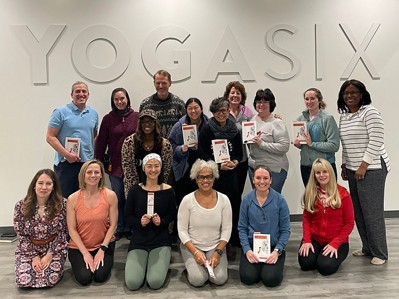
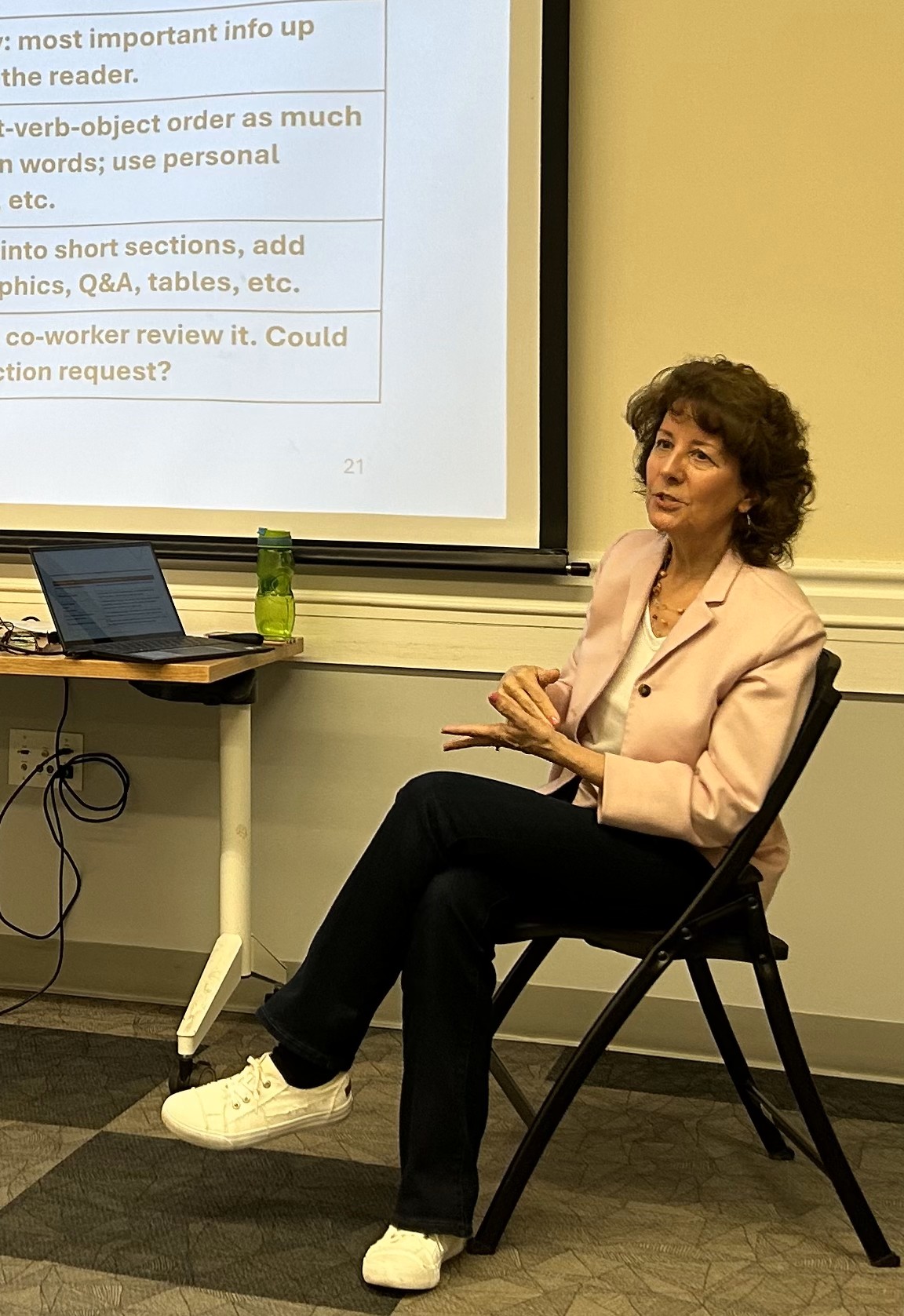
Other services I provide include customized writing workshops designed to enhance business writing skills or increase creativity. For any team that cries, “This meeting could have been an email,” I agree, and I’m happy to teach them how to do that. Interest in these workshops has ramped up. I recently delivered The Art of Simplicity Writing Workshop, while a new journal writing workshop for a yoga studio client is in development.
Some of the projects I’m most proud of include my book publication and my research and writing contribution to the FAA’s Radar Modernization Proposal. My long-term effort to explain this topic in plain language has helped influence some of today’s decision-making about new investments in technology updates.
Is there any advice you’d like to share with our readers who might just be starting out?
For anyone considering a freelance writing life, I highly recommend the technical writing path. I share a lot of tips and tricks at speaking events, but here are a few key points to remember:
• Technical writing is a growing, lucrative field, and the demand for technical writers is expected to grow over the next 10 years, according to the Bureau of Labor Statistics. That means highly qualified workers can require flexibilities like remote or asynchronous work (with no set schedule).
• The demand is so strong that some employers will allow general writers to learn on the job. The median annual wage for technical writers was $91,670 in May 2024 (BLS). Check out the BLS website to learn more about pay rates specific to your state and area.
• You can transition from a general writer job by learning a technical topic, or you can transition from a subject matter expert position (someone who already knows a technical topic) by learning the writing/editing skills.
• You can follow your passion and interest and enjoy technical writing topics that appeal to you.
A bachelor’s degree is usually a requirement for employment, but another helpful qualification is to become certified. It’s also important to know a certification = higher pay. The most valuable online training I’ve ever completed was the Ed2Go certified technical writer program. I highly recommend it.
On the general writing and creativity side, these are the things I wish I knew when I started out:
• Let go of the outcome, just do it. I can’t sing or read music, but I took a songwriting class during COVID. I wrote a love song and searched for someone to help me with the melody and performance. During that long wait, a lot of friends and family rolled their eyes at my effort. I didn’t care. I finally found a singer-musician who helped me set it to a beautiful, bluesy tune. The song will be released by the end of June 2025, and I am thrilled with the result.
• Define success for yourself first. Bestseller does not necessarily mean best written. These book reviews are more rewarding to me than a bestseller label: “a wonderful read no matter where you are in your career, “ and “an interactive and engaging how-to.”
• Try journaling. It’s a great comfort, both personally and professionally, and a great way to establish a writing routine or boost creativity. I discuss helpful journaling techniques extensively in my book and workshops.
o For example, I recently scanned all entries from the last six months and noted what I wanted and how many times I mentioned it. I circled the recurring items. It reinforced my evolving feelings and goals. This continual writing, reflecting, and reviewing process has helped me identify perceived obstacles and creative solutions.
o I host writing workshops on journaling to encourage self-exploration and creative thinking, and I reference these journal writers in my sessions: @juliacameronlive, @cherylstrayed, and @successful_writer (Alice Walker). Study them to get inspired about journaling.
• Join a writing group virtually or in person. I’ve joined several online groups that are a treasure trove of guidance about the writing profession, such as the Maryland Writers Association, Penn Writers, and the Northern Virginia Writers Club. In-person groups include those sponsored by my local library and a writing-in-nature conservancy organization. Group members have been valuable beta readers, reviewers, and advisors.
• Read The Business of Being a Writer by Jane Friedman. It will save you a lot of time, money, and headaches.
Pricing:
- • Writing and editing projects of five pages or less start at $200.00 and go up depending on the requirements (such as number of reviewers, deadline, etc). Documents longer than five pages require longer or additional sessions.
- • Detailed services are listed on my website and include interviewing subject matter experts, researching data, drafting content, proofreading, and managing revisions.
- • Easy payment methods include: Venmo, PayPal, Square, or invoice.
Contact Info:
- Website: https://kategoggin.net/
- Instagram: https://www.instagram.com/goggin.kate
- Facebook: https://www.facebook.com/kate.goggin.58/
- LinkedIn: https://www.linkedin.com/in/kategoggin
- Other: https://www.threads.com/@goggin.kate?xmt=AQF0K1gV-35POD_00MMDS-O_qGL6S-XwaHIzHFv_8Jb3sNY