Today we’d like to introduce you to Julian Coy.
Julian, we appreciate you taking the time to share your story with us today. Where does your story begin?
Both of my parents were NASA subcontractors, and they met while working at Computer Sciences Corporation, CSC, in Silver Spring, Maryland. In that sense, I was born into the world of government technology, aerospace contracting, and the institutional machinery that defined the late twentieth-century American technical class.
I was born in 1993, among the first real batch of digital natives. I was introduced to the internet at a young age, and it became one of the main lenses through which I came to understand the world. Wikipedia, YouTube, forums, independent websites, and now AI systems all described a world much wider, stranger, more complex, and more internally contradictory than the one reflected in school, government, employment, and public institutions.
My lifetime has been characterized by a steady loss of institutional faith.
That divergence shaped me early. The internet suggested that knowledge was abundant, that history was contested, that technology was transforming everything, and that the world was full of possibilities. But the education system I encountered did not seem to reflect that. Middle and high school were agonizing for me. I spent much of that time counting down the minutes until school let out. I eventually graduated high school a year early, not because I had been especially well-served by the system, but because I wanted to get out and do literally anything else.
At that age, I had a lot of youthful energy and wanted to act in the world: to work, to travel, to support myself, to be useful. I applied for and was accepted into Assist a Missionary Church in Oyumino, Japan. I also had the opportunity to work on housing reconstruction in Ishinomaki about a year after the major tsunami. That time in Japan was deeply impactful. It shaped my understanding of the East, of global catastrophe, of service, and of the beginnings of the end of my Christian faith.
In my youth, everything about education seemed to point toward college. College was treated almost as a religious endpoint. I remember being chastised in elementary school for not writing cursive clearly because, at the time, I was told cursive mattered for college entrance letters. The conversation around college had become so toxic that I did not want to go at all.
Ultimately, in high school, I took a course in electrical design and was told there might be jobs in it. So I conceded to my parents and went to UMBC to study engineering, where I received a large scholarship.
Once there, I did come to like the college campus and the subject matter. I studied computer engineering, one of the most demanding technical disciplines, sitting somewhere between electrical engineering, computer science, embedded systems, and hardware. It has higher credit requirements than many adjacent fields, and many students do not finish it in four years. Somehow, I did. I graduated from UMBC with a B.S. in Computer Engineering, cum laude, with a 3.67 GPA.
Then I discovered that even harder than college was finding a damn job afterward.
I found that my degree was not especially respected in the market, except in the NSA and Department of Defense orbit, where the work was gated behind security clearances and a culture I found spiritually and politically suffocating. This was especially bitter because I had done the hard thing I was told to do. I had gone to college. I had studied one of the hardest technical fields. I had performed well. And still the labor market did not seem to know what to do with me.
Around my early college years, I also began developing neurological problems. These issues haunt me to this day and keep me fairly sedentary. I now believe the condition may involve high pressure of the cervical spinal fluid, which would explain how the symptoms spread from my head all the way down through my spine and tailbone. Whatever the precise mechanism, the effect has been life-altering. It has shaped my posture, my energy, my work patterns, and my relationship to the world.
In college, I also met a sweet girl whom I dated for a long time, on and off. We were compatible in some ways, but her brand of Christianity reminded me of the same depraved world I was otherwise trying to escape. In 2020, I broke up with her and Christianity on the same day.
By then, I had worked a couple of technical jobs. I moved to Baltimore, where I lived for four years. One of those jobs was at Equinox, a small Department of Defense contractor in downtown Baltimore. I did not want to work in defense, but it was literally the only job available to me at the time. I hated myself while doing it. I looked around and saw that many of the people who had been there longer seemed unhappy too. It reminded me of the scene in *Saturday Night Fever* where John Travolta looks around at the men in the paint store and realizes, “I don’t want to be like that.”
Outside of work, I kept developing projects. In fact, persistent unemployment taught me many skills. As Confucius said, there is value in difficulty. In the early days, I became interested in hardware development, even though it was not exactly what I had learned in school. In theory, it was what a computer engineer was supposed to know. I designed accessible PCBs and had them produced through PCBWay, with mixed success.
Over time, my familiarity with things that can be designed on a computer became increasingly diverse: circuit boards, websites, embedded systems, machine learning tools, GPU programs, video systems, synthesizers, game engines, and now AI-assisted software systems. I became a Python programmer, then expanded into JavaScript, TypeScript, React, cloud infrastructure, WebGPU, Vulkan, Rust, WebAssembly, and other tools. My body rendered me largely sedentary, so I spent my time learning.
In 2022, I attended DevOpsDays Baltimore. Until then, I had mostly thought of myself as a Python programmer. At that event, it became obvious that I was missing a great deal by not learning JavaScript and modern web development. Around the same time, I began learning GPU programming with Vulkan. That path eventually led me into browser graphics, WebGPU, machine learning acceleration, and a much broader view of computing as a medium.
In 2020, I took a position at Reality AI, now part of Renesas. There were things I liked about the company, but overall, the technology production felt low and the team did not seem set up for success. I did not yet understand that many tech companies are essentially sales companies. The purpose of Reality AI, in retrospect, was to get sold to Renesas. I managed to get a friend a job there, and he remains there to this day. But in 2021, as my back problems became significant and the company’s trajectory became clearer to me, I decided to quit. Soon after, I moved back in with my parents.
That was when I became more interested in tech meetups. I wondered whether there was somewhere I could go to find other people looking for work, or even better, people who might be hiring. At the time, Fearless Baltimore was sponsoring the local Code & Coffee, which was the second Code & Coffee after Arlington. I became involved in organizing that group.
After about a year, I became frustrated. It did not seem to be effective networking, and it was not materially improving my professional standing. I wanted the group to become more productive and institutionally meaningful. So I wrote a constitution and bylaws in an attempt to improve its structure. I was subsequently chased out.
By then, I had fully fallen out with Christianity, which increasingly seemed to me to be part of the problem. I began developing a new religious text to represent a form of religion that I believed was more accurate and less deleterious. That became the *Book of Doctrine*, available at:
https://deism.church/
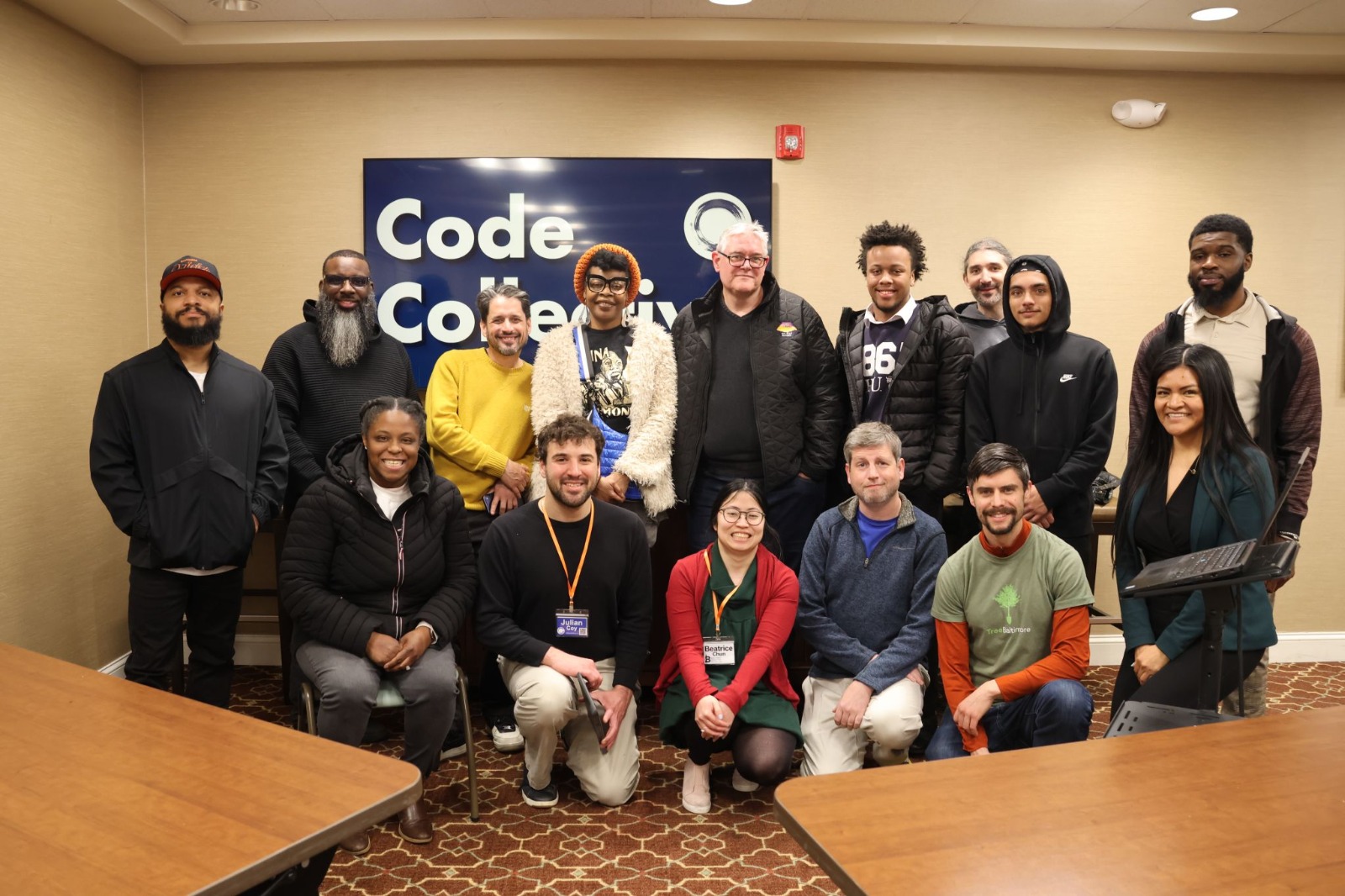
After that, I founded Code Collective, which exists to make substantive economic change in the deteriorating world I find myself in. It grew out of Code & Coffee, but its purpose is more ambitious. It is not merely a meetup. It is an attempt to build civic and economic infrastructure for technologists, organizers, workers, founders, and people who have been structurally underused by the existing economy.
The offerings of Code Collective have become fairly diverse. There is a calendar of Baltimore-area in-person events, sometimes covering dozens of events in a single day. There is a political and economic platform designed to address the economic deprivation surrounding us. There are public-facing profiles and contact pages for users, designed so people can control what contact information they make available. As we speak, I am vibe coding a new chat platform, along with a public-facing user page system that can hold enabled contact information at will.
Recently, I also designed a row home. Baltimore has both a major housing problem and a lot of underused space. By designing a row home, I hope to unblock developers, funders, and moneyed interests from building housing — and perhaps, in the process, building one and giving it to me.
That project is available here:
https://codecollective.us/r8-rowhome/
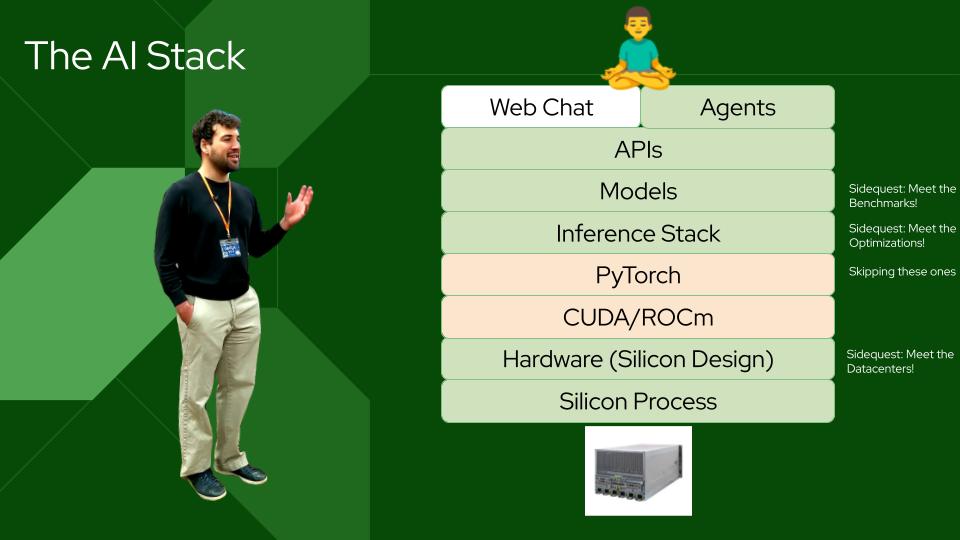
Code Collective also runs regular, or at least somewhat regular, events. Two of the major ones this year were the AI talk I gave in March and the broader Tech Tuesday / Tech Unity organizing work. The AI talk has a video here:
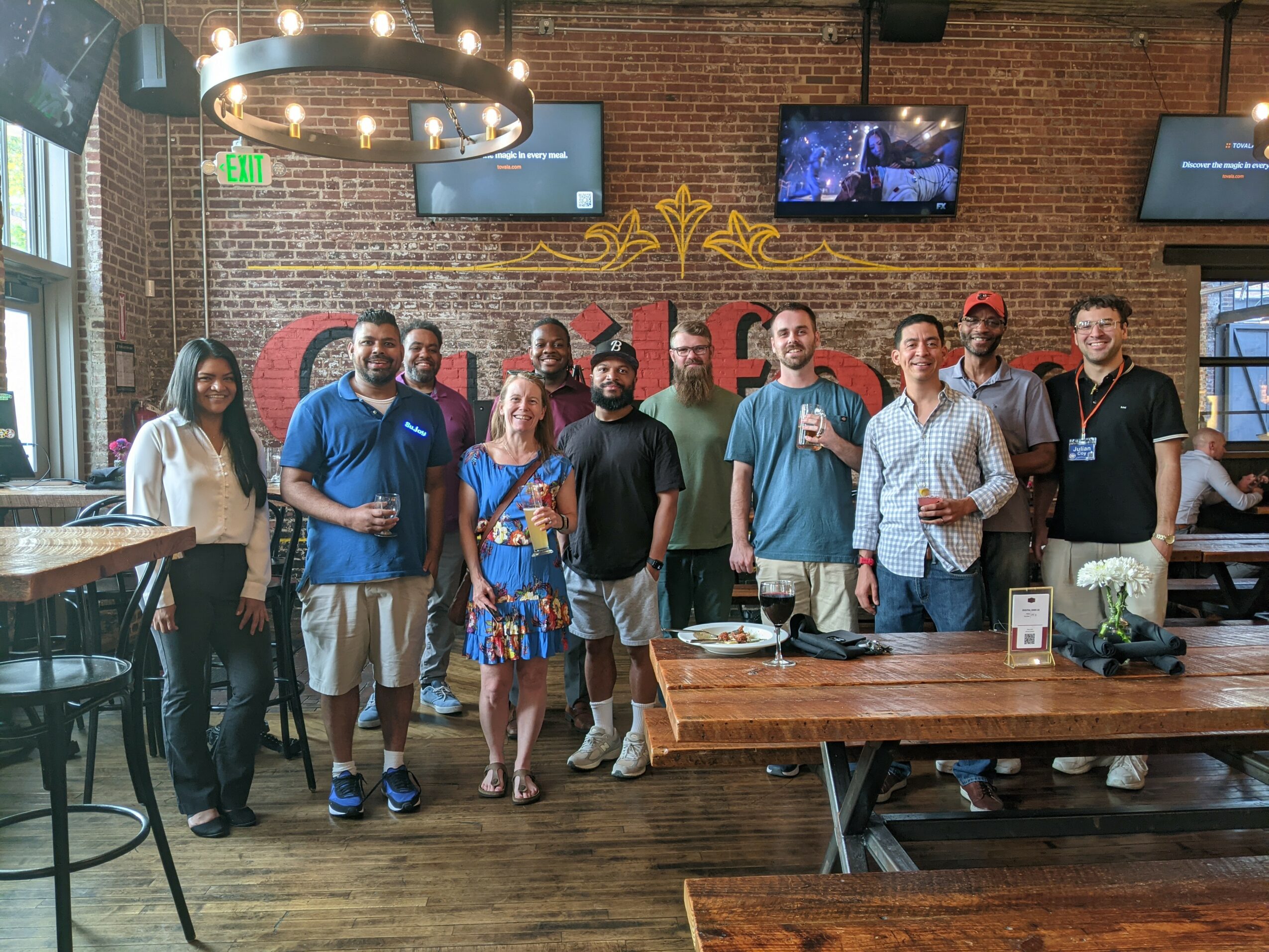
There are many other videos on the Code Collective YouTube channel, and more are coming. I have also been involved in Baltimore’s broader tech and climate ecosystem, including Tech Tuesday, climate tech organizing, Digital Harbor Foundation, Baltimore Code & Coffee, and efforts to connect meetup organizers, founders, technologists, and civic actors into something more coherent.
These days I am vibe coding a number of projects in parallel: a video editor, a game engine, a musical synthesizer, a chat platform, civic web infrastructure, and various other web projects. Many of these are made possible through AI agents, especially the OpenAI Codex agent, which has dramatically increased my output. I have always been project-driven, but AI tools have made it possible to operate at a scale that would have been impossible for me alone.
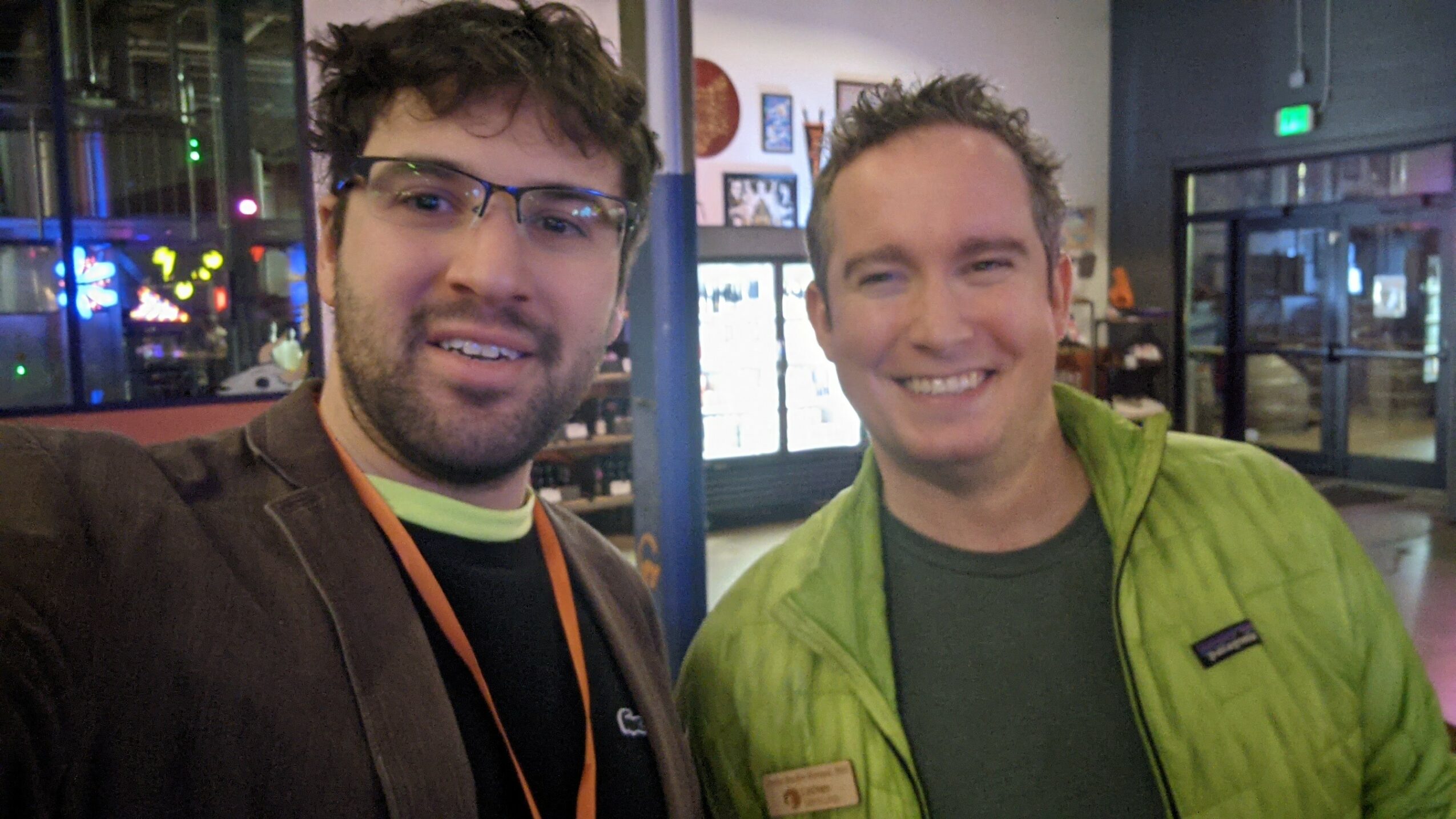
I first met Alan Stallings at a climate tech event after he found out about my group through Tech Unity 1. He told me about Hive and showed it to me. I have not been able to use it because I do not have an iPhone, but the product looked sleek. Alan is the one who recommended me for this interview.
I have also recently started a position as a regulatory and compliance engineer at the Maryland Department of the Environment. That role connects some of the same themes that have shaped my work for years: engineering, public systems, environmental responsibility, institutional dysfunction, and the practical need to make government work better.
These days, I am continuing an aggressive campaign of economic development. My primary economic thesis is one of surplus labor: there is simply not as much socially necessary work to do as our current population is expected to perform. Our institutions still organize life around jobs, but I do not believe jobs are the true measure of social health.
Our chief measures should be closer to Maslow’s hierarchy of needs. If a city has many homeless people, that city is not doing well. If people are hungry, the city is not doing well. If people cannot access housing, care, stability, dignity, or meaningful participation, the system is failing.
I checked the hierarchy of needs. I did not see jobs on there.
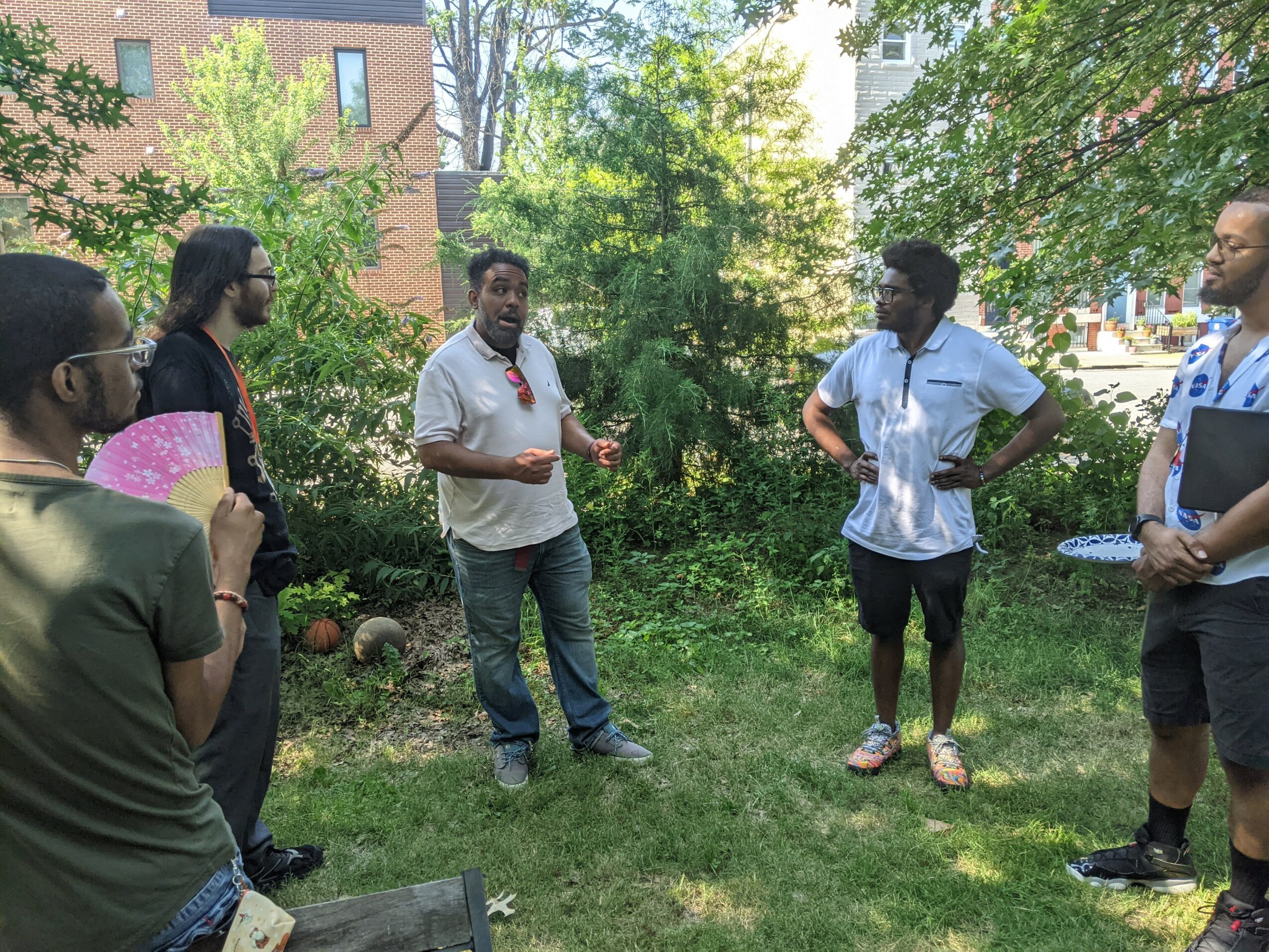
For Tech Unity 2, I have invited a number of local meetup organizers to come together. My hope is that we can begin producing the new economy together
https://techunity.cc/
My life has been shaped by the contradiction between what the internet revealed was possible and what institutions actually provided. I was born near the world of NASA subcontractors and government technology. I came of age as a digital native. I passed through school, engineering, Christianity, defense contracting, unemployment, illness, Baltimore, meetups, AI, civic organizing, and now environmental regulation. What emerged from all of that is a commitment to building the institutions I could not find.
Code Collective is one expression of that. The *Book of Doctrine* is another. The row home, the chat platform, the event calendar, the video tools, the synthesizer, the organizing work, my environmental compliance work, and Tech Unity are all part of the same deeper project.
We also do the “Version Control Basic Proficiency” certification designed to get people familiar with the basics of GitHub use as it relates to open source development.
I am trying to build a world that makes more sense than the one I inherited.
Would you say it’s been a smooth road, and if not what are some of the biggest challenges you’ve faced along the way?
No.
Notable struggles:
1. Health disorders
2. Economic decay
3. “Jobs”
As you know, we’re big fans of you and your work. For our readers who might not be as familiar what can you tell them about what you do?
pretty much all my work is on my GitHub in some form or another.
https://github.com/juliancoy/
I’ve done some 3D modeling that I’m pretty proud of in OpenSCAD and in Python directly,
But probably my most popular, most accessible work is my calendar of Baltimore Events.
https://codecollective.us/calendar?city=baltimore&lm=community_sectors<=technology.education.entrepreneurship.economics.finance.health.politics.culture.faith.environment.makerspace.other&lx=1&lh=0&lc=1&li=0&la=open_page
I’m also a DJ. I own a professional set of loudspeakers, valuable for 30 to 300 people. I’ve done block parties and comedy shows. pricing information to follow
We love surprises, fun facts and unexpected stories. Is there something you can share that might surprise us?
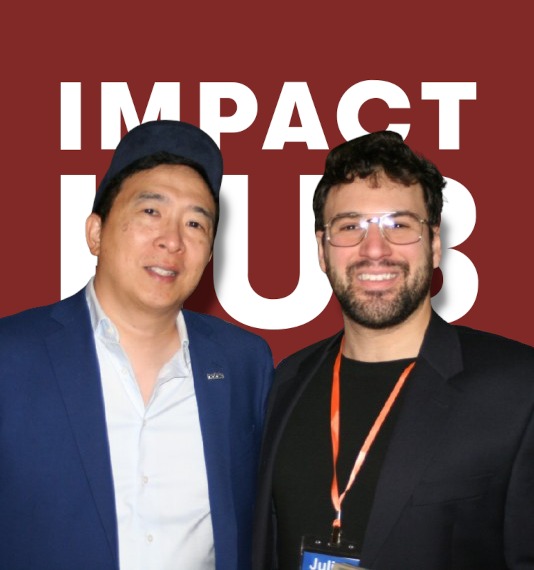
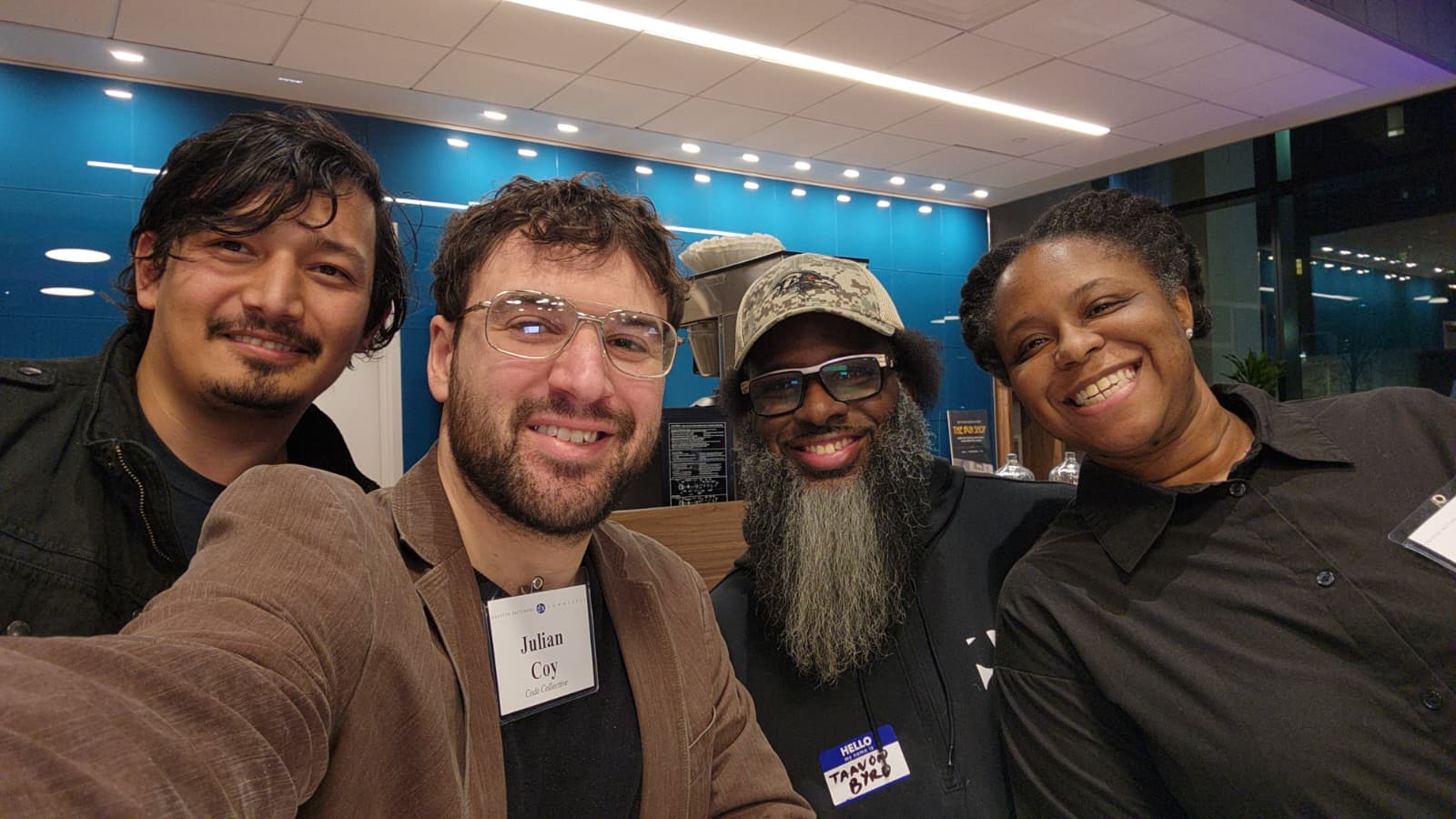
They probably don’t know just how connected I am. like they’ll mention an obscure corner of the economy and I’ll say “oh yeah I know those guys”
Pricing:
- DJing (with sound setup)- $50/hr
- Technical consultation – $100/hr
- Version Control Basic Proficiency – Free
Contact Info:
- Website: https://juliancoy.us
- Instagram: https://www.instagram.com/julianfl0w/
- LinkedIn: https://www.linkedin.com/in/julian-coy-a2906415/
- Youtube: https://www.youtube.com/@CodeCollectiveUS