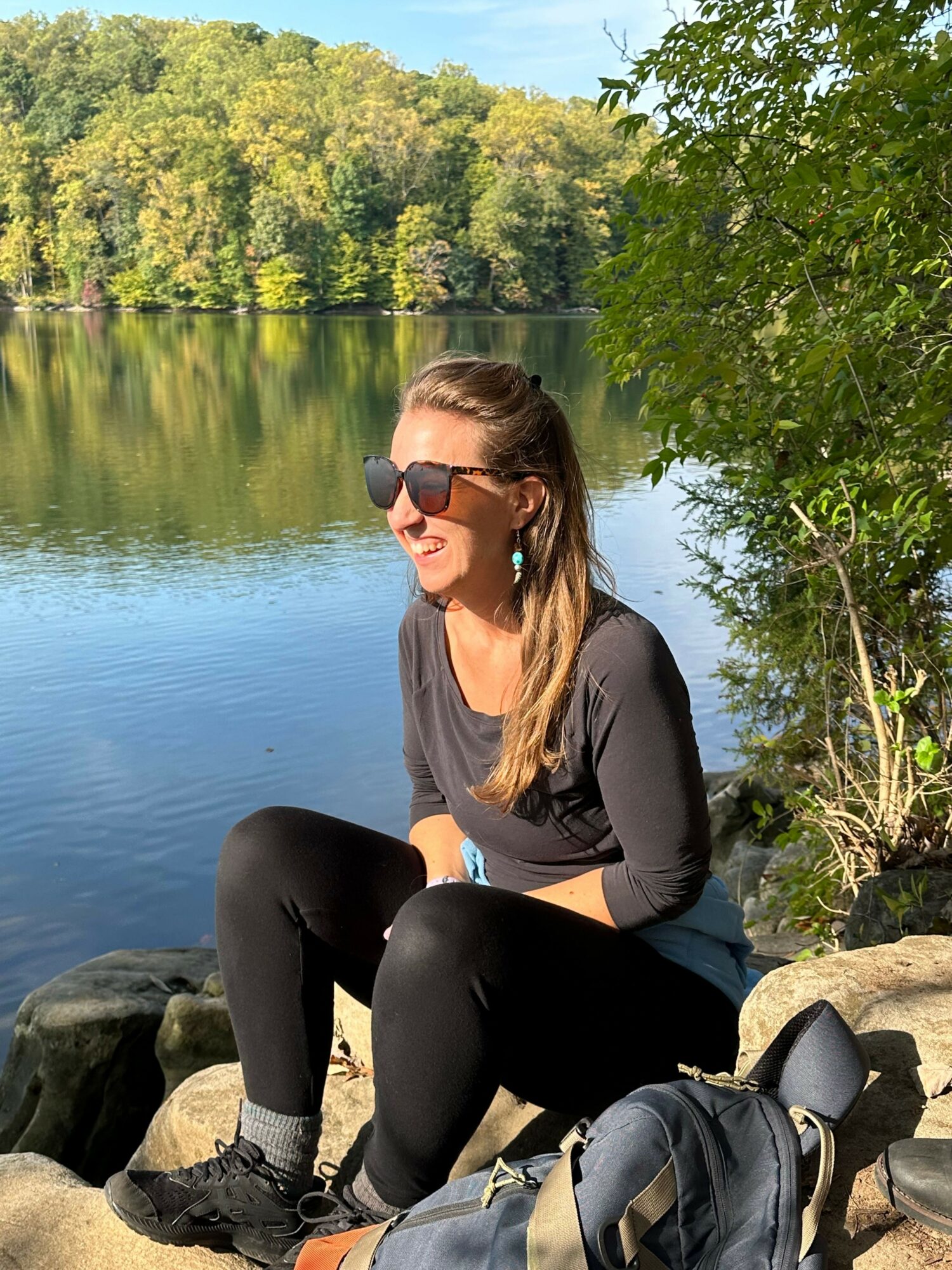
Nathalie Savell shared their story and experiences with us recently and you can find our conversation below.
Hi Nathalie, thank you so much for joining us today. We’re thrilled to learn more about your journey, values and what you are currently working on. Let’s start with an ice breaker: What is a normal day like for you right now?
I wake up around 6:50am, I journal, listen to personal growth audio while I do calesthenics and stretching. Then I get things ready for the day – pack the kids lunches, make sure they have breakfast, make my own breakfast, and get myself ready for the day depending on what I have going on. My clients often start around 9:30. I spread them out during the time my kids are in school – between 9:30 and 4. I see them on my computer in my basement. I leave a break for lunch, at least 30 minutes. Generally I have at least one other hour long break, during which time I’ll drive to a trail about 8 minutes away and go for a 45 minute hike. If I don’t have time for that, I’ll walk around the neighborhood and chat with friends. Once I get my kids back, it’s time with them, or household maintenance (cleaning, dishes) or trips to the playground, or plans with friends. We start winding down the night around 7:30/8pm. I get my six year old ready for bed, do books and a lullaby, and she’s usually out by 9/9:30 or so. At that point I take care of cleaning up the kitchen, connecting with my 11 year old, and get things ready for the night. Sometimes I have time to read, or connect with a friend on the phone, or do something creative before I hit the sack. One day a week instead of seeing clients on the computer, I drive to a local park and do walking sessions or we sit at a picnic table.
Can you briefly introduce yourself and share what makes you or your brand unique?
I’m the owner and sole therapist at Upward Spiral Wellness. I see adult clients, and work best with high functioning parents, people in professional leadership positions, stepparents, and other therapists. I help people navigate anxiety and complex relationship challenges. In addition, I am certified as a Nature Informed Therapist, so I see clients outside one day a week, and on Friday mornings I lead a therapeutic group hike for women for 2 hours. I am very holistic-minded and believe that all parts of an individual need to be addressed in order for someone to be well – mind, body, spirit, environment, community. I believe mental health issues are not just an individual issue but a result of systemic issues. I think we all find healing, experiences of love and safety, connection, and steadiness in different ways, and truly follow my client’s lead to see what is true for them and how we can draw on their resources to support their process. I see myself as a tool that people who come to me can use for their benefit, to access information or insights they might not have otherwise been able to access, but that ultimately, it’s up to them to do the work. So much of my approach and the work I do has to do with the 10 years of professional knowledge and training I’ve gained but even more importantly is the impact of my own personal growth experience that I have gained through taking on every challenge or mishap in my life as an opportunity to learn more about myself, and how humans work, build resilience, and heal. This is part of the reason why I love working with other therapists because I believe it’s so imperative to our professional lives, and also because they seem to be the best intellectualizers and I love the challenge. I love running the therapeutic nature group so much and my ideal work life would include facilitating this experience as many days a week as possible!
Great, so let’s dive into your journey a bit more. Who saw you clearly before you could see yourself?
I think my older sister saw me clearly before I could see myself. She’s very perceptive, intuitive, and naturally wise. During a very challenging time in my teenage years, I was doing a lot of self-destructive behavior and acting very unkind towards my family and the people who loved me most. Every summer of my childhood, we spent a week in Maine at our family house by the water. I’ll never forget one summer week during that tumultuous teenage time for me, I was spending time with my sisters, which at that period of my life was rare. My sister said, “this is who you are, I don’t know what’s going on but who you are at home isn’t you. I wish we had more of this version of you.” That stuck with me, and I believe definitely played a role in my eventual recovery from self-destruction, and the search for truth and authenticity that ended up shaping a lot of my life and continues to do so.
What did suffering teach you that success never could?
Suffering has taught me what humans are capable of. Suffering has taught me the lengths at which our minds will go to defend ourselves against hard truths that are painful to face. My own suffering has taught me more about how healing happens than any successes ever could. Suffering teaches me that success doesn’t matter unless you are at peace with yourself. Suffering has taught me what humans are capable of holding, that we’re not in control, and how to manage that. It teaches me how to work with others in the midst of their suffering, which is super important for my job, and success could never do that.
So a lot of these questions go deep, but if you are open to it, we’ve got a few more questions that we’d love to get your take on. Where are smart people getting it totally wrong today?
There’s a lot of very smart people who forget to prioritize their mental health, who are disconnected from their bodies, who forget to feel their feelings. Some super smart people can intellectualize and compartmentalize their experiences in ways that leave them disembodied, ill at ease, struggling with anxiety and unable to relate to the people around them in ways that keep them connected. I’ve seen people who are super smart be unable to be vulnerable, be unable to hear the people around them. We are starved for meaningful connection, and part of the reason why is because if you’re not getting in touch with your feelings, you can’t share yourself truly, and those meaningful connections do not happen.
Okay, so let’s keep going with one more question that means a lot to us: What pain do you resist facing directly?
I have a really hard time with grief. When I lose someone or a relationship, or a part of myself, I tend to have a lot of resistance to feeling the pain of grief. I think because I myself can tend towards using logic, or reason, or intellectualization in order to place my experience in a certain way, to kind of shift my mindset about it as a coping strategy. With grief there is no way out. You can’t mindset your way out of it, there’s no logical strategy to use to cope with it. The only thing to do with grief is feel it. Probably the reason I understand intellectualizers so well is because of my own personal experience with being one! Intellectualizers don’t like grief.
Contact Info:
- Website: https://www.upwardspiralwellness.com
- Instagram: @upward.spiral.wellness
- Facebook: https://www.facebook.com/nathalie.savell/
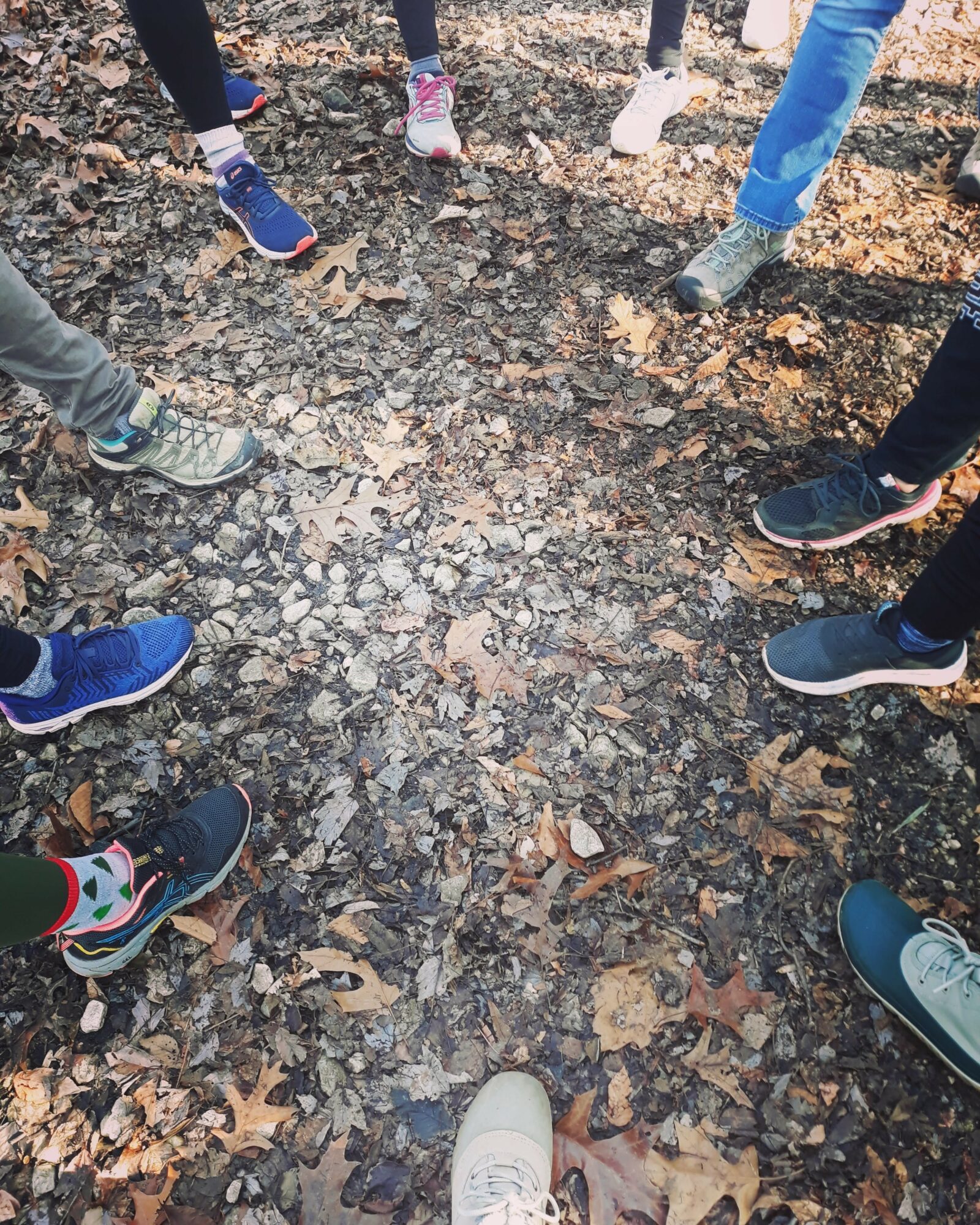
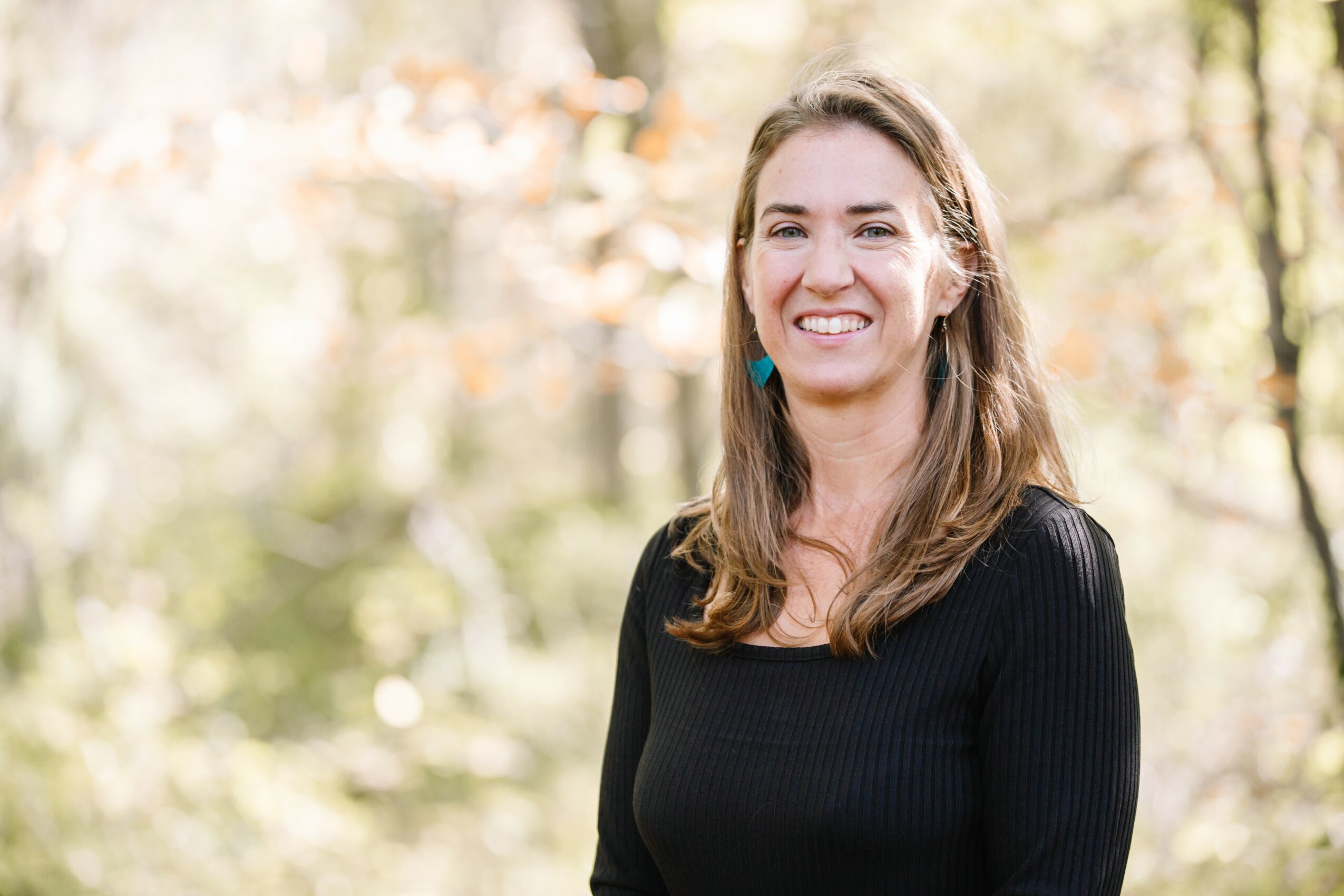
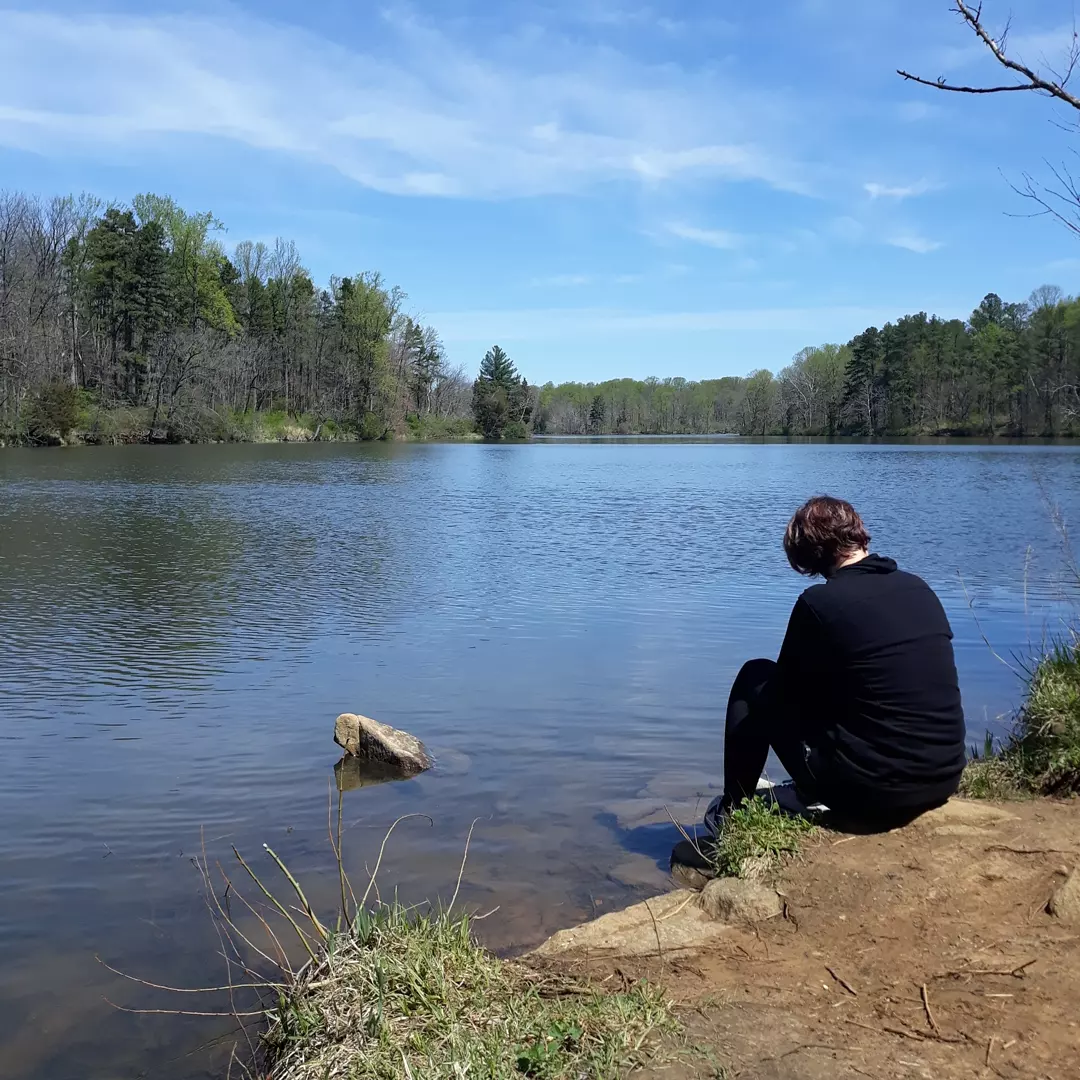
Image Credits
Jessica DeLeon