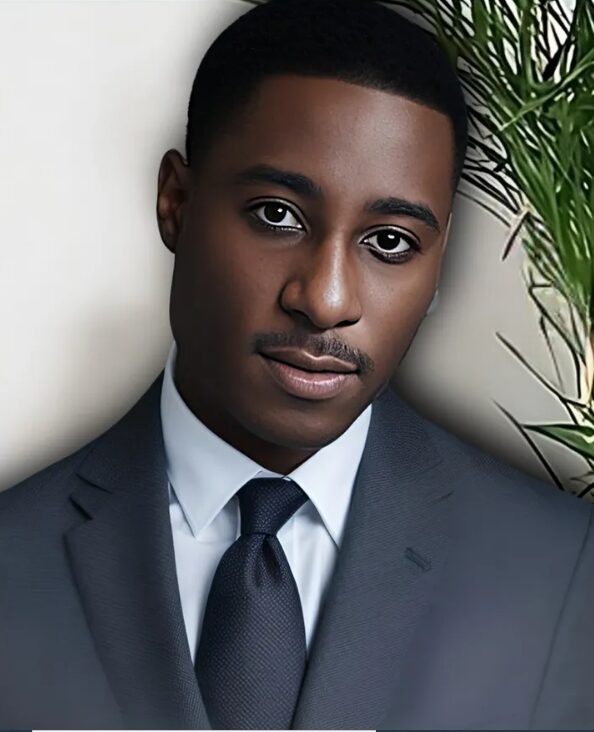
Keith Montgomery shared their story and experiences with us recently and you can find our conversation below.
Keith, it’s always a pleasure to learn from you and your journey. Let’s start with a bit of a warmup: What is a normal day like for you right now?
My days begin at 5am, not because I have to, but because I’ve learned that starting with intention sets the tone for everything that follows. Those early morning hours are sacred to me – I spend time reading the Word, letting Scripture breathe life into my spirit before the world demands my attention. There’s something powerful about meeting God in the quiet, seeking His wisdom for the day ahead. Prayer follows naturally, where I surrender my plans, my projects, and my heart to His greater purpose.
After breakfast, I take time to prepare myself – mind, body, and spirit – because I believe how we show up matters. By 8am, I’m stepping into community through a Zoom call with Her First 6 Figures in Business Mastermind, led by Sha’ Cannon. Those 45 minutes aren’t just about business strategy; they’re about growth, accountability, and learning from others who are also committed to excellence in their calling. There’s wisdom in surrounding yourself with people who challenge you to think bigger and serve better.
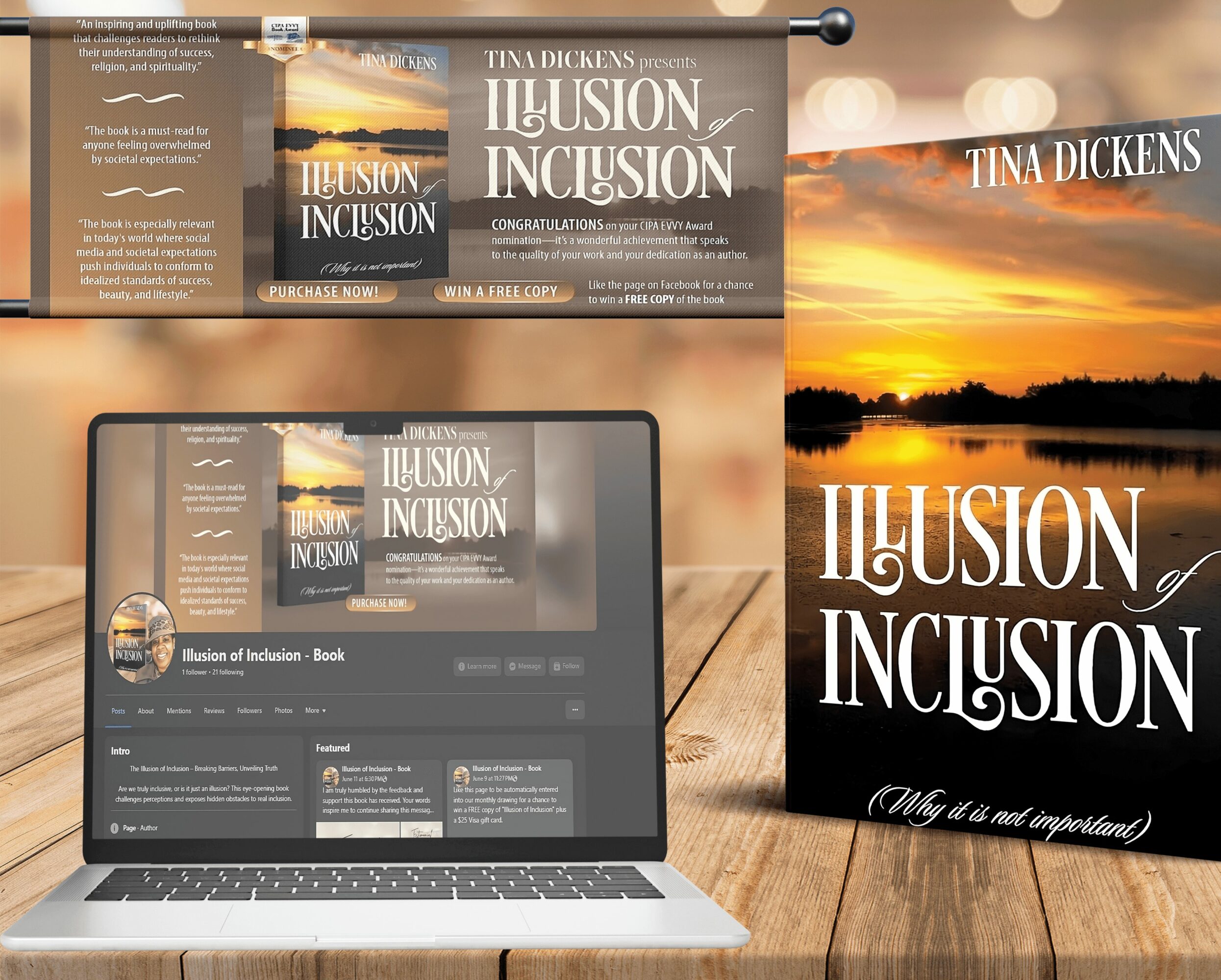
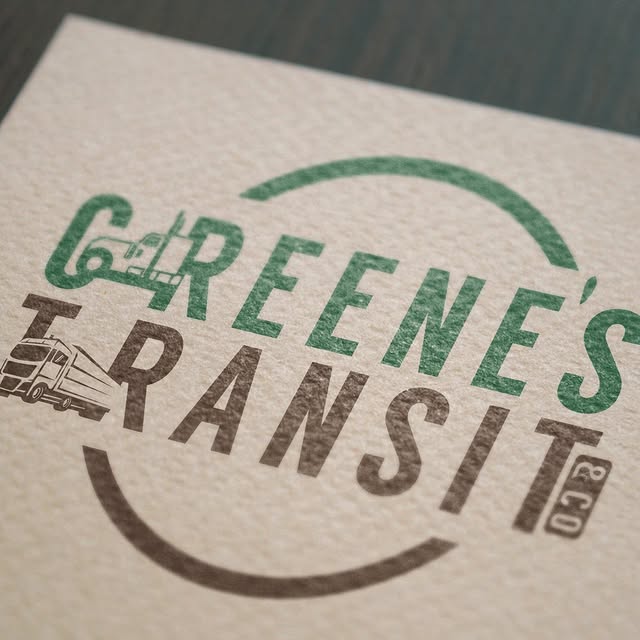
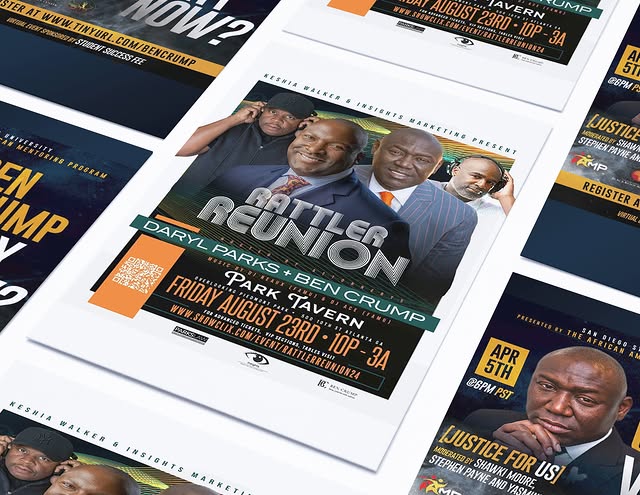
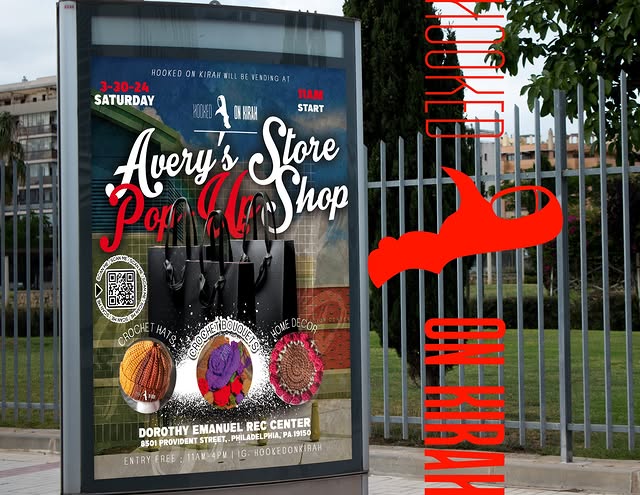
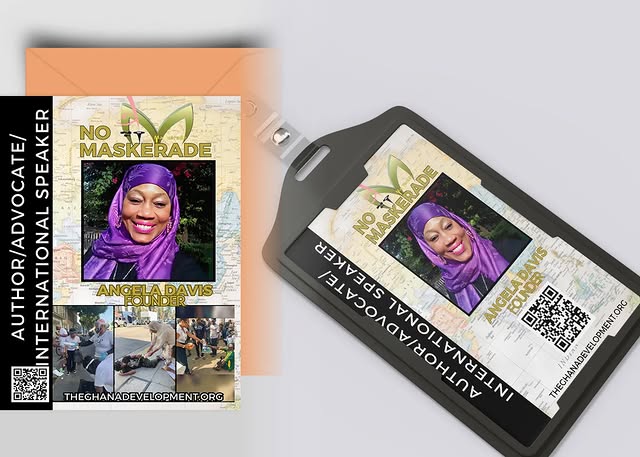
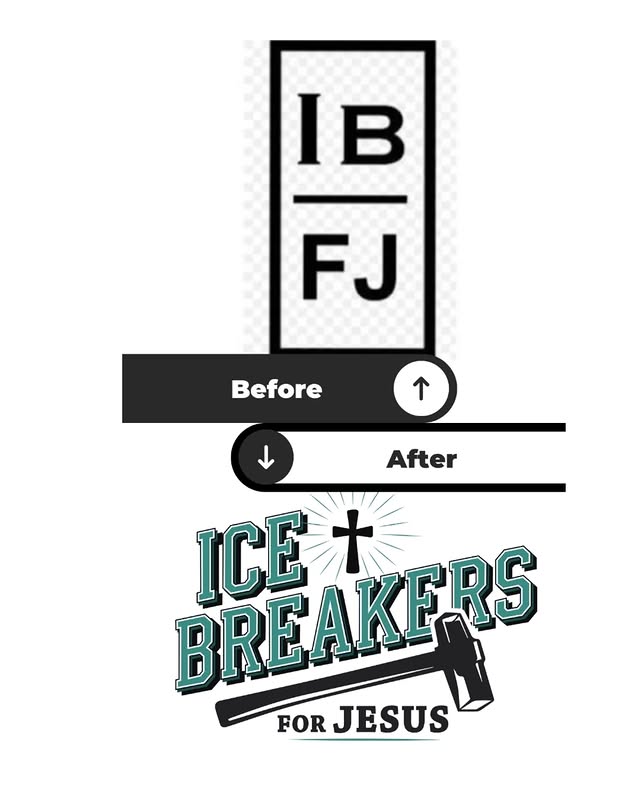
At 11am, I transition into the heart of my work – logging into the business, diving into creative projects, responding to emails. But here’s what I want you to understand: this isn’t just about making designs or meeting deadlines. Every project is an opportunity to serve, to solve problems, to bring beauty and clarity into someone else’s vision. Whether I’m crafting a logo for a Pastor or designing materials for a nonprofit, I see each assignment as a chance to steward the creative gifts God has placed in my hands.
The rhythm may sound structured, but it’s actually quite freeing. When your foundation is solid – rooted in faith, fueled by continuous learning, and focused on serving- the work becomes more than just work. It becomes ministry. It becomes impact. It becomes a way to love your neighbor through excellence.
Some days are harder than others, of course. Creative blocks happen, difficult clients challenge patience, and the business side can feel overwhelming. But I’ve learned that when you start your day connected to something greater than yourself, you find strength you didn’t know you had and perspective that keeps you grounded.
This is more than just my routine – it’s my commitment to showing up fully, serving wholeheartedly, and using every gift I’ve been given to make a difference in the lives of others. That’s what a normal day looks like when you’re living on purpose.
Can you briefly introduce yourself and share what makes you or your brand unique?
My name is Keith, and I’m the Founder and Lead Designer of DesignsbyKeith – but more than that, I’m a believer who discovered that creativity and calling could walk hand in hand. My journey began in the most unexpected place: the MySpace era, when I was just a young man fascinated by the power of visual storytelling.
I never had formal training. Every skill, every technique, every breakthrough came through dedication, countless hours with books, Youtube University, Photoshop, and a relentless belief that God could use even the most unconventional paths for His glory. Over the years, I’ve had the privilege of serving over 500 clients worldwide, but it’s the faith-driven leaders and entrepreneurial pastors with nonprofits who truly capture my heart.
At DesignsbyKeith, I’m your dedicated partner in building Kingdom-driven brands with lasting impact. Through strategic brand development and innovative design, I provide the tools and guidance you need to turn vision into reality. My approach isn’t just about making things look good – it’s about understanding that every design decision is an opportunity to communicate the heart of your ministry.
My goal is beautifully simple: use the creative gifts God has placed in my hands to elevate the dreams He’s placed in your heart. Together, we’ll craft compelling brand identities that amplify your mission, strengthen your community, and expand your reach in ways that honor both your calling and the people you’re called to serve.
Great, so let’s dive into your journey a bit more. What breaks the bonds between people—and what restores them?
This question reaches into the deepest parts of the human experience, and I’m grateful you asked it. Having walked through my own seasons of broken relationships and witnessed the beautiful restoration that’s possible, I can tell you that understanding this dynamic has shaped not just how I relate to others, but how I approach my work and ministry.
What breaks the bonds between people often starts with something deceptively simple: the loss of trust. I’ve seen it happen countless times – when promises are broken, when words don’t align with actions, when someone feels unseen or unheard in a relationship that once felt safe. Pride becomes a devastating force, creating walls where bridges once stood. We stop listening to understand and start listening to defend. We choose being right over being in relationship.
Fear plays a major role too. Fear of vulnerability, fear of rejection, fear of being truly known and found wanting. So we put up masks, we perform instead of being authentic, and slowly the connection that once felt real begins to feel hollow. Unresolved hurt festers into bitterness, and before we know it, we’re looking at someone we once loved through the lens of past pain instead of present possibility.
Sometimes it’s the simple drift of time and neglect – taking relationships for granted, assuming they’ll always be there without the investment they require. Other times it’s more dramatic: betrayal, deception, or choices that wound deeply and seem impossible to forgive.
But here’s what I’ve learned about restoration, and it’s been one of the most beautiful discoveries of my life: relationships can be rebuilt, often stronger than before, when we’re willing to do the hard work of healing.
Restoration begins with humility – the courage to own our part, to say “I was wrong” without immediately adding “but you were too.” It requires us to lower our defenses and remember the love that once existed. I’ve found that genuine apology, followed by changed behavior, has remarkable power to begin mending what seemed irreparably broken.
Forgiveness becomes the cornerstone of restoration – not because the other person deserves it, but because we deserve to be free from the prison of resentment. It’s rarely a one-time decision but rather a daily choice to release the right to punish and the need to be vindicated.
Honest communication breathes life back into relationships. When we create safe spaces for truth-telling, when we choose to be vulnerable about our fears and needs, something miraculous happens – we remember why we connected in the first place. We see the person behind the pain, the heart behind the hurt.
Time and consistency prove that change is real. Trust isn’t rebuilt overnight, but through small, faithful actions repeated over time. It’s showing up, following through, and choosing love even when it’s difficult.
What I’ve discovered through my own journey and in serving others is that God often uses broken relationships to teach us about His heart for restoration. When we extend grace we didn’t deserve, when we choose reconciliation over being right, when we love someone back to wholeness – we’re participating in something sacred.
The most powerful bonds I’ve witnessed aren’t the ones that never faced challenges, but the ones that were broken and then intentionally, carefully, lovingly rebuilt. They carry a strength that comes from being tested and choosing to stay, a depth that comes from working through pain together, and a beauty that reflects the kind of love that changes everything.
In my work with ministry leaders and purpose-driven organizations, I see this principle play out constantly. The brands and communities that last aren’t the ones that never face conflict, but the ones that learn how to navigate it with grace, accountability, and a commitment to restoration over reputation.
Ultimately, what breaks bonds is often our unwillingness to be fully human with each other – to admit fault, to extend grace, to choose love over pride. And what restores them is the courageous decision to do exactly that, trusting that love really can heal what seems beyond repair.
Do you remember a time someone truly listened to you?
I’m blessed that people always listen to me – in my work, in ministry settings, in business conversations, and in personal conversations. It’s a grace I don’t take lightly, and it’s shaped how I understand the sacred responsibility of holding space for others.
But there’s a difference between being heard and being truly listened to, isn’t there?
I remember a season when I was struggling with the weight of carrying a vision that felt bigger than my capacity to execute it. I was questioning everything: my calling, my abilities, whether I was fooling myself about the impact I was meant to make. The doubt was suffocating.
There was an older mentor in my life who had walked the path of faith-driven entrepreneurship decades before me. When I finally opened up to him, I expected advice or strategies. Instead, he did something that changed me: he listened with his whole being.
He didn’t interrupt with solutions or try to fix my feelings. He sat with me in that uncomfortable space of uncertainty and doubt, and through his presence, I felt truly seen. When he finally spoke, it wasn’t with answers but with questions that helped me discover what I already knew deep down.
What made it profound wasn’t just that he heard my struggles, but that he honored them. He didn’t minimize my fears or spiritualize away my pain. He validated that the journey of turning vision into reality is genuinely difficult, and that feeling overwhelmed doesn’t disqualify you from your calling.
That experience taught me that true listening is actually an act of love. When someone gives you their undivided attention and sits with you in your mess without trying to clean it up, they’re offering you something sacred.
Now, when I work with pastors and ministry leaders who are overwhelmed, when I sit with business owners questioning their next steps, I try to remember that moment. I try to listen not just with my ears, but with my heart.
This is why I’m so passionate about the work I do at DesignsbyKeith. Every brand identity, every design project is really about listening – understanding not just what someone wants to communicate, but who they truly are beneath the surface.
That mentor didn’t just listen to me that day – he modeled what it means to create space for someone’s full humanity. And in doing so, he gave me a gift that I now try to pass on to everyone I serve: the experience of being truly seen, heard, and valued for exactly who they are.
Alright, so if you are open to it, let’s explore some philosophical questions that touch on your values and worldview. What would your closest friends say really matters to you?
If you asked my closest friends what really matters to me, I think they’d smile and tell you it’s written all over my life – sometimes in ways I don’t even realize.
They’d tell you that God isn’t just a Sunday thing for me, but the foundation everything else is built on. They see it in how I start my mornings in prayer, how I approach decisions through the lens of faith, and how I constantly seek to align my work with His purpose. They’ve watched me wrestle with tough choices, always coming back to the question: “What would honor God in this situation?” They know that my relationship with Him isn’t perfect, but it’s authentic – and that my desire to serve Him through my gifts drives everything I do.
My closest friends would definitely say that family and friendships are sacred to me. They’ve seen me rearrange my schedule countless times to be present for the people I love. They know I believe that relationships are the true measure of a life well-lived, not accomplishments or accolades. They’ve watched me invest in people even when it wasn’t convenient, because I genuinely believe that loving others well is one of the most important things we can do. They’d tell you that loyalty runs deep in me – that I’m the kind of friend who shows up, who remembers what matters to you, and who celebrates your wins as if they were my own.
And yes, they’d probably mention that money matters to me too – but not in the way people might assume. They’d tell you that I see money as a tool for impact, not an end goal. They’ve watched me make financial decisions based on what would allow me to serve better, give more generously, and create greater stability for my family. They know I’m not careless with money, but I’m also not controlled by it. They’ve seen me turn down lucrative opportunities that didn’t align with my values, and they’ve watched me invest in relationships and causes that matter, even when it didn’t make financial sense on paper.
What they’d really emphasize is how these three things work together in my life. My faith shapes how I handle money – seeing it as a stewardship rather than something to hoard. My love for family and friends motivates me to build something sustainable that can bless others. And my relationship with God gives me the wisdom to know when to be generous and when to be prudent.
I think they’d say that what matters most to me is living with integrity – making sure my actions match my values, whether anyone’s watching or not. They’ve seen me struggle with this balance, especially as an entrepreneur where the pressure to compromise can be intense. But they’d tell you that I keep coming back to the same question: “At the end of my life, what will I be glad I prioritized?”
My friends would probably laugh and say they can tell what matters to me by how I spend my time and energy. They see me pouring into my relationship with God, investing deeply in the people I love, and approaching my work and finances as opportunities to serve something bigger than myself.
Ultimately, they’d tell you that what really matters to me is leaving a legacy of love – loving God faithfully, loving people well, and using whatever resources He’s entrusted to me to make a difference in the world. That’s what drives me every single day.
Thank you so much for all of your openness so far. Maybe we can close with a future oriented question. What is the story you hope people tell about you when you’re gone?
When I think about the story I hope people tell about me when I’m gone, my heart fills with both humility and hope. I want them to say that Keith wasn’t a troublemaker – he made Good Trouble. The kind of trouble that comes from standing up for what’s right, challenging systems that need changing, and disrupting complacency in the name of justice and love.
I hope the story includes how I loved my family and friends fiercely – that I was the kind of son, husband, father, brother, uncle, nephew and friend who showed up consistently, who celebrated victories enthusiastically, and who walked through valleys without wavering. That I understood relationships weren’t just important, they were everything.
I hope they’ll remember that I was a leader, not a follower. Not because I needed to be in front, but because I felt called to forge paths where others needed them. I want people to say that when everyone else was going one direction, Keith had the courage to go another when his convictions demanded it. That he didn’t lead for personal glory, but to create space for others to step into their own calling and purpose.
I pray they’ll call me a trendsetter – not in fashion or fads, but in faith-driven entrepreneurship, in using creativity as ministry, in showing that business and Kingdom work don’t have to be separate. I want to be remembered as someone who saw possibilities others missed, who combined unexpected elements in ways that opened new doors for people to serve and succeed. Someone who proved that you could be authentically Christian and innovatively relevant at the same time.
Most importantly, I hope they’ll say that Keith was a person who stood on what he believed, even when it was costly. That his faith wasn’t just something he talked about on Sundays, but something that shaped every decision, every relationship, every business choice. That when pressure came to compromise his values for profit or popularity, he chose integrity instead. That his convictions weren’t rigid rules, but living principles rooted in love for God and people.
I want them to tell stories about how he saw potential in people before they saw it in themselves. How he used his design gifts not just to make things look beautiful, but to help others communicate their heart and calling to the world. How he believed that everyone had something valuable to contribute, and he spent his life helping them discover and share it.
I hope they’ll remember that Keith made Good Trouble by asking hard questions: “Why do we accept things as they are when they could be better? Why do we separate our faith from our work? Why do we follow trends instead of setting them based on timeless truths?” That he disturbed the status quo not to be rebellious, but to be redemptive.
I want people to say that he was a leader who led with humility, a trendsetter who honored tradition while embracing innovation, and a troublemaker who always pointed toward hope. That he showed others it was possible to be successful without sacrificing your soul, to be creative without compromising your character, and to make money while making a difference.
But perhaps most of all, I hope they’ll say that Keith loved well. That he used every gift, every opportunity, every platform to demonstrate the love of Christ in practical, powerful ways. That whether he was designing a logo or discipling a leader, whether he was building a business or building a relationship, love was always the motivation.
I want my legacy to be a testament to what happens when someone decides to stop following the crowd and starts following their calling. When they choose to make waves instead of just riding them. When they understand that the greatest trouble you can make is the kind that changes hearts, transforms communities, and points people toward the One who makes all things new.
That’s the story I hope they tell – not of a perfect man, but of a faithful one. Not of someone who had all the answers, but of someone who wasn’t afraid to ask the right questions and live out the answers he discovered. A man who made Good Trouble in the best possible way.
Contact Info:
- Website: https://DesignsbyKeith.com
- Instagram: https://www.instagram.com/designsbykeith/
- Facebook: https://www.facebook.com/designsbykeithh
- Other: Email: info@designsbykeith.com