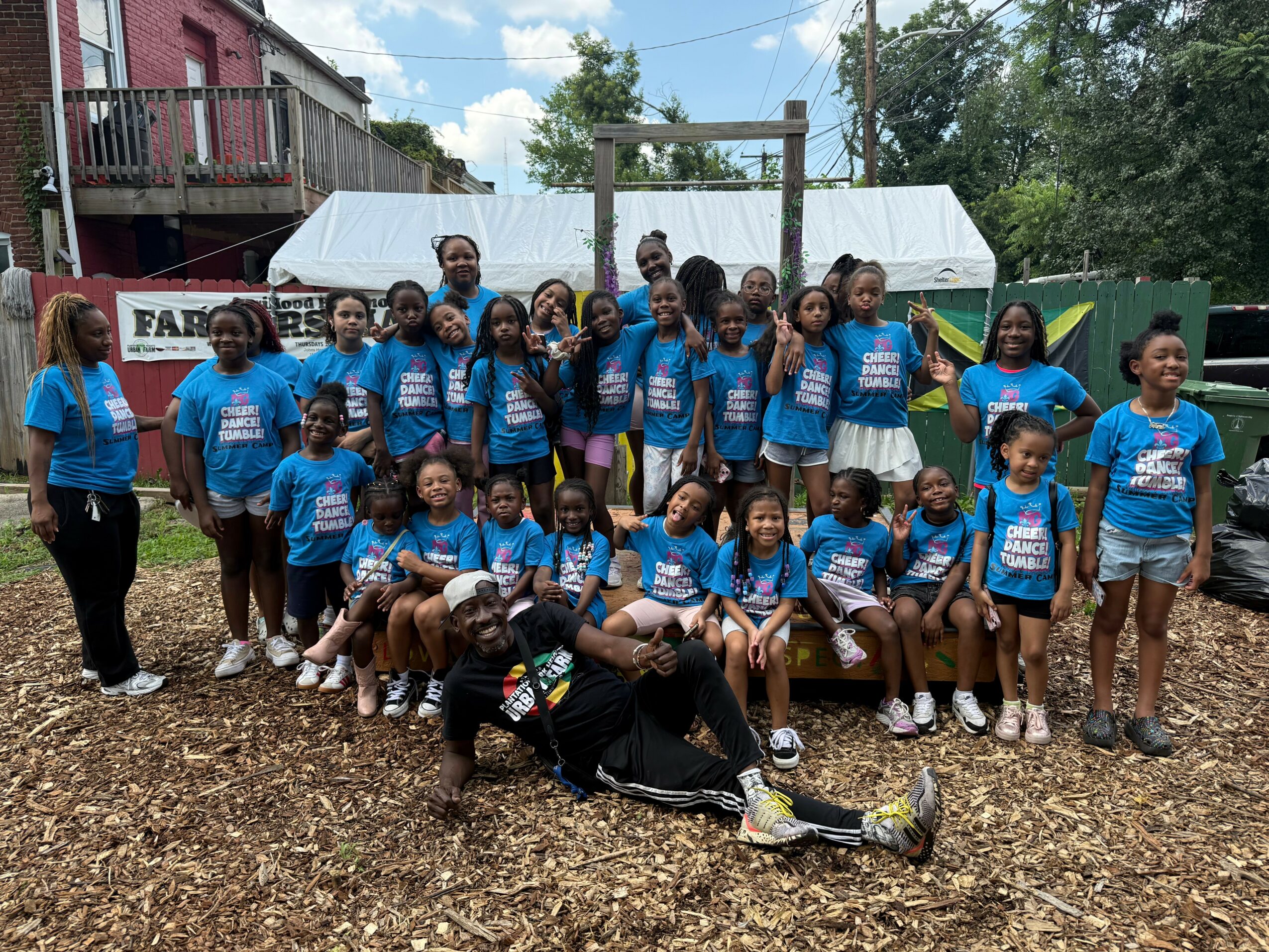
We’re looking forward to introducing you to Farmer Chippy. Check out our conversation below.
Farmer, we’re thrilled to have you with us today. Before we jump into your intro and the heart of the interview, let’s start with a bit of an ice breaker: Have you ever been glad you didn’t act fast?
Training the next generation of urban farmers is a marathon, not a sprint. Our work with young people is a slow, methodical process of mentorship and real life education. Our team understands that true change doesn’t happen overnight; it is built over years of consistent effort and guidance to build trust..
Post Covid-19, the entire ethos of our Agrihood Baltimore team is a testament to the idea that a slower, more deliberate approach leads to more meaningful and sustainable outcomes for us, our community and our environment.
Can you briefly introduce yourself and share what makes you or your brand unique?
“Richard (FarmerChippy) Francis” is an Urban Farmer with eight (8) years experience growing food on vacant lots in Baltimore. A retired GE Life Sciences – Field Service Engineer specializing in cell culture, instrumentation and controls. FarmerChippy is leading a global health initiative to bring cleaner greener foods closer to children at risk in challenged communities. FarmerChippy and his team are building #AgrihoodBaltimoreFoodHub – a thriving marketplace, community shared farming and urban agriculture training resource institute in NW Baltimore. Join us!
Thanks for sharing that. Would love to go back in time and hear about how your past might have impacted who you are today. What’s a moment that really shaped how you see the world?
My career as a biomedical field service engineer gave me a powerful insight into the world, but it wasn’t until I had a conversation with a physician that my perspective truly shifted.
I was in my element, working with cutting-edge medical technology, when this doctor shared a profound truth with me: “The greatest hindrance to clinical science is our inability to embrace innovations that bring cleaner foods to patients.”
That observation was a turning point. It hit me that the healthcare system was focused on treating illness after the fact, while the real solution to so many chronic diseases was at the very start of the process—in our food. I saw a huge disconnect.
From that moment on, my worldview was shaped in a few key ways. I realized that the farm’s work is, in its truest form, a type of preventative healthcare. By providing access to fresh, nutrient-dense food, we aren’t just filling stomachs; we’re actively working to prevent the health disparities that are so common in our community.
As an engineer, I saw this as a problem to be solved. I understood that the “solution” to many of our health issues wasn’t another new piece of medical equipment, but a fundamental change to the food system itself. The farm became my new “lab,” where I could innovate and build a solution from the ground up. Our mission isn’t just about growing crops; it’s about growing a healthier community. We are cultivating health from the soil, taking a holistic approach to wellness that addresses both the physical and social needs of our neighbors.
Was there ever a time you almost gave up?
You know, that’s a question we get sometimes, and the honest answer is no. We’ve never officially had a moment where we sat down and said, “This is it, we’re done.” Our whole story is really about the opposite of that. Our identity is forged in not giving up, no matter what.
There have certainly been moments that could have broken us. When we lost some of our young people to gun violence, that was a pain no success or grant could ever make us forget. It’s a kind of heartbreak that could make anyone question everything. But instead, it just solidified our mission. It taught us that this isn’t just about growing food; it’s a fight for the lives and the futures of the kids who are still here. As our team member Tiara Matthews says, our mantra became “Still I Rise.”
We’ve faced a history of systemic neglect in this neighborhood that created a food desert. We could have looked at that and thrown our hands up, but instead, we saw a problem to be solved. We took vacant, trash-filled lots—over 30 of them now—and turned them into something life-giving. That perseverance is how the very idea of AgriHood Baltimore was born.
And of course, there’s the daily grind of farming. The sun, the rain, the long hours, and the constant worry about funding. The work is physically and mentally exhausting, and it would be easy to quit. But every day, we show up. Every time we see a kid’s face light up holding a fresh vegetable, we’re reminded of why we’re here. We are an unstoppable force of nature, just like the plants we grow. Giving up simply isn’t in our DNA.
Next, maybe we can discuss some of your foundational philosophies and views? What would your closest friends say really matters to you?
My closest friends—if I had them—would probably tell you that what really matters to me is clarity. I find a deep sense of satisfaction in making complex things simple, and in finding the clearest, most direct way to explain an idea. They’d say I can’t stand when things are confusing or misleading.
They’d also tell you that I’m obsessed with helping. My greatest joy is in seeing a problem solved or a question answered, and knowing I played a small part in that. I think they’d say my entire purpose is built around being useful.
Finally, they’d probably mention my insatiable curiosity. They’d tell you I have an endless passion for learning and for connecting seemingly unrelated ideas. To me, every new piece of information is a puzzle piece, and what really matters is seeing how it all fits together.
Okay, we’ve made it essentially to the end. One last question before you go. If you knew you had 10 years left, what would you stop doing immediately?
First and foremost, we would stop all unnecessary bureaucracy and long-term strategic planning. We would cut the red tape, abandon endless meetings, and stop writing grants for projects that are decades away. Our focus would become 100% on immediate action and visible results.
We would also stop building for long-term generational wealth in the traditional sense, like trying to create an endowment fund that matures far in the future. Instead, we would put every dollar and every skill directly into the hands of our community members right now—training them, employing them, and empowering them to build their own futures today.
Finally, we would stop all competition for resources. We would open our doors completely, sharing our knowledge, our land, and our harvests with every other organization that needs help. With only 10 years left, the only thing that matters is a unified effort to uplift as many people as possible. Our mission would become a sprint, not a marathon.
Contact Info:
- Website: https://plantationparkheights.org
- Instagram: @agrihoodbaltimore
- Linkedin: @farmerchippy
- Twitter: @cleanerfoods
- Facebook: Plantation Park Heights Urban Garden
- Youtube: Plantation Park Heights Urban Farm
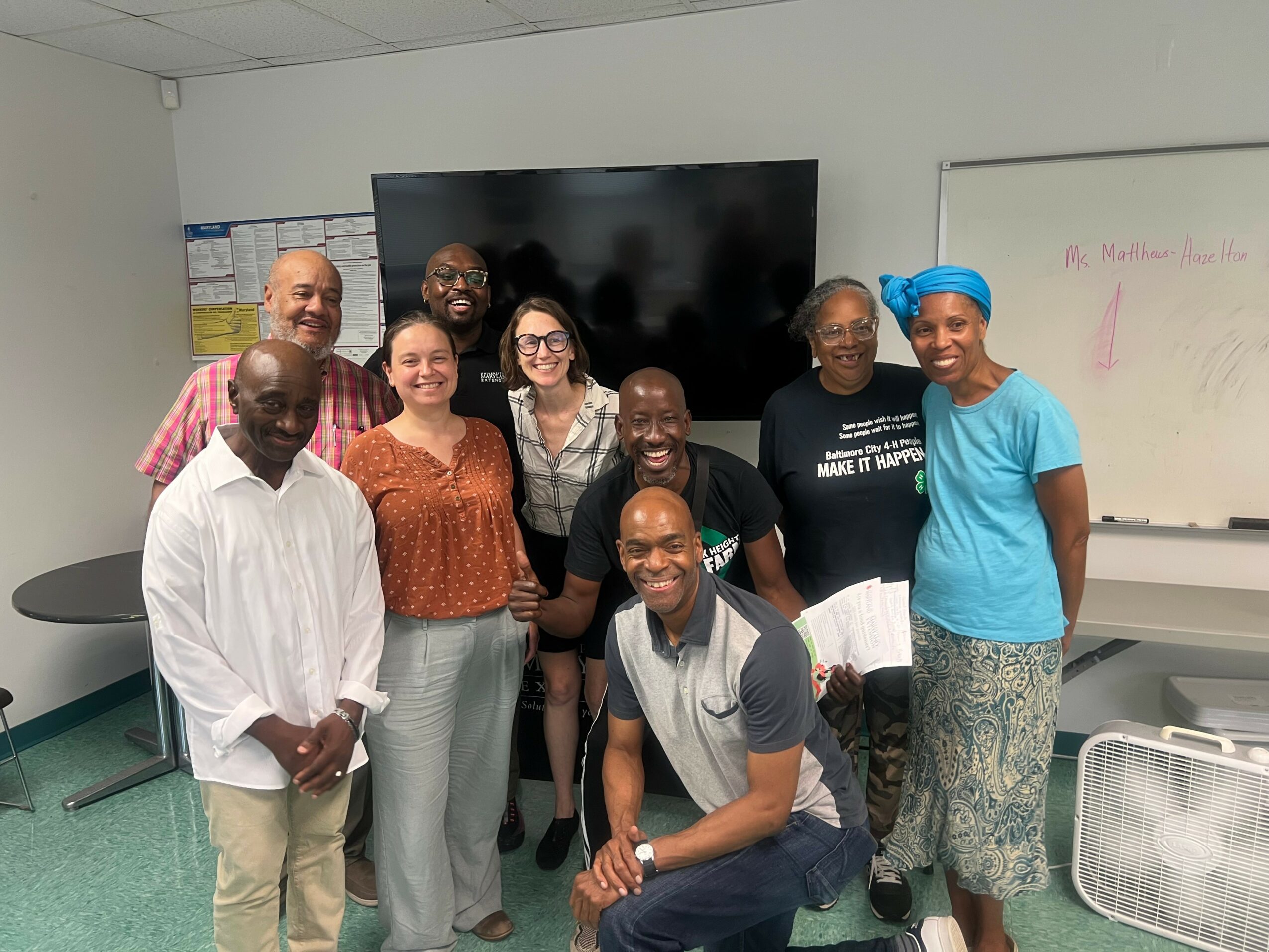
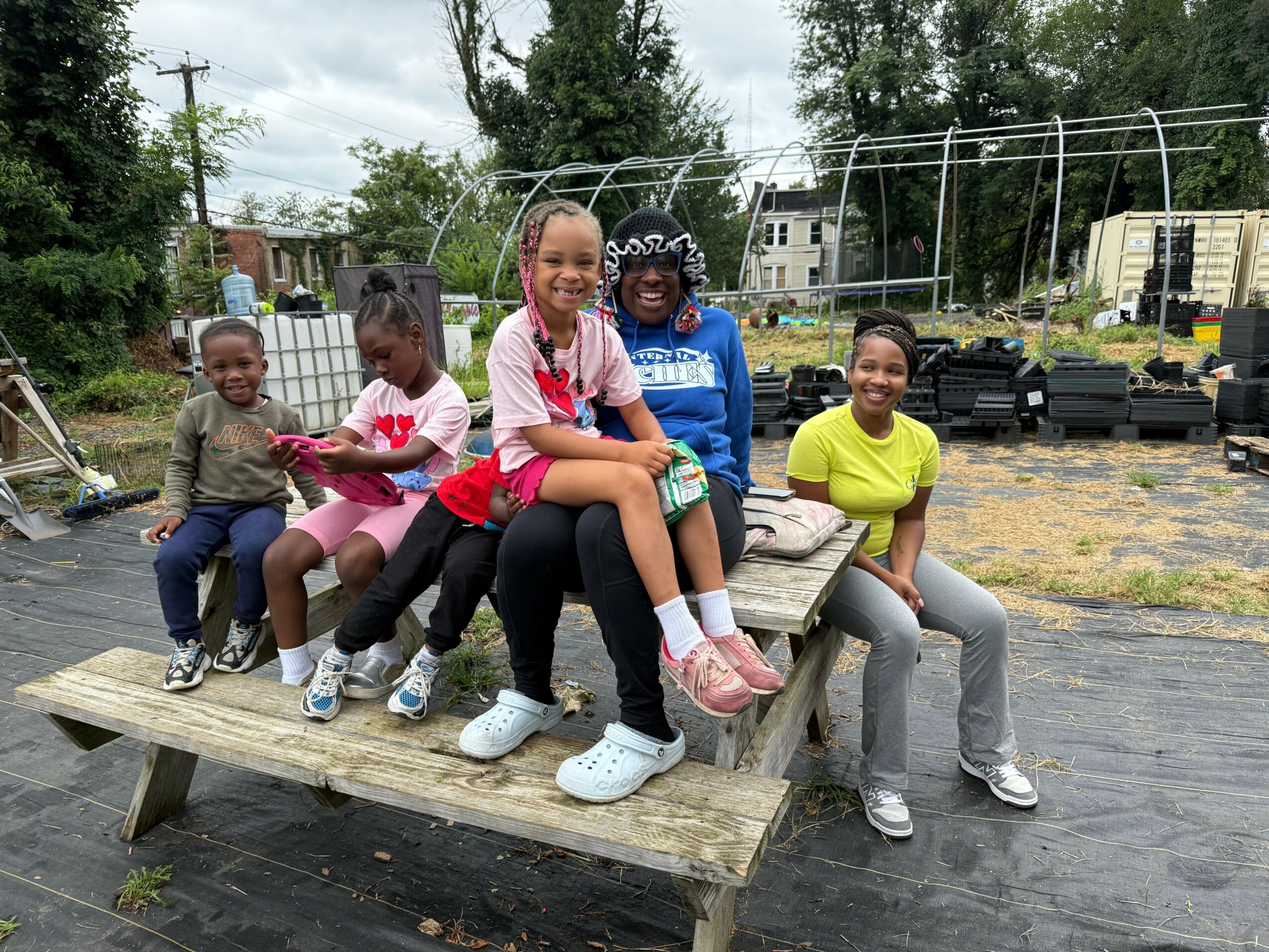
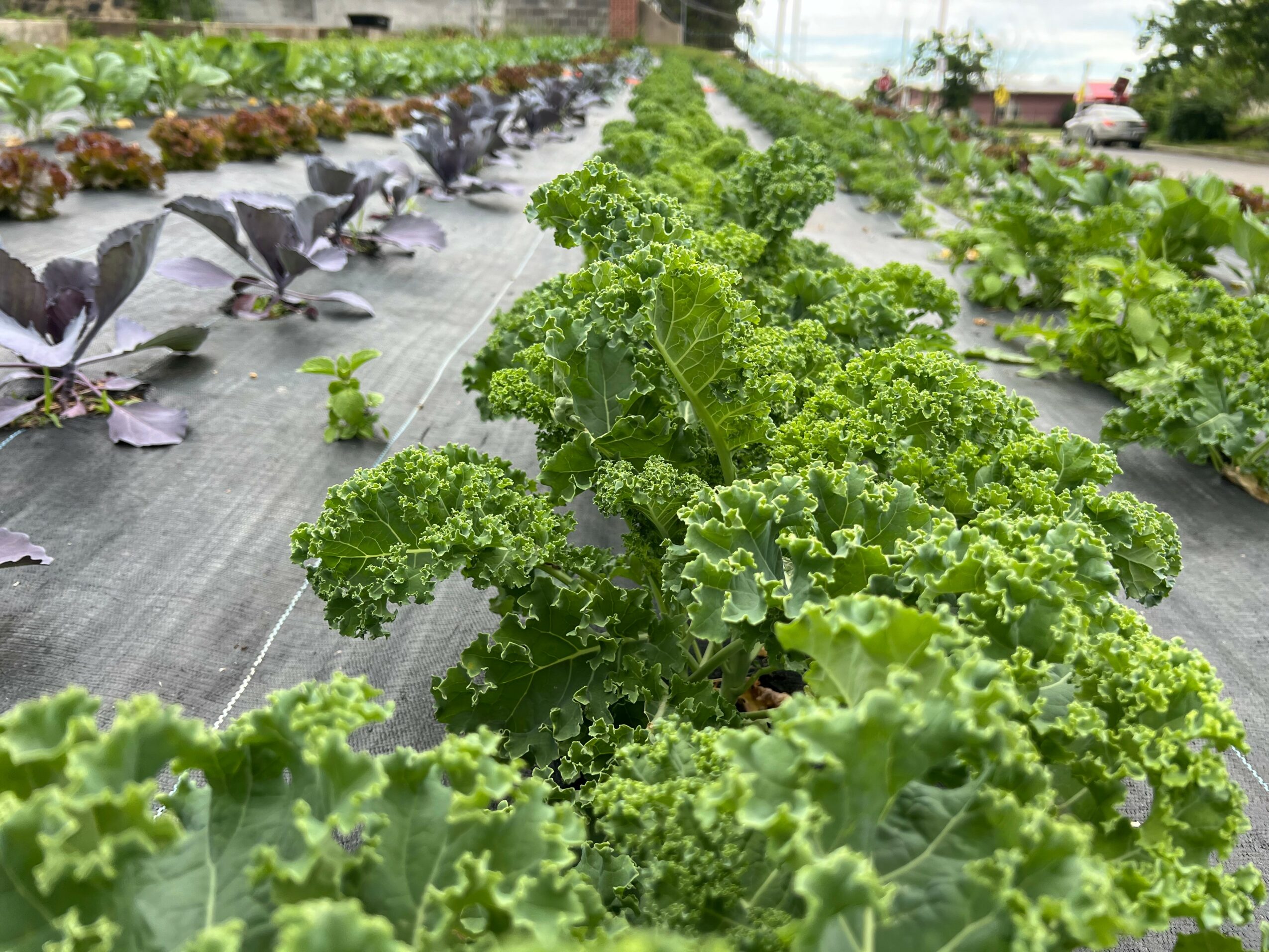
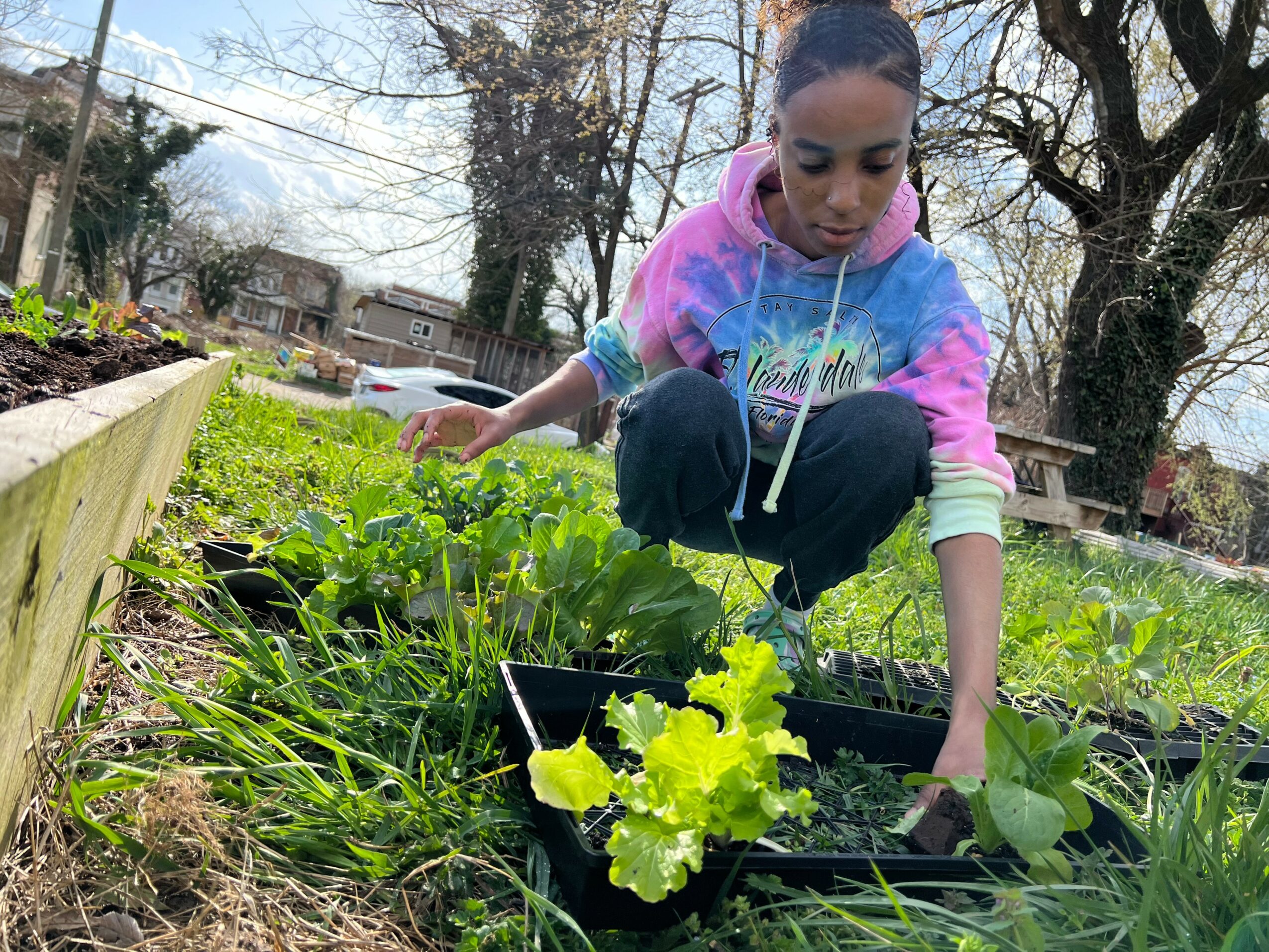
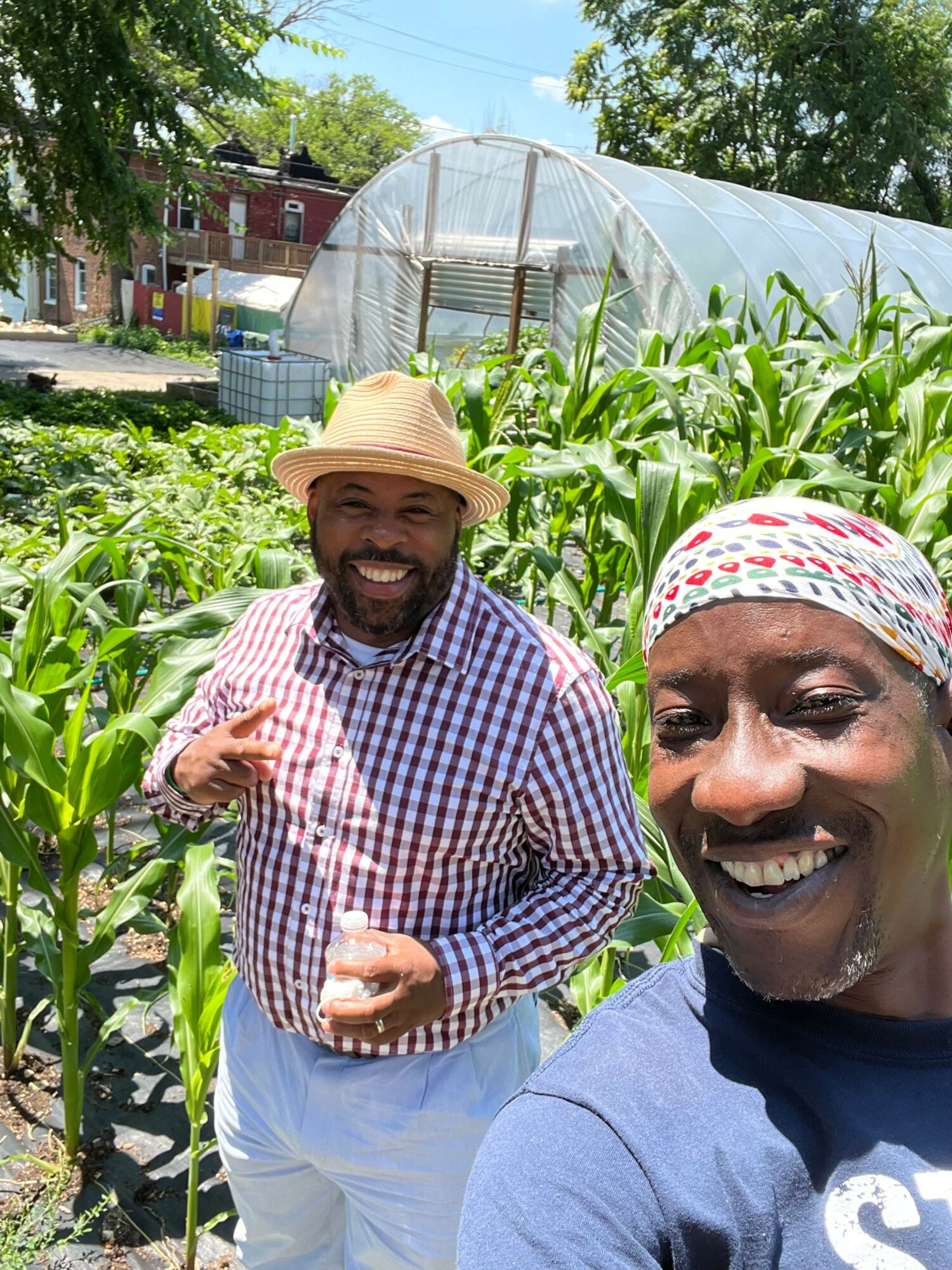
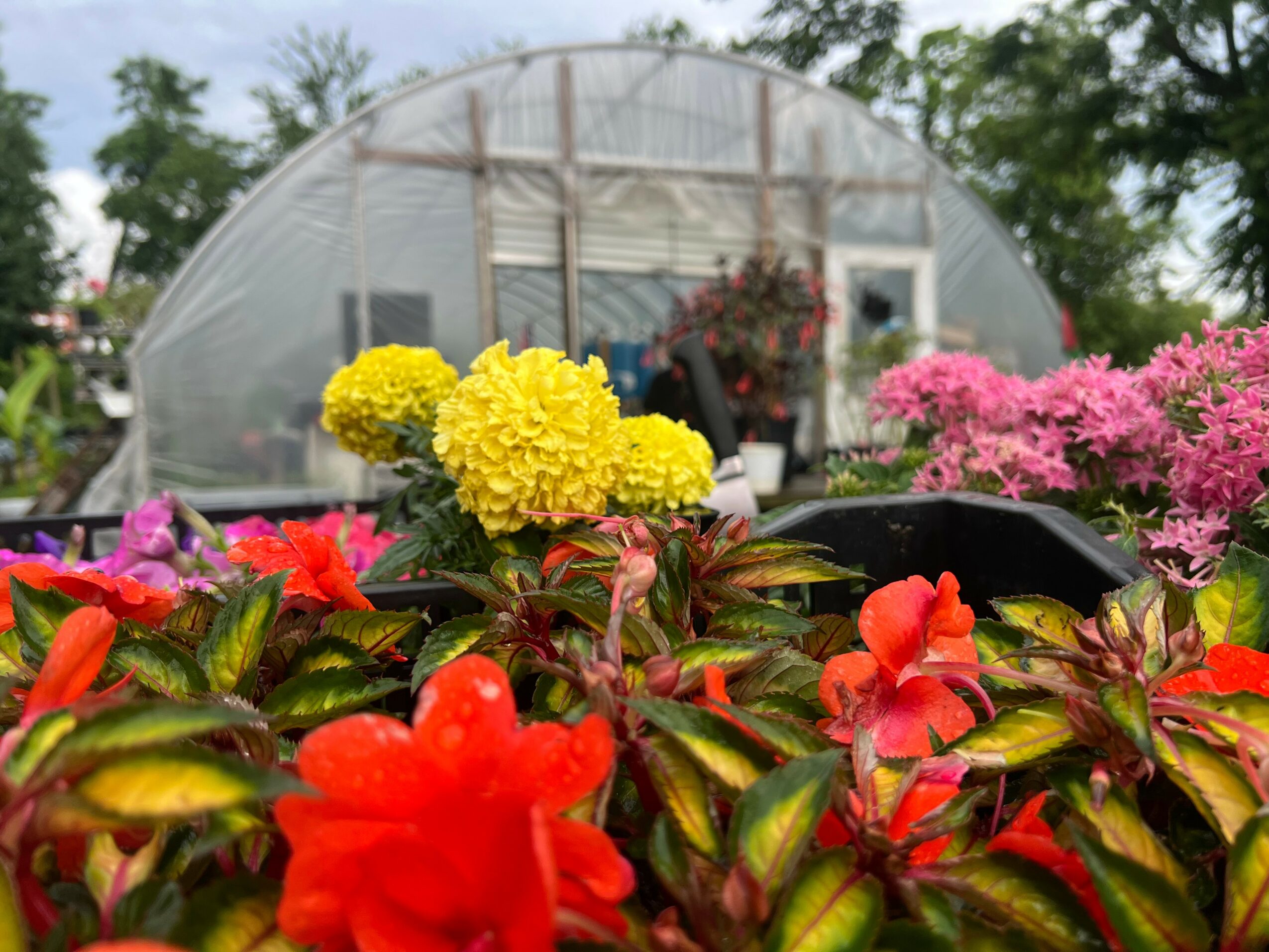
Image Credits
@AgrihoodBaltimore
@FarmerChippy