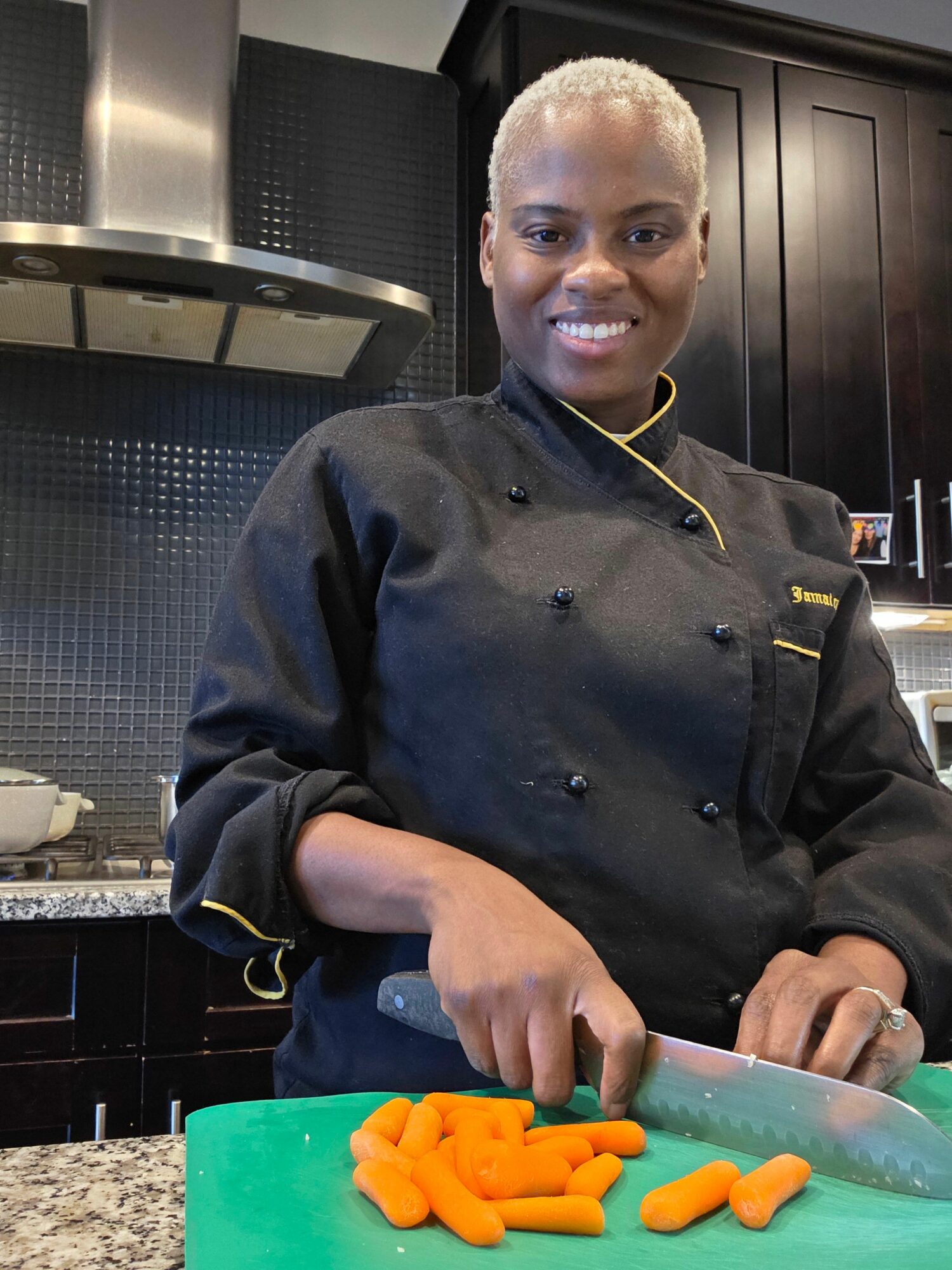
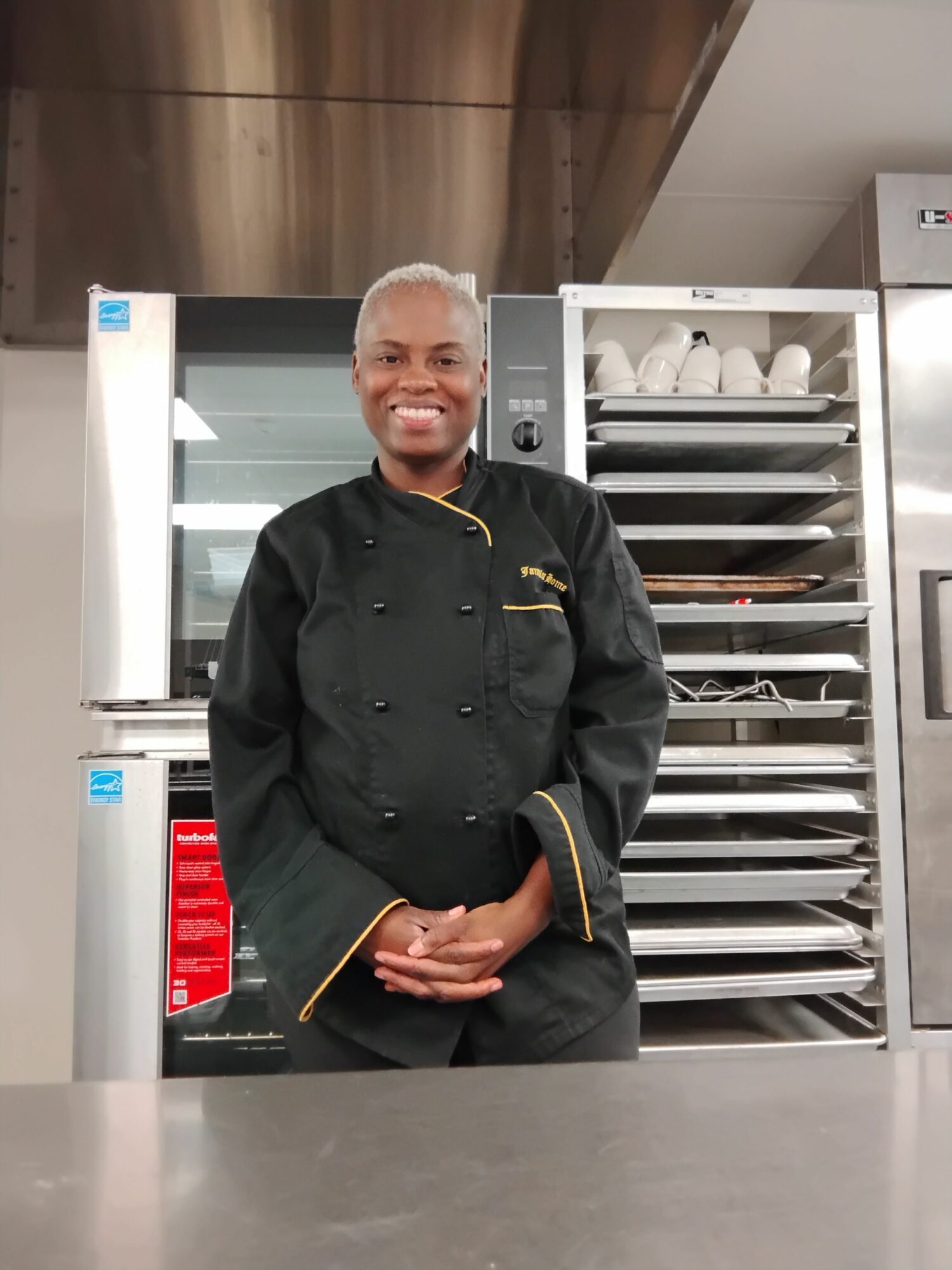
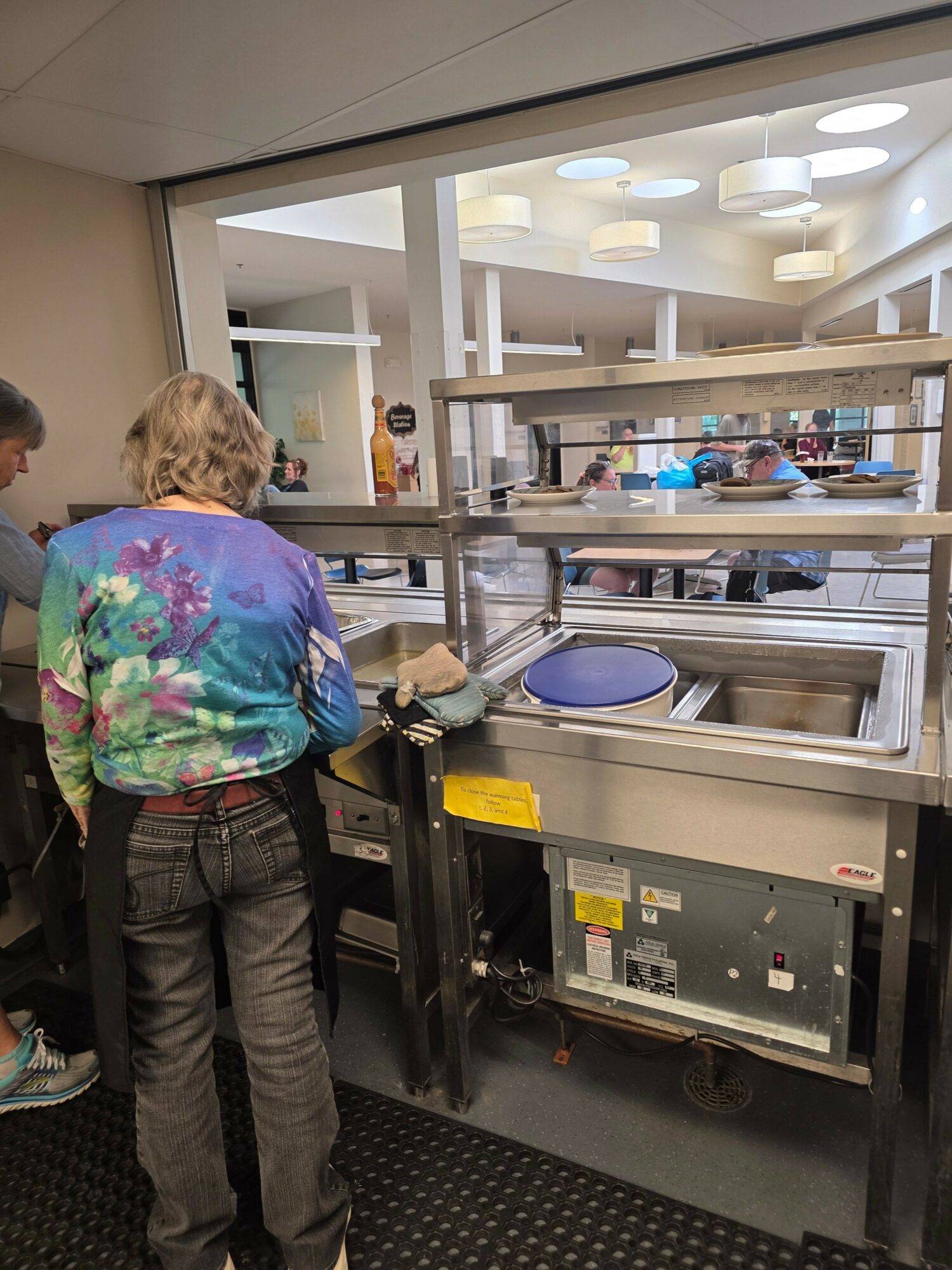
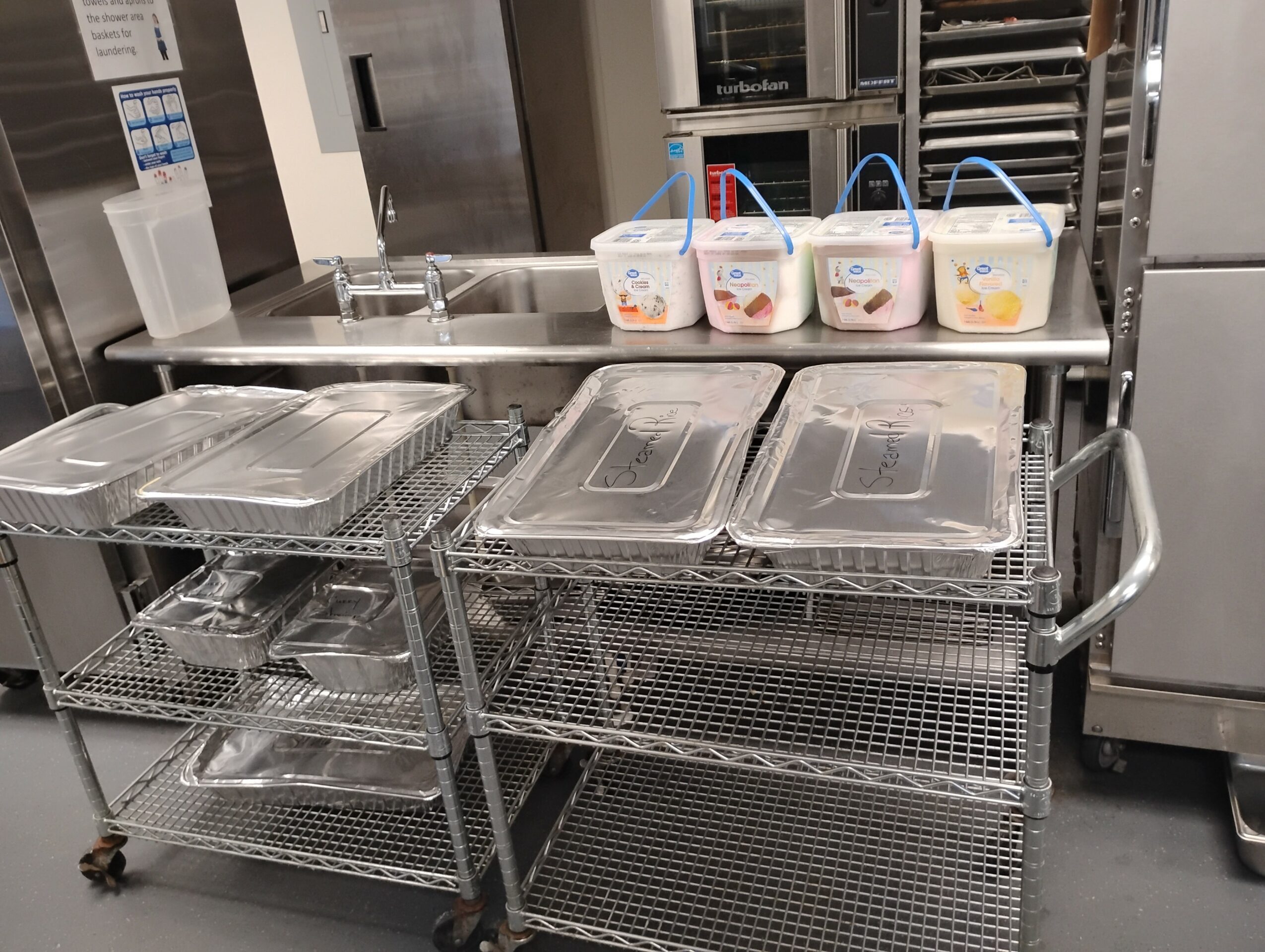
LADONIA SPENCE shared their story and experiences with us recently and you can find our conversation below.
Hi LADONIA, thank you so much for taking time out of your busy day to share your story, experiences and insights with our readers. Let’s jump right in with an interesting one: When have you felt most loved—and did you believe you deserved it?
There’s a tenderness in God’s love that I didn’t always see.
In recent months, I’ve felt it more deeply than ever—an embrace from my Lord and Savior, Jesus Christ, that reaches into the quiet corners of my soul. But as I look back, I realize His love has never been absent. Through every trial, every setback, every moment I stumbled in darkness, He was there—guiding me, shielding me, loving me even when I didn’t notice. For years, I was too weighed down by disappointment and too distracted by my struggles to recognize it. But now, standing in His light, I understand: I’ve been loved every moment of my life. The difference is, I finally believe it.
Can you briefly introduce yourself and share what makes you or your brand unique?
My name is Ladonia Spence, and my heart beats for two things—people and purpose.
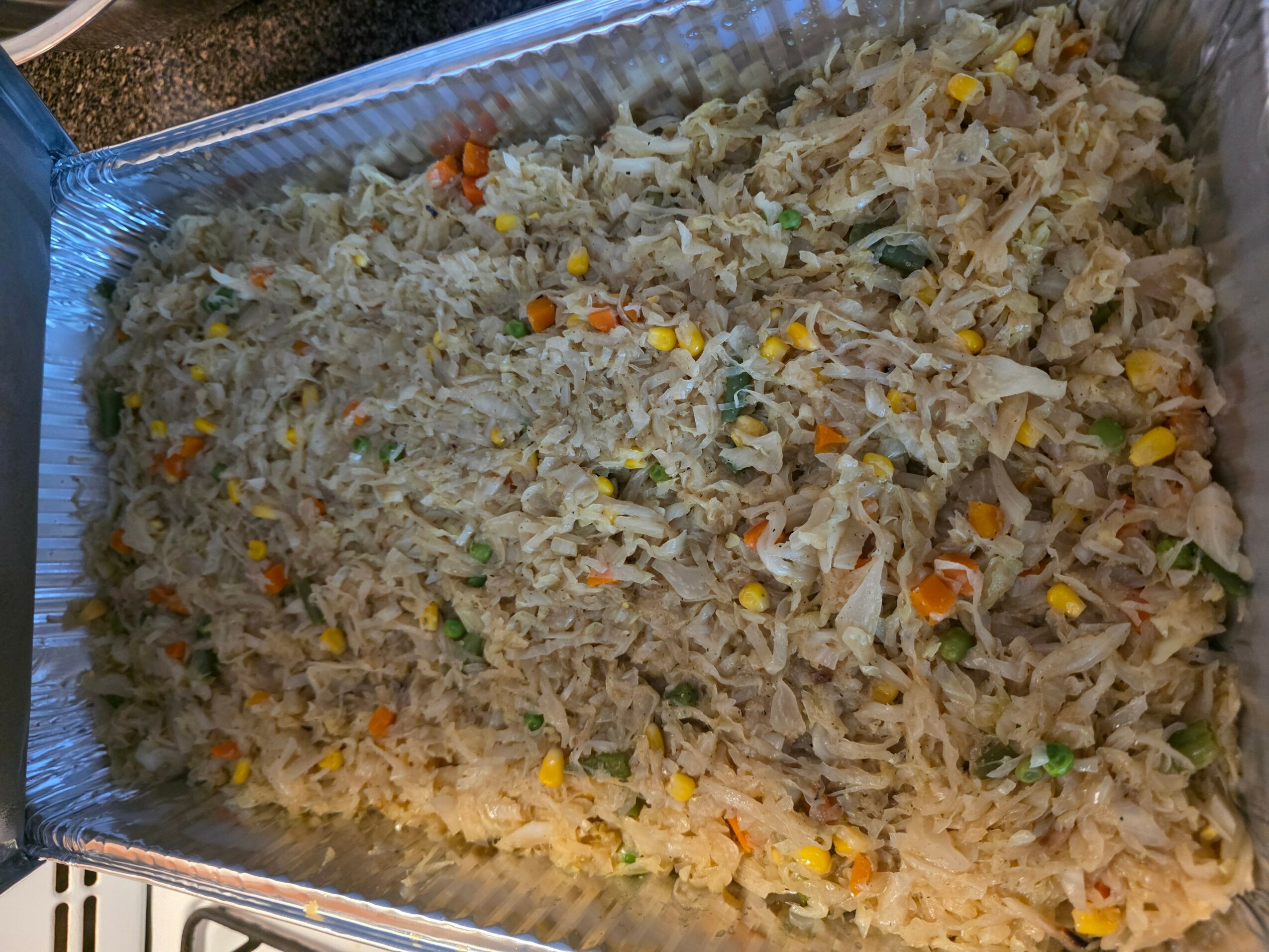
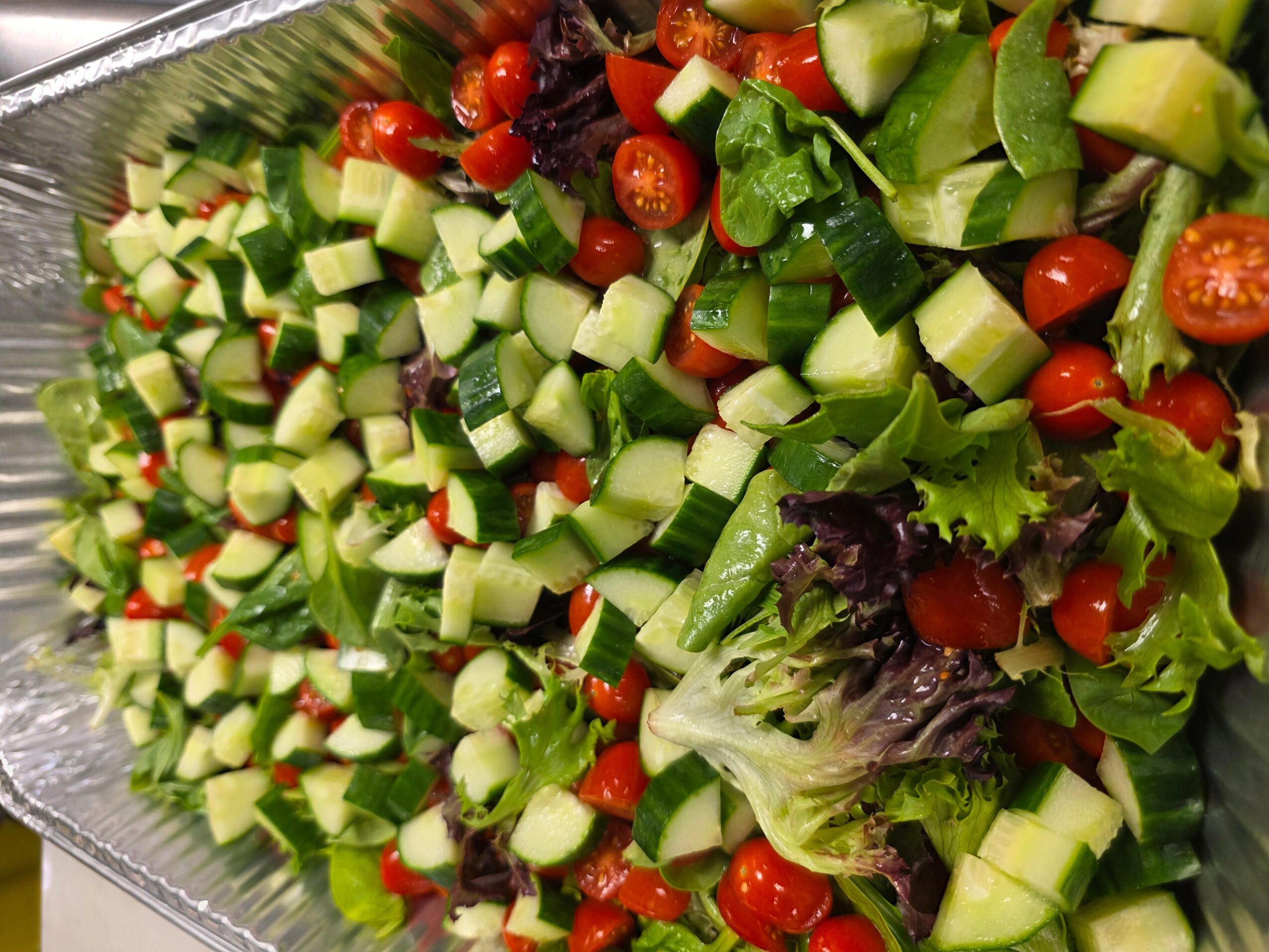
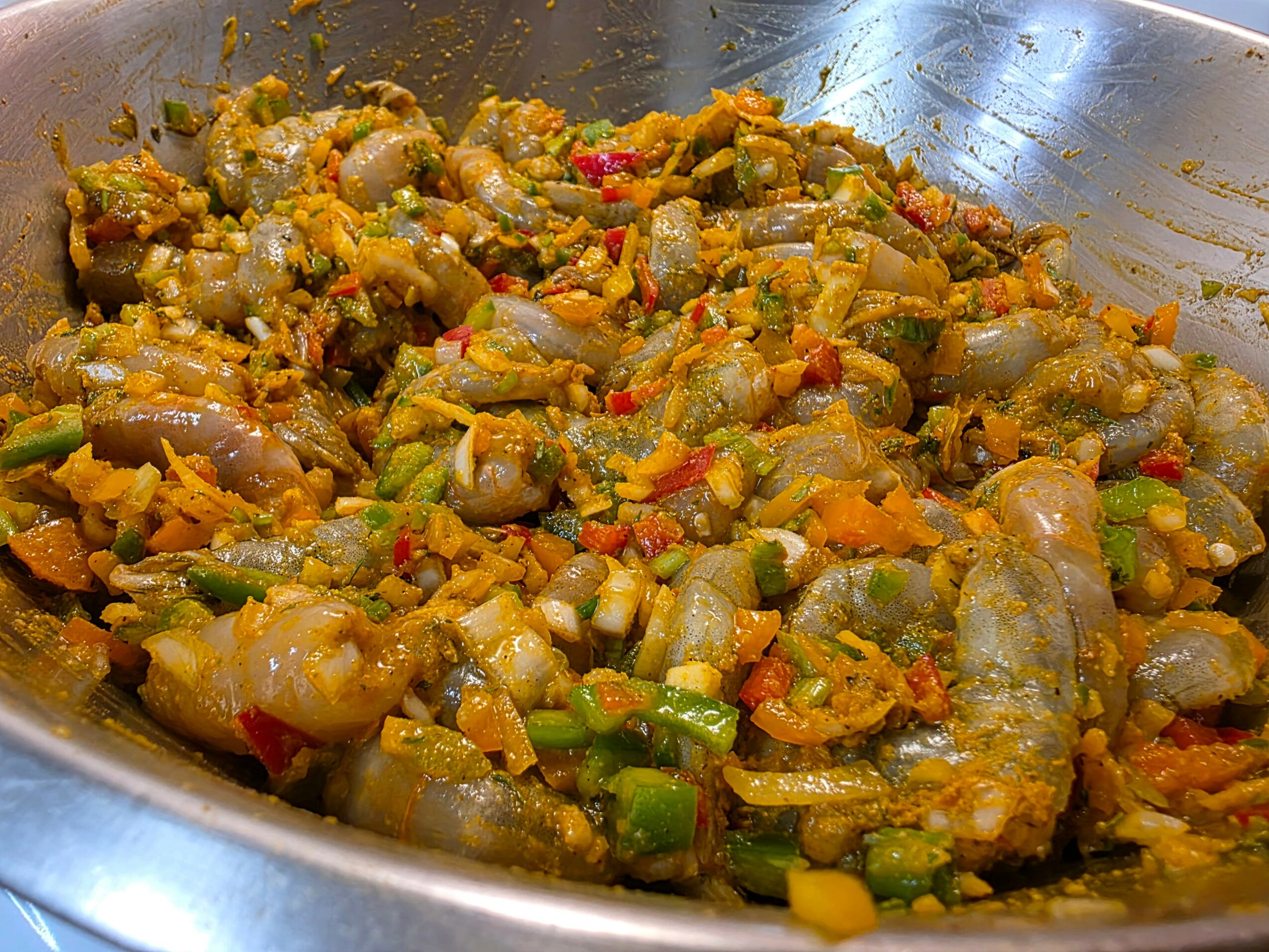
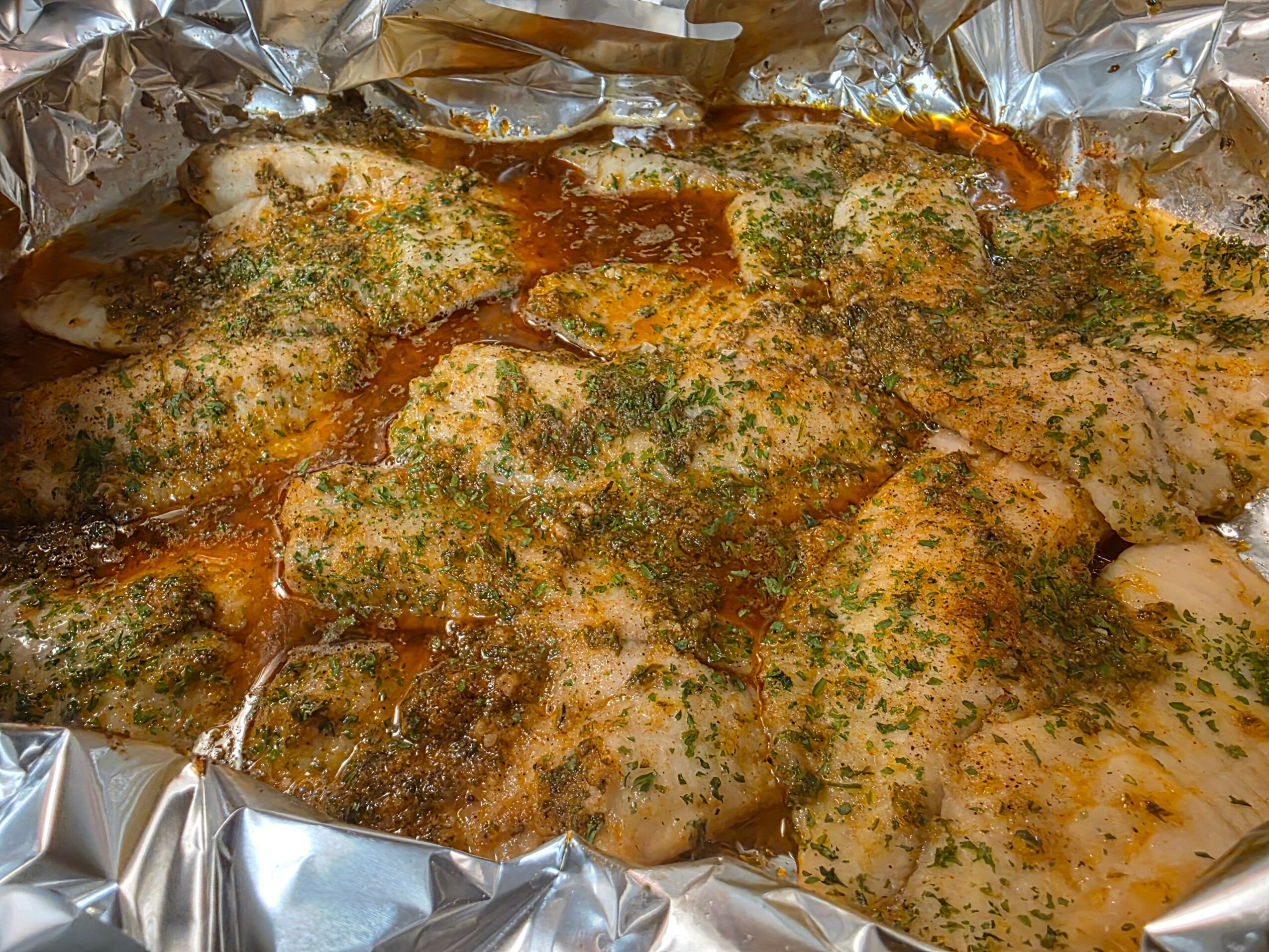
I’m a chef with over 15 years of experience, but my work has always been about more than flavors on a plate—it’s about creating moments of comfort, joy, and hope through food. My faith in Jesus Christ fuels everything I do, and it’s that faith that led me to start A Plate of Compassion, a nonprofit born from the belief that no one should go hungry.
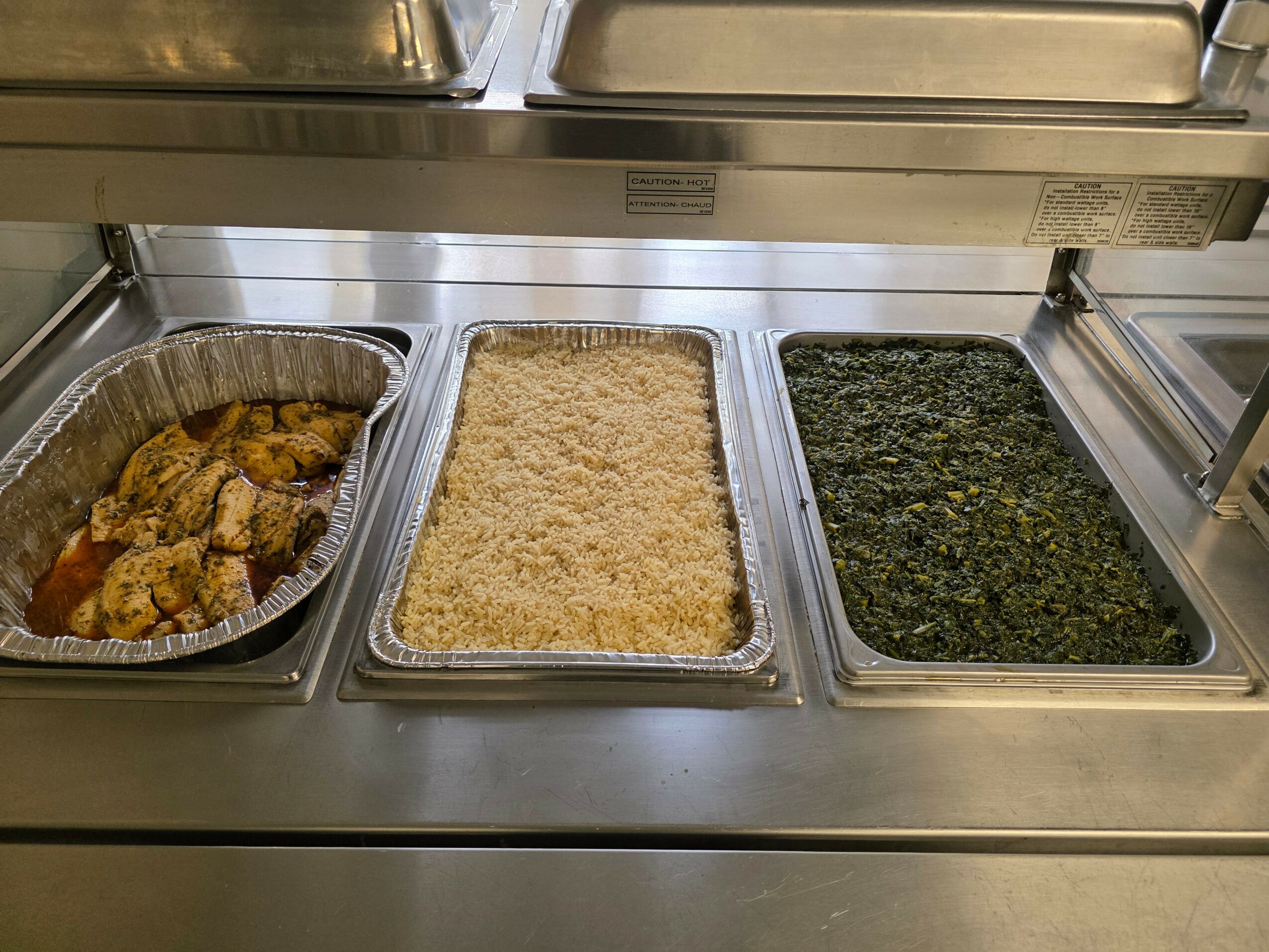
What began as a simple act of service has grown into a movement. So far, we’ve fed over 300 people—veterans, families, the elderly, and children—and we’re on track to feed 200 more before the year’s end. But for me, it’s never just about the meal itself. It’s about dignity, connection, and the warmth that comes from knowing someone truly cares.
Each plate we serve is seasoned with love and prayer—nourishing not only the body but the soul. A Plate of Compassion is more than an organization; it’s a table where everyone has a seat, stories are shared, and no one is forgotten.
Okay, so here’s a deep one: Who were you before the world told you who you had to be?
Before the world told me who I had to be, I was a dreamer with a servant’s heart.
As a little girl, I didn’t think in terms of titles or status—I thought in terms of kindness, connection, and making people feel cared for. I’d watch how a warm meal or a small act of love could change someone’s whole day, and I knew deep down that was my calling.
But as life unfolded, the world began to whisper its own version of who I “should” be. I traded some of that innocent boldness for practicality, for survival. I worked hard, wore many hats, and lived up to everyone else’s expectations—but the quiet voice of purpose never stopped calling.
When I started A Plate of Compassion, I wasn’t just answering that call—I was reclaiming the purest version of myself. Today, I lead with the same heart I had as a child, serving others through faith and food, and building something lasting. This is more than a nonprofit; it’s the foundation of a legacy I want my children to inherit. One day, I want them to look back and say, “We’re carrying on the work Mom started—feeding bodies, lifting spirits, and loving people the way Jesus taught us to.”
What have been the defining wounds of your life—and how have you healed them?
Some wounds run deeper than the eye can see.
I remember seasons when the cupboards were almost bare, when I’d quietly stretch one meal into two or three just to make it last. Times when help never came, and it felt like the world had passed me by. It wasn’t only about the lack of food or money—it was the ache of feeling unseen, unheard, and unimportant. Those moments have a way of settling into your spirit, whispering that maybe you don’t matter as much as everyone else.
For years, I carried those wounds in silence. But healing began the day I placed them in the hands of Jesus Christ. Through prayer, faith, and tears that only He saw, I started to understand that my struggles were not evidence of abandonment—they were the soil where resilience, compassion, and purpose could grow.
Out of that soil, A Plate of Compassion was born. Every meal we serve today is an echo of those long nights I once knew—the hunger, the hope, the quiet prayer for relief. And when I place a plate in someone’s hands, I’m not just feeding them—I’m telling them, “You are seen. You matter. You are loved.”
This work is also my gift to my children. I want them to inherit more than a name or a story—I want them to inherit a mission. One day, when I’m gone, I hope they’ll look at A Plate of Compassion and know exactly why I built it: so they could see how wounds, once healed, can become the very hands that heal others.
So a lot of these questions go deep, but if you are open to it, we’ve got a few more questions that we’d love to get your take on. Is the public version of you the real you?
The public version of me is real—but i’m only one chapter of the book.
Most people see me smiling, moving with confidence, speaking with passion. They see the woman who seems to have it all together—full of faith, full of energy, full of drive. And while that’s true, it’s only part of the story.
The private version of me has weathered storms that don’t always make it into conversation. I carried heartache, navigated seasons of uncertainty, and wrestled with moments where faith was the only thread holding me together. There are layers to me that don’t show up on social media or in public spaces—moments of vulnerability, late-night prayers, and deep conversations with God about what’s next.
Over time, I’ve learned to let those two versions blend. I no longer feel the need to hide my cracks, because those cracks are where the light gets in. The woman you meet in public and the woman who talks to God in the stillness of her home—they’re the same person. One just happens to be dressed for the crowd, while the other is barefoot in her kitchen, sipping tea, listening for His voice.
Okay, so let’s keep going with one more question that means a lot to us: What is the story you hope people tell about you when you’re gone?
When I’m gone, I hope people remember me as a woman who loved fiercely and lived with purpose.
Not because of the titles I held or the things I accomplished, but because of the way I made others feel—seen, valued, and cared for. I want my story to be one of faith that carried me through the darkest valleys, of resilience that refused to let hardship define me, and of a heart that always found a way to serve.
I hope they say I was someone who showed up, even when it was hard—who chose grace over bitterness, hope over fear, and love over judgment. That I was real, vulnerable, and strong all at once. And that my life, with all its messiness and beauty, pointed back to something greater than myself—God’s unfailing mercy and love.
Most of all, I want my story to inspire others to believe that no matter what life throws at you, you can rise, heal, and pour out that same love to the world around you. That’s the legacy I pray will live on long after I’m gone.
Contact Info:
- Website: https://www.aplateofcompassion.org/