Today we’d like to introduce you to Susan Acker.
Hi Susan, we’re thrilled to have a chance to learn your story today. So, before we get into specifics, maybe you can briefly walk us through how you got to where you are today?
My journey into education did not start in a traditional way. I began in Chicago, creating a small home based program for children in my West Side neighborhood in a house I had purchased for my mother. She only lived there for a year before she passed away, and in many ways, that experience shaped both my personal and professional direction. The program itself did not succeed. It was a tough start and, candidly, it failed. But it gave me the foundation and clarity I needed.
While continuing my legal career in Washington, DC, I revisited the concept and rebuilt it from the ground up. That became MindBloom Preschool, which started as a Spanish and Mandarin immersion program and later expanded to include Arabic. Over time, MindBloom also became a vetted DCPS afterschool provider, which helped establish credibility and deepen our connection to the community.
Building MindBloom was not without significant challenges. I faced ongoing issues with the neighborhood, landlord constraints, building limitations, and a licensing system that did not fully understand or readily accommodate a full immersion model. There were also moments where I had to push back against assumptions, including questions about my ability to lead a multilingual program because I am not personally fluent in each language we offer.
At the same time, I was committed to hiring native speaking teachers, many of whom came to us through visa sponsorship. That approach created consistency and authenticity in the classroom, but it also came with its own hurdles. There were moments that reflected broader systemic issues, including subtle bias and microaggressions toward both me and my staff. Navigating those challenges required persistence, clarity of vision, and a willingness to advocate for the integrity of the program.
Those early experiences shaped everything I built next. They pushed me to be more strategic, more resilient, and more intentional. Ultimately, they led to the creation of The Socratic School of Language, where I refined the model into a full immersion micro school focused on delivering rigorous, culturally grounded language education from an early age.
Today, my work continues to sit at the intersection of law, education, and entrepreneurship. The path has not been linear, but every challenge has strengthened the foundation I stand on now.
Would you say it’s been a smooth road, and if not what are some of the biggest challenges you’ve faced along the way?
It has definitely not been a smooth road. Building a school, especially one that does not fit neatly into traditional models, comes with constant challenges.
From the beginning, I faced structural obstacles. Licensing agencies did not always understand a full immersion model, which meant I often had to explain and defend how our program worked. There were also practical hurdles with facilities, landlords, and operating in neighborhoods where small businesses can struggle to gain traction.
On a broader level, I encountered assumptions about leadership and credibility. As someone leading a multilingual program without personally speaking every language we offer, I was questioned in ways that did not always reflect how strong programs are actually built. My focus has always been on hiring highly qualified native speaking teachers and creating an environment of authenticity and consistency, but that approach required me to stand firm in my vision.
The COVID-19 pandemic was another defining challenge. Like many schools, we were suddenly faced with shutdowns, transportation disruptions, and uncertainty. Instead of closing, we pivoted quickly into a hybrid model that allowed us to continue offering both in person and online programming. When buses and trains slowed down or stopped altogether, our teachers continued working remotely, teaching students who were learning from home while still engaging with those in the classroom.
We created a system where classrooms were connected through large screens and Zoom, allowing teachers to instruct both in person and remote students simultaneously. Students who were at home were still able to learn alongside their peers, maintaining a sense of continuity and community during an otherwise isolating time. It was not only effective, it was engaging and, at times, genuinely fun for the children.
That adaptability allowed us to retain most of our students and keep our teachers employed. By the time summer programs returned, we were at full capacity. While the pandemic was a difficult period overall, it ended up being one of the most successful and formative times for the school, and it directly supported the growth of The Socratic School of Language.
Expansion, however, has continued to come with challenges. I briefly operated a second location near American University, but it was short lived due to regulatory and administrative barriers. Efforts to expand into other parts of Northwest Washington, DC have also required persistence and patience. These are not easy markets to enter, particularly for independent programs.
At one point, I seriously considered closing. Instead, I chose to recalibrate and move forward with a clearer strategy. That experience reinforced an important lesson for me: the road may not be smooth, but if the foundation is strong and the purpose is clear, you can continue to build through the challenges.
Thanks for sharing that. So, maybe next you can tell us a bit more about your business?
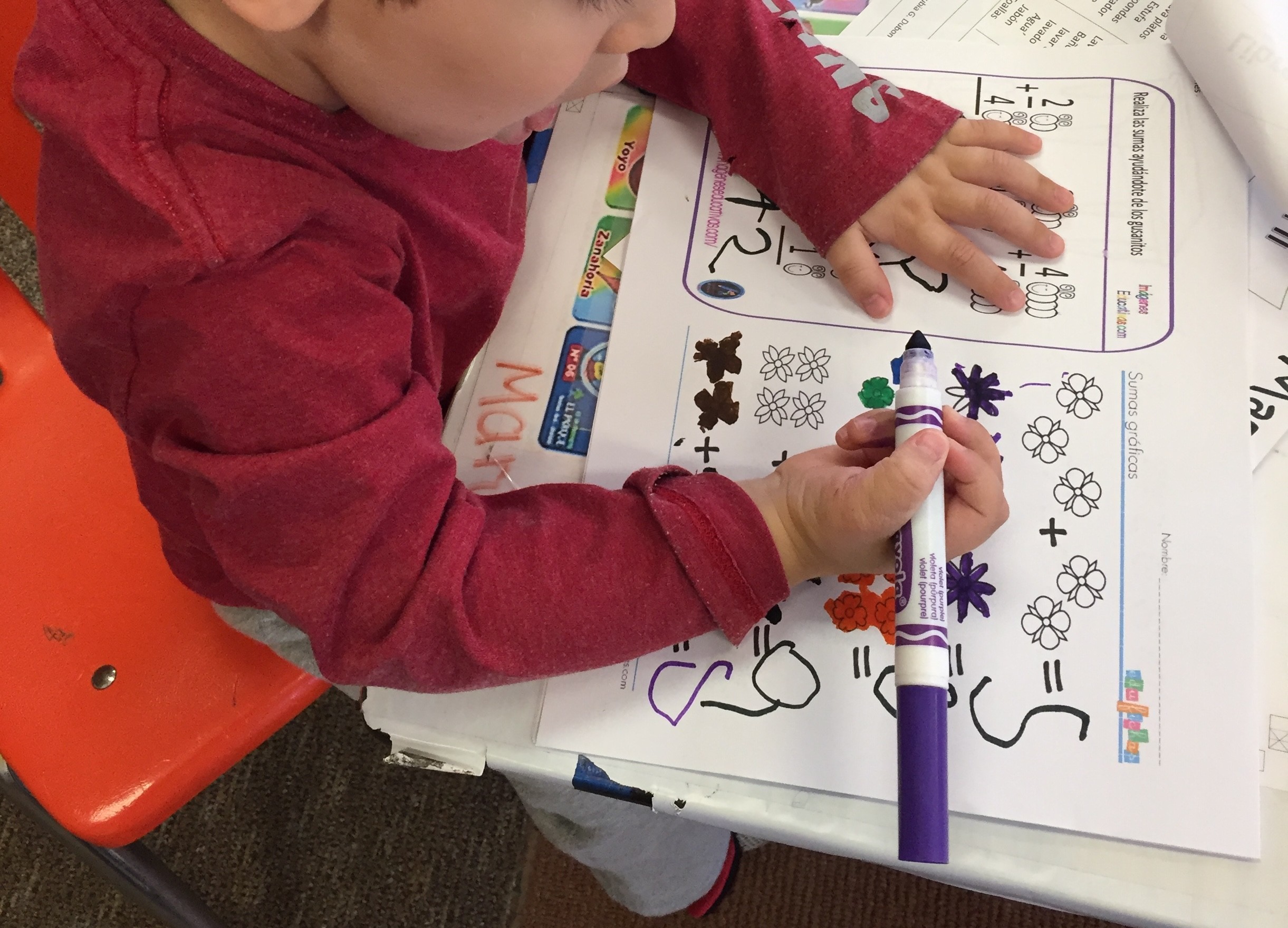
The Socratic School of Language is a full immersion micro school based in Mount Rainier, Maryland, focused on early language acquisition in Mandarin, Spanish, and Arabic. We serve young children during the most critical window for language development, using a model that is both academically rigorous and culturally grounded.
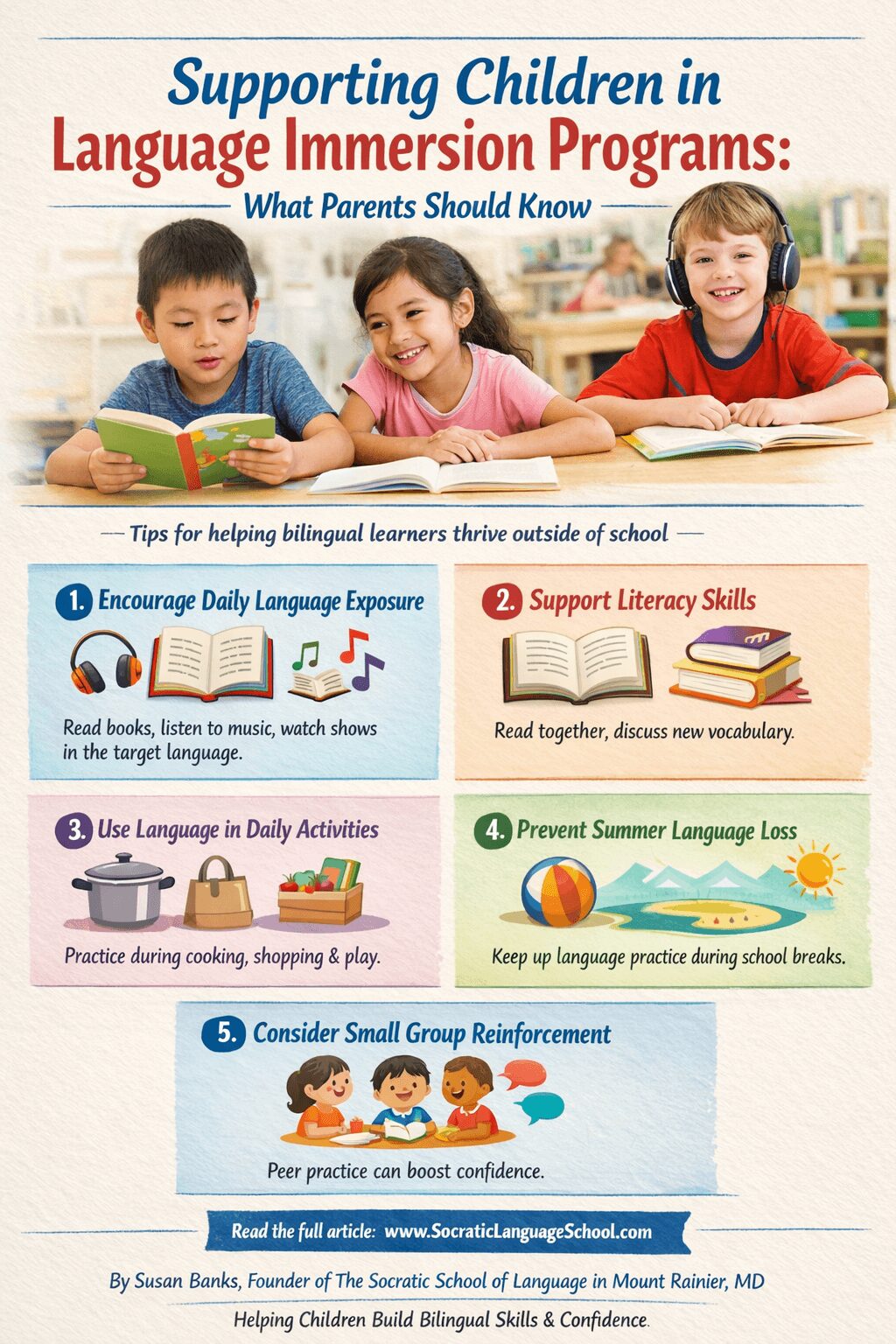
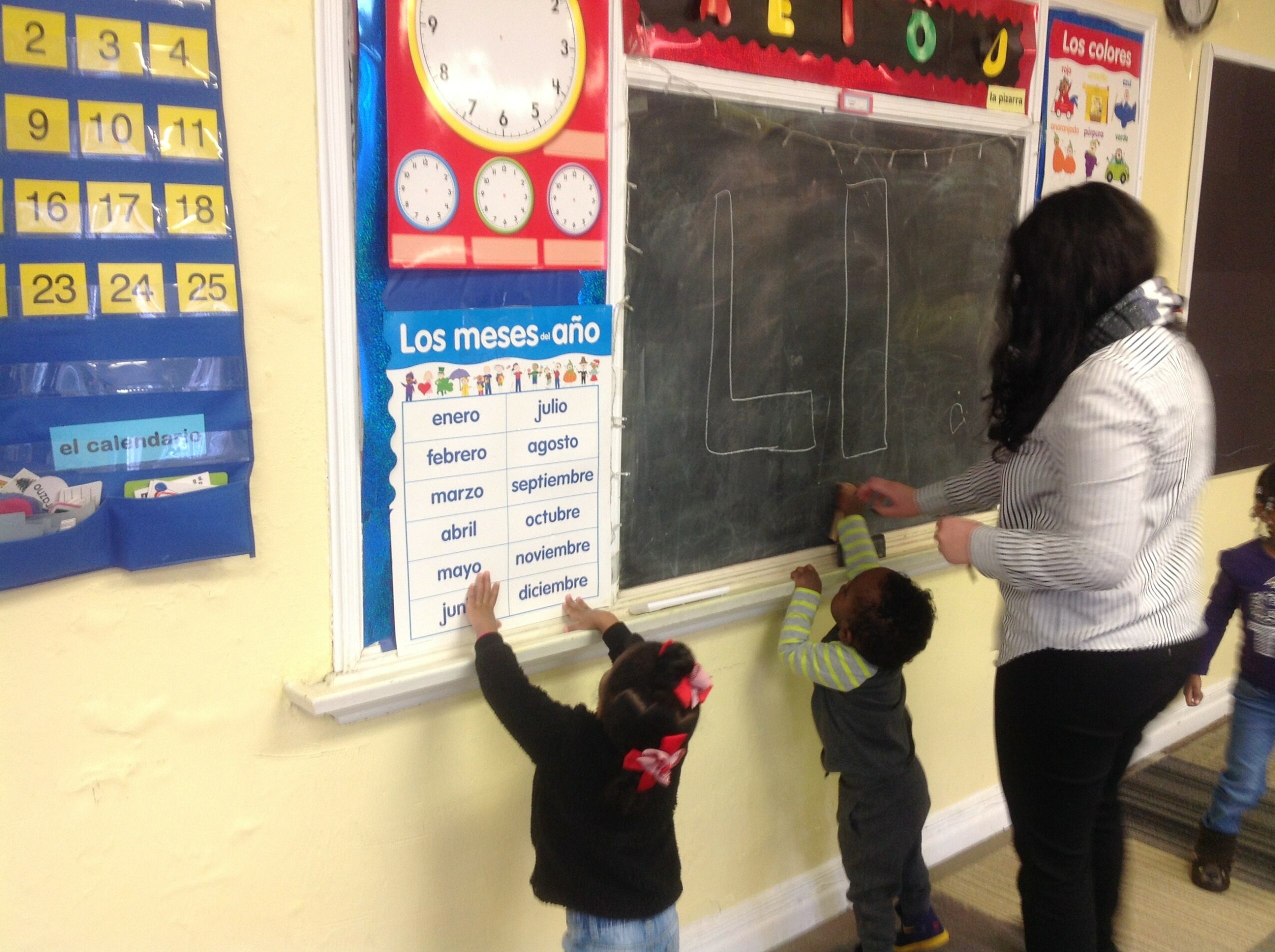
What sets us apart is our commitment to true immersion. This is not a bilingual or exposure based program. Children are taught entirely in their target language by native speaking teachers, allowing them to develop comprehension, confidence, and fluency in a natural and meaningful way. Our classrooms are intentionally small, which allows for individualized attention, strong relationships, and a level of academic focus that is difficult to achieve in larger settings.
We are also known for blending language learning with strong foundational academics. Our students are not only developing multilingual skills, they are building competence in areas like early literacy, mathematics, and critical thinking. The result is a well rounded educational experience that prepares them for long term success.
Another defining feature of our program is consistency. Many of our teachers are long term educators who bring both linguistic authenticity and stability to the classroom. That continuity is critical for young learners and is something families value deeply.
I am most proud of the fact that we have built a program that delivers real results while maintaining a strong sense of community. Families trust us not only with their children’s education, but with their development during some of the most formative years of their lives.
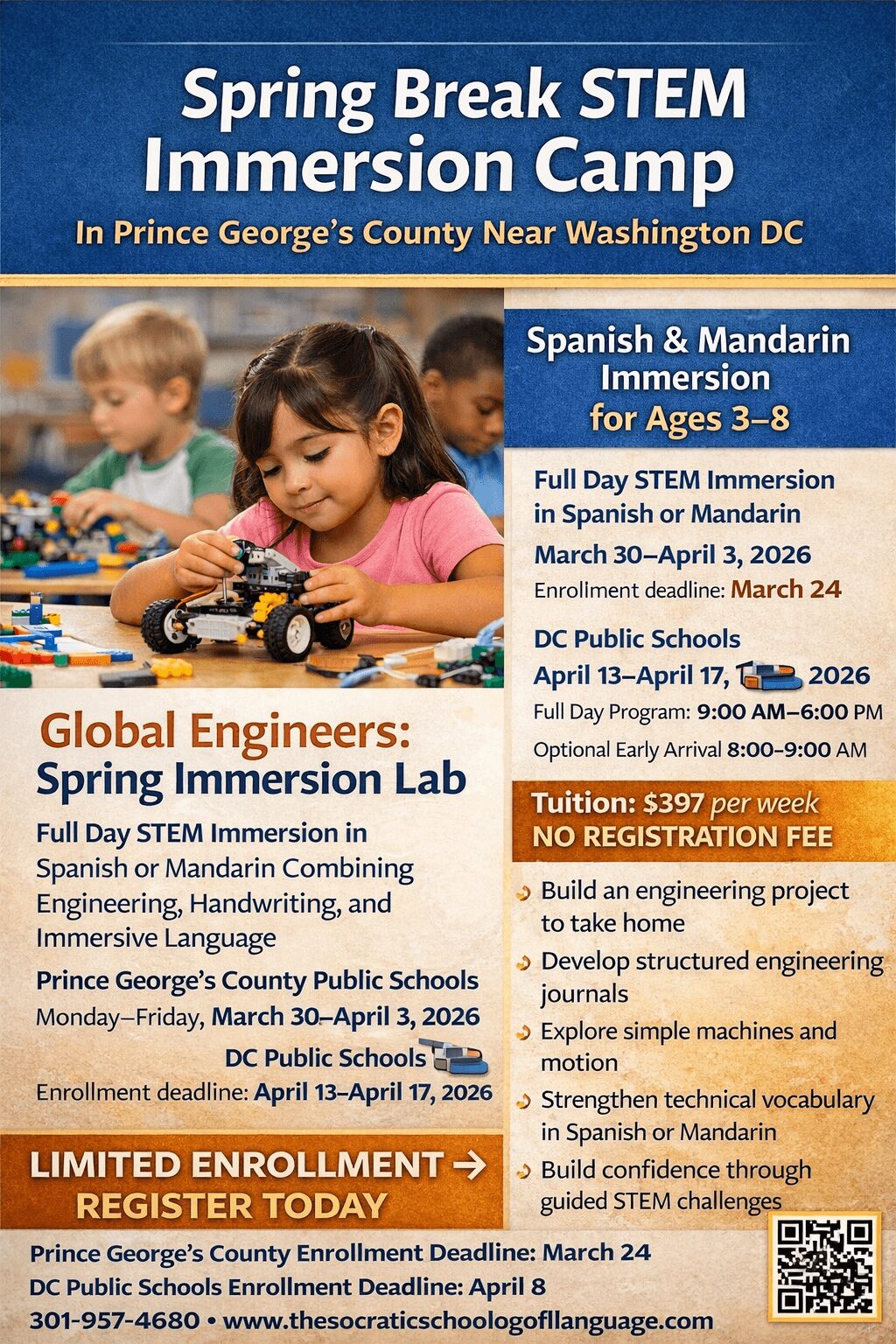
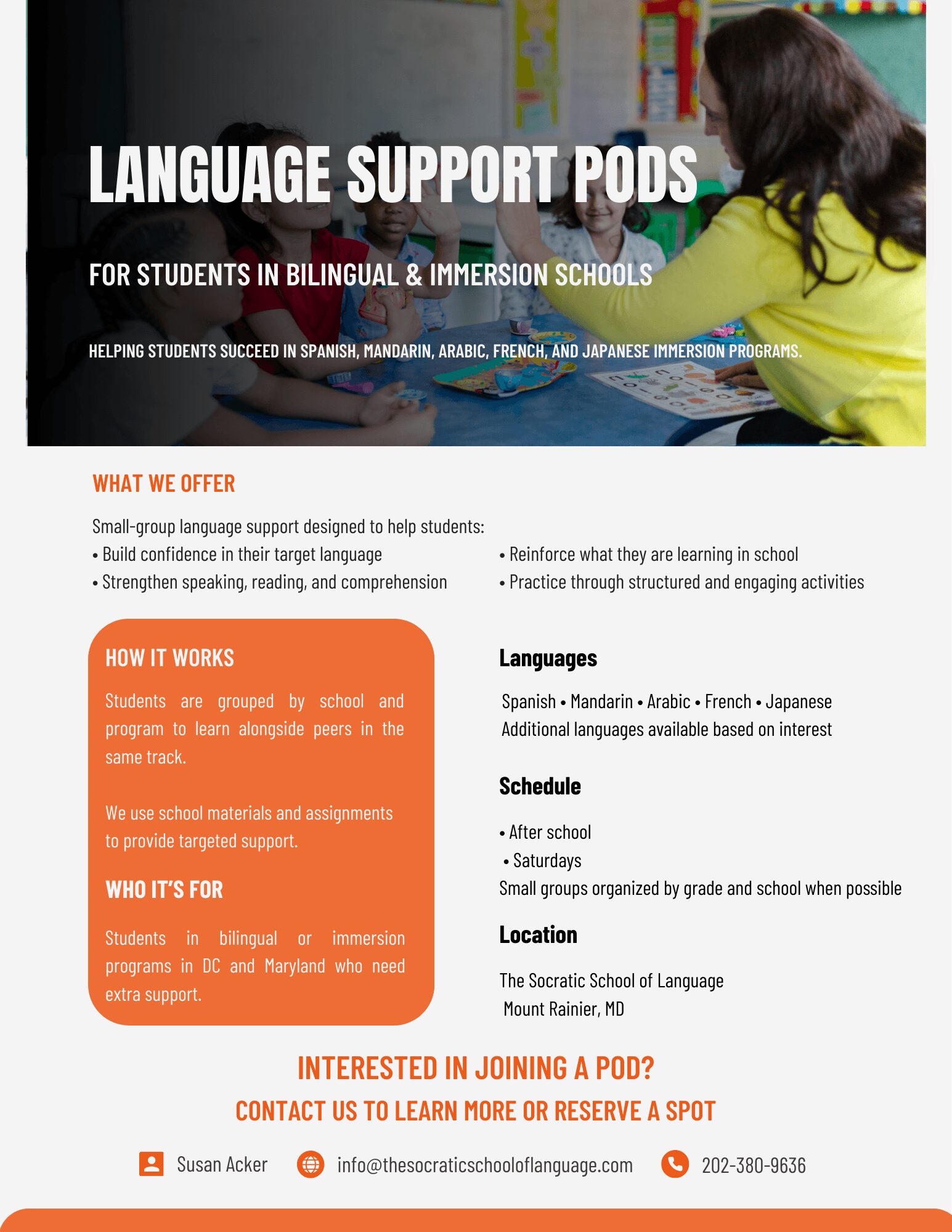
As we continue to grow, we are expanding our offerings to include afterschool programming, summer camps, and adult language education. Our goal is to create a model that is both scalable and impactful, while staying true to the quality and intentionality that define our brand.
What makes you happy?
I am happiest when I am learning, building, and connecting. Traveling the world and experiencing different cultures has always been deeply fulfilling for me. It reinforces the value of language, not just as a skill, but as a bridge between people. Being able to engage with others across cultures and backgrounds reminds me why I do the work that I do.
I also find a lot of satisfaction in problem solving. Whether it is navigating a complex business challenge or finding a creative solution in the classroom, I enjoy the process of figuring things out and making something work when it is not obvious at the start. There is a sense of purpose that comes from taking something difficult and turning it into something functional and meaningful.
Most importantly, I am happiest when I feel that I am contributing. Whether that is through building schools that educate children, supporting families, or creating opportunities for teachers, I value work that has a tangible impact on others. That sense of contribution gives my work meaning beyond just day to day operations.
Pricing:
- Full Day Language Immersion Program (Ages 2–5): $335 per week (Monday–Friday, 8:00 AM–3:00 PM)
- Aftercare: $20 per day (optional, 3:00 PM–5:00 PM)
- Summer Camp: $397 per week
- One-Time Registration Fee: $100 (camp) / $150 application fee (school year)
- Annual Materials Fee: $400 per child
Contact Info:
- Website: https://www.thesocraticschooloflanguage.com/
- Facebook: https://www.facebook.com/people/The-Socratic-School-of-Language/61581870462326/