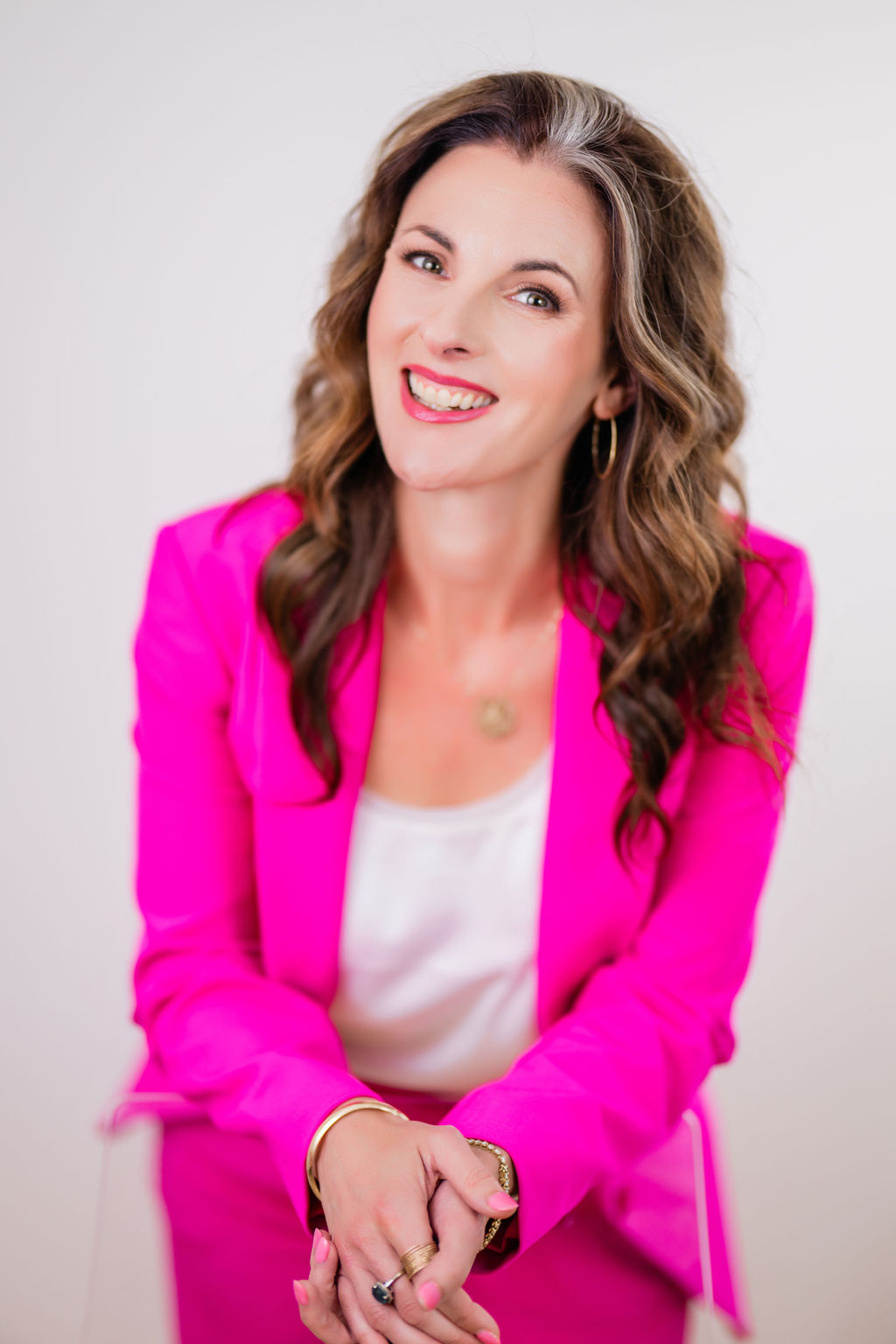
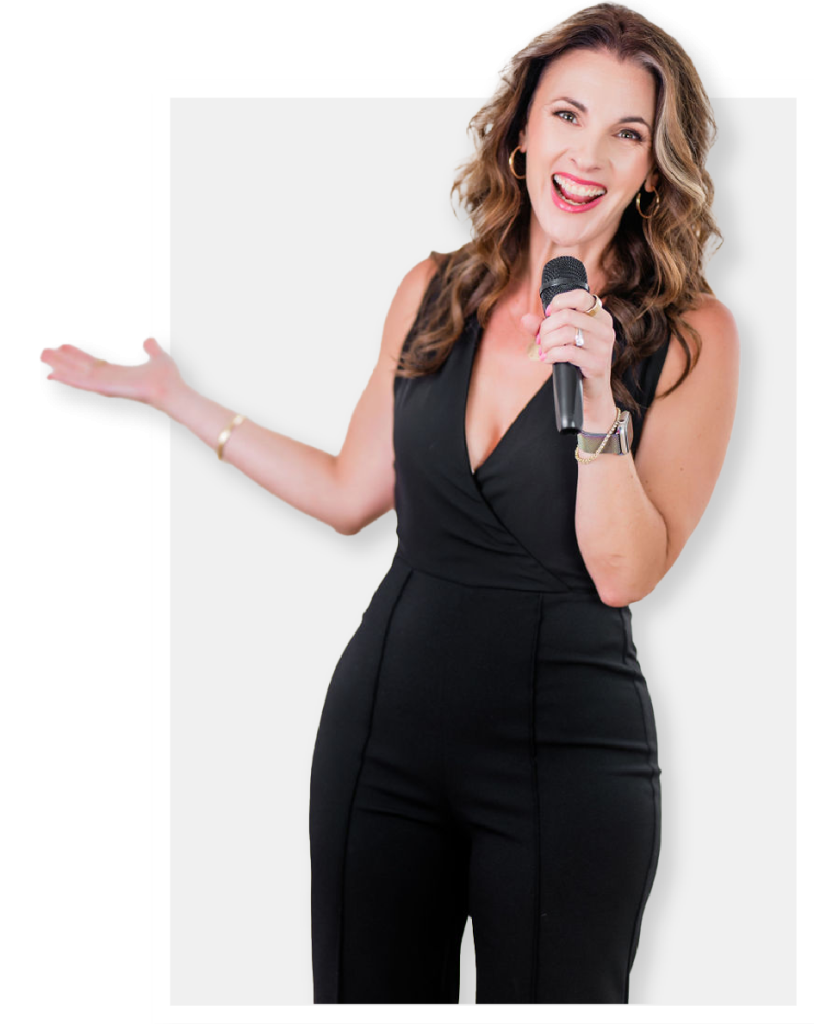
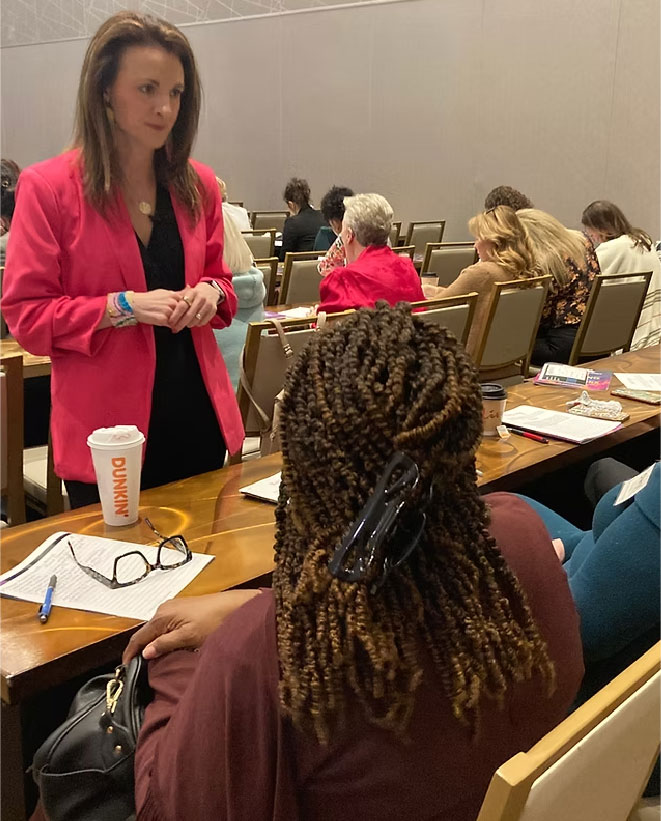
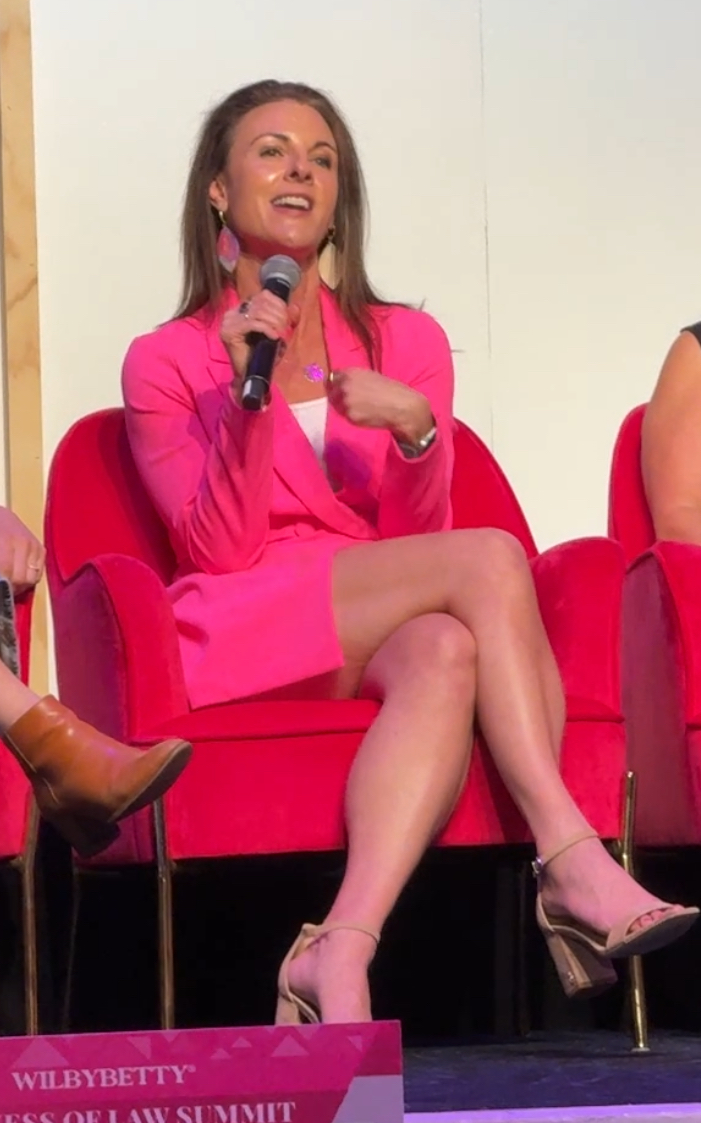
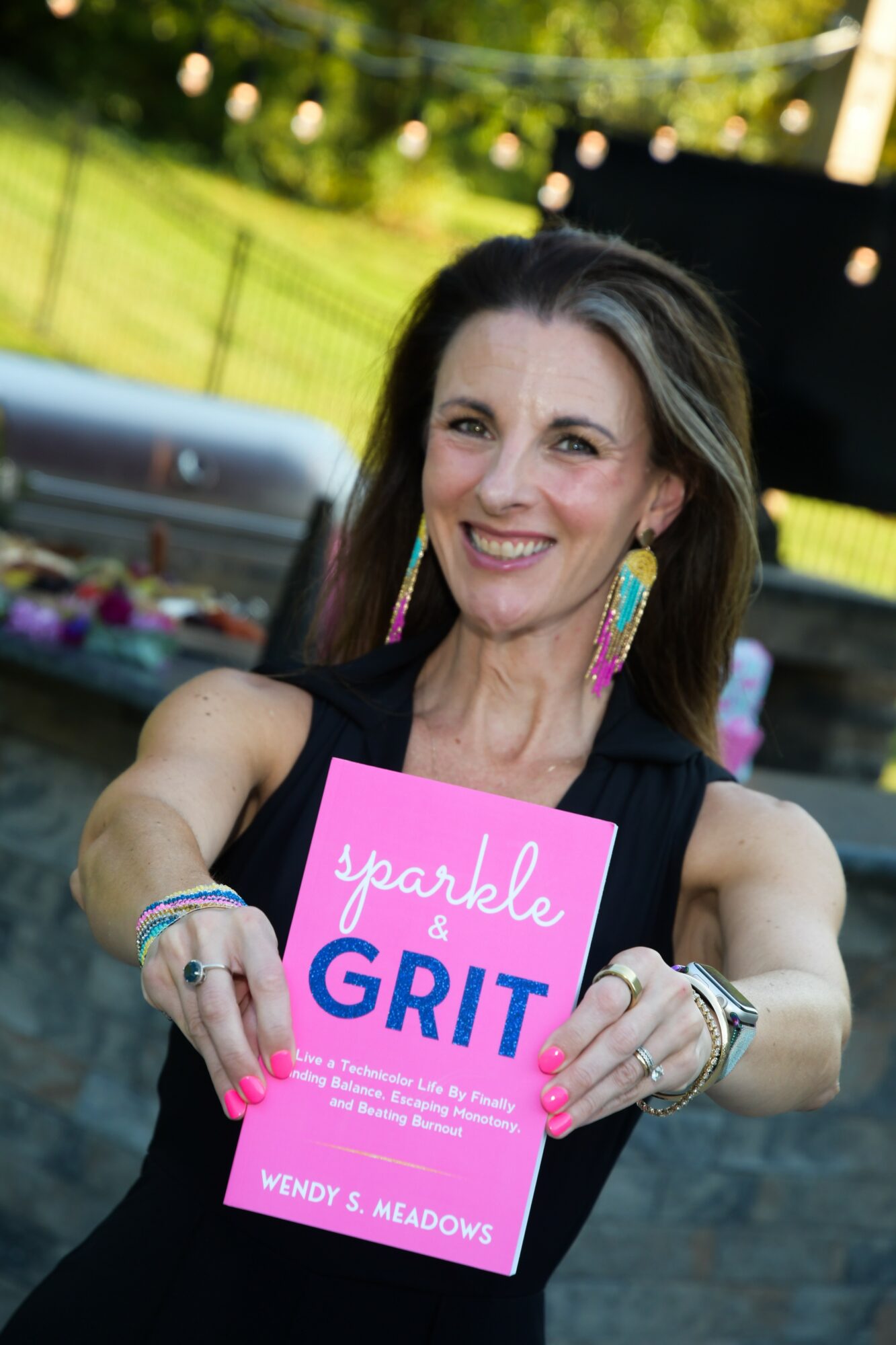
Today we’d like to introduce you to Wendy Meadows.
Alright, so thank you so much for sharing your story and insight with our readers. To kick things off, can you tell us a bit about how you got started?
I started out on what looked like a very traditional path. I was at a well-respected family law firm, moving up the ranks, doing good work, and from the outside it all looked fine. But inside, I felt itchy and like I was living someone else’s version of success. I was billing hours, winning cases, checking the boxes, but something wasn’t lining up.
Around 2016, I started focusing on health and fitness just for myself, and that cracked something open. Then in 2018, my stepdad passed away suddenly. That loss was a jolt and it made me realize life is too short to be “fine” when you want it to be aligned. I couldn’t “just” be a lawyer anymore; I needed to practice in a way that matched my values and the kind of life I wanted to live.
That’s when I shifted away from litigation and to mediation and collaborative law, work that allows me to help families without dragging them through the courthouse. At the same time, I trained and certified as a coach. What started as personal growth became a new calling: helping lawyers, professionals, and women like me find balance, beat burnout, and design a life they actually want to live.
Today, my career looks very different than it did ten years ago. I still practice law, but only in ways that feel meaningful and sustainable. I coach lawyers and leaders, I teach, I write, I speak: all with the goal of showing people that you don’t have to choose between being successful and being whole. You can build a career and a life that lets you breathe.
Alright, so let’s dig a little deeper into the story – has it been an easy path overall and if not, what were the challenges you’ve had to overcome?
Not at all. The hardest part was admitting that “fine” wasn’t good enough. On paper, everything looked great: solid career, good reputation, cases coming in. But behind the scenes, I was exhausted. I was burning myself out trying to do it all: litigator, mom, wife, colleague, friend.
Walking away from litigation was one of the scariest parts; not just because of identity, but because of the money. Litigation was steady and lucrative, and stepping away meant letting go of a reliable income stream. Financially, there have been amazing times and hard times. That transition was bumpy. But I had faith that something better, and more aligned, was waiting on the other side. And it was.
I also had to deal with a lot of eye rolls (at first). `The legal profession doesn’t exactly celebrate slowing down or doing something outside of the box, so when I started questioning the pace and the toll it was taking, I felt like I was breaking some kind of unspoken rule. I also wrestled with the internal stuff – guilt, imposter syndrome, the voice that asked, “Who do you think you are, shifting gears now? Will you be able to hack it?”
And even now, as a coach who teaches others how to recognize and beat burnout, I know I’m not immune. In fact, I’m probably more at risk because I love what I do and it’s easy to over-give (and give). The challenge is staying conscious of my own limits, practicing what I preach, and making sure I don’t slide back into the same patterns I coach my clients to avoid.
The road hasn’t been smooth, but the struggles gave me clarity. They pushed me toward a practice and a life that feel sustainable, and that’s worth every bump along the way.
Alright, so let’s switch gears a bit and talk business. What should we know?
I wear two professional hats that balance each other beautifully — and honestly, they make me better at both.
On the law side:
I run the Law Office of Wendy S. Meadows, LLC. Families come to me because they want something different than the standard courtroom fight. They want a process that protects their kids, their sanity, and their wallets.
My sweet spot is mediation, collaborative law, prenuptial agreements, and parent coordination. I’m known for being direct but kind. I’ll say the hard things when they need to be said, but the goal is always forward motion, not tearing each other down. What I care most about is helping families create agreements that actually work in real life, especially for the kids who are often caught in the middle.
I’ve chosen to focus 100% on alternative dispute resolution because I believe families deserve solutions that minimize conflict and maximize dignity. Whether it’s a custody plan, a prenup, or a sticky co-parenting issue, I help people get to agreements that are sustainable, respectful, and future-focused.
On the coaching side:
I built Lawfully Lean, my coaching and consulting business. That’s where I get to help lawyers, firm owners, and other high-achieving professionals step out of burnout and into balance. I know firsthand how the profession can swallow you whole, so I teach people how to build businesses and lives that support them, instead of the other way around.
I also created sparkle & GRIT — my book, journal, and coaching framework — which has turned into workshops, masterminds, and courses. It’s all about ditching the “fine” life and stepping into one that actually feels aligned.
Bringing it all together:
What ties it all together is this: I’m not just teaching from the sidelines. I’m still in the trenches as a lawyer, a coach, a mom, and a business owner. I know the pressure. I know the burnout risk. I live the balance I teach. And I think that’s why people trust me: I’m approachable, real, and I don’t hide behind jargon.
My law brand is about dignity and solutions. My coaching brand is about possibility and sustainability. Both are grounded in the same belief: you can build a career and a life that lets you breathe.
In terms of your work and the industry, what are some of the changes you are expecting to see over the next five to ten years?
Both law and coaching are going to look very different in the next decade.
In law, I see a major shift away from purely adversarial models and toward alternative dispute resolution. Families are tired of the courtroom grind: the cost, the time, the emotional toll. Mediation, collaborative law, and other out-of-court solutions will only grow. And that shift pairs beautifully with the rise of AI tools. Instead of fearing AI, I see it as a necessary ally. Imagine if lawyers could spend less time formatting documents, chasing admin, or second-guessing boilerplate, and more time actually listening to their clients, thinking strategically, and guiding them through life-changing decisions. AI won’t replace good lawyering, but it will free us up to do the human parts better.
I also think we’ll see more DIY clients — people starting the heavy lifting on their own with templates, tech, and AI — then coming to lawyers to help cross the finish line. That means our role will shift. We’ll need to get creative about how we meet clients where they are, offer unbundled or flat-fee services, and add value in ways that technology can’t.
The bottom line? The future of law isn’t lawyers versus AI or versus DIY: it’s lawyers working smarter, leaning into tech, and showing up as humans in the moments that matter most.
In coaching, I see something similar. Clients don’t want cookie-cutter advice; they want someone who really sees them. AI can handle the checklists, the scheduling, even the nudges. But the connection, the intuition, the real talk? That’s still ours.
And honestly, I think that need is only growing. People are lonelier than ever. COVID pulled us apart, and remote work, while flexible, often left us more isolated. Add in the constant noise of social media, and you get this strange paradox: we’re more connected digitally, but less connected in real life. Coaching steps into that gap. It’s not just about accountability; it’s about partnership, about having someone who listens, challenges you, and reminds you that you don’t have to figure it out alone.
The wider cultural shift is this: in a world where AI and automation handle so much, the human touch becomes more valuable, not less. What people are craving is real presence, someone in their corner who isn’t a bot, isn’t a template, but a thinking, feeling human invested in their growth. That’s why I believe coaching will only continue to expand. AI can streamline the background work, but the spark, the connection, the compassion, the “I see you” moment, that’s what changes lives.
The big shift, in both spaces, is that professionals who embrace these tools — with kindness, with boundaries, and with intention — will thrive. The ones who resist out of fear will get left behind. I’m excited to see how we can work with AI, not against it, to build practices (and lives) that are smarter, kinder, and more sustainable.
Contact Info:
- Website: https://www.wendymeadowslaw.com
- Instagram: https://www.instagram.com/wendy_s_meadows/
- Facebook: https://www.facebook.com/wendy.s.meadows
- LinkedIn: https://www.linkedin.com/in/wendy-s-meadows/
- Other: https://wendysmeadows.com/