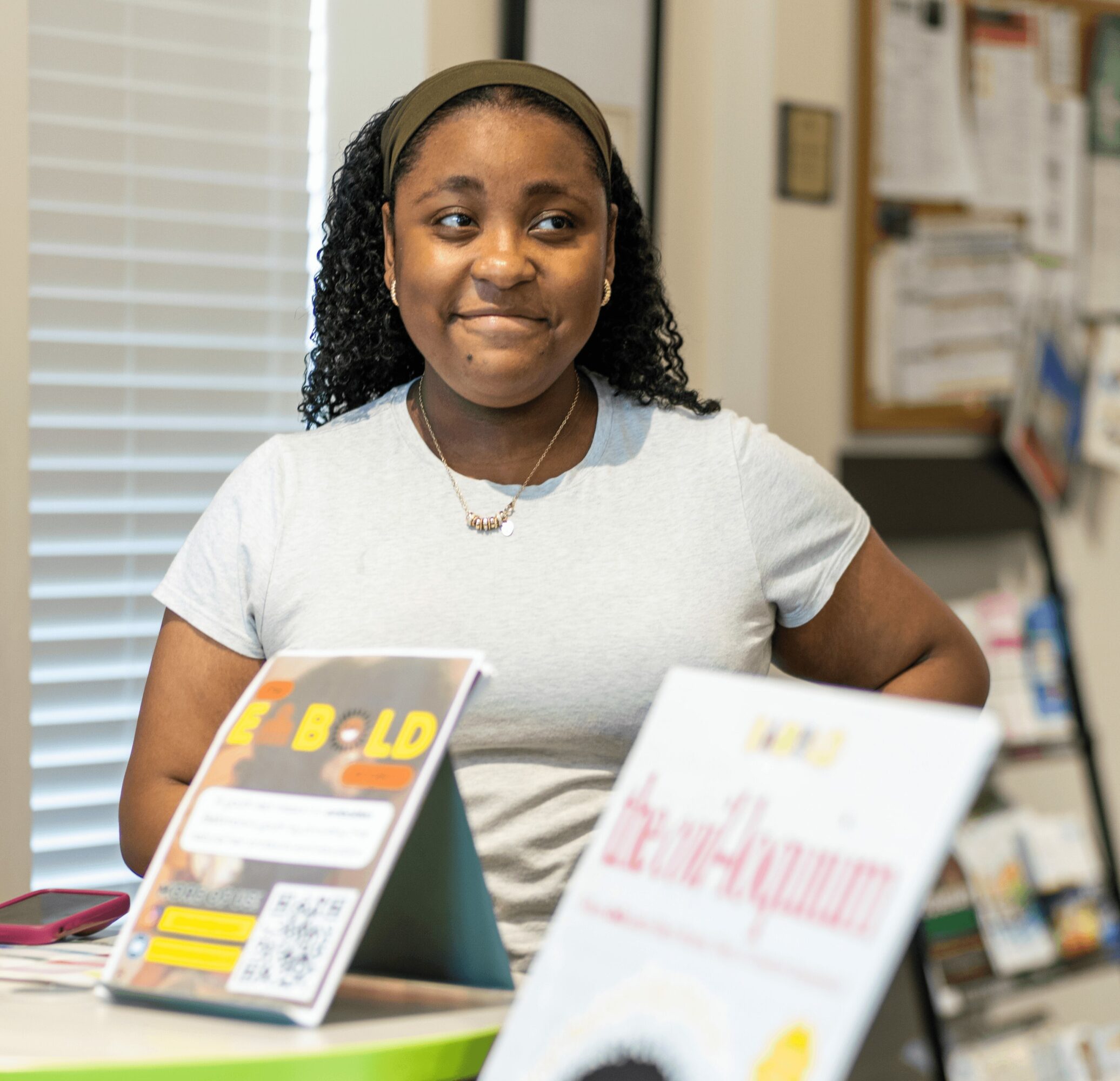
Today we’d like to introduce you to Naomi Boldon.
Hi Naomi, so excited to have you on the platform. So before we get into questions about your work-life, maybe you can bring our readers up to speed on your story and how you got to where you are today?
When asked about my journey with my hair, my memory immediately jogs back to one particular day. My eyes squinted, concentrating on my fingers swirling in my scalp. I was focused on one thing: planting a cornrow in my hair. “Left, scoop, right, scoop, left, scoop, right, scoop…” I repeated in my head—segments from a YouTube hair-braiding tutorial. After many attempts, eventually, my fingers found their place, and a thick braid finally circled around my head. I ran downstairs to excitedly show my parents my work.
This excitement surrounding my hair wasn’t always present throughout my childhood. Since I was a young girl, I constantly faced challenges with embracing my natural hair. I didn’t understand how to care for my curls, and that led me to simply not love them. My hair became something that I wanted to change, not celebrate.
After years with my mind stagnant in this attitude, the pandemic offered me time and a comfortable environment to start experimenting. When my middle school virtual classes were over, I’d remain at my desk, attempting new techniques. My Pinterest board of natural hairstyles grew to over 100 pins, and I tried each one: braids, twists, knots, buns, puffs, plaits, wash n’ gos. I became an artist. The canvas: my hair; the tools: my hands. By the end of quarantine, I was emboldened and educated, ready to parade my coils to the whole world. My hair has become a form of expression, joy, and release—I look forward to Sunday nights, when I style my hair for the week while listening to my favorite neo-soul artists. In high school, I proclaimed myself the “Curly Crown Connoisseur,” offering advice to friends and family—whether it was helping a friend achieve a defined wash-and-go or supporting my aunt during her breast cancer journey as she learned to navigate her new hair texture.
Through these conversations and my observations within my community, I realized I had overcome a barrier that was still blocking many other Black girls and women. So, as a 16-year-old high school student, I began brainstorming and Embold was born.
Can you talk to us a bit about the challenges and lessons you’ve learned along the way. Looking back would you say it’s been easy or smooth in retrospect?
The biggest challenge that I have faced is a lack of funding and resources for young leaders in Baltimore City. As I was building Embold’s programs, I quickly ran into financial obstacles. There were few funding opportunities for young people with big ideas; most grants were unattainable for a 16-year-old. The majority of the youth-led funding opportunities I researched were based out of other states. One of those programs is Jane Goodall’s Roots & Shoots. After investing in Embold, they invited me to apply for their National Youth Council. When I was accepted, I joined a family of global changemakers and had many leadership opportunities, including a chance to present Embold at the Obama Presidential Center. If Baltimore yearns for more young leaders, they need to give us more resources and funding to experiment, create, and collaborate.
Thanks – so what else should our readers know about Embold?
Embold was originally conceived as my high school junior year’s service project. But it has has expanded into a youth-led community organization advancing racial equity and school engagement through both textured hair education and resources. I knew from first hand experience that dominant beauty narratives and systematic inequities in access to culturally-informed hair care can discourage Black women and girls from embracing their natural hair.
In closer analysis, this discouragement often impacts school engagement. With Baltimore City Public School’s alarming chronic school absenteeism rates rising to be the highest in the state, school professionals identify gaps in hair resources and confidence as a barrier for students.
S.B., who served as a community school coordinator at an elementary-middle school, recalls a time when a student nearly left school because of her appearance. She states, “S. was a middle school student and she came to school without her hair being styled. She did not want to stay in school or go to class; she just wanted to go home. So, the social worker and I assembled some items to do her hair. We worked together to ensure that she felt good about herself and felt confident returning to class. I used to keep an inventory of items that students may need on hand, such as uniforms, socks, underwear, school supplies, etc. My experience with S. helped me realize that it might be helpful to have hair care items for students who might need it as well.”
Embold encourages school attendance and confidence through these culturally-grounded programs:
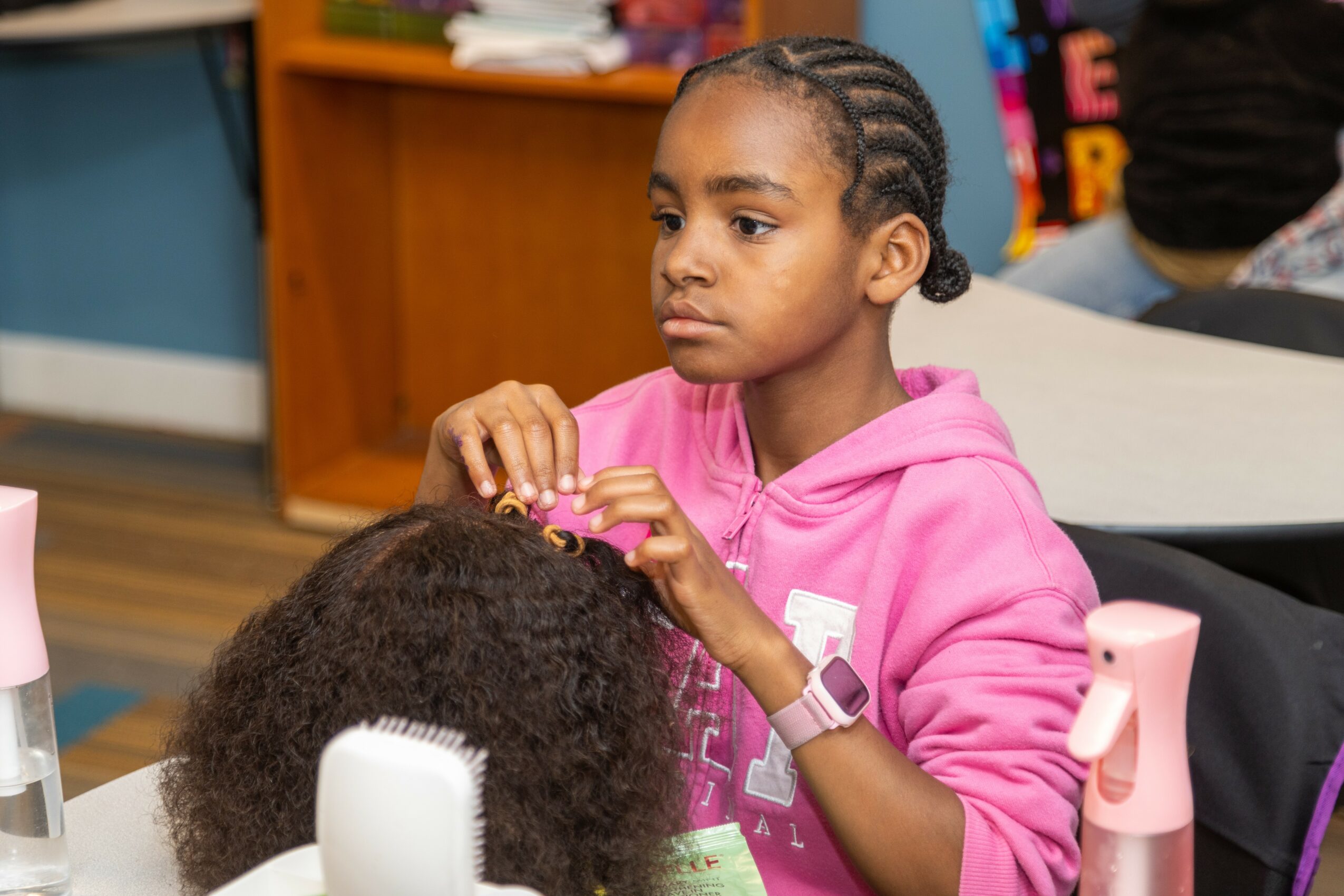
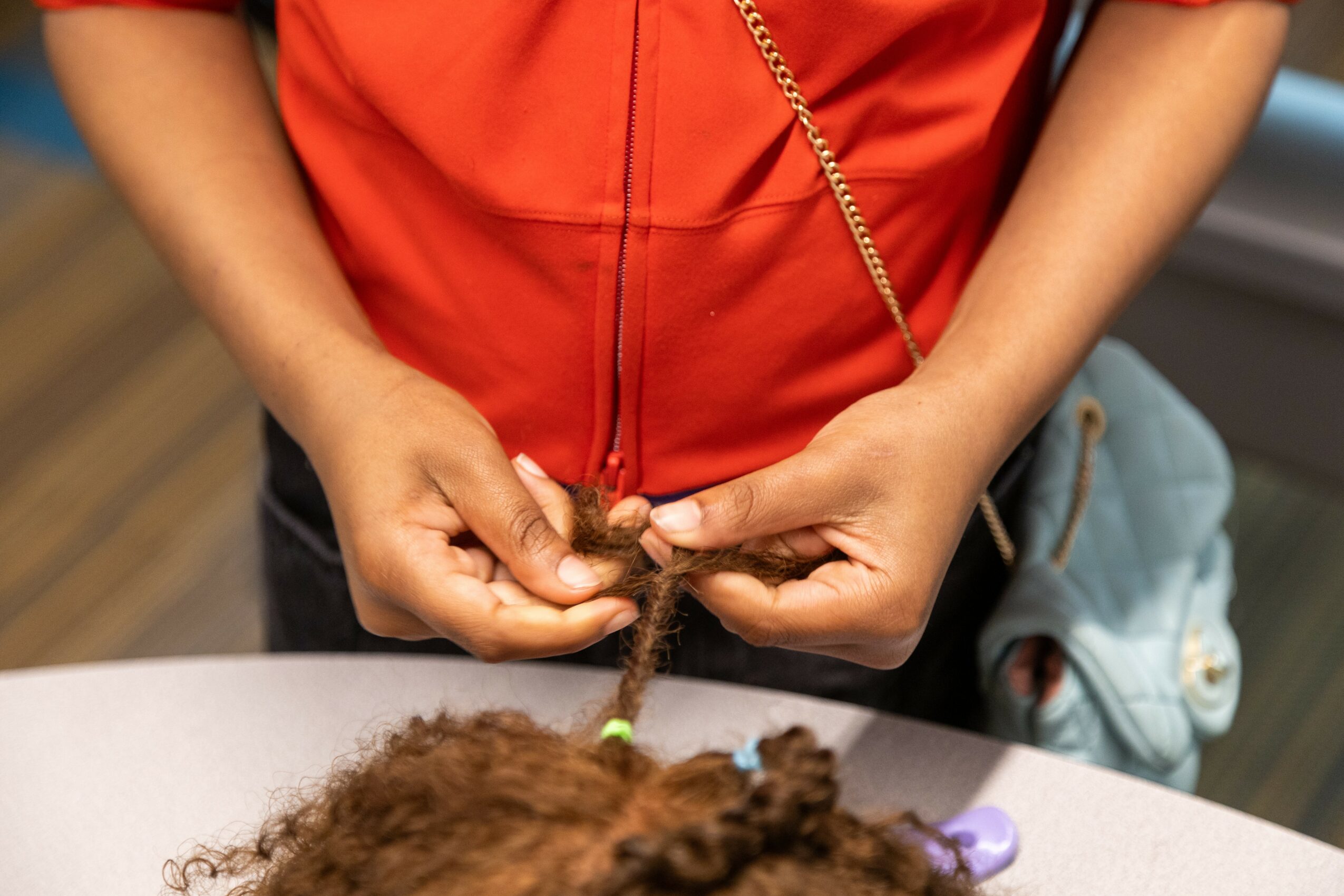
Community Events: At our free community events, participants engage in open dialogue, explore basic curly hairstyles and maintenance on doll heads, and learn about self-love practices. Our workshops go deeper than hair education; we demolish stereotypes. We hosted ProFro: This ‘Fro Means Business in collaboration with Johns Hopkins University, an event challenging the idea that natural hair is unprofessional. Girls practiced professional natural hairstyles and participated in mock interviews.
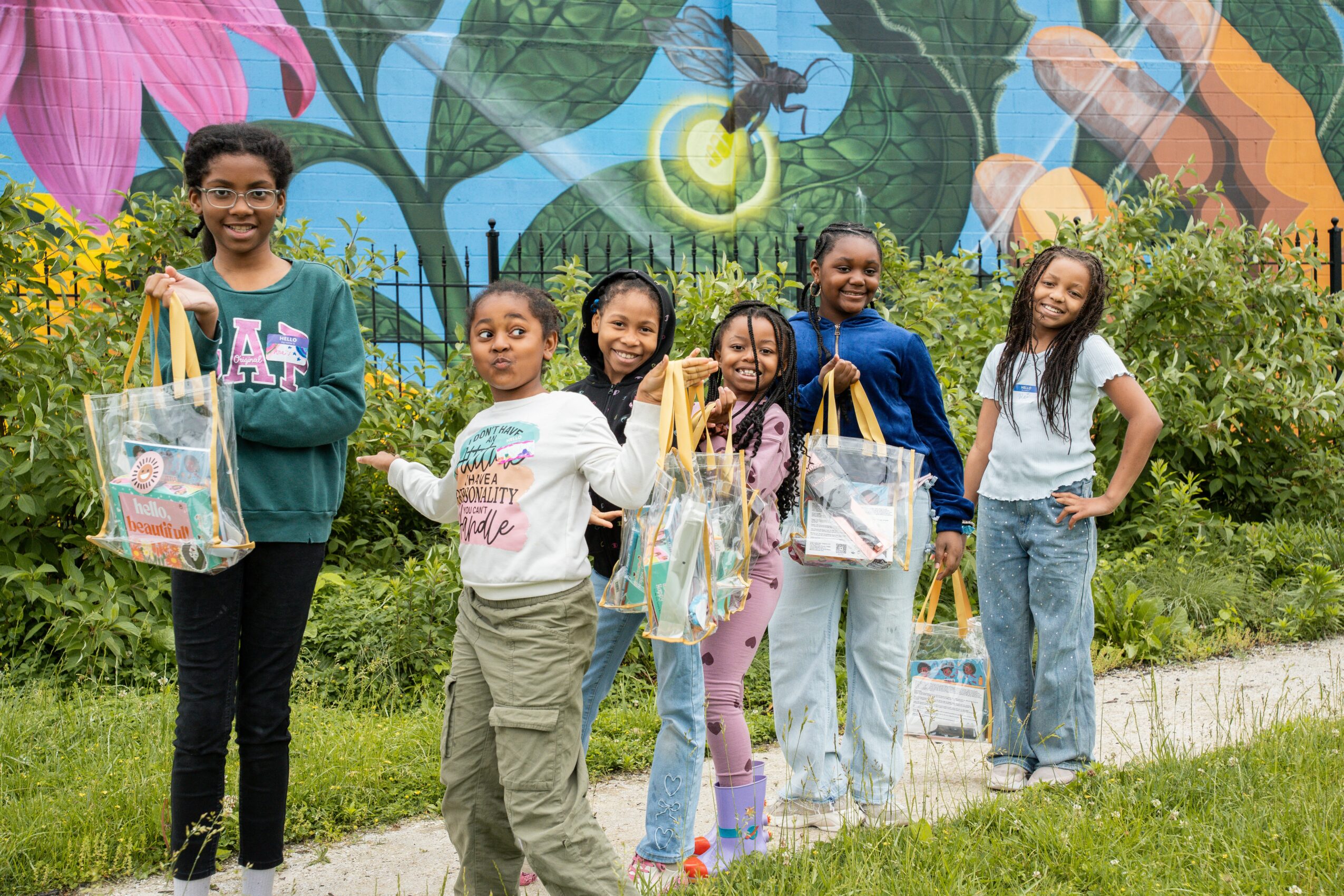
Embold Hair Kits: Embold assembles and distributes hair kits with hair products and tools designed for textured hair to schools and youth organizations in Baltimore.
The Crown Commitment: This is a hair-centered attendance incentive program. We partner with Baltimore City Public Schools to encourage Black girls to show up to school with curls and confidence. Throughout a school quarter, students who maintain high attendance are entered into a raffle to win an invitation to the Crown Commitment Celebration, featuring free professional hairstyling, hair kits, and lunch. We create an affirming environment where the city unites to celebrate Black students’ commitment to their education and identities.
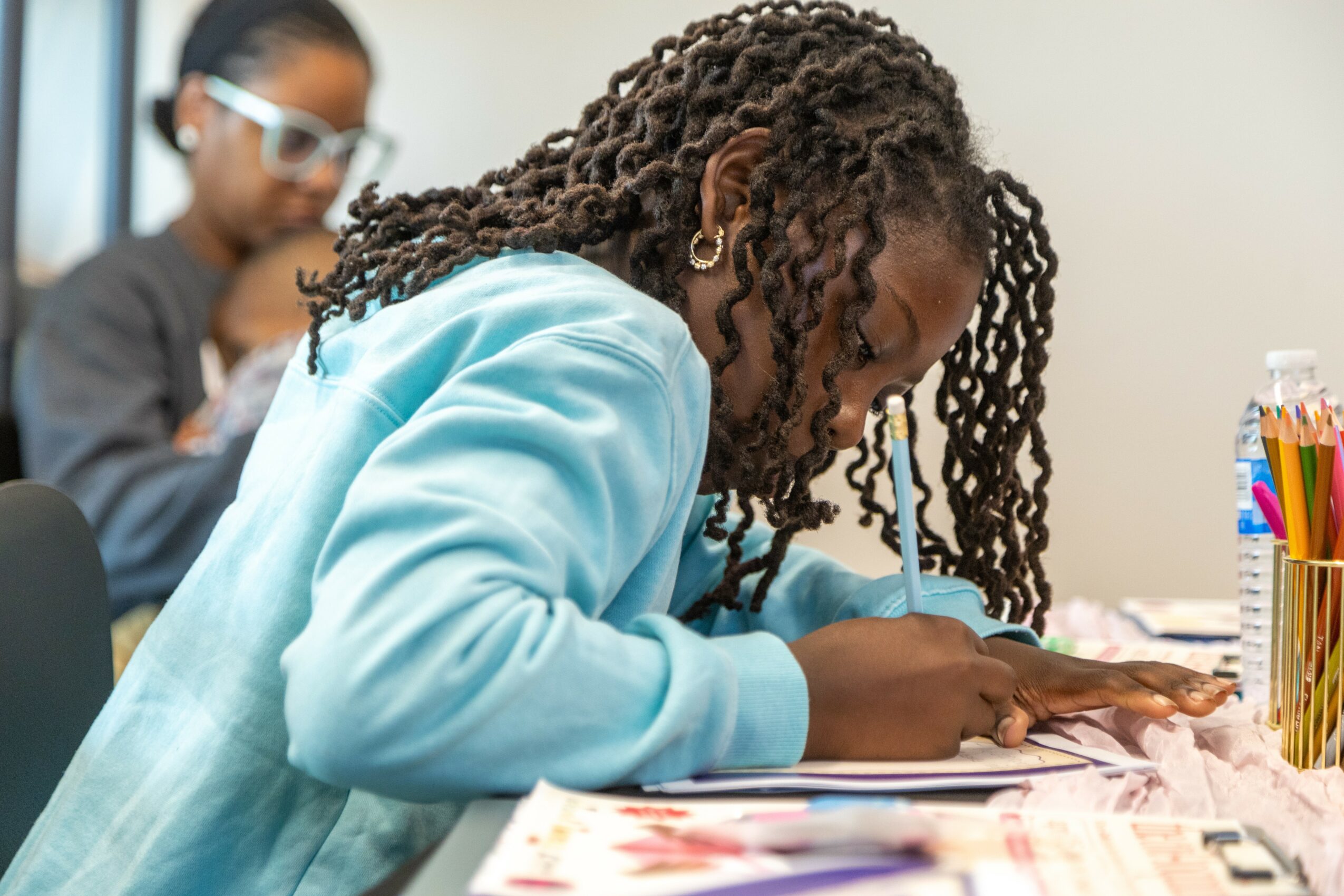
The Coillection: Each year, we aspire to create an anthology featuring hair-centered literature and artwork created by Baltimore City students, uplifting Black girl academia and creative expression. Our first volume is set to publish this fall.
Embold Mini Chapters: Launching next school year (2026-2027), this initiative provides elementary and middle schools with a free afterschool club curriculum guide and materials focused on hair confidence, self-love, and positive identity development. The program helps girls develop the confidence to engage in school, strengthen attendance, and show up confidently in every environment they enter. This initiative is supported by Jane Goodall’s Roots & Shoots.
Are there any books, apps, podcasts or blogs that help you do your best?
One of my favorite podcasts to listen to is “Middle Ground” by Jubilee Media. It is a social experiment that brings together people with opposite viewpoints for a moderated and fact-checked conversation. It really challenges me to better understand ideas different from my own and collaborate with people. Through Embold, I’ve been able to utilize these unification skills, employing hair as a force to unite people. We have reshaped the local ecosystem in which families, community organizations, and elected officials are supporting girls to embrace their curls and confidence. We have worked with Councilwoman Phylicia Porter, the First Lady of Baltimore’s organization, BmoreEmpowered, parents, hair salons owners, school counselors, Johns Hopkins University, among others. Embold recently received the Princeton Prize in Race Relations (Certificate of Accomplishment) from Princeton University for its work in advancing racial understanding and relations. I’m excited to continue using hair as a tool for connection; I hope to expand Embold reach into foster care systems, correctional facilities, and other spaces.
Contact Info:
- Website: https://emboldproject.org
- Instagram: https://www.instagram.com/emboldproject/
- LinkedIn: https://www.linkedin.com/in/naomiboldon/
- Youtube: https://www.youtube.com/@emboldproject