Today we’d like to introduce you to Jenny Kassan.
Hi Jenny, so excited to have you with us today. What can you tell us about your story?
For as long as I can remember, I’ve been passionate about wanting to help close the gap between rich and poor in our country.
After law school, I went to work at a nonprofit doing community economic development.
One of my projects was to work with the small businesses in the community. It quickly dawned on me what an incredible force for prosperity small businesses can be.
When they have the resources they need, they create jobs, spark innovation, and keep dollars recirculating in the local economy.
But too often, they don’t have access to capital – either at all or on terms that make sense for them.
When I realized that helping small businesses get access to capital could be the key to addressing the wealth gap, I decided to become a securities and finance lawyer.
For the last 20 years, I’ve helped hundreds of businesses—from grocery stores to manufacturers to tech startups—raise investment funding on their own terms from their communities.
I call this approach community capital to distinguish it from the usual suspect funding sources like banks, angel groups, and VCs.
I even helped get a law passed to make community investing easier (called Regulation Crowdfunding) and wrote a book on the topic called “Raise Capital on Your Own Terms: How to Fund Your Business without Selling Your Soul.”
And yet, the wealth gap keeps growing.
Most entrepreneurs and changemakers still lack the capital they need to bring their visions to life.
I kept asking myself – what is still missing?
Why aren’t more people moving their money from Wall Street to Main Street?
I finally remembered an old adage – change moves at the speed of trust.
And for humans, trust is built via face-to-face, in person relationships that develop over time.
I came to believe that a place-based ecosystem where building relationships of trust was the top priority could be the key to 1000x the community capital movement.
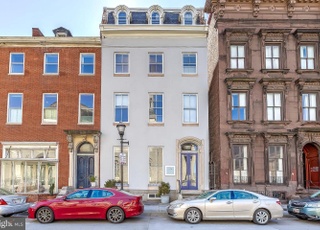
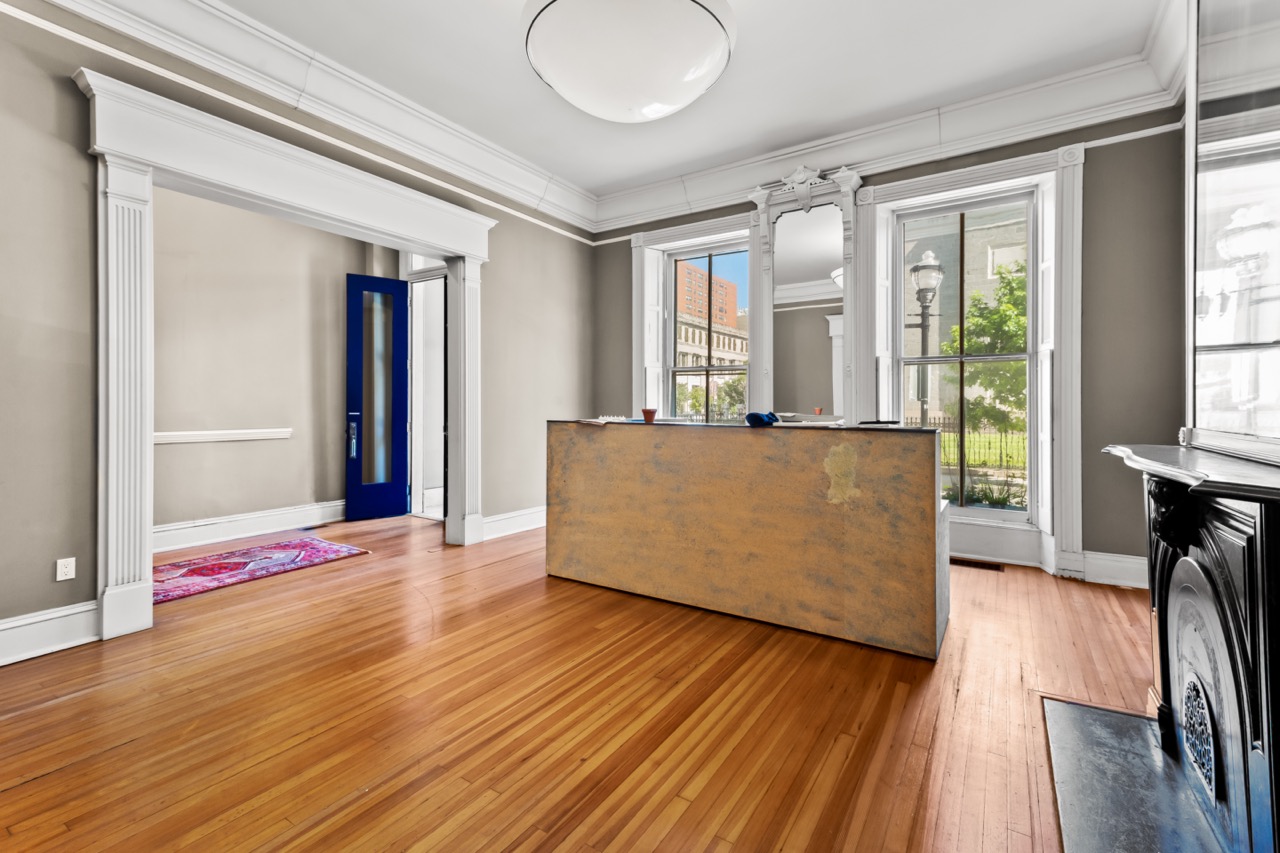
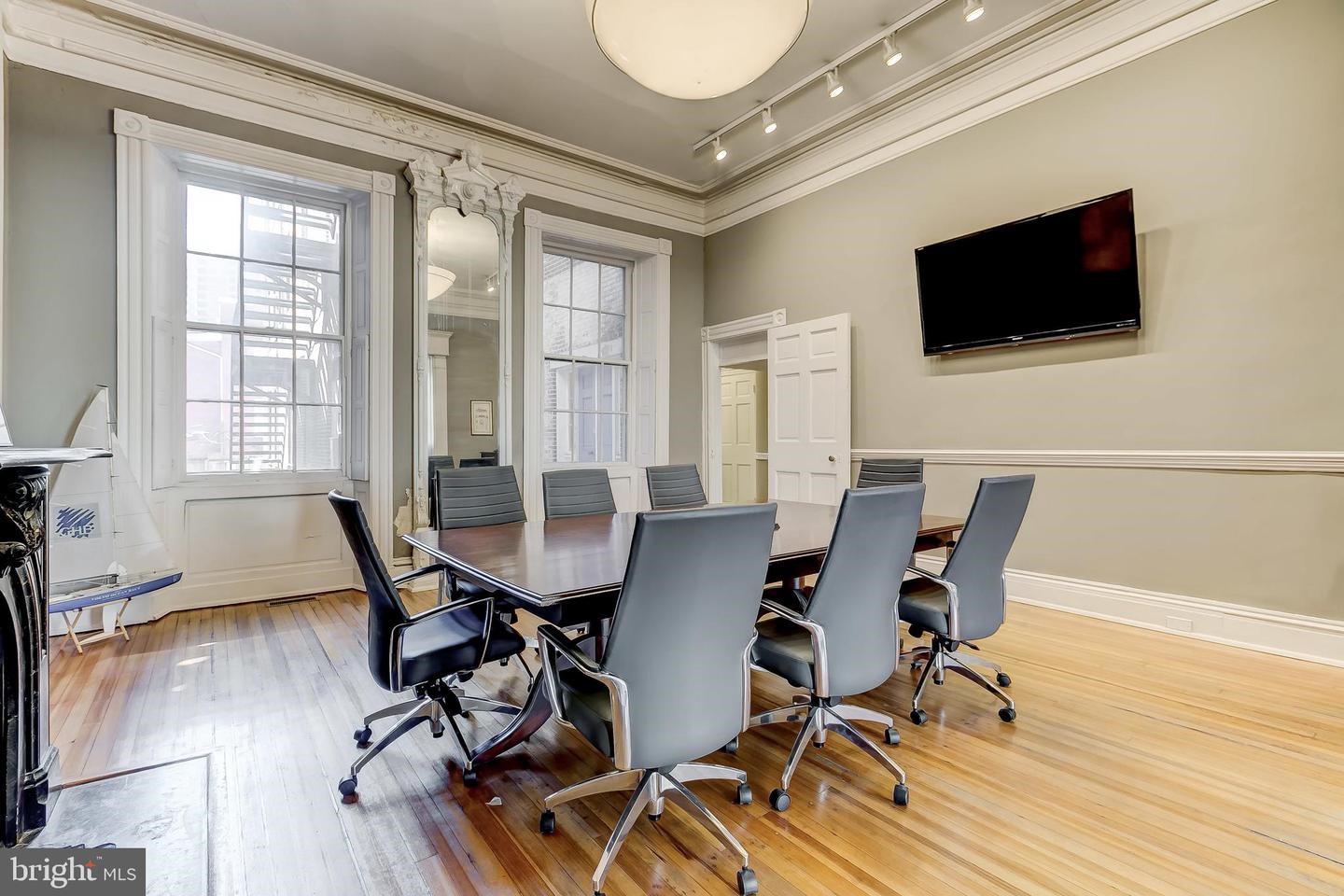
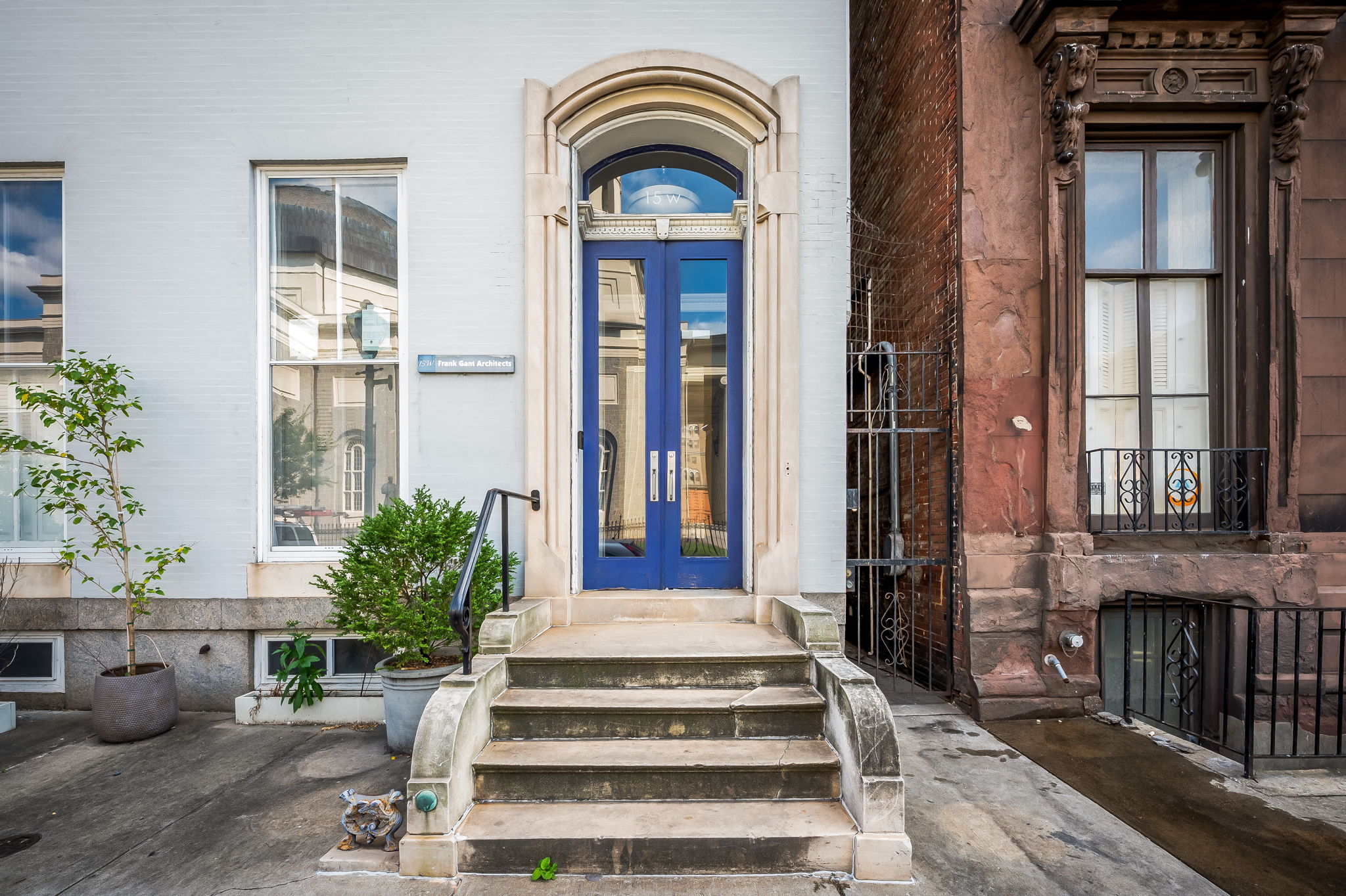
So I raised funding from investors and bought a building on Mulberry Street in downtown Baltimore. We call it The Mulberry.
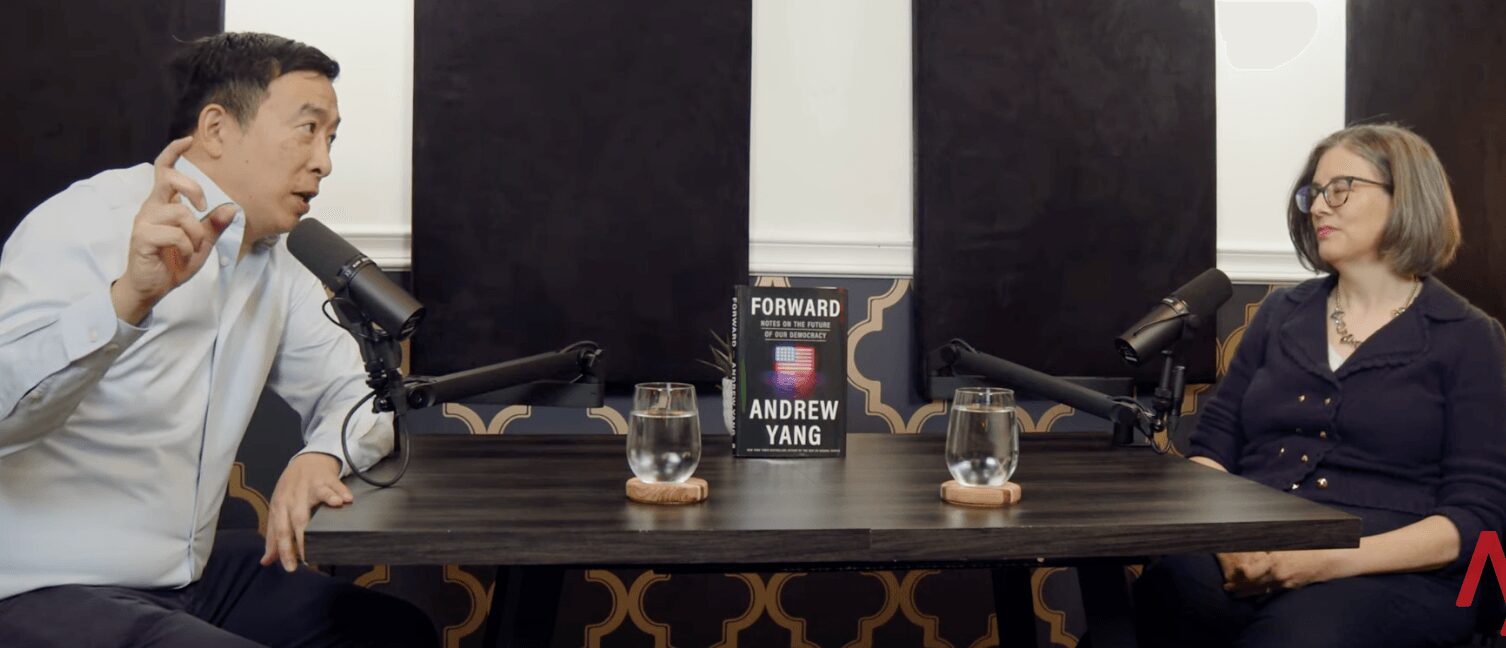
Andrew Yang, who ran for President in 2020 and advocates for a human-centered economy, came on board to support our community wealth building efforts.
I’m sure it wasn’t obstacle-free, but would you say the journey has been fairly smooth so far?
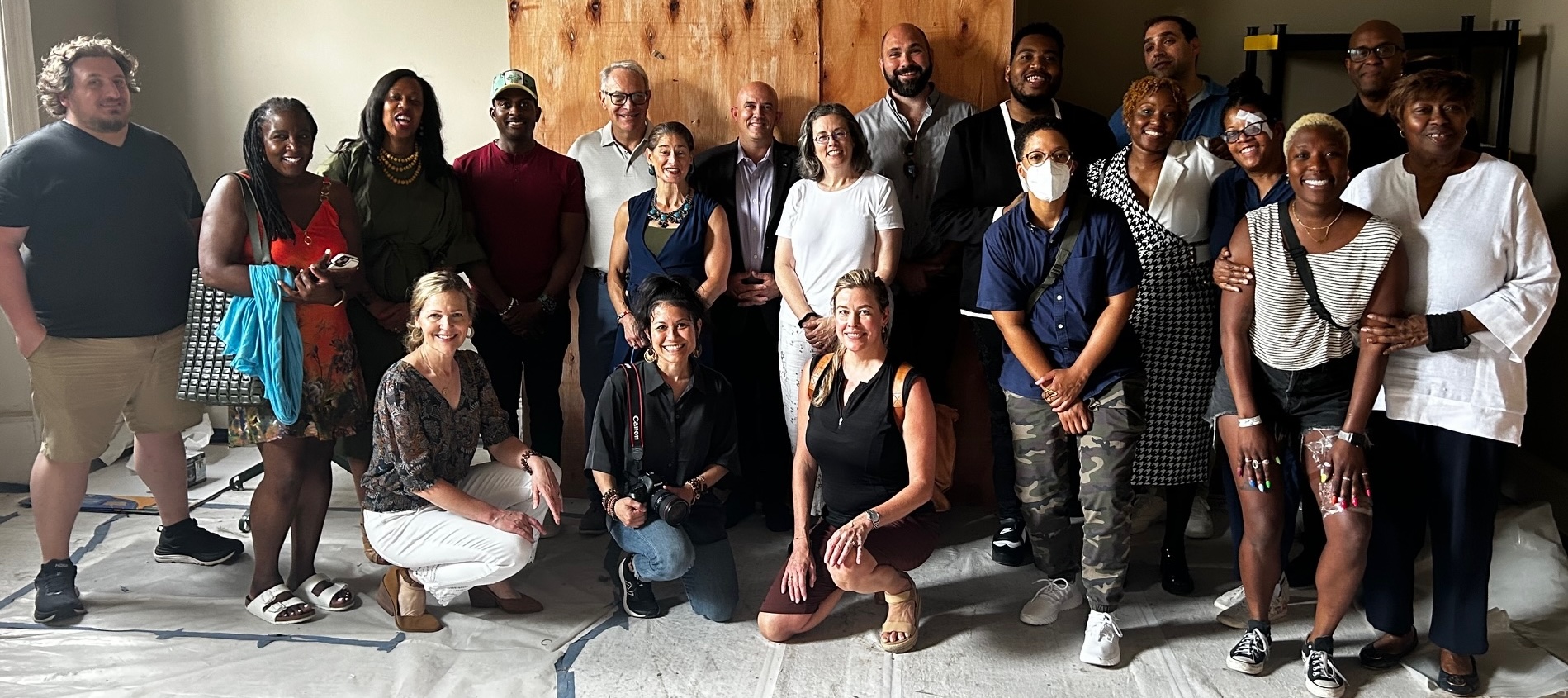
I was naive about what it takes to renovate a building that is over 150 years old! The renovation costs are much higher than originally projected and the permitting process has been challenging. I have had to raise more money from investors than I have ever raised before! But, I have been raising funding using community capital – no banks or institutional investors. We have about 80 investors with some having invested as little as $1,000. All of our investors care about more than making a financial return. They support the mission of our project.
As you know, we’re big fans of Opportunity Main Street / Baltimore Community Commons. For our readers who might not be as familiar what can you tell them about the brand?
Opportunity Main Street is the name of the business that owns The Mulberry. It has raised over $3 million to buy and renovate the building from community investors and will operate the building as a for-profit business that will lease luxury furnished corporate residences to short-term visitors to Baltimore. On the first floor, our sister nonprofit, Baltimore Community Commons, will run our community investing program and will welcome other nonprofits to offer educational activities and events.
How can people work with you, collaborate with you or support you?
People can join Baltimore Community Commons for free which will make sure they are the first to hear when we finally open our doors, hopefully by the end of 2026. Just go to baltimorecommunitycommons.org.
Contact Info:
- Website: https://www.baltimorecommunitycommons.org/ and https://www.mulberrybaltimore.com/,
- Instagram: themulberrybaltimore