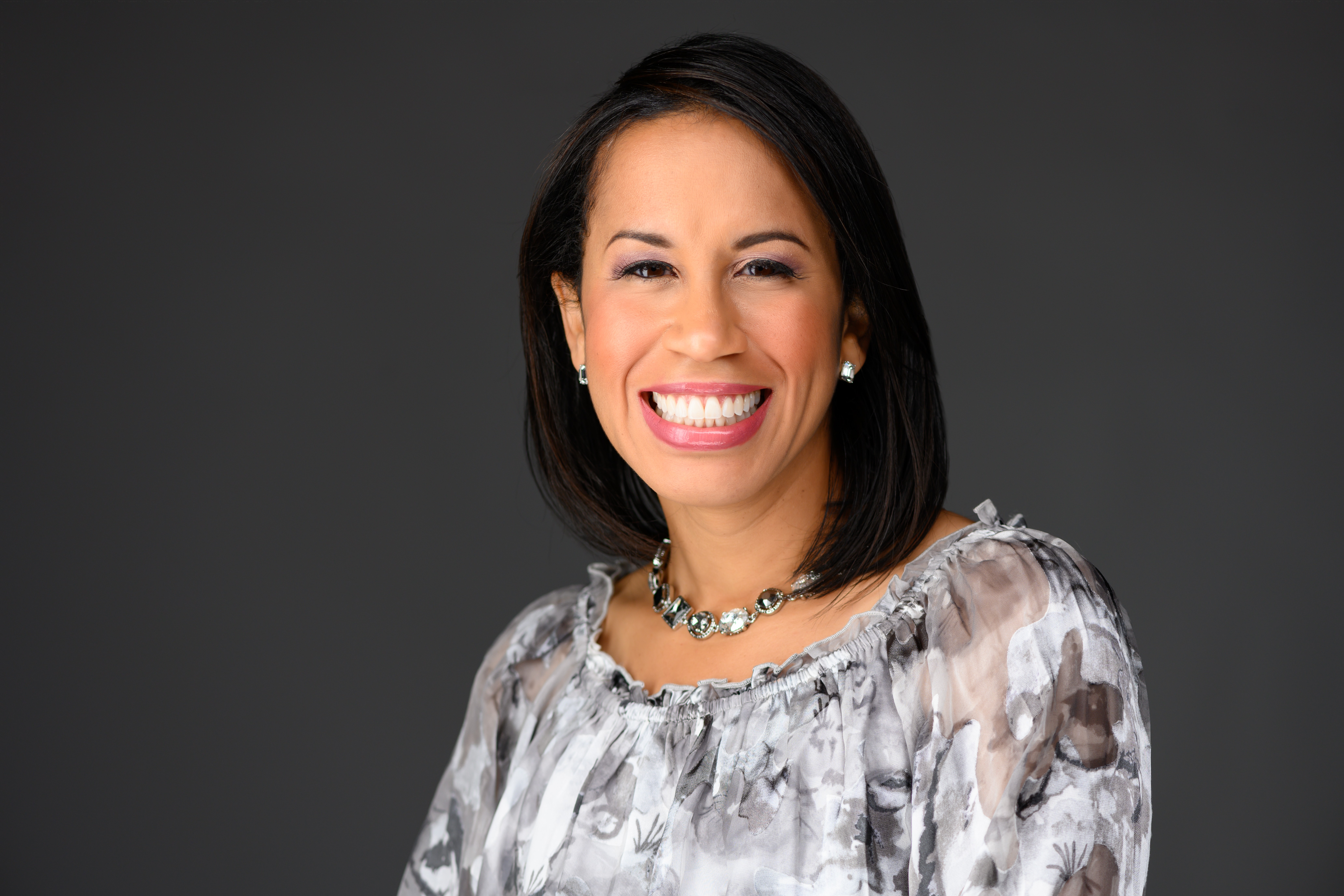
Today we’d like to introduce you to Greer Callender, M.Ed..
Greer, we appreciate you taking the time to share your story with us today. Where does your story begin?
My journey to founding Dyslexia Success Academy started in my own home, with my own children.
I was homeschooling my oldest son, and by 5th grade, something was clearly wrong. He was discouraged with reading and writing. He was working incredibly hard — harder than any of his peers — and still falling behind in reading. I felt completely defeated. Not just as an educator, but as his mom. I had a cum laude Yale degree in language. I was supposed to know how to fix this. And I couldn’t.
I knew he was smart and capable, so the disconnect did not make sense to me. I accused him of not trying, being lazy, and obstinate. But really he was just exhausted from trying and feeling defeated.
Then came the diagnosis: dyslexia.
I remember feeling stunned. What were we supposed to do with that? The word came with very little guidance and a lot of fear about what his future would look like.
So I did what I do — I prayed. Then I went to work. I needed to understand exactly how a dyslexic brain processes language — and more importantly, how to teach one.
I immersed myself in the research, pursued training in the Orton-Gillingham Approach, and eventually obtained my Master’s Degree in Dyslexia Education, became a Certified Dyslexia Specialist. And I am still pursuing advanced training, even now, to become a trainer of dyslexia practitioners.
What I found changed everything. Not just for my son, but eventually for my 3 younger sons as well — because dyslexia can run in families, and it ran in mine.
Once I understood the right approach, my boys began to turn a corner. The frustration started to lift. The shutting down ended. And something I hadn’t seen surfaced — confidence.
I didn’t know it at the time, but that personal transformation in my kids planted the seeds for Dyslexia Success Academy. But the business itself was born from a very specific moment.
When schools closed in 2020 due to COVID, parents across the country suddenly found themselves at home with their dyslexic kids — no services running, no support, and no idea what to do. I started getting requests from parents who were desperate, overwhelmed, and watching their children struggle at home — for the first time really witnessing up close how hard things were for their children academically. I said yes to take on one student. I taught him one-on-one virtually for a full year, and he jumped three grade levels in that time using the Orton-Gillingham Approach and the at-home learning strategies I had employed for years homeschooling my boys. And from there, the Academy was born.
I began working with families whose children were going through exactly what mine had gone through. Parents who felt the same guilt I did. The same exhaustion. The same heartbreak of watching a bright child believe they weren’t smart.
What started as answering a need during a crisis became a fully online program that could reach families anywhere in the United States — on a consistent schedule, with the kind of structured, specialized instruction most of these kids had never received before. The virtual format turned out to be an asset, not a limitation.
As the program grew, I made a shift that transformed outcomes even further. I moved from one-on-one instruction to small group learning — and what I discovered surprised even me. Students thrived in ways I hadn’t anticipated. For the first time, many of these kids were sitting alongside other children who learned exactly the way they did. The isolation they had carried for years started to dissolve. They stopped seeing themselves as the one kid who couldn’t keep up, and started seeing themselves as part of a community of bright, capable learners. The group dynamic added something no one-on-one session could fully replicate — belonging.
I built the Dyslexia Success System™ around the three things I saw every family desperately needed: for their child to experience success, to gain independence as a reader, and most of all — to find their confidence.
Today, I’m building a team of trained specialists so we can reach more families. I still teach students while also leading the program’s growth, training our instructors, and developing the referral relationships that bring families to us sooner — with pediatricians, psychologists, therapists, executive function coaches, and child psychiatrists who are on the front lines with these kids every day.
The mission hasn’t changed. It’s still personal. Every child I see struggling, I see a version of my own kids. And every parent who reaches out to me — I know exactly where they are. Because I’ve sat in that same chair.
We all face challenges, but looking back would you describe it as a relatively smooth road?
Absolutely not.
The teaching part came naturally, as I had several years of homeschooling behind me already. Everything else was harder than I expected.
I was a medical wife and homeschooling mother of 4 spirited boys — and for a significant season, I was drowning. We lived through more than a decade of upheaval — multiple moves, losses, and starting over repeatedly. Somewhere along the way, I stopped waiting for things to get better and just learned to function inside the chaos. With little connection to my husband through the blur of overnight ER shifts, I was carrying the full weight of being the family CEO — with little time for friendships, rest, or retreat. And underneath all of it, unrecognized depression that made everything in life so hard.
Showing up for a business when you are barely showing up for yourself is its own kind of battle. I was running on empty most of the time. But the mantra I adopted was simple: “keep going...” — no matter how I felt or how the circumstances appeared.
What changed things was asking for help — and then doing the hard work of actually receiving it. Really deciding that I mattered — that taking care of myself wasn’t optional, it was necessary. And somewhere in that process, I realized Dyslexia Success Academy was more than just a way to help students. It wasn’t just a business I was trying to build. It was my lifeline during a depleting season of life. It gave me a project when I needed purpose. A mission when I needed direction. An opportunity to grow in ways I hadn’t expected — personally, professionally, and spiritually.
The external challenges — learning marketing and sales, building a team, and managing the business — those were real too. But honestly, the hardest work happened on the inside first. And every family I work with reminds me that the hardest seasons are rarely wasted. Many of the parents who find me are in the middle of their own.
We’ve been impressed with Dyslexia Success Academy, but for folks who might not be as familiar, what can you share with them about what you do and what sets you apart from others?
Dyslexia Success Academy is a fully online dyslexia education program serving students across the United States, serving primarily 3rd through 6th grade — the years when the gap between a struggling reader and their peers starts to widen fastest, and when the emotional damage of feeling different begins to set in.
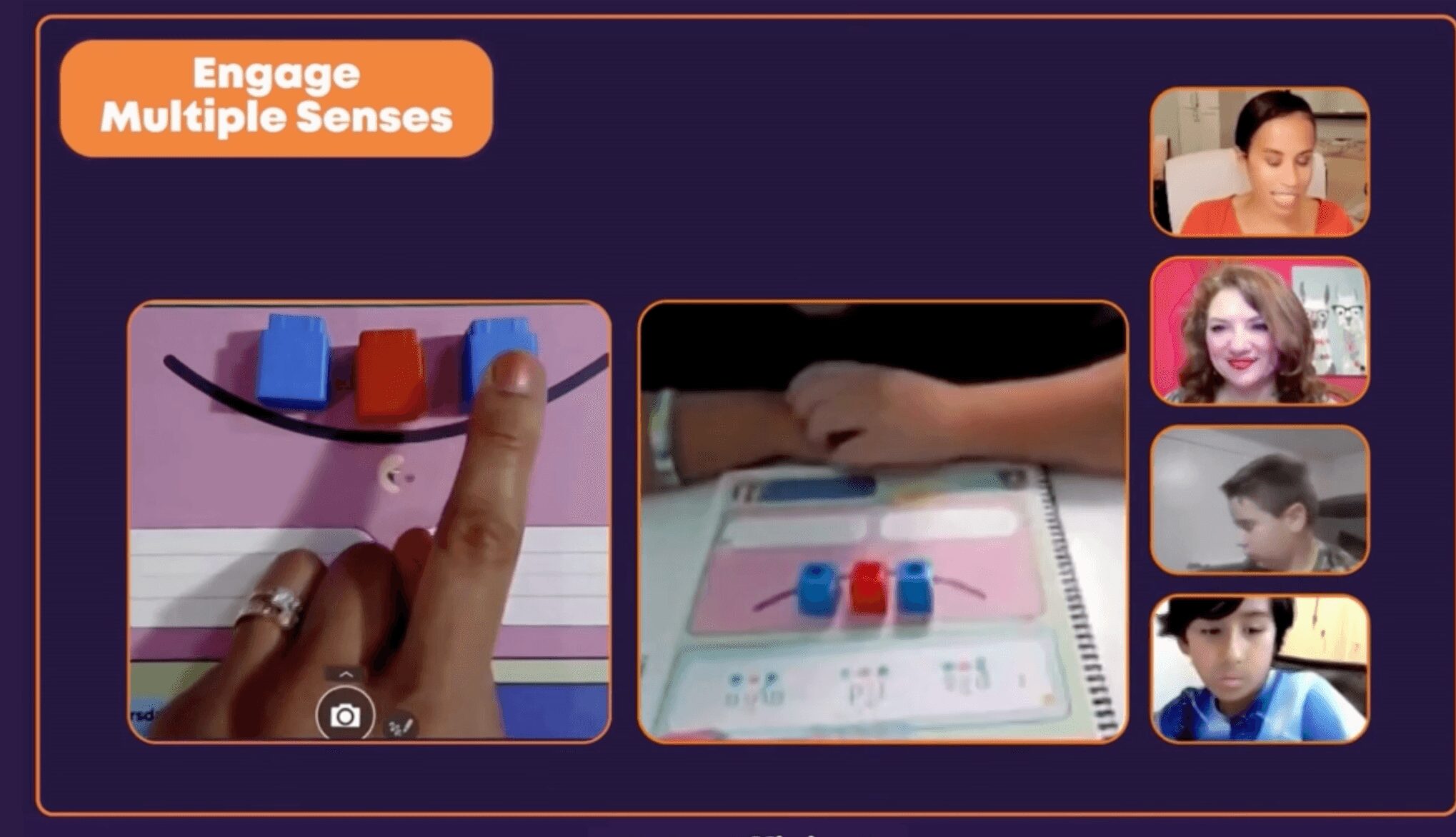
We specialize in the Orton-Gillingham Approach, the gold standard for dyslexia instruction that has been refined over the last 100 years of practice. It’s comprehensive, structured, multisensory language education that works by rewiring the neural pathway a brain with dyslexia uses to read.
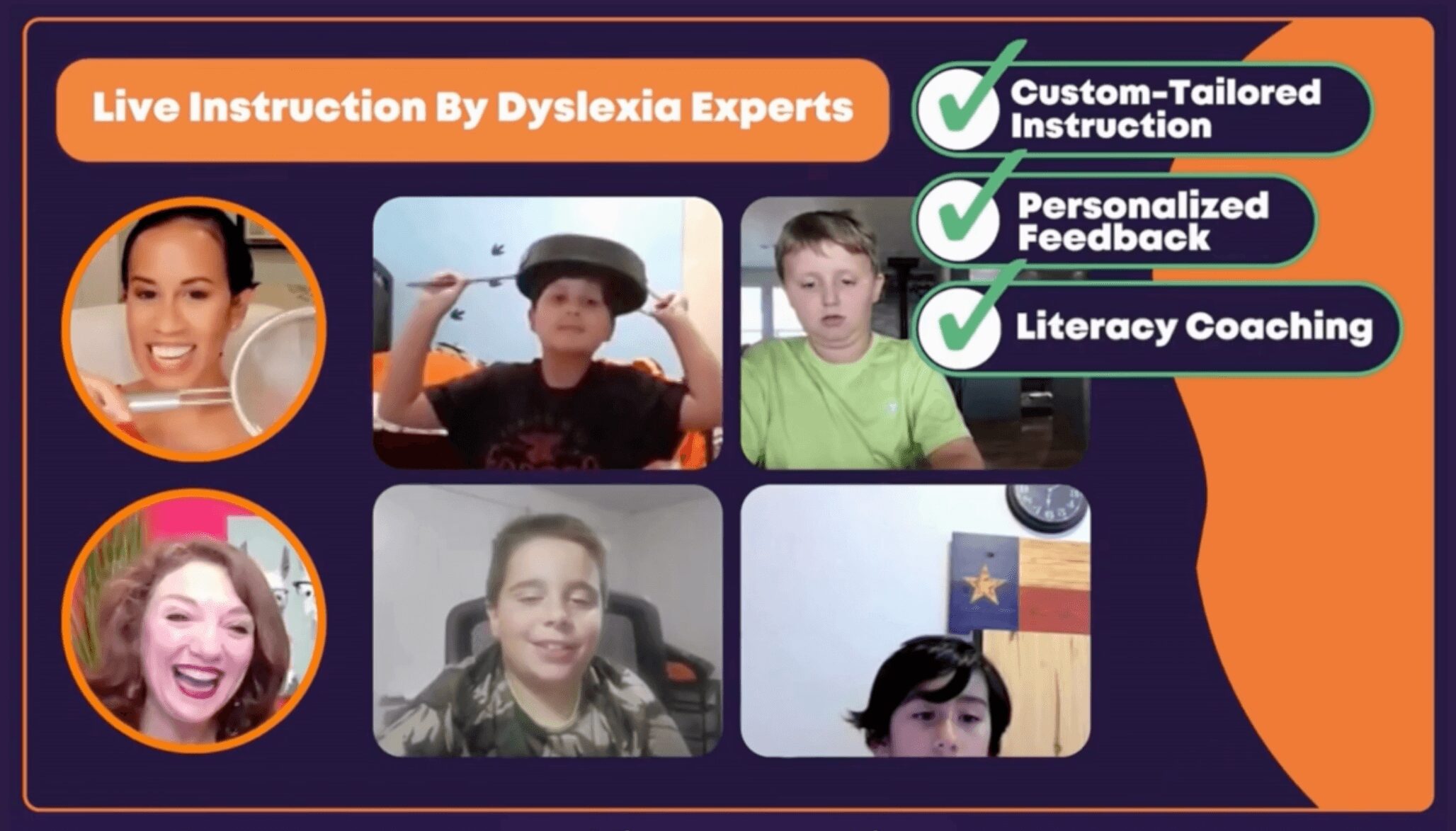
The way our program is structured is intentional. Our model is hybrid — combining live small group sessions with interactive asynchronous classes. Four days a week of contact with the material using the proper methods is what produces the kind of transformations we have become known for. The dyslexic brain needs repetition and consistency to make the neural switch it needs to become a more efficient reader. We give it that.
To my knowledge, there is nothing else like this available to families — specialized dyslexia education, on the caliber offered at dyslexia schools — delivered online, in a small group of students with matching learning profiles. When a child sits alongside two or three other students who learn exactly the way they do, the shame, fear, and hiding starts to dissolve. They normalize each other’s experience. They stop believing they’re not smart. And when a child isn’t anxious or stressed, the brain retains so much more.
What we’re building underneath all of it matters just as much as the reading skills themselves — independence. When students start realizing they can do this work on their own, that’s when confidence takes off. That’s when they stop shutting down and start owning it. That is what this brand is built on. Not just reading scores — confidence. The quiet, steady certainty that a child is not broken, not lazy, not behind forever. Just wired differently. And finally being taught the right way.
The student I am most proud of is my own son, Landon. He is the reason any of this exists. Watching him go from a struggling third grader who could barely read or spell to an honor roll eighth grader getting ready for high school who is competent, independent, diligent, and brilliant. That transformation is what made this real for me. Everything I built, I built because of what I watched happen in him first. I know exactly what it costs a child to go without the right support — and exactly what becomes possible when they finally get it.
What’s next?
The future I’m building toward is one where more families find us sooner.
A significant part of that is the referral network. The parents who need us most are already sitting in the offices of pediatricians, psychologists, diagnosticians, and therapists who see their child struggling every day. Building those relationships — so that families get pointed in the right direction before another year passes — is a priority I’m actively investing in.
The second piece is team growth. My vision is to expand our team of Master’s trained dyslexia specialists so that we can reach more students and offer more opportunities for them. The standard of instruction matters enormously in this work — and my goal is to build a team that is trained to deliver it at the highest level.
And personally, I am currently in training to eventually transition from teaching students myself to training practitioners in the Orton-Gillingham Approach — so that the impact multiplies far beyond what any one person could do alone.
Contact Info: