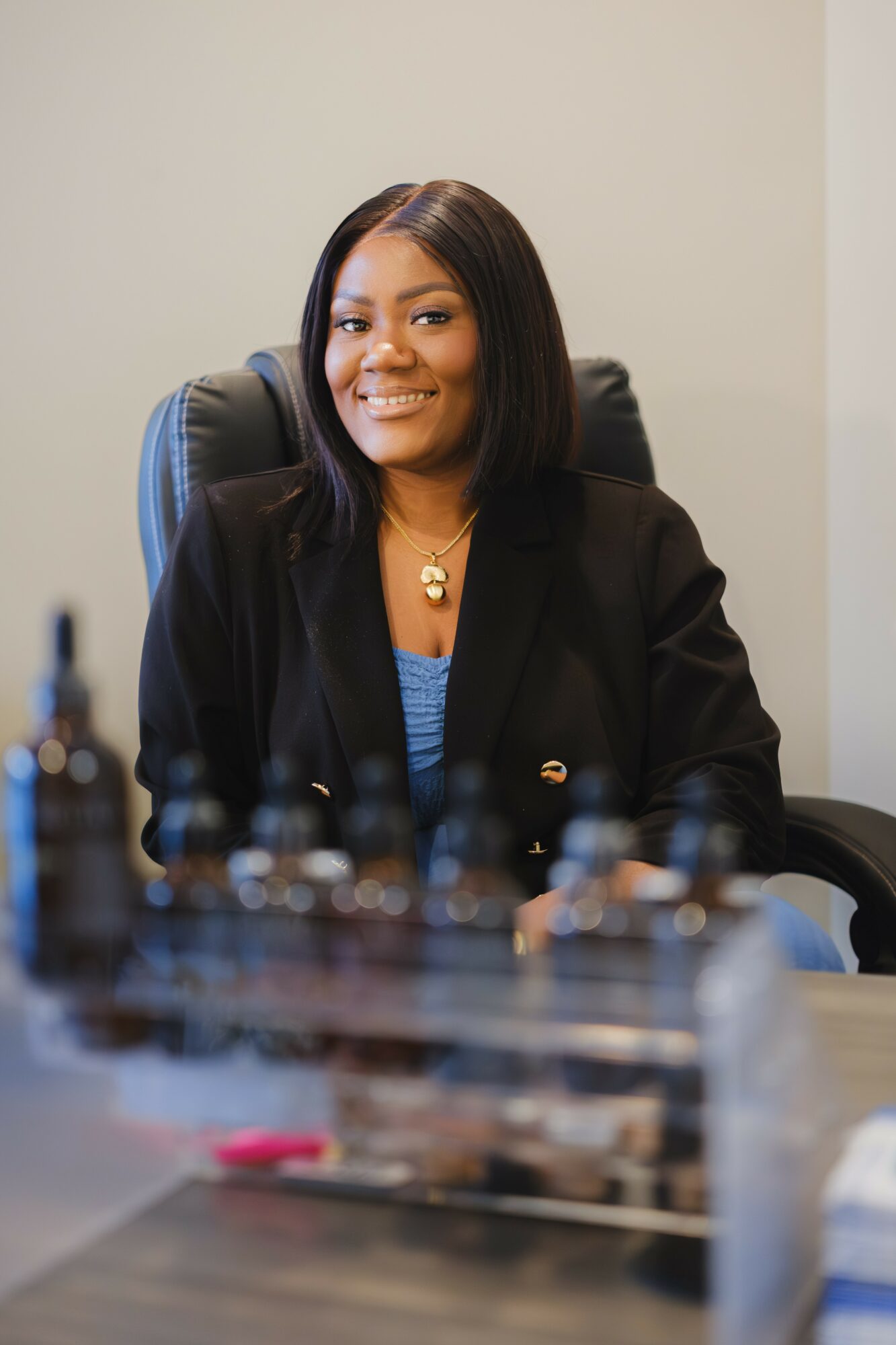
Today we’d like to introduce you to Dr. Damilola Ajongbolo.
Hi Dr. Damilola, we’d love for you to start by introducing yourself.
I’ve always been a problem-solver by default. Even as a kid, I was constantly buying, selling, and trading, I loved the mechanics of systems and exchange. That instinct to fix things naturally pulled me toward healthcare.
I originally planned on medical school, but as I matured, I realized that my best flow state wasn’t in the high-trauma environments like surgical settings. I wanted to serve patients at a high clinical level while staying effective, analytical, and systematic, which is why I chose Pharmacy. There’s a common misconception that pharmacy is a fallback for medicine, but for me, it was a deliberate choice for alignment. It provided rigorous clinical training, deep expertise in pharmacotherapy, and most importantly, a systems-level understanding of patient care.
However, I started noticing gaps that medicine alone couldn’t fix. I saw patients struggling not because they lacked the will to get better, but because of invisible barriers: mental health needs, housing instability, and financial hurdles, etc..
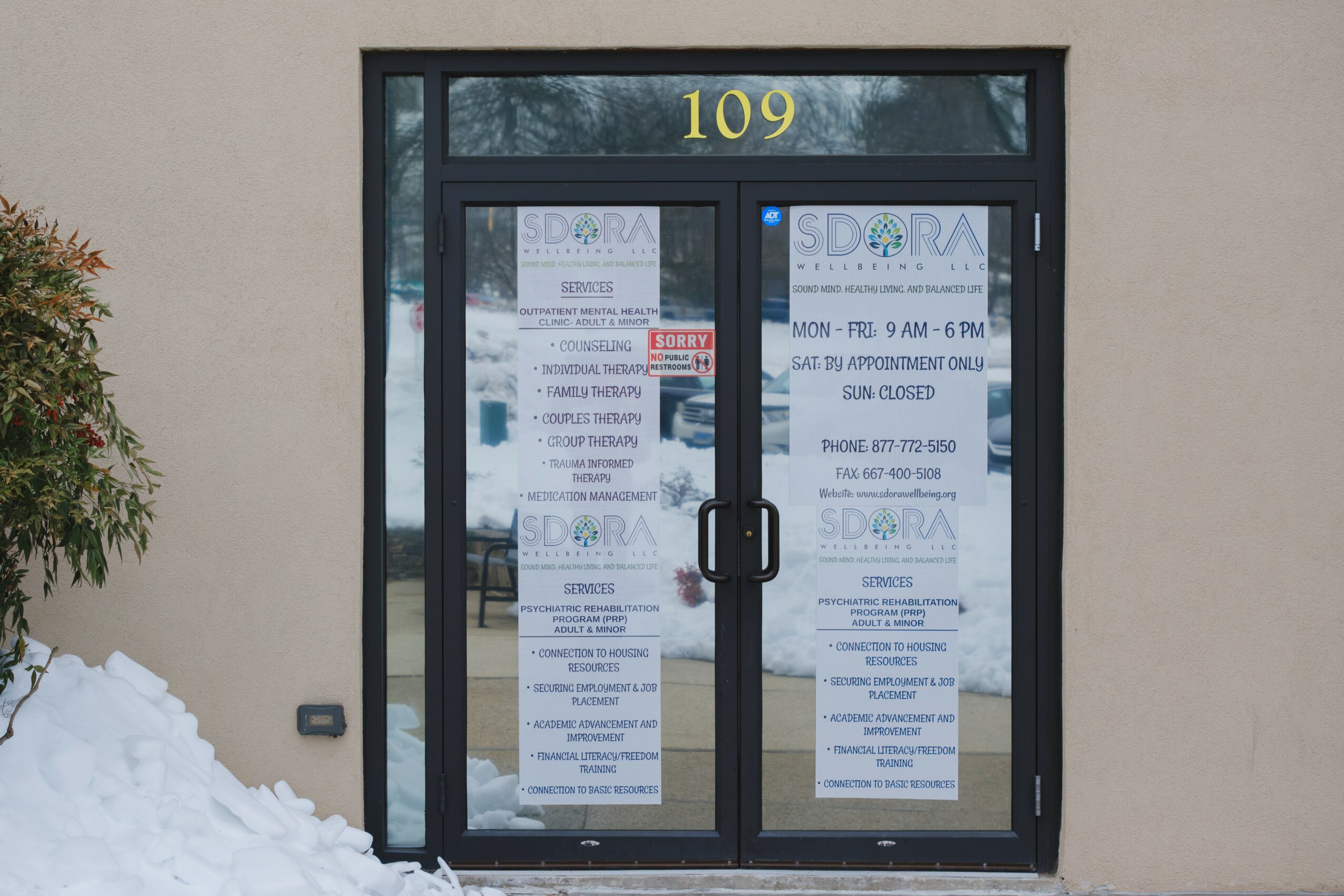
My journey into entrepreneurship wasn’t impulsive; it was a natural progression born from repeatedly seeing where systems failed and deciding to build better solutions. I co-founded behavioral health programs that provide outpatient mental health and rehabilitation services, as well as a nonprofit initially focused on HIV/AIDS and STI care and sensitization, which later evolved to address the broader social determinants of health such as food insecurity, access to basic resources, and social stability, recognizing how deeply these factors influence health outcomes (SDORA Wellbeing LLC and SDORA Care, respectively). I also launched Verdia Botiva, a wellness and beauty product line that began with hair oil and body and hair butter.
For me, all of this is rooted in the same philosophy: wellbeing isn’t only clinical. Confidence, self-care, and daily functioning all play a role in how people show up in their lives.
Today, I’m driven by the belief that titles matter less than impact. Whether I’m functioning as a clinician, program builder, or entrepreneur, my focus remains consistent; removing barriers and creating practical pathways for people to stabilize and move forward.
And while my current focus is on growing these organizations, I keep my medical school dream on the horizon. I’m a lifelong learner, and if the right opportunity to bridge that final gap appears, I’m the kind of person who will always take the challenge.
I’m sure it wasn’t obstacle-free, but would you say the journey has been fairly smooth so far?
It definitely hasn’t been a smooth road, especially in behavioral healthcare and the nonprofit space. Both operate in high-need environments with limited resources, and the systems supporting them often fall short of what’s required to truly meet people where they are.
From an operational and executive standpoint, sustainability has been one of the hardest challenges. In behavioral healthcare, reimbursement rarely reflects the intensity of care needed, and you’re constantly navigating compliance issues, workforce shortages, and clinician burnout. In the nonprofit space, funding adds another layer of complexity. Limited and inconsistent funding can make it difficult to operate at the capacity we know is needed, even when the mission and impact are clear.
One of the more difficult realities has been navigating skepticism from funders and donors, especially as a newer organization. Even with strong programs and measurable need, alignment isn’t guaranteed. Sometimes, despite genuine effort, you’re simply not the “right fit” for a particular funder, and learning to accept that without losing momentum or confidence has been a growth process in itself.
On a personal level, becoming a program builder came with steep learning curves in operations, finance, and systems design, often while the work was already happening. There were moments of doubt, but those challenges strengthened my resilience and clarified how intentional I needed to be as a leader.
So no, it hasn’t been easy, but it’s been deliberate and deeply meaningful. Working in behavioral healthcare and nonprofit spaces doesn’t allow for shortcuts. The challenges sharpened my leadership and reinforced my commitment to building systems that are sustainable, ethical, and responsive to real human needs.
Thanks for sharing that. So, maybe next you can tell us a bit more about your business?
My work sits at the intersection of behavioral health, nonprofit leadership, wellness entrepreneurship, and strategic consulting. Across each space, my focus has been on building practical, people-centered solutions in systems that are often fragmented or difficult to navigate.
I am the co-founder of SDORA Wellbeing LLC, which provides outpatient mental health and rehabilitation services, and SDORA Care, a nonprofit that initially focused on HIV/AIDS and STI care and sensitization and later expanded to address the broader social determinants of health. Together, these organizations are designed to support individuals not just clinically, but holistically, by addressing the real-life factors that impact stability, access to care, and long-term outcomes.
What sets our work apart is the way we approach care holistically. We don’t treat mental health, physical health, or social needs as separate issues. Instead, we recognize that access to care, housing stability, economic stress, stigma, and self-worth are deeply interconnected. Our programs are designed to reduce barriers, not add layers of complexity, especially for populations that are often underserved or overlooked, but built with the understanding that effective care must be accessible, culturally responsive, and grounded in the realities of the communities we serve. We prioritize continuity, dignity, and sustainability, even in environments challenged by limited funding, workforce shortages, and complex regulatory demands.
In addition to healthcare and nonprofit leadership, I founded Verdia Botiva, a wellness and beauty brand that launched with hair oil and body and hair butter. The brand reflects my belief that wellbeing extends beyond clinical settings, self-care, confidence, and daily rituals are integral to how people experience health. While it may seem different from behavioral health on the surface, it’s rooted in the same philosophy: wellbeing is not only clinical, how people feel in their own bodies play a meaningful role in how they show up in their lives.
I also consult through Seeking Clarity, where I work with individuals who are starting or scaling businesses across healthcare and other industries. My role is to help founders move from ideas to structure; clarifying vision, building systems, navigating compliance when needed, and avoiding common early-stage pitfalls. It’s work I’m deeply effective at, because it’s informed by lived experience, not theory.
Brand-wise, what I’m most proud of is consistency of purpose. Each venture operates in a different lane, but they’re unified by integrity, impact, and thoughtful execution. I want readers to know that these brands aren’t about trends or optics, they’re about building things that last, solve real problems, and meaningfully improve people’s lives.
What quality or characteristic do you feel is most important to your success?
I believe it’s a combination of intellectual agility and adaptive persistence.
In the sectors I navigate; healthcare, nonprofits, and wellness, the landscape is constantly shifting. Intellectual agility allows me to move between the rigor of my clinical background, the complex operations of a mental health program, the governance of a nonprofit, and the creative branding of a product line. It’s the ability to see a problem and pivot my thinking from ‘clinician’ to ‘founder’ in an instant.
That agility is fueled by adaptive persistence. I’ve faced skepticism from many, alongside the systemic hurdles of a fragmented healthcare system. Persistence is what kept me moving when the path wasn’t clear, but it’s adaptive because I don’t just hit my head against the same wall. I have the clarity to reassess, find a new angle, and build a different door. I’m not just stubborn about the goal; I’m flexible about the methods used to reach it.
Pricing:
- Insurance Accepted: Our behavioral healthcare services are accessible to individuals covered by Medicare and Medicaid.
- Self-Pay Options: We offer out-of-pocket services, with pricing designed to remain accessible.
- Sliding Scale: Income-based sliding scale options are available to ensure care remains affordable for those without insurance or with limited coverage. Commitment to Access: Our pricing structure is intentionally designed to reduce financial barriers and expand access to quality behavioral healthcare.
Contact Info:
- Website: https://www.sdorawellbeing.org
- Instagram: https://www.instagram.com/sdorawellbeing?igsh=cnJ3bjJ0MmZ1YnNj&utm_source=ig_contact_invite
- Facebook: https://www.facebook.com/profile.php?id=100086663974006