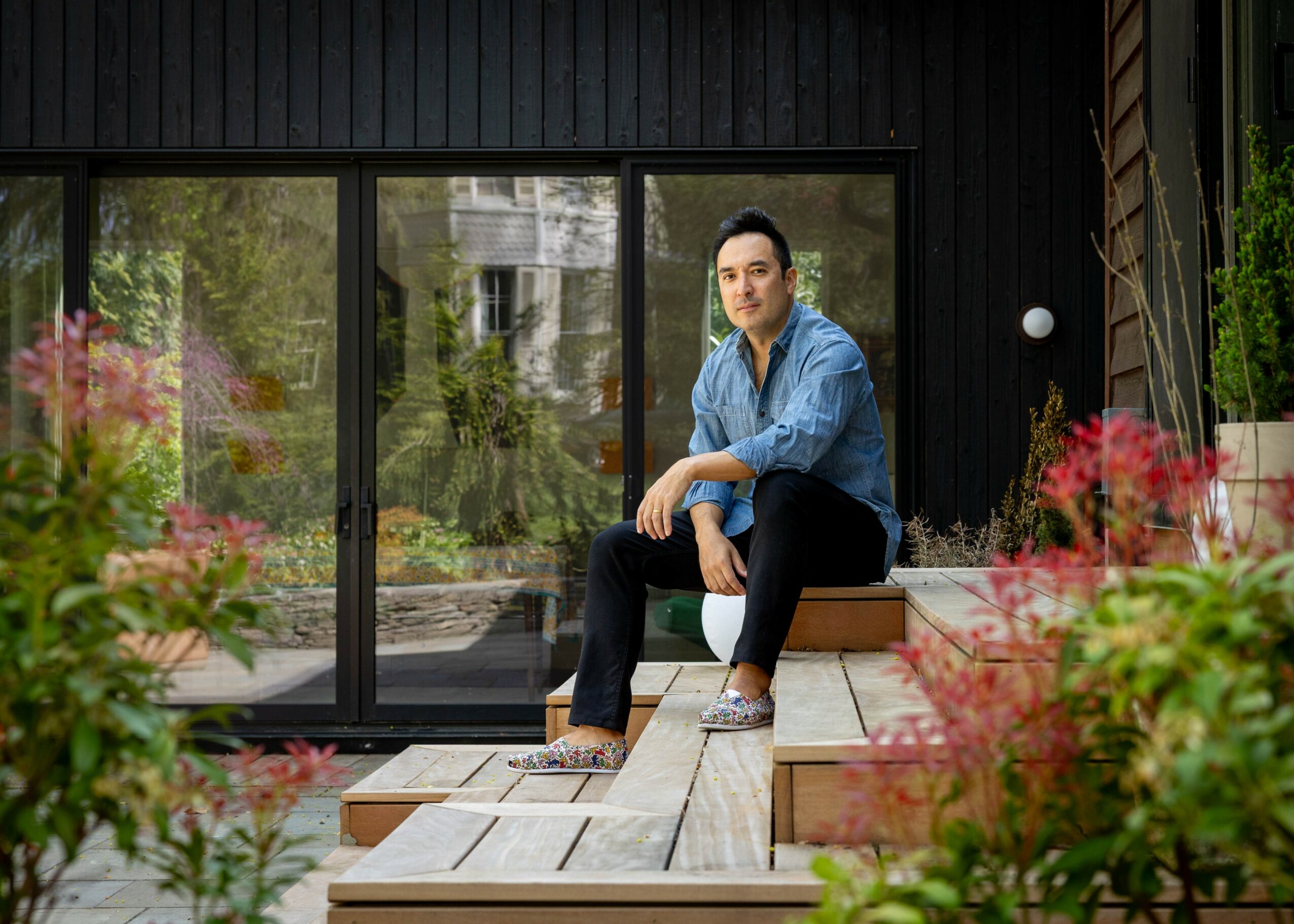
Today we’d like to introduce you to Christopher Tsung Kao.
Hi Christopher Tsung, thanks for joining us today. We’d love for you to start by introducing yourself.
I perceive my story more as a series of transitions that has shaped me to who I am today vs a linear culmination of events. My dad was a doctor in the navy when I was young so we moved around a fair amount. When he began his own practice we found ourselves in a small (very small) coal mining town in the mountains of Pennsylvania so I had a lot of time and space to explore my curiosities. As a young kid I once assembled a STEM-type electrical build kit of a vehicle. The kind that had a wound copper coil. Understanding the complexity of it motivated me. It just clicked for me. I knew I wanted to make things. Original things.
At the time I processed that as wanting to be an ‘inventor’. I taught myself to draw to express my interpretations of other things like futuristic cars or aircrafts. In middle school we moved to State College, PA where I mostly drew and played sports gaining exposure to the academic environment with access to much of Penn State where I eventually received my Bachelors. I began in the school of visual arts with an undeclared major but after seeing what the landscape and architecture students were creating for their assignments in the dorm rooms next to me, I was sold on architecture. It seemed to have the greatest potential to combine all of the most interestingly complex mediums to generate unique solutions. The excitement of packing all of my favorite subjects together; art, geometry, physics, math and science made me realize I could curate and explore and own my own ideas and identity, indefinitely.
After graduation from architecture school, a close friend/classmate of mine asked me if I wanted to move to Manhattan and seek employment. It seemed crazy at the time but exciting. In exchange for payment for some computer modeling my friend provided to our professor James Wines, he let us stay at his flat if we cared for his cat, Sophie. Somehow, we both quickly landed jobs off of craigslist at the same time at different places. My first job was building a model for a museum in Washington DC. The work environment was the most memorable part. It was a true melting pot of America. At the intersection of Chinatown and Little Italy at Grand and Mulberry, it was an open studio on the second story of a classic SoHo industrial flat. It was probably 5000sf of open space shared by; architects, architectural photographers, fashion designers, academics, writers, interior designers and illustrators. I had never met so many different types of creatives in my life sharing the same squeaky hardwood floor. As half Asian and part Italian / Irish, it felt like home.
When I finished the model my boss recommended me to a firm down the street where I worked for a few years on a 13 story residential tower in the Lower East Side. During the interview I peered through the back studio windows and across the lightwell I saw Sophie in the the window where she liked to perch. It took it as a circular affirmation I was on the right path. I learned how to detail custom building enclosures pretty quickly. One day I saw a job posting on Archinect for a position at Santiago Calatrava who was one of my inspirations while in college. I knew it was a longshot but I sent in my resume and portfolio. I could hardly believe it when I got a response for an interview. I figured it was probably out of my league and I had nothing to lose so I approached the interview as a learning experience without any expectations and it helped me stay relaxed. I thought it was comfortably odd that the studio director wanted to know more about my athletic background and psychology than my work skills. I would later learn why.
The position was to join the team of architects working on the Oculus at Ground Zero. For years, it was known as the single most high-profile, high-stakes, spotlighted project in America, if not the world. Santiago is known for his distinctive-looking white transit architecture, a lot of train stations and bridges, mostly across Europe to which I’d schlepped my father to a few of his projects while on vacation a few years back. To my surprise I got the job and when I told my dad, he congratulated me and asked if that’s why I had dragged him to all those tram stops and train stations in Switzerland.
When I started I realized that most of the architects had backgrounds in the military or college sports. It was now clear from the interview; endurance, ability, directive, and delivery. I worked on that job for several years and it marked a milestone of my career. By a stroke luck and timing, I was staffed on the moveable skylight as my core focus under a very talented senior architect and glazing enclosure expert. I kept getting pulled into other areas of the project that were the often overlooked transitional spaces connecting different parts of the projects together. I worked on many stairs, escalators, platforms, and entry portals, mostly elements that transition you from one space to another. They were complicated and important but often not the focal points of the design. This versatility and consideration has shaped a lot my current approach to design.
At times the job demanded more of me than I thought I had. It challenged me in ways I never thought I’d be challenged. Santiago was very involved so I knew I had to keep things tight. I had seen architects return to their workstations with full sheets of drawings ripped in half. His voice was powerful and would resonate through the 5 story marble stairwell. I worked late every night, corrected my drawings on the subway, and arrived early to ensure my drawings were ready when he might want to see them. Eventually, he noticed my diligence and for better or worse (so I’m told by others) he used me as an example to dial up the heat on the staff. However, the rigor, dedication, and commitment to executing highly ambitious, never-before-done feats of architecture on a worldwide spotlighted platform where failure was not an option, built and broke me over and over again.
Then the financial crisis of 08 hit. Architects were getting laid off everywhere but the Oculus was a federal job so it kept us employed. At least for awhile. I survived a few rounds of layoffs in the office but eventually got let go with the last wave after we submitted our final documents. Only a few remained. I was tired. But another chapter was about to begin. I had met my wife while out bowling with friends the prior week and our first date was tentatively set for the day I got laid off. I spent the day cleaning out my files and transferring my background knowledge to the guy that was inheriting all of my responsibilities. And also deciding what to do about the unfortunate timing of my loss of employment and a first date that I was really wanting to make a good first impression on. Because in NYC girls really like guys that just lost their job. Do I pretend like nothing happened and I’m still employed? Or would it be perpetuated like a Seinfeld episode and I’d eventually have to leave and go somewhere every day? I felt like I was playing out of my league again. Stephanie was a resident physician and I was unemployed. She was beautiful and I felt like I had just stepped off of a hamster wheel for the first time in a few years. I decided to go for it and lay it all out honestly for her. I knew that based on her reaction I’d be able to learn a lot about her in a very short moment. She did not disappoint me. My strategy worked. I found a unicorn.
While we dated, her training took us to Los Angeles where I worked on some exciting projects like a performing arts center in Beverly Hills, an iconic west-coast modern residence called Silvertop (as featured in episode 2 of The Studio), creative office headquarters for Beats by Dre and Apple and a music conservatory for Flea (of the Red Hot Chili Peppers) among others. Luke Wood was the president of Beats and I enjoyed learning from him as a client. He has a great product design mentality and would press me to find meaning and significance in my design decisions.
Stephanie and I got married then had our first child in 2016 and we wanted to get back East towards the Baltimore / DC area to be in some proximity to family. Baltimore made a lot of sense being a medicine town for Stephanie and it seemed interestingly architectural and dynamic. Baltimore is at the intersection of the East and draws great people, especially passionate makers. At times it can feel like a version of the open studio at Grand and Mulberry. I worked at a few firms but always felt a struggle between how I wanted to approach design and the way firm bureaucracies always over-dictated from the top-down.
In 2020 I began working on another milestone project, the historic Neo-classical Eccles Federal Reserve Board building on the mall in Washington DC. It’s the one that the President and Fed Chairman Jerome Powell dispute over the budget. The iconic central stair lost it’s naturally illuminated skylight in the 70’s because the floors above were infilled. My job was to re-introduce natural light and do it in an elegant and risk free way (in terms of water intrusion). After running a few unconvincing design iterations that came from above me, I proposed a winning solution that included a transition space between the laylight and the exterior. One that people could circulate around, see into on multiple levels and be able to see across the court and into the other spaces. I had found a way to make another seemingly undervalued in-between space, a feature focus of the design.
In February of 2025 I launched my firm, Tsung Haus Design. It has been another monumental transition and has finally given me a space to liberally combine all of my experiences and offer my clients and community a more broadened perspective and approach to problems and solutions pertaining to architecture.
Alright, so let’s dig a little deeper into the story – has it been an easy path overall and if not, what were the challenges you’ve had to overcome?
Talking about obstacles is both a vulnerable and tactical topic. As long as I can remember I’ve always had an insecurity in feeling like I wasn’t smart. Despite my love for subjects related to science, physics, geometry, engineering, etc, I wasn’t the kid that always got good grades or was in advanced placement classes. And growing up in a Chinese family, success and grades mattered. My dad was the prototypical perfect asian child who aced everything and studied all the time and loved school. One story was that he scored a perfect math score on his SATs and his dad said ‘Bull s#it. Do it again.’ (放屁。重做一遍。 in Mandarin). So he did, another perfect score. He skipped a grade in high school, had multiple ivy leagues visit him to recruit him, and ultimately went to a joint PSU / Jefferson expedited program that allowed him to test out of 3 years of undergrad and begin medical school by age 18. Those were hard shoes to follow in.
Alternatively, I struggled to read.
I never shared this much, probably because I feared people would think I’m less intelligent. I disliked reading because it was hard for me. I was almost certainly an undiagnosed dyslexic. I only realize this more recently as my oldest son Noah, is diagnosed with (some pretty bad) dyslexia and watching him struggle is both triggering and frustrating but in some ways, affirming. His mind is comprehensively brilliant beyond what I thought was possible for a ten year old. I read well now without resistance, but mainly for information rather than pleasure. It kept me quiet a lot of the time when I felt I was around people smarter than me. I found ways to skirt around assignments and avoid long reading activities in school and I was always fraught with anxiety when I had to read in front of others. In 2nd grade Noah had to read a little book he wrote to the audience on their annual publishing day. He struggled so bad I almost couldn’t handle it both for compassion and self-trauma reasons. We’re working through it and thankfully Baltimore has a lot of resources to support this. Not like my 3000 person coal mining town I grew up in.
Tactically – as it relates to my career, I’ve moved around a bit so it’s been hard for me to establish consistency within a client community base until now. I’ve also found many firms rooted in their design approach and also in management. Past companies I’ve worked for quickly recognized that I was swift to resolve complex design challenges while providing a high-level of technical competency. So many different segmented design problems, similar to when I was working on The Oculus, kept landing on my desk. I became very good at resolving the most technically complex parts of any project and providing unexpectedly successful solutions.
Many architects specialize. It’s more logical and profitable to focus your energy in one area and build upon that. My journey has specialized me to resolve unique problems. I’m a generalist and can handle any type. Particularly the unusual type.
As you know, we’re big fans of Tsung Haus Design. For our readers who might not be as familiar what can you tell them about the brand?
As I mentioned, my architecture practice is only a bit more than a year old right now and we’ve been busy with transformations of three nice residences and a commercial project so I’m pleased with the outset. One residence includes a library addition and wrap-around front porch on a 120-year-old historic shingle-style house in the city. Others include a large mid-century addition, a [nearly] full gut renovation of a 100 year old tudor style, and a custom-designed outdoor canopy for extended restaurant seating.
I touched on some of this already but the recurring theme in my work and life is the energy at the transition. When I talk about it I call it The Landing. It’s the part of the project that sets the stage to leave one space behind and move into the next. This sounds very basic but I have always loved stairs and windows. Especially when captured in photography. A stair with a good landing offers an anthology of moments and memories. A window at the right location allows us to watch each other come and go. The intentional consideration of these types of often overlooked and unassumed components in design that offer a shared interaction is a sort of philosophical mindset that I try to carry through my work.
I once designed a proposal for a temporary large sports venue on a pier at the South Street Seaport in Manhattan that embodied this transitional / transformational consideration with its unassuming location but also with soft translucent canvas scrims that could roll-down from the canopy above and close off the event at night but remain a visible beacon even when driving across the Brooklyn Bridge by staying illuminated and fluttering in the wind like historic sails.
A simpler example, a family wanted steps from their living room down to a patio that could be ‘more than just stairs’. We designed a deck/stair plinth that the kids can play on and be more than steps, allowing for lounging and gathering on it between the patio and the inside. In many ways, this little wooden deck-steps plinth is not so philosophically different from the Eccles building’s historic laylight. This notion of the landing or the space in-between is a place to share a more human experience together, often as a found opportunity aside from the primary purpose or intent. It’s usually a place we pass through, but often pause, solidifying memory.
What makes you happy?
In the context of what I do: I love designing anything, but I especially love the surprise of finding potential in an underestimated space and making it into a container for meaningful human experience. There is pleasure in having something constructed and complete. Especially because architecture takes a long time. But something built as an artifact is not what resonates with me. Seeing the space activated with people is nice too but it doesn’t carry the same joy for me as when i see someone at The Landing. Like that time each year on christmas morning when the kids are queued on the stairs waiting for mom and dad to release them into the living room. Or when a student has found an out-of-sight niche to spread out in and study for hours because it’s quiet and has a window that allows the sun to warm the floor in front of it where they sit. Or the stoop in front of one’s brownstone and the countless stories shared with neighbors on and around it. It’s the repetitive moments like these that bring me joy. Fashion and style will fade and trend out. Owners will change the finishes and equipment will be replaced. Design, to me, is like Silverstein’s Giving Tree. If the cafeteria was cut up for more offices, or the skylight was infilled for more floor space, there should still be something left. Somewhere. Maybe the stoop. If the fundamentals of the design work are substantive, the work is a stage or container enhancing memory. The architecture recedes and the theater plays on.
In the context of who I am: I find happiness in freedom and independence. Not in the way that we often hear about those things in the media. More in the sense that when we’re free, there is no resistance. There is a stillness where we observe and don’t react. This is where we begin to gain and build our goodness. The independence involves individuality. Finding more and more of this brings me joy in various ways; through my work, my personal journey of practicing personal wellness, and hearing about these things as others discover them as well.
In the context of everyday – I’m happy to have two happy healthy boys to continue the Kao name, and a unicorn wife that supports me even when I feel overwhelmed in defeat.
Contact Info:
- Website: https://www.tsunghausdesign.com/
- Instagram: https://www.instagram.com/tsunghausdesign
- LinkedIn: https://www.linkedin.com/in/christopher-kao-ra-aia-70655117
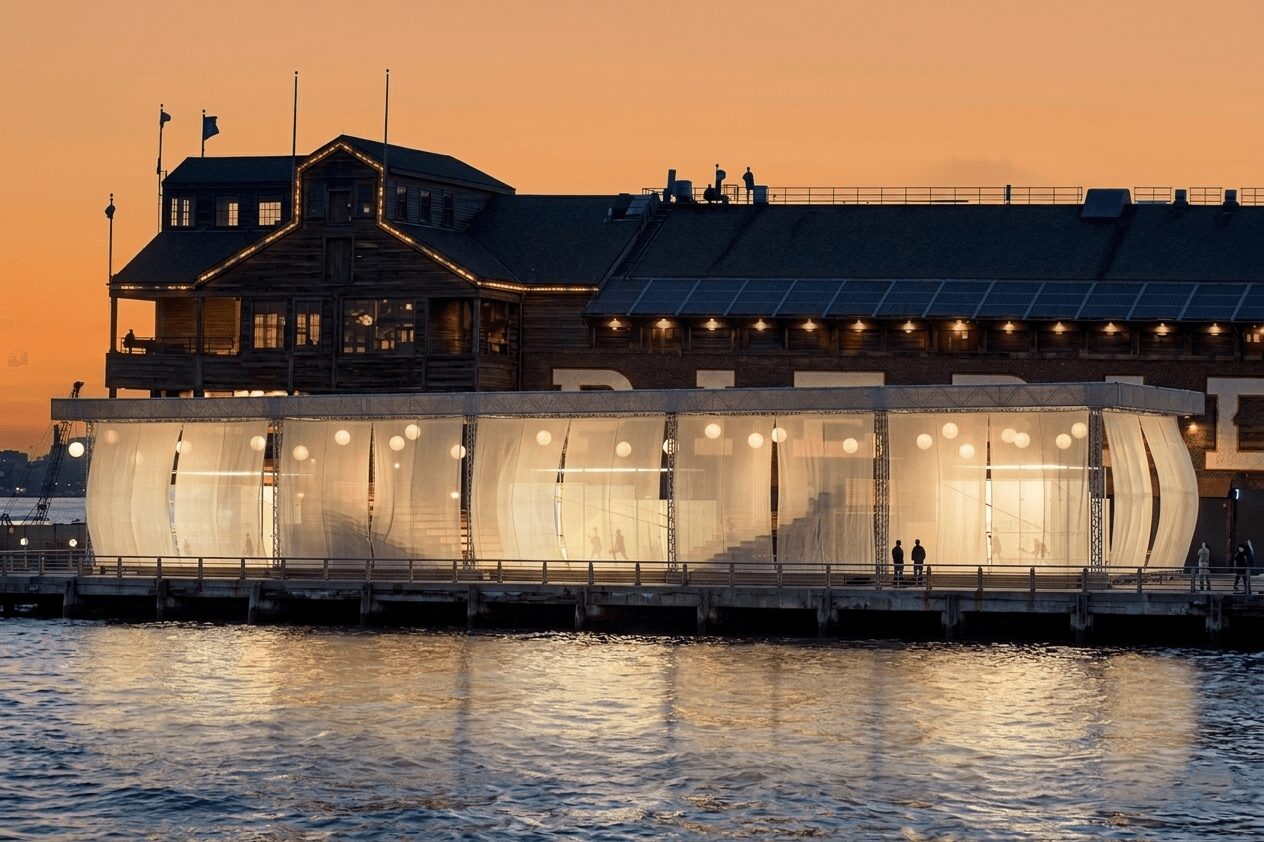
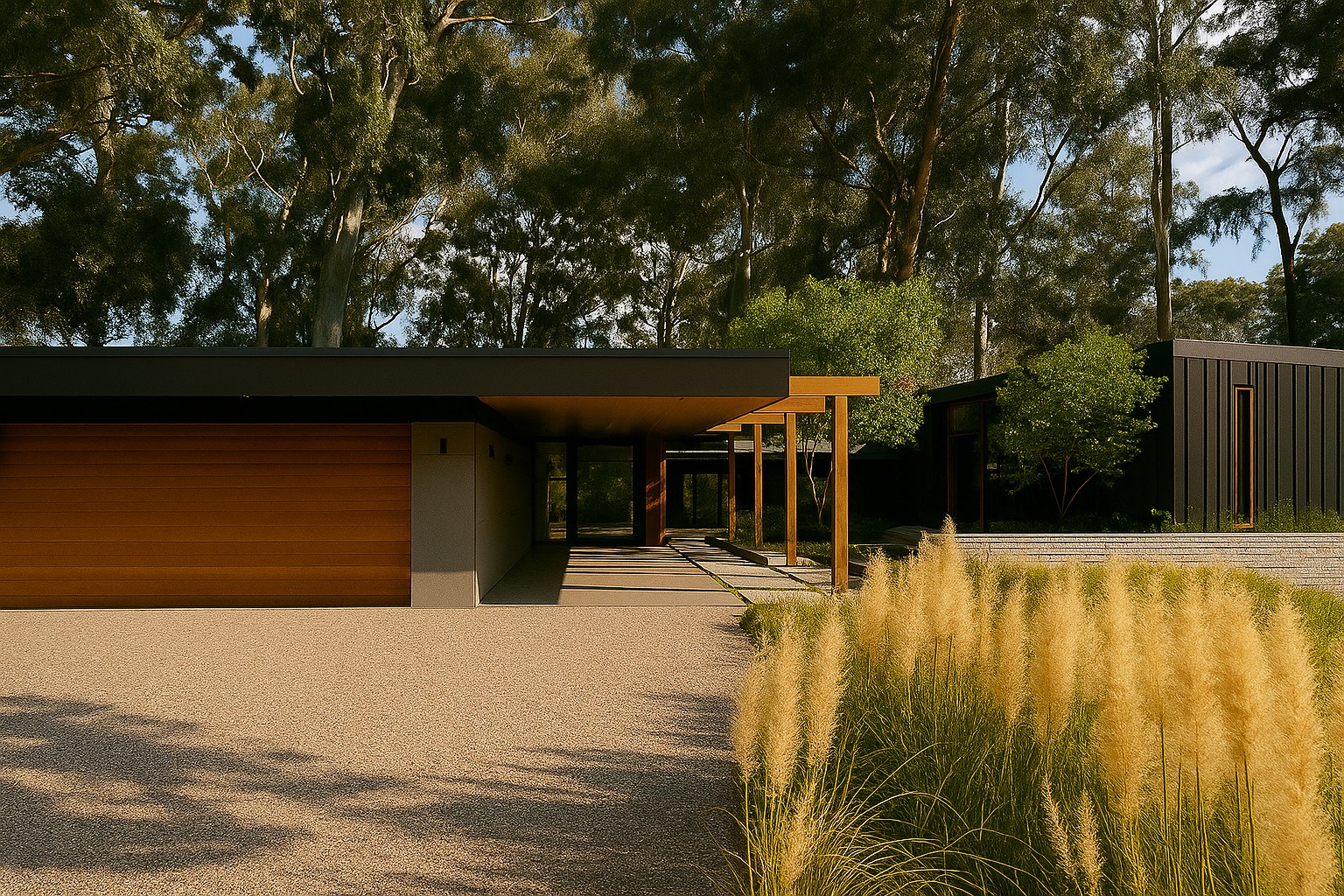
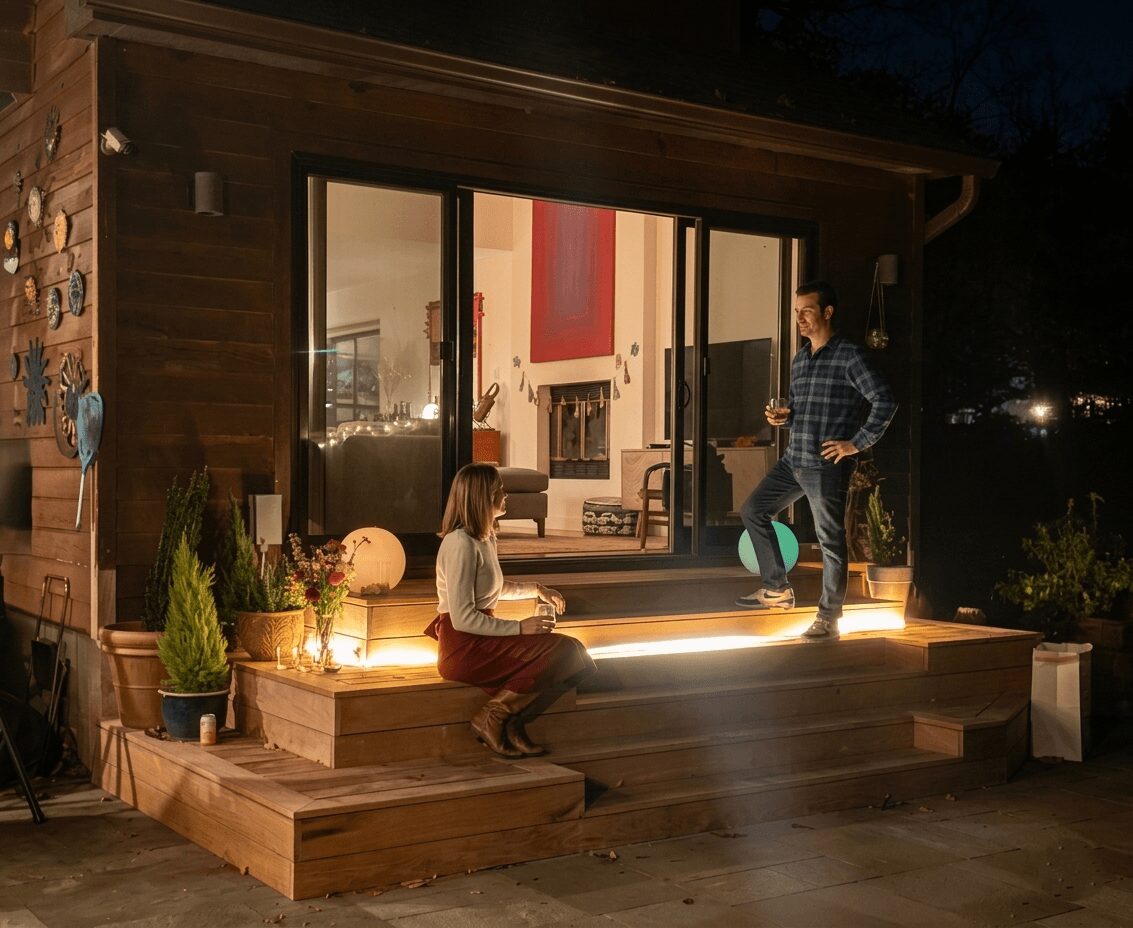
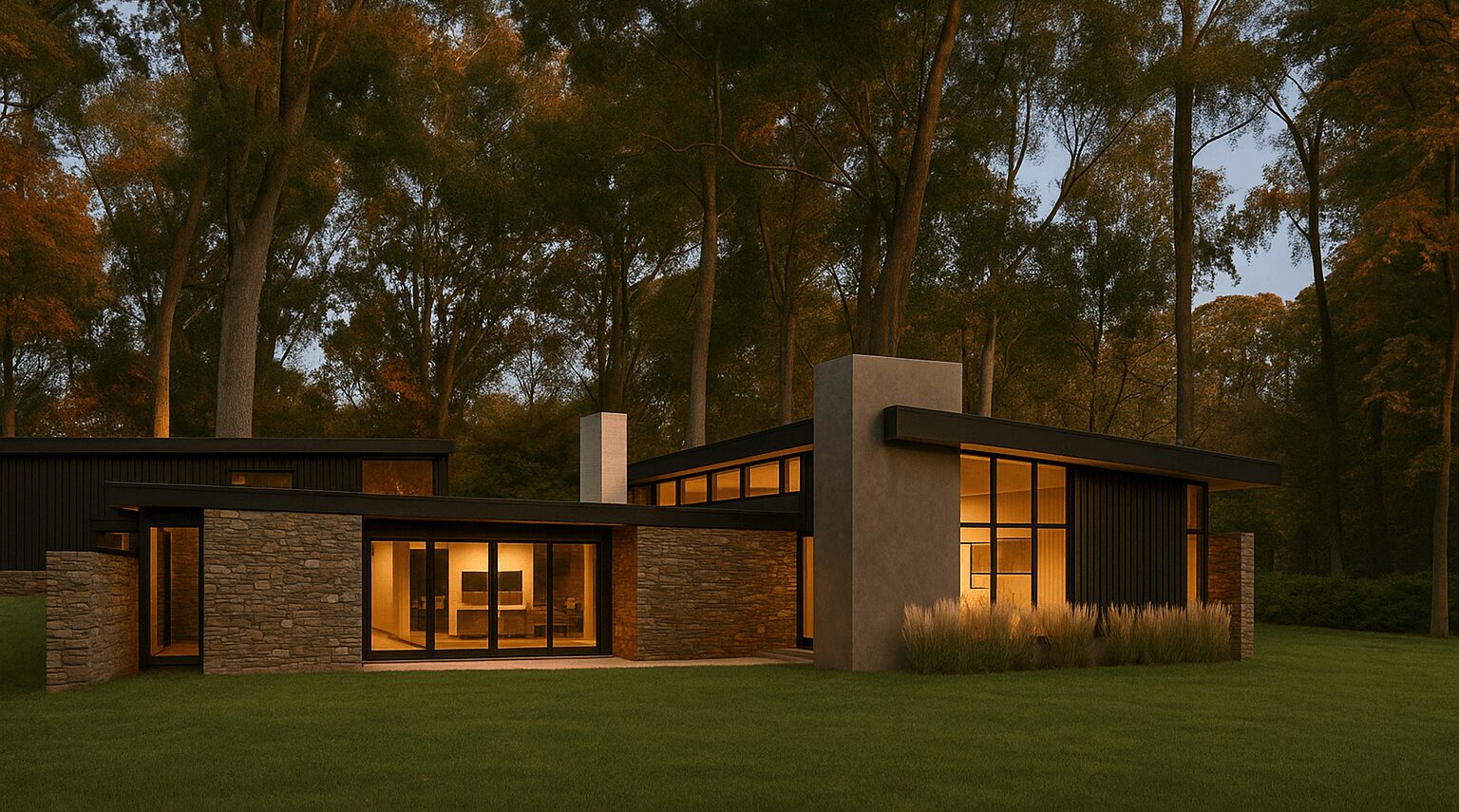
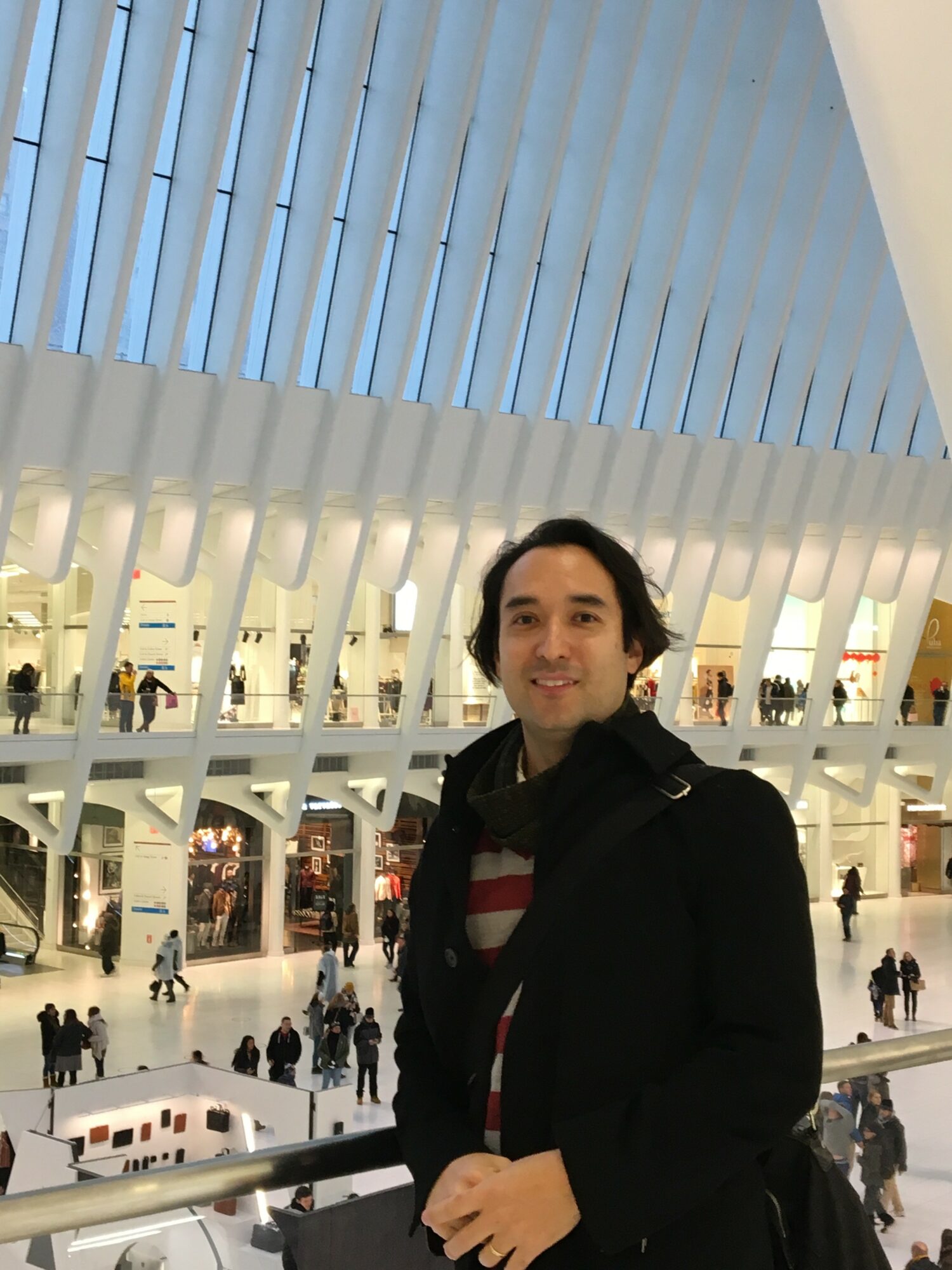
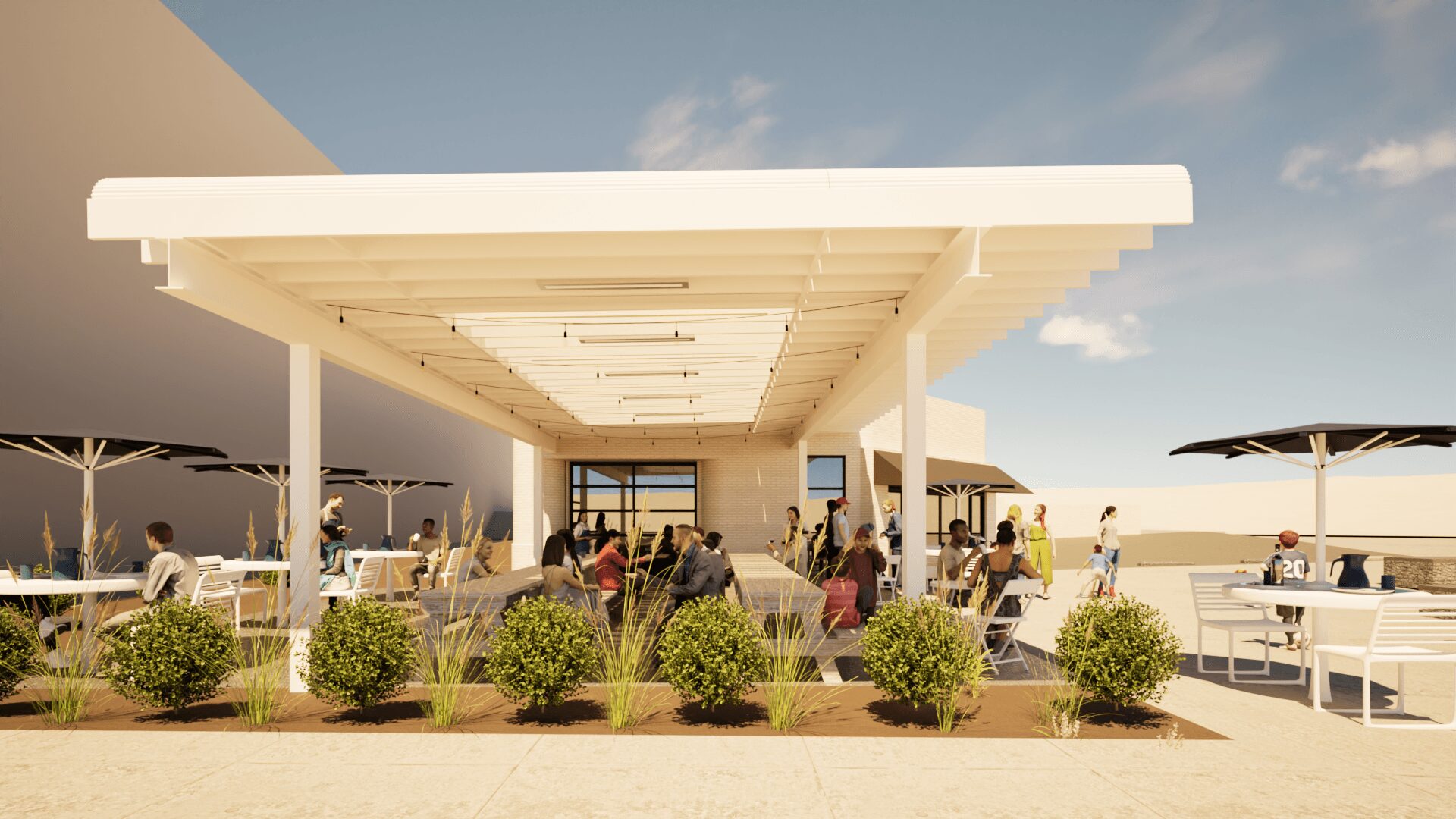
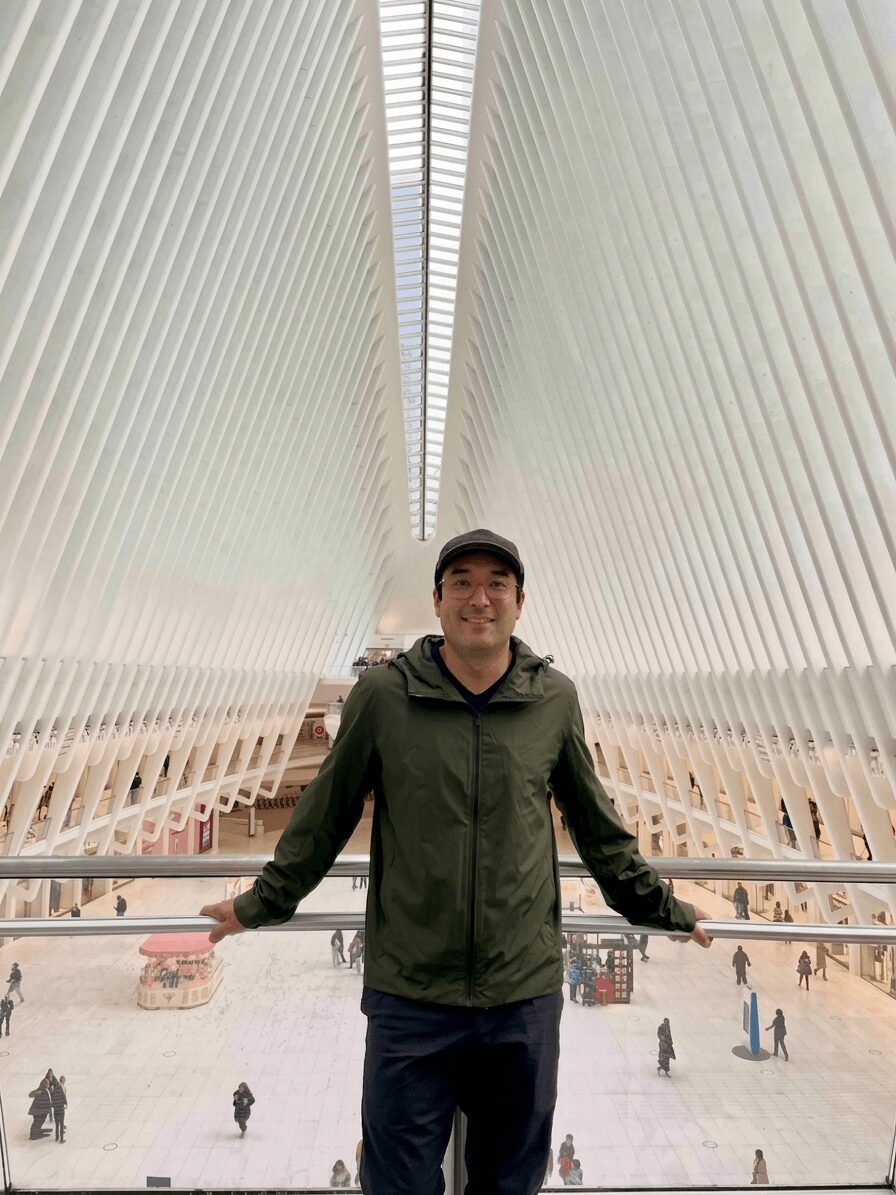
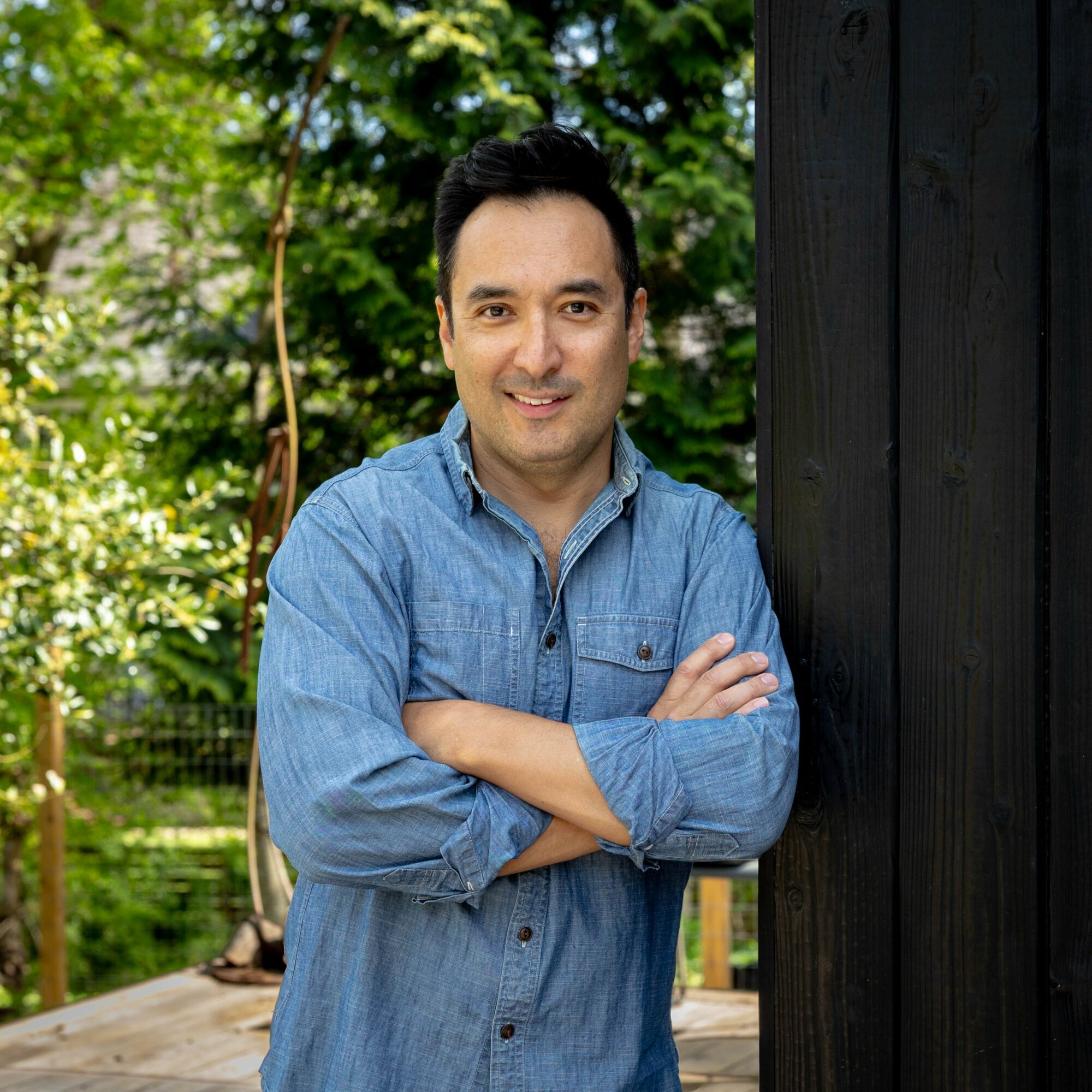
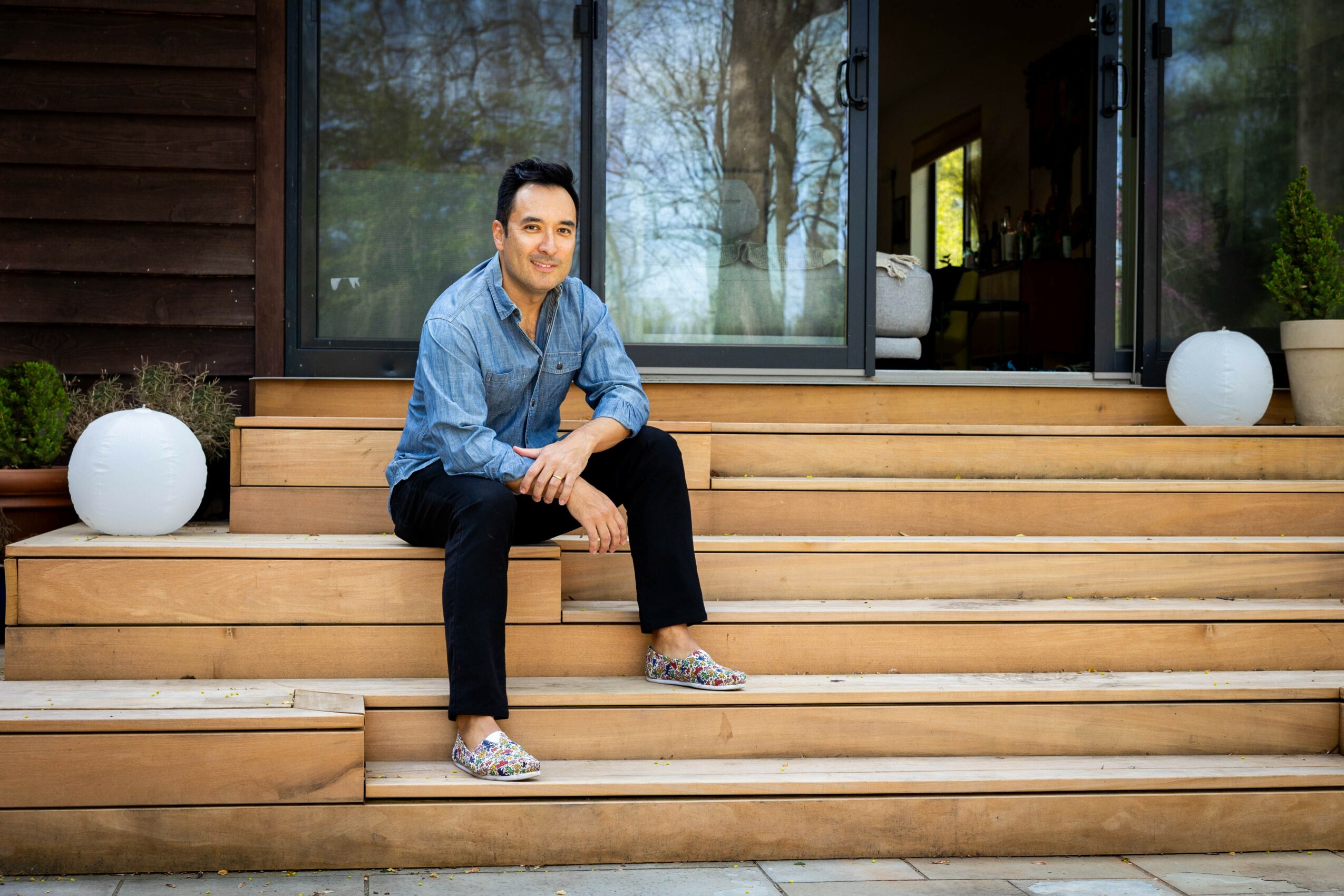
Image Credits
Headshots by Melissa Marks Photography. Architecture by Tsung Haus Design.