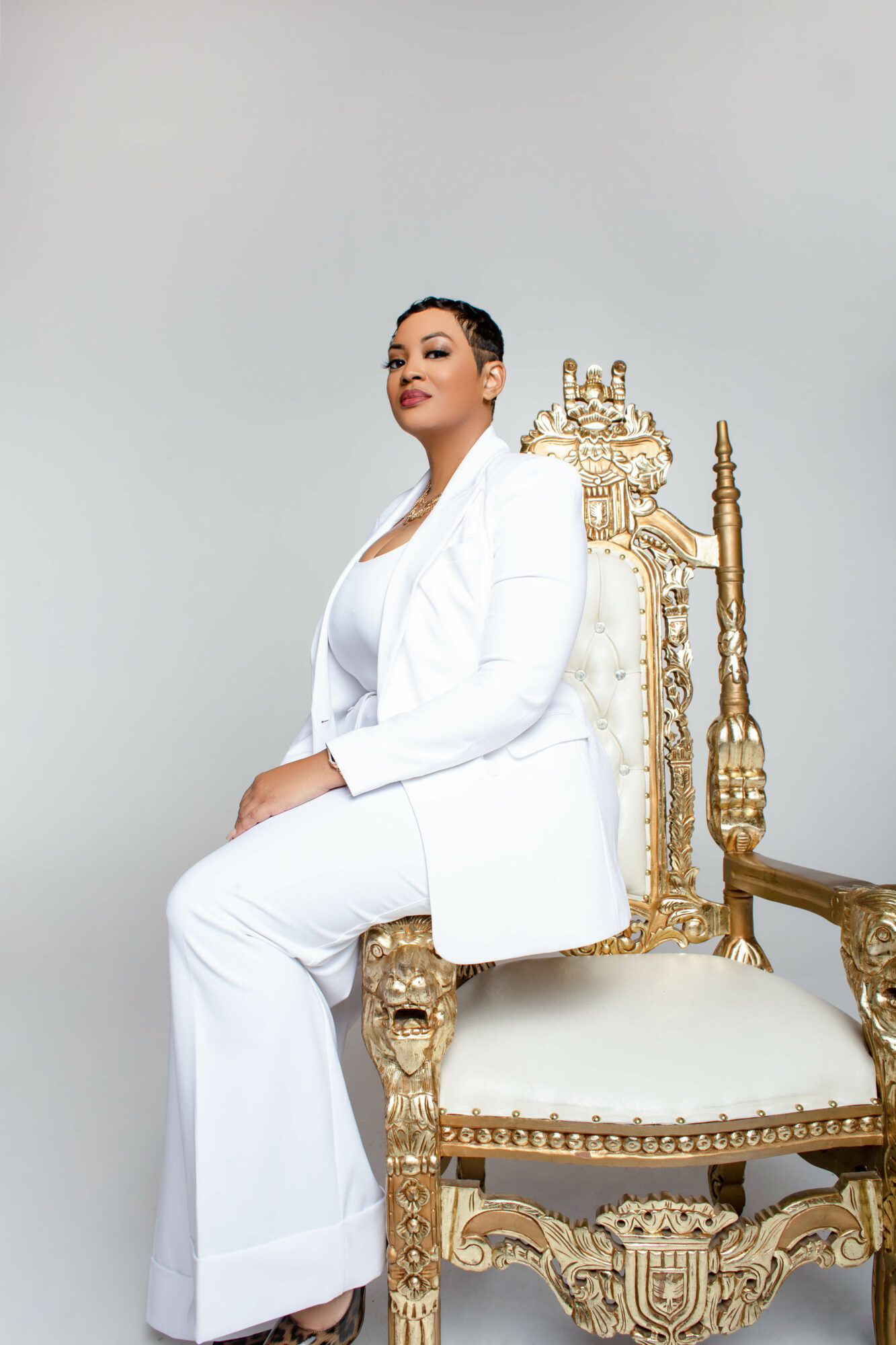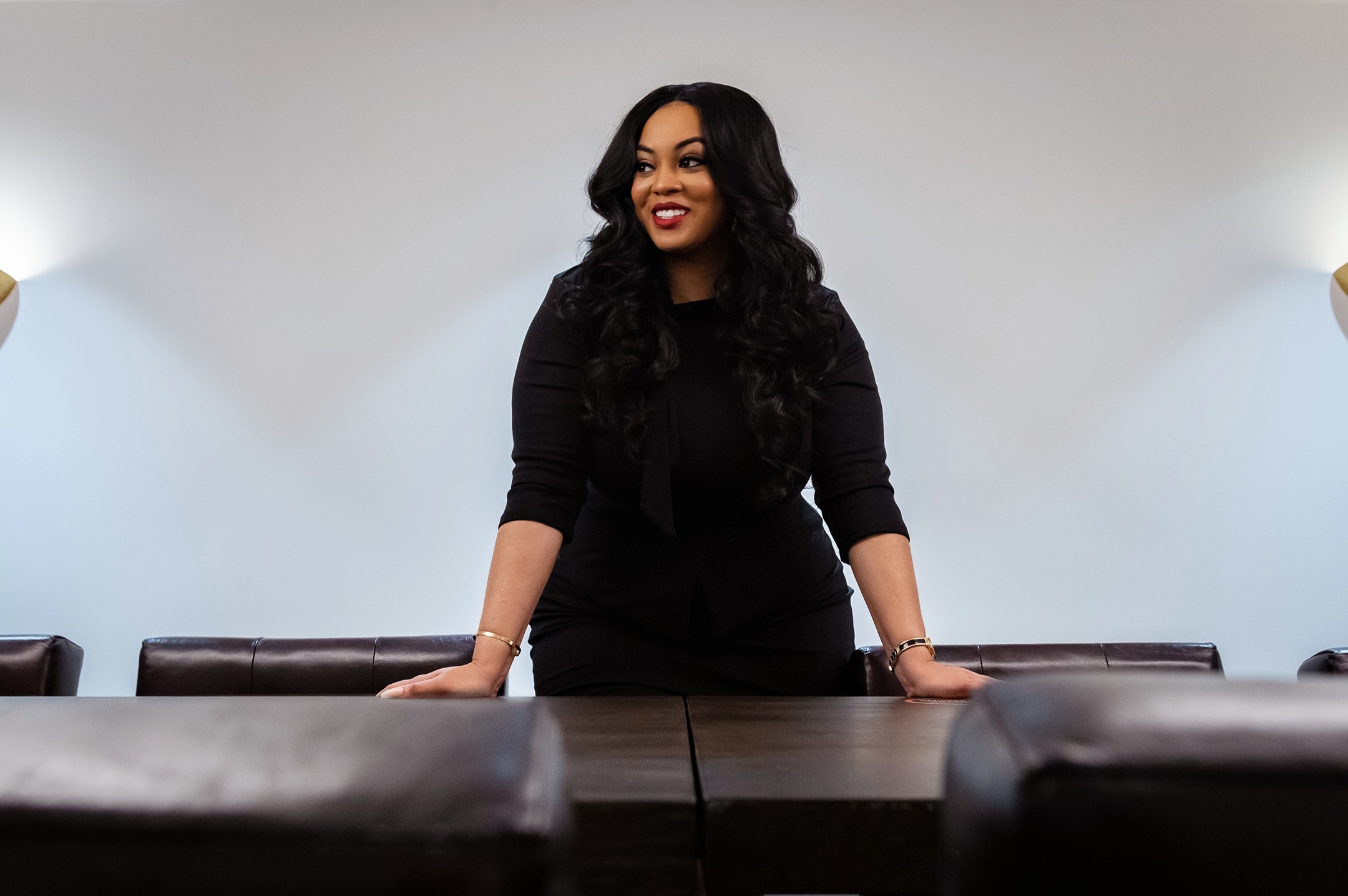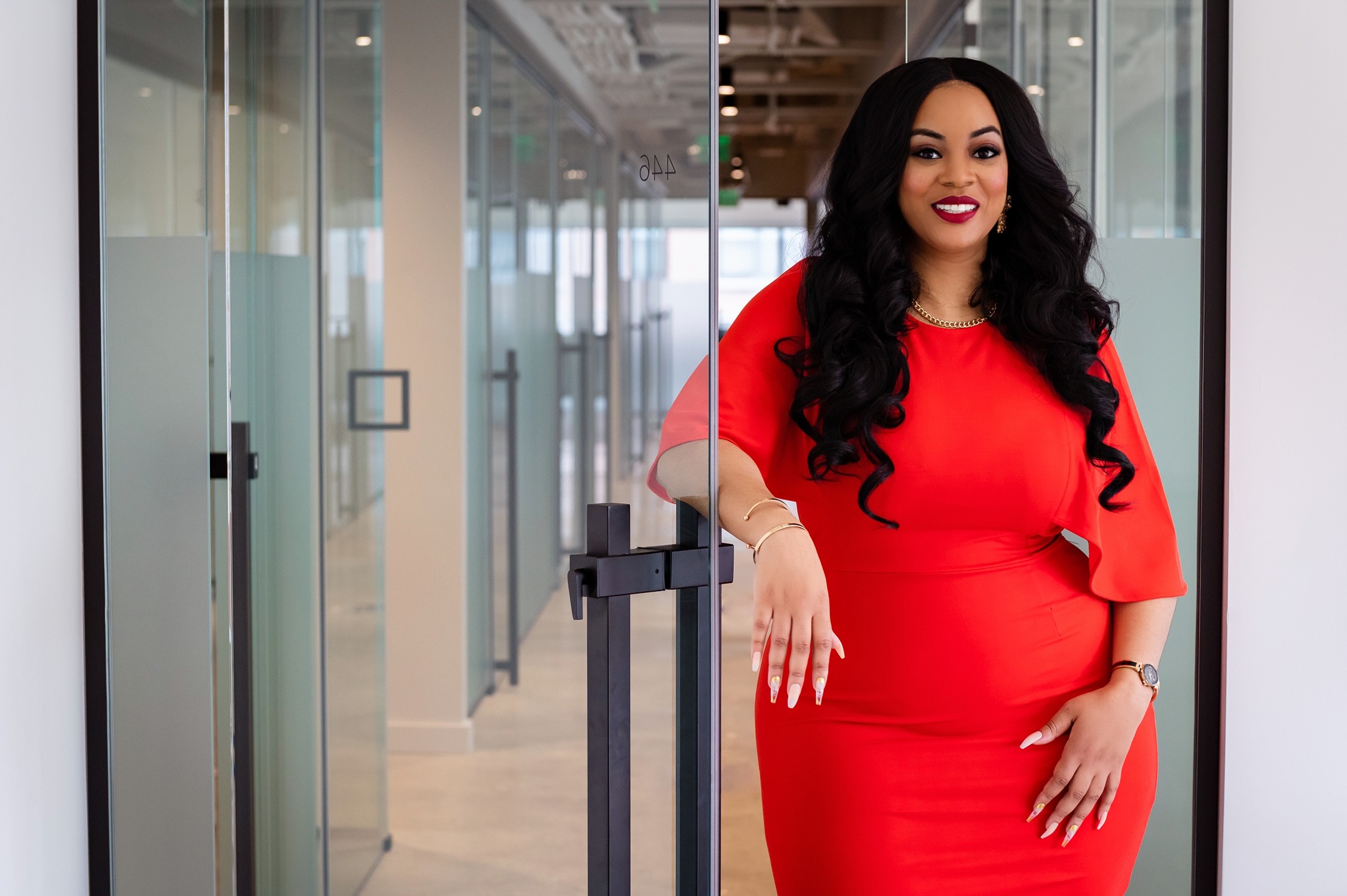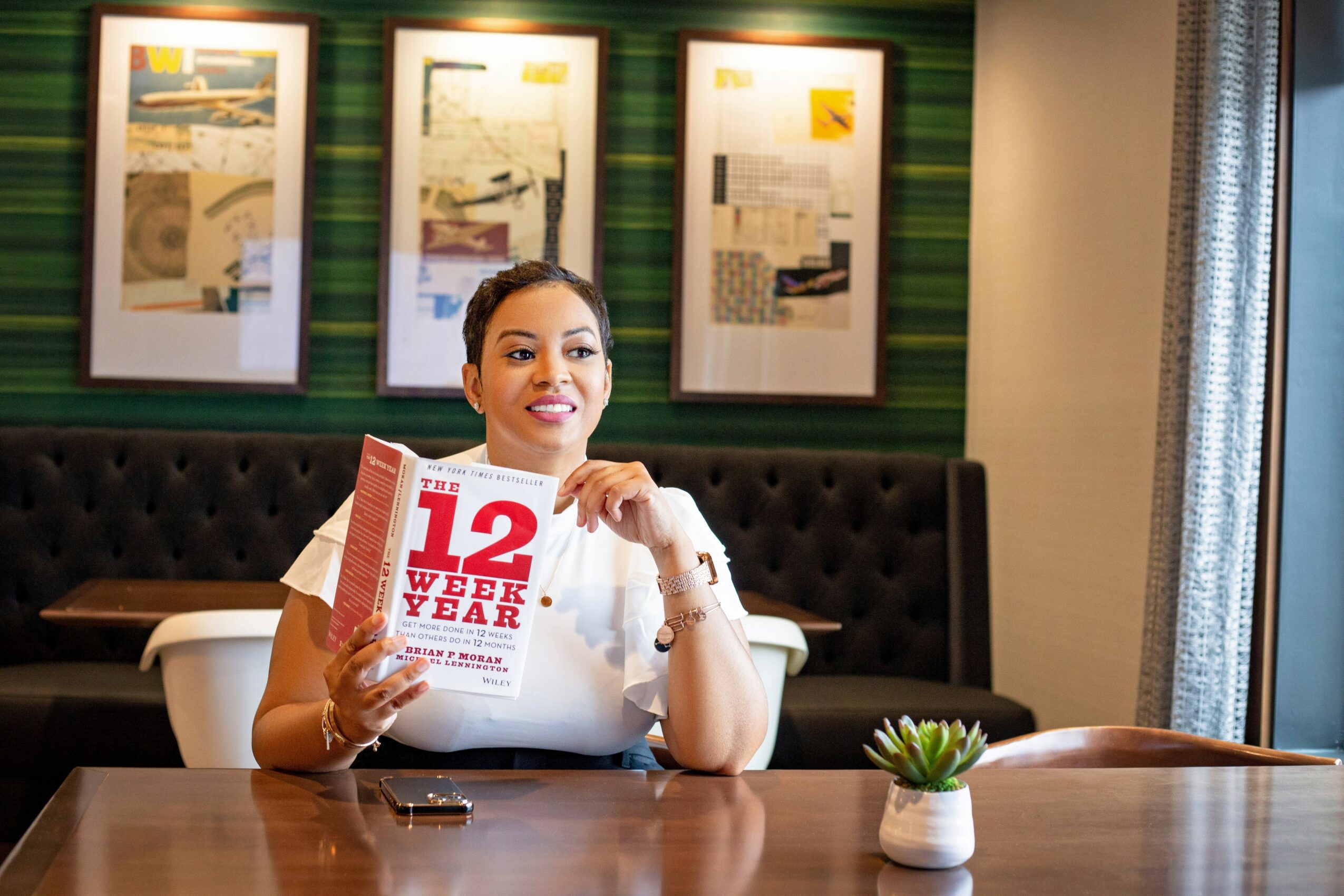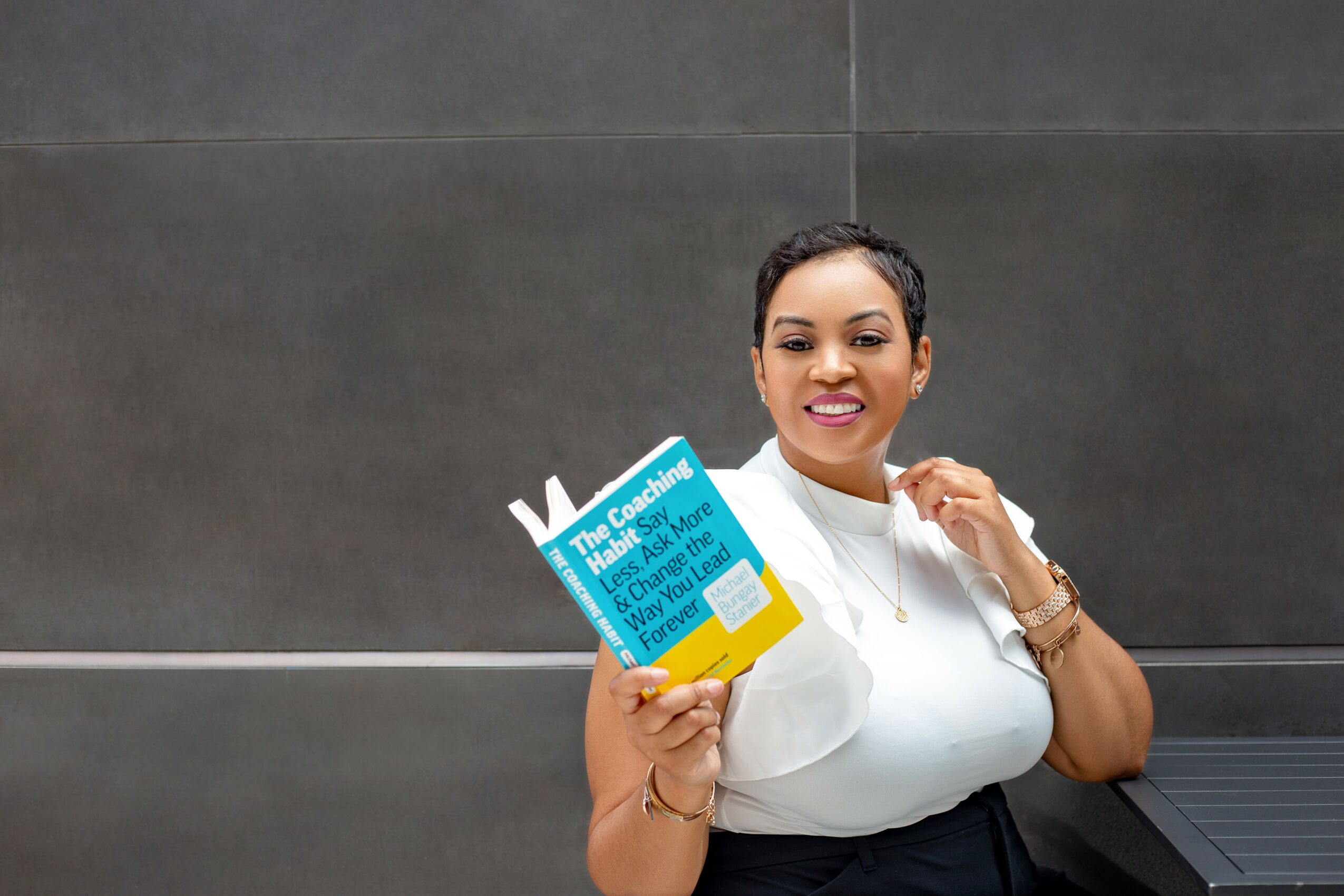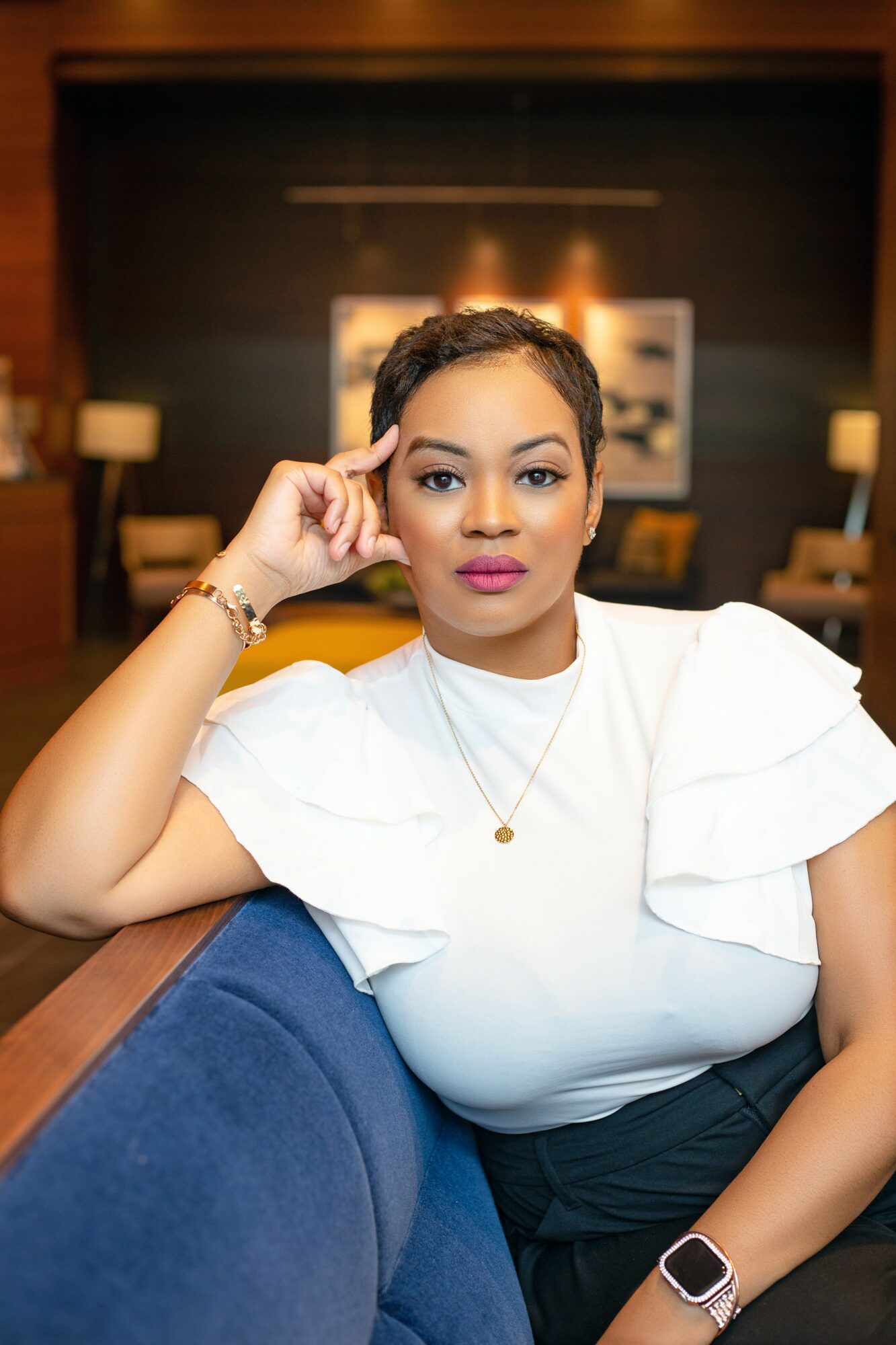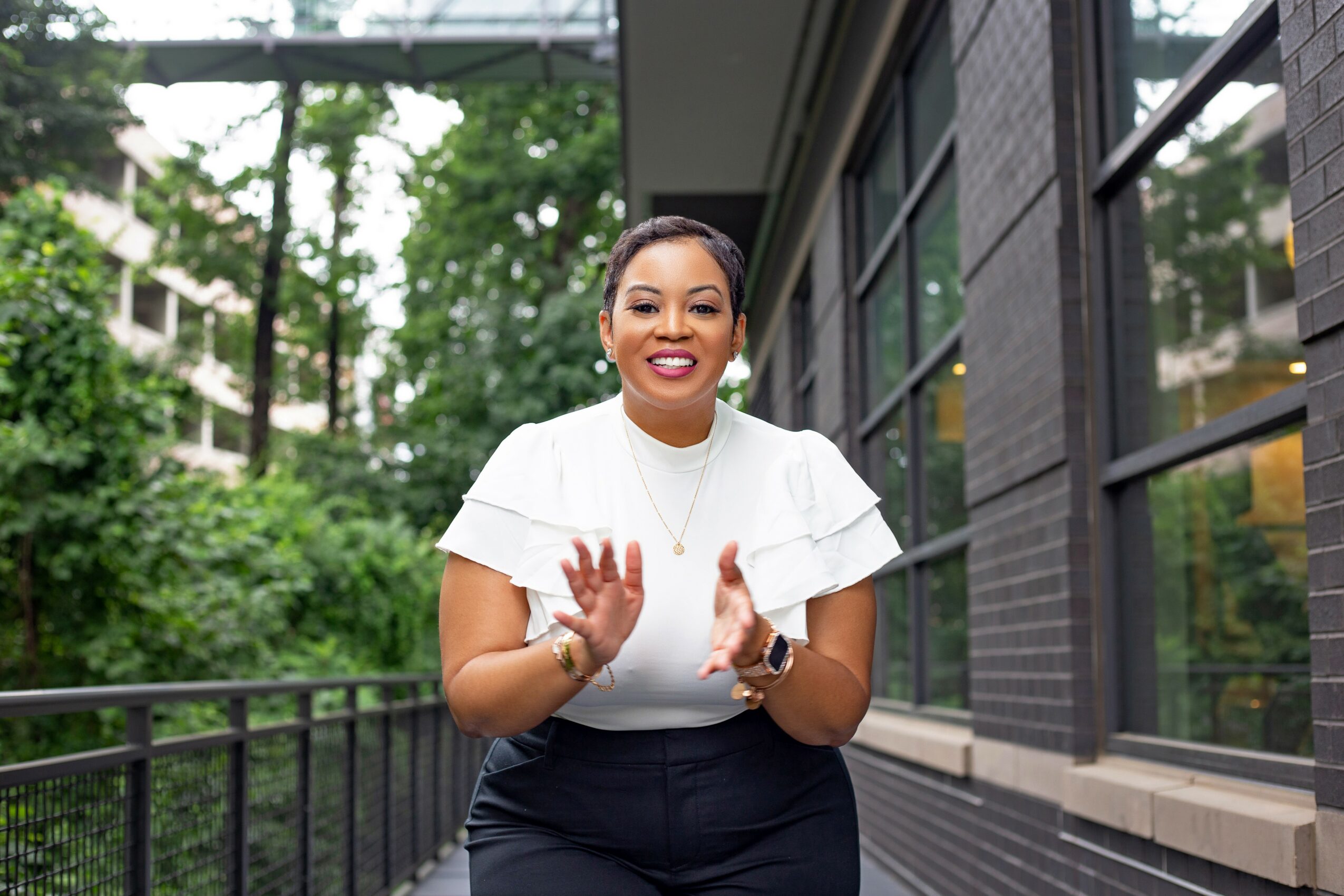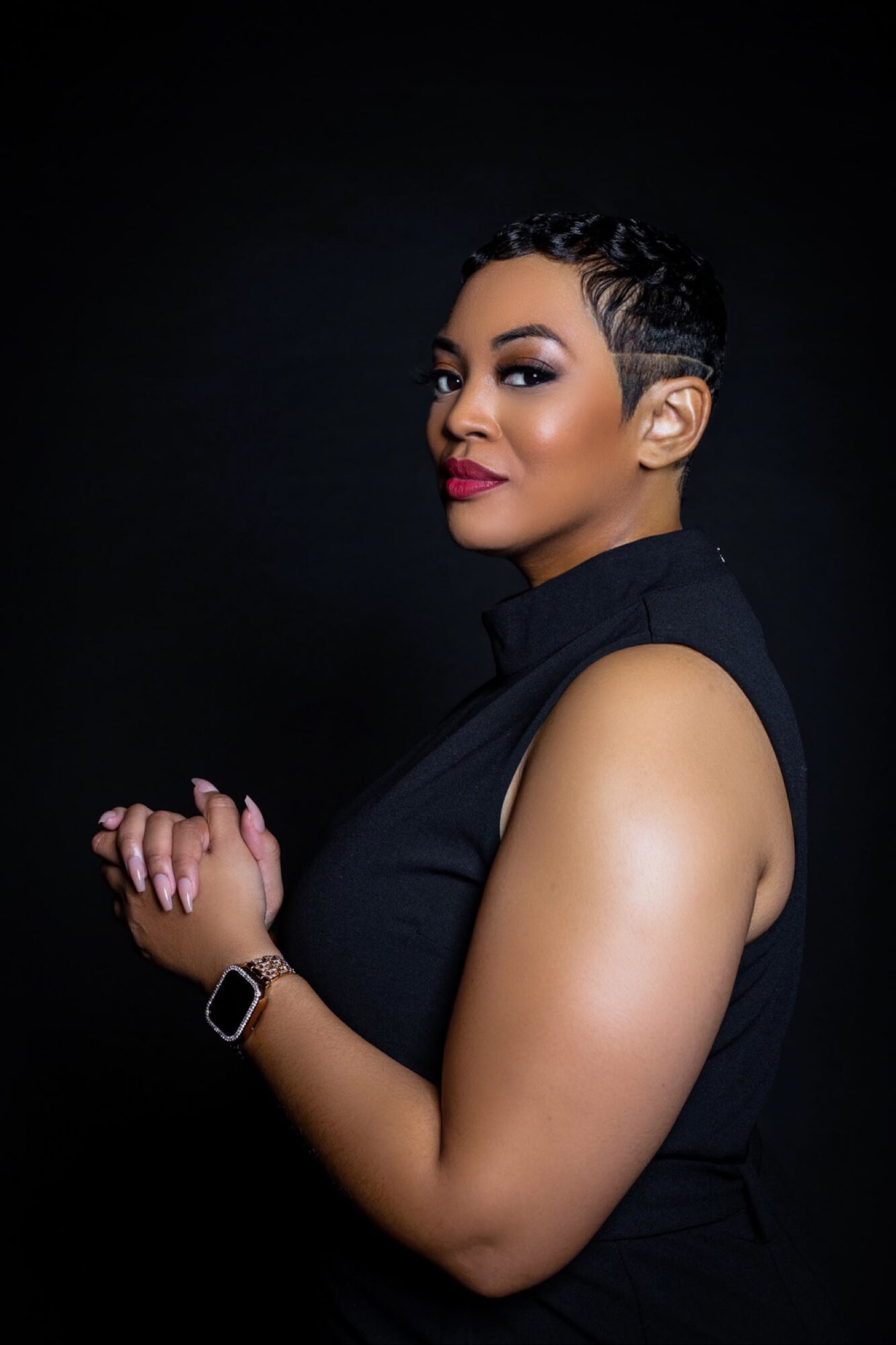
Today we’d like to introduce you to Ashaunte Trent.
Hi Ashaunte, so excited to have you with us today. What can you tell us about your story?
I came into this world the day after Halloween. While most people were waking up from a night of chaotic fun and coming down from sugar highs and costume parties, my mother was in labor, bringing me into the world on November 1, 1983 – All Saints’ Day. Some people say that day carries spiritual meaning. I didn’t know any of that as a child. What I did know was that I was born into a city and a time that demanded resilience. Washington, DC in the 80s was in the middle of one of its hardest eras. The crack epidemic had taken hold, violence was high, and many families, including mine, were doing whatever it took to survive.
When I was about a year old, my mother left, and my twenty-one-year-old father was left to raise me on his own. Back then, mothers were the backbone of most families, and it was far more common for fathers to be absent. For me, it was the opposite. Being raised by a father, especially during that time, was almost unheard of.
So there he was: a young Black man who had been raised motherless and fatherless himself, now navigating adulthood and fatherhood during one of the toughest periods in Washington, DC, raising a daughter on his own while trying to build a life from the ground up.
My father was a man of discipline, logic, and action. He believed in education, responsibility, and doing whatever it took to move your family forward. I watched him build a life for us from very little. Over the course of my childhood, I saw him work an array of jobs, study, earn degrees online, and eventually build and manage call centers. I also watched him sacrifice in ways I didn’t fully understand until I got older, like commuting several hours every day between Virginia and DC just so my brother and I wouldn’t have to change schools.
What he never realized was that I was always watching.
Growing up in DC and Maryland in the 80s and 90s meant witnessing a lot of struggle. Broken homes, violence, addiction, and families fighting just to keep the lights on were common realities. Money wasn’t a conversation in most households because there simply wasn’t much of it. Many of us were raised on peanut butter and jelly sandwiches, grilled cheese, or noodles. People were doing the best they could with what they had.
But what I also saw was resilience.
People stretched what little they had. They figured things out. They made life work.
Then my perspective shifted drastically when my father’s job required us to relocate to Charlottesville, Virginia. I was entering middle school, and that move carried me all the way through my high school years. Suddenly, I was exposed to a completely different environment: quieter neighborhoods, two-parent households, stay-at-home moms, large single-family homes, and families who had access to resources and opportunities I had never seen before.
I remember having friends who, at sixteen, had their own credit cards and used them responsibly. I had other friends whose parents planned to pay for college by refinancing their homes. At the time, I didn’t even understand what a mortgage was. Those moments opened my eyes. I began to realize that the world operates very differently depending on the systems and opportunities surrounding you.
After graduating from high school in 2001, I didn’t go straight to college. The truth is, I didn’t have a clue what I wanted to do or who I wanted to become. Although my father had worked hard to elevate our family to what some might call an upper-middle-class life, there still wasn’t an abundance of cash flow for me to go to college without a plan and risk wasting my family’s resources.
Now the rule in my house was: you either went to school or you got a job. So I started applying for jobs.
A doctor at a dental practice took a chance on me and hired me as her front desk receptionist. I had zero experience in healthcare, and that career path surely wasn’t on my radar in a family full of GS-7s – GS-13s. But she saw something in my work ethic and academic background. Eventually, she offered to pay for my education and sent me to dental assisting school.
What started as a random job turned into a 20-year education in business, one I’m incredibly grateful for. Because if dentistry had never found me, I honestly don’t know where I’d be today. Looking back now, I realize those years were quietly turning me into a student of people, environments, and systems.
I’ve always had a mind that looks for patterns and solutions. As a kid I loved puzzles, crosswords, and storytelling. I enjoyed taking blank canvases and turning them into something meaningful, something complete. Looking back now, I realize those same instincts naturally carried over into how I approach business operations and scaling.
Since 2002, I’ve worked in nearly every position inside a dental practice, front desk, dental assistant, treatment coordinator, and across a variety of environments, including small private practices, corporate offices, and even teaching an accelerated dental assisting program for six years.
Those experiences became my real classroom. My natural gift of observation, or discernment, as some might call it, allowed me to pay close attention to everyone around me. I listened carefully to patients, team members, and practice owners, and over time, I began to see patterns in how businesses succeeded, struggled, and grew.
Practice owners talked openly about the pressure of running a business while trying to care for people.
Team members openly complained about limited growth opportunities and what wasn’t working.
And patients, the easiest bunch to help, told me what they needed and wanted for over two decades.
I realized that many of the problems I was seeing weren’t clinical; they were operational. Systems were broken, communication was poor, leadership wasn’t aligned, and businesses were leaving enormous opportunities on the table.
At the same time, I had my own entrepreneurial journey. In my early twenties, I launched a luxury children’s event planning company called Kiddie Soirée. I was fascinated by the idea of creating experiences, and I quickly realized that children’s celebrations were an underserved niche. Instead of competing in the crowded wedding planning industry, I designed themed mobile luxury parties for kids, think Arabian Nights, princess experiences, pirate adventures, and brought them directly to families’ homes.
The business grew largely through word of mouth and referrals, and for seven years, it became my personal crash course in entrepreneurship. I learned marketing, operations, pricing, logistics, and customer experience through trial, error, and relentless improvement.
Eventually, I realized something important: my real gift wasn’t just creating events or working in dentistry.
That’s when I realized my real gift wasn’t just doing the work, it was solving problems and building systems that worked better for everyone involved.
That realization truly came to life in 2019 when I joined the practice of Garland K. Davis, DDS. For the first time in my career, I was given the freedom to truly operate and implement the changes I believed were necessary to allow a practice to grow, thrive, and ultimately become successful. Within 30 days of stepping into that role, I doubled the practice’s profits. Within 90 days, profits increased by 200%. Within a year, the practice had grown by over 300% and sustained multi-million-dollar performance, even through the challenges of the COVID-19 pandemic.
Today, I’m a business strategist and operations consultant working with the top 1% of healthcare CEOs, helping turn broken systems into profitable, people-centered businesses that can last for generations. That experience confirmed what years of observation had been preparing me for.
I wasn’t just someone who worked in healthcare; I was someone who could see where systems were breaking down and rebuild them in ways that worked better for everyone involved.
My focus has always been sustainability: creating structures that don’t just work for today, but continue serving people, teams, and communities for generations.
Through my consulting firm, 7-Figure Dental Society, I help healthcare organizations identify operational blind spots, strengthen leadership, and scale in ways that are sustainable for both the business and the people inside it.
But for me, the mission has always been bigger than revenue.
Revenue is simply the byproduct of a system that works well for people.
A successful dental practice means my community receives better care, team members have stable careers to support their families, and business owners can continue serving their communities. The same philosophy applies to the broader work I’m doing today around economic development and community advocacy in Prince George’s County.
When systems work, people thrive. When they don’t, everyone feels the consequences.
Looking back now, I understand something I didn’t know while I was living through those early adversities: every challenge was preparation. The environments I grew up in, the contrast between different communities, the struggles I witnessed, the sacrifices my father made, and the lessons learned through entrepreneurship and healthcare, all of it shaped the way I see the world today.
My faith also plays a major role in how I understand my journey now. What once felt like hardship and uncertainty, I now see as the Lord preparing me. Before October 5, 2022, everything in my life felt heavy and confusing because I didn’t yet have the maturity to understand what God was doing.
Looking back now, I can see how every challenge was shaping me for something greater.
If there’s one thing I hope people take away from my story, it’s this: the fire you go through is often the very thing that forges your purpose. They don’t call Him the Potter for nothing. Sometimes we have to go through the fire more than once before we can be made new.
I truly believe that anything is possible when you combine vision, discipline, and faith. Scripture says that your gifts will make room for you, and I’ve experienced that truth firsthand. My life is proof that even when you start with very little, you can still build something meaningful through perseverance, determination, and belief, not just for yourself, but for the people and communities you’re called to serve.
Looking back now, I realize the very trials that once felt like burdens were actually shaping the empathy and perspective I needed to help others. The struggles taught me how to see broken systems, how to listen to people, and how to build solutions that make life better for those around us.
Because in the end, the real purpose of success isn’t what we achieve for ourselves, it’s what we build that continues to serve others long after we’re gone.
Would you say it’s been a smooth road, and if not what are some of the biggest challenges you’ve faced along the way?
The road definitely hasn’t been smooth. Like many people who grow up in environments shaped by survival rather than stability, my journey started with a lot of obstacles. Being raised by a single father during a difficult period in Washington, DC meant that life lessons often came through experience rather than instruction. There were moments of uncertainty, financial limitations, and periods where I had to figure things out on my own without a clear roadmap.
Professionally, the challenges didn’t disappear once I entered the workforce. I built my career in healthcare without the traditional credentials that many people in the industry rely on. I was often the youngest person in the room, one of the only women in leadership conversations, and frequently the only person without a degree sitting at the table with doctors and executives. Early on, that meant having to prove my value through results rather than titles.
Entrepreneurship also came with its own set of lessons. I’ve launched multiple ventures over the years, from event planning to teaching to consulting, and each one required trial, error, and resilience. Not every idea worked the way I expected, but every experience taught me something about leadership, systems, and people.
Looking back now, those struggles were actually preparing me. They sharpened my ability to observe, adapt, and solve problems. More importantly, they deepened my empathy for the people I serve today. The challenges helped shape not only the strategist I’ve become, but also the perspective I bring to helping businesses and communities grow.
Thanks for sharing that. So, maybe next you can tell us a bit more about your business?
I’m a business strategist and operations consultant who helps healthcare organizations streamline broken systems for profitable and sustainable growth.
At 7-Figure Dental Society, I partner with healthcare CEOs and leadership teams to optimize operations, refine marketing, develop leadership, and build communication frameworks. This empowers organizations to grow sustainably while prioritizing both team well-being and patient experience. While my background is in dentistry, my work now encompasses a wide range of healthcare sectors, including dental practices, medical groups, behavioral health organizations, and healthcare support companies.
What sets my work apart is that I’ve lived nearly every level of the system I now help improve. I didn’t start in the boardroom; I started at the front desk, assisting chair-side, coordinating treatment, teaching dental assisting programs, and working inside practices for more than two decades. That experience allows me to see challenges from every angle: the pressures practice owners face, the frustrations team members experience, and the concerns patients bring through the door.
Because of that perspective, the systems I build are designed to work in the real world, not just on paper.
Over the years, I’ve helped scale healthcare businesses by 100% within 30 days, 200% within 90 days, and 300% within a year when the right systems are fully implemented. I’ve applied those same operational frameworks with organizations across the country, helping healthcare leaders strengthen their businesses, clarify their brand identity, and build structures that support long-term growth. The organizations I’ve worked with range from emerging practices serving a few thousand patients to established multi-million-dollar operations supporting tens of thousands of people within their communities.
My work often focuses on three core pillars: operational efficiency, leadership development, and communication. That can mean streamlining internal systems, training teams on how to communicate effectively with patients, strengthening leadership structures, refining brand messaging, or building marketing strategies that attract the right audience. When those pieces work together, team, message, and system, growth becomes a natural byproduct.
What I’m most proud of brand-wise is the impact that kind of work creates. When a healthcare business operates well, it doesn’t just generate revenue. It creates stable careers for employees, better experiences for patients, and stronger communities overall.
At the end of the day, the numbers are simply evidence that the system is working. My mission has always been to build structures that help people thrive, today and for generations to come.
Let’s talk about our city – what do you love? What do you not love?
What I love most about Baltimore is the culture and the resilience of the people. This region, whether you’re in Baltimore, DC, or the surrounding parts of Maryland, has a unique energy that’s hard to find anywhere else. There’s incredible diversity here, different backgrounds, different ideas, different communities—and that diversity creates opportunity. You see it in the arts, the food, the music, the history, and even the architecture of the city itself.
Baltimore has a charm that’s unmistakable. From the harbor and the aquarium to the museums, restaurants, and historic neighborhoods, there’s always something happening. One thing I appreciate deeply about this region is how accessible culture can be. You can experience world-class museums, performances, and community events without having to travel far or spend a fortune. It reminds you how fortunate we are to live in a place where creativity, history, and community are constantly intersecting.
Another thing that stands out to me is the strength of the people here. Baltimore is a majority Black city with a powerful cultural identity, and there’s a deep sense of perseverance that runs through the community. People here are innovative, resourceful, and committed to improving the places they call home.
If there’s one thing I would like to see improve, it’s the city fully stepping into the opportunity it already has. Baltimore sits on one of the most important ports on the East Coast and is located just outside the nation’s capital. From an economic and strategic standpoint, that position should create tremendous opportunities for growth and prosperity.
To me, the challenge isn’t potential – it’s alignment. When leadership, resources, and community efforts move in the same direction, cities like Baltimore can thrive in extraordinary ways. I truly believe the foundation for that success already exists here. It’s simply about continuing to invest in the people, infrastructure, and vision that will allow the city to reach its full potential.
Contact Info:
- Instagram: https://www.instagram.com/mmdollarpracticestrategist
- Facebook: https://www.facebook.com/share/18HrftZ81x/
- LinkedIn: https://www.linkedin.com/in/ashaunte-trent-12089525b
- Youtube: https://youtube.com/@mmpracticestrategist