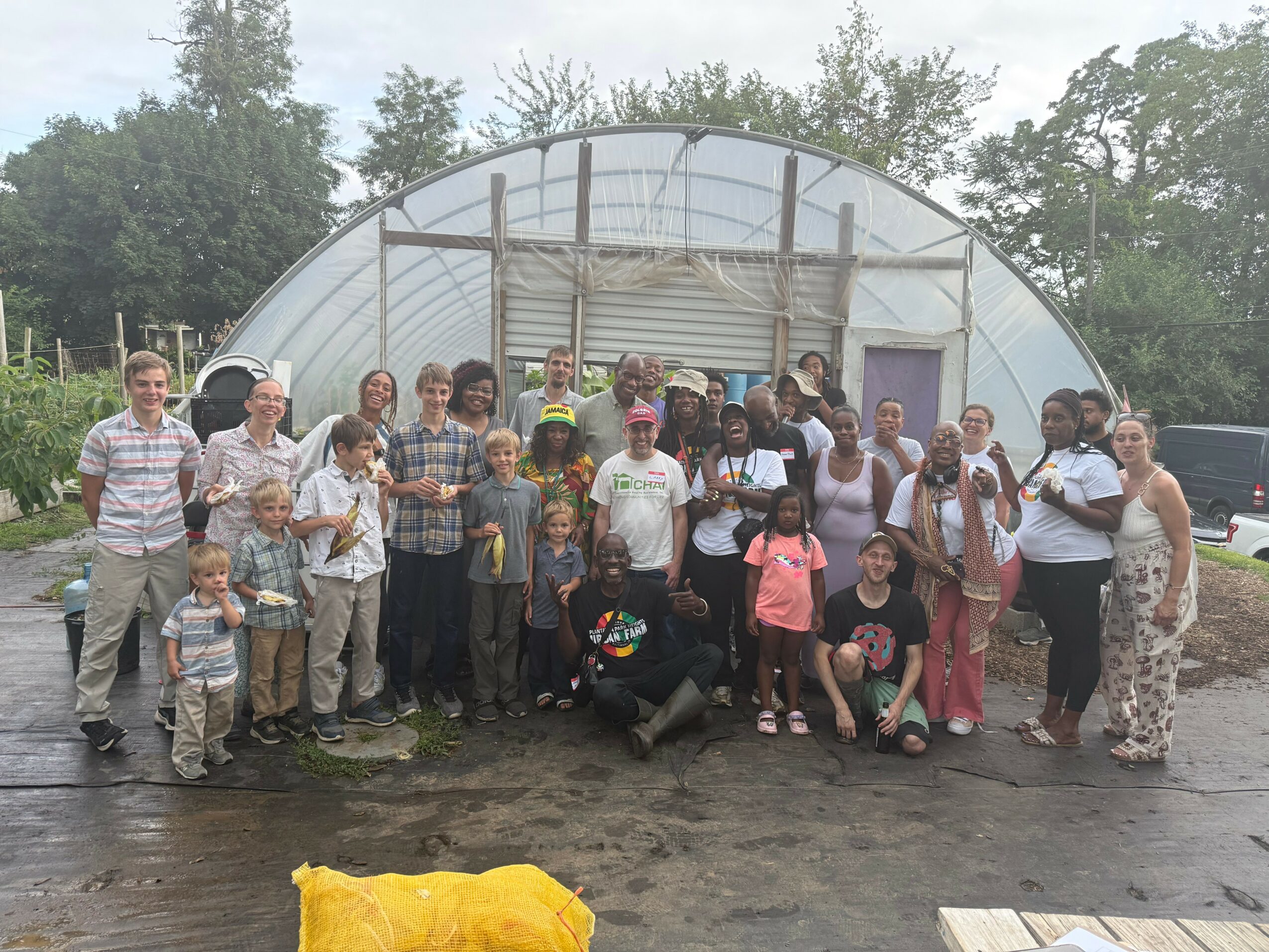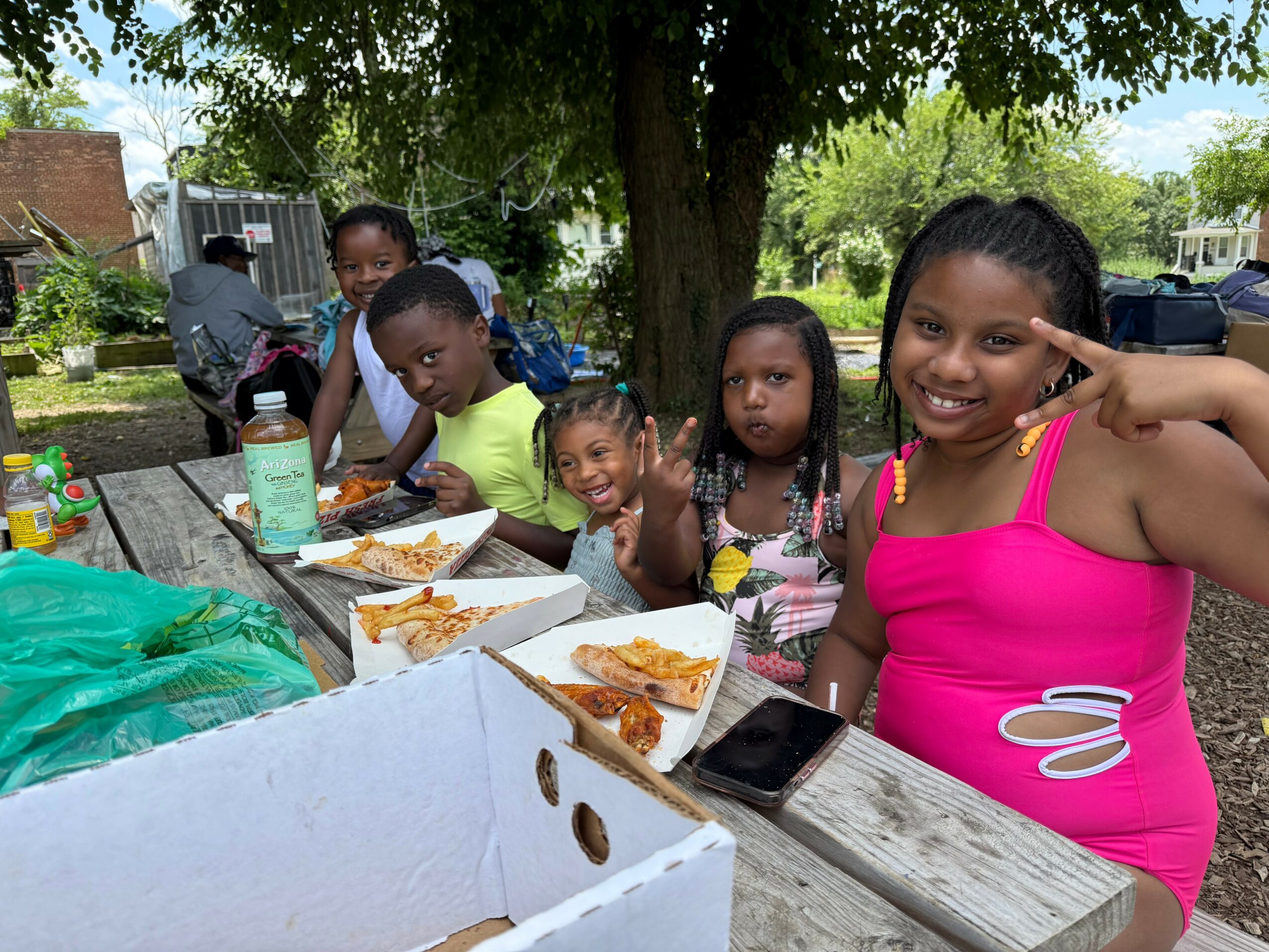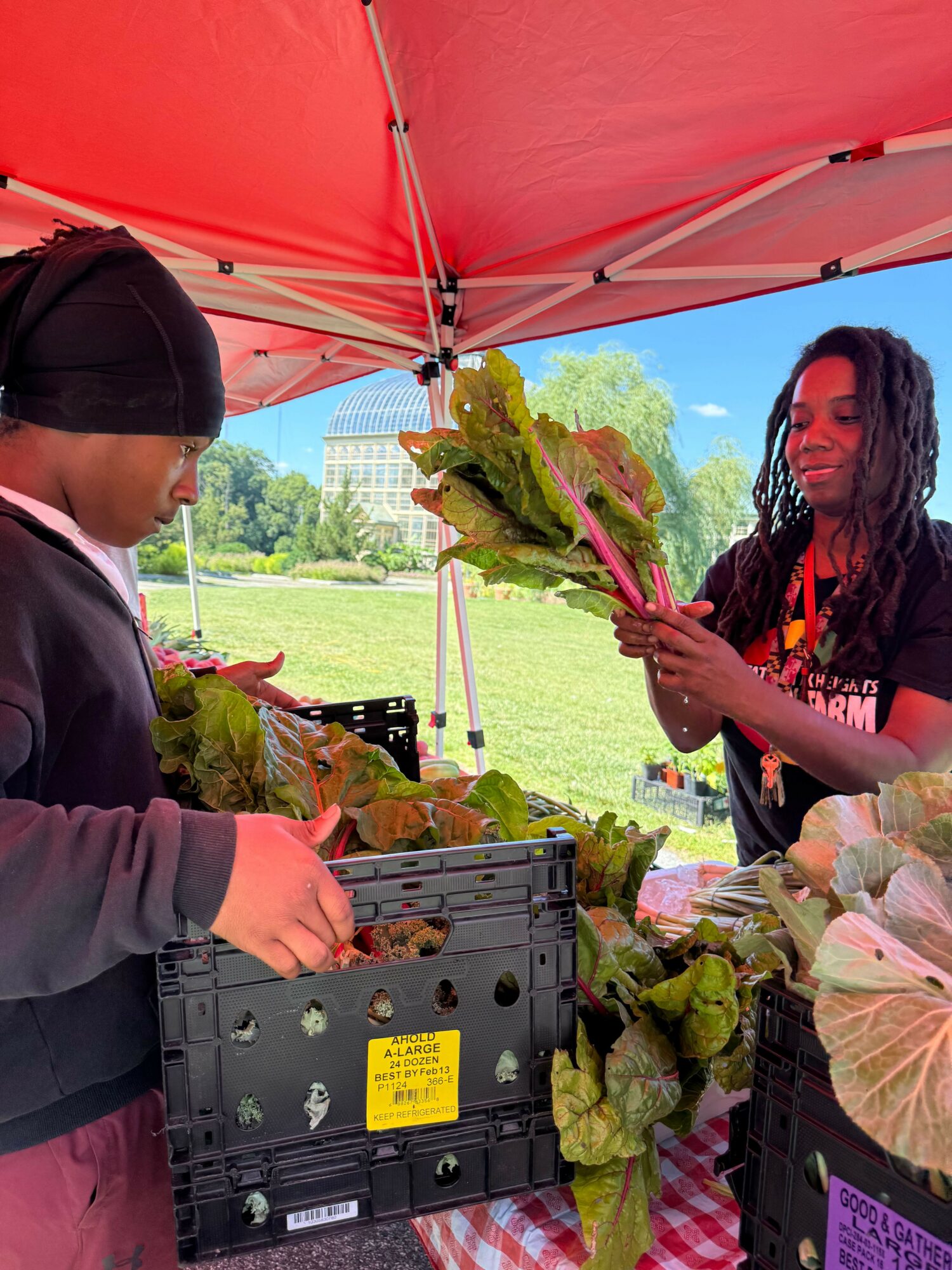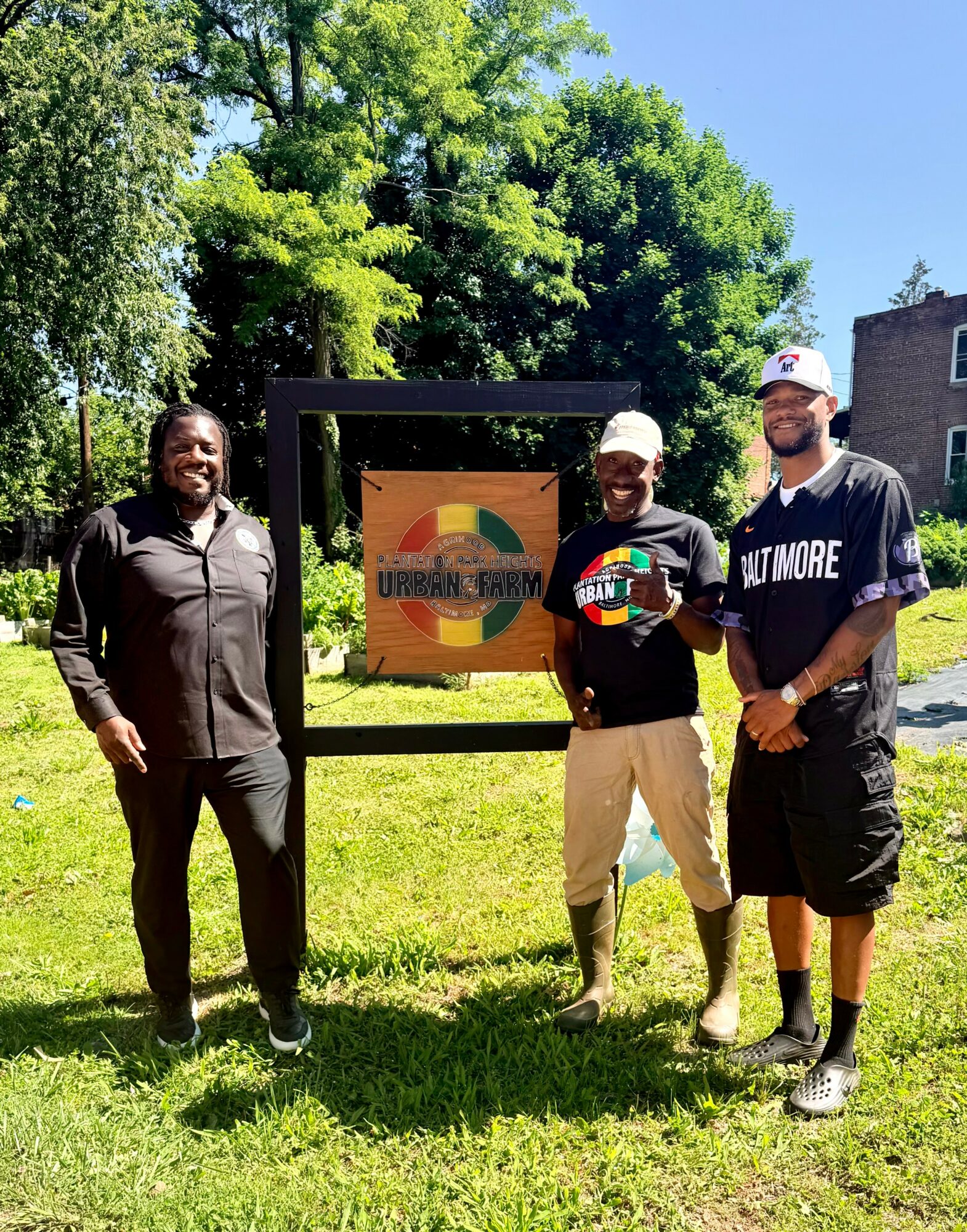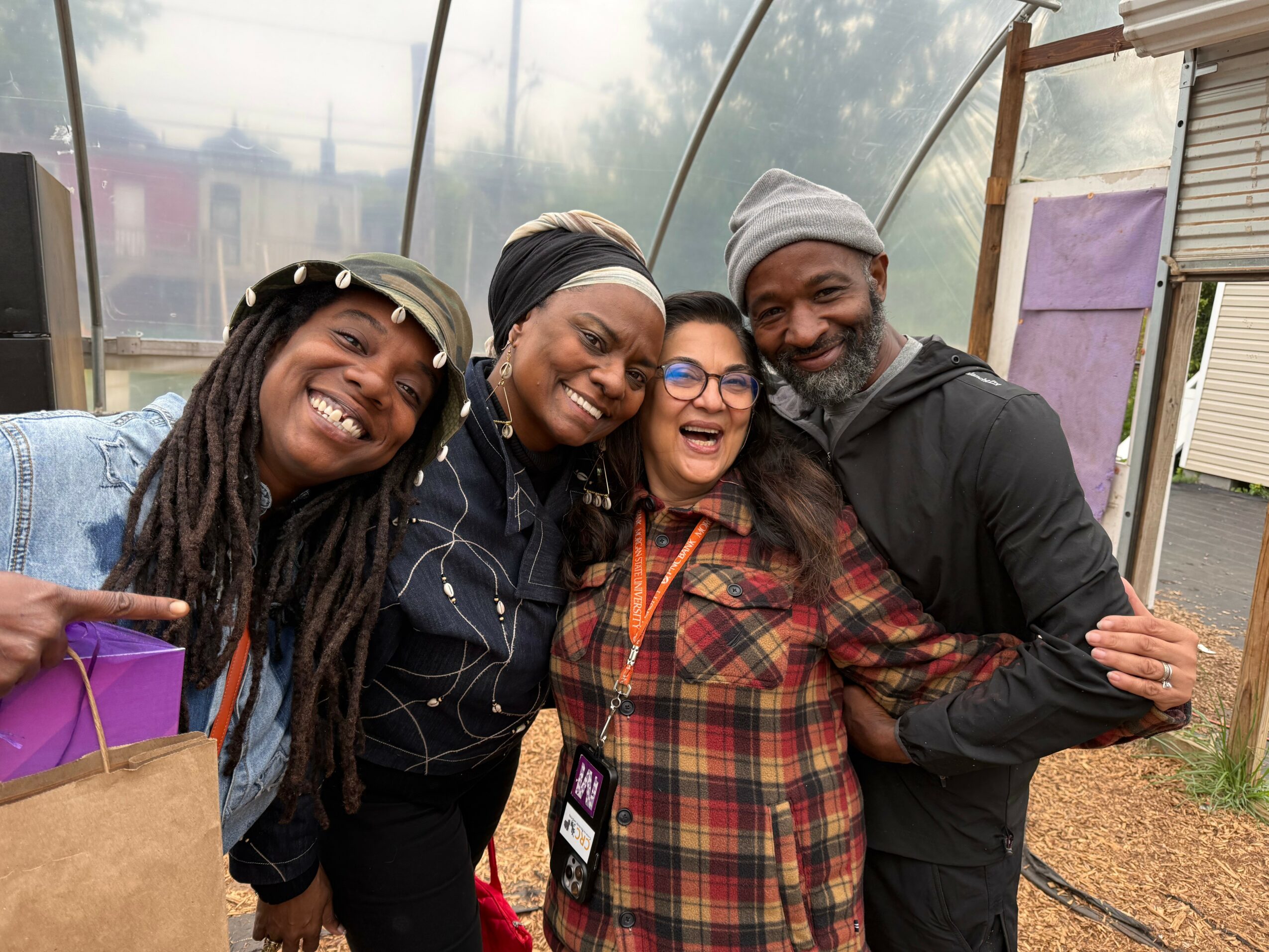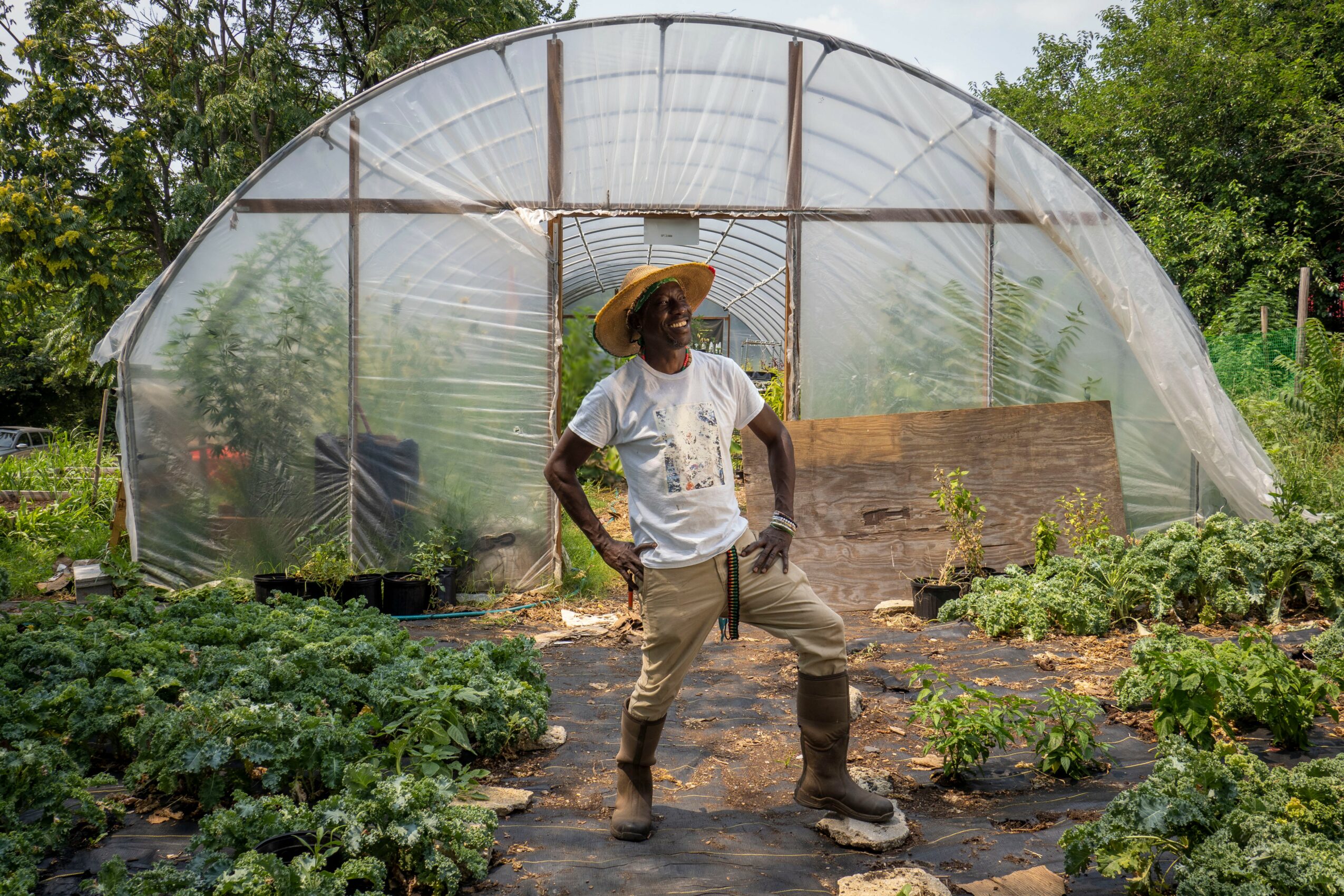
Today we’d like to introduce you to Richard “Farmer Chippy” Francis.
Richard, we appreciate you taking the time to share your story with us today. Where does your story begin?
My journey with Plantation Park Heights Urban Farm (PPHUF) and the AGRIHOOD Baltimore Initiative truly began with a deep conviction that our communities deserve control over its own food supply and health destiny.
Growing up in Trinidad and Tobago, I learned early on that agriculture is the foundation of self-reliance. When I looked at the landscape of Northwest Baltimore, particularly the Park Heights neighborhood, I saw a community suffering under food apartheid—a systemic denial of access to fresh, healthy, and affordable food.
I decided to take action by doing something tangible: converting vacant, neglected city lots into high-yield, productive green spaces. In 2019, long before the unprecedented disruptions of the COVID-19 pandemic upended global supply chains, we were already on the ground laying the foundation for what would become a permanent engine for community sovereignty.
When the pandemic hit, it exposed the fatal flaws of Baltimore’s reliance on “bridge and tunnel” food systems—imported, long-haul supplies that can easily freeze during a crisis. We pivoted hard on the frontlines, scaling our boots-on-the-ground operations from simple vacant lot cleanups into a massive weekly fresh food distribution pipeline. Through this emergency network, we began distributing thousands of pounds of fresh, nutrient-dense produce to local seniors, students, and vulnerable neighbors weekly, operating on the foundational belief that “food is medicine” and a core part of community preventative healthcare.
As we grew, the vision expanded from a grassroots urban farm operation into a comprehensive, tech-forward ecosystem. We launched our signature Junior Urban Farmers program to empower young adults through STEAAM education (Science, Technology, Engineering, Agriculture, Arts, and Mathematics) and vocational training. We didn’t want to just teach youth how to farm; we wanted to position them for high-skill, high-wage green and blue economy careers. We integrated precision agriculture, IoT sensors, and data systems into the fields to measure rainfall and manage crop cycles scientifically. More importantly, we focused on long-term asset building—mentoring these young farmers to build financial literacy so they could transition into becoming first-time renters, homeowners, and land stewards.
To validate and scale our practices, we leaned heavily into elite institutional and academic partnerships. We spent three years working on a scientific research project with the University of Maryland to study rainwater harvesting for safe urban crop irrigation, and we collaborated with Morgan State University on resilient infrastructure design and implementation.
Today, we are moving entirely away from the fragile paradigm of short-term charity and temporary municipal land leases. We are actively executing a major capital expansion to secure absolute land tenure through a community managed land trust. Our plans include developing the “Big Farm House” anchor facility at 3801 Park Heights Avenue and establishing a permanent 3000sq ft indoor farmers market at 3900 Park Heights Avenue, right here in the hood.
We started with a few vacant lots, and today we have built an unshakeable blueprint for an AgriHood. We’ve proven that when grassroots energy aligns with dedicated corporate partners and academic research, a community can shift from historical displacement to absolute internal sovereignty. We are building generational wealth right here in the Black Butterfly, and we are just getting started.
Alright, so let’s dig a little deeper into the story – has it been an easy path overall and if not, what were the challenges you’ve had to overcome?
It has absolutely not been a smooth road. Building an AgriHood from the ground up in Northwest Baltimore has required overcoming deep systemic barriers, constant bureaucratic hurdles, and unpredictable crises.
Some of the most significant struggles we have faced along the way include:
We have had to fight a constant battle against entrenched Baltimore City policy friction to convert neglected, city-owned vacant lots into productive green spaces. Navigating the slow-moving local government landscape to secure temporary municipal land leases has been an ongoing challenge as we push toward absolute land tenure and ownership.
Our communities have long been unsustainably dependent on imported, long-haul food supplies moving through major logistics corridors. When crises hit, these fragile external shipping routes easily freeze, leaving Baltimore neighborhoods entirely exposed and forcing us to stretch our frontline emergency food pantry resources to the limit.
Navigating the severe conditions for farmers and disruptions of major public health emergencies—like the COVID-19 pandemic and subsequent regional outbreaks—has thrown our human centered operations into survival mode. We have had to constantly adapt to acute staff and volunteer shortages, sudden supply chain disruptions, and rapidly changing public health guidelines while trying to keep our community safe and fed.
We are continually fighting for human equity and beginner farmer resources on the frontlines of agricultural advocacy. This includes standing up for vulnerable, voiceless Maryland urban farmers who face sudden displacement and severe economic disruption due to strict immigration enforcement and ICE crackdowns.
Funding grassroots urban agriculture requires innovation and resilience. Navigating complex, fee-for-service federal and state reimbursement models—which often carry a standard 90-day administrative and billing reconciliation lag—means we must constantly maintain substantial independent cash reserves just to keep our young team paid and our farmers market operations running.
Every milestone we’ve achieved has been born out of friction, resilience, and collective sacrifice. It hasn’t been easy, but the struggles have only proven why building out the AGRIHOOD Baltimore local food sovereignty is so urgent.
We’ve been impressed with Plantation Park Heights Urban Farm, but for folks who might not be as familiar, what can you share with them about what you do and what sets you apart from others?
I would love to focus on Plantation Park Heights Urban Farm (PPHUF) and the AGRIHOOD Baltimore Initiative to give your readers a look into what we do, what sets us apart, and the legacy we are actively building in the hood.
What We Do & What We Specialize In
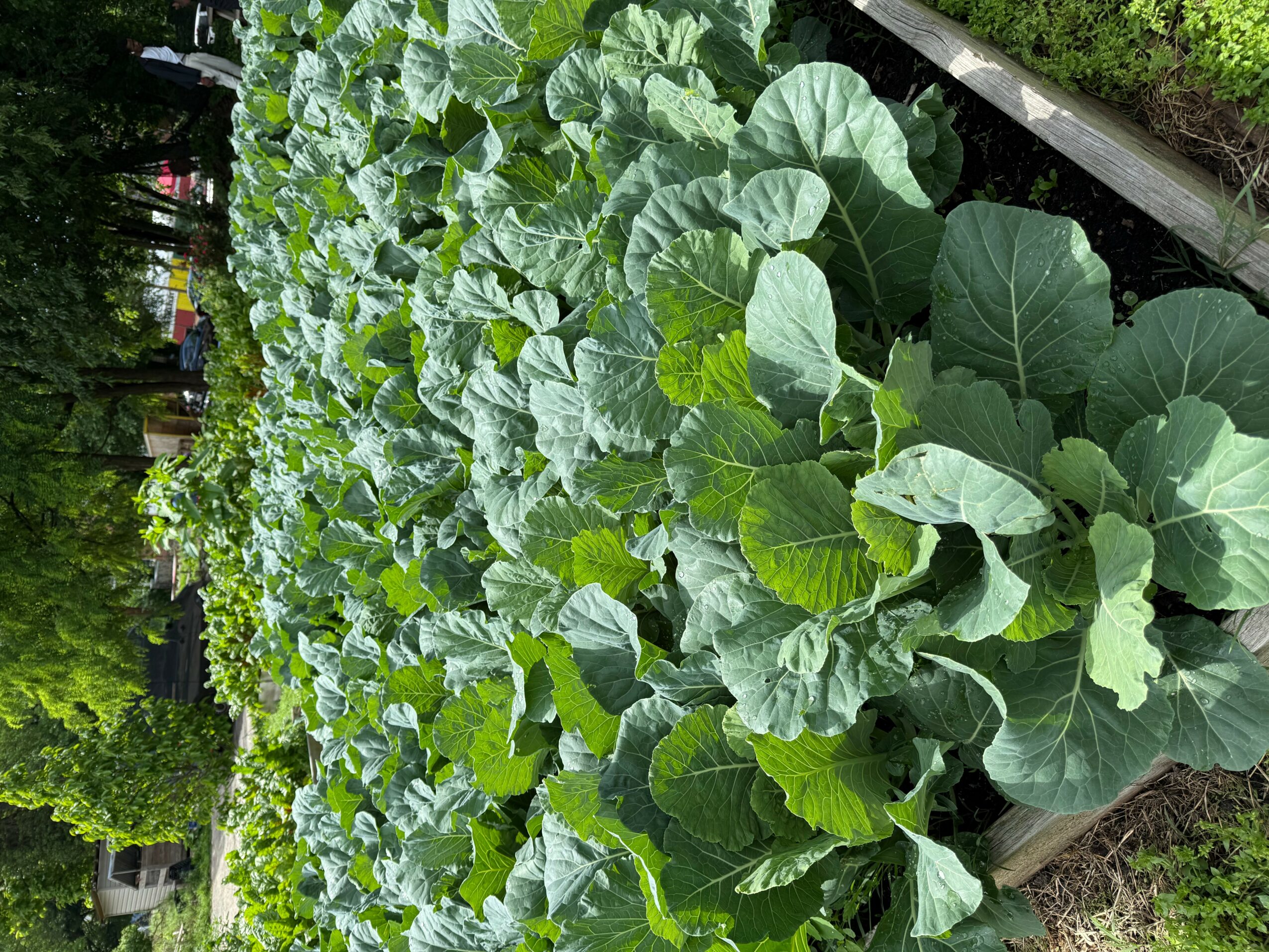
At PPHUF, we specialize in urban agricultural ecosystems, food sovereignty, and community wealth building. We transform neglected, vacant city lots in Northwest Baltimore into high-yield, productive green spaces alongside children and senior adults. But we do not just grow food; we grow a self-sustaining infrastructure designed to dismantle food apartheid permanently.
Our core operations focus on a few distinct specialties:
* Food as Medicine: We utilize nutrient-dense, soil-grown produce as a direct form of preventative healthcare for our neighborhood.
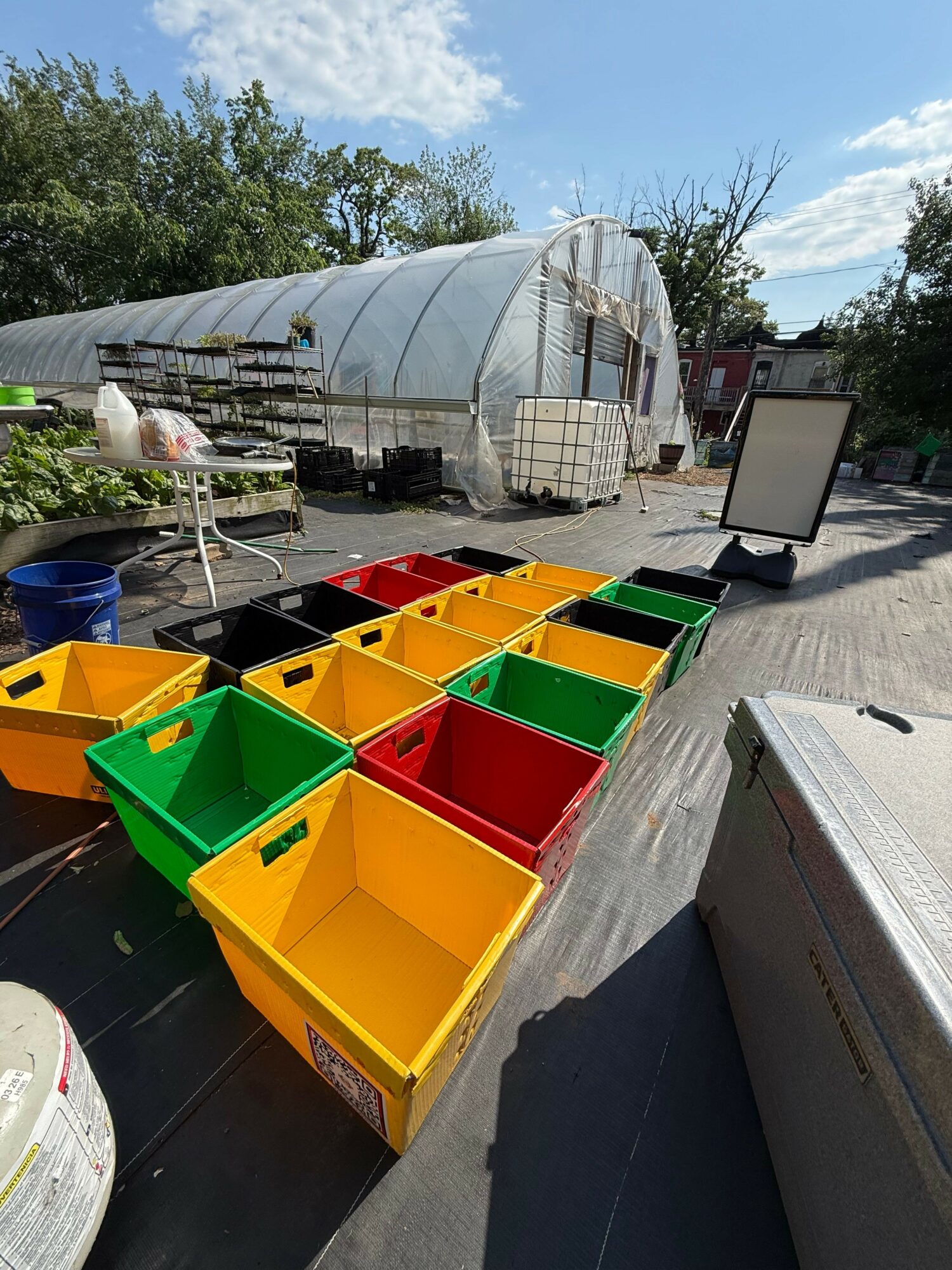
* Massive Food Distribution: We operate a frontline distribution pipeline that moves thousands of pounds of fresh produce weekly to local seniors, students, and vulnerable families.
* STEAAM Youth Mentorship: Through our signature Junior Urban Farmers program, we provide intensive vocational training rooted in Science, Technology, Engineering, Agriculture, Arts, and Mathematics (STEAAM). Our youth don’t just handle soil; they build and manage AQUAPONIC Systems, deploy Internet of Things (IoT) sensors, and study urban environmental data tracking.
What Sets Us Apart
What truly distinguishes AGRIHOOD Baltimore from typical community gardens or urban farms is our unyielding focus on asset ownership and economic sovereignty.
We explicitly reject the traditional, fragile paradigm of short-term charity. Instead, we design direct pathways for our Junior Urban Farmers to build financial literacy, transition into first-time renters or homeowners, and step into high-skill green careers. Furthermore, we back our grassroots grit with elite academic validation—collaborating on multi-year scientific research projects with institutions like the University of Maryland and Morgan State University to validate our engineering compliance and farming safety. We are a tech-forward, data-driven agricultural engine.
What I Am Most Proud of Brand-Wise
I am incredibly proud of our brand’s absolute resilience and cultural foundation. We have built a platform where we can stand firmly on our own soil and represent who we are without fear or favor. From surviving the frontline disruptions of global pandemics to spearheading a multi-million dollar capital expansion, our brand is synonymous with uncompromised community power. We are creating our own work and managing our own resources, proving again that urban agriculture can be a vehicle for true generational wealth building in the Black Butterfly.
What You Should Know About Our Offerings & Services
We want your readers to know that AGRIHOOD Baltimore is a fully integrated, scalable ecosystem. Our brand offerings extend across multiple fronts:
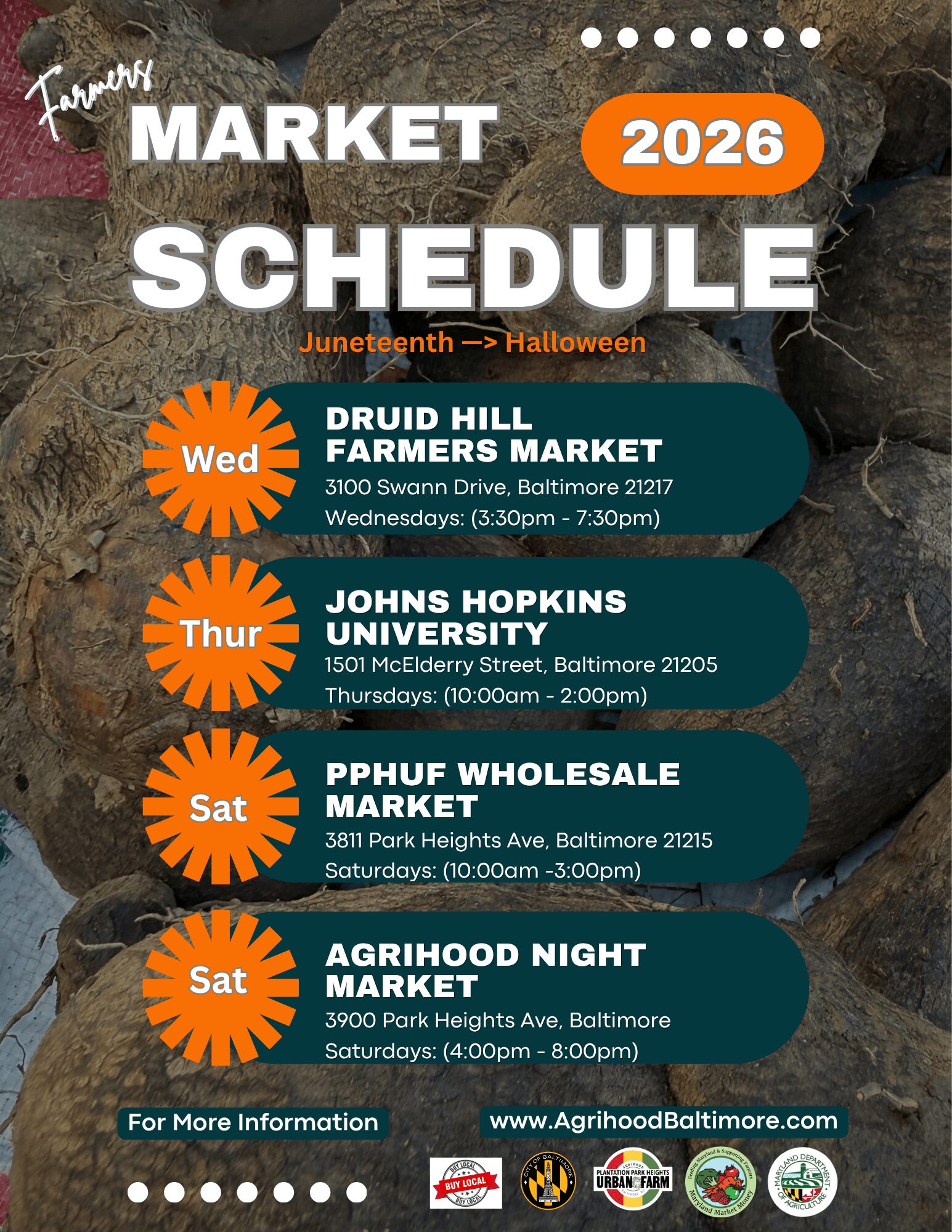
* The AGRIHOOD Baltimore Farmers Market: Our public-facing weekly market providing fresh, culturally relevant produce and supporting local neighborhood vendors.
* Value-Added Products: Commercial scaling of our hyper-local specialty items, such as our signature Park Heights Pepper Sauce, Agrihood Baltimore Spices & Cleaner Greener Foods
* Urban Agriculture Training Institute: Showcasing our unshakeable blueprint for how local communities, corporate partners, and academic institutions can lock arms to solve global food security challenges together.
We are shifting the paradigm from survival to absolute sovereignty, and we invite everyone to join us on this journey. 🏁🌱
How does this overview capture the depth of the initiative, or is there a specific program—like our homeownership pipeline for young farmers—you would like me to expand on further?
What matters most to you? Why?
What matters most to me is achieving absolute food sovereignty and food security for all, especially for communities structurally left behind.
Why This Matters Most
Food is the ultimate foundation of human equity, health, and independence. We cannot build a stable society, educate the next generation, or foster long-term prosperity if our people do not know where their next meal is coming from.
True security means moving entirely away from the fragile paradigm of short-term charity and vulnerable, long-haul supply chains.
When we transition communities from relying on external food sources to controlling their own agricultural assets, we accomplish three critical things:
* Health as a Right: We can treat nutrient-dense, locally grown produce as a direct form of preventative healthcare, targeting the top five (5) chronic illnesses in Baltimore City at their root.
* Economic Stability: By creating an Agriculture Production Zone (APZ) in Baltimore City, localizing food production, we keep wealth within the neighborhoods, creating high-skill green careers and pathways to asset ownership for our youth.
* True Resilience: When global supply chains freeze or public health crises hit, a self-sustaining local ecosystem ensures that no neighbor is left exposed.
Securing the food supply means securing the future. We must lift up our urban farmers and protect the hands that feed us as we ensure that every single person has uninterrupted access to fresh, healthy, and culturally relevant food grown right in their own community.
Contact Info:
- Website: https://plantationparkheights.org/
- Threads: https://www.threads.com/@agrihoodbaltimore
- Facebook: https://www.facebook.com/share/1ETdjE6TQK/
- LinkedIn: https://www.linkedin.com/in/farmer-chippy-79a6687
- Twitter: https://x.com/cleanerfoods?s=11
- Youtube: https://youtu.be/WToVIxilbZ0