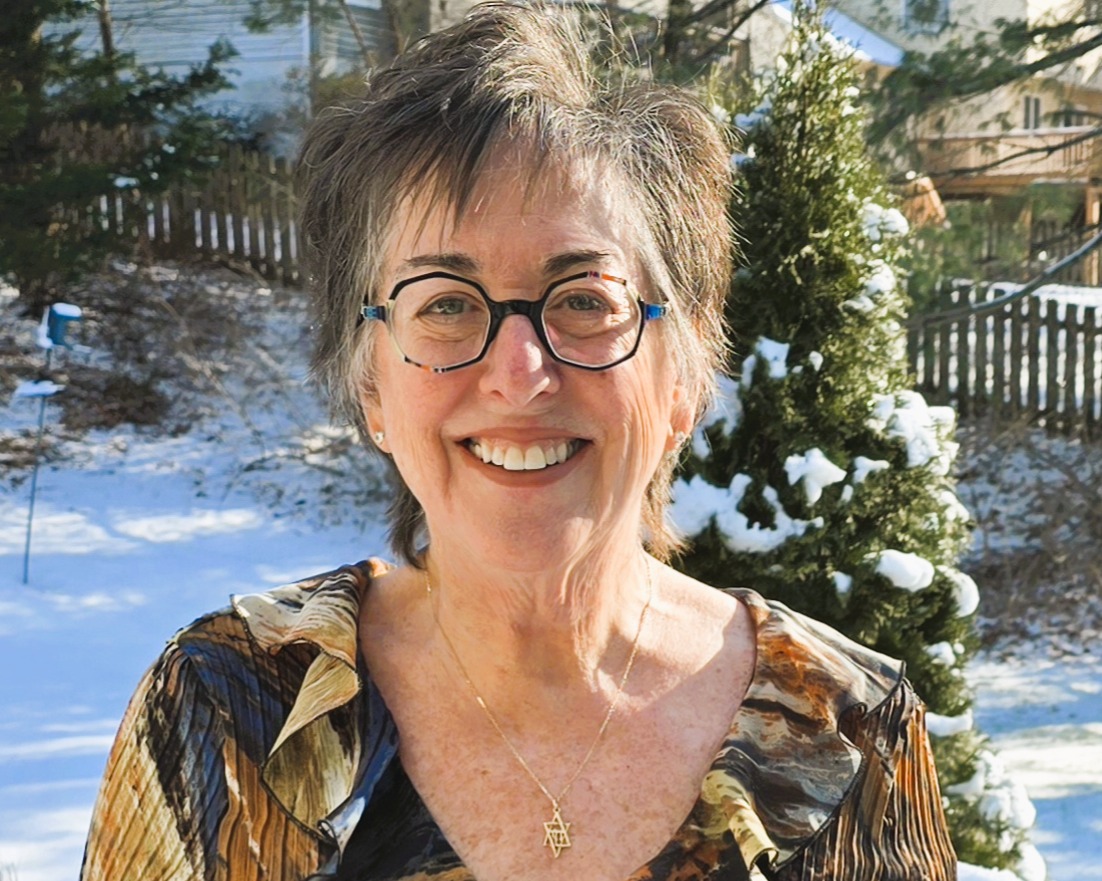
Today we’d like to introduce you to Mindy Goodman.
Hi Mindy, thanks for sharing your story with us. To start, maybe you can tell our readers some of your backstory.
I began my professional life as a CPA, but what I was always drawn to was helping people—bringing clarity, foresight, and a sense of steadiness to complex decisions. At the same time, I was raising my own children, some with additional needs, and I found myself advocating constantly within educational and mental health systems. That was where my true advocacy began—not as a concept, but as a lived experience.
Over time, that blend of professional planning skills and personal advocacy led me into therapeutic and educational consulting. For more than a decade, I’ve worked with families nationally, helping them navigate treatment options, educational placements, and specialized supports across the country for their family member. My role is about helping families see the whole landscape—clinical needs, learning profiles, family dynamics, timing, and resources in order to make thoughtful decisions that best suit their family.
Families often come to me overwhelmed and exhausted. There may be many opinions, but very little integration. I serve as a guide and translator between systems, helping parents make sense of complex information while staying anchored in their values. Because I’ve built long-standing relationships with programs and providers nationwide, I’m able to help families access care that truly fits—not just what’s available. I take no payment from the programs themselves, I work only for the best interest of their family member.
Alongside this work, parent coaching has always been central to my practice. Parents are the emotional and regulatory backbone of the family system, yet they are rarely supported in that role. Coaching offers a space for parents to process, recalibrate, and strengthen their capacity to lead with clarity and compassion, even in the midst of uncertainty. Additionally, I will work as a coach for parents who are not looking for a treatment program but whose goals are more effective communication.
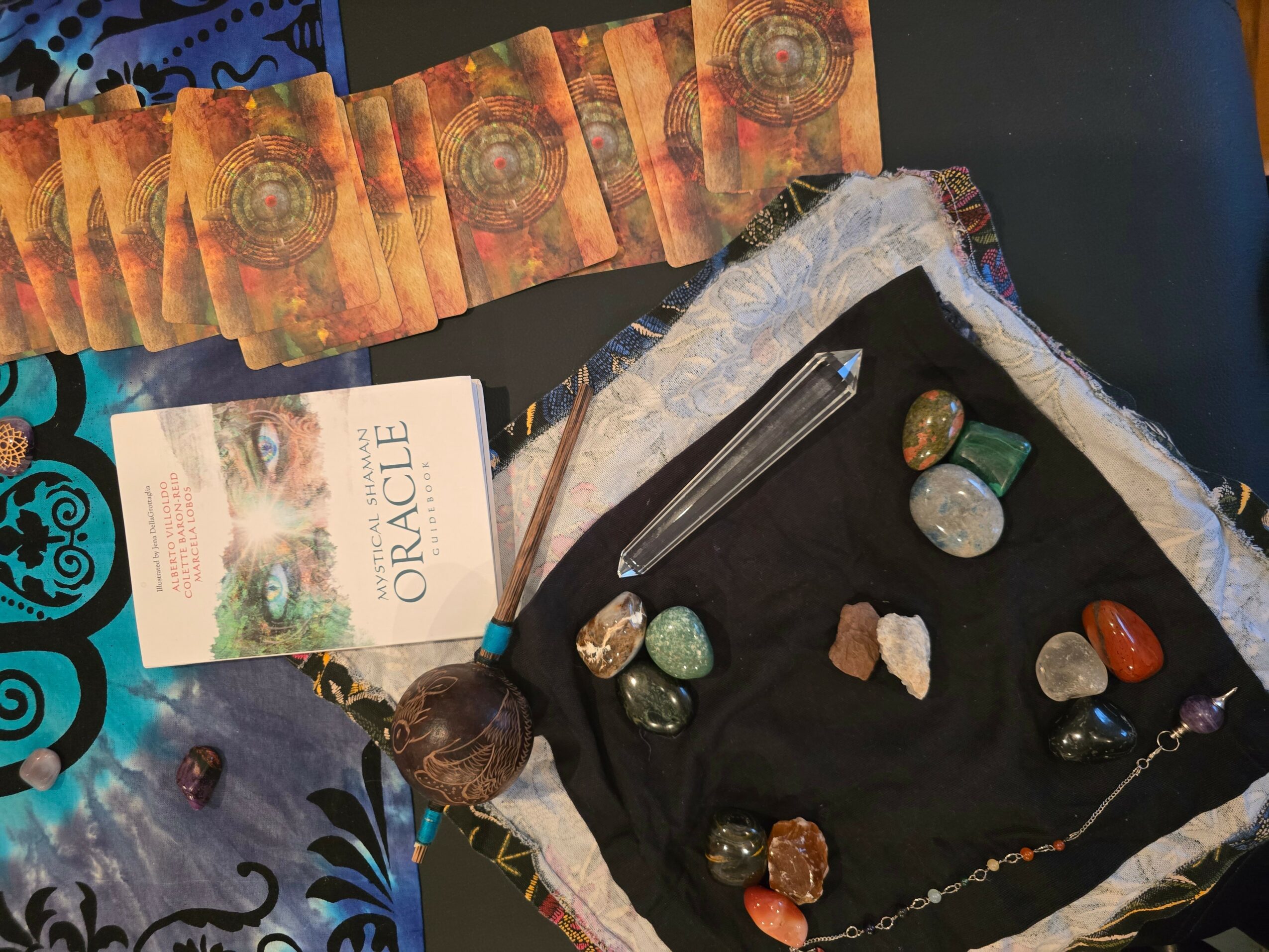
As the years went on, I began to notice something important. Even when families made sound external decisions, many were carrying unprocessed grief, chronic stress, and a sense of disconnection from themselves. That recognition led me to expand my work to include shamanic and integrative practices—approaches that support nervous system regulation, embodied awareness, and transformative experiences.
This work isn’t about bypassing difficulty or offering quick fixes. It’s about helping people integrate what they’ve lived through, reclaim their internal resources, and move forward feeling more whole. These practices complement the practical guidance I offer, allowing change to settle not just cognitively, but emotionally and energetically as well.
Today, my work is intentionally integrative. I support families and individuals through both the outer landscape of complex systems and the inner landscape of transition and transformation. At its heart, my work is about helping people find steadiness, agency, and alignment when life asks more of them than they ever expected.
Alright, so let’s dig a little deeper into the story – has it been an easy path overall and if not, what were the challenges you’ve had to overcome?
It definitely hasn’t been a smooth road. Work that involves navigating complex systems—mental health care, education, and family dynamics—rarely is.”
One ongoing challenge has been the need to stay deeply informed as the fields of mental health treatment and education continue to evolve. Best practices change, new models emerge, and what was once considered standard can quickly become outdated. Remaining current isn’t optional in this work—it’s an ethical responsibility, and it requires continuous learning and discernment.
Another important learning edge was understanding how not to personally take on my clients’ emotional needs. When you work closely with families in distress, it’s easy to over-function or absorb more than what’s actually helpful. I came to see that effective support requires clear boundaries and a regulated presence.”
That awareness led me into both formal training and personal work—including parent coaching programs, shamanic practitioner training, and walking the medicine wheel over multiple years. That combination was truly transformational, shaping how I hold space, make decisions, and sustain myself in this work.
Those experiences continue to inform how I practice today—grounded, integrative, and deeply respectful of both complexity and limits.
Thanks for sharing that. So, maybe next you can tell us a bit more about your business?
New Chapters Consulting & Coaching was created to support individuals and families during periods of uncertainty. The name itself reflects my belief that difficult chapters in a person’s life may not define them but are starting points to begin again,
Our most difficult lessons are our greatest teachers, providing the greatest gifts. I support families nationally with therapeutic and educational consulting—helping them identify appropriate resources, programs, and supports—while also offering parent coaching and integrative practices that address the emotional and nervous system impact of these journeys of transformation.
What I’m most known for is my intuitive and relational work with people. Whether I’m supporting a family through a residential placement recommendation or working with a shamanic client, the foundation is the same—deep listening, trust, and attunement.
People often tell me that they feel genuinely seen and steadied in our work together. I take time to understand not just the situation, but the person or family within it. I attribute that to intentional relational depth.
Because I work relationally, I’m able to move fluidly across contexts. A residential placement recommendation isn’t just about a program—it’s about readiness, family dynamics, and long-term impact. Similarly, shamanic work isn’t abstract—it’s grounded in relationship, safety, and discernment.
No matter the service—consulting, parent coaching, or shamanic work—the experience is relational first. That consistency is intentional. The modality may change, but the relationship is the medicine. And that is what I am most proud of.
Let’s talk about our city – what do you love? What do you not love?
I grew up in the city while living in the County. My grandparents owned a Mom and Pop grocery store at the corner of Sharp Street and Welcome Alley. I love Baltimore. It is home. One of the best things about living in Baltimore is the undeniable sense of community found within its unique neighborhoods, We have an incredible food scene and amazing restaurants. The city’s sports culture is equally infectious, especially at Camden Yards or M&T Bank Stadium, where the passion of the crowd is legendary. There is a specific, spine-tingling magic in hearing thousands of fans belt out a booming “O!” during the national anthem. We have great museums and historical sites. And the thing that I love the most about living in the metro area in general is in 30 minutes you can be at the Harbor and 30 minutes the other direction you can be in the country. It really is a beautiful place to live.
Contact Info:
- Website: https://newchaptersconsulting.com
- Facebook: https://www.facebook.com/profile.php?id=100057134122880
- LinkedIn: https://www.linkedin.com/in/mindy-goodman-640427ba/