Danny Pittas III shared their story and experiences with us recently and you can find our conversation below.
Good morning Danny, we’re so happy to have you here with us and we’d love to explore your story and how you think about life and legacy and so much more. So let’s start with a question we often ask: What is a normal day like for you right now?
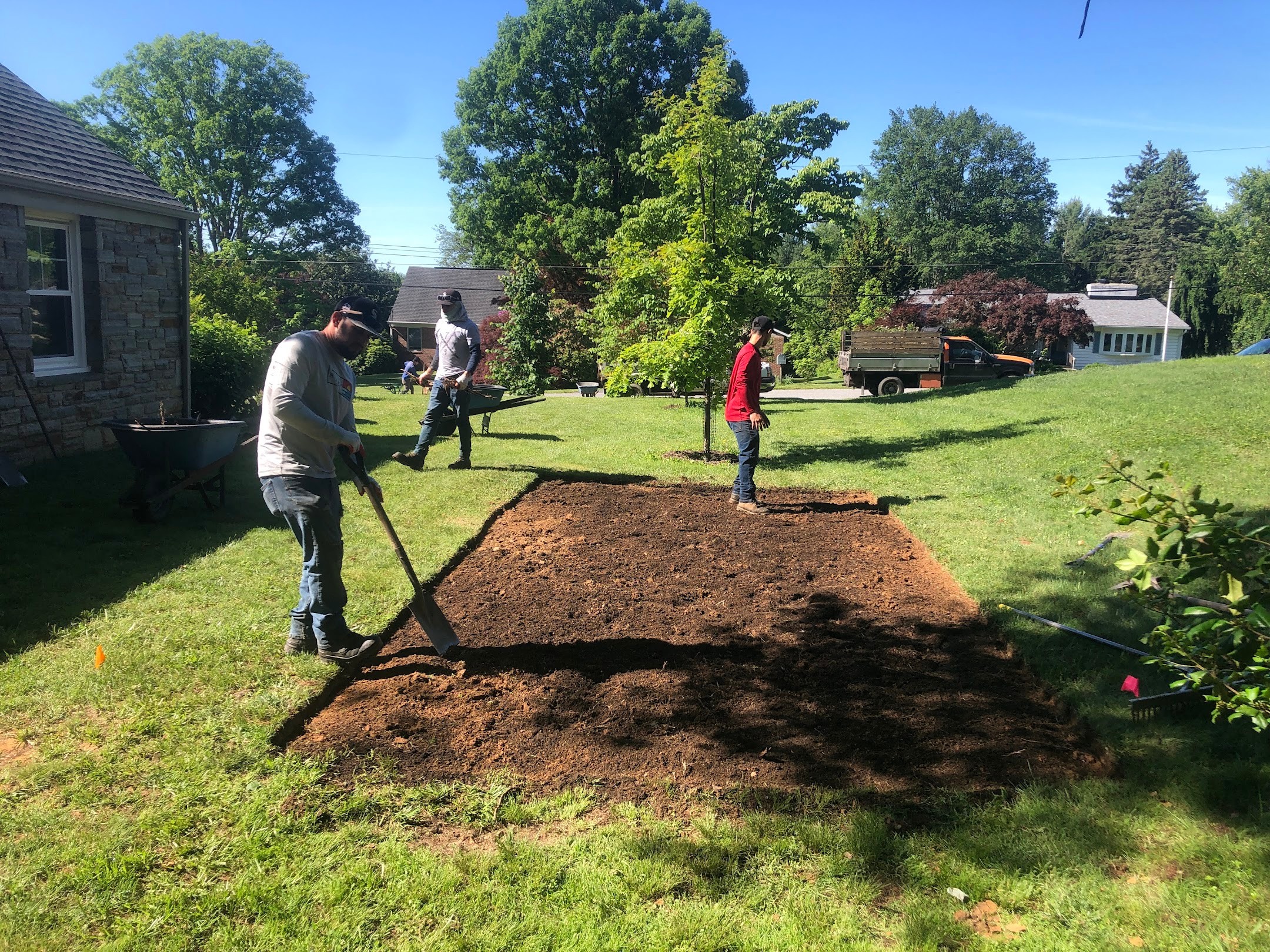
My wife and I had our first child in late March 2025. So my days begin in the middle of the night, feeding our new baby and putting him back to sleep. By 5:30a I am out of bed and getting ready for work. Typically I arrive to our shop at 7:00a and make sure that our crew is ready for the day. Then, I do some work maintaining and cleaning our shop and grounds. Most days, I visit customers’ homes for estimates in the late morning. After that, I will complete any field work that I may have for the day. Finally, I get back into the office and try to wrap up work before I go back home to help out around the house.
Can you briefly introduce yourself and share what makes you or your brand unique?
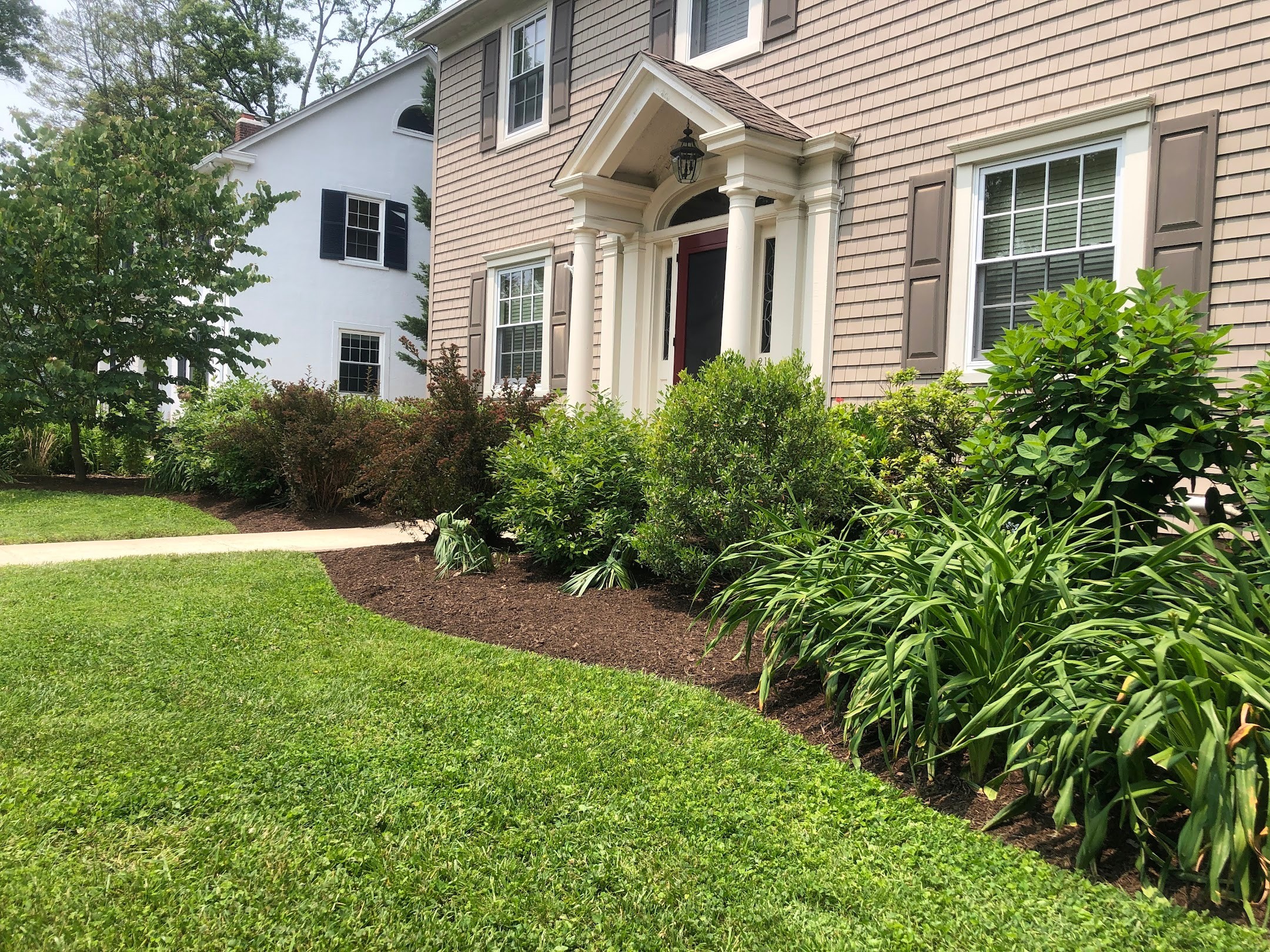
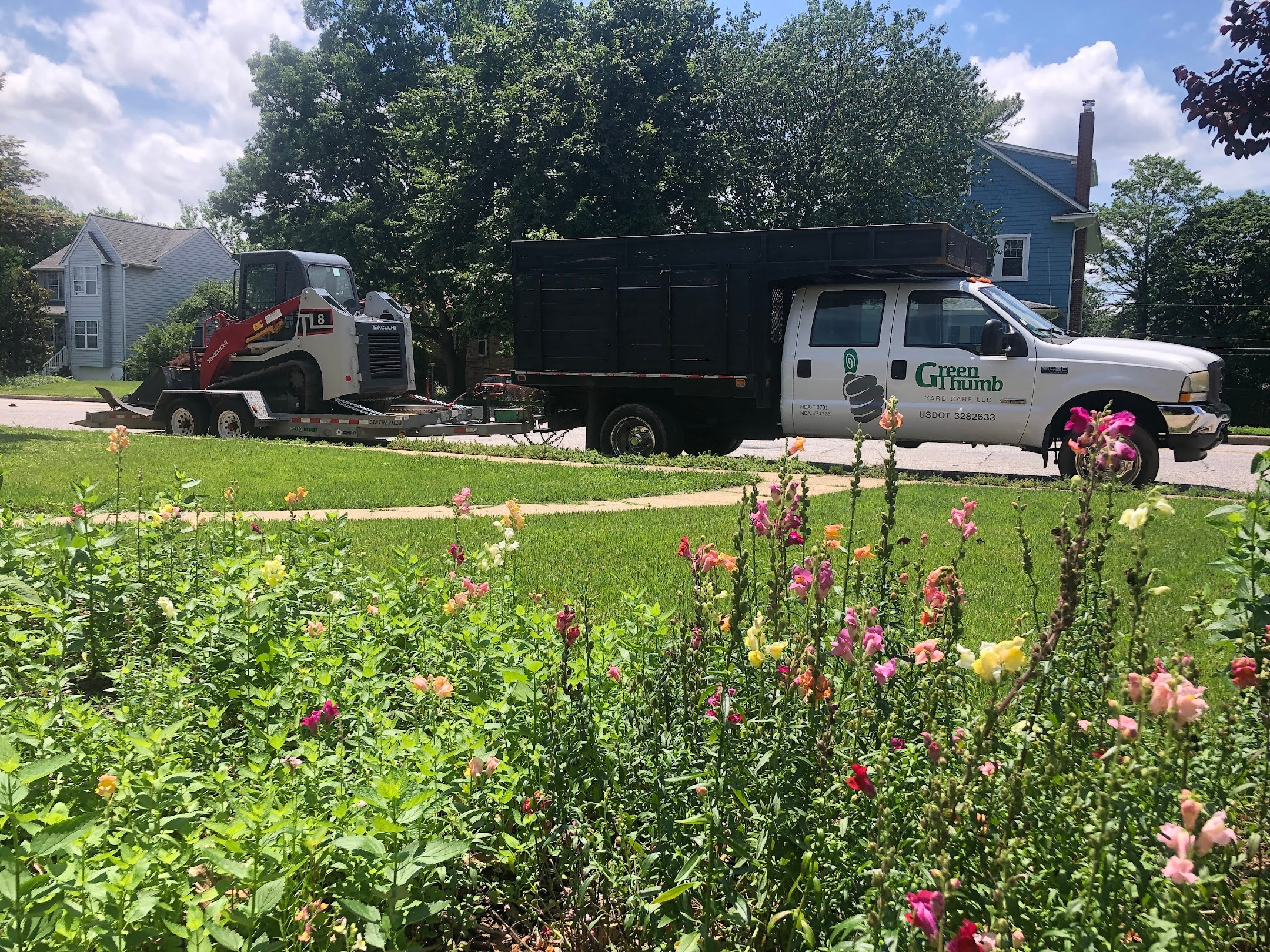
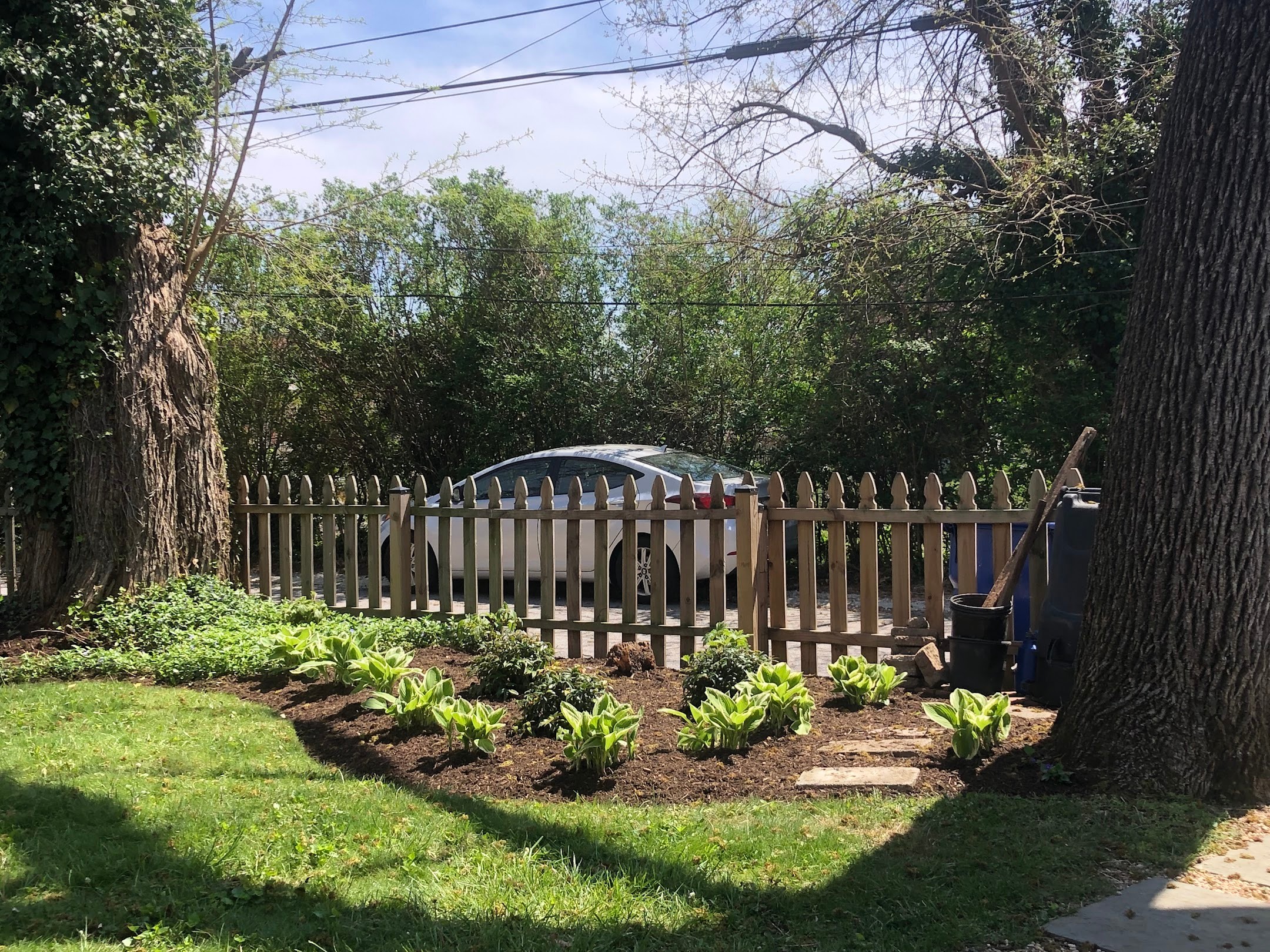
I have owned and operated Green Thumb Yard Care, LLC for over a decade. As my business has matured, I have purposefully tried to steer us towards projects and practices that are more ecologically sound. As a business owner I have two main obligations. I am obligated to treat my employees well, and I have to treat customers fairly. That means that employees are compensated well for their hard work outside in the elements. On the other hand, customers are billed fairly for their projects.
Okay, so here’s a deep one: What part of you has served its purpose and must now be released?
Since I was 14, I have always valued work highly. However, being a new father has forced me to make myself more available for my wife and son. Not that I plan on “releasing” my professional self entirely, but I have certainly had to take work less seriously. At the end of the day, my employees are happy, my family is taken care of, and the most important thing right now is being involved with our new son.
Was there ever a time you almost gave up?
Yes. Around 2020, it was incredibly hard to find reliable labor. The quantity and quality of labor was poor. There were so many clients that had work for me, and I stretched myself way too thin. Luckily, I was able to form relationships with other landscape business owners, and we worked together to provide my clients with high quality service. This business model made life and work enjoyable again. I knew that I was doing right by my customers, and my new work force approached their jobs with a completely different mentality than my former employees had. To this day, I still work with those other business owners during our busy seasons to ensure that we can continue to serve our customer base and help one another in the process.
So a lot of these questions go deep, but if you are open to it, we’ve got a few more questions that we’d love to get your take on. What are the biggest lies your industry tells itself?
Landscaping is good for the environment. Most landscape companies are directly hurting the environment. From the gas powered equipment that we use to the homogenous landscapes that get installed, many landscape companies are not making our natural world better or more resilient. I also find myself guilty of this. That is why I have made a conscious effort to pursue jobs that help fortify our ecology, and implement practices that are less harmful or even beneficial to our environment.
Okay, so before we go, let’s tackle one more area. What are you doing today that won’t pay off for 7–10 years?
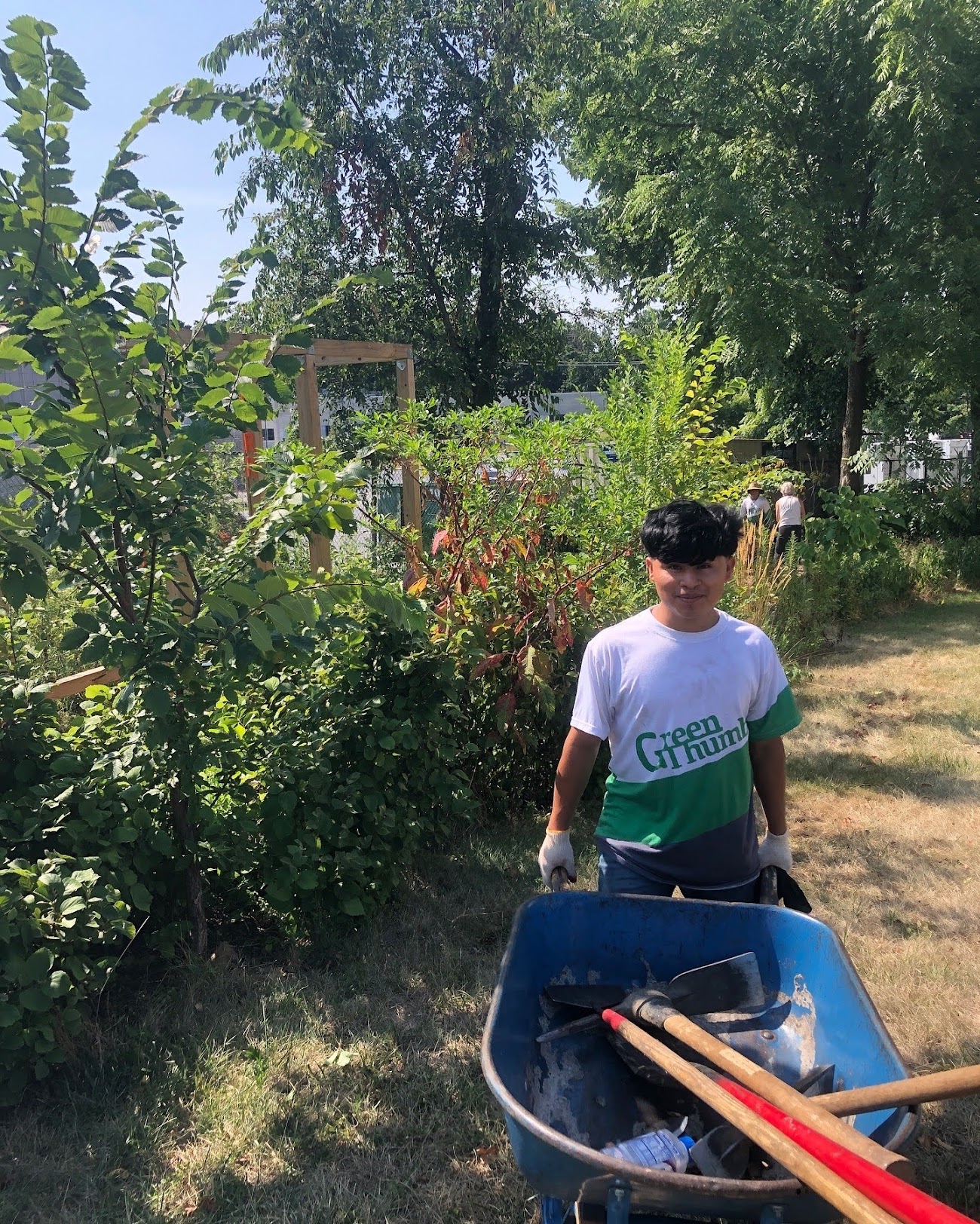
About 2 years ago, I purchased an acre and a half of land in Baltimore City for urban agriculture. The idea is to create a place where I can have a truly sustainable landscape company and urban farm. Many of the projects and improvements that we are making there are long term. For example, we are thinning out a wooded area to plant fruit trees and native plants. Many of these trees will not bear their first fruit for 3-5 growing seasons, and will not come into peak production for another 5-7 years. While it is hard work, it is fulfilling to have a large project that is in line with my personal values of sustainability and ecology.
Contact Info:
- Website: https://Greenthumbyardcare.com
- Instagram: https://instagram.com/greenthumbyardcare
- Facebook: https://www.facebook.com/greenthumbyardcare