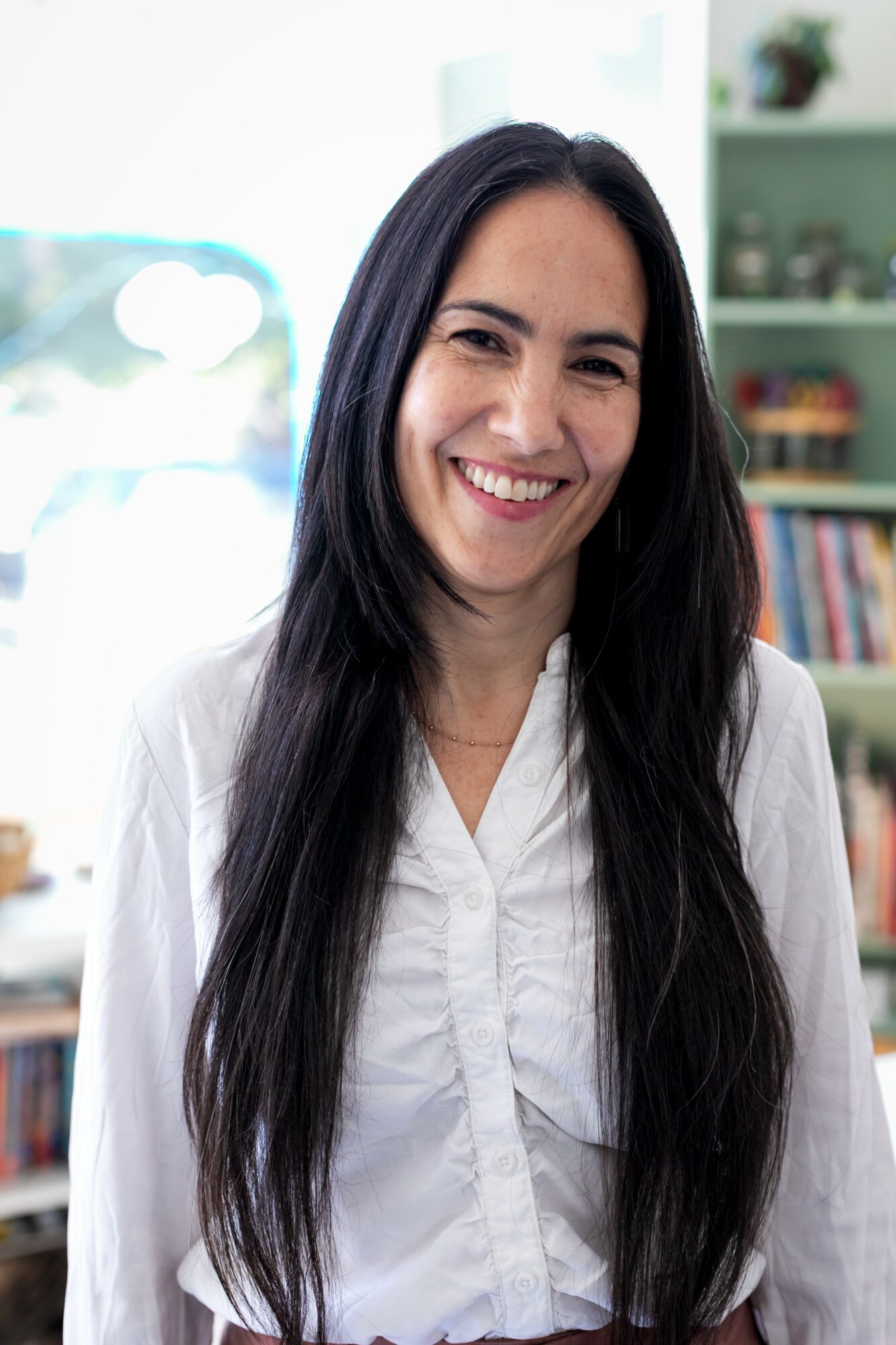
Today we’d like to introduce you to Lia Salza.
Hi Lia, please kick things off for us with an introduction to yourself and your story.
The Loft Collective began as Little Loft, an art space for families that I started with Keira Havner, a friend and fellow educator. We both had young kids and lived across the street from each other in the Capitol Hill neighborhood of Washington DC. We were looking for creative experiences for our children in our community, and were glad to discover that others were too. We offered weekday open hours for kids to play and parents to connect, as well as drop off programs during after school hours, providing working parents a trusted place and a creative outlet for their school age kids.
When Keira moved back to her native Portland OR, I moved Little Loft to my new neighborhood of Takoma Park MD, where it has operated since 2015. After running the program solo for a few years, I teamed up with another Takoma Park mom Meg Ryan, who took the creative programming to another level. Meg expanded the curriculum from visual arts to include craft and fiber arts inspired by her experiences in the Peace Corps in West Africa, and her professional experiences as a textile designer. She built our small sewing program into a thriving hub for young stitchers and brought craft techniques from around the globe into our little studio.
This year, we opened a second location in nearby Hyattsville MD, bringing our high quality, small batch programs to a new neighborhood.
I’m sure it wasn’t obstacle-free, but would you say the journey has been fairly smooth so far?
The pandemic was a challenge for us, as it was for everyone. I considered holding classes virtually, but our programs are fundamentally interpersonal and we ended up closing for 18 months until the vaccine was available to children and people were doing group activities again.
Building a reliable staff was another challenge. At first we only had very part time or seasonal work available, and had difficulty retaining good people because we couldn’t offer many hours. As we’ve grown, we’ve been able to take on a few full time staff and we’ve built a small group of dedicated and talented people. This has allowed us to shift attention to our second location and expand. When you’re running a small business, every interaction with the public matters, and it is imperative to have people you trust on your team, people who share the vision and can bring quality and consistency.
Thanks – so what else should our readers know about your work and what you’re currently focused on?
My business is an art studio, but I see myself primarily as an educator and community builder. I want this space to be a creative sanctuary for children, who are growing up in a fast-paced, high stress environment. My goal was to provide a place where they could slow down, observe, explore, and connect. Art is a great vehicle for this because it engages children in a tactile and visual way, and helps them experience success or express understanding that sometimes isn’t recognized in a regular classroom.
Because my business is small and independent, I’m able to be responsive to children’s interests and to current events. I think it’s important to discuss topics like elections and social movements with children in an age-appropriate way, so that they can develop a sense of civic engagement and their role in a democracy. We have an extensive collection of great children’s books, which we integrate into our programs, because I think kids develop skills like empathy and compassion through stories.
I hope to create a sense of belonging, where children feel seen and known. My greatest indication of success is when kids who have come through our programs come back to work with us as teens. Their sense of connection to the space makes them great ambassadors of the program, and they are particularly good at re-creating this environment for younger kids.
How do you think about luck?
I have been incredibly lucky in most ways – I got a great education, I feel woven into a rich social fabric in my family and community. With some distance, circumstances that felt like bad luck in the moment tended to change. I never found a job that I really loved, which seemed like bad luck at the time. Now I realize that this propelled me to create my own career. Bad luck can require us to be more resourceful and tenacious, have more grit. Many of the artists we teach about at the Loft came from places or circumstances that some would consider unlucky, but they were able to transform the scraps in their environment into something of great beauty and value, like the stitchers of Gee’s Bend, Alabama. Creativity doesn’t come from having limitless resources or a smooth ride. It comes from using what you find, what you know, to create something authentic. Good luck and bad luck, rather than being positive or negative forces, became pivot moments in my story that gave me opportunities for growth.
Contact Info:
- Website: https://theloftcollective.org/
- Instagram: @littleloftstudios
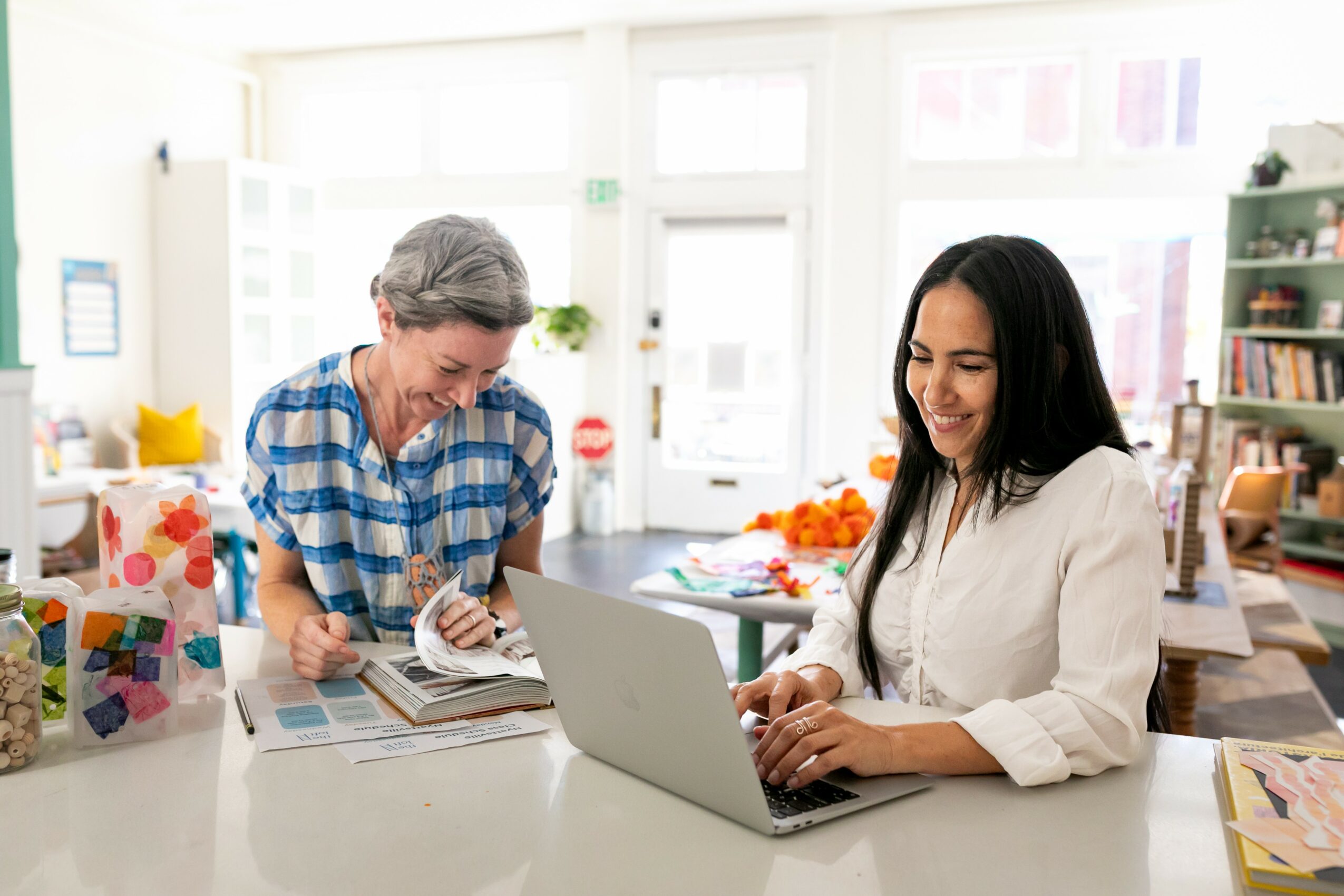
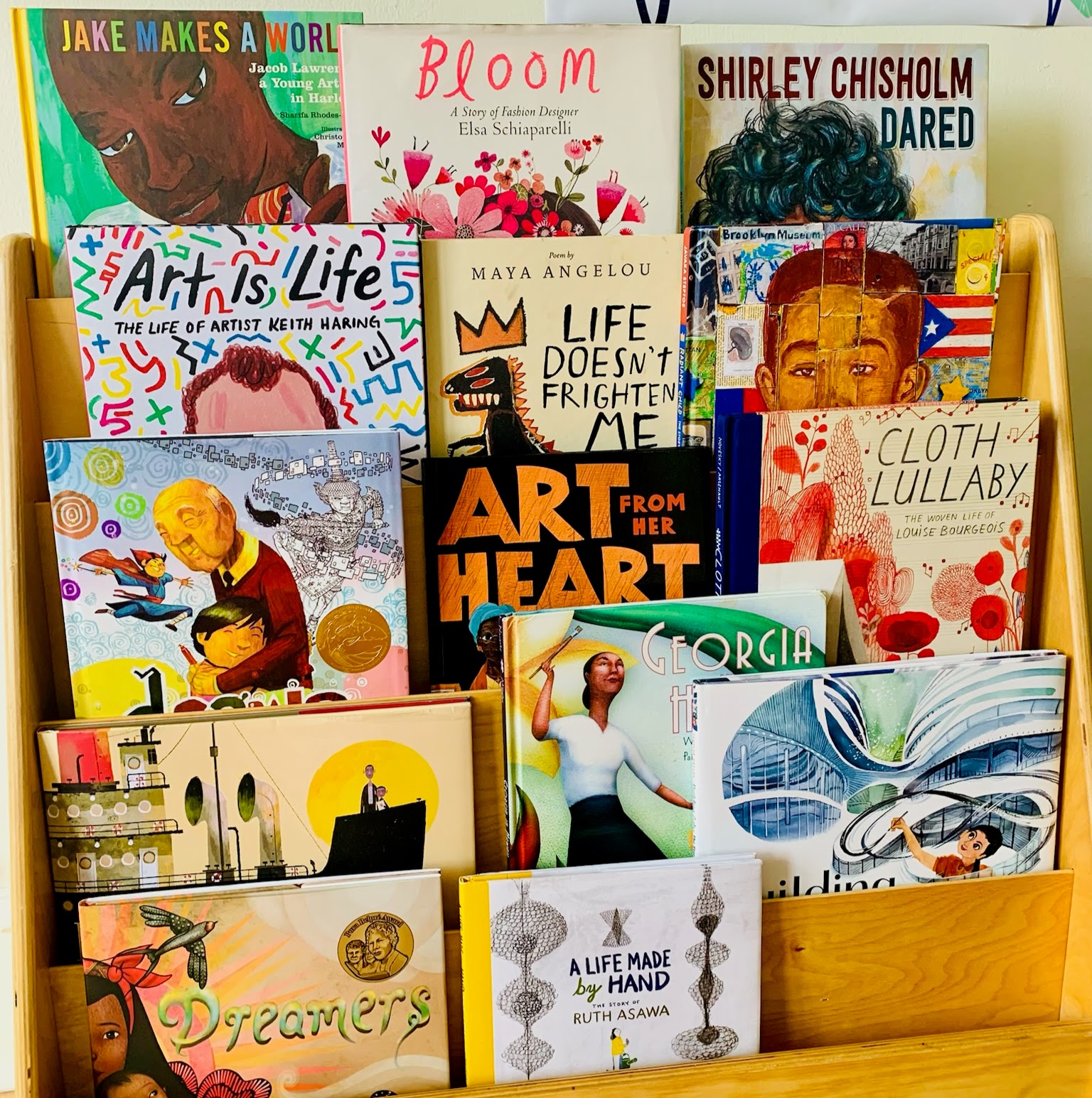
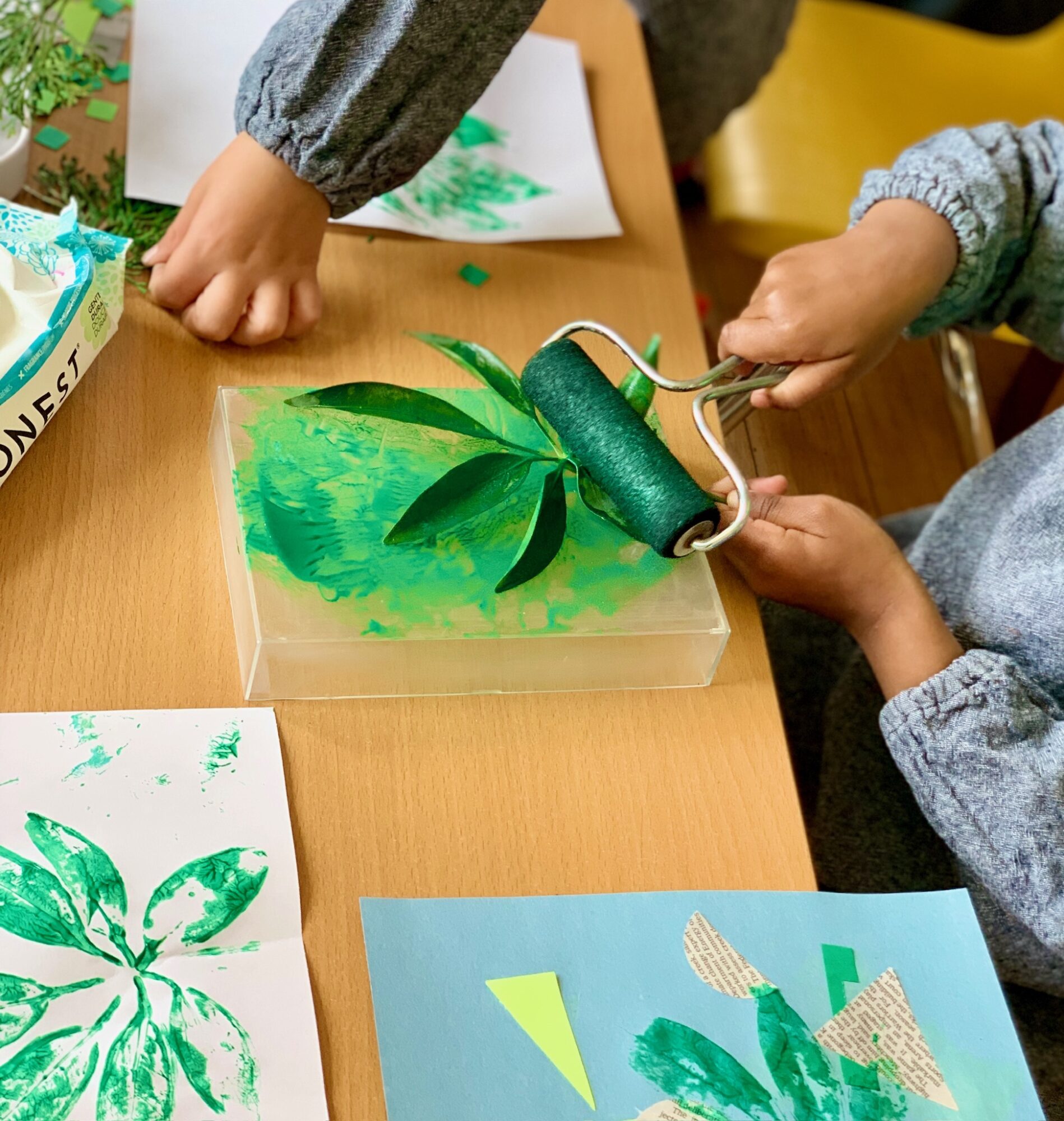
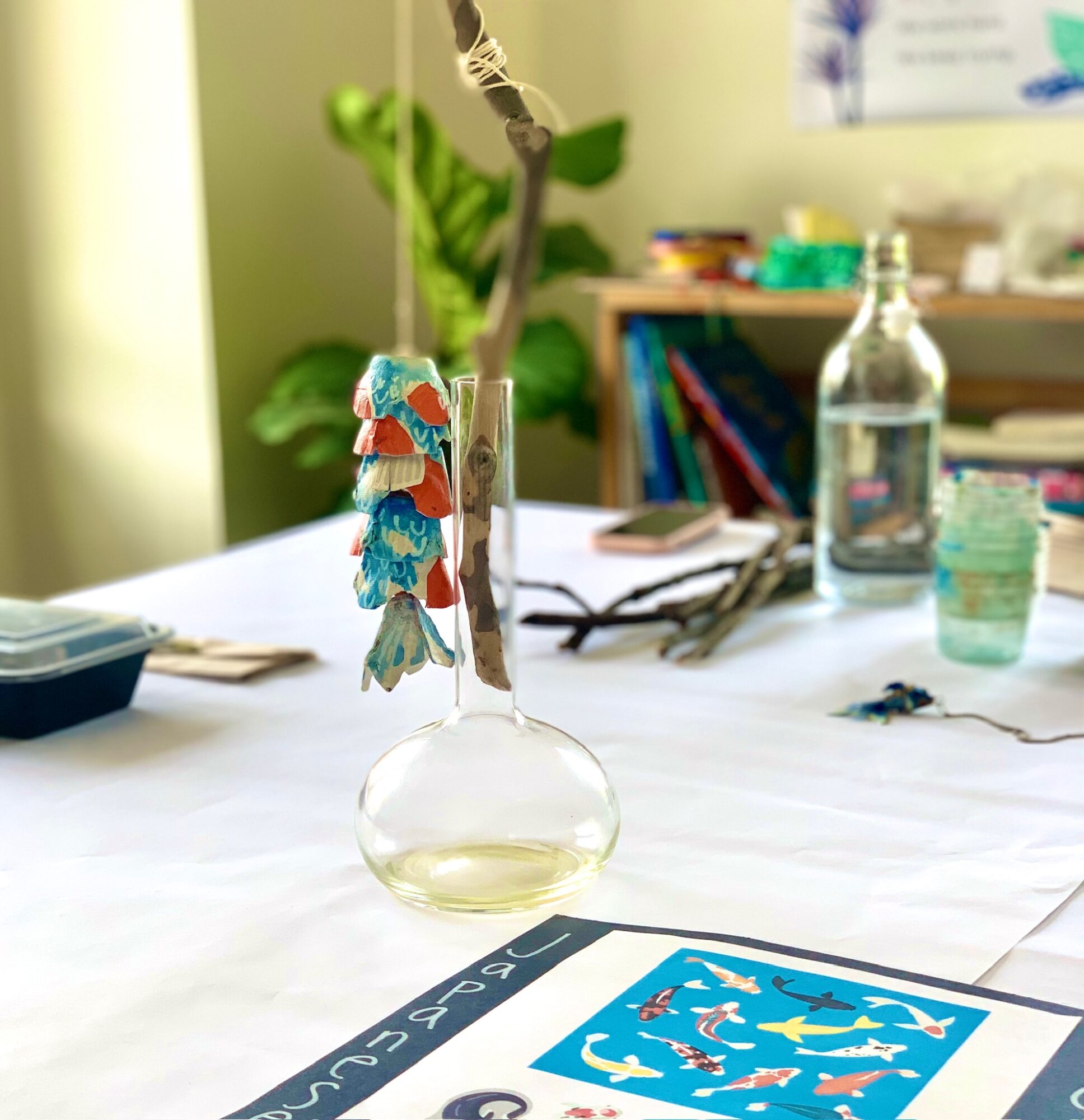
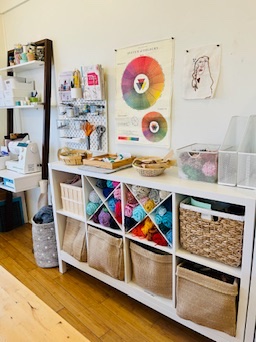
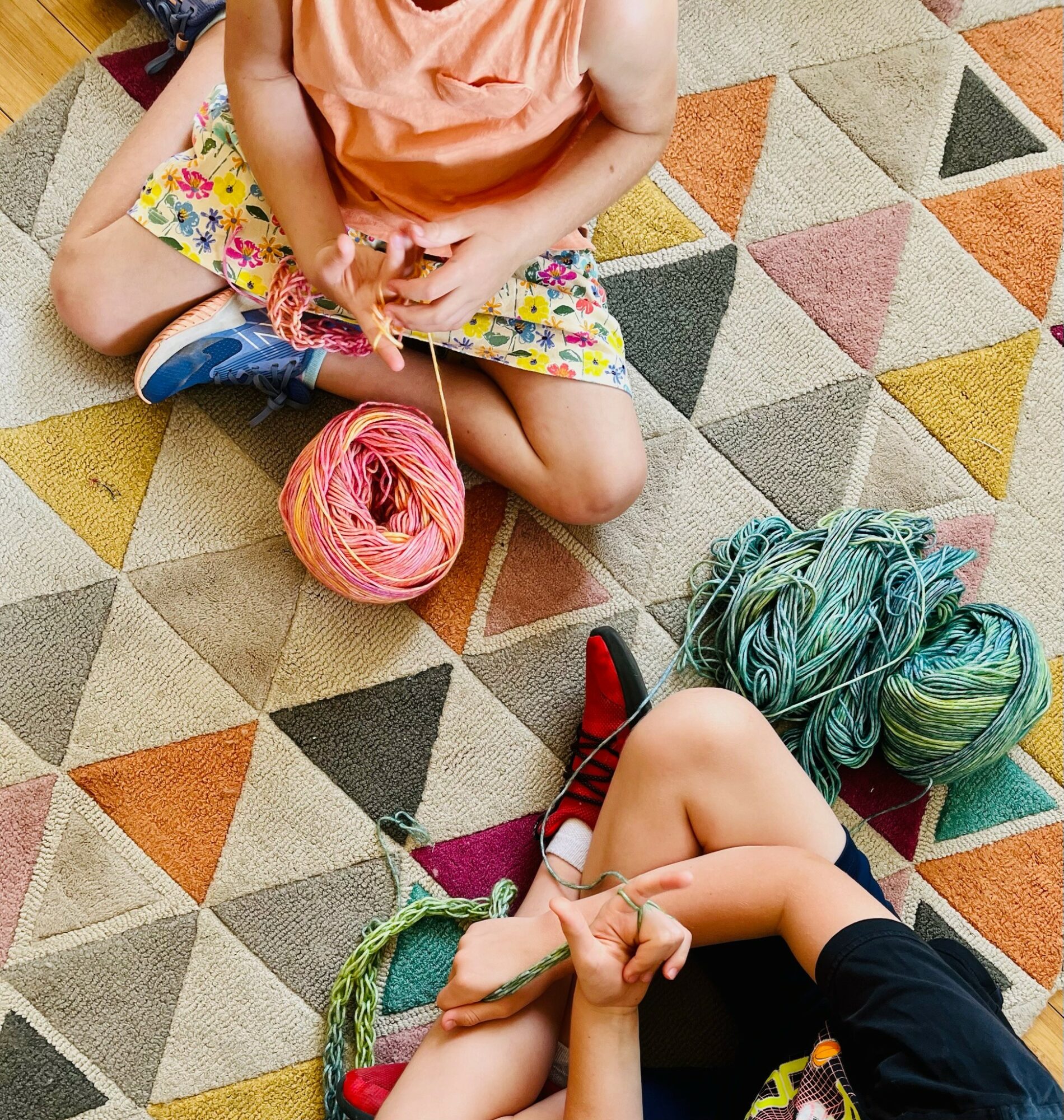
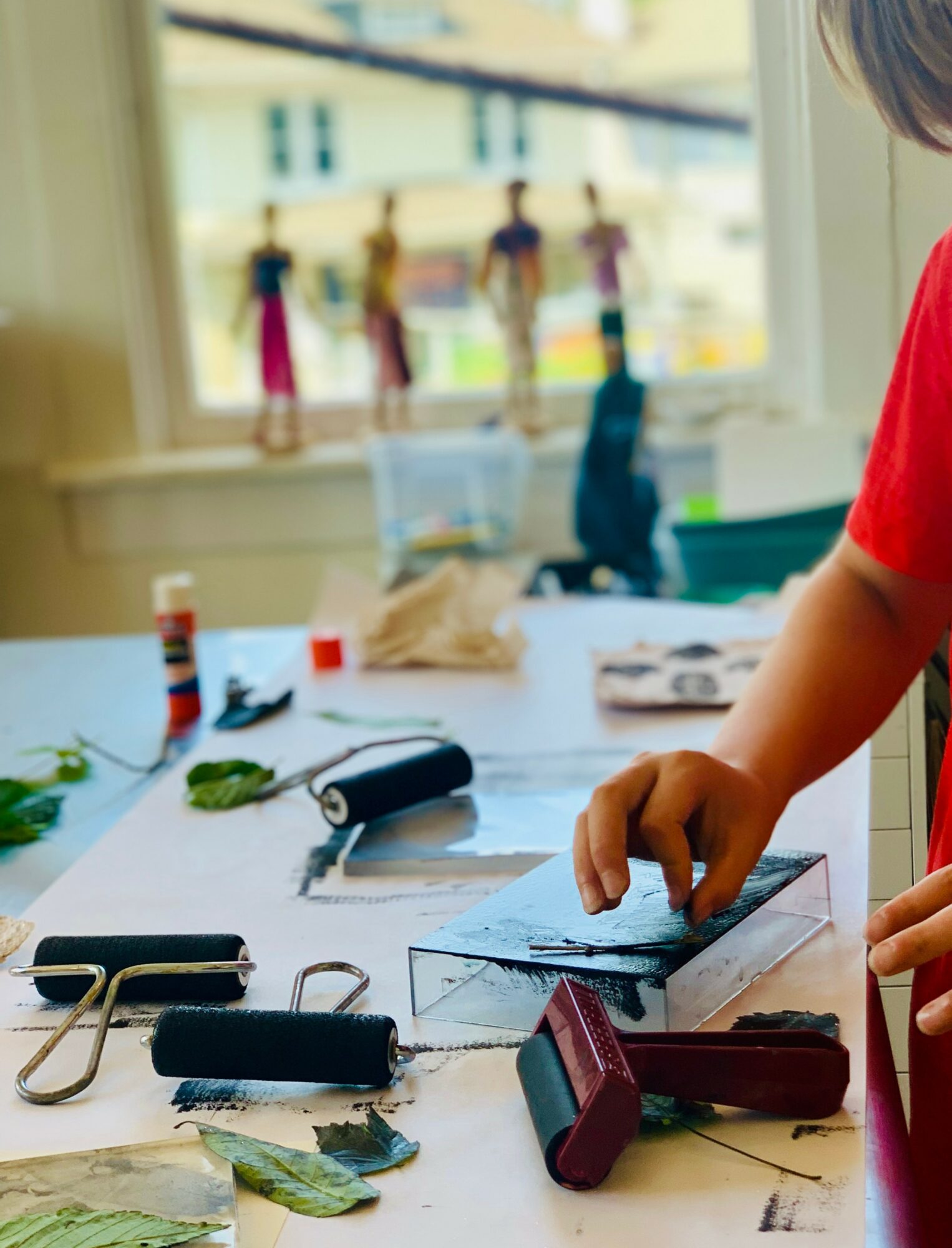
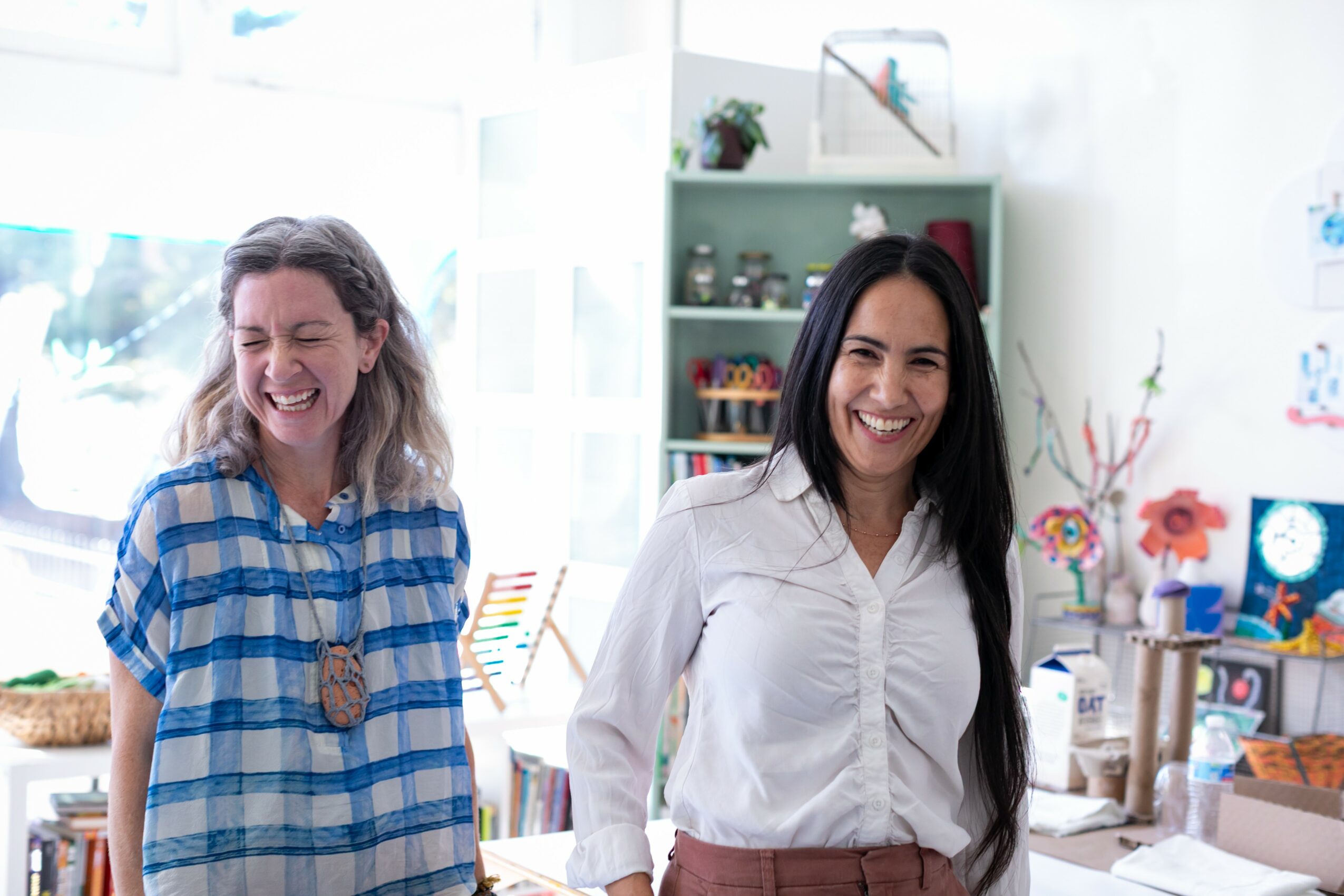
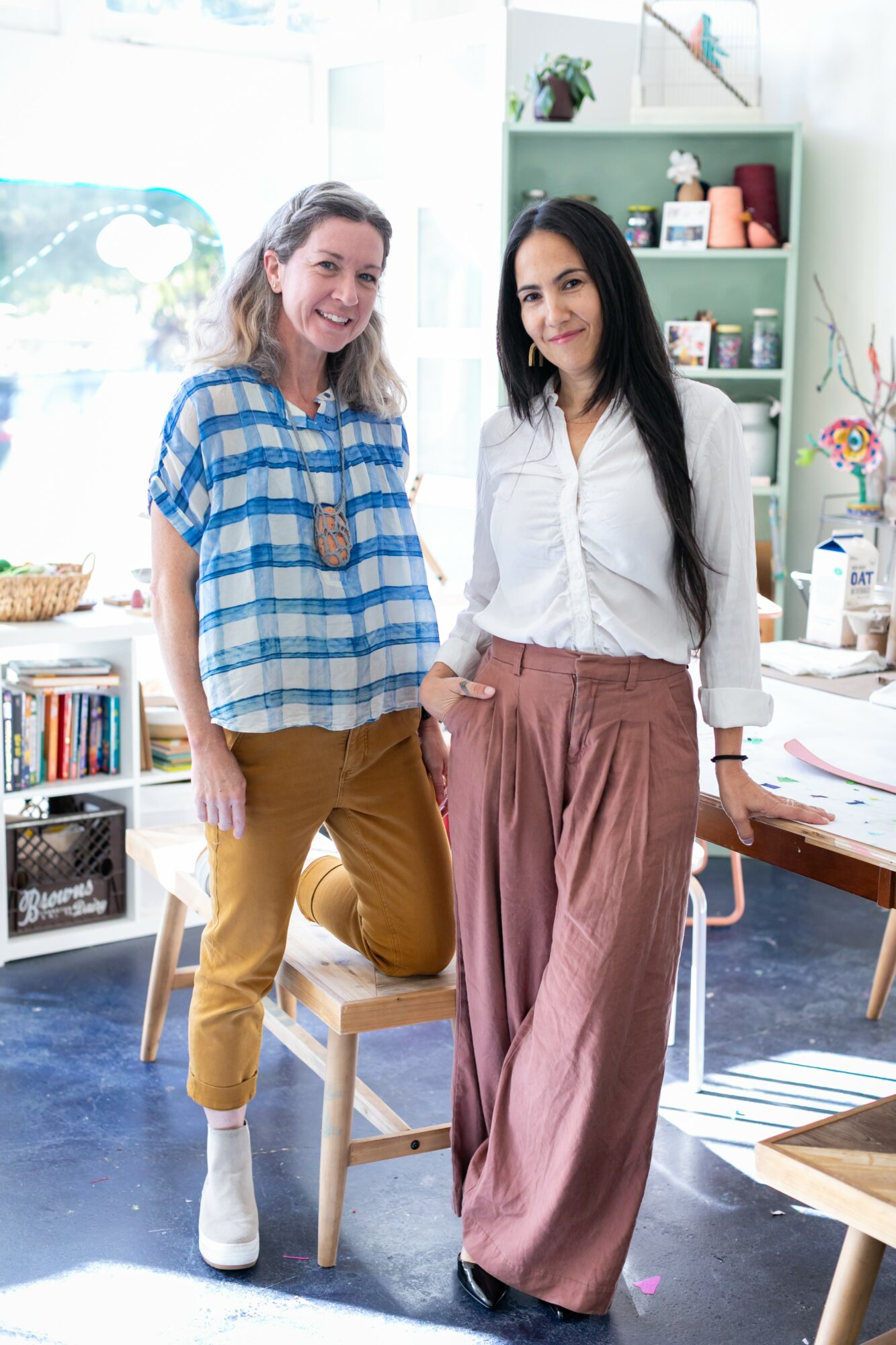
Image Credits
Katie Jett Walls (images of Lia Salza and Meg Ryan)