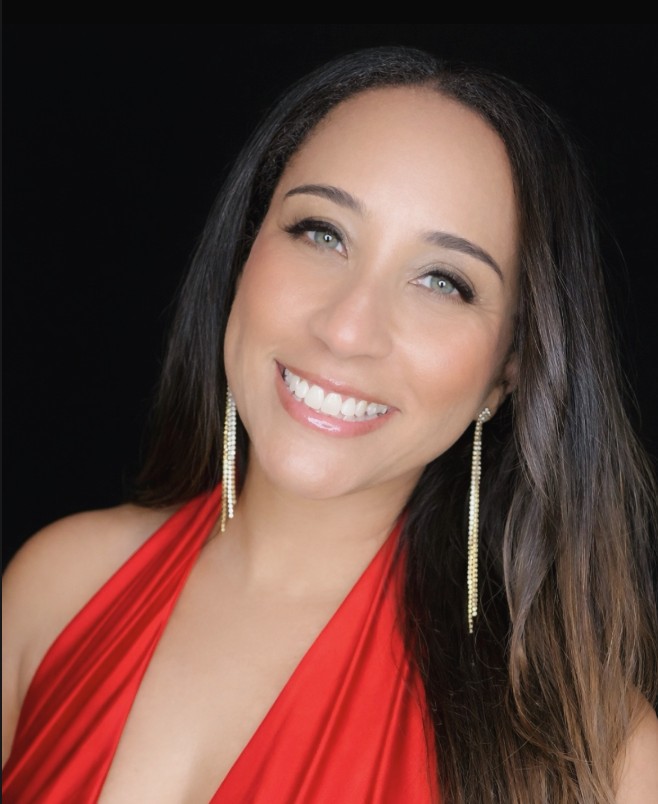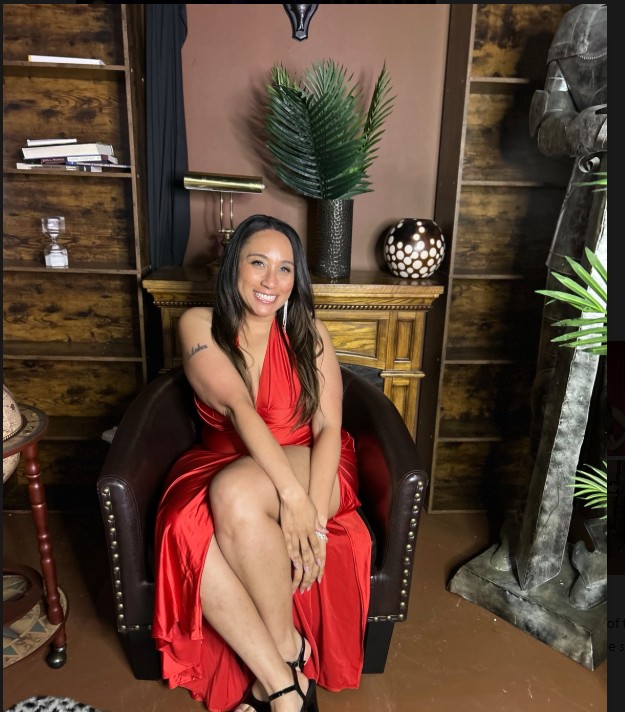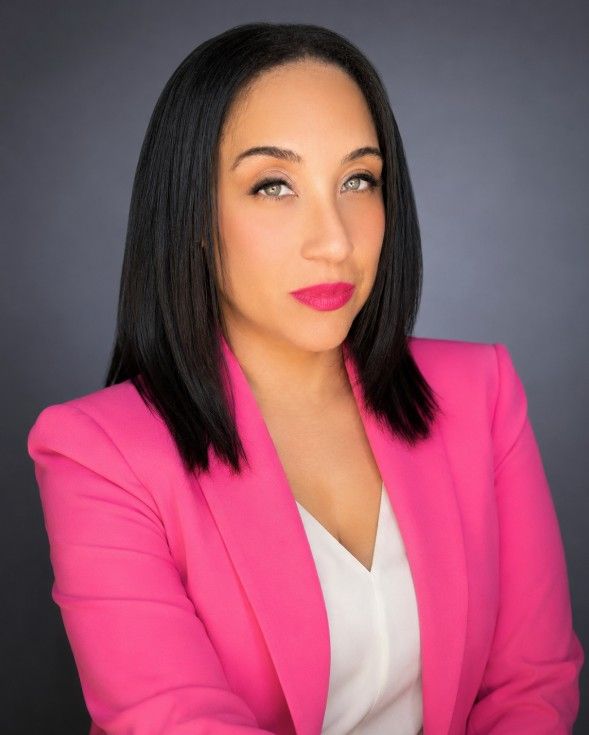
Today we’d like to introduce you to LeAndrea Mack.
Hi LeAndrea, so excited to have you on the platform. So before we get into questions about your work-life, maybe you can bring our readers up to speed on your story and how you got to where you are today?
Honest answer? I didn’t plan any of this. If you’d shown me where I am now back when I was brand-new to the field, I’d have laughed and asked who you were talking about.
I started out in the room with patients, taking vitals, rooming people, the whole thing. And what stuck with me wasn’t the medical part. It was watching how scared people got the second money or insurance entered the conversation. Smart, capable grown adults suddenly looking like they’d been handed a pop quiz in a language they didn’t speak. I never forgot that.
So I kept following the thread. I moved into the behind-the-scenes side of healthcare: coding, auditing, the paperwork machinery that quietly decides what gets paid and what doesn’t. People assume that world is dry. To me it was like being handed the blueprints to a building everybody else has to wander around lost in. The more I understood how the system actually worked, the more I realized how few people ever get to see it.
Then life did the thing life does. Hit me with a bomb: I got diagnosed with lupus.
And suddenly I wasn’t just the person who understood the system. I was the person sitting in the chair, staring at a bill, feeling that exact fear I’d watched on other people’s faces years before. Knowing how it all worked didn’t make me immune to how overwhelming it felt. That humbled me in a way no class ever could.
That’s really where my nonprofit, the Healthcare Bills & Benefits Project, came from. I kept noticing people skip appointments, ignore symptoms, avoid care, not because they didn’t care about their health, but because they were scared of the cost and too embarrassed to admit they didn’t understand their own insurance. So I started saying something I still believe: understanding your healthcare is a form of financial literacy. Nobody should need a degree to read their own medical bill.
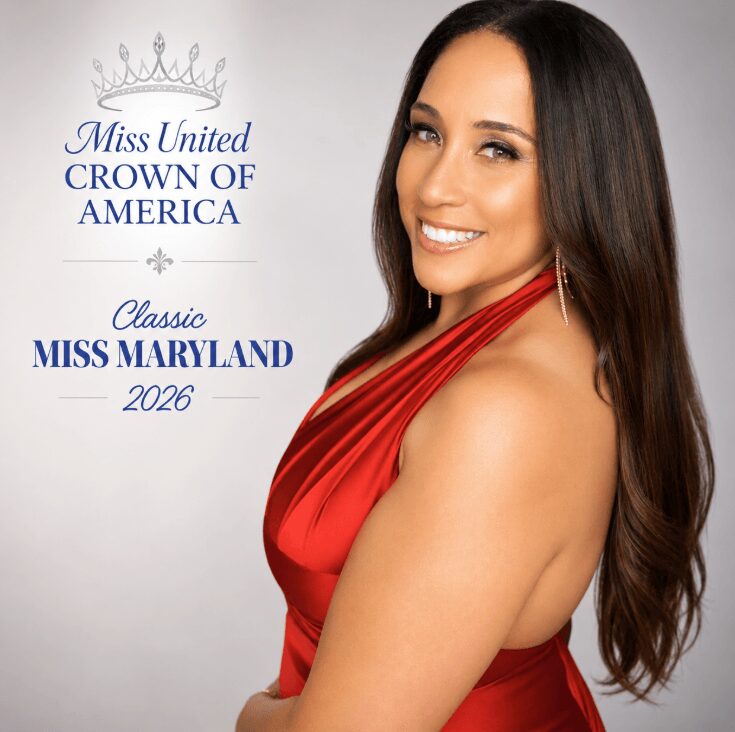
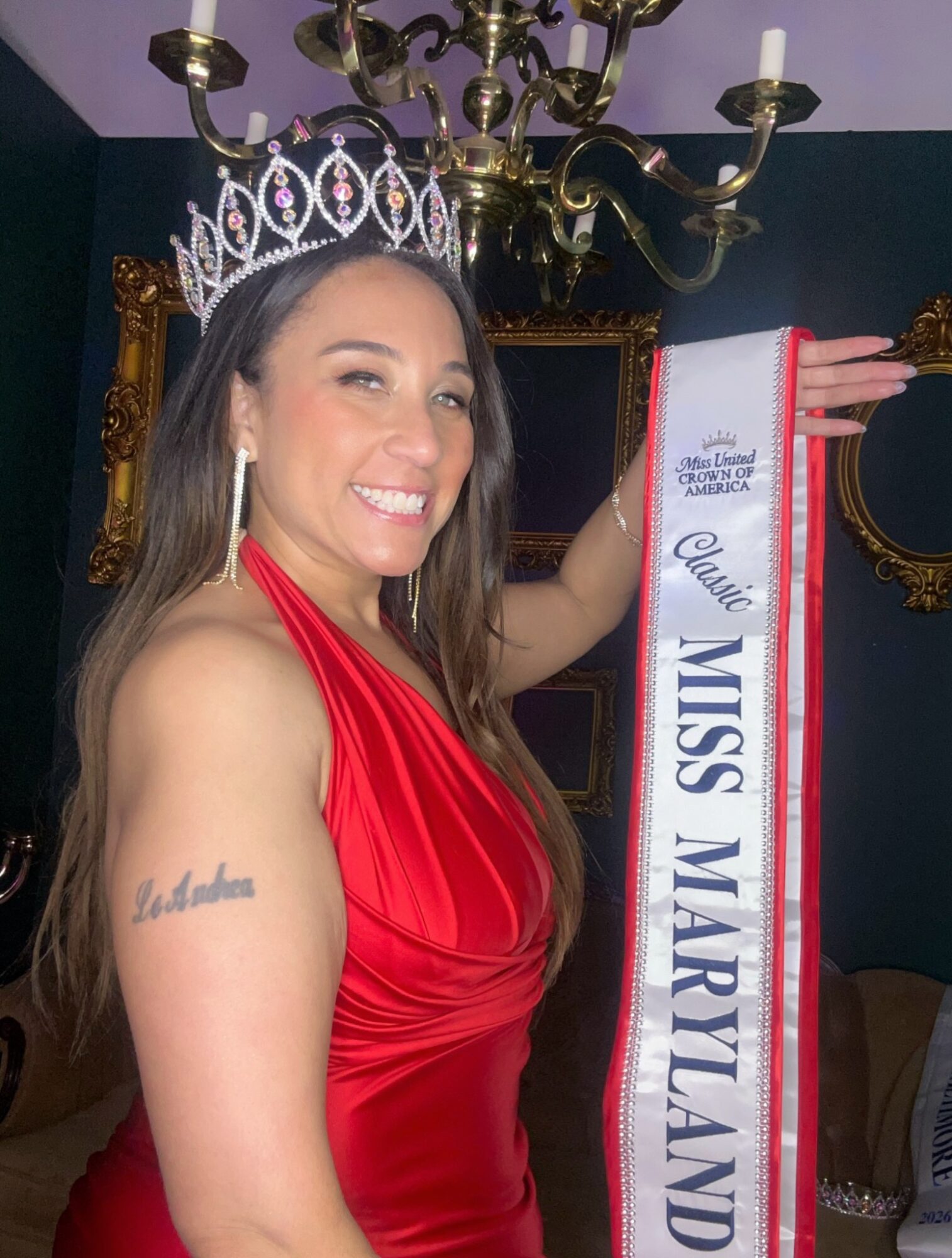
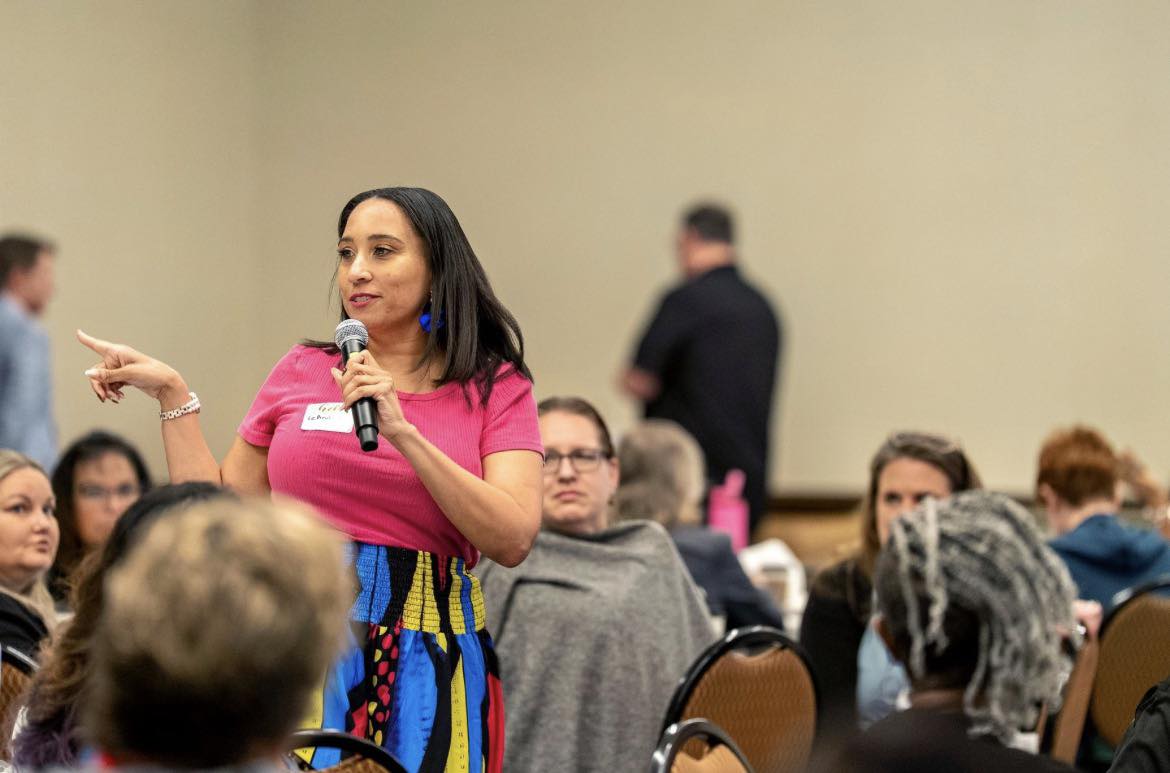
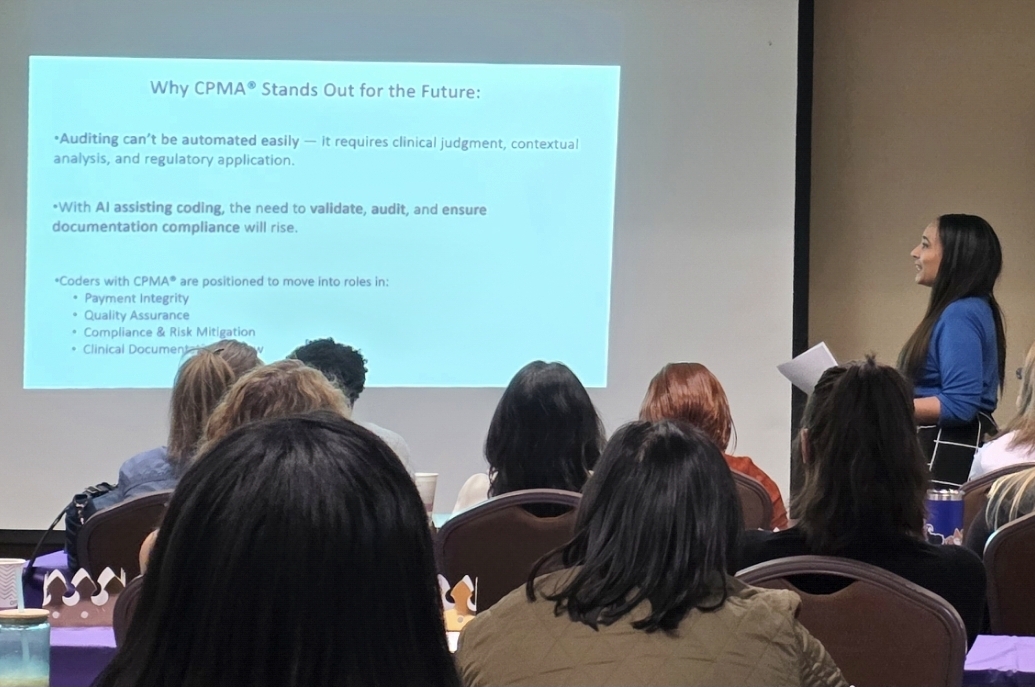
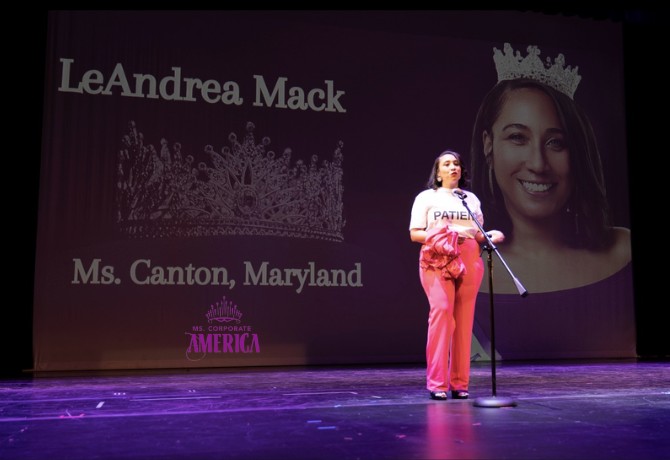
These days the work shows up in a bunch of forms. There’s the professional stuff: I’m a coder, an auditor, a compliance person, I’ve got the alphabet soup after my name (CPC®, CPMA®, CPCO®, AAPC Fellow, and a master’s in health administration), and I serve as VP of my local AAPC chapter. And then there’s the part people don’t expect. I’m also Classic Miss Baltimore, Classic Miss Maryland, and Ms. Corporate America for Canton (Baltimore), which, yes, means I tote sashes, crowns, and strong opinions about insurance affordability, health access, and health equity. Pageantry handed me a microphone, so I use it to talk about chronic illness, health insurance, and patient advocacy.
If there’s a through-line to all of it, it’s this: I’m not really trying to impress anybody. I just want people to feel a little less alone and a lot less confused when they’re stuck in the most stressful version of a system I happen to know my way around.
We all face challenges, but looking back would you describe it as a relatively smooth road?
Smooth? Oh, absolutely not. Nothing worth telling you about ever is.
The hardest part wasn’t any one disaster. It was trying to hold everything at once. Build a career, step into leadership, keep growing as a person, all while managing a body that doesn’t always cooperate. Lupus doesn’t check your calendar. It doesn’t care that you have a presentation, or a deadline, or a day where you just wanted to feel like a regular person. So there were a lot of mornings I showed up looking completely put-together while privately running on fumes, scared, and faking it harder than anyone knew.
The other big struggle was quieter, and honestly more universal: learning to believe I belonged in the room.
For years I was a behind-the-scenes person. Comfortable there. Then I started stepping out front (leadership, speaking, advocacy, pageantry, building things with my own name on them) and that little voice showed up right on schedule. Who do you think you are? Everyone here is more qualified than you. I’d scan a room and assume everyone else had it all figured out. Spoiler: they didn’t. Most people are just better at hiding the same nerves I had.
What changed everything was realizing the stuff I was embarrassed about was actually the whole point. Living with a chronic illness didn’t make me less qualified. It gave me empathy you can’t get from a textbook. Bouncing between different corners of healthcare didn’t mean I was scattered. It meant I could see the whole picture. The setbacks weren’t detours from the work. They were the training for it.
Somewhere in there I also let go of the idea that a career is supposed to go up in a straight line. It doesn’t. It wanders. Plans change, companies fold, life rearranges your furniture without asking. One thing I tell people now: attach yourself to an industry, not a company. A company can lay you off on a Tuesday. An industry can’t. Your skills, your relationships, your reputation: those follow you everywhere, and they’re about the only things that do.
Looking back, the hard parts didn’t slow me down. They built me. They’re the reason I’m gentler with people now, more flexible, and a lot clearer about why I do what I do. Turns out leadership was never about having it all together. It’s just about not stopping, and reaching back to pull someone else along while you keep moving.
As you know, we’re big fans of you and your work. For our readers who might not be as familiar what can you tell them about what you do?
So here’s the unglamorous version: I work in the part of healthcare most people never see and definitely never think about, the coding, the auditing, the investigating, the compliance, the fine print that quietly decides whether a claim gets paid. Not exactly cocktail-party material. But I love it, because it’s the engine room of a system that touches every single one of us.
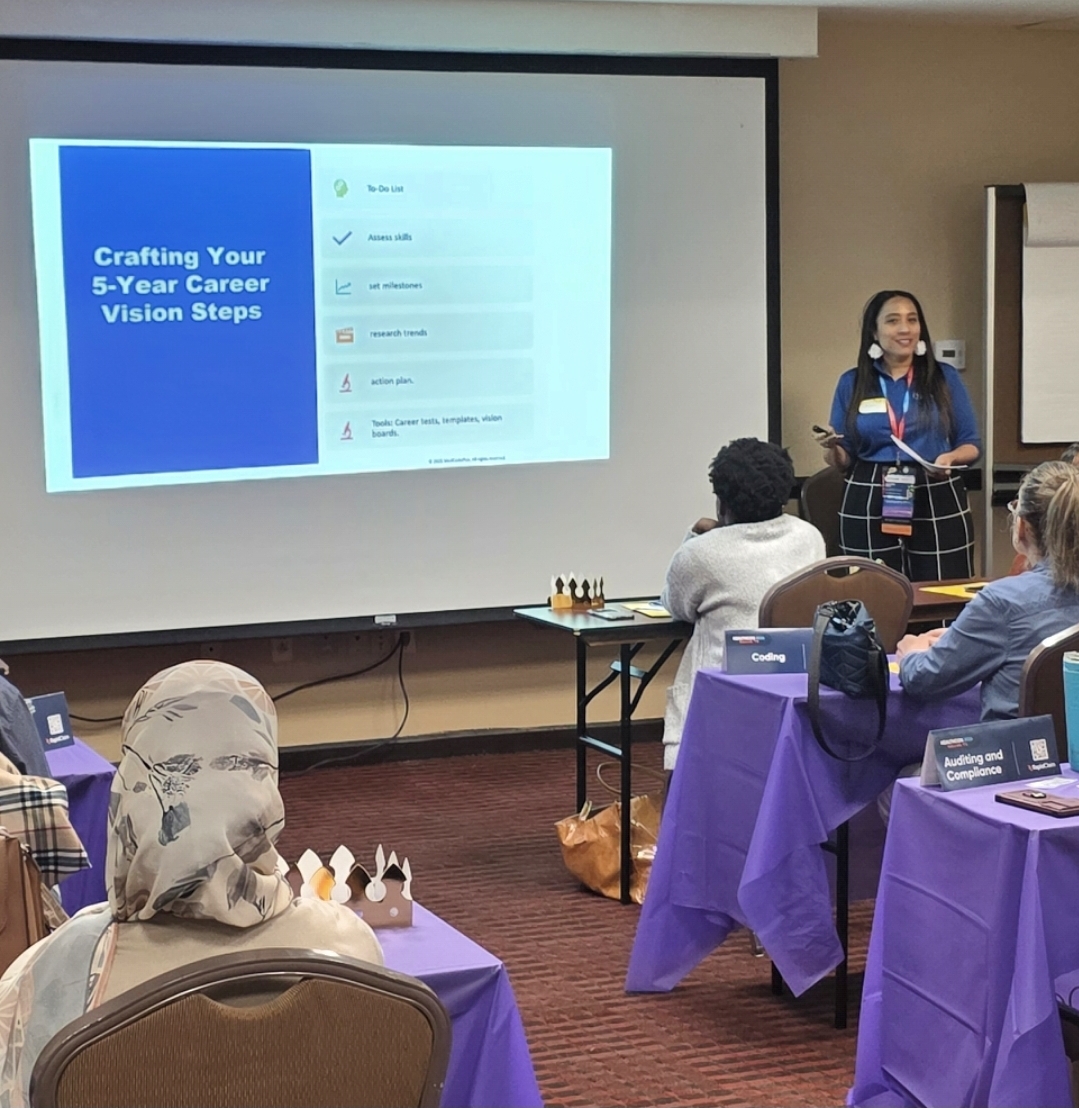
I’ve started calling myself a “Healthcare Clarity Strategist,” which is a fancy way of saying: I take the stuff that’s confusing, sometimes on purpose, and make it make sense. For providers, that means cleaner documentation and fewer headaches. For patients, it means finally understanding why their bill says what it says. And for my colleagues trying to build a career in healthcare that doesn’t involve scrubs, it means pointing at a door they didn’t know existed.
Yes, I have the credentials: the certifications, the master’s degree, the AAPC Fellow title, the VP role. I’m proud of those. But if I’m honest, they’re not the thing I lead with anymore. They’re the receipts. The real work is in helping patients and professionals decipher medical bills, fight denials, get the care they need, and understand their coverage without feeling small for not knowing in the first place.
What sets me apart isn’t a line on a résumé. It’s that I’ve stood in just about every spot in this system. I’ve been the medical assistant in the room. I’ve been the person in the back office reading the fine print. And I’ve been the patient on the exam table, freshly diagnosed, holding a bill and feeling that cold little drop in my stomach. Most people in my field have seen one or two of those angles. I’ve lived all three.
That’s why I’m the person my family, my friends, and even actual doctors text when they get a confusing bill or a denial that makes no sense. I genuinely love it. There’s something deeply satisfying about taking someone’s full-blown panic and turning it into, “oh, okay, here’s what’s happening.”
What I’m proudest of is that none of it makes me pick a lane. I get to be the expert and the advocate and the human being who just wants you to feel less overwhelmed. For a long time I thought I had to choose one of those. Turns out you can bring your whole self to the table, and that’s usually right when the work gets good.
Before we let you go, we’ve got to ask if you have any advice for those who are just starting out?
Okay, gather round, this is the part where I pretend to be wise.
First and most important: attach yourself to an industry, not a company. I know I keep saying it, but I mean it down to my bones. Companies restructure, downsize, get bought, change their minds. Loyalty to a logo will break your heart. Your skills, your relationships, your reputation in a field, though: that’s portable. That’s yours. Build that and you can survive almost anything that happens to any one job.
Second: don’t lock yourself into one path too early. When I started, I was certain I knew exactly what my career would look like. I was adorable. My actual path zigzagged through patient care, coding, auditing, education, advocacy, leadership, and (somehow) pageantry, and I couldn’t have drawn that map on my best day. A career is less like a ladder and more like a garden. You plant a bunch of things, some grow, some don’t, and the whole thing ends up looking nothing like the picture on the seed packet. That’s not failure. That’s just how growing works.
Third, and this is the one I wish someone had tattooed on my forehead at 22: confidence comes after, not before. We all sit around waiting to feel ready, like one day the ready-fairy is going to show up and tap us with her wand. She is not coming. You walk into the room nervous, you do the scary thing a little badly the first time, and the confidence shows up afterward, like a receipt for courage you already spent. Every single brave thing I’ve ever done, I did while quietly terrified.
Fourth: ask questions and build real relationships. Almost everything good in my career came from someone being willing to teach me, and me being willing to admit I didn’t know. There is no prize for figuring it all out alone. None. It’s just lonelier.
And last, whatever corner of whatever industry you land in, remember there are people on the other end of your work. Even in the quietest, most behind-the-scenes, spreadsheet-and-paperwork kind of job, there’s a real human somewhere whose day gets a little better or a little worse depending on how well you did yours. Keep that close. It’ll keep you honest, and on the days you forget why any of it matters, it’ll remind you.
Contact Info:
- Website: https://sites.google.com/view/missmarylannduca/home
- LinkedIn: https://www.linkedin.com/in/leandrea-mack-mha-cpc-cpco-cpma-aapc-fellow-88793969/
- Other: https://sites.google.com/view/billsandbenefits