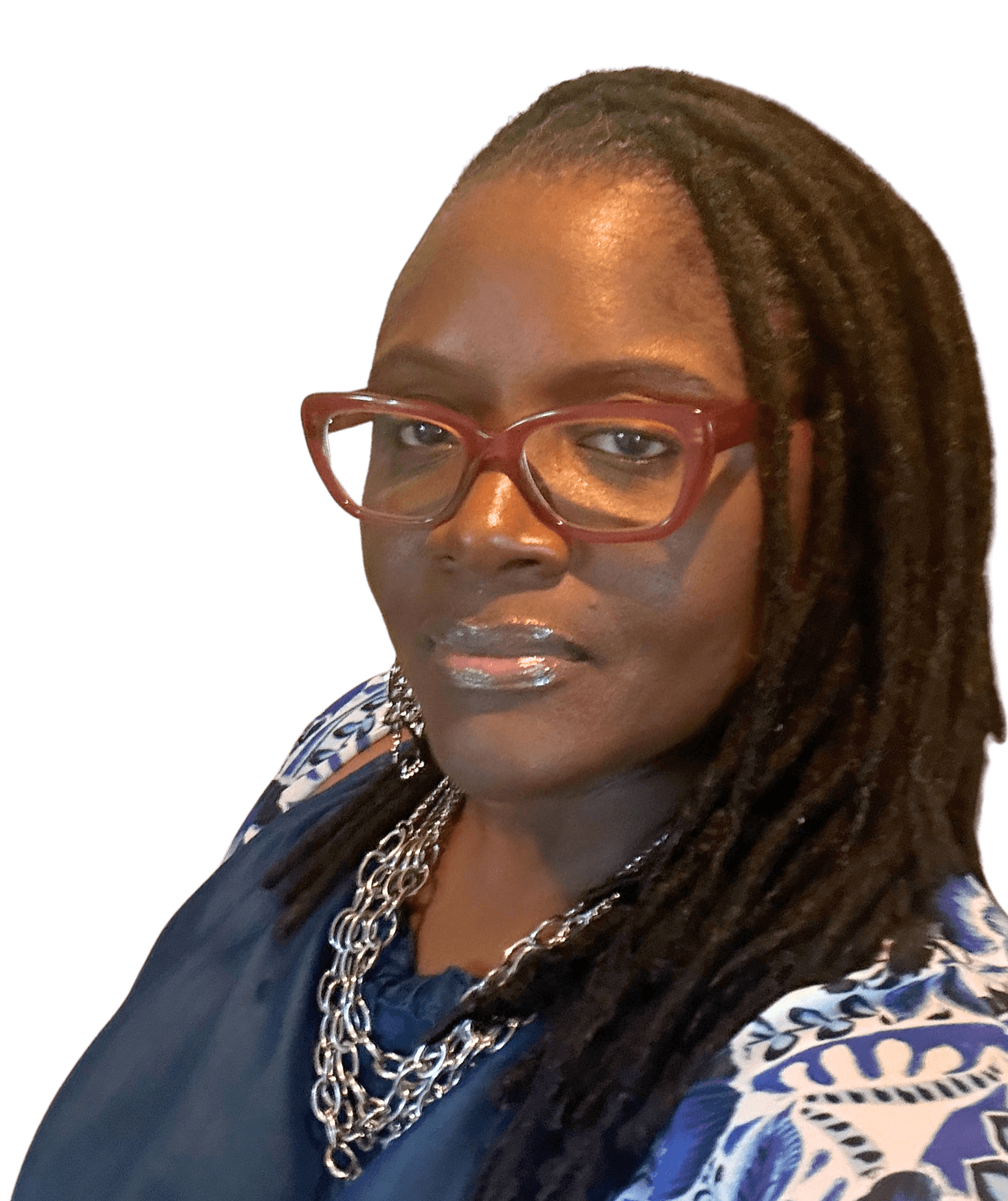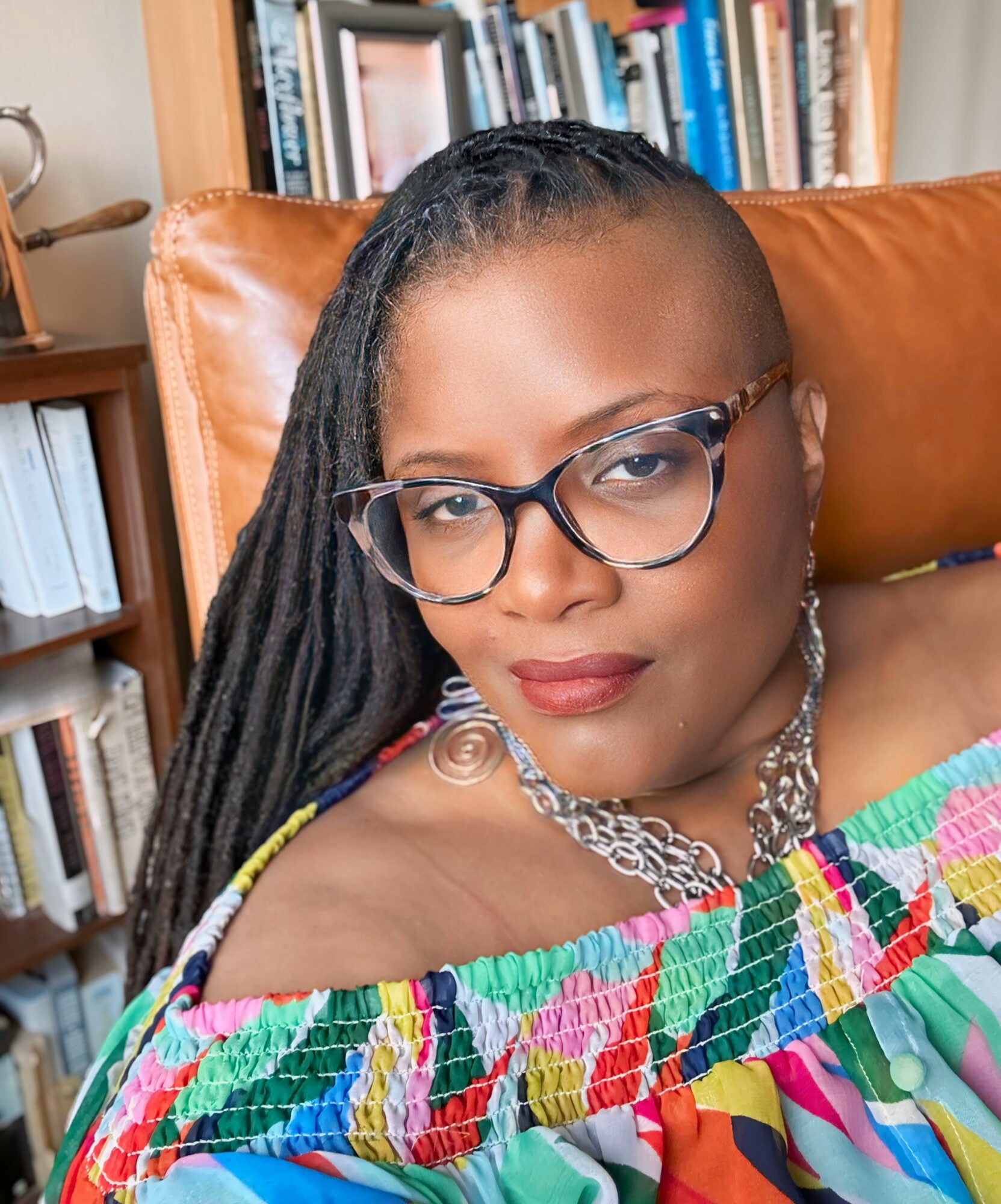
Today we’d like to introduce you to Dr. Thalia Bishop.
Hi Dr. Thalia, so excited to have you on the platform. So before we get into questions about your work-life, maybe you can bring our readers up to speed on your story and how you got to where you are today?
I was born and raised in Brooklyn, New York, to immigrant parents from Panama. My brother and I were raised by our mother, who worked incredibly hard to give us every opportunity she could. Growing up in Brooklyn during the ’80s and ’90s shaped a lot of who I am today — resilient, resourceful, and always ready to push through challenges.
Academically, I moved through the New York City public school system, even skipping a grade along the way. Still, my educational journey wasn’t linear. It took me about ten years to finish my undergraduate degree, balancing school, work, and raising my son as a single mom. Later, I earned my MBA — not because I initially believed I could, but because I wanted to provide stability for my child.
After working in banking for several years in New York and Maryland, I reached a point where I asked myself, “What do I really want to do with my life?” I realized I wanted to help people, but I didn’t yet feel equipped to do so. That led me back to school to study psychology. I earned a Master’s in Psychology from Catholic University of America in Washington, DC. A few years later I completed my Doctorate in Psychology at Loyola University Maryland, which was what ultimately brought me to Baltimore.
Since then, I’ve worked in various clinical settings, including a state hospital serving individuals impacted by the criminal justice system and serious mental illness. I also founded Phoenix Wellness Services, LLC, a private practice based in Baltimore, where we provide therapy, disability evaluations, and professional training. We are proud to be an APA-approved sponsor, offering continuing education designed to support providers who serve communities of color and other marginalized populations.
Baltimore has truly grown on me — it’s a city with heart, depth, and resilience. I feel honored to be able to serve and be part of this community.
We all face challenges, but looking back would you describe it as a relatively smooth road?
It has definitely not been a smooth road. I’ve faced many challenges — academic, financial, health-related, and systemic — but I’ve always managed to keep going.
One major challenge was realizing that I learn differently. For years, I didn’t understand why I struggled to focus or process information in traditional ways. I often had to find creative strategies to succeed, like using software that would read academic articles aloud so I could follow along. It wasn’t until more recently that I was diagnosed with Attention Deficit Hyperactivity Disorder (ADHD) — something that finally helped me make sense of so much of my experience.
That diagnosis was eye-opening and validating. It not only allowed me to better understand my own brain, but it also gave me new insight into how I can support clients who are neurodivergent. Learning to manage ADHD has been an incredible journey — both personally and professionally.
Still, there were plenty of moments along the way when I was told I wasn’t going to make it. I even had a professor early in my graduate studies suggest that I should quit. Thankfully, I also had people in my corner who reminded me that I could do it — and I kept going.
Balancing multiple jobs, parenting, and graduate school took a toll on my health. At one point, I ended up in the ICU with bilateral pneumonia that led to respiratory arrest. Years later, I experienced an aortic dissection — another life-threatening condition — which reminded me how dangerous it can be to live in constant overdrive.
As a Black, queer woman, I’ve also had to navigate systemic biases that impact both access to care and the way I’m treated — as a patient, a student, and a professional. But despite all of that, I remain deeply grateful. Each obstacle has shaped my strength, compassion, and commitment to helping others.
As you know, we’re big fans of you and your work. For our readers who might not be as familiar what can you tell them about what you do?
Professionally, I wear a few hats — psychologist, educator, advocate, and business owner. Through Phoenix Wellness Services, my goal is to create spaces where people, especially those from marginalized backgrounds, feel seen, supported, and empowered to heal.
We provide therapy, psychological evaluations, and training for mental health professionals. One of the things I’m most proud of is that Phoenix Wellness is an APA-approved sponsor, meaning we provide continuing education programs for clinicians. Our focus is on equity, inclusion, and ensuring that mental health professionals have access to training that’s culturally informed and grounded in social justice values.
My own lived experience — as someone who is neurodivergent, a woman of color, and part of the LGBTQ+ community — deeply informs my work. It allows me to approach clients and trainees with empathy and understanding, recognizing that everyone’s path looks different and that growth doesn’t always follow a straight line.
In addition to private practice, my clinical work in hospital settings has allowed me to support individuals who have been impacted by incarceration or who live with severe mental illness — populations often overlooked or misunderstood. That work keeps me grounded in why I started this journey in the first place: to serve people who deserve to be heard and cared for with dignity.
Are there any important lessons you’ve learned that you can share with us?
The biggest lesson I’ve learned is to keep going — but also to slow down. For so long, I operated in survival mode: grinding, pushing, doing everything I could to hold it all together. But I’ve learned that sustainability matters more than constant motion.
Being diagnosed with ADHD has helped me understand this in new ways. I’ve learned to give myself more grace — to work with my brain instead of against it, and to create systems that support my well-being instead of depleting it. It’s also reminded me that we never stop learning about ourselves, and that self-compassion is a form of healing.
I’ve come to understand that living well isn’t just about achieving or surviving — it’s about thriving. It’s about grace, balance, rest, and joy. I remind myself often that life doesn’t have to be a constant struggle. There’s beauty in slowing down, in being present, and in taking care of yourself with the same compassion you give to others.
I want to live a long, meaningful, and joyful life — not just exist in it. So, the ongoing lesson is to find that balance between perseverance and peace.
Contact Info:
- Website: https://www.phoenixwellnessllc.com/
- Instagram: https://www.instagram.com/phoenixwellnessservices/
- Facebook: https://www.facebook.com/phoenixwellnessservicesllc/
- LinkedIn: https://www.linkedin.com/company/phoenix-wellness-services-llc/