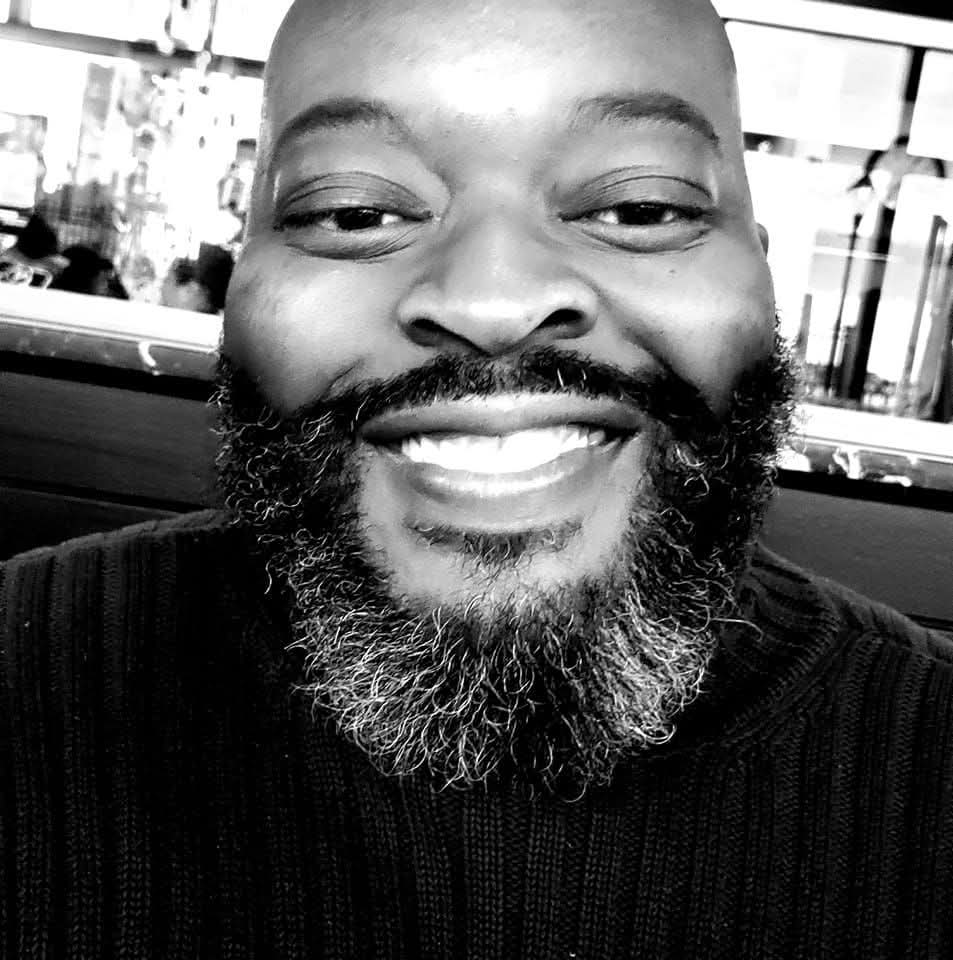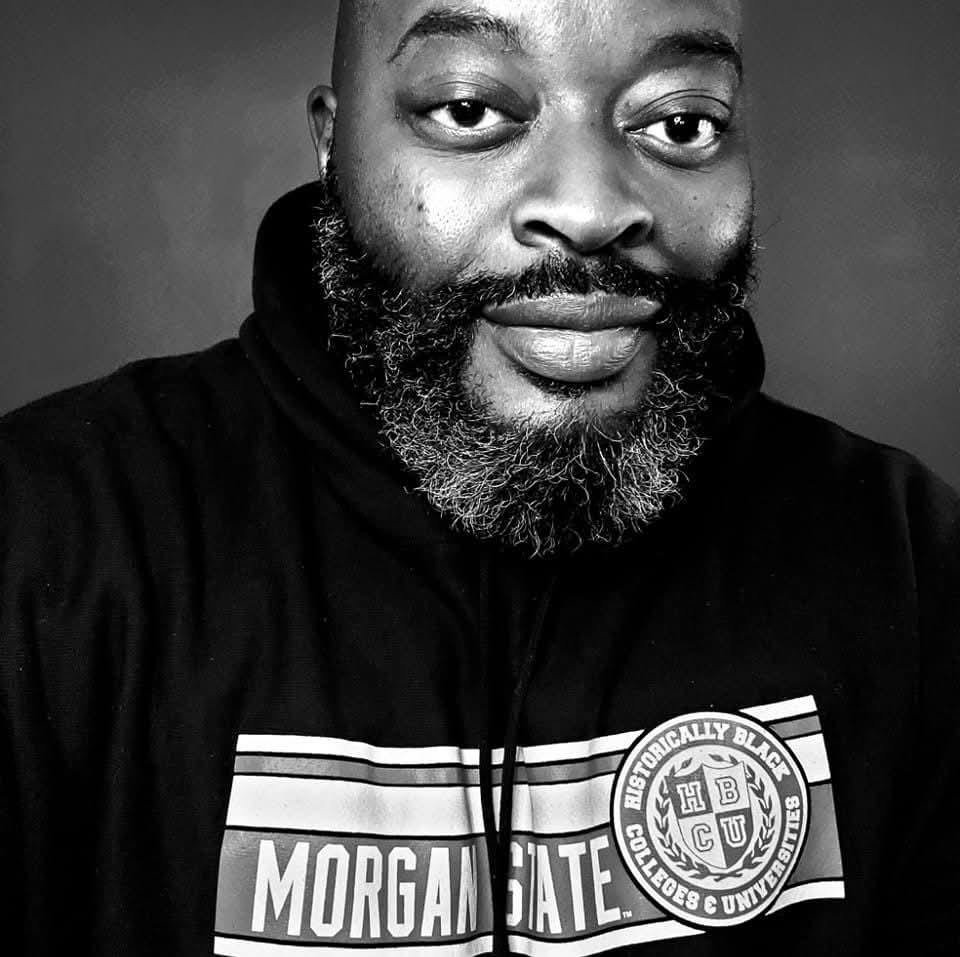
Today we’d like to introduce you to Mark Barnes.
Hi Mark , can you start by introducing yourself? We’d love to learn more about how you got to where you are today?
I am a native of Philadelphia. My mother—a daughter of coastal South Carolina—raised me on her own in a neighborhood many might characterize as disadvantaged. Despite earning minimum wage, her sacrifices enabled me to attend Catholic school from kindergarten through 12th grade. Her unwavering commitment positioned me to pursue higher education at West Chester University, located 45 miles west of the city, where I was first introduced to the field of geography.
Fascinated by my mother’s migration story, I centered my senior capstone research project on the reverse migration of Black Americans. This initial inquiry marked the beginning of a scholarly journey that has since expanded to include the study of urban economic development and the climate vulnerabilities disproportionately affecting Black communities. These topics became the focus of my graduate studies, which I pursued through master’s and doctoral programs at Temple University and Rutgers University, respectively.
Upon completing my doctoral degree, I joined the faculty at Morgan State University, where I serve as a geographer. In this role, I lead the design of geography-centered curricula, engage in research, and facilitate community outreach. My work has resulted in the development of bridge programs and mobilization initiatives targeting undergraduates, faculty, and staff at Historically Black Colleges and Universities (HBCUs) throughout the Mid-Atlantic region. Supported by both internal and external funding, these efforts underscore the essential role HBCUs play in addressing environmental challenges that disproportionately threaten Black lives.
My trajectory has been guided by a mission-driven mindset and a deep understanding of market needs. Just as importantly, I have always recognized the interconnectedness of people, places, and disciplines. This belief in cross-disciplinary collaboration has shaped my vision and made possible the progress I have achieved thus far.
I’m sure it wasn’t obstacle-free, but would you say the journey has been fairly smooth so far?
There are no direct paths in life, especially for those racially and physically stereotyped. As a Black youth, I was given lesser jobs like janitorial work. I’ve dealt with race and racism for most of life. I’ve been passed on for promotions despite my credentials and work ethic. However, I continue to fight the good fight.
Appreciate you sharing that. What else should we know about what you do?
Using geographic perspectives and geospatial tools, I assist undergraduates, faculty, and staff in visualizing what is often invisible within built, natural, and social environments. These efforts support risk reduction and resilience building and are embedded in both curriculum development and research. I also collaborate with community-based organizations, supporting their efforts in environmental protection and sustainability.
My area of specialization lies in connection-making—a critical skill that helps individuals identify voids or gaps in their thinking and practice. Geographers are uniquely attuned to perceiving the spaces between the material and immaterial, the seen and unseen. I take pride in demonstrating how and when geographic thinking should be integrated to advance success across fields such as business, education, and engineering, among others.
I am most proud of the geographer I have become—and continue to become. I currently serve on the National Council of the American Association of Geographers and sit on the board of American Rivers, a national nonprofit organization dedicated to the conservation and restoration of rivers.
What distinguishes me from many is my ability to draw from a broad range of educational experiences—both formal and informal—and apply them in ways that are meaningful and productive. Geographic and spatial thinking are powerful tools, and my ability to use them in both professional and personal contexts has been central to my success.
How do you think about happiness?
I have two daughters who make me happy. They make me happy because they are remarkably inspiring persons. At 18 years of age, my oldest daughter is a budding entrepreneur. My 16 year-old daughter is incredible scholastically and has a bright future ahead of her as well.
Contact Info:
- Website: https://www.morgan.edu