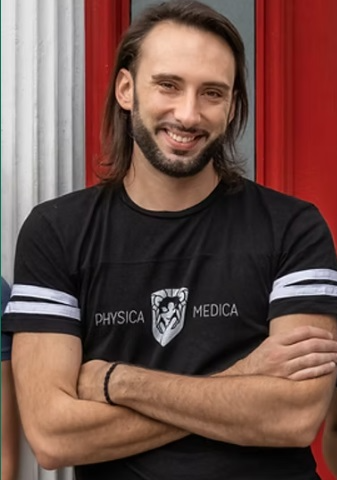
Today we’d like to introduce you to Maksim Birikov.
Hi Maksim, thanks for sharing your story with us. To start, maybe you can tell our readers some of your backstory.
I have been interested in physical activity, balance and the human body since I was young. Growing up in Eastern Europe, Southwestern Asia and North America, I spent a lot of time playing sports in unique conditions and environments. Thanks to my love and exposure to the outdoors, I decided to pursue a degree in Biology. I studied the basic foundations of life and how movement and homeostasis plays a vital role in the growth of a healthy living cell. After receiving my doctorate in physical therapy, I understood better how efficient movement can help the living organism adapt to the natural environment quicker. A faster adaptation allows us to maintain a better balance in our cellular system, which helps prevent onset of pain, disease processes, and decay.
As I continued to expand my practice, I worked alongside acupuncturists, chiropractors, neurologists, posturologists, master fitness coaches, yoga instructors, and mindfulness experts. Being surrounded by talented practitioners of these disciplines allowed me to be versatile; these experiences helped me craft a personalized approach to each one of my patients.
Alright, so let’s dig a little deeper into the story – has it been an easy path overall and if not, what were the challenges you’ve had to overcome?
It’s definitely not been a smooth road. When I entered the physical therapy world, I quickly realized how much the profession is controlled by insurance companies. Reimbursement policies dictate what a therapist can and cannot do with a patient, often forcing clinicians to choose treatments based on what pays the most—not what’s actually best for the individual. This creates a discreet but deeply uncomfortable ethical dilemma. In order to keep the lights on, many clinics prioritize billing over healing.
On top of that, the clinic I worked for took advantage of its staff, requiring long hours for minimal pay. That experience pushed me to open my own practice. At first, it was incredibly challenging—getting credentialed with insurance companies, managing operations, and hiring the right people all demanded skills I had to learn on the fly. But over time, I built a successful, insurance-based practice.
Eventually, though, I realized that even running my own clinic, the insurance model was limiting the quality of care I could provide. So I made the leap to become a fee-for-service provider. It was a bold move—now, patients pay out of pocket, so the value of what I offer has to be undeniable. But that’s exactly where I thrive. I’ve spent years honing my skills, and today, my practice is thriving. I’ve been off insurance for over three years, and I currently have a month-long waitlist. It hasn’t been easy, but every struggle has led me to a place where I can finally practice physical therapy the way I believe it should be done.
Thanks – so what else should our readers know about your work and what you’re currently focused on?
To me, being a great physical therapist means being both an artist and an investigator. The body is my medium, and it’s my job to shape, realign, and restore balance. As an investigator, I dive deep into each patient’s history, asking the right questions to uncover hidden patterns and root causes of pain—things they often aren’t even aware of. I’m known for being a strong history-taker. Most people just feel pain; they don’t know where it’s coming from. I help connect the dots.
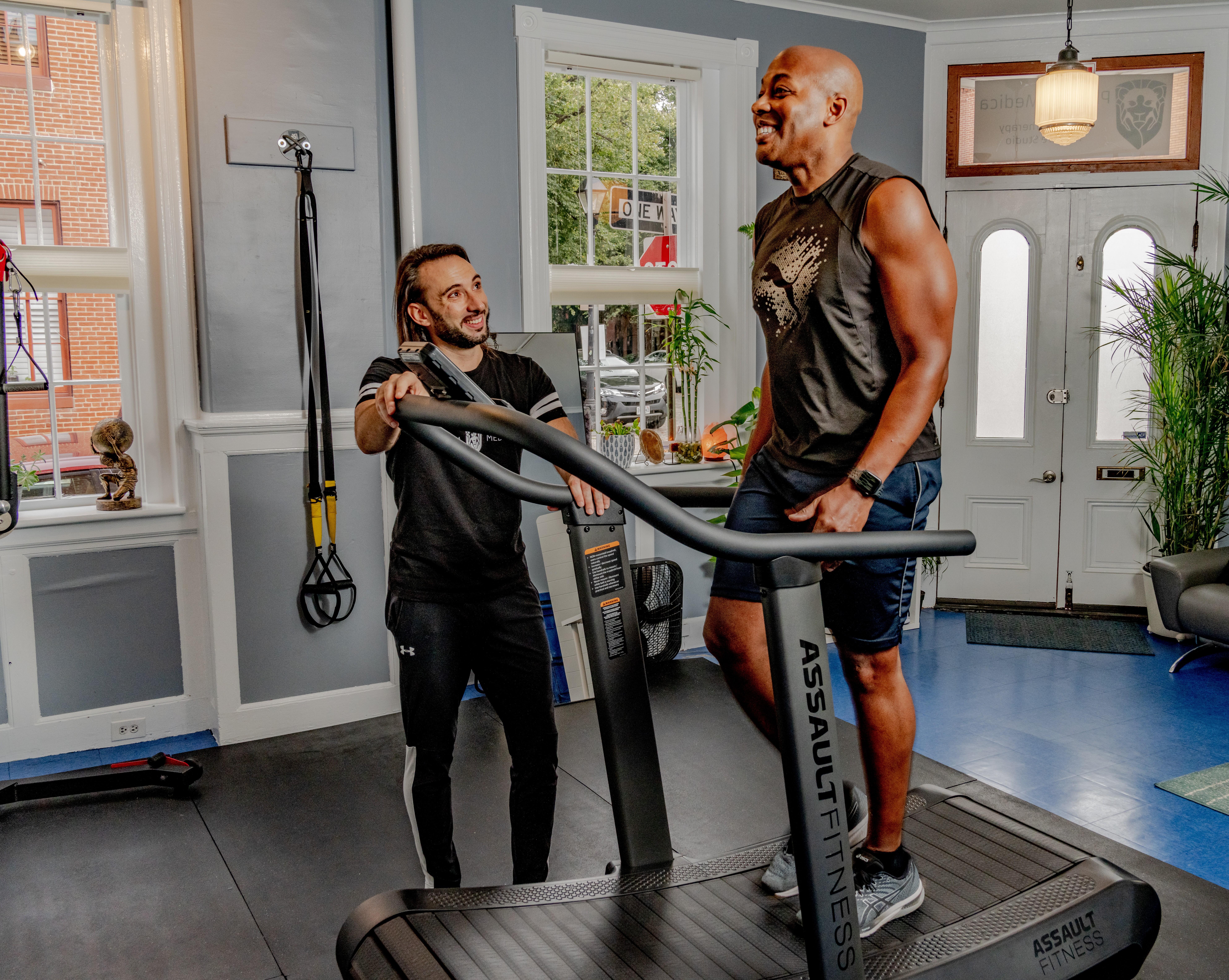
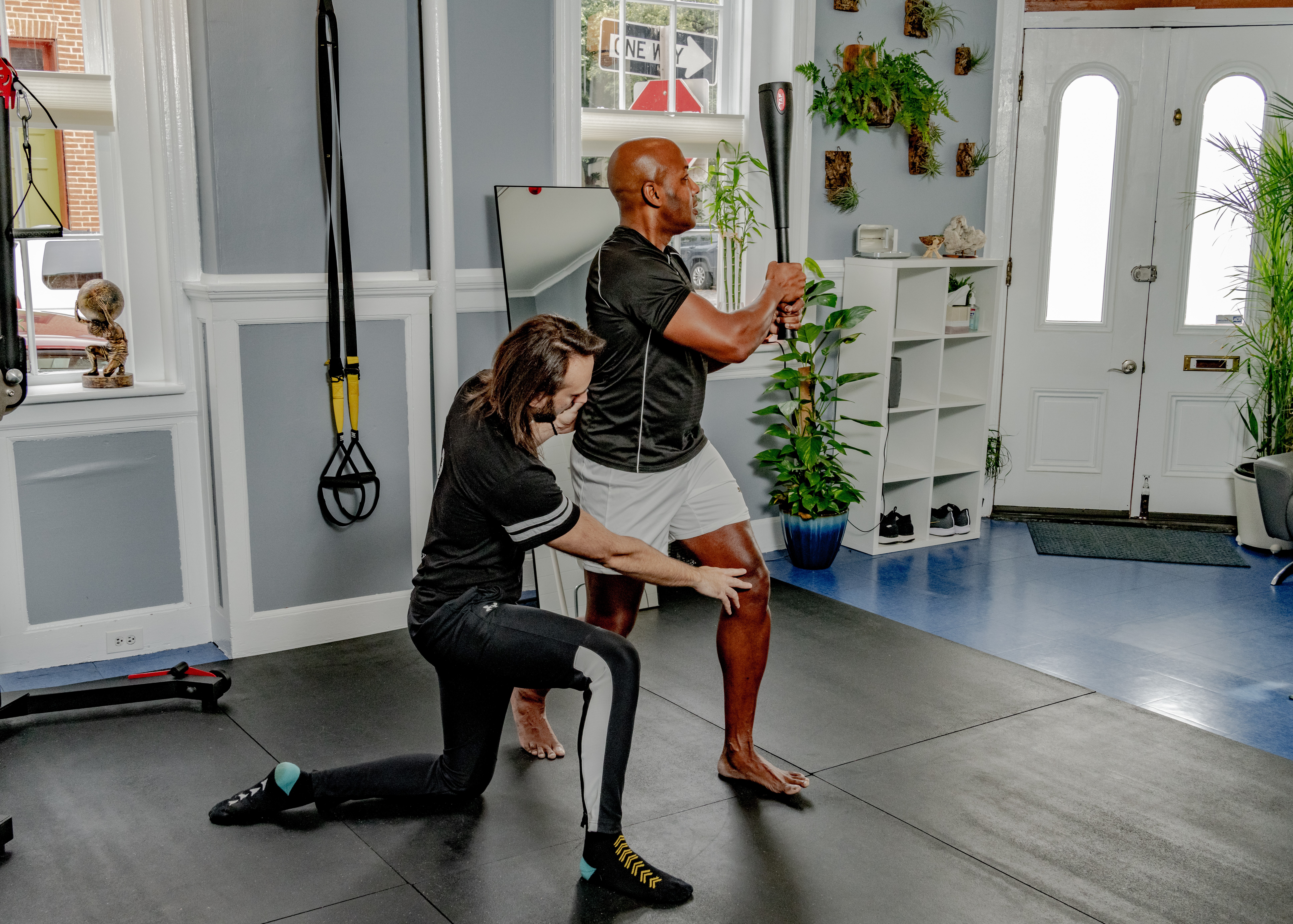
My clinical specialty is hands-on, manual therapy. I’m highly skilled in dry needling, therapeutic cupping, and deep tissue techniques. I also use targeted exercises to restore posture and lengthen the fascia. I have particular expertise in treating scoliosis, kyphosis (hunchbacks), and lateral spinal shifts—skills I developed over the past 10 years through advanced training across Europe and the U.S.
What I’m most proud of is that I’ve built a thriving, insurance-free physical therapy practice by age 40. That’s rare in my profession. Going out-of-network means that people come to me because they know they’ll get exceptional care—and I work hard every day to deliver exactly that.
How do you think about happiness?
Making people feel better and curing their pain makes me happy. This allows people to have freedom and return to their life without pain and restrictions.
Contact Info:
- Website: https://www.physicamedica.net
- Instagram: https://www.instagram.com/physicamedica.llc/