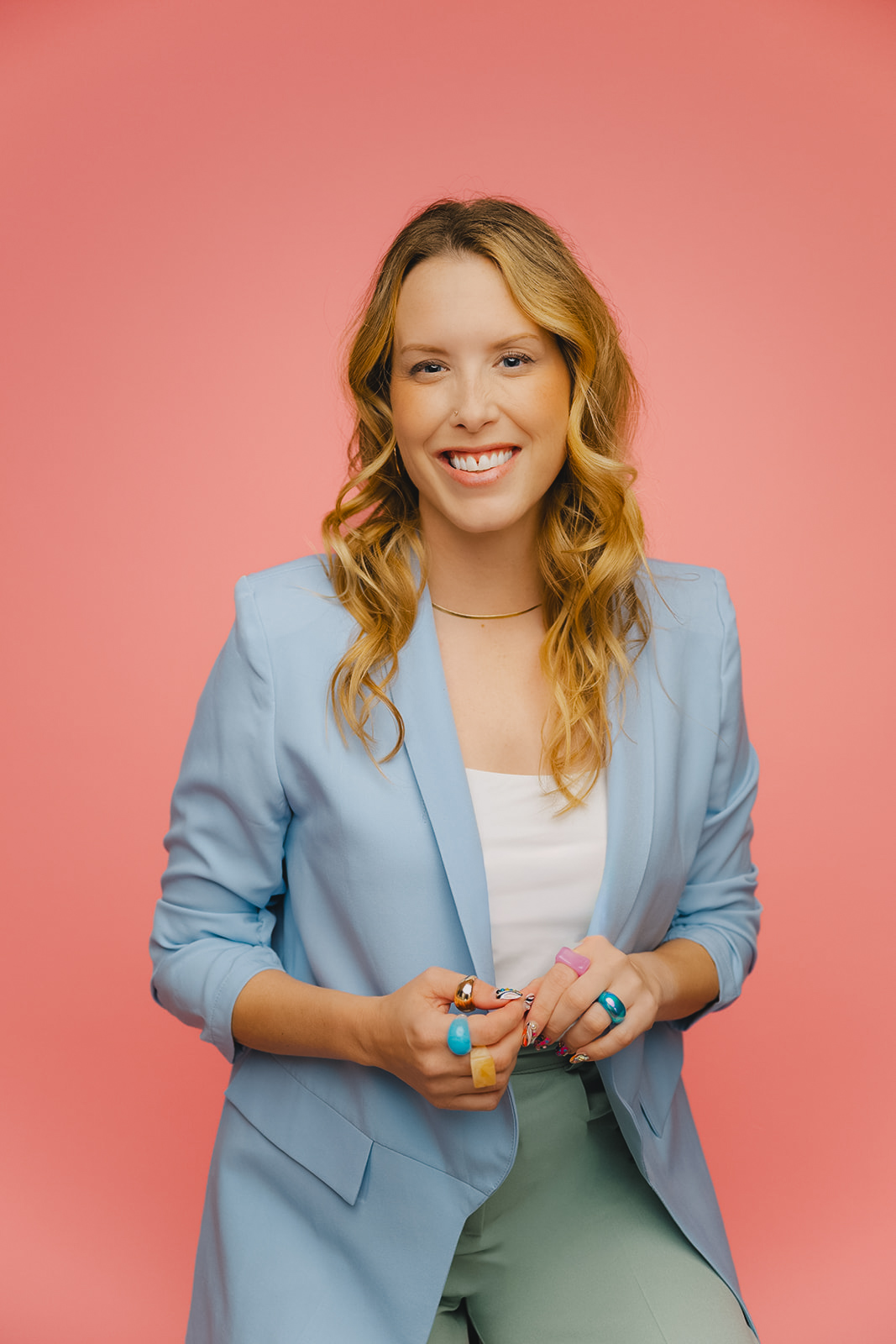
Today we’d like to introduce you to Kara Ball.
Hi Kara, please kick things off for us with an introduction to yourself and your story.
I grew up as a student with learning and thinking differences, and school often felt like I was slightly out of step with everyone else. I loved learning, but I rarely felt like I truly fit in. Everything took more effort, and even when I was doing well, there was a sense that I was navigating a system that wasn’t built for how my brain worked.
When school didn’t make sense, my family, especially my dad, helped me find other ways to understand the world. We built a treehouse to make sense of geometry, made model rockets and Pinewood Derby cars to understand physics, and spent countless hours outside, taking things apart, and asking endless questions about how and why things worked. Long before I ever heard the term STEM, it was already woven into my everyday life.
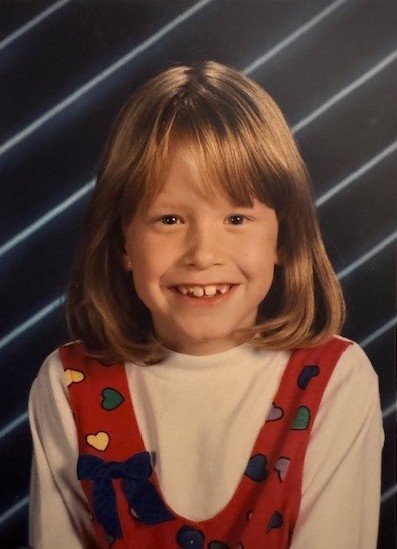
I was diagnosed with dyslexia in third grade and dyscalculia by sixth grade, which helped explain some of the challenges I faced in school, but it didn’t change how much effort learning required. My curiosity and constant questions were often misunderstood, and what I now recognize as an unquenchable desire to understand the world was sometimes treated as a problem rather than a strength. Still, I loved school so much that I created a pretend classroom in my basement and ran “summer school” and “weekend school” for my family.
Teaching came naturally to me, even when learning didn’t. I come from a family of educators; my grandmother, godfather, and aunt were all teachers, and my grandmother, in particular, was someone I wanted to emulate. By second grade, I knew I wanted to be a teacher, and that goal never wavered.
Middle and high school became turning points. For the first time in my life, I had science teachers who saw my curiosity and creativity not as distractions, but as indicators of potential. They advocated for me in ways no one had before and helped change the trajectory of my education. Those moments of being seen mattered more than I realized at the time.
As I grew older, I followed every path available to me toward education. I became a camp counselor, taught swimming lessons, and worked in childcare, all while continuing to navigate a school experience that was often challenging.
Although I had early diagnoses of dyslexia and dyscalculia, I didn’t receive my autism and ADHD diagnoses until adulthood, something that’s especially common for women. Those later diagnoses helped me make sense of my own experiences and clarified why teaching had always felt so meaningful to me. They shaped how I understand students, their frustrations, their strengths, and how easily their potential can be overlooked.
Today, that combination of lived experience and professional practice shows up in my work in inclusive STEM education. I focus on creating learning spaces that center curiosity, honor differences, and help students see themselves as capable, creative problem-solvers.
Can you talk to us a bit about the challenges and lessons you’ve learned along the way. Looking back would you say it’s been easy or smooth in retrospect?
No, it wasn’t a smooth road—school was incredibly hard for me, both academically and emotionally. I had a lot of anxiety around school and often felt overwhelmed just being in the building. I would hide in the bathroom to avoid class, skip recess because it felt chaotic, and instead preferred organizing the supply closet or helping in the library, where things felt calmer and more predictable.
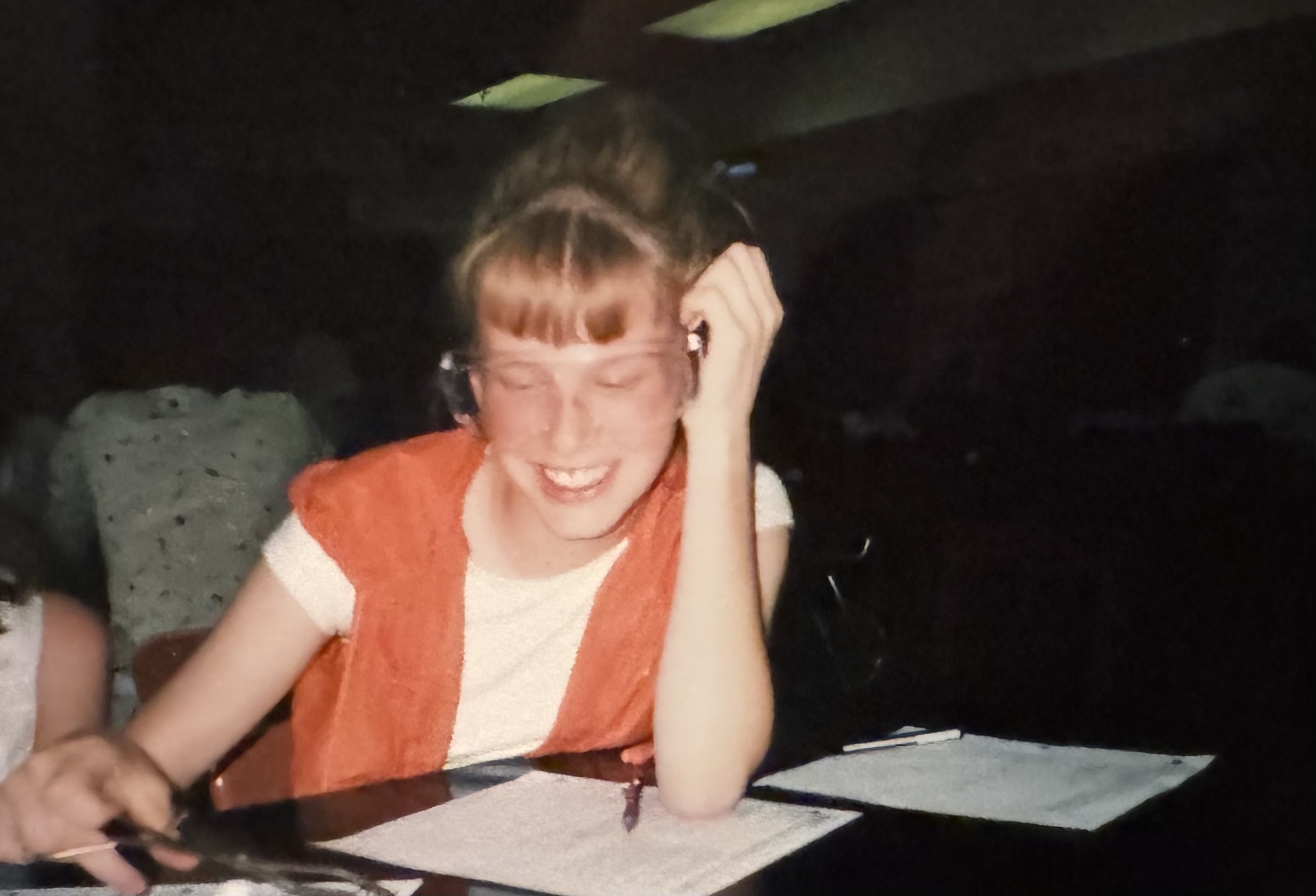
Even now, as an educator, I don’t think people fully understand how intense a sensory experience school can be. It was often too loud, too cold, and too bright. The lights hurt my eyes, the bells were jarring, and there were so many smells and textures that made it hard to focus. On top of that was the constant pressure of being perceived—being called on, waiting your turn to read aloud, speed math tests, problems on the board, choral reading, and oral presentations. I was never given the option to opt out or demonstrate my learning in different ways.
I did receive special education services, but they were mostly pull-out supports that helped me stay afloat academically. They never addressed the sensory overwhelm or anxiety that came with being in school all day. I also had teachers who talked about me as if I couldn’t hear them, clearly frustrated at being asked to support a student like me. As an educator now, I understand that much of that frustration came from a lack of training and systemic support, but as a child, it was deeply painful. I wanted so badly to be the student they wanted me to be.
In tenth grade, a teacher told me in front of my peers that I was stupid and would never amount to anything. At that point, I didn’t even think college was an option, and that moment could have easily been the day I gave up on school altogether. What saved me were my family and a few science teachers who saw my curiosity and passion and actively contradicted that narrative.
I didn’t get into the colleges I wanted to attend. My grades weren’t strong, and colleges didn’t seem to care that I was twice-exceptional and doing my best while balancing sports, work, and learning differences. I started at Montgomery College, a community college in Maryland, to test the waters, and that’s where everything changed. I began taking teaching courses and discovered I was really good at them. With the support of mentor professors who helped me navigate accommodations at the college level, I finally felt seen as a learner.
I graduated from Montgomery College, was named the top student in the education program, and received my first academic award ever. For the first time, I allowed myself to believe that maybe I could actually be a teacher. I transferred to Towson University, earned a dual degree in special and general education with summa cum laude honors, and was named the 2019 Distinguished Alumni for the College of Education, an especially meaningful recognition given how uncertain my path through school had once felt.
I completed my master’s degree with a 4.0 and currently maintain a 4.0 in my Ph.D. program, but academic achievement hasn’t eliminated the need for advocacy. Even as an adult, I still navigate accommodations at the university level. Disabilities don’t disappear; we simply learn how to advocate more effectively. That experience informs how I show up for both my students and myself and helps shape the educator and advocate I am today.
As you know, we’re big fans of you and your work. For our readers who might not be as familiar what can you tell them about what you do?
My career began in a self-contained special education classroom in Montgomery County Public Schools, working with young learners who reminded me a lot of myself. I grew up with dyslexia and dyscalculia and wasn’t diagnosed as neurodivergent until adulthood, so I knew what it felt like to be a student whose potential was often misunderstood. Those early years of teaching shaped everything that followed.
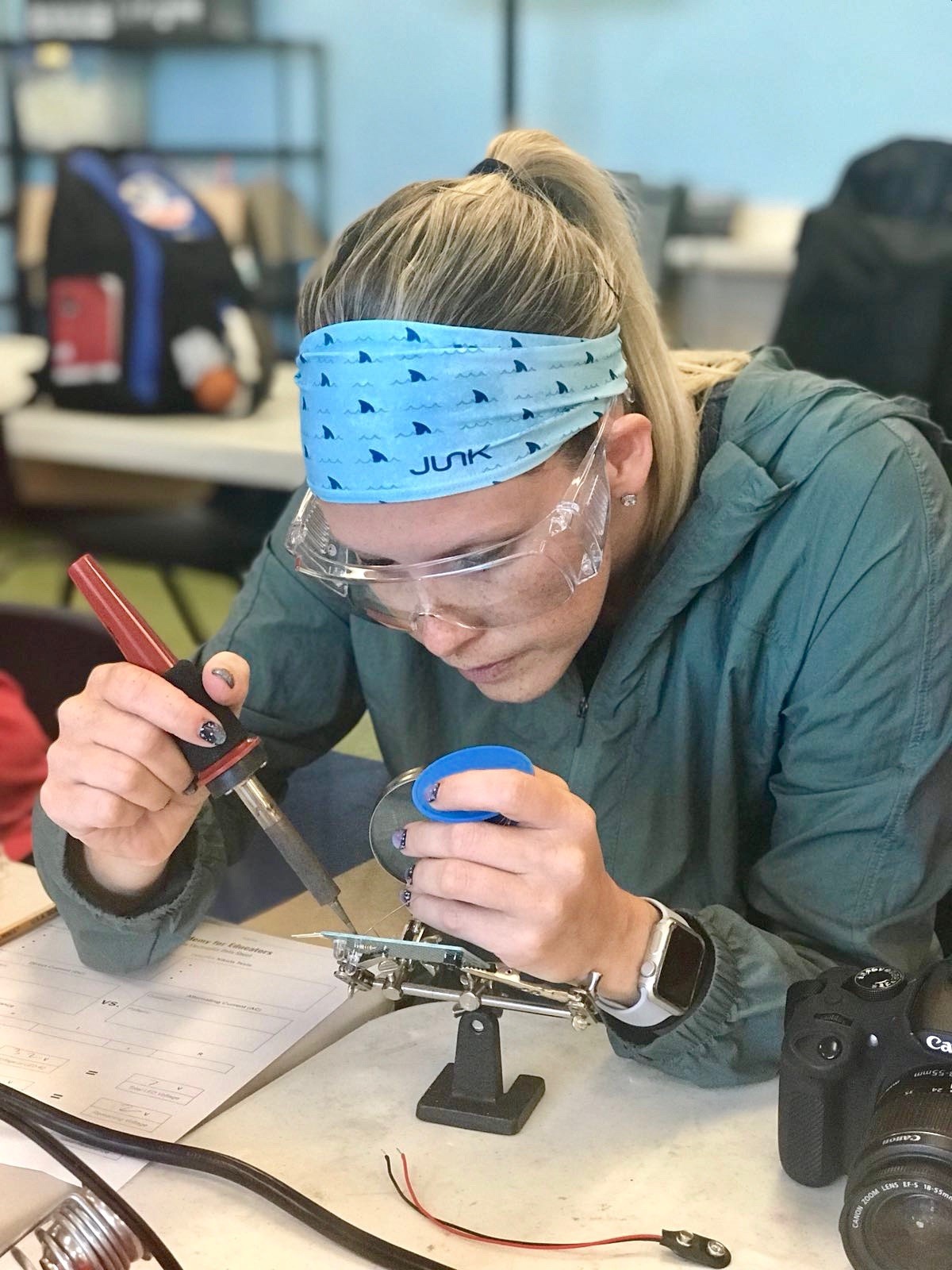
Over time, I moved into a K–5 inclusion role, and that’s where I fell headfirst into STEM (science, technology, engineering, and mathematics). Our school was piloting new science standards, and I became the science lead almost by accident—mostly because I was the one asking the most questions. That curiosity opened a door I didn’t know I had been waiting for. Suddenly, inquiry-based learning, hands-on exploration, and student-driven problem-solving weren’t just things I loved as a kid; they became the heart of my teaching.
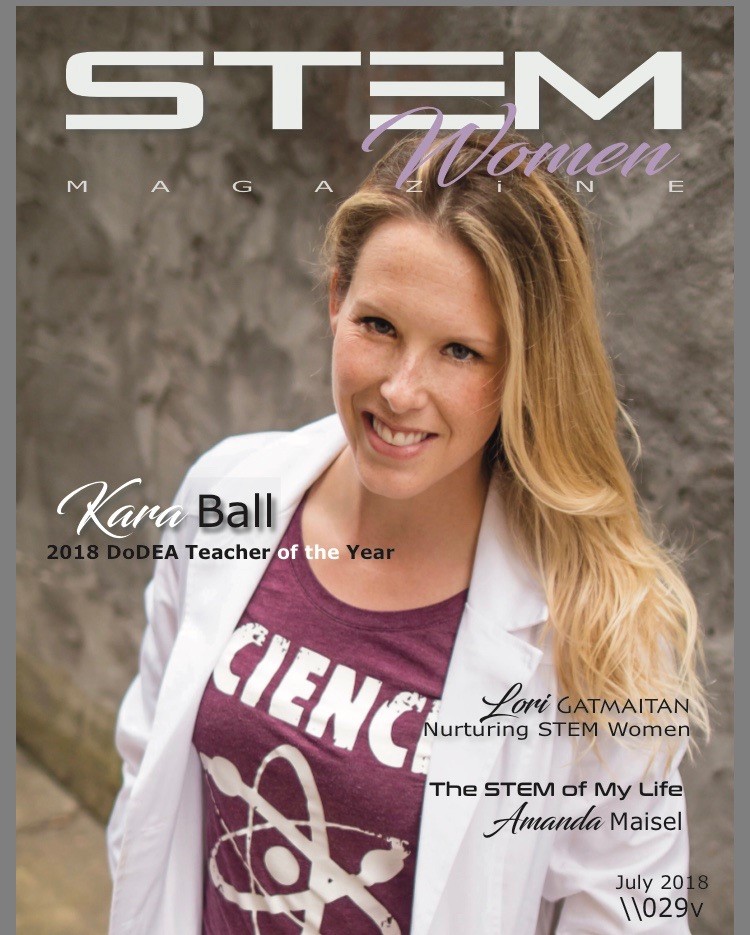
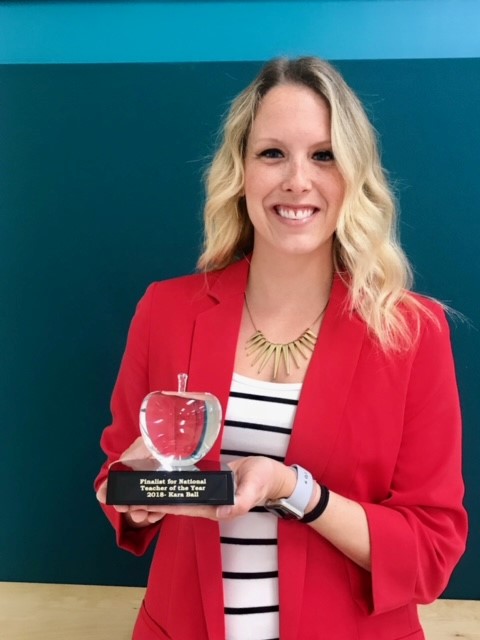
In 2013, I became the Department of Defense Education Activity’s first K–5 STEM teacher. During that year, I wrote the STEM curriculum and built the foundational pieces of a program that later gained national attention. The following year, I moved into the district STEM coordinator role, where I expanded that work across all schools—developing labs, designing professional learning, and scaling a comprehensive K–5 STEM program from the ground up. In 2018, while working in this role, I was honored as the DoDEA State Teacher of the Year and later named a National Teacher of the Year finalist.
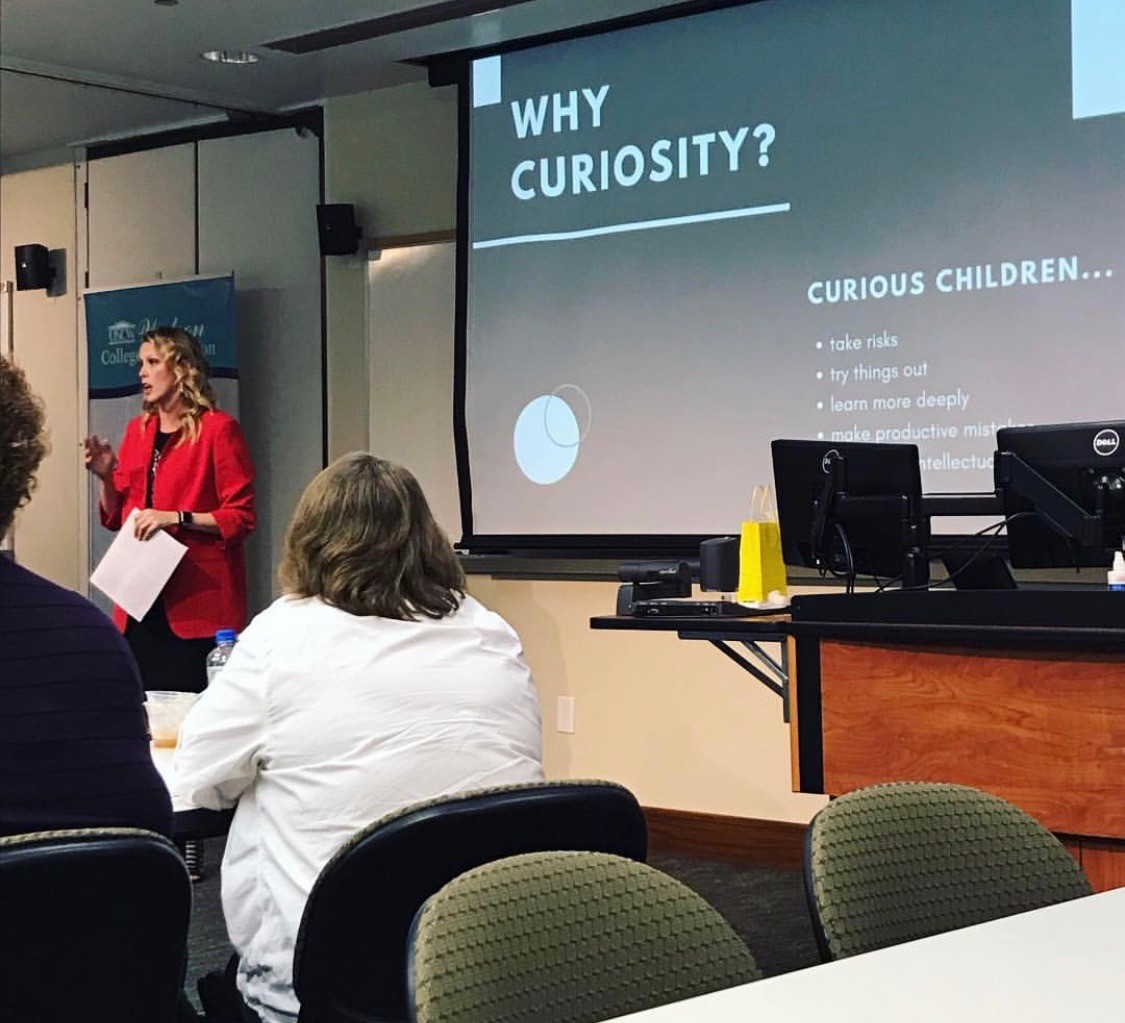
After relocating to Baltimore, I worked with Baltimore City Public Schools and Johns Hopkins to redesign the district’s K–5 STEM curriculum. That experience led to an invitation to write 50 Strategies for Teaching STEAM Skills, which opened the door to my current role as an Academic Officer at Teacher Created Materials. Today, I support teachers nationwide in bringing inclusive, inquiry-based STEM instruction to life.
My work with Understood.org—the leading nonprofit supporting the 70 million people in the U.S. with learning and thinking differences—began in 2019, when I became a teacher fellow. Since then, I’ve served as an expert and collaborator, working with families and educators to better support students with ADHD, dyslexia, and other learning differences.
Recently, I was selected as a recipient of the Bezos Courage and Civility Award and had the honor of directing $5 million to Understood.org to continue their work developing inclusive STEM resources. Receiving this award felt like a full-circle moment, bringing together my lived experience, my background in special education, and my lifelong love of STEM.
Throughout my career, one belief has remained constant: STEM isn’t about funneling every child into a STEM career. It’s about giving every child the opportunity to see themselves as creators and as people who can shape the world they live in. As someone who loved STEM as a child but was pushed away from it due to gender barriers and misconceptions about my abilities, I often think about what might have been different if my strengths had been recognized earlier.
That question now fuels my Ph.D. research, where I study how early and layered STEM experiences help girls and other marginalized students build identity, confidence, and persistence in STEM, whether or not they ultimately choose a STEM career.
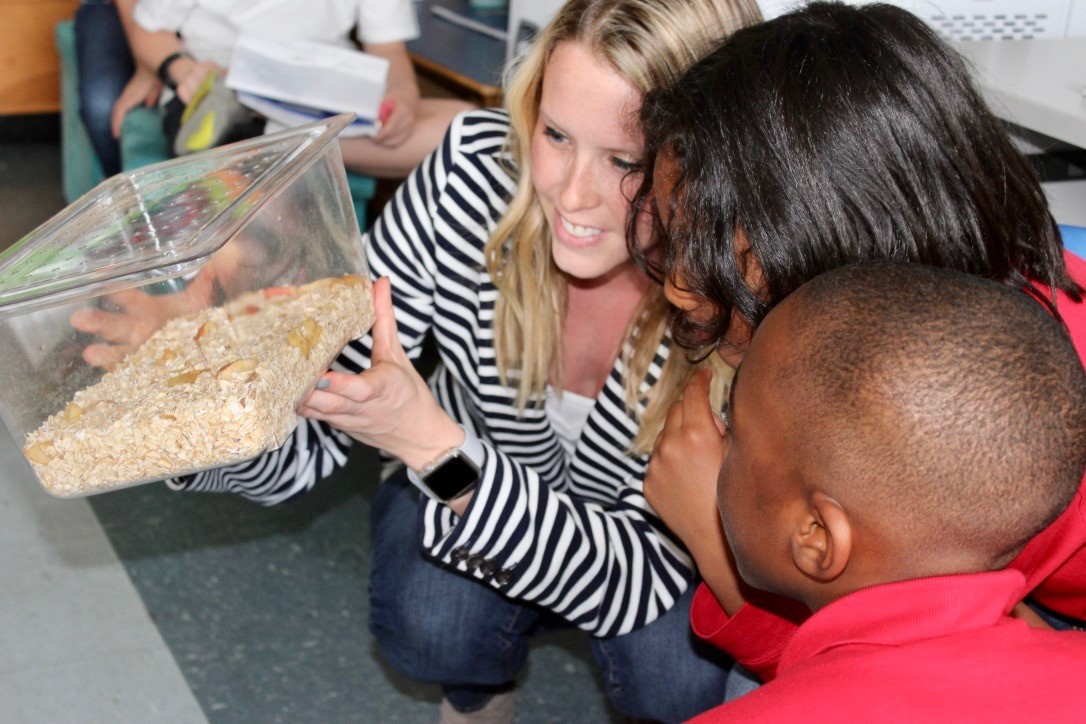
At its core, my work is about creating spaces where kids are encouraged to wonder: how the world works, what’s possible, and whether they might be the ones to design the next big idea. Inquiry is where belonging begins, and belonging is what allows students to see their differences as strengths.
That’s the story I’ve been writing throughout my career—one classroom, one student, and one moment of wonder at a time.
Networking and finding a mentor can have such a positive impact on one’s life and career. Any advice?
Networking has never come naturally to me, and I think it’s important to say that out loud. As a neurodivergent person, traditional networking can feel performative or disingenuous, and that’s never been how I build relationships. What has worked for me instead is focusing on genuine curiosity and learning.
If I connect with someone whose work I admire, I ask. I don’t frame it as networking; I frame it as wanting to learn. I’ve found that most people are surprisingly open to sharing their time and perspective when the ask is clear and sincere. A simple “I really admire your work and would love to learn from you if you’re open to it” has gone much farther for me than any formal networking event ever has.
I wouldn’t be where I am today without the mentors who took the time with me. Their willingness to answer questions, offer guidance, and advocate for me shaped my path in ways I’m deeply grateful for. Because of that, I try to mentor whenever the opportunity presents itself. Paying that support forward feels like both a responsibility and a privilege. Mentorship, for me, has often grown organically. It starts with a conversation, a shared interest, or a thoughtful question, and then deepens over time. I’ve also learned that mentors don’t have to be long-term or all-encompassing. Sometimes you need someone for one season, one skill, or one decision, and that still counts.
My biggest advice is to be honest about what you’re looking for and to approach relationships with curiosity rather than strategy. You don’t need to perform or sell yourself. If you show up as yourself and ask to learn, the right connections tend to follow.
Contact Info:
- Instagram: @ontheballeducator – https://www.instagram.com/ontheballeducator
- LinkedIn: https://www.linkedin.com/in/karaball-stoy18/