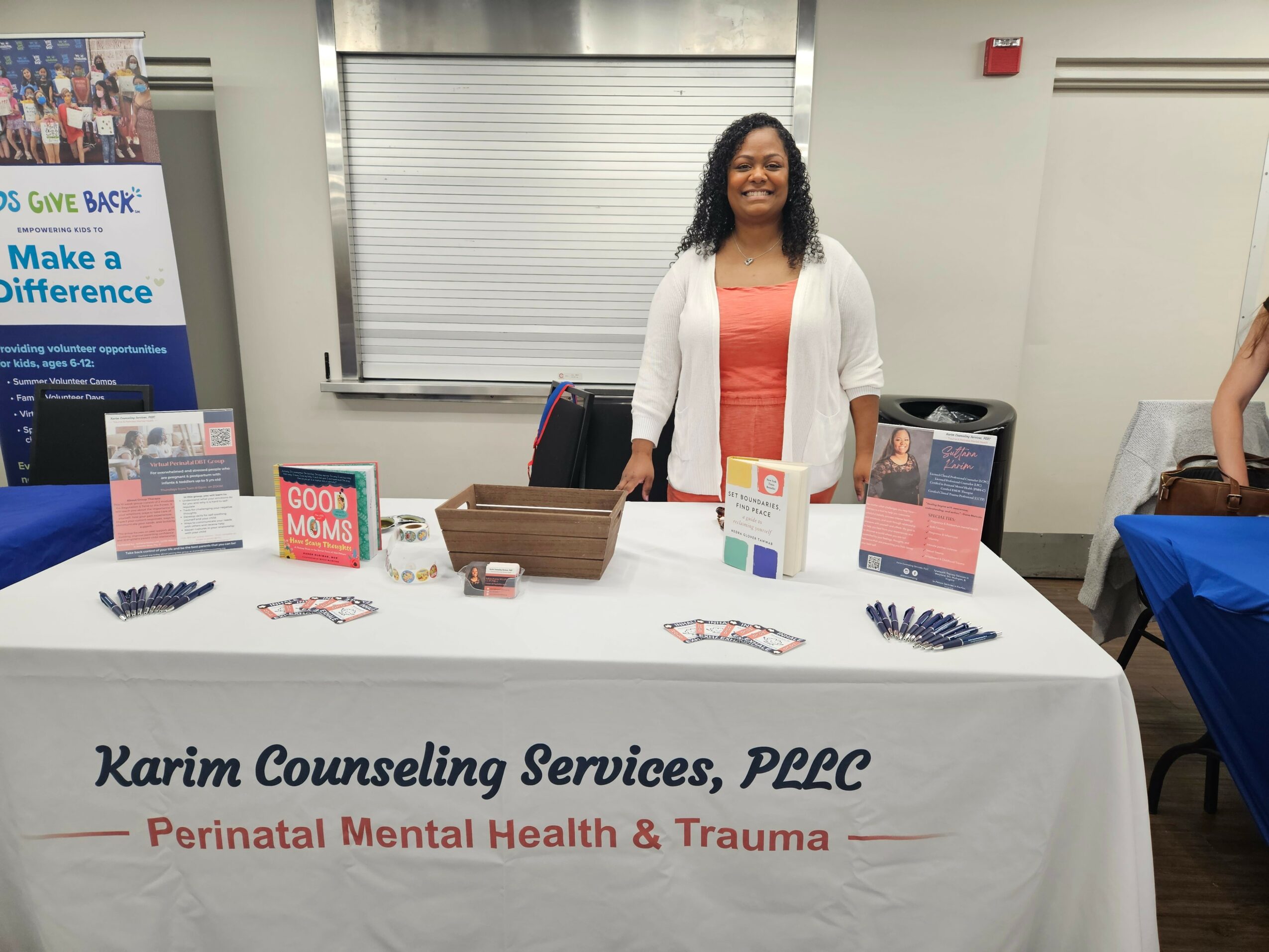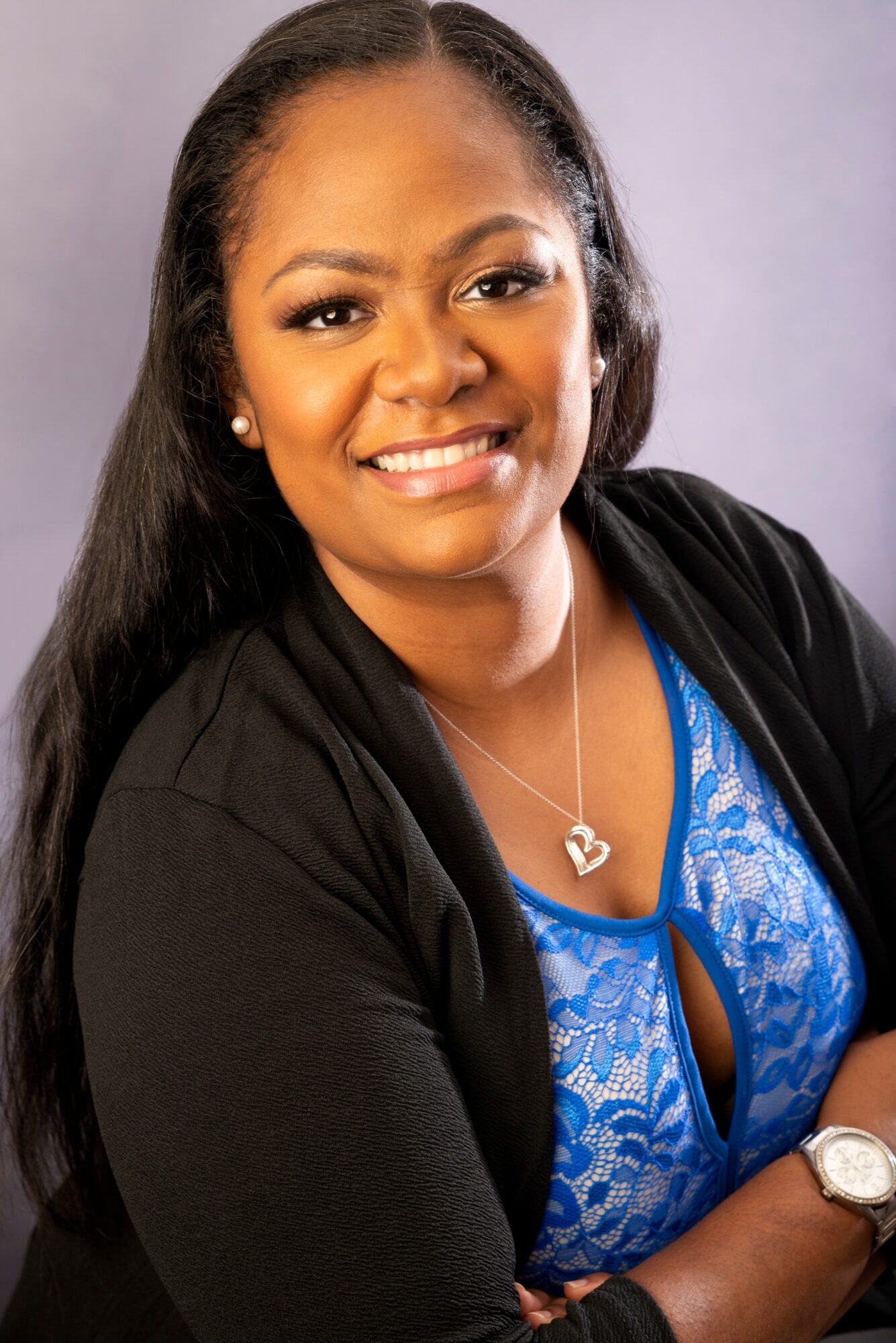
Today we’d like to introduce you to Sultana Karim.
Hi Sultana, so excited to have you with us today. What can you tell us about your story?
My journey into this work didn’t start in private practice—it started in spaces where people were surviving some of the hardest moments of their lives.
Early in my career, I worked with children who had experienced trauma—abuse, neglect, and exposure to violence. I then transitioned into working in sexual assault and domestic violence settings, supporting survivors as they navigated safety, healing, and rebuilding their lives. Many of the individuals I worked with were also parents, and I began to see how trauma doesn’t just impact one person—it ripples through families, relationships, and generations. I was especially drawn to the quiet, often unseen emotional load that caregivers were carrying while still trying to show up for their children.
That work stayed with me.
At the same time, my personal life deepened my understanding in ways I never could have anticipated. As a military and law enforcement spouse, I was already familiar with the realities of living alongside high-stress, service-oriented careers—the unpredictability, the exposure to trauma, and the expectation to remain strong through it all.
Then I became a mother.
My pregnancy and postpartum experience were not what I expected. I experienced birth trauma, a maternal near-death experience, and had a baby in the NICU. It was a time that was supposed to feel joyful, but instead, it was filled with fear, uncertainty, and survival. What stood out to me most during that time was how difficult it was to find a provider who truly understood what I was going through—someone who specialized in perinatal mental health and reflected my lived experience and identity. That gap was not just frustrating—it was isolating.
It also changed me.
My personal experience, combined with my professional background working with trauma survivors—especially parents navigating domestic violence—gave me a deeper lens into how trauma, identity, and motherhood intersect. I began to see more clearly how unsupported so many individuals are during the perinatal period, particularly when trauma is part of their story.
That’s what led me to build Karim Counseling Services, PLLC.
I wanted to create the kind of space I had been searching for—one that centers trauma-informed care, cultural understanding, and the realities of motherhood. Today, I specialize in working with individuals navigating pregnancy, postpartum, birth trauma, infertility, and parenting, using approaches like EMDR, Internal Family Systems (IFS), and somatic-based therapies. I also offer EMDR intensives and group therapy programs designed specifically for moms and birthing parents, because healing shouldn’t have to happen in isolation.
Beyond therapy, I’m passionate about expanding the conversation around maternal mental health. I provide trainings and speak within the community to help providers and organizations better understand the emotional realities of motherhood and how we can offer more effective, compassionate support.
Looking back, every part of my journey—working with children, supporting survivors of violence, and my own experience with birth trauma—has shaped the work I do today. It’s all connected. And it continues to fuel my commitment to helping people feel seen, supported, and empowered in their healing.
Alright, so let’s dig a little deeper into the story – has it been an easy path overall and if not, what were the challenges you’ve had to overcome?
It definitely hasn’t been a smooth road—and I think that’s true for many people doing this kind of work.
Early in my career, working in systems like hospitals, child advocacy centers, and domestic and sexual violence organizations, the work was incredibly meaningful, but also emotionally demanding. I was supporting individuals and families through trauma while also learning how to navigate systems that don’t always have the capacity to fully support either clients or providers. There were moments of burnout, compassion fatigue, and questioning how to sustain myself in this field long-term.
At the same time, my personal life came with its own set of challenges. As a military and law enforcement spouse, I’ve navigated deployments, long and unpredictable shifts, and seasons of solo parenting. There’s a unique kind of emotional load that comes with holding down a household, supporting a partner in high-risk work, and still showing up for your family—and yourself. Those experiences required me to build resilience in real time, often without the level of support I needed.
As I moved toward building my private practice, there was a different layer of challenge. Starting a business—especially as a therapist—comes with a steep learning curve. I had to figure out everything from marketing and finances to creating sustainable policies and boundaries, all while continuing to show up fully for my clients. Choosing to be an out-of-network provider was intentional, but it also meant navigating complex conversations around accessibility, value, and affordability in a way that aligned with my ethics and the level of care I provide.
On a deeply personal level, my own experience with birth trauma, a maternal near-death experience, and having a baby in the NICU was one of the most difficult chapters of my life. Healing wasn’t linear. There were layers of fear, grief, and identity shifts that I had to work through while also becoming a mother. I also experienced firsthand how hard it can be to find specialized, culturally aligned care during such a vulnerable time.
There have also been challenges in existing at the intersection of my identities—personally and professionally. Finding spaces where trauma, perinatal mental health, and cultural understanding are all held with depth isn’t always easy. At times, I’ve had to create those spaces rather than find them.
But each of these challenges has shaped how I show up today. They’ve pushed me to build a practice that is not only clinically grounded, but also deeply human and sustainable. I’ve learned the importance of boundaries, community, and giving myself permission to grow at my own pace.
It hasn’t been a smooth road, but it has been a meaningful and intentional one.
Appreciate you sharing that. What should we know about Karim Counseling Services, PLLC?
Karim Counseling Services, PLLC was created to fill a gap I experienced both professionally and personally—the need for specialized, culturally responsive, trauma-informed care, especially during the perinatal period.
At its core, my practice focuses on supporting adults navigating trauma and major life transitions, with a specialization in perinatal and reproductive mental health. This includes individuals who are pregnant, postpartum, experiencing infertility, navigating loss, or processing birth and medical trauma. I also work closely with military families, first responders, and individuals impacted by high-stress or service-related careers.
What sets my work apart is the depth of specialization and the way I integrate multiple evidence-based approaches to meet each client where they are. I’m trained in EMDR, Internal Family Systems (IFS), and somatic-based therapies, which allows me to go beyond surface-level coping and help clients process and heal from the root of their experiences. I also offer EMDR intensives for those looking for more focused, accelerated healing, as well as group therapy programs—like my Perinatal DBT groups—that combine skills and community support for moms and birthing parents.
Another piece that makes my practice unique is that it’s deeply informed by lived experience. I understand, both personally and professionally, the complexities of trauma, motherhood, and identity. That lens shapes how I show up—with intention, cultural awareness, and a strong belief that healing happens in spaces where people feel seen, not just treated.
Brand-wise, I’m most proud of creating a practice that feels both clinically grounded and human. My goal has never been to be the biggest practice—it’s been to create meaningful, high-quality care that actually impacts people’s lives. I’ve been able to expand that impact through partnerships with organizations that help fund therapy for military families and underserved communities, as well as through trainings and presentations that support other professionals in better understanding perinatal mental health and trauma.
What I want readers to know is that my practice is a space for people who are often used to holding it all together for everyone else. Whether someone is navigating trauma, the transition into parenthood, or the invisible emotional load that comes with it, they don’t have to do it alone. My work is about helping people slow down, process what they’ve been carrying, and reconnect—with themselves, their relationships, and their sense of wholeness.
Where do you see things going in the next 5-10 years?
I think we’re going to see some really significant shifts in the mental health and wellness space over the next 5–10 years—and honestly, we’re already starting to see them.
One of the biggest changes is the continued expansion of telehealth and digital mental health care. Since the pandemic, access to virtual therapy has grown rapidly, and it’s not going away. Telehealth is projected to keep expanding as people look for more flexible, accessible ways to receive care, especially in underserved or high-demand areas. At the same time, this creates an important conversation around quality of care and maintaining meaningful human connection in virtual spaces.
Another major shift is the rise of AI and digital mental health tools. More people—especially younger adults—are turning to AI platforms for emotional support because they’re accessible, affordable, and available at any time. While there’s potential for these tools to support the field, there are also real concerns around ethics, safety, and the lack of regulation. I see AI becoming more of a supplement to therapy rather than a replacement, especially for tracking patterns, supporting between-session care, or increasing access—but not replacing the depth of human connection that healing often requires.
We’re also seeing a strong move away from one-size-fits-all care toward more personalized, integrative approaches. People are looking for care that considers their full experience—mental, emotional, physical, cultural, and relational. There’s a growing demand for specialized services, especially in areas like perinatal mental health, trauma, and women’s health, which have historically been underserved.
At the same time, there are systemic challenges that the field will have to address. Insurance reimbursement continues to be a barrier—for both clients and providers—and it often doesn’t reflect the level of training, time, and emotional labor that this work requires. There’s also a growing conversation about the sustainability of the profession itself. Many therapists are navigating burnout, high caseloads, and limited support, which directly impacts access to quality care.
Because of this, I think we’ll continue to see growth in private-pay and specialized practices, as well as alternative models of care that allow providers to offer more focused, high-quality, and sustainable services.
Another shift I’m really paying attention to is the emphasis on prevention and early intervention. Instead of only addressing mental health when someone is in crisis, there’s a growing focus on supporting people earlier—during life transitions like pregnancy, postpartum, or major stress periods—before things escalate. Research continues to show that early support, especially in the perinatal period, can significantly impact long-term outcomes.
And finally, I think we’re going to see a deeper focus on community and connection. There’s a growing recognition that healing doesn’t just happen in individual therapy—it also happens in relationships, in groups, and in spaces where people feel less alone. That’s part of why group therapy and community-based support models are becoming more valued.
Overall, I see the field moving toward more access, more personalization, and more integration of technology—but also a renewed understanding that mental health care is deeply relational. The challenge will be finding the balance between innovation and maintaining the human connection that’s at the heart of healing.
Pricing:
- Individual Therapy: $175 per 50-minute session
- EMDR Intensives: 1-Day Intensive (6 hours total): $1,764 2-Day Intensive (9 hours total): $2,646 3-Day Intensive (12 hours total): $3,528
- Group Therapy (Perinatal DBT): $60 per group session
- Consultation & Professional Trainings: Pricing varies depending on format and organization needs
- Practice Model: Out-of-network / self-pay practice Superbills are provided for clients who wish to seek out-of-network reimbursement
Contact Info:
- Website: https://www.karimcounseling.org
- Instagram: https://www.instagram.com/karimcounseling
- Facebook: https://www.facebook.com/karimcounseling
- LinkedIn: https://www.linkedin.com/in/sultanakarim/