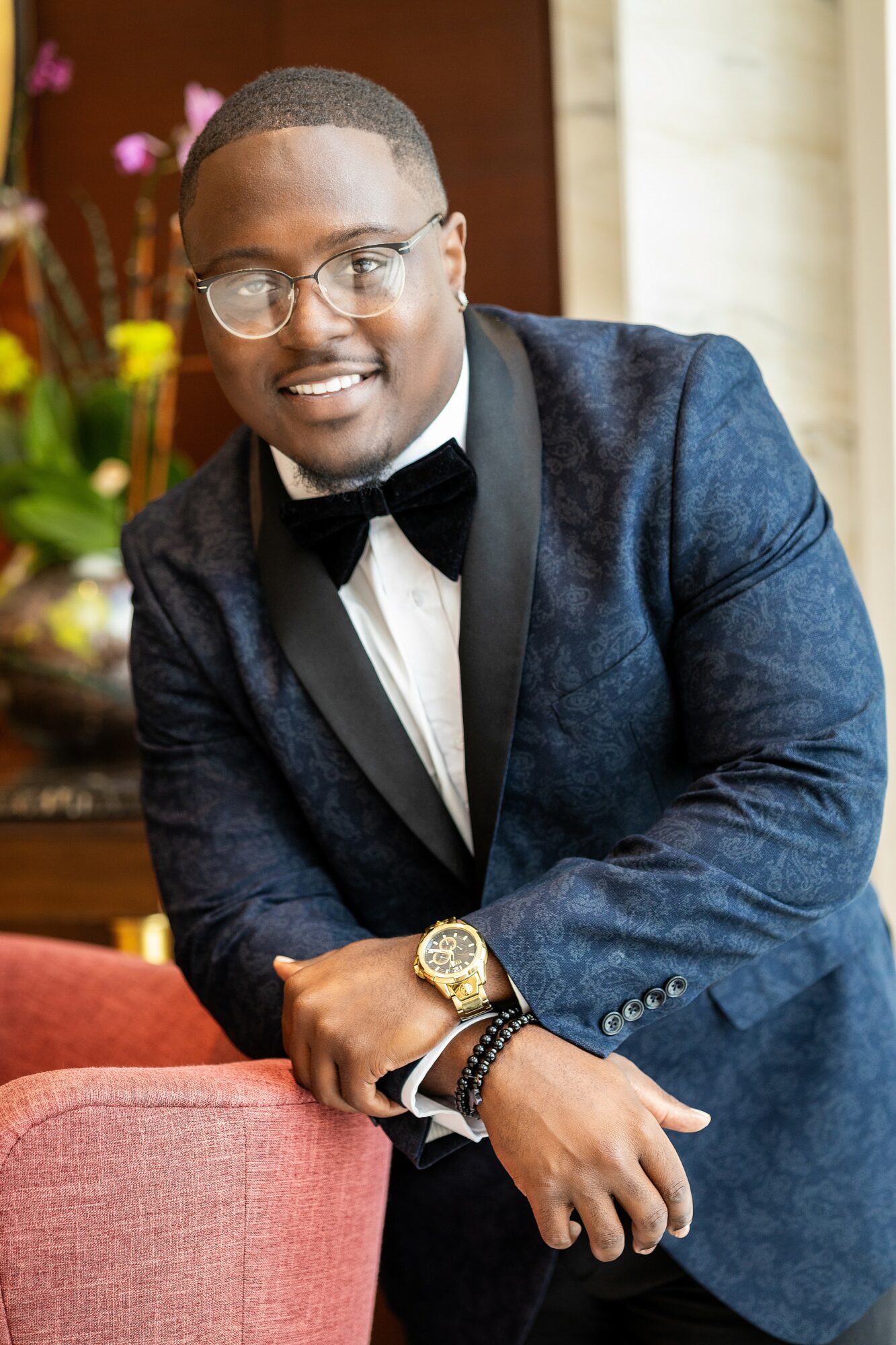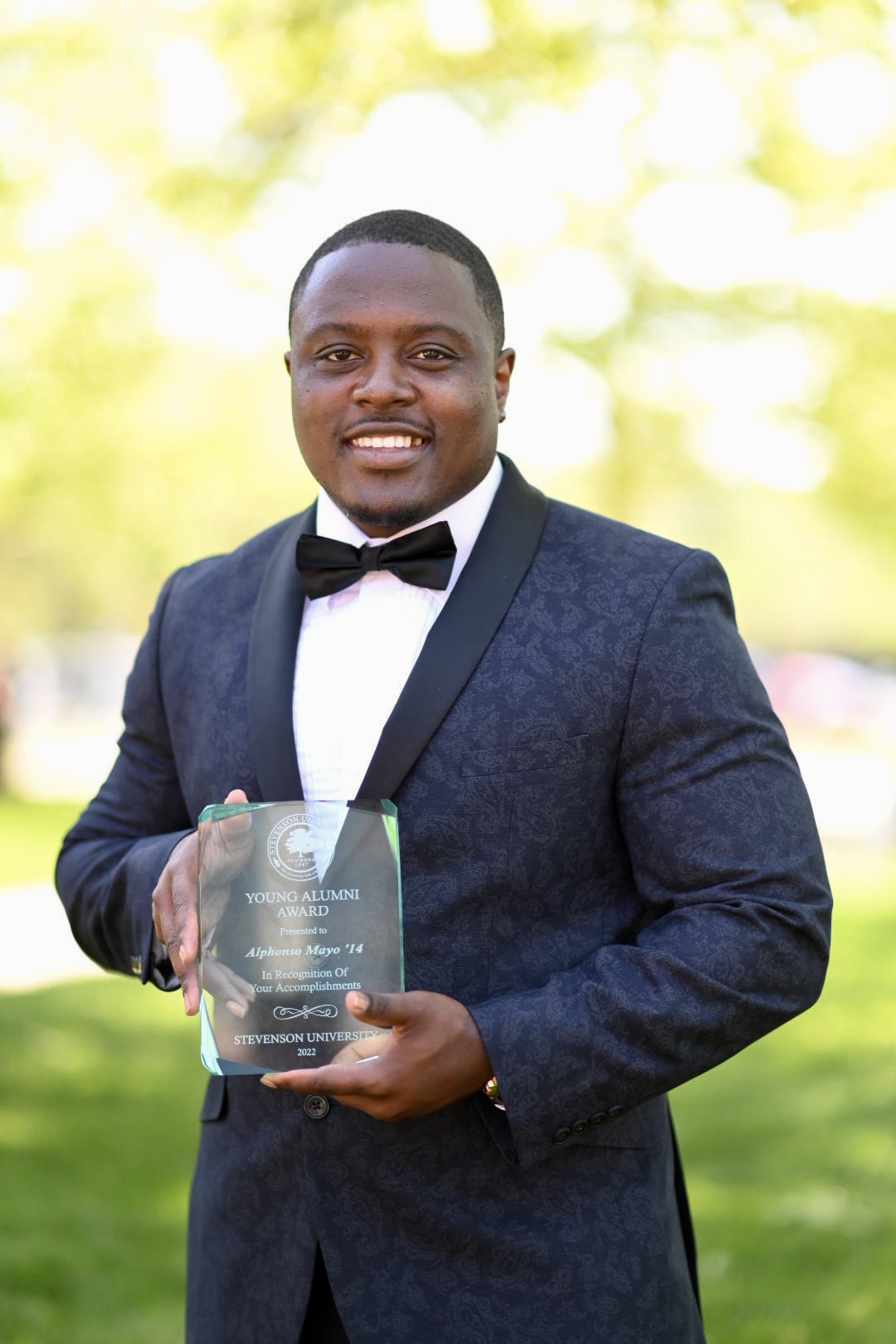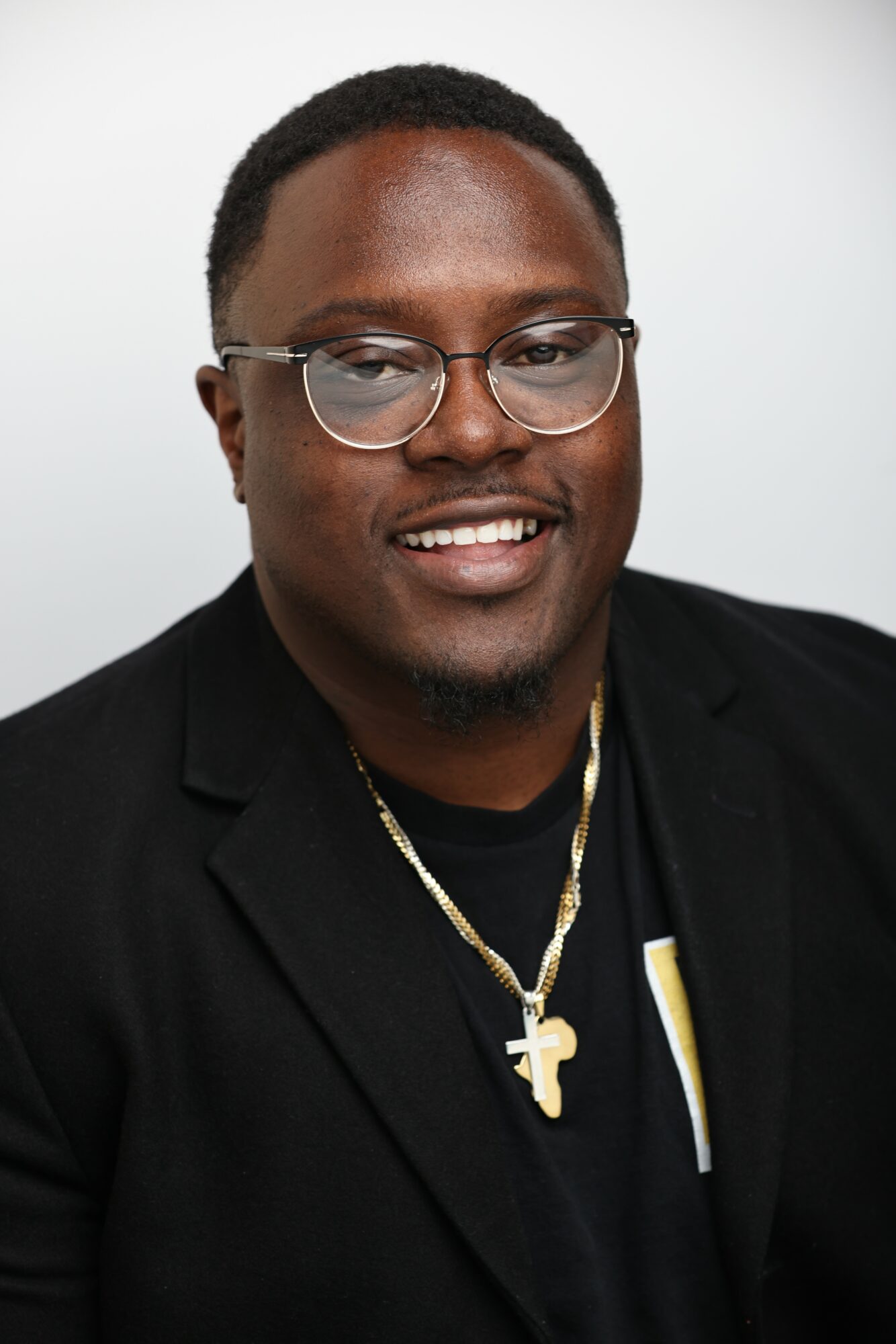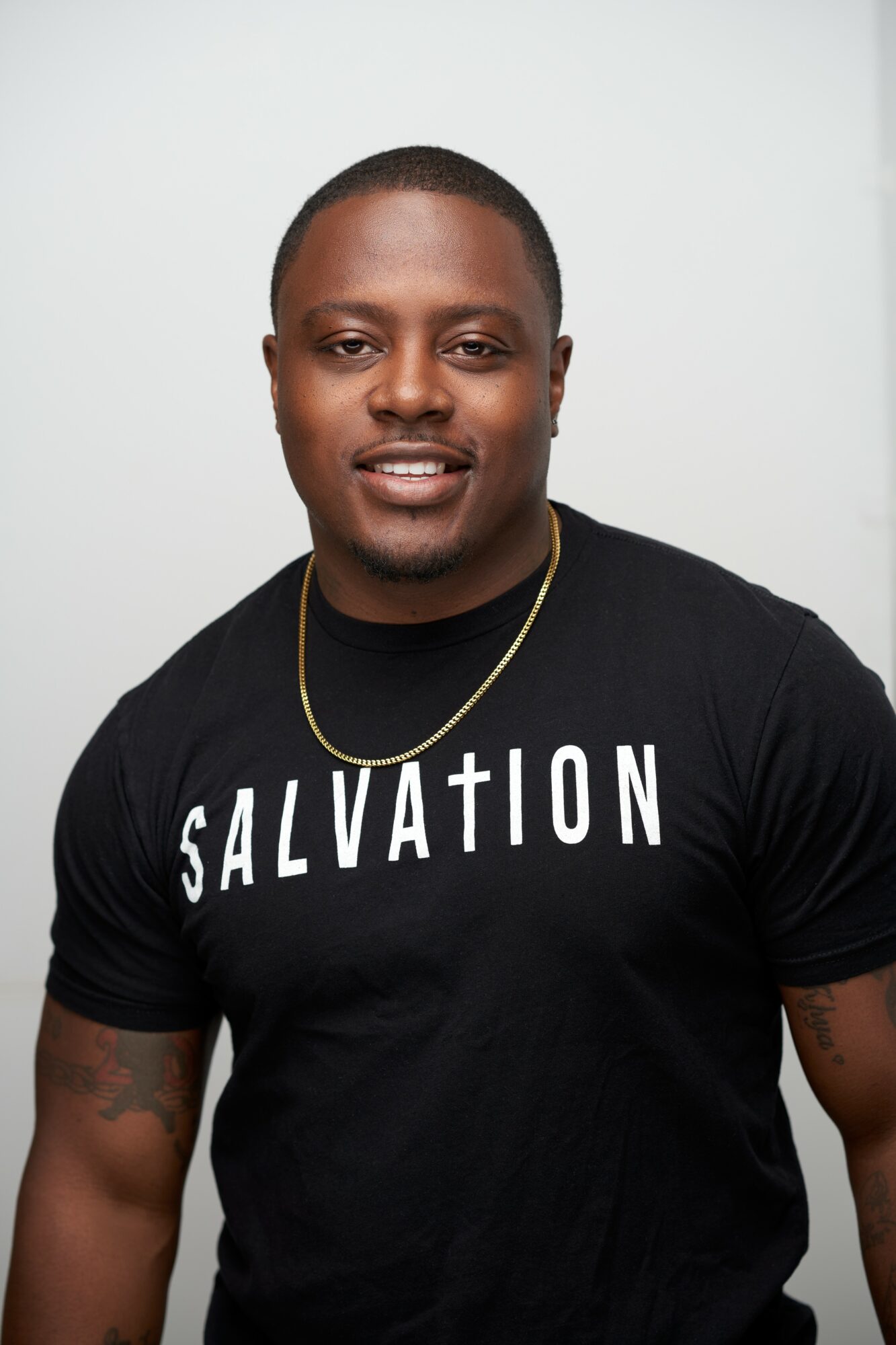
Today we’d like to introduce you to Alphonso Mayo
Hi Alphonso, please kick things off for us with an introduction to yourself and your story.
My Story: From Despair to Determination
I was born in 1987 at the height of the crack epidemic, to a mother battling addiction who abandoned me in a drug house at just six months old. Rescued by an aunt and uncle, I was brought into a home where drugs and violence were woven into the fabric of daily life. My relationship with my father was marked by brutality—relentless beatings and psychological torment. I grew up surrounded by physical abuse, hunger, and the devastating effects of substance abuse on my family.
I am a son of Baltimore, and my story is not unique to me. I know what it means to rely on a free school lunch as your only meal of the day. I understand the terror of being pinned to the ground by a police officer because you “fit the description.” I know firsthand the pain of being abused in every conceivable way—physically, verbally, and emotionally. Like so many boys in my neighborhood, I was labeled with learning and intellectual disabilities, socially promoted through school without earning my grades, and arrived at high school reading at a first-grade level.
Yet, in the face of all that seemed designed to break me, I discovered a fire within. I secretly taught myself to read while tutoring first graders. I pushed through the challenges, graduating in the top 10% of my high school class and earning the immense joy of keeping my promise to my grandmother to become the first in our family to graduate from college. Being an outcast in my community for choosing not to sell drugs or join a gang was a small price to pay for the victories I fought for.
In 2007, after dropping out of college and returning home to be a father, I learned that my grandmother—the woman who believed in me through everything—had been diagnosed with alzheimer’s and cancer. I became her primary caregiver, alongside my cousin India. Every day was a battle, and the emotional toll pushed me into a deep depression. But despite her alzheimer, my grandmother was adamant about one thing: her determination that I return to college. Her last words to me were, “Al, when are you going to go back to school.” I held her hand and promised I would. Through those moments, I began to understand that sometimes God uses our darkest pains to push us toward the promises He has set before us.
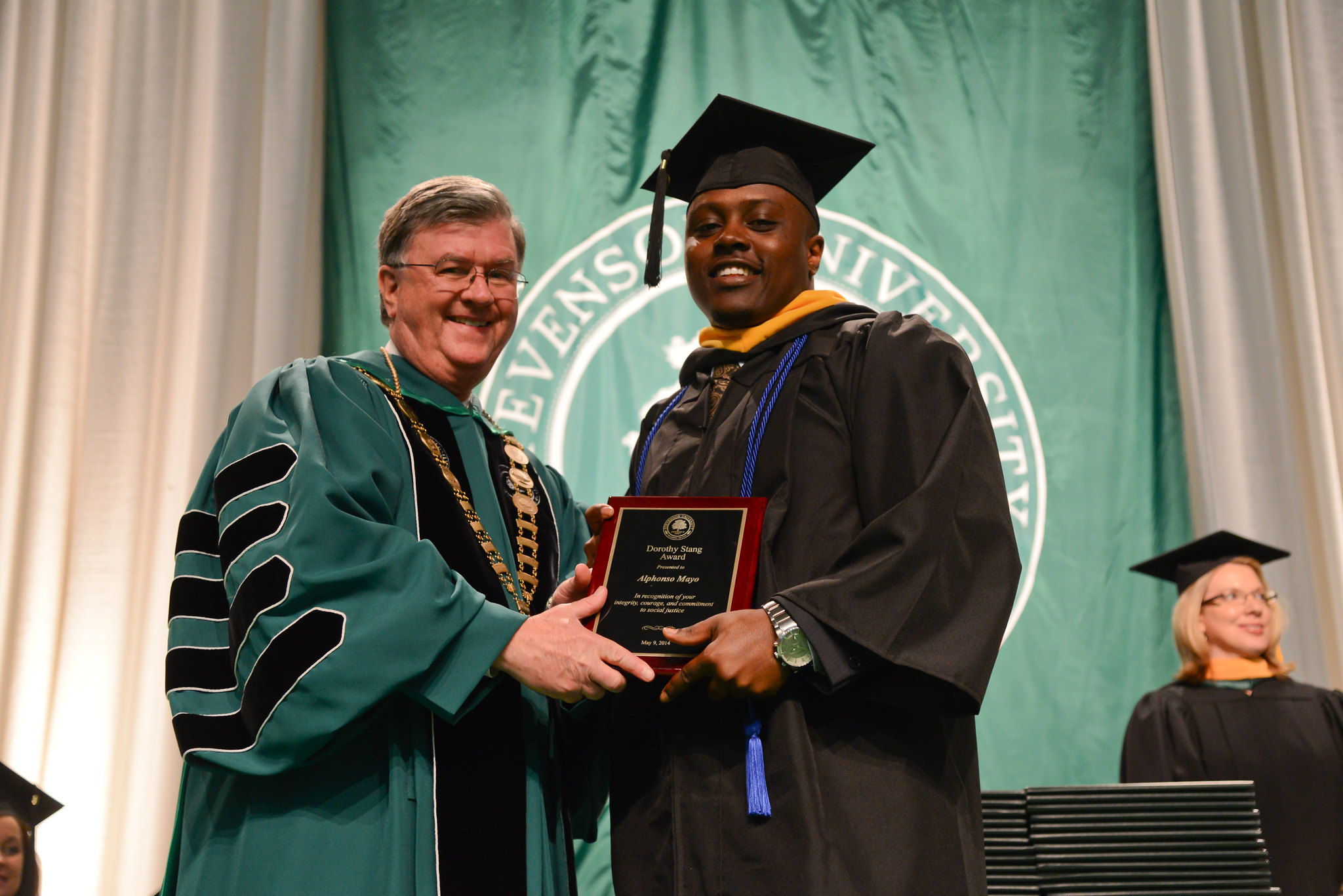
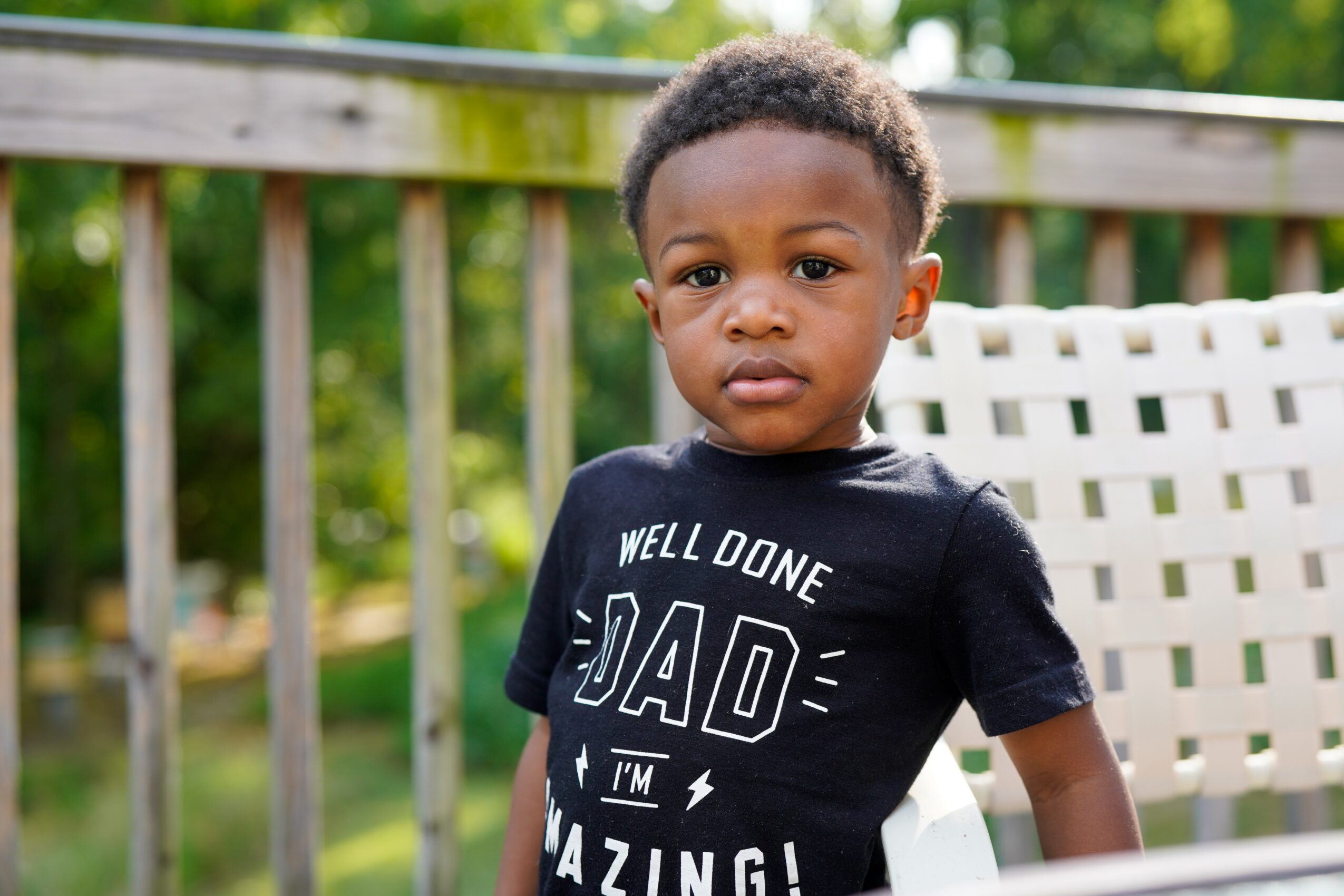
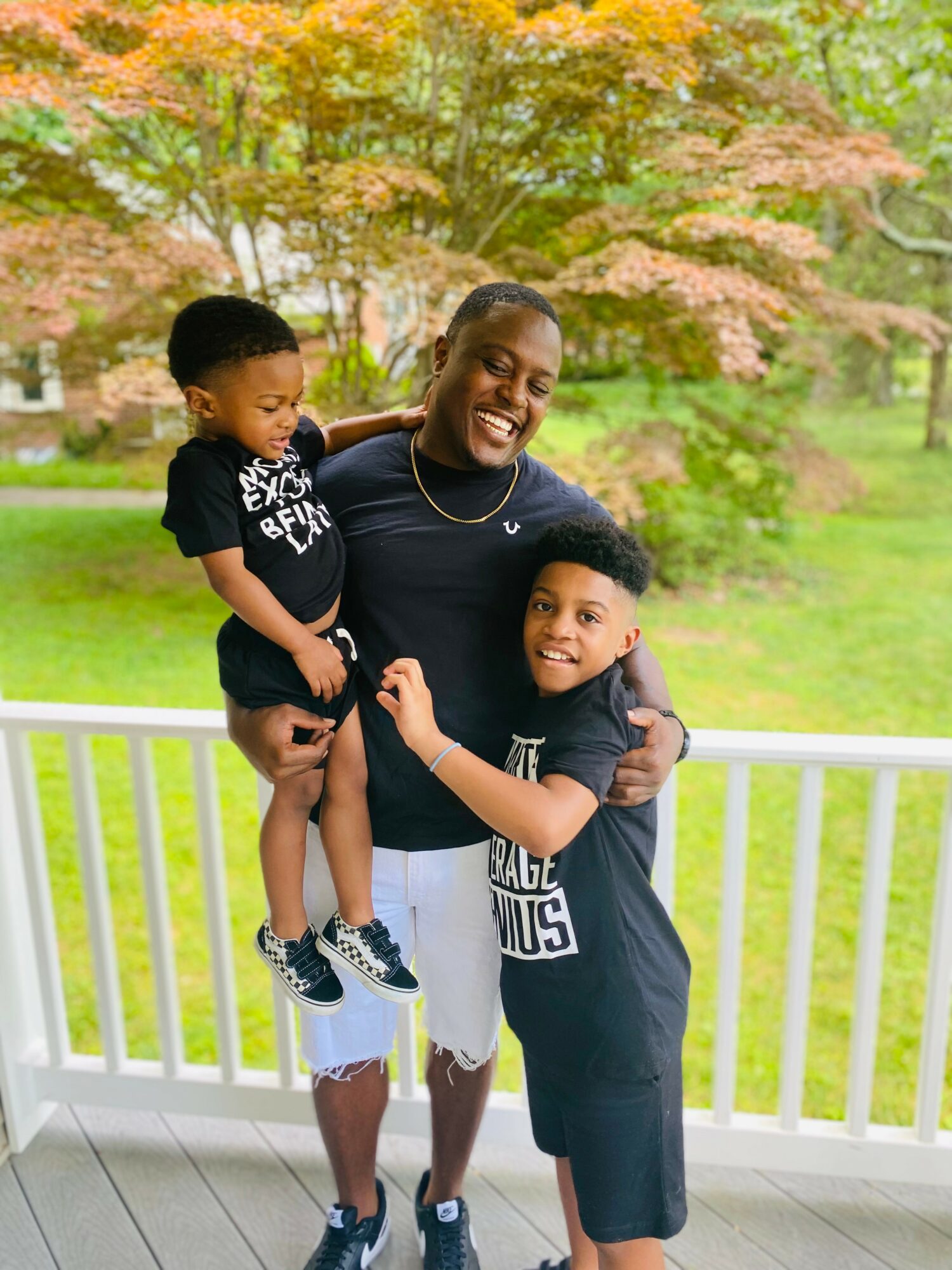
Today, I am a proud father of four, a graduate of both Stevenson University and Johns Hopkins University, and the Founder and Servant Leader of Mentoring Mentors. I wasn’t born into privilege or surrounded by the best support. Diagnosed with a learning disability, I struggled academically for years. Like so many African American boys, my intellectual disability was overlooked because of my athletic talent. But I never became comfortable with not working toward the promise I knew was within me. Even when I didn’t fully understand God—when I didn’t care for God—there was still a quiet voice inside me, guiding me forward.
I believe we all have that voice within us, urging us to rise despite the challenges we face. I know you feel it too—that stirring inside that tells you there’s more for you than your past or present circumstances would suggest.
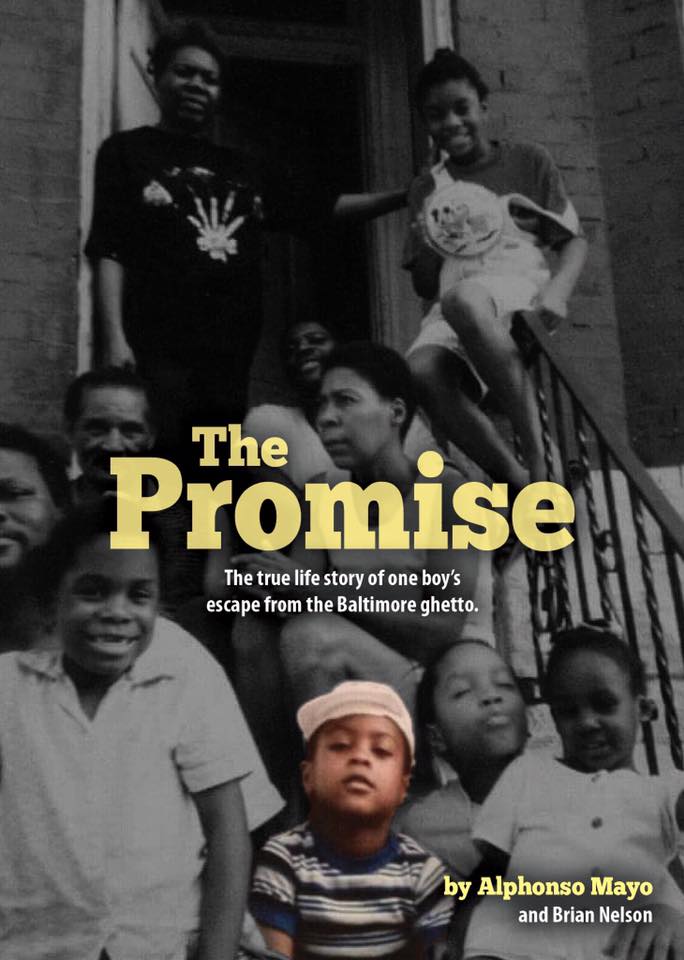
I am also the author of The Promise, an inspiring true story that chronicles my journey from abandonment and abuse to hope and healing. The book offers a blueprint for overcoming the seemingly insurmountable and highlights the importance of nurturing, faith, and love in a young person’s development. It is a testament to what can happen when someone believes in you, but most importantly, when you begin to believe in yourself.
Alright, so let’s dig a little deeper into the story – has it been an easy path overall and if not, what were the challenges you’ve had to overcome?
The Bible doesn’t promise us a life without struggles, and my journey as a leader has certainly not been free of challenges. My decisions are informed not only by my own lived experiences but also by the stories and struggles of the young people we serve, our dedicated team, and our board members. Many of us share a common thread of adversity—moments filled with shame, hopelessness, and feeling inadequate. Yet, out of that pain, we’ve been able to create something meaningful and transformative. These challenges, difficult as they are, have uniquely prepared us for the work we are called to do today.
If I were to map out the timeline of struggles in my life, it would look something like this:
Being abandoned by my mother as a baby
Suffering abuse from my father and family members
Growing up surrounded by crime, drugs, and toxic environments
Being passed through the educational system despite my struggles
Battling crippling self-doubt, low self-esteem, and constant feelings of inadequacy
Feeling left out by my peers because I refused to make destructive choices
Facing judgment for choosing to focus on my studies
Enduring toxic relationships that drained me emotionally
Struggling financially due to a lack of financial literacy
Facing rejection from colleges and universities
Feeling isolated from family and lacking a support system
Facing repeated rejection from foundations and the philanthropic sector as I tried to grow my nonprofit
Each of these struggles was a blow that shaped me, but they also became building blocks for my resilience. I’ve come to accept that struggles will always persist in one form or another. For a long time, I believed that I had to face everything alone. That mindset, born from my childhood experiences, followed me into adulthood—making me feel that I had to operate in isolation because trusting others seemed impossible. It often felt like people were trying to hurt me, take advantage of my ideas, or use me in ways that felt far from what I knew to be godly or authentic.
But over time, I’ve learned that this wasn’t the truth. I now have a group of spiritual brothers who uplift me and help me carry the weight of leadership. My relationship with my children, while challenging at times, is a source of deep love and pride. I have a significant other who supports and loves me. And though my work with young people is fulfilling, it still comes with its own set of trials.
James Baldwin said it best: “Not everything that is faced can be changed, but nothing can be changed until it is faced.” My journey is a testament to that truth. The struggles I’ve faced—both past and present—haven’t disappeared, but I’ve learned to face them head-on. And through that process, I’ve grown not only as a leader but as a human being.
Thanks – so what else should our readers know about MENTORING MENTORS INC?
At Mentoring Mentors Inc. (MMI), we are more than a nonprofit organization—we are a movement dedicated to reshaping the futures of young people through positive peer influence, mentorship, and empathy-driven education. What excites me the most about this work is its deeply personal and transformative nature. Over the years, we’ve significantly impacted countless young people’s lives, but I’m most proud of the intimate work we do that allows youth to see beyond their perceived limits and unlock their fullest potential.
Our mission since our founding in 2014 has been to develop future leaders by providing access to educational and career opportunities, preparing them for college and beyond. This journey officially began when we became a nonprofit in 2015, and it has been deeply rooted in creating grade-A, high-quality programs that meet young people where they are and inspire them to dream bigger than their circumstances.
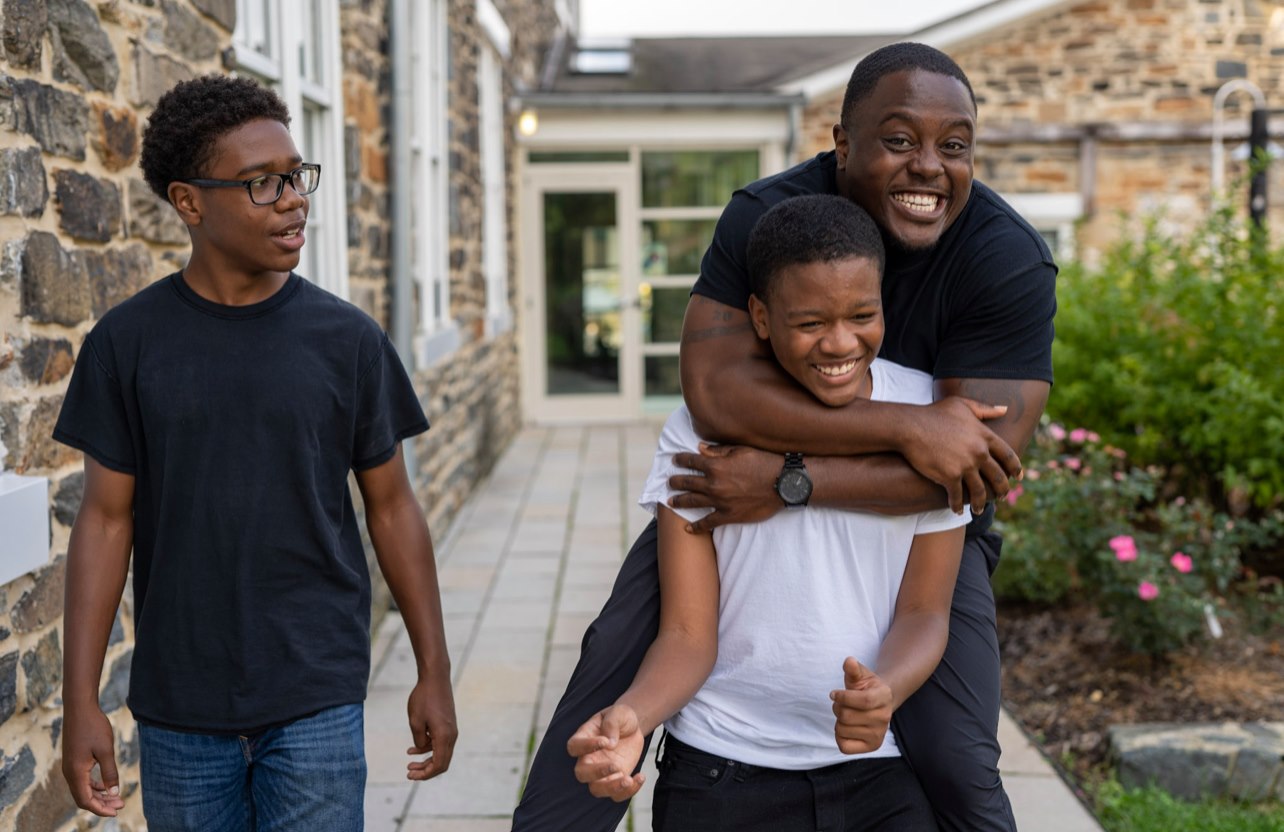
One of our most impactful innovations came in 2018 when we introduced the Intergenerational Near-to-Peer Mentoring Model. This model connects youth with mentors close to their age, building relationships that not only enhance academic success but foster personal growth through shared experiences. The strength of this approach lies in its ability to forge meaningful peer relationships that shape everyday decision-making, guiding young people toward a brighter future.
Since our inception, MMI has touched the lives of over 500 youth through various initiatives such as school presentations, classroom engagements, and partnerships with other mentoring organizations. While we started by focusing on African American high school males, we expanded in 2016 to include 4th graders, with high school students taking leadership roles in after-school programs. By 2018, we shifted our focus to a cohort-based model, mentoring students from 6th through 12th grade for seven years. This long-term commitment allows us to build deep, lasting relationships, ensuring that every young person we serve is given the tools to thrive academically, socially, and emotionally.
However, the heart of our work is deeply personalized. We serve small cohorts to ensure each student receives the tailored guidance and support they need to see themselves beyond their present challenges. This work isn’t just about academic success; it’s about helping young people grow into confident, resilient individuals who believe in their potential. Our limitation in capacity is driven by available funding. Still, my ultimate vision is to expand this model into something larger—a Residential Leadership School that embraces a two-generational approach. This would mean mentoring the youth and partnering with their parents, equipping families with the resources they need to support one another’s growth.
This Two-Generational Program would focus on improving the economic, educational, mental, physical, and emotional stability of families ready to invest in themselves and their children. By offering a Therapeutic Residential Program that creates a nurturing, family-like setting, we can provide youth with the guidance they need while helping parents pursue their own goals—whether that means returning to school, obtaining certifications, securing employment, or engaging in counseling that supports the family unit as a whole.
Additionally, my passion for early childhood education drives another important part of my vision: opening a chain of early childhood education centers where men are central to nurturing and educating our youngest children. Representation matters, and I believe it’s crucial that children see both men and women in roles that promote care, learning, and growth. Our children deserve to be surrounded by educators who reflect the diversity and strength of their communities, and I am committed to ensuring that men have a valued place in this field.
At the end of the day, the work we do at MMI is about more than mentorship or academic support—it’s about creating environments where young people feel seen, heard, and believed in. It’s about inspiring them to break through barriers, chase their dreams, and transform their futures. That’s the legacy I’m most proud of.
We all have a different way of looking at and defining success. How do you define success?
Success, for me, isn’t a one-size-fits-all concept. It takes on different meanings depending on what I’m trying to achieve or accomplish. However, at its core, I define success as the ability to do the little things right—with integrity and to the best of your ability. It’s not about obtaining an outcome or reaching a specific goal, but about committing fully to the process. Success is knowing that, no matter the result, you gave your all. It’s the journey, not the destination, that truly matters.
When you pour your heart and soul into something, and you walk away knowing you acted with honesty, dedication, and integrity—that, to me, is success. Whether you reach the intended result or not, success is about pushing yourself, learning through the process, and becoming better along the way.
Pricing:
- The Promise: https://store.currybrotherspublishing.com/the-promise
Contact Info:
- Website: https://www.Alphonsomayo.me
- Instagram: https://www.instagram.com/20mayo_mayo/
- Facebook: https://www.facebook.com/amayo20
- Youtube: https://www.youtube.com/@Mayo_Speaks
- Other: www.Mentoring-Mentors.org https://www.instagram.com/mentoring_mentors/