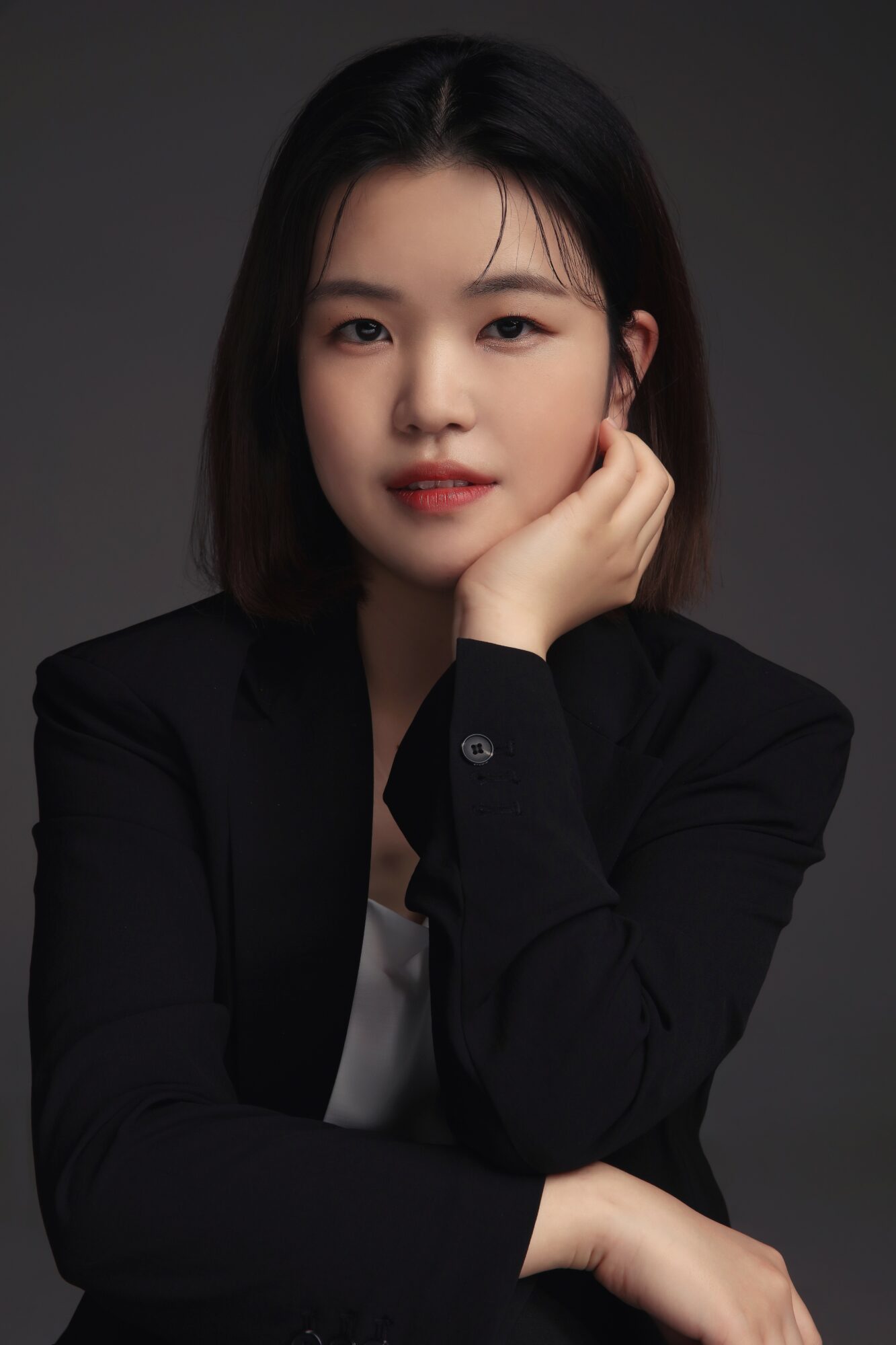
Today we’d like to introduce you to Yoonjung Lee.
Hi Yoonjung, can you start by introducing yourself? We’d love to learn more about how you got to where you are today?
Hi, I was born and raised in South Korea and moved to Baltimore a few years ago to pursue my doctoral studies at the Peabody Institute of the Johns Hopkins University. Being a new music composer is not only my core identity but also my profession. I began studying composition in college and am still studying it now, which means that for the past ten years, I’ve spent most of my time writing music.
At first, I actually wanted to become a film composer. That was the reason I started composing. But during my second year of college, something changed. I went to a concert by my counterpoint professor admired the his perspective and attitude as an educator. I went to the concert without any particular expectations because I didn’t know much about what music he writes. But that night, I experienced eye-opening and shocking moments. It was a piano concerto, which is a contemporary reinterpretation of Mozart’s Twinkle, Twinkle, Little Star. The piece suggests lots of possibilities that how contemporary music can do and it’s unlimited flexibility. That night marked the beginning of my contemporary music writing journey. After that moment, I could stay consistent in writing new music over the decade. I’ve been lucky to receive commissions, awards, and performance opportunities, and I’ve been able to bring many of my works to the stage. It has been an exciting journey.
But along the way, I’ve also taken small detours. I’ve sometimes tried conducting, making video contents, or organizing concerts, and started interdisciplinary projects to meet artists outside my usual world. That’s how **Synesthesia Spectrum** started. On a winter day when one of my pieces was being performed in New York, I was on my way to the city after class. At Baltimore Penn Station, I met a professor of criticism from Maryland Institute College of Art. We were both Korean and both living in the U.S., so we quickly found a connection. We talked for two and a half hours on the train constantly about new possibilities we can make. And we ended up starting a collaboration show with artists from MICA and composers from Peabody Institute. That conversation became the starting point of a project. In 2023, we held our first gallery show in Mount Vernon at nomu nomu, with 6 composers, 6 atists, and 6 performers. Our second show took place in 2024 at Area 405, involving 30 artists. Now we are preparing the 2025 show. Composers and artists have already begun discussions. I’m excited to see how it will be shaped.
Another part of my identity is being an educator. I’ve spent a lot of time teaching composition and music theory. I currently work as a graduate assistant at Peabody and Johns Hopkins University, where I’ve met and taught many students. Through these experiences, I’ve started to build my own foundation as a teacher. For me, composing and teaching are not separate paths. Sometimes they run side by side. Sometimes they cross. But together, they keep opening up new possibilities in front of me.
Alright, so let’s dig a little deeper into the story – has it been an easy path overall and if not, what were the challenges you’ve had to overcome?
One of the biggest challenges, at least on the surface, was moving to Baltimore. It was my first time living in another country. I had to adjust to a new language, a new culture, and a totally different rhythm of life. It wasn’t easy but these experiences opened up possibilities I wouldn’t have imagined. I could met people who encouraged me, who stood by me, and that made me also a big difference.
The harder part, though, was probably more internal. Things like fear. Impatience. And anxiety. That kind of foggy hopelessness that just sits on me sometimes. And it’s usually worst when I can’t see what’s ahead. Not knowing what comes next, not having a clear “next step.” That’s what makes me spiral the most.
This work also brings a kind of impatience. It’s not a system where I work today and get paid tomorrow. Just because I finish a piece doesn’t mean someone will buy it or perform it. The classical world, especially the new music scene, is a very niche market. Sometimes it feels like everyone in it is an expert, which sounds impressive, but it also means there are not many actual listeners. In a way, the people who provide the work are also the ones consuming it. And stable jobs in this field are rare. So when I see my peers doing well, I sometimes feel this impatience. It’s not exactly jealousy. It’s more like pressure. I try to let it pass, and usually I do, but it still lingers in the background. I’m still learning how to hold myself steady in that kind of space.
And fear, that stays with me too. I hesitate a lot when I don’t know what I’m stepping into. When a project feels too big or like I am not ready for it, I freeze. But I try to remember something someone once told me. They said the way to climb a huge mountain is to move slowly, step by step. That thought has stayed with me. I am learning that I can keep moving even with fear beside me. And when I look back, I often realize the fear is already gone and I have crossed the mountain without even noticing.
As you know, we’re big fans of you and your work. For our readers who might not be as familiar what can you tell them about what you do?
As a composer working in contemporary concert music, my writing is rooted in traditional musical language, but I like to stretch, shift, or loosen its balance. I used to adopt traditional composition techniques like counterpoint or variation, but I like to bend them slightly, loosen their structure, and explore where tension or flexibility can live inside something familiar.
Lately, the most important ideas are about my ordinary life. Most of what we experience is mundane life as simple and repetitive, but we tend to forget that and remember only the extraordinary. I’m more interested in the flat, stable ground that holds us up. The steady moments that don’t shine, but still stay with us. In my music, I try to hold space for those kinds of images.
One of my recent pieces, ‘*a floating, surfaced*,’ began with a memory of night fishing with my father. I wanted to write about the stillness of the sea and the way emotions rise and sink without much noise. In ‘*e molto brillante*,’ I started from a very small image that the light of a streetlamp reflected in the window one evening as I lay down to rest. And in ‘*fallen, bloomings are…*,’ I was drawn to the last days of spring, when the flowers are beginning to fall but still linger. I was interested in that in-between feeling like something ending, but not completely gone.
I didn’t always think about national identity in my work. When I was living in Korea, most people around me shared similar backgrounds. However, since moving to the U.S., things shifted. I realized that my Korean identity is a significant part of how I experience the world. ‘*Jay-en-di!’* was inspired by a childhood chant I used to sing while flipping our hands to make teams. ‘*Ja-wool Ja-wool’* is a lullaby that my mother used to hum before I fell asleep. I didn’t try to state my identity but tried to write what feels like mine. For me, music is a way of holding on to moments. Not the loud or impressive ones, but the ones that return quietly, again and again. The kind that stay long after they’ve passed. That’s what I try to write.
How do you define success?
For me, success means consistently creating the music I want to make. I can’t deny that a financial foundation is an important part of that. So having stable support, not losing the desire or energy to tell my stories, and continuing my artistic pursuits all feel essential. Also, I hope to keep writing music that hold the moments I want to hold on. If my music resonates with someone, that would be the greatest success I could ask for.
Contact Info:
- Website: https://yoonjunglee.com
- Instagram: https://instagram.com/119yoon
- Youtube: https://youtube.com/@composing_yoonjung
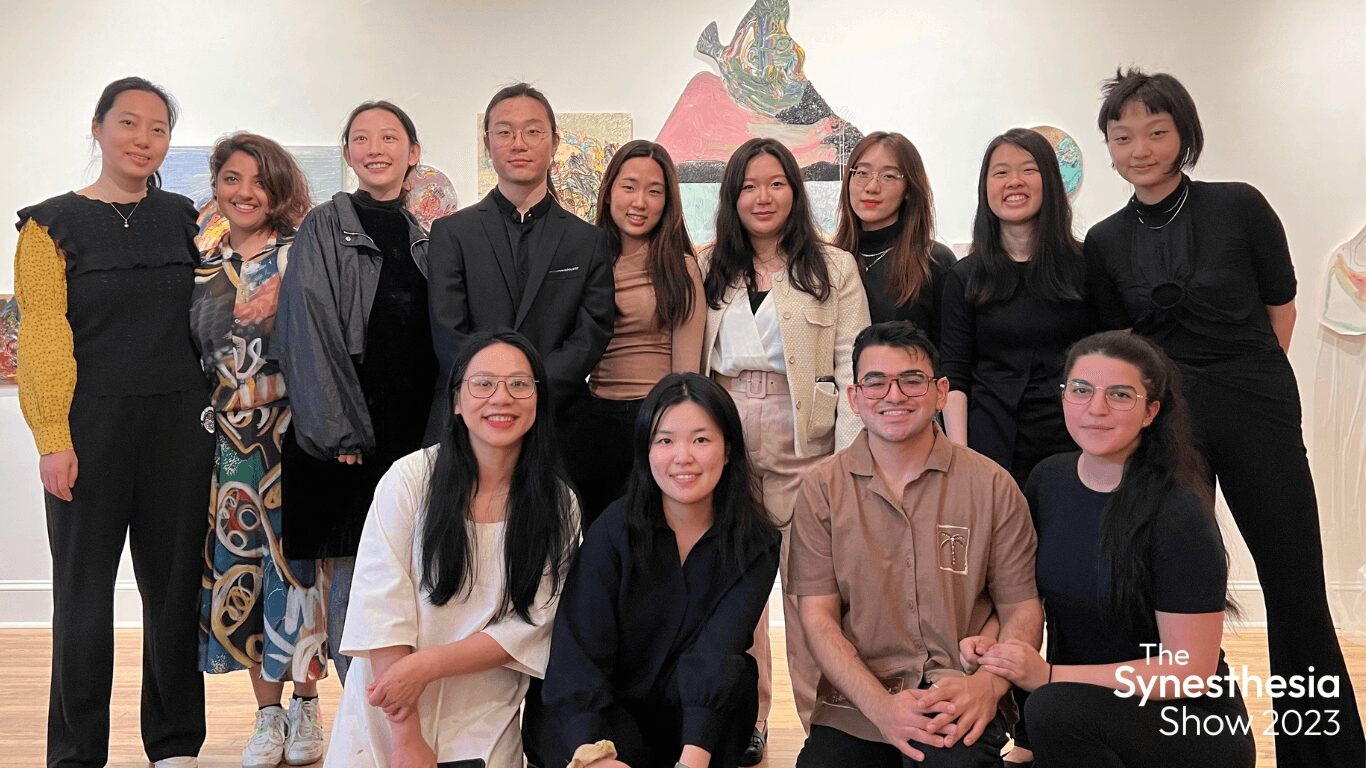
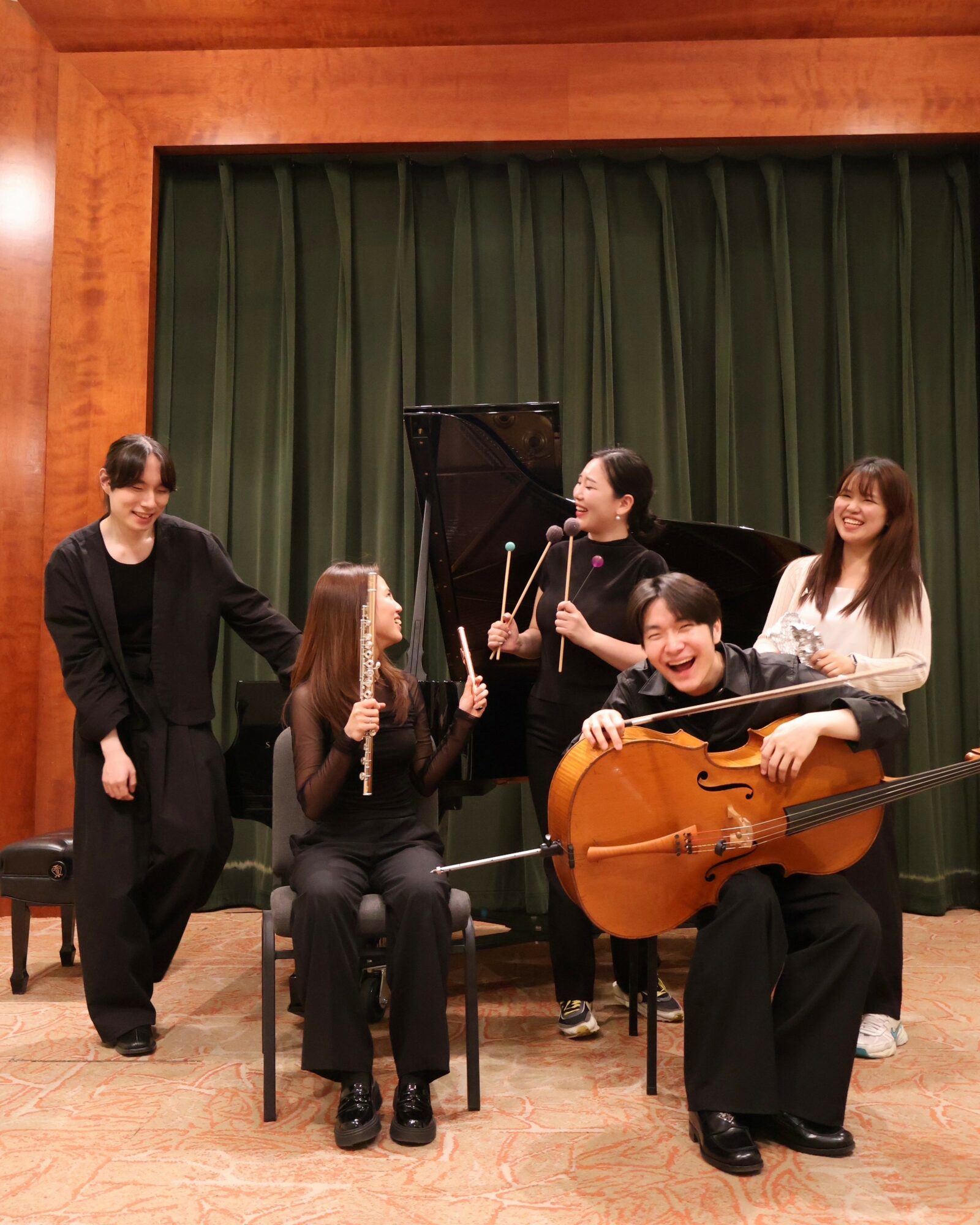
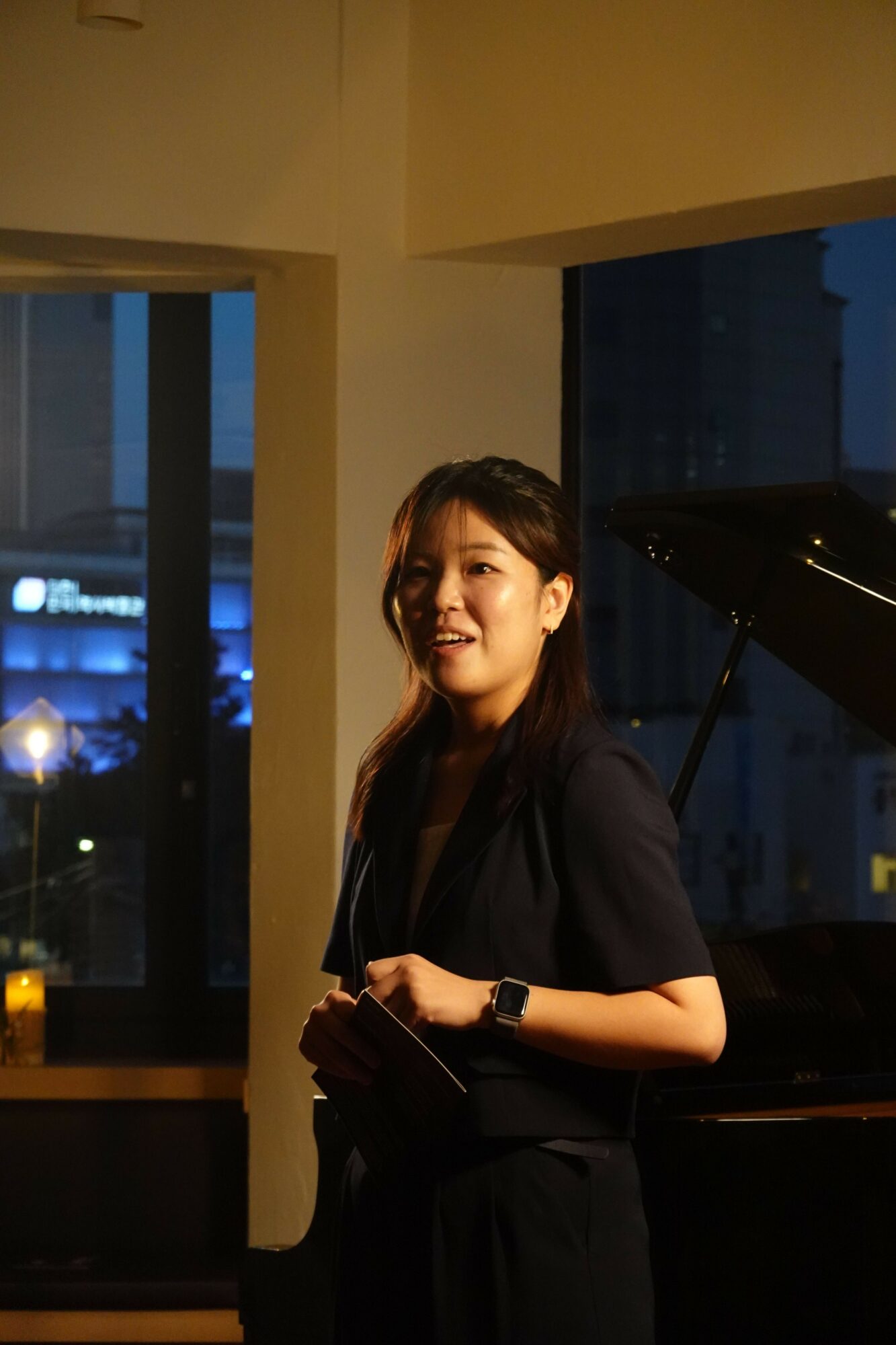
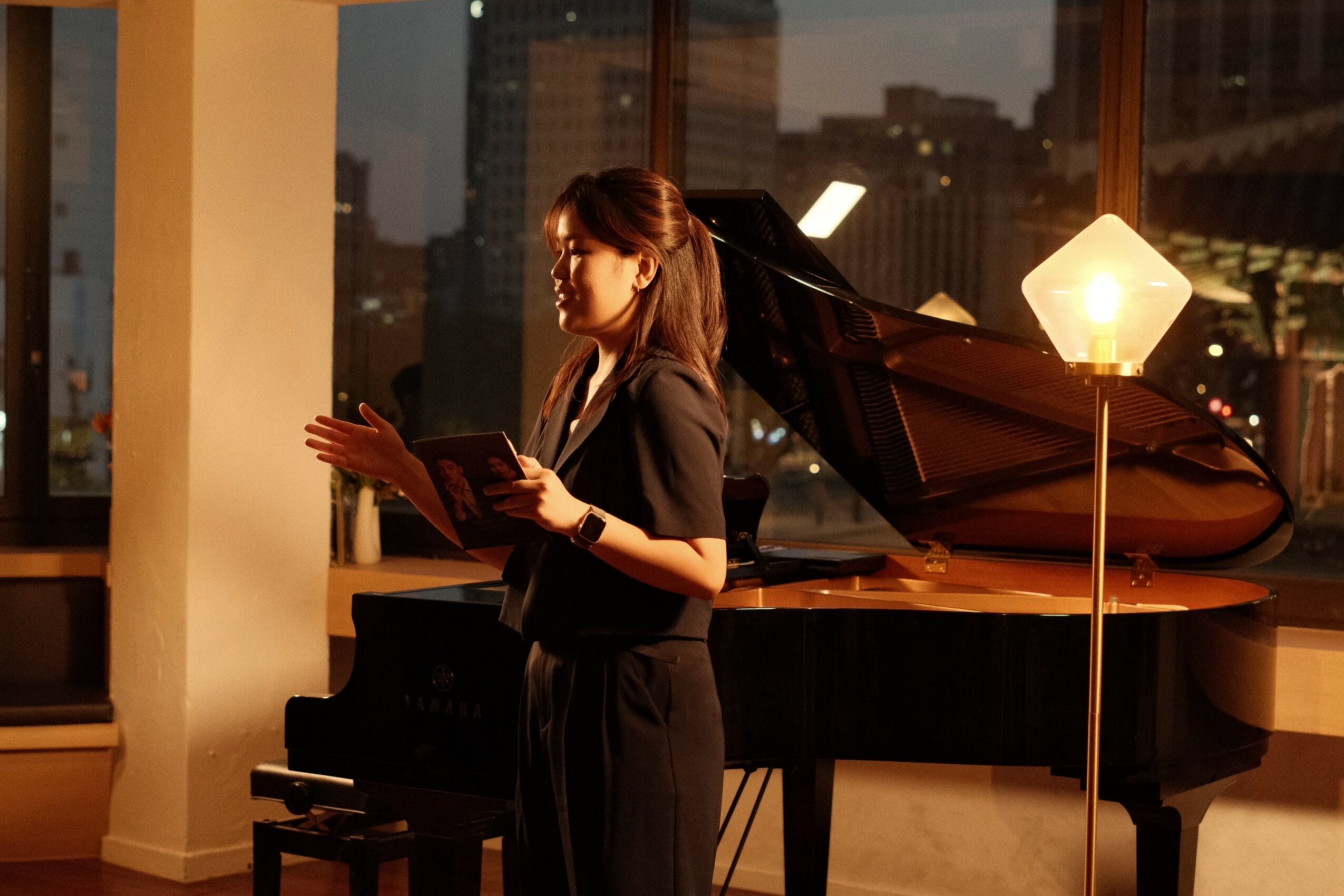
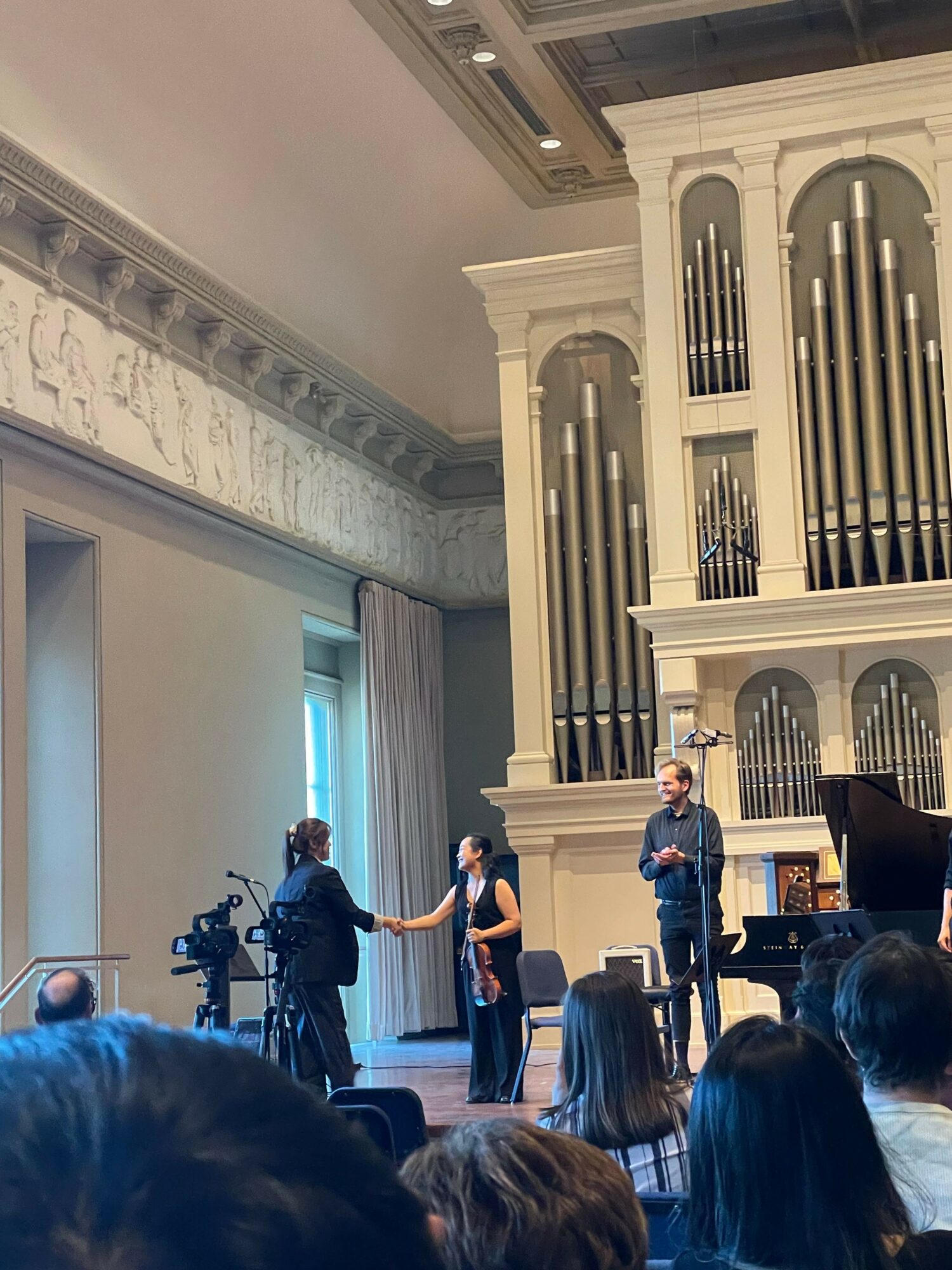
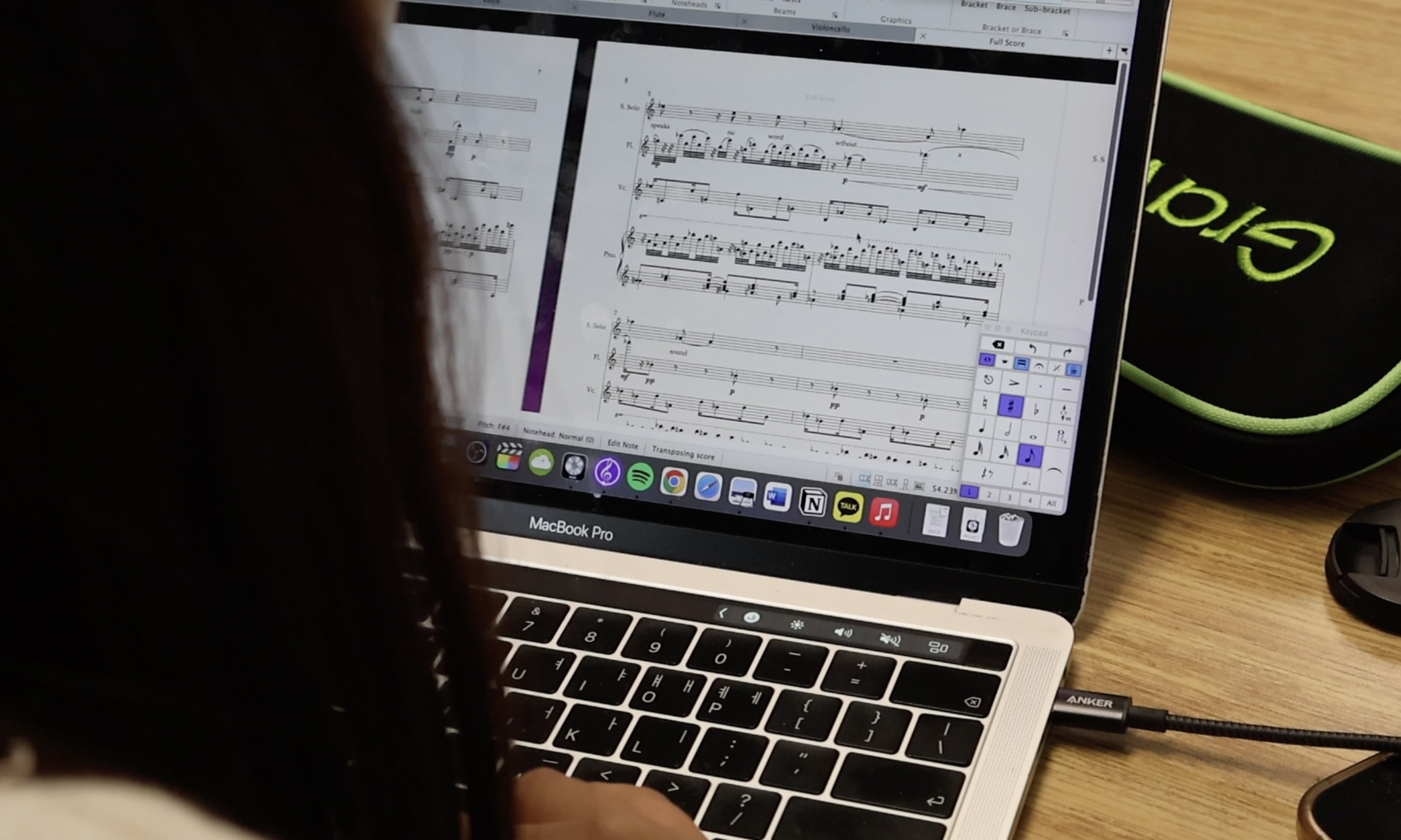
Image Credits
Nayeon Jin