Today we’d like to introduce you to Robert Cook.
Hi Robert, please kick things off for us with an introduction to yourself and your story.
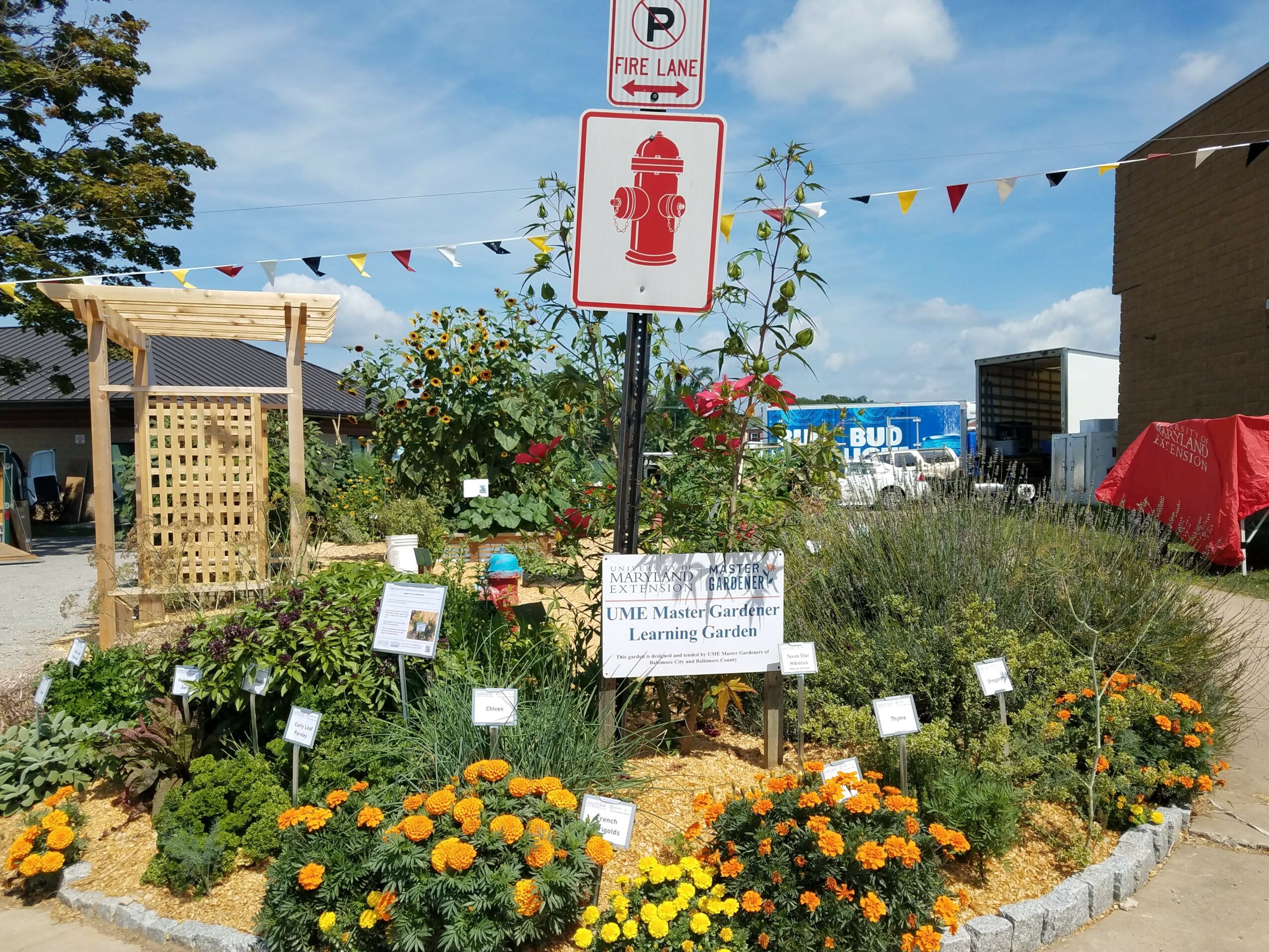
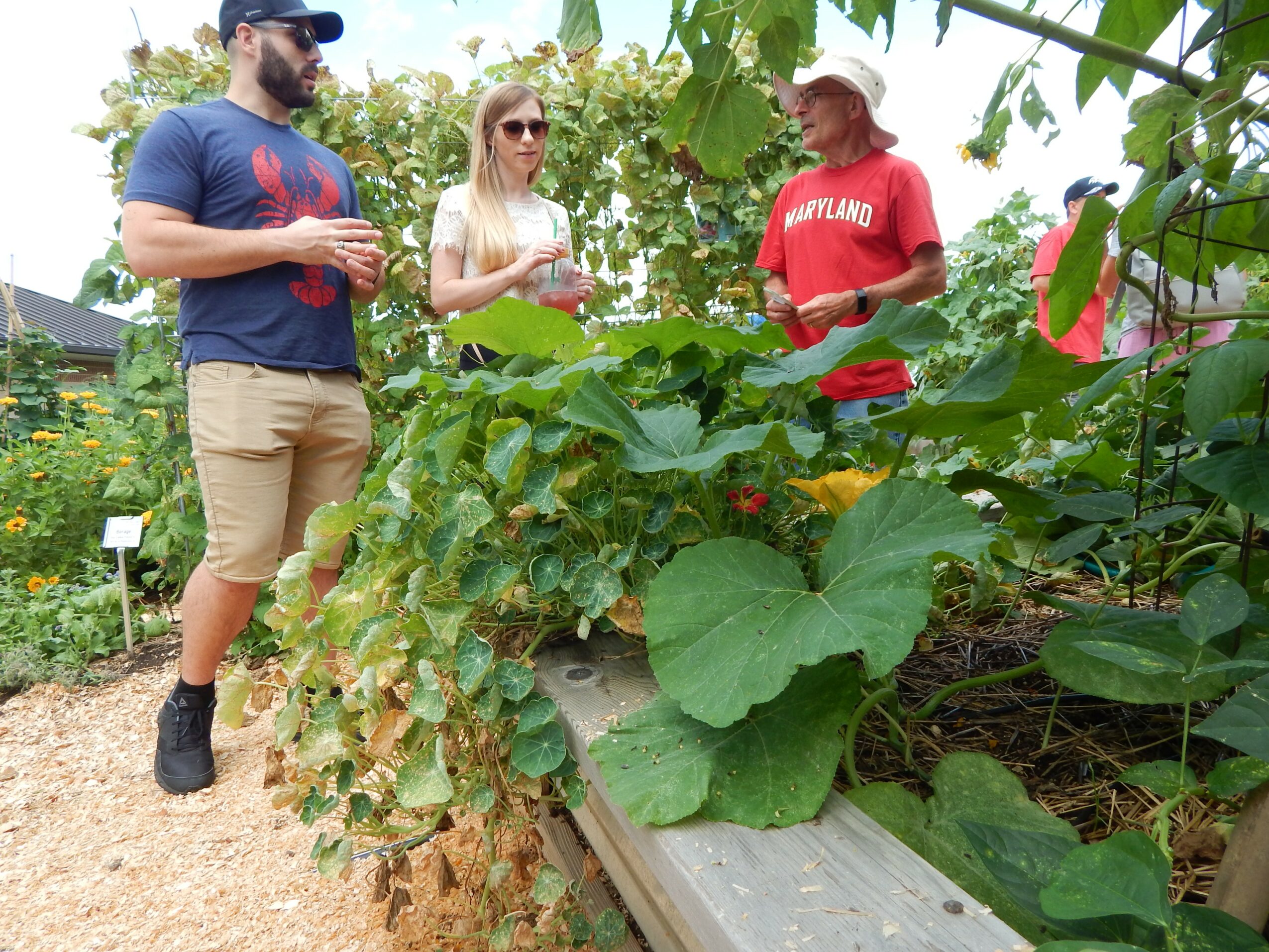
For the past 11 years, I’ve been helping lead the Master Gardens at The Learning Garden at the Maryland State Fairgrounds. The garden was started in 2012 by the Baltimore City Master Gardeners at the request of the Maryland State Fairgrounds. Four years after I started helping at the garden, the University of Maryland Extension asked the Baltimore City and County Master Gardeners to redevelop the garden and choose a theme. We came up with “The Learning Garden.”
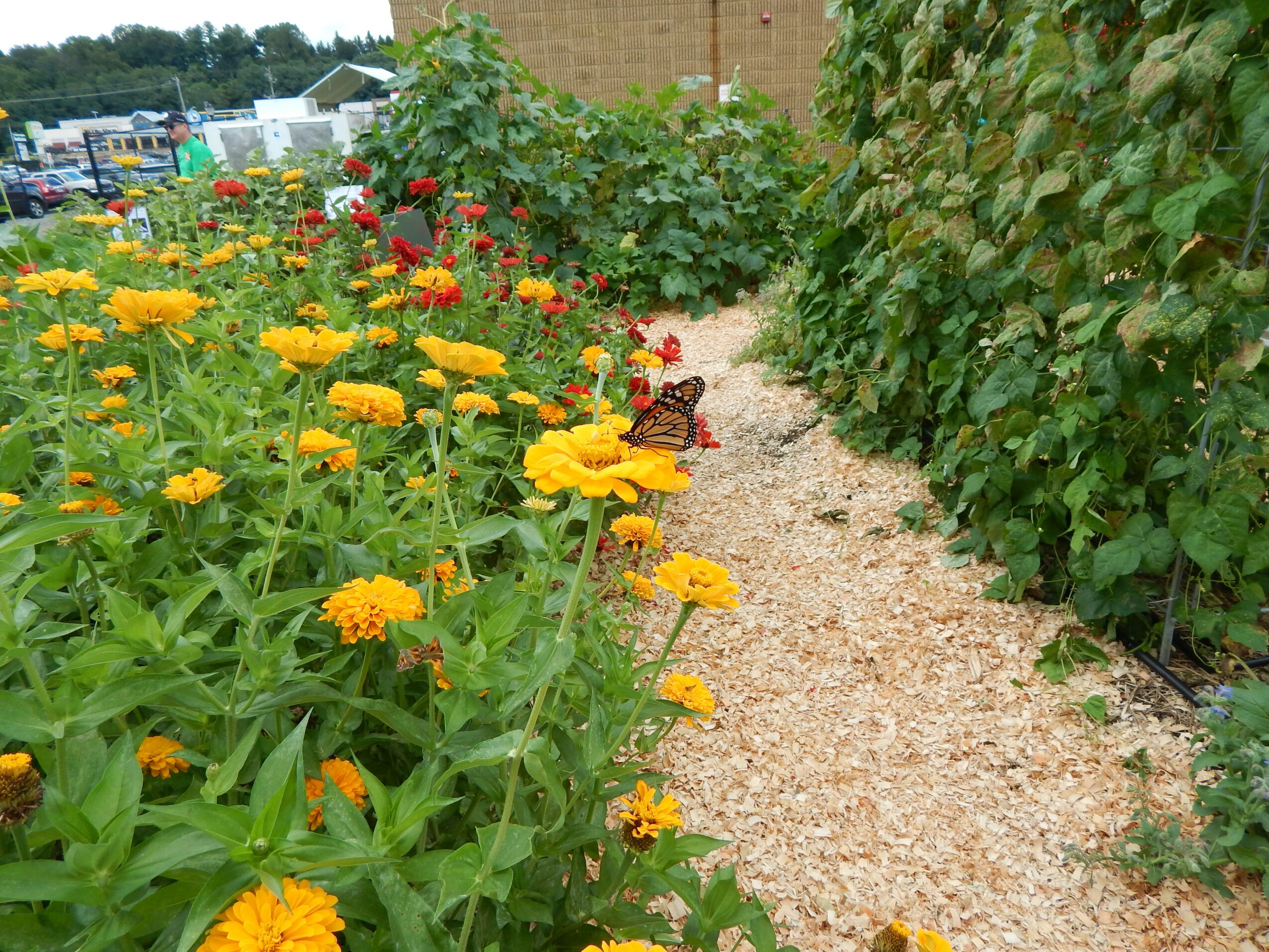
Elaborate raised beds were designed and installed. Each year a committee of Master Gardeners develops plantings that teach gardeners new ways to succeed in their home gardens. We focus on different techniques, such as growing vertically or using different materials to build raised beds, to growing new cultivars and old favorites.
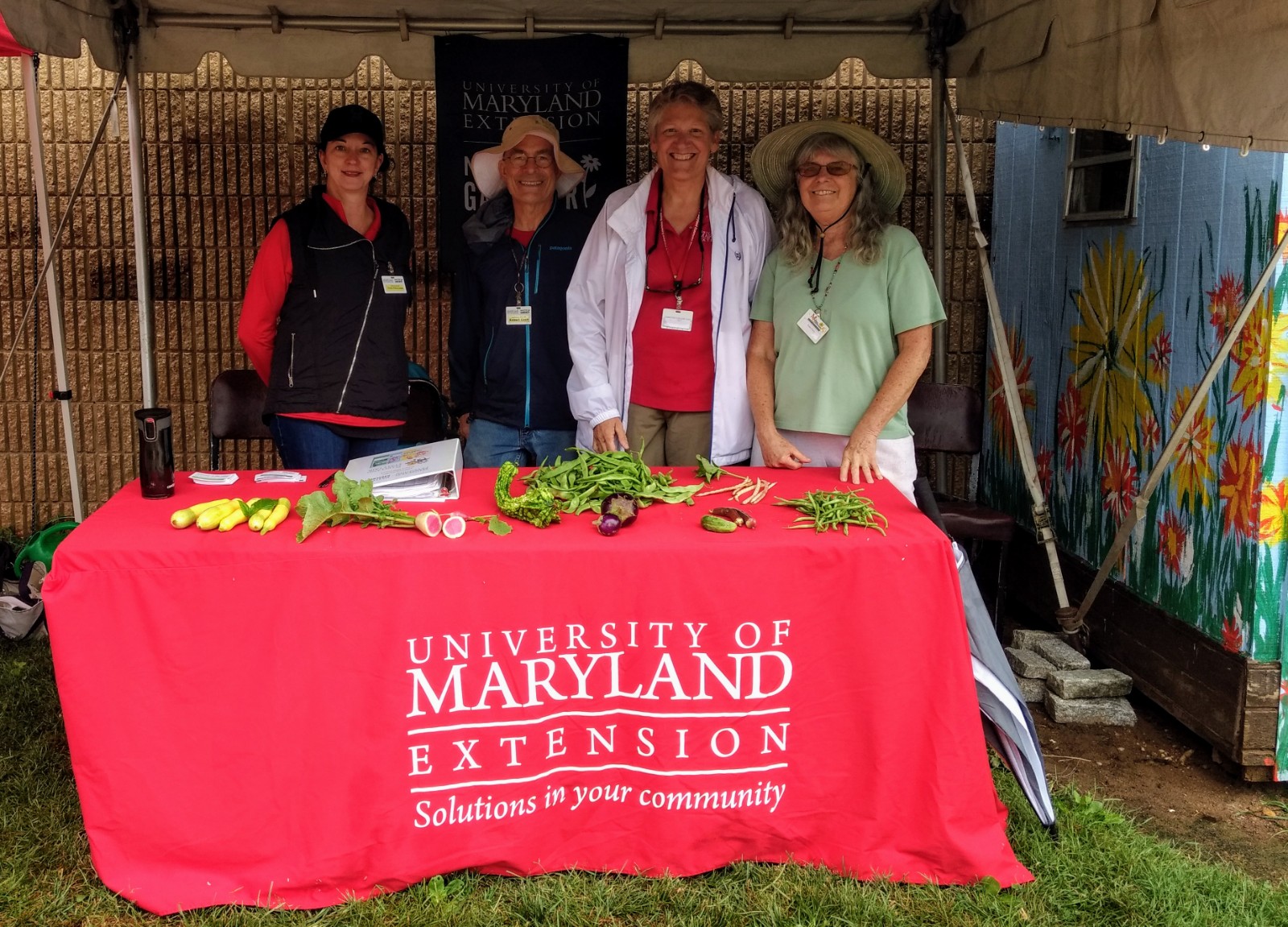
During the State Fair, Master Gardeners from around the start act as docents to discuss gardening with State Fair visitors. Each year we engage with over 3,500 visitors during the fair.
Alright, so let’s dig a little deeper into the story – has it been an easy path overall and if not, what were the challenges you’ve had to overcome?
The primary issue we face each year is designing a garden that will look good during the State Fair, which begins at the end of August and runs through the first week and half of September. This is the time when most of our home gardens start to whither away. We have found success, however, in planting crops later than normal and looking for cultivars that survive well in our late summer heat.
Can you tell our readers more about what you do and what you think sets you apart from others?
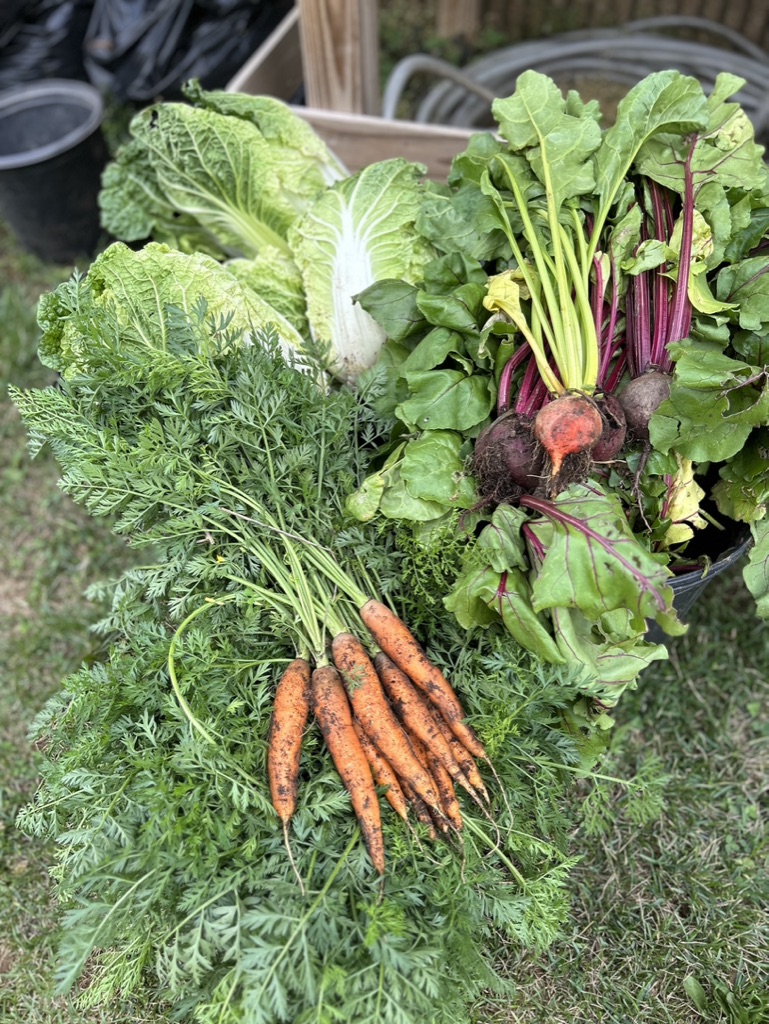
Master Gardeners are part of the outreach effort of the University of Maryland Extension. Our task is to assist home and community gardeners from all over the state succeed by the application of science-based gardening techniques. Each Master Gardener applicant first attends at least 40 hours of training provided by a variety of horticultural specialists, educators and other professionals. Then they must complete 40 hours of volunteer work. Once an applicant becomes a Master Gardener, they must take 10 hours of continuing education each year and perform 20 hours of volunteer service. Master Gardeners can specialize. Some will work with native plants and pollinator gardens, some are experts on composting and lawn care. My first love is vegetable gardening, and the Master Gardener program gives my ample opportunity to pursue my passion.
Can you talk to us a bit about happiness and what makes you happy?
Working with other gardening enthusiasts is the greatest joy of being a Master Gardener. Whether its learning from other experienced Master Gardeners, or talking with Fair visitors that are interested in starting their first home garden.
Contact Info: