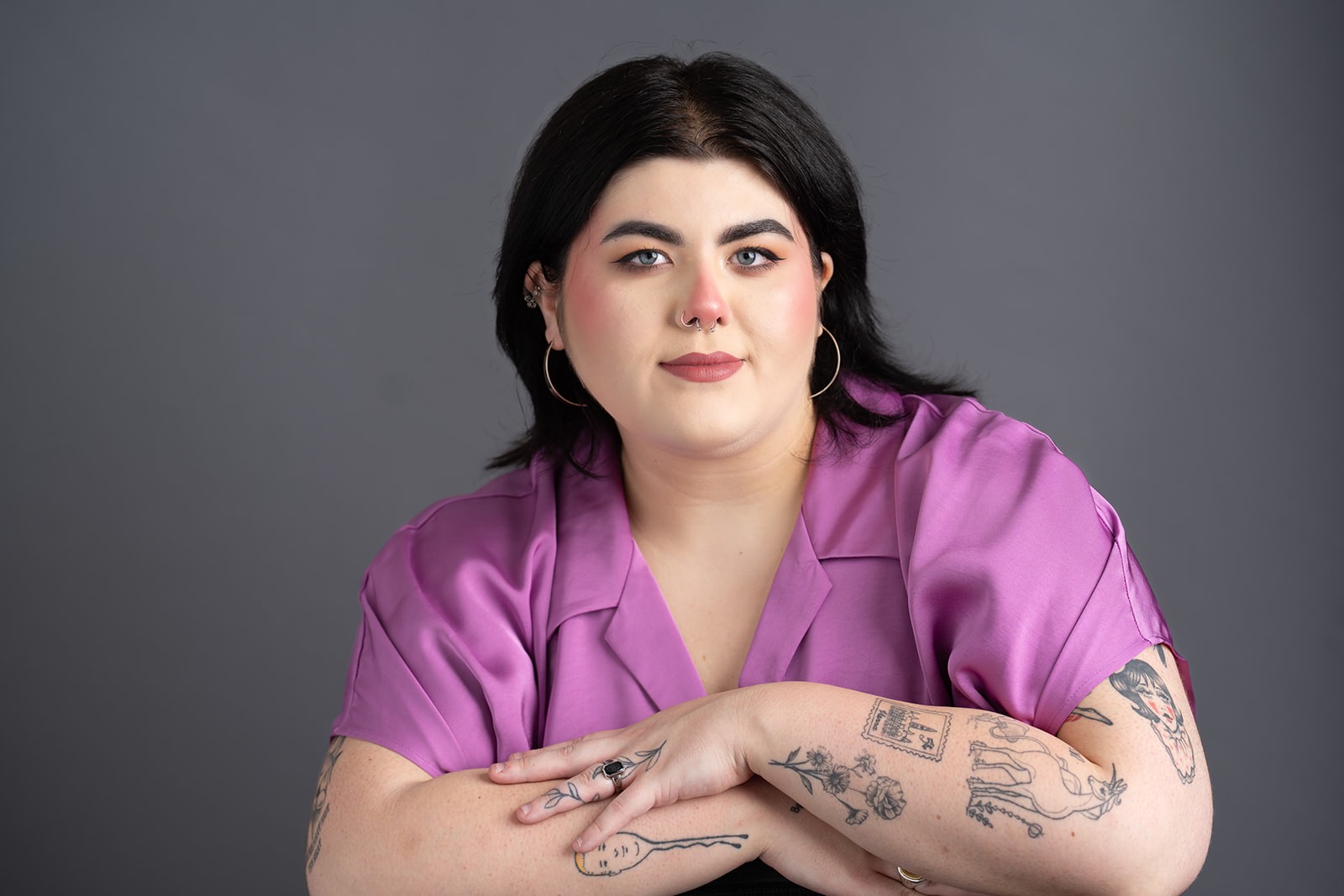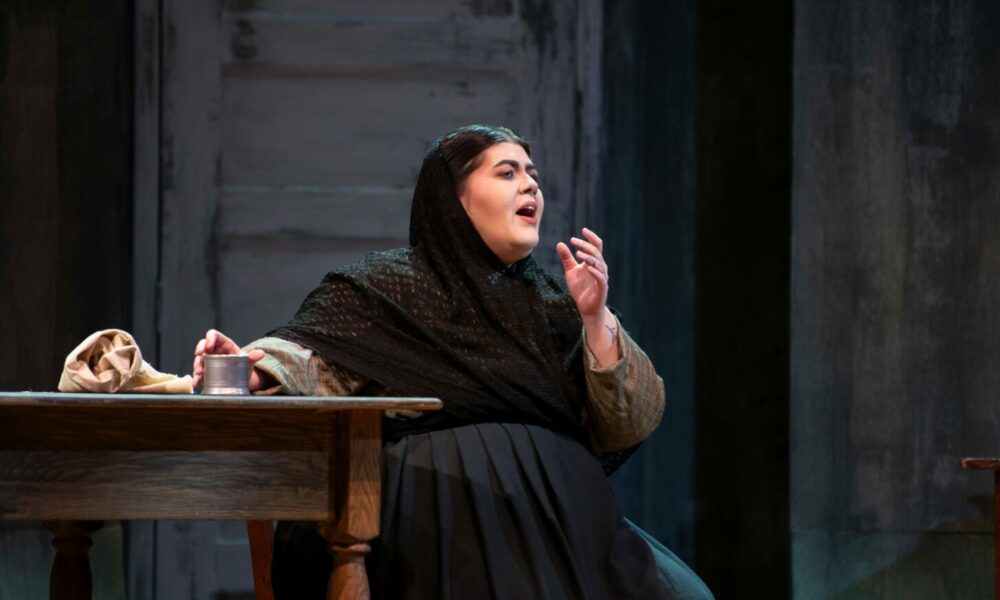
Today, we’d like to introduce you to McKey Monroe.
Hi McKey, so excited to have you with us today. What can you tell us about your story?
I’m originally from a small town in South Carolina, and I got my start in music by joining a middle school band on saxophone. My real passion for music was always singing, but the schools that I went to didn’t have theatre programs or choirs until I auditioned for and was accepted into the South Carolina Governor’s School for the Arts and Humanities, where I was exposed to musical theatre and opera for the first time. After graduating from there, I attended Converse University for a Bachelor’s in Vocal Performance, where I honed my passion and creativity with singing, specifically in opera.
I moved to Baltimore in August of 2022 to pursue my Master’s in Vocal Performance and Pedagogy at the Peabody Institute of Johns Hopkins University. Since being here, I’ve been able to find new passions within music and find entrepreneurial ways to form my brand, as well as create new and exciting things with other musicians. My biggest mission is to bring more opportunities for femme-bodied and femme-voiced individuals in opera today. I’ve had the amazing opportunity to work with current composers to create new works without constraints on gender or voice type, and it’s been an incredible experience that I hope to continue in the future.
Can you talk to us about the challenges and lessons you’ve learned? Looking back, would you say it’s been easy or smooth in retrospect?
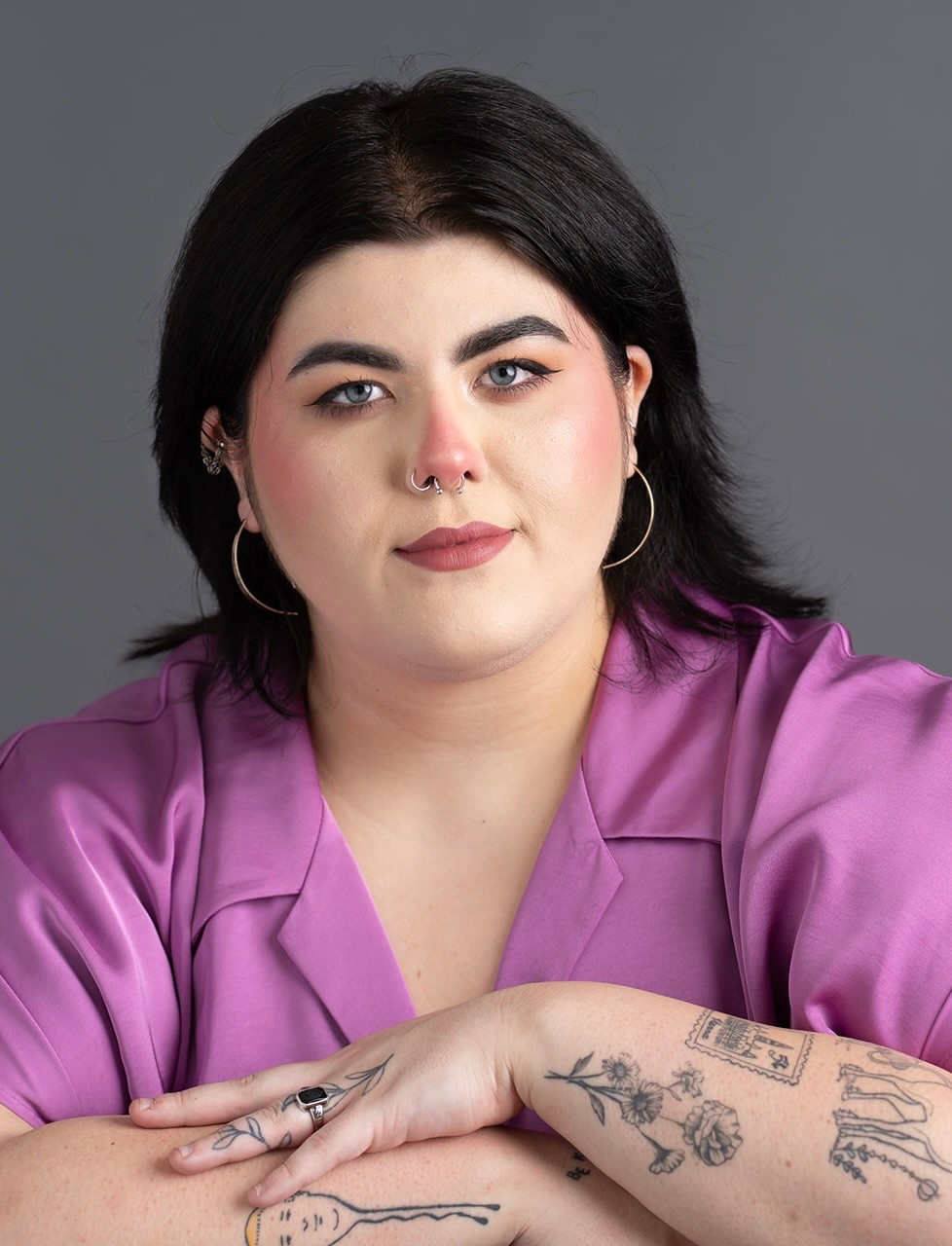
The road has had its potholes along the way. I’m not what people would consider “typical” opera singer, with my tattoos and piercings and how I present myself in society.
Another issue is that I’m a plus-sized person in America, and that’s always presented struggles. I’ve had experiences in the past with directors making extremely disrespectful and unprofessional comments about my weight and the way that I look, but I have always been of the mindset that respect is earned and if you don’t earn it I don’t have to put up with it.
Covid was also a huge obstacle when it came along because no one knew what the future was going to be for opera or performers in general. Singers were labeled (accurately so) “super spreaders,” and we weren’t sure if the situation at hand was going to completely wipe out opportunities for us. A lot of people I knew in this industry gave up and found new paths for themselves, but there was something so heartbreaking to me about giving away all of the work and time that I had put into this.
I’m really grateful for that time of uncertainty, however, because I think it really made me consider making opportunities for myself and finding ways to continue doing what I loved without risking the health or well-being of others.
As you know, we’re big fans of you and your work. For our readers who might not be as familiar with what you do, what can you tell them about what you do?
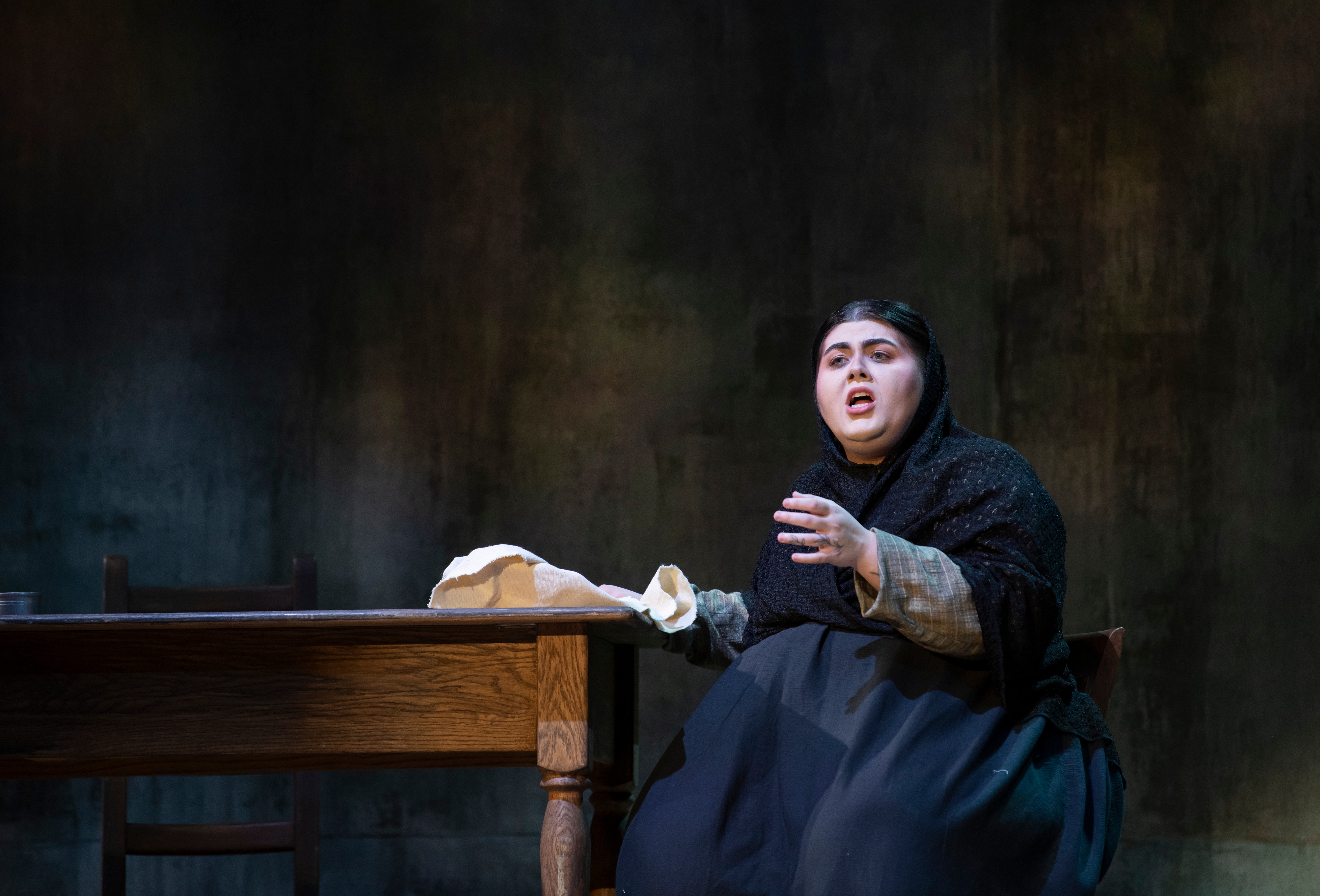
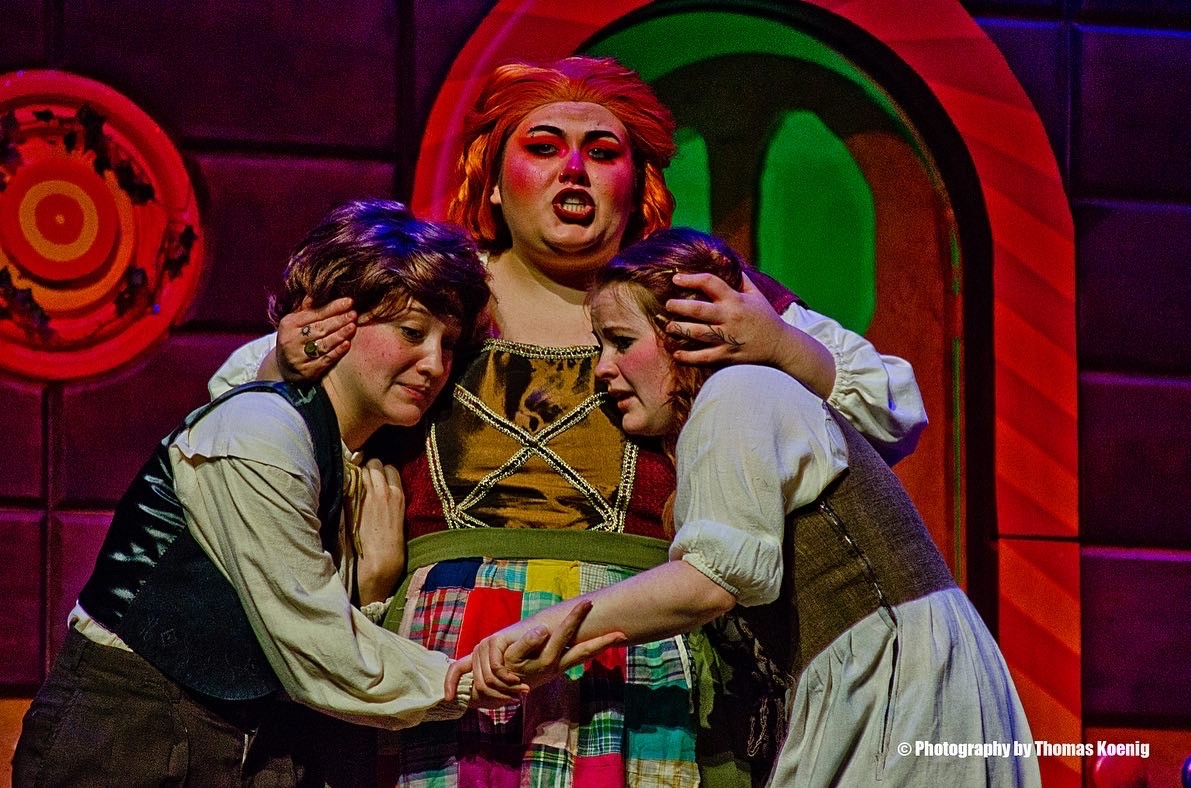
For work, I’m a classically trained singer, and I specialize in opera and musical theatre! I guess I’m definitely most known for doing sad roles and funny musical theatre amongst my peers in the community. I’m most proud of the work I’ve been attempting to do in the community. Most recently, a friend of mine organized a performance in a DC correctional facility with the DC DOC and asked for me to be a part of that, and I was so thrilled to do it.
One of my biggest goals in my career is to bring music to the less fortunate. It was such an incredible experience to see how excited they all were to have some semblance of normalcy. That performance was definitely one of the most meaningful in my career thus far, and I hope to continue my work with them and expand further in the future. As far as what sets me apart from others goes, my vocal range is definitely a huge one for that. I’ve been labeling myself a contralto for the last few years, and that’s one of the rarest vocal types, but I also do a bit of everything as well. I don’t necessarily want to just show one part of my voice when I do performances or pick out repertoire.
I enjoy doing things that feel like they encompass all of me. Along with that, I’m non-binary and queer in the opera world. There are a lot more of us (NB, queer opera singers) in the world than people may think, but we’re still a minority in the community. Something that I’d love to see more of in opera is gender-bending and allowing anyone with the range to go out for a role regardless of their presentation or assigned sex.
So, how can our readers or others connect or collaborate with you before we go? How can they support you?
I am all about collaboration and meeting new, like-minded people to work with!
My website, mckeymonroe.com, is a great place to find my contact information, see my work, and learn about the things I have coming up. I would love to find new collaborators and be able to work with more people on any projects that come our way!
Contact Info:
- Website: mckeymonroe.com
- Instagram: https://www.instagram.com/mckeymonroe/