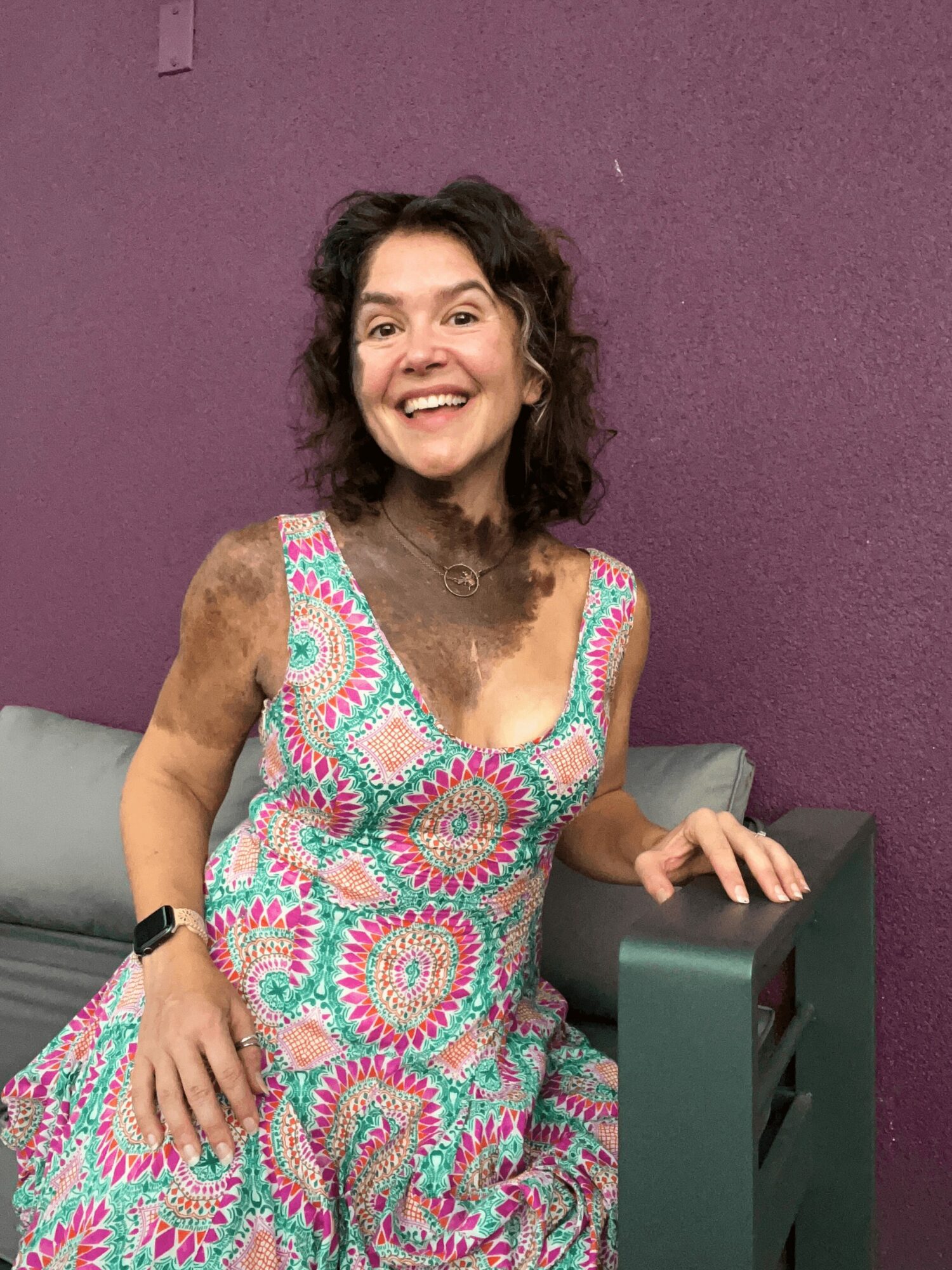
 Today we’d like to introduce you to Lee Conderacci
Hi Lee, we’re thrilled to have a chance to learn your story today. So, before we get into specifics, maybe you can briefly walk us through how you got to where you are today?
I’ve been into theatre and storytelling since I was a kid. I used to devise and direct plays with other kids in my neighborhood and present them for whichever parents, friends, and pets would watch. I loved acting in school plays and doing theatre classes and summer camps from elementary school through college, and I loved the community and collaboration among artists. I studied theatre and also dramatic literature, and I began to appreciate theatre as a mode of social engagement and political activism.
When I started doing small professional and community-based shows as an adult, I began to think more actively about how theatre could create meaningful connections–not just among the artists making the art, but among artists and audiences. I believe that live theatre brings people together in a uniquely visceral way– and that this embodied, emotional, and intellectual experience can have lasting impact beyond the theatre. I use storytelling and the art of theatre to cultivate communities of care, critical thinking, and courageous creativity, working collaboratively towards social justice.
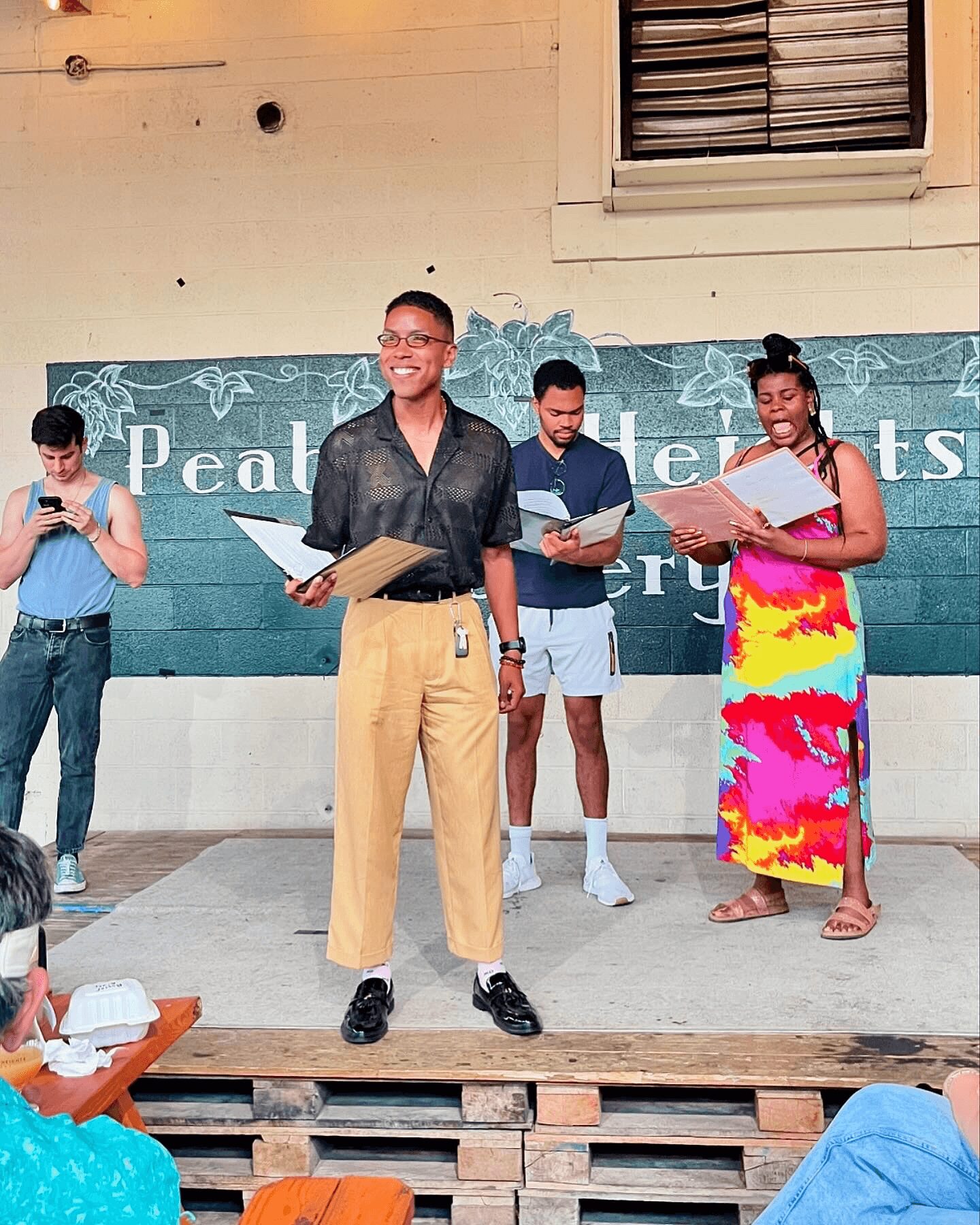
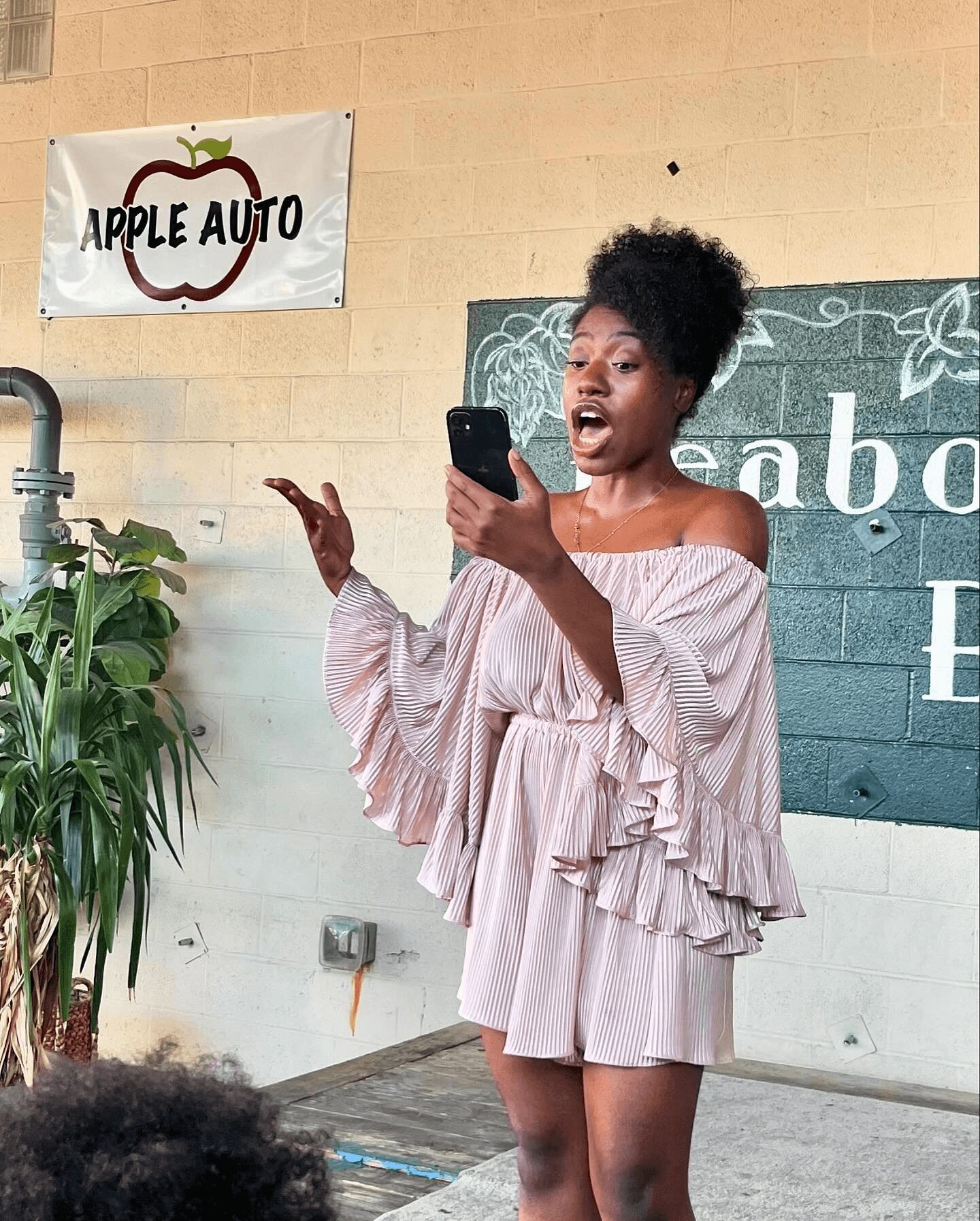
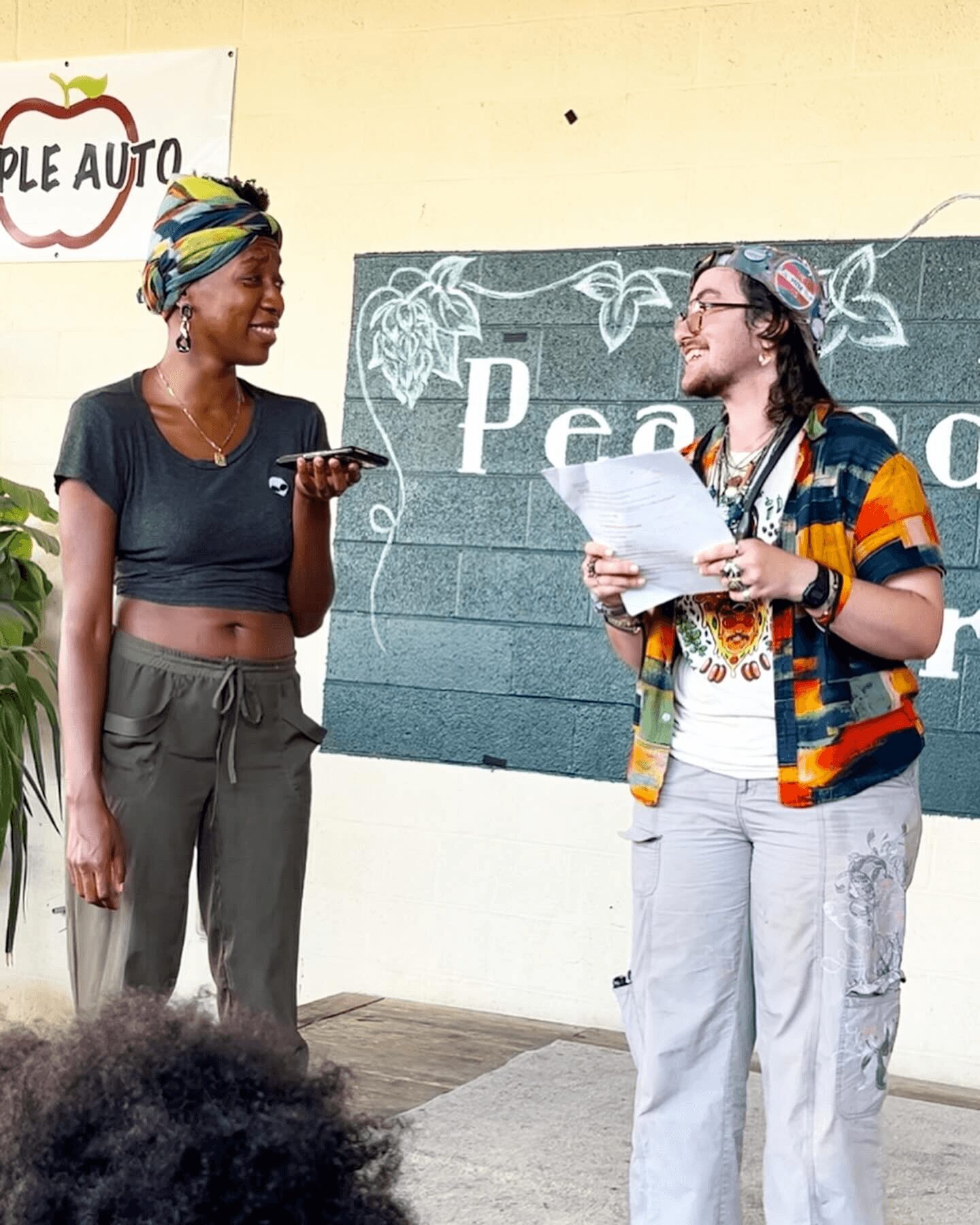
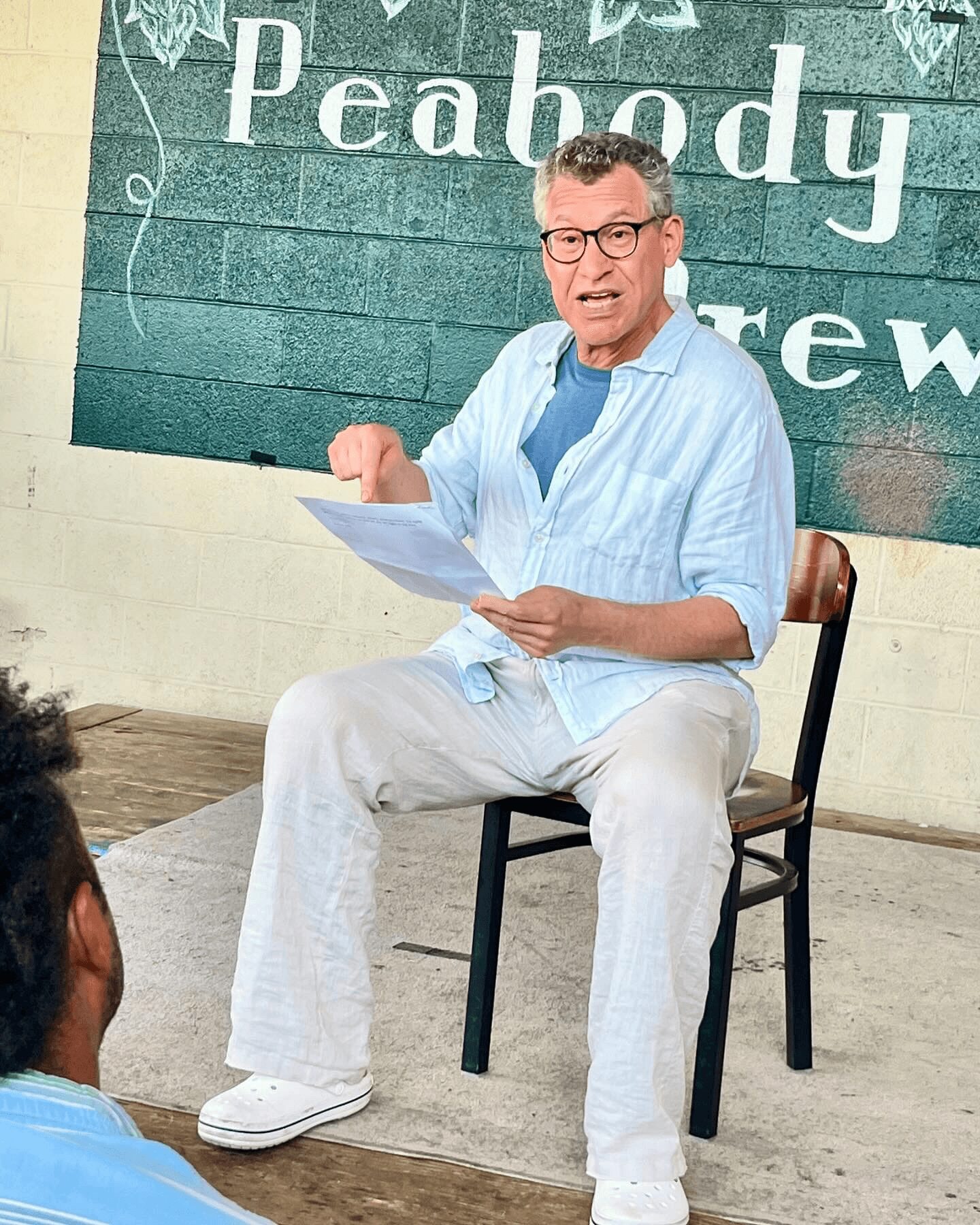
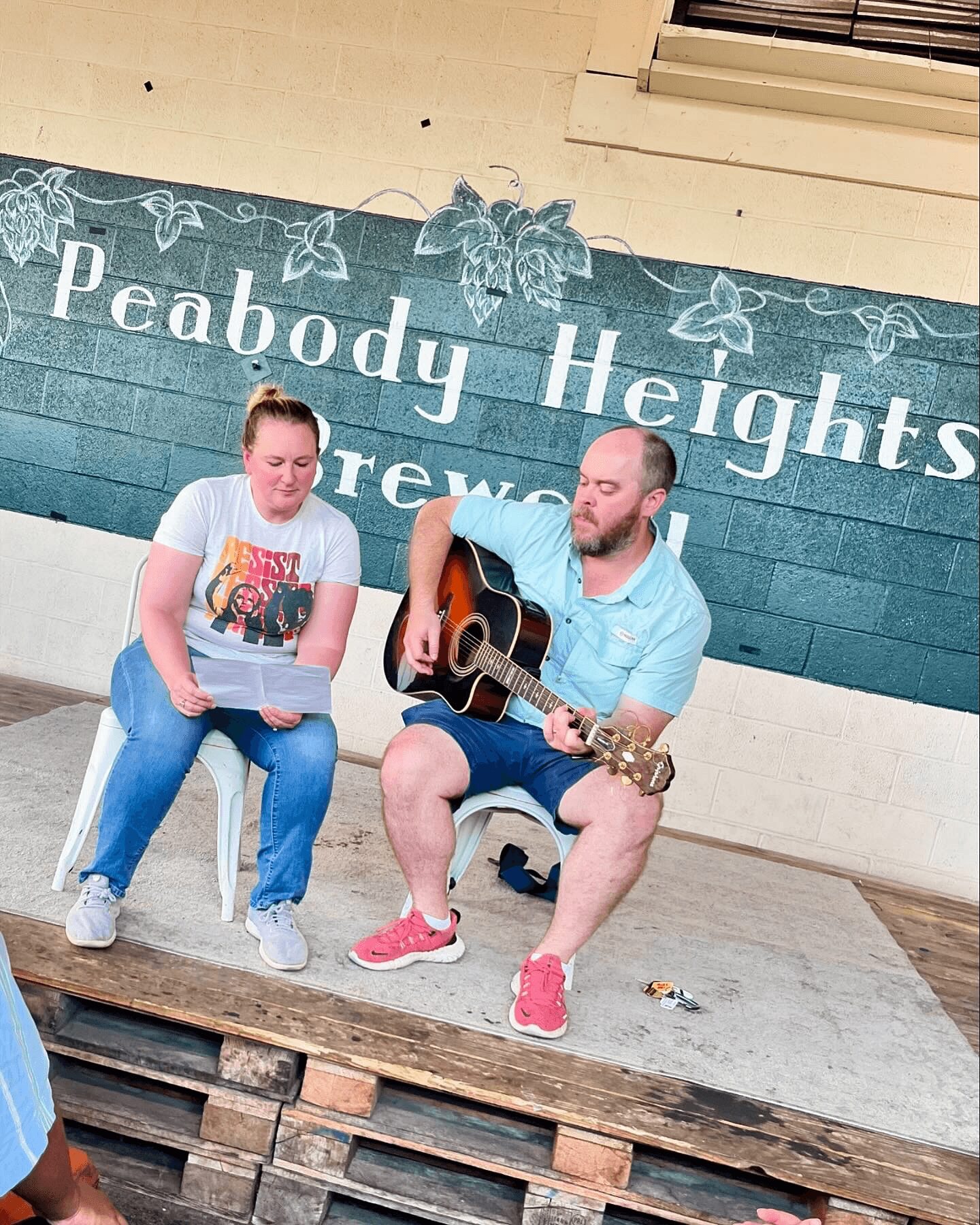
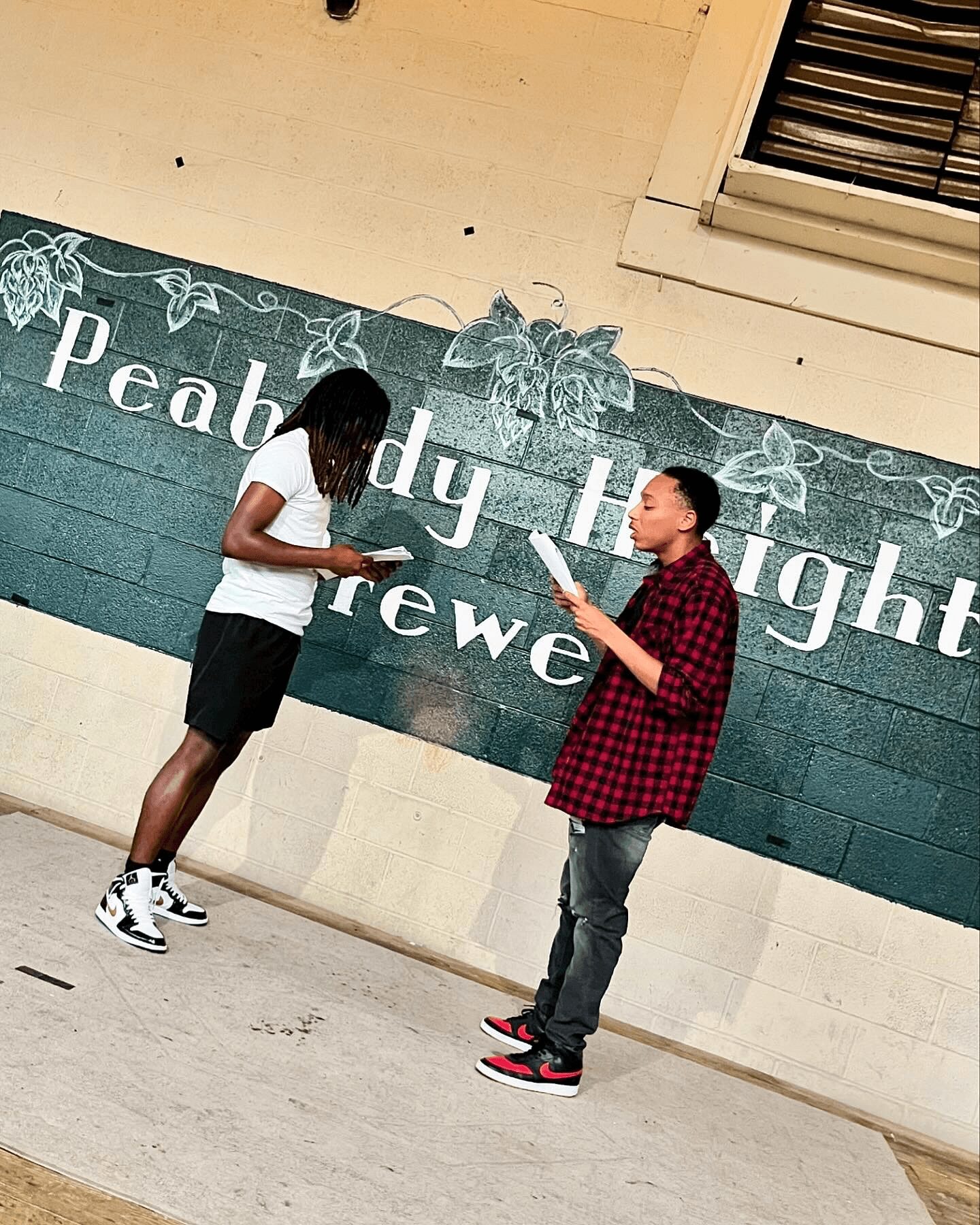
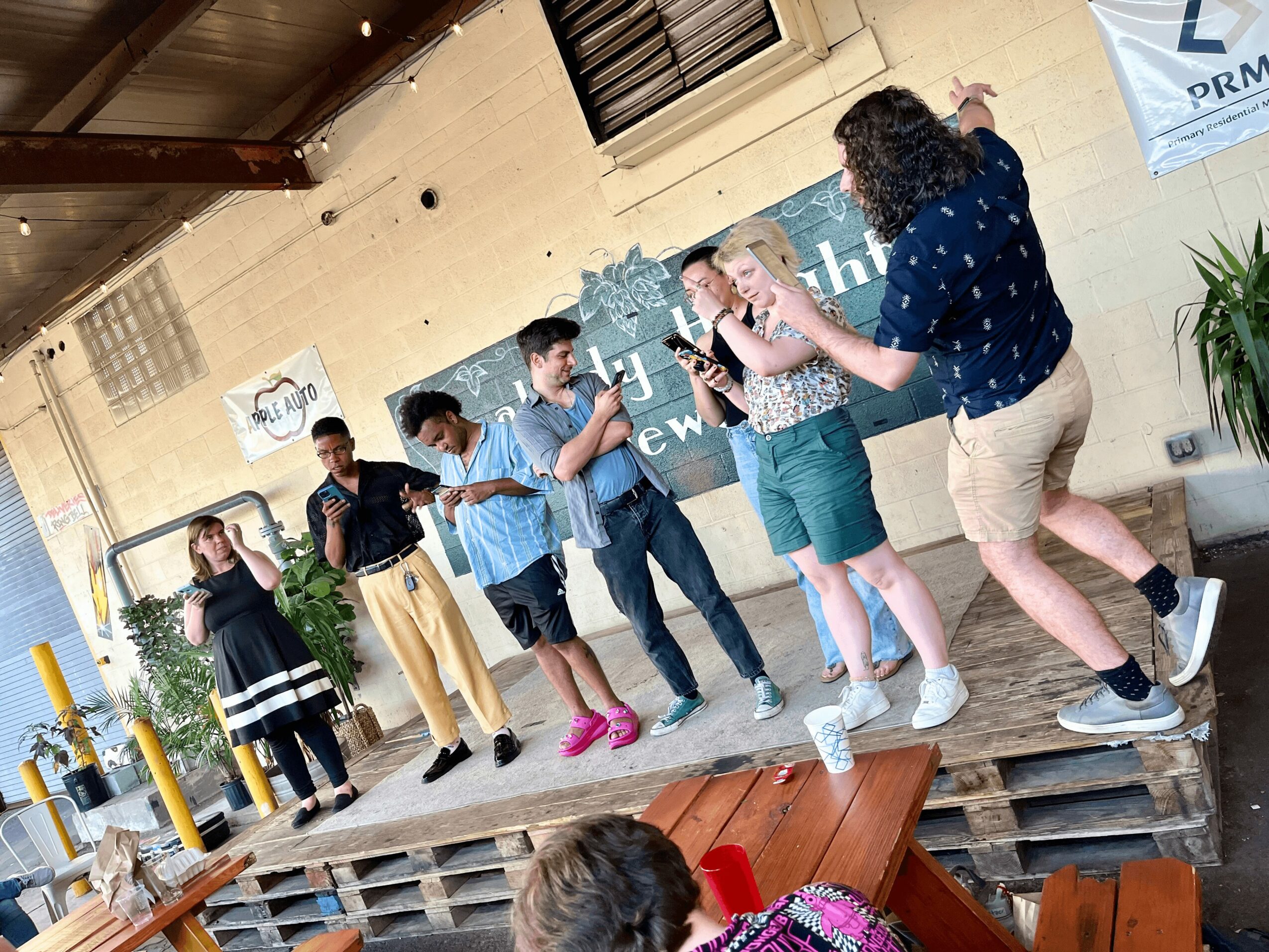
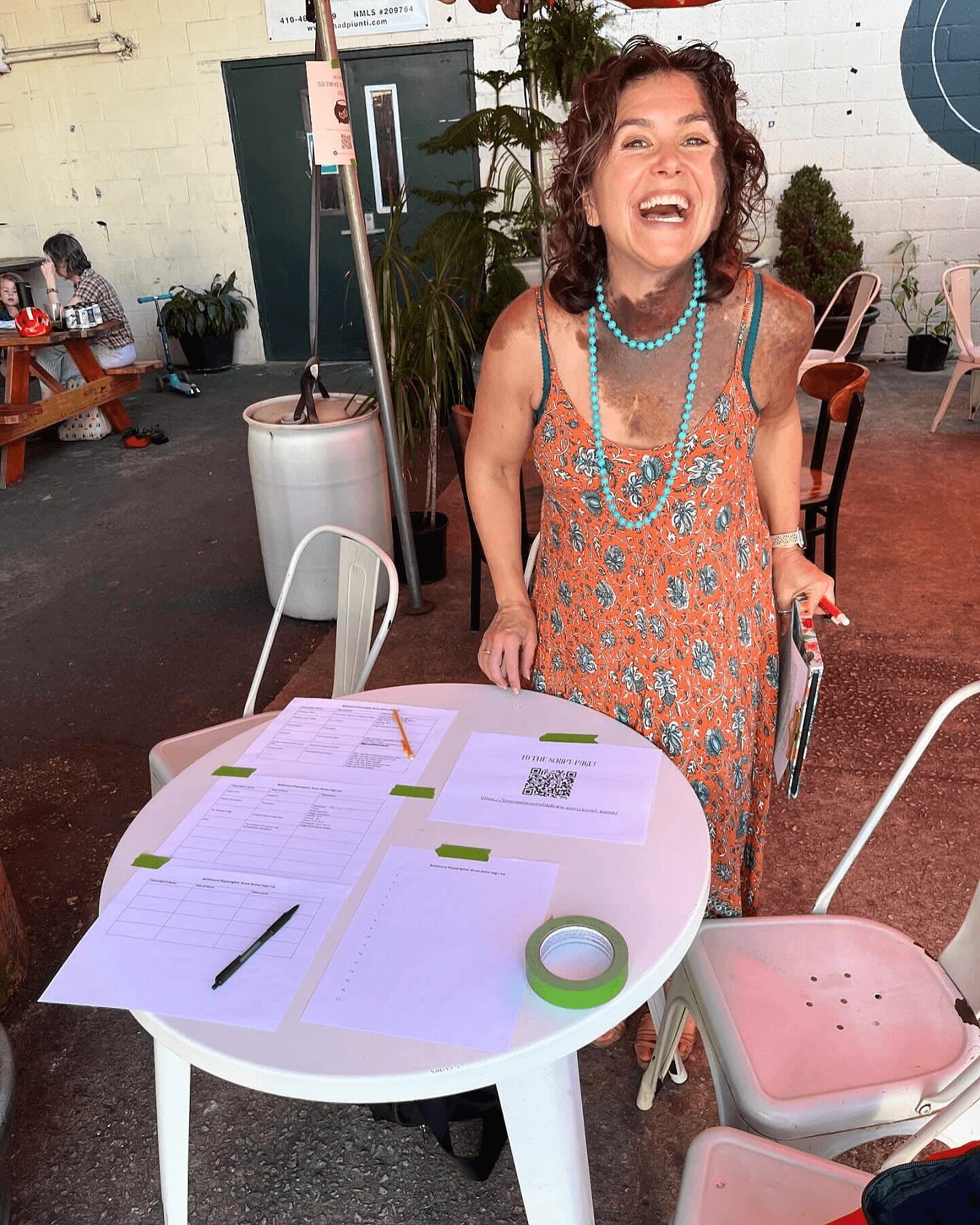
In my years as an actor, director, dramaturg and occasional playwright, I’ve met so many people who said they were interested in doing theatre–but didn’t know where to begin, how to get involved, or whether they would be able to commit substantial time and labor to participating in a full-scale production. I started Baltimore Playwrights’ Brew this year as a low-pressure, low-commitment, low-barrier-to-entry opportunity for folks to get involved in theatre—and also support development of new plays among local writers. I had the idea of a regular recurring playwrights’ open mic event, where playwrights bring works in progress (scenes, monologues, bits of dialogue—nothing is too small or too rough) and actors show up to read them. It seemed so simple and so fun– and yet there wasn’t anything quite like it in Baltimore. So I decided to organize it and see what might happen. We are just getting started, but the start has been a great one!
I’m sure it wasn’t obstacle-free, but would you say the journey has been fairly smooth so far?
Working in theatre– even just for fun and not for a living– can be a challenge. In so many cases, the creative and decision-making power lies with a few individuals, who then choose a few more individuals to participate in projects…and this means that many people who want to do theatre just don’t get opportunities to do it. I’ve been extremely lucky to have gotten the chance to act and direct a lot in my life– but I’ve gotten passed over many more times than I’ve gotten picked. Another inconvenient truth is that making theatre often costs money. I say “often” because there are definitely ways to put on shows and performances for little to no cost, but that’s also a challenge. Also, believe it or not, it can be a challenge to get audiences to come and see live theatre these days, particularly with so many entertainment options available (many of which don’t even require leaving home).
The thing is, though, if you are really passionate about something, you find ways to do it in spite of the challenges. A lot of the obstacles I thought existed became less prohibitive when I started thinking a little differently about what theatre means to me and why I do it– and in turn, what different shapes my theatre practice could take. The biggest reason why I do theatre is to help make connections and build relationships in my communities, and this can happen in so many different ways. Working outside of traditional theatre spaces and finding joy, community, and creative inspiration and fulfillment in all kinds of performance (not just the standard two hours in a darkened playhouse) has opened up worlds of possibilities.
Alright, so let’s switch gears a bit and talk business. What should we know about your work?
I am a critical cultural scholar, educator, and theatre artist. My work as a director, actor, and dramaturg is grounded in sociocultural engagement, critique, and analysis, so my creative and academic work really are intertwined. I love research, interpretation, and scholarly discourse, and my theatre projects are the embodiment of those pursuits. I think theatre is such a visceral, accessible, social, and collaborative way to engage in complex conversations about exciting and challenging topics. My work as an educator is to use text, art, and storytelling to facilitate deep critical thinking and collaborative knowledge building. I do this as a classroom teacher and also in public talks, presentations, and workshops.
My Ph.D. dissertation project, Performing (With) Care: Theatre for Survivors of Gender-based Violence, introduces what I term “survivor-centered theatre.” Grounded in intersectional feminism and an ethics of care, this practice creates theatrical experiences for an intended audience of survivors of sexual and gender-based violence. The project incorporates guiding principles and intentions for making survivor-centered theatre, and it shows examples of how this kind of theatre can take shape. I’ve been putting these ideas into practice when I direct plays, and I also find that the guiding principles also influence how I show up in other spaces– professionally, socially, and personally. Centering care and community makes such a difference in interpersonal dynamics and in the creative process. I am just one person! My work would be impossible and meaningless if it were not collaborative.
Working on survivor-centered theatre has made me much more conscious of how theatre can be a site of community care and connection, and it has made me want to help create more theatre spaces and experiences that are welcoming and supportive. This inspired me to start the Baltimore Playwrights’ Brew– a space for performers and writers to share, collaborate, and enjoy being in community with no judgement, no pressure, and no competition. With all of the high stakes we (myself included) often put on our artistic endeavors, I wanted a space where we could let go of that and just…play. I find that dialogue flows naturally and honestly in that kind of space. I think it’s in that playing space where we can feel free to be our authentic selves and make genuine connections with other people.
What do you like best about our city? What do you like least?
I love how much creativity there is in Baltimore. I love the different neighborhoods. I love the parks and their ecosystems. I love the people in Baltimore.
Baltimore definitely has its troubles and its challenges, I think particularly surrounding accessibility and allocation of resources. But I truly love how the people of Baltimore continue to make meaningful, exciting, and powerful art no matter what.
Contact Info:
- Website: https://bmoreplaywrightsbrew.com/
- Instagram: https://www.instagram.com/bmoreplaywrightsbrew/
- Other: https://leeconderacci.com