Today we’d like to introduce you to Joshua Rodriguez-Hobbs.
Hi Joshua, thanks for joining us today. We’d love for you to start by introducing yourself.
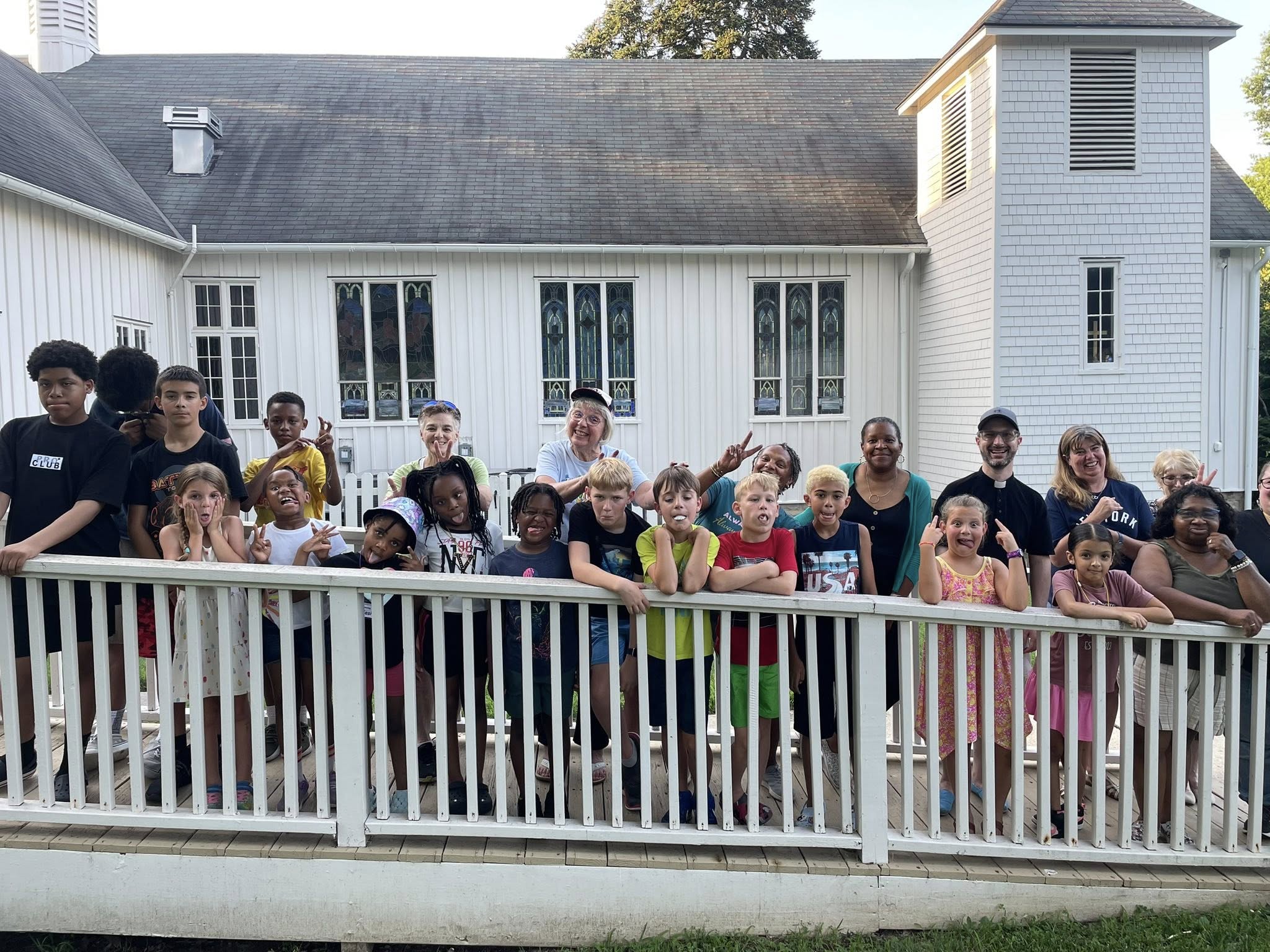
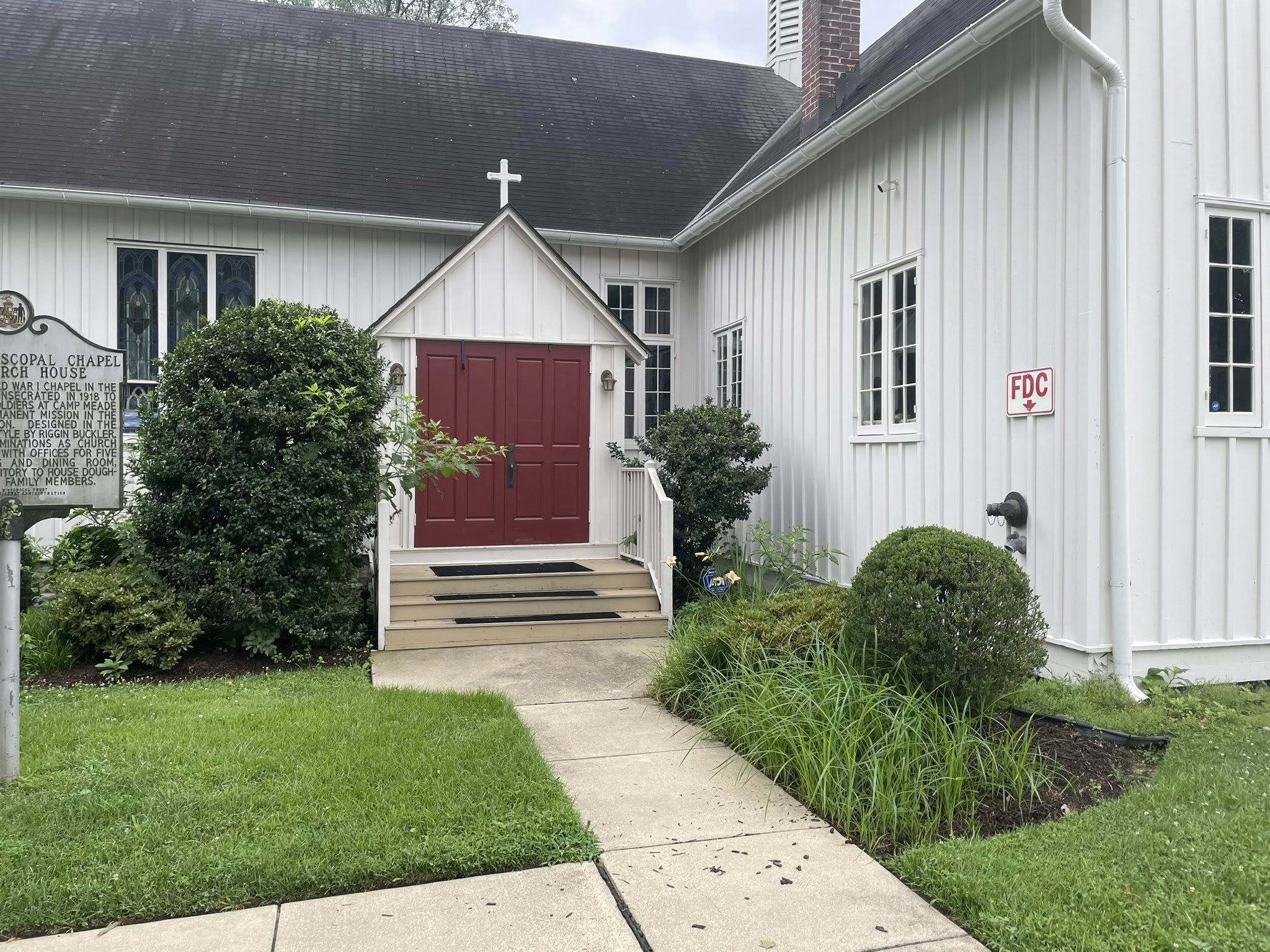
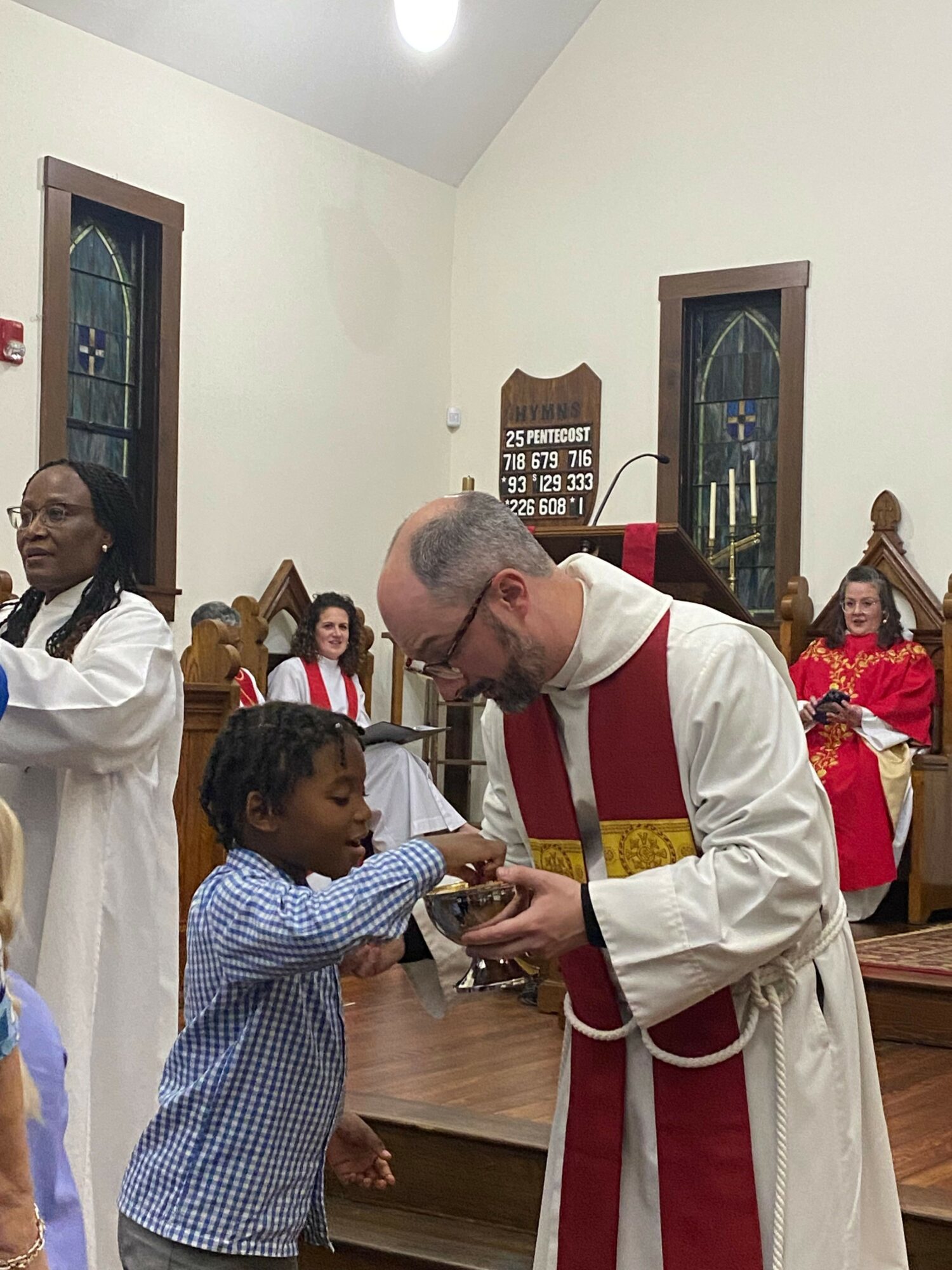
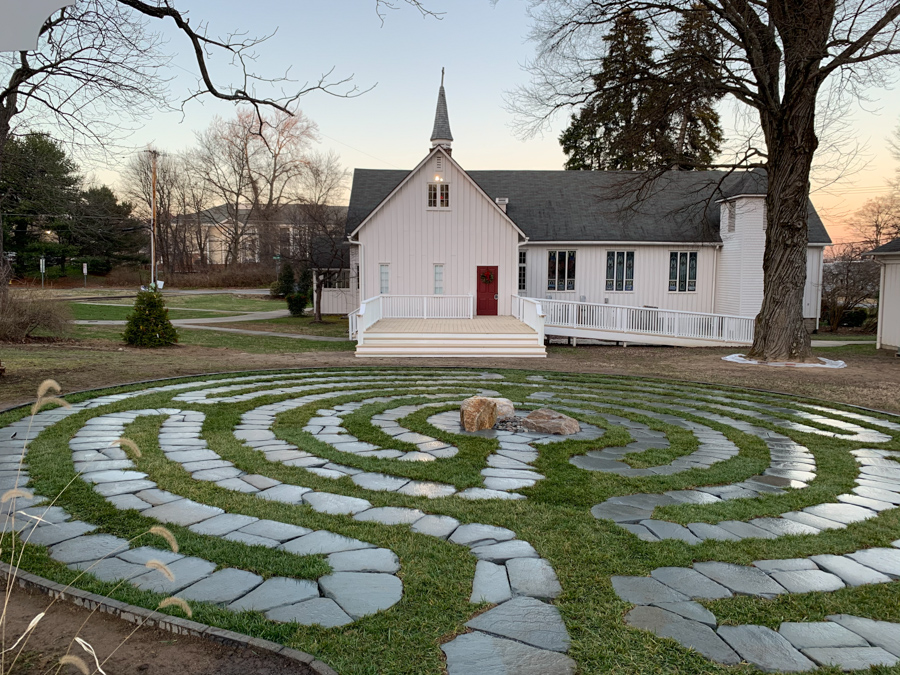
Epiphany Episcopal Church was founded in 1918 to serve as a chapel to soldiers mustering at Camp Meade. Two women, both parishioners of the Church of the Epiphany in Washington, DC, raised funds to build a chapel so that their sons would have a place to attend church services. The original building included a chapel, a dining room, meeting rooms for chapels, and a dormitory upstairs. While the Episcopal Dioceses of Maryland, Washington, and Central Pennsylvania supported the construction of the chapel, it was used by all Christian clergy serving Camp Meade. Significantly, the chapel’s charter required that it be open to people of all races as a place for prayer, making it one of the first integrated worshipping communities in the Episcopal Diocese of Maryland.
Following the conclusion of World War I, Epiphany Chapel was given to St. Peter’s, an Episcopal parish that had been displaced by the construction of Camp Meade. Epiphany continued a close relationship with Fort Meade and attracted a number of veterans as parishioners. In the 1980s, Epiphany again made history by calling the Rev. Phebe Coe McPherson, who became the first female rector in the Diocese of Maryland. Rev. Phebe was also the first woman ordained to the priesthood in the Diocese of Maryland. Under Rev. Phebe’s leadership, Epiphany reconnected with its legacy as an integrated congregation, becoming an intentionally diverse and multicultural congregation. Epiphany now sees racial reconciliation as a core component of its ministry, as expressed in its motto: “United in Diversity.”
In 1997, Epiphany began construction on the Conboy Center, a second building designed to be used for Sunday School, a Parish Hall, and office space. Until the mortgage was paid off, Epiphany leased the building to a series of childcare centers. During the COVID-19 Pandemic, a bequest from Jim Conboy, a longtime parishioner, allowed the mortgage to be paid off, and Epiphany began using the building as the sole occupant. Today the Conboy Center houses Molly’s Room, a preschool playgroup serving 3- and 4-year-olds from Odenton and the surrounding communities. Rev. Phebe retired in 2021, becoming the longest-serving rector in the parish’s history.
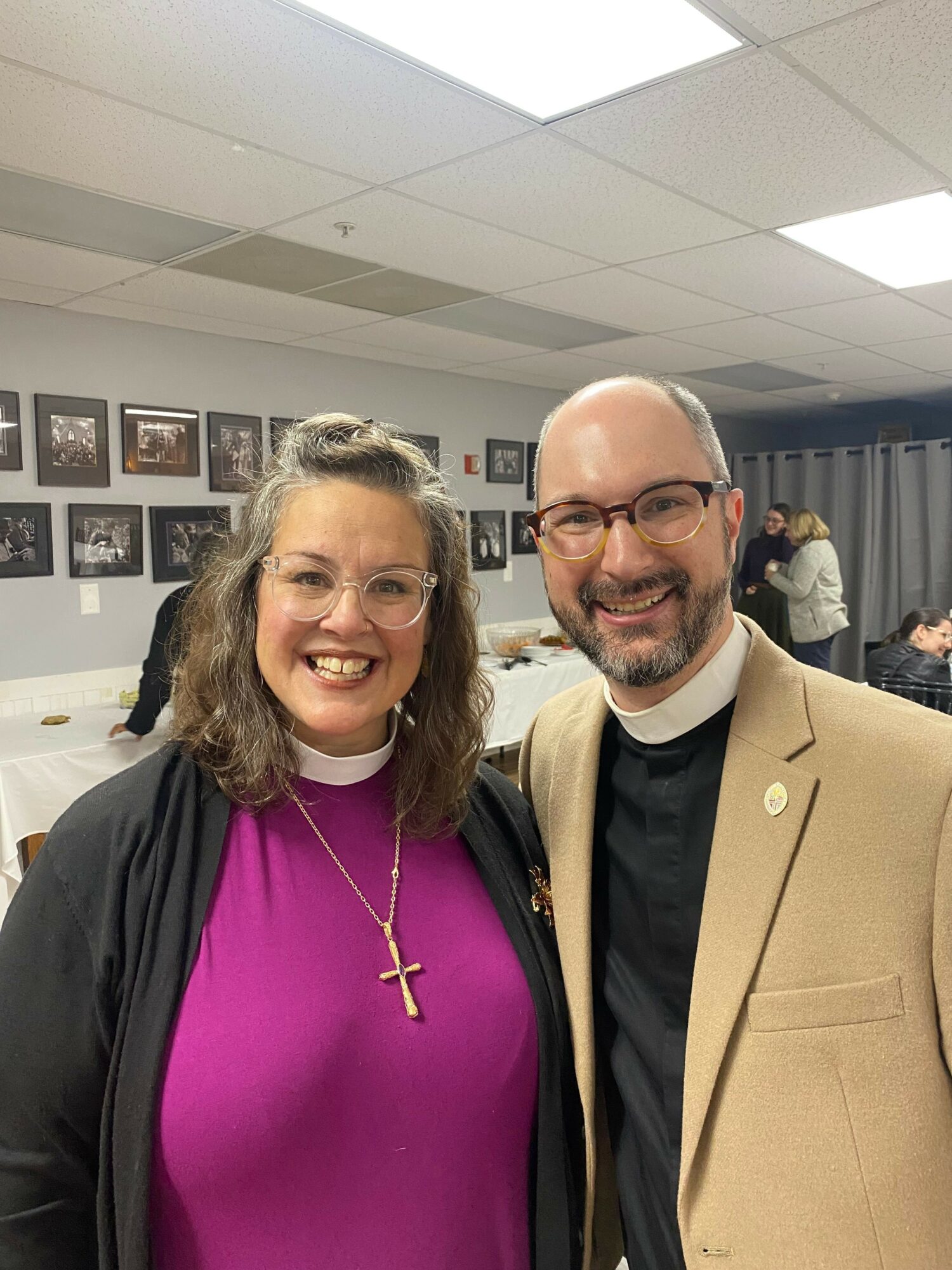
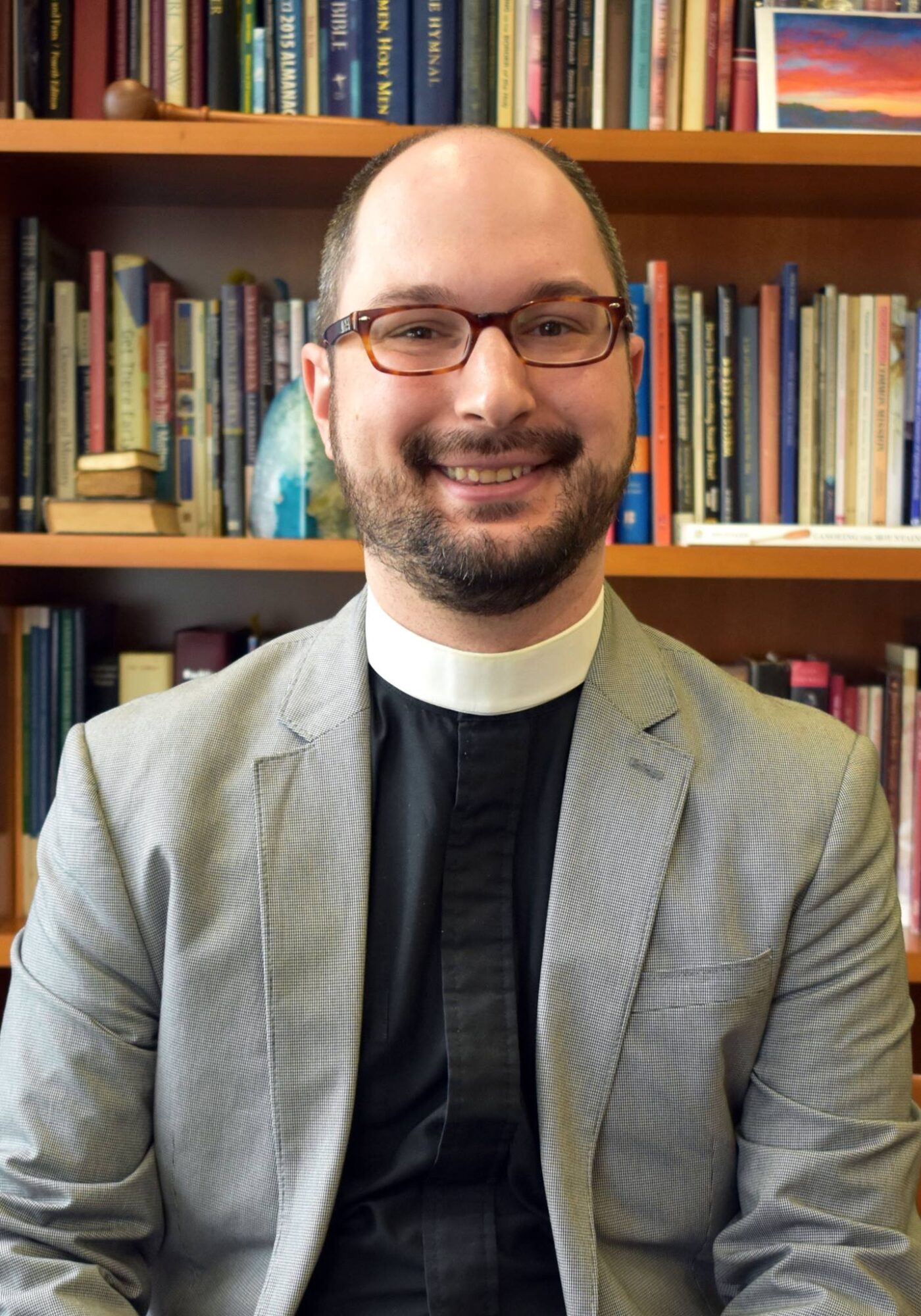
In 2024, Epiphany called the Rev. Joshua Rodriguez-Hobbs to serve as its rector. Rev. Josh is originally from Texas, and was the first openly gay man to discern a call to the priesthood in the Episcopal Diocese of Northwest Texas. He attended seminary at Berkeley Divinity School, the Episcopal seminary at Yale, and Yale Divinity School. Since his ordination in 2012, Josh has served as an associate rector, a hospice and hospital chaplain, and an intentional interim rector. From 2017-2023, he served as the Episcopal Chaplain to the Johns Hopkins Hospital, a joint ministry of the Episcopal Diocese of Maryland and the Johns Hopkins Medical Institutions. While at Hopkins, he began the process of becoming a Certified Educator with the Association for Clinical Pastoral Education, the largest training organization for interfaith chaplains. He completed his certification process this past fall. Josh is married to Scott, a Baltimore native and high school principal. They have one son, Noah.
Would you say it’s been a smooth road, and if not what are some of the biggest challenges you’ve faced along the way?
Like most churches, Epiphany has weathered challenges over the years. COVID-19 was a disruptive event, and this was complicated by Rev. Phebe’s retirement during the middle of the pandemic. The church was not able to give her a retirement party, and people struggled because they could not express their appreciation for her ministry in person. Following Rev. Phebe’s retirement, the parish went for a year without steady clergy leadership before calling an interim rector. Despite these challenges, parishioners worked hard to maintain contact and connection. Epiphany’s interim period before calling a new rector was longer and more challenging than anticipated.
In February 2025, the Rev. Phebe McPherson died, creating a challenging period of grief for many parishioners.
COVID-19 was challenging for Rev. Josh as well. He spent the entire pandemic as a chaplain at the Johns Hopkins Hospital. Many days, his ministry consisted entirely of end-of-life visits for patients whose families could not be present with them in the hospital. In 2023, as Hopkins finally lifted its last pandemic restrictions, Rev. Josh realized he was burnt out and could no longer function as a hospital chaplain. At the end of his time at Hopkins, there were days he struggled to walk through the hospital doors. He received a diagnosis of traumatic anxiety, based on the vicarious trauma he experienced as a healthcare worker during a pandemic. Rev. Josh had anticipated he would spend the remainder of his career as a healthcare chaplain and chaplain educator, so stepping away from hospital chaplaincy created a vocational crisis as well. He spent a year as the intentional interim rector of St. Martin’s-in-the-Field Episcopal Church in Severna Park, which helped him reconnect with his love for ministry in the local church. Today, Rev. Josh has a bivocational ministry as both a parish priest and an ACPE Certified Educator, working with the Center for Integrative Pastoral Practice, an online program for training seminarians and chaplains in spiritual care skills.
Alright, so let’s switch gears a bit and talk business. What should we know about your work?
I serve as the Rector of Epiphany Episcopal Church in Odenton, MD. Among the clergy in the Diocese of Maryland, I am known for my expertise in trauma-informed spiritual care, the art of helping people recognize God’s presence in their lives while offering sensitivity to their past traumatic experiences. I bring almost a decade of specialized ministry in healthcare settings to my current work as rector. The rector search committee was clear they were looking someone who was a pastor above all else. It’s a privilege to be present with people during the best and worst moments of their lives: the birth and baptism of children, weddings and celebrations, processing receiving a life-altering diagnosis, and accompanying someone during their final days.
The transition from interim rector to rector was more challenging than I anticipated. The work is largely the same, but you don’t live with the consequences as the interim rector. That changes the decision-making process for clergy leadership. Early this year, I wondered if I actually had the skills needed to be an effective rector. However, in January, a long-time parishioner and lay leader met with me to tell me that my predecessor, the Rev. Phebe Coe McPherson, had entered hospice care. Rev. Phebe was legendary in the Diocese of Maryland. When she was ordained in the early 1980s, bishops were still backing out of ordaining women at the last minute. Phebe knit the bishop a pair of purple socks and sent them to him before her ordination with the note: “So you don’t get cold feet.” How do you follow someone like that? However, when I got that terrible news, I knew God had put me in the right place. I’m learning so much about being the rector of a parish, but I know grief. I know how to walk with people through their grief and help them rebuild something on the other side. When Phebe did pass away, we held a series of gatherings where people could share their memories of her. Those conversations quickly helped me realize that the church needed to memorialize her in some way. One of her legacies is the Conboy Center, which houses our Parish Hall. Phebe wanted it to be a place where people would gather, and it’s one of the most comfortable and least institutional Parish Halls I’ve ever seen. In June, we invited her family and dedicated the hall as Phebe’s Room. Another church might have called it “McPherson Hall,” but Epiphany isn’t a very formal place. It felt honest to Rev. Phebe’s legacy and who Epiphany is.
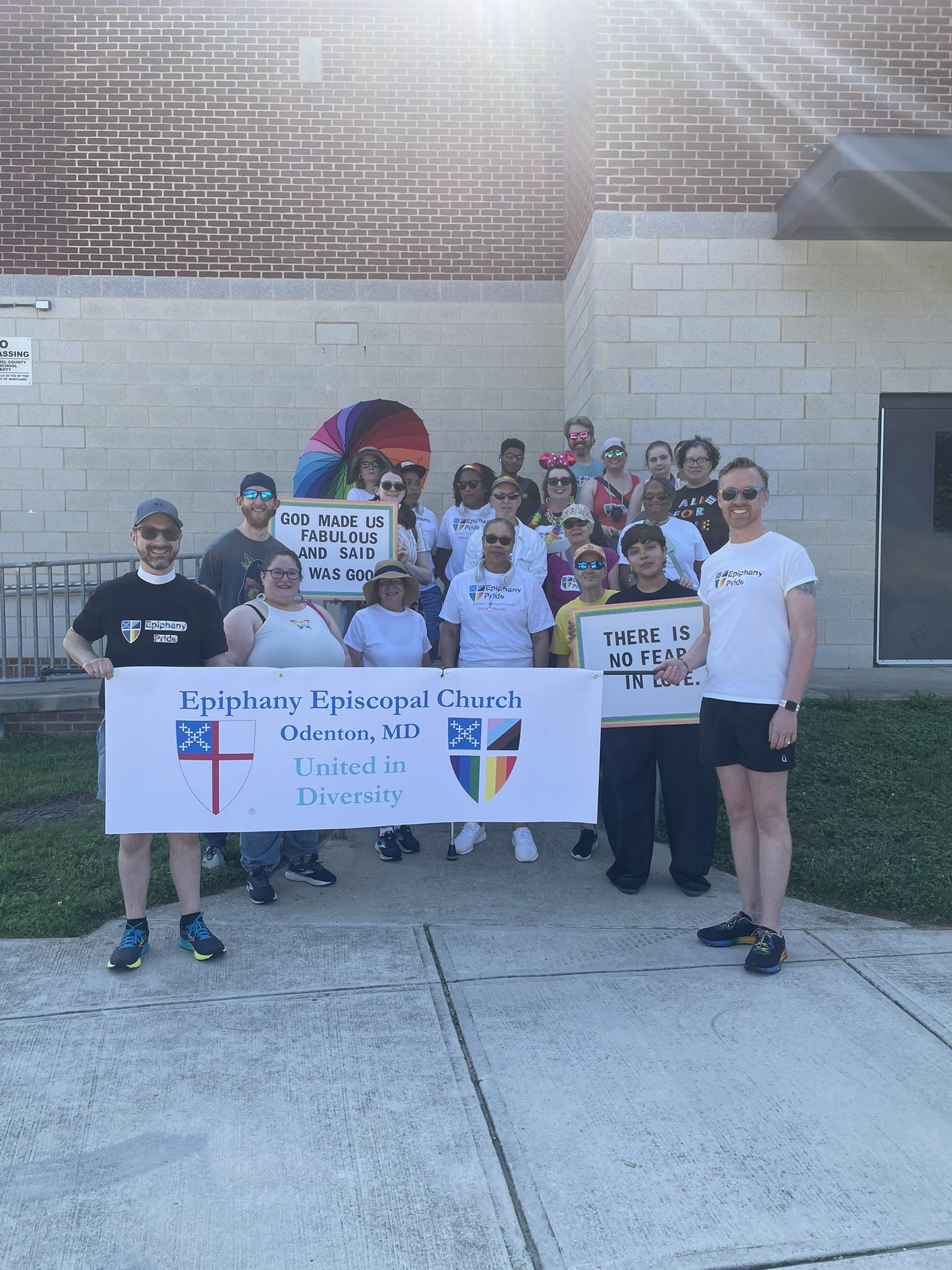
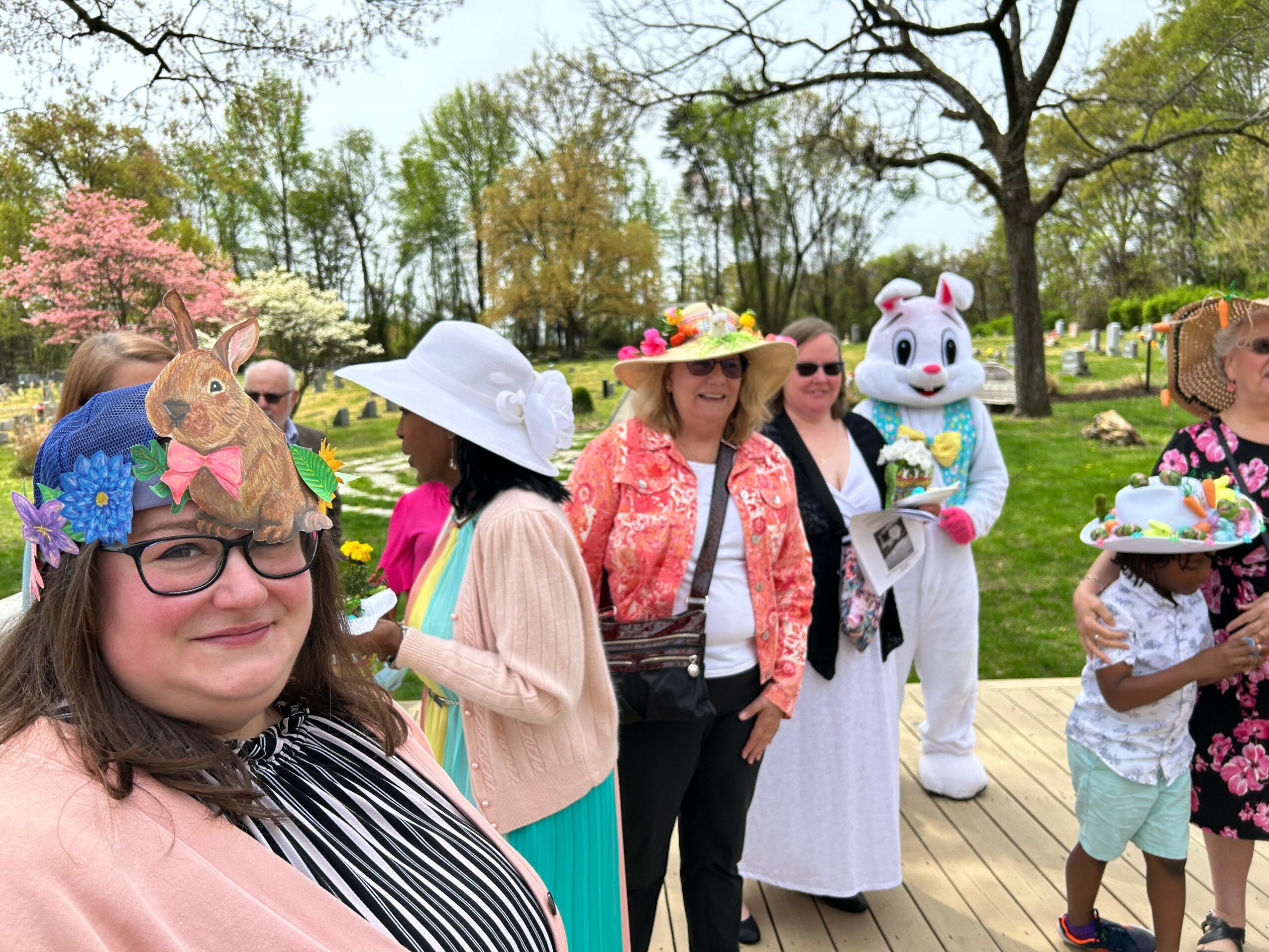
Even in 2025, I think it’s significant that I’m an openly gay person in ministry. The church was a place of pain and trauma for so many LGBTQ+ people, including me. When I stand in the pulpit, who I am can be a sense of healing for other LGBTQ+ people. It’s a way that Epiphany as a community lives out our identity as a truly welcoming community. We’re one of only two open and affirming churches in Odenton that welcome LGBTQ+ people. I’m really mindful of how my identity impacts people, for better and sometimes for worse. I remind people that gay people are people, not an issue. So many times personal relationships are what move people to change. I know there were people in the parish that sponsored me for ordination that didn’t believe gay people should be ordained. They believed that I was called to ordination, though.
We’d love to hear about how you think about risk taking?
I think risk is a part of faith. So many times in the Bible, God calls people to walk out in faith and take a risk. Abraham leaves Ur to journey to an unknown land because God tells him to. Peter gets out of the boat to walk to Jesus across the water. The Bible is also honest about how sometimes the risks people take don’t pay off. Peter famously starts to sink. But I believe that faith is risky. If I never take risks and focus on safety and security, I’m not really following Jesus.
There’s a group of modern saints called the Martyrs of Memphis. They were a group of Episcopal priests and nuns who refused to leave Memphis during a yellow fever outbreak. They stayed behind to care for those who couldn’t leave the city. That was a huge risk. The Episcopal cathedral in Memphis was turned into a hospital because of them. Each of these women and men died, giving their lives in the service of others. They took a huge risk, and they saved so many other people. Today, the Episcopal Cathedral there is named St. Mary’s in the honor of the nuns, the Sisterhood of St. Mary.
I’ve taken risks in my life, although I know my own tendency is to be risk-averse. I chose to be honest about who I am during my ordination process, which was a risk. The Episcopal Church has a record for being progressive, but LGBTQ+ people often face discrimination in the ordination process, especially in conservative areas. I knew that the only way I could go through the process though was to be honest with everyone about who I am. Ironically, as risky as it felt, I had one of the most positive ordination processes of any of my seminary classmates. Being honest with other people let them be honest with me. That honesty let us actually talk to one another and discern God’s call for me together.
Leaving Hopkins was also a huge risk. When I left, I didn’t know what I was doing next. The bishop gave me a three-month sabbatical, so I had a financial cushion before my employment ended. It was a huge blessing, and at the same time, three months isn’t an especially long amount of time. But I was pretty clear that God was calling me to leave chaplaincy, and I also knew that I couldn’t stay. The work I loved was literally killing me at that point. Again, the risk paid off. I’m so much happier and more grounded today than I was back in the spring of 2023.
I don’t think faith is a justification to be reckless, but trusting in God lets me make leaps of faith. I’m not always sure how I’m going to land, but God hasn’t dropped me yet.
Contact Info:
- Website: https://www.epiphany-md.org
- Facebook: https://www.facebook.com/EpiphanyEpiscopalChurch
- Youtube: https://www.youtube.com/@epiphanyepiscopalofodenton