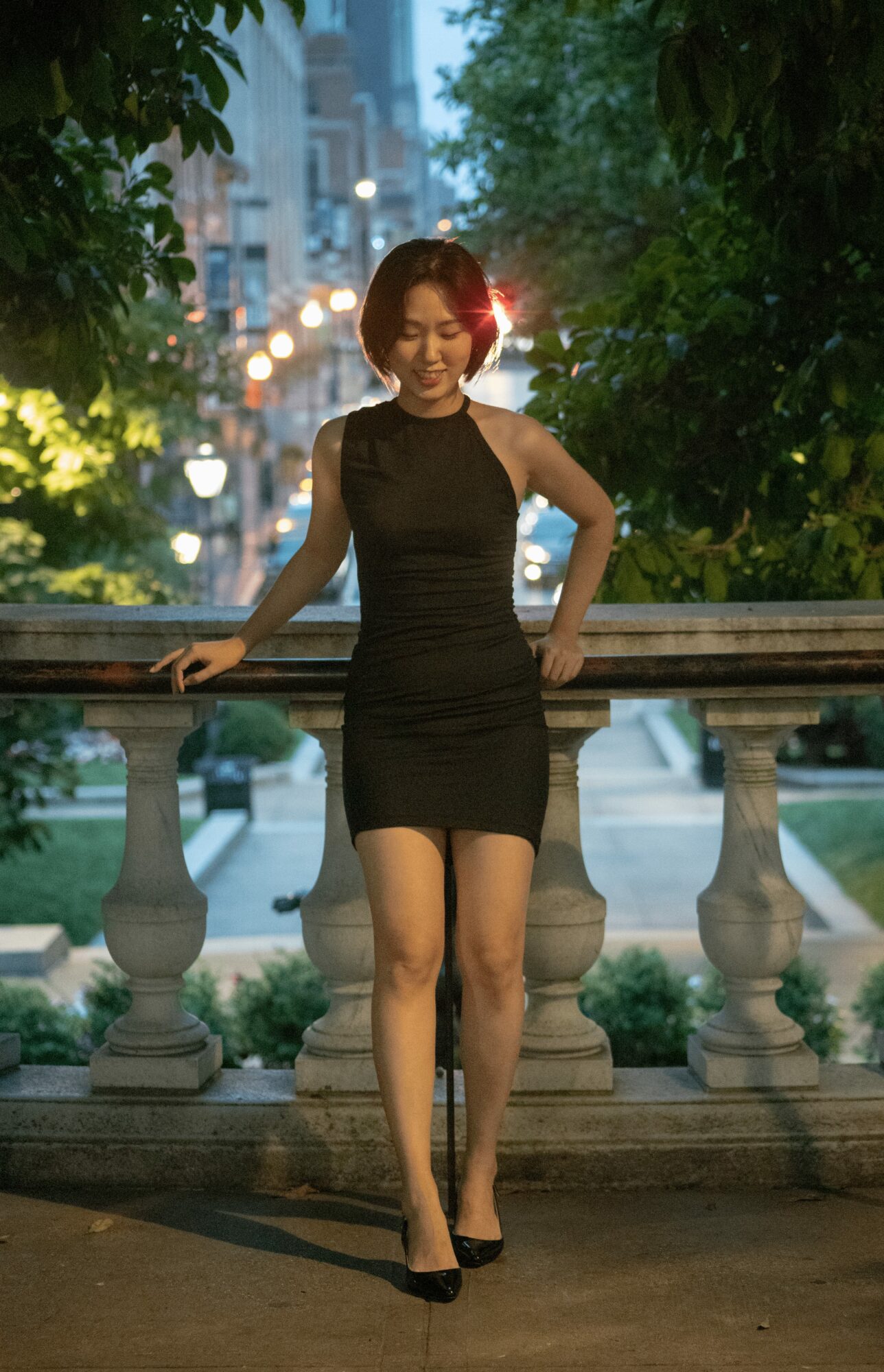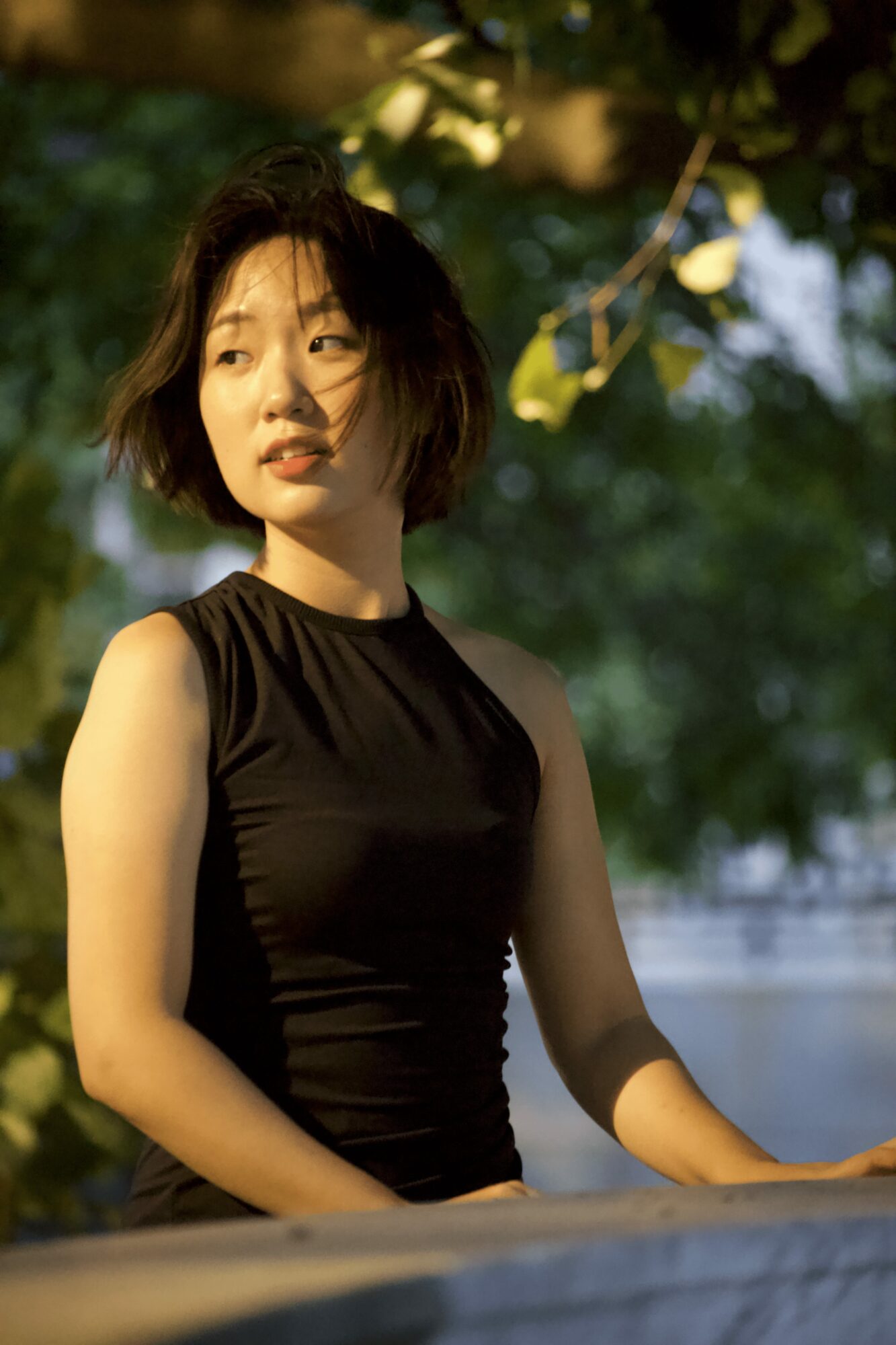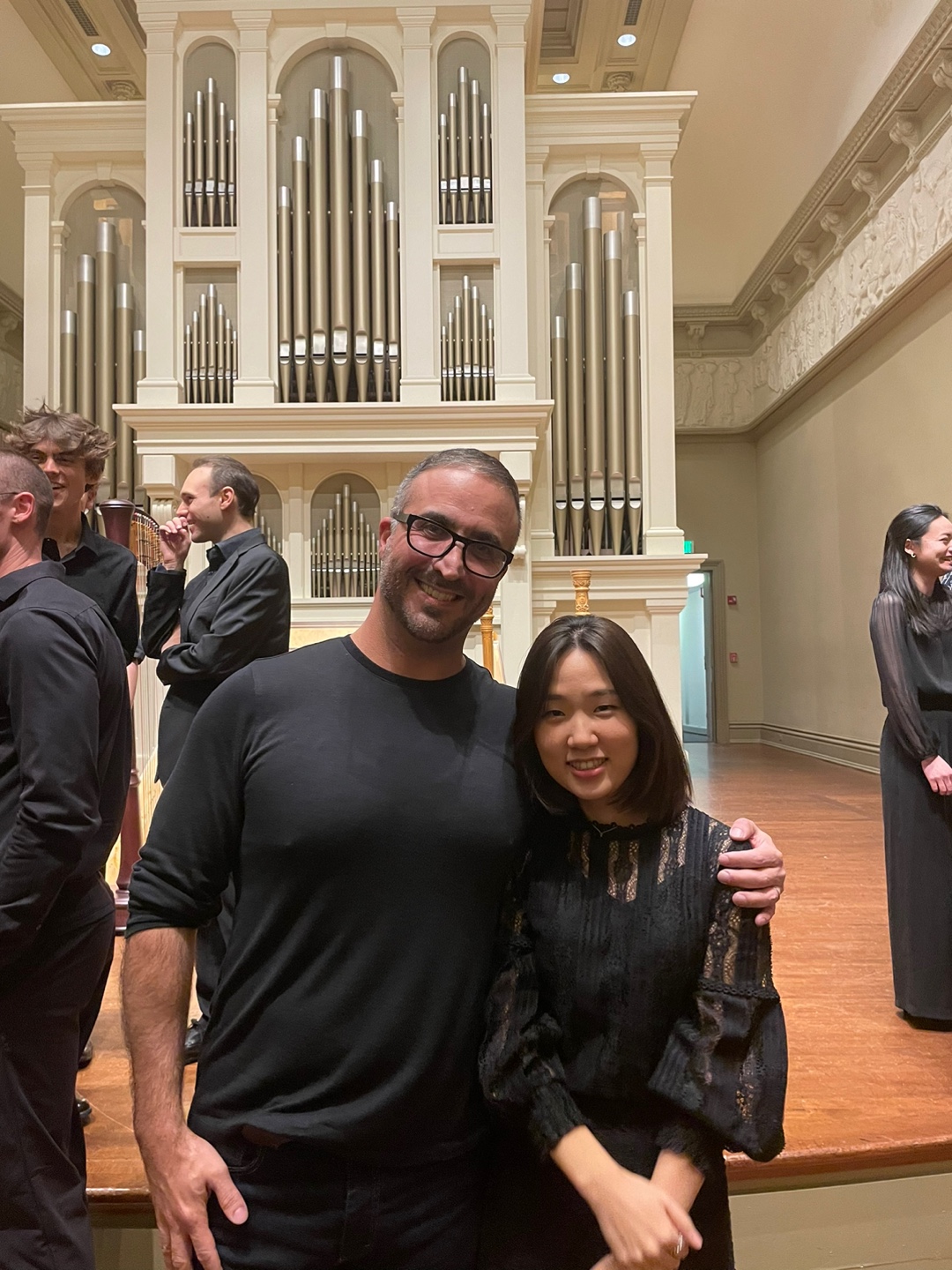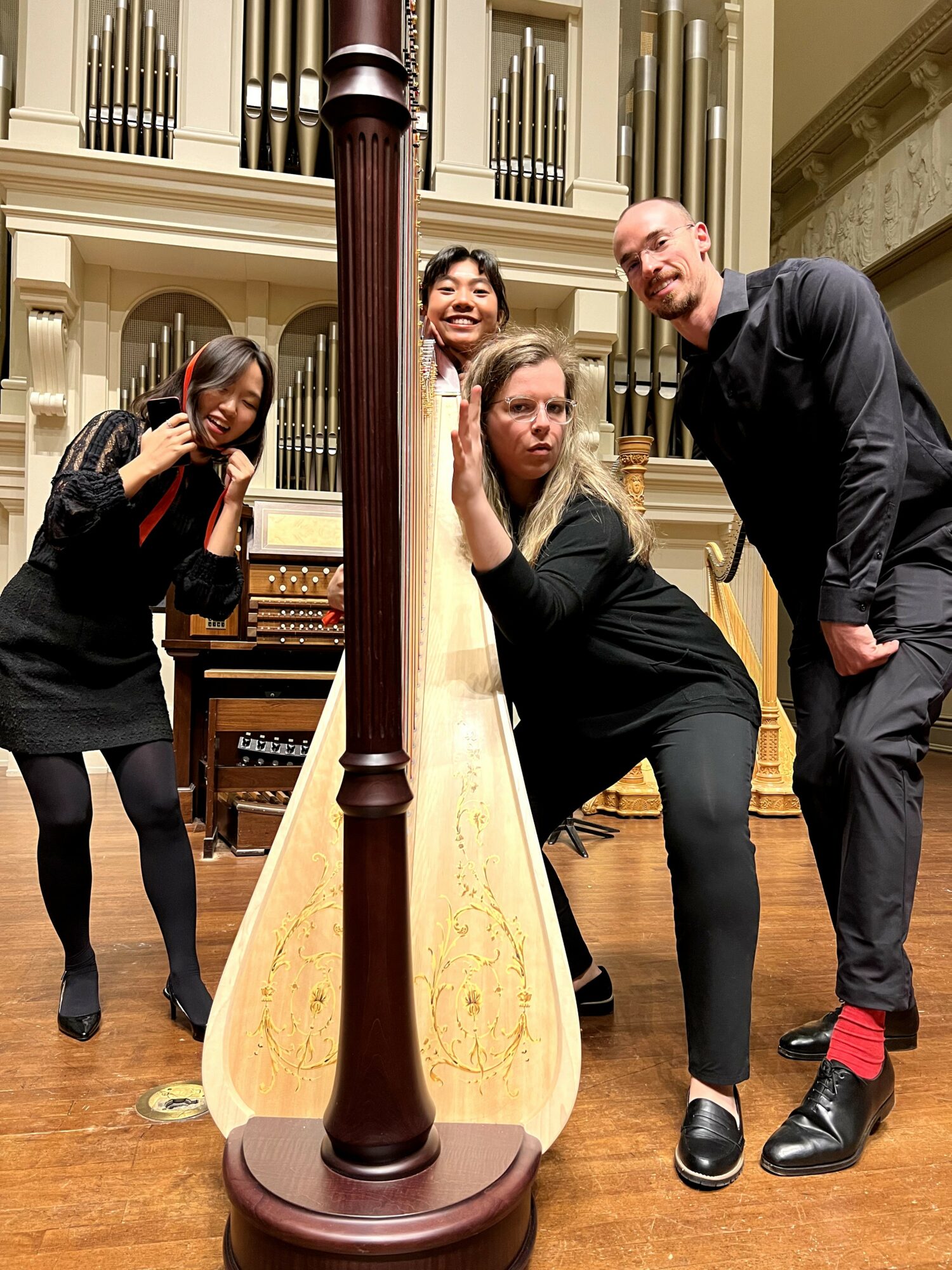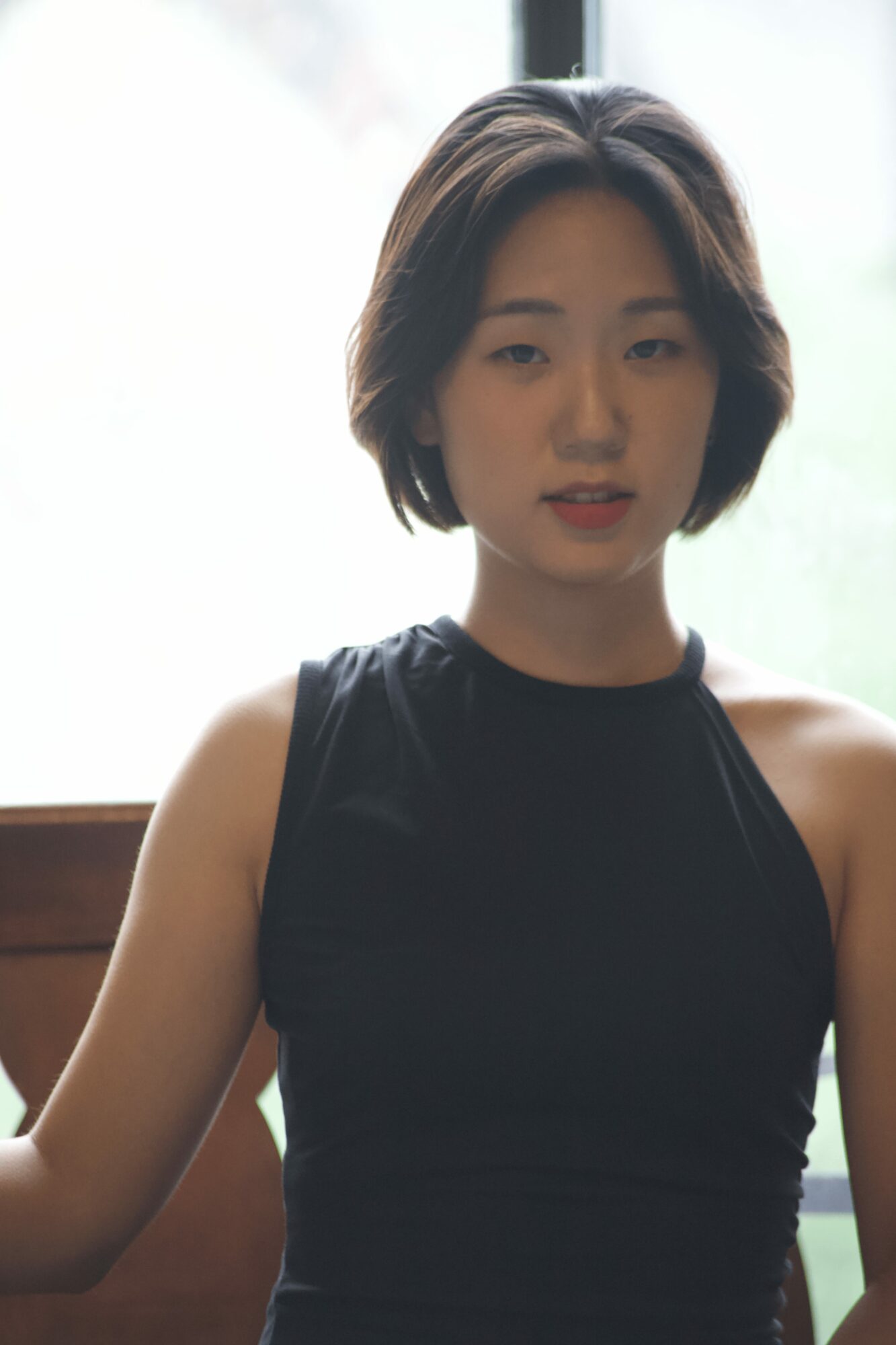
Today we’d like to introduce you to Hyo Eun (Heather) Ahn.
Hi Hyo Eun (Heather), thanks for sharing your story with us. To start, maybe you can tell our readers some of your backstory.
Music has been with me for as long as I can remember. I grew up playing the cello, and I would often sit at the piano and rearrange songs I heard on TV or on the street—sometimes even adding full accompaniments. As a child, my dream was actually to become a K-pop singer. When I was twelve, I even took the subway by myself for two hours just to audition at one of the biggest entertainment companies in Korea. (I didn’t make it, but now it makes for a great story! 😆)
In my family, I was often seen as the “troublemaker.” My twin sisters were model students, always quietly studying and ranking at the top of their class, while I was constantly chasing new adventures. That said, I wasn’t a poor student myself—I usually placed near the top of my class—but I found Korea’s standardized exams suffocating. They demanded a single “correct” answer and rewarded rote memorization, which left me feeling frustrated. I was always drawn to things “outside the box,” but if you stayed “outside the box,” you were often seen as a weirdo.
Composition, on the other hand, fascinated me because it allowed me to search for my own answers rather than a single ‘correct’ one. Life itself, I believe, is not about finding the one right answer but about discovering your own—and in that sense, the process felt very much like composing, which is why I was so deeply drawn to it.
Someone once described me not as a bullet train but as a “winding countryside train.” I do have a clear destination, they said, but I’m the type who stops along the way to admire the flowers, breathe in their scent, or take a nap under a big tree before getting back on the train. I really like that image—it reflects how I’ve chosen to walk my path slowly but intentionally, and I think that spirit has seeped into my music as well.
When I first decided to become a composer, I actually pictured myself writing film scores. But I believed that I needed a solid foundation in many genres to be successful in that field. That’s what led me to study classical composition in college at an advanced level.
Still, before heading abroad for graduate studies, I wanted to step outside the “composition box” and experience a different side of the music world. That led me to join Warner Music Korea, one of the world’s top three record labels, where I worked in marketing. There, I had the privilege of assisting with the Korean tours of world-renowned artists such as Martha Argerich, Sir Simon Rattle, and Emmanuel Pahud. Watching how they approached both music and life up close gave me invaluable lessons and broadened my perspective as an artist.
In time, though, I realized I was ready for a new chapter—one that would allow me to deepen my own voice as a composer. So I chose to continue my studies in the U.S., and since 2020, I’ve been pursuing both my master’s and doctoral degrees at the Peabody Institute of Johns Hopkins University. My “countryside train” may not be the fastest, but it keeps moving forward—steadily and with purpose.
Would you say it’s been a smooth road, and if not what are some of the biggest challenges you’ve faced along the way?
I had high hopes when I set out to study in the U.S., but the challenges I faced along the way turned out to be just as great. In class, discussions centered on reading and analyzing research papers, and I found myself running an endless translation machine in my head just to keep up. Outside the classroom, I often struggled with cultural differences I could never have imagined back in Korea.
The toughest period came during my second year in the doctoral program. In addition to my doctorate in composition, I was also pursuing a master’s degree in theory pedagogy, which essentially doubled my workload. While most TAs supported just one professor, I was assisting two—managing one and a half to twice the usual responsibilities—on top of my coursework, composition projects and internships.
I worked from morning to night, yet the pile of unfinished tasks only seemed to grow. It wasn’t that I was lazy or unproductive; there simply weren’t enough hours in the day. Eventually, the pressure became too much, and one day I broke down, sobbing uncontrollably in the school cafeteria.
What carried me through those moments were the incredible mentors and peers around me. One of my professors, Dr. Smooke, once told me something I’ll never forget: ‘If you can’t believe in yourself, then believe in me—the one who recognized and believed in you.’
In the midst of a demanding international student life, where it was all too easy to lose confidence, those words became a pillar of strength. They gave me the courage to keep moving forward.
Alright, so let’s switch gears a bit and talk business. What should we know about your work?
From an early age, travel was woven into my childhood. My mother, who taught French, often brought me along to France and across Europe, where I was surrounded by unfamiliar landscapes and immersed in diverse cultures. Those journeys left lasting impressions, and over time the memories became seeds of inspiration that continue to grow in my music today.
Much of my work grows out of this process of translating memories and emotions into sound. I often shape landscapes and feelings in music the way one might paint with watercolors—fluid, transparent, and layered. Just as colors blend and overlap on paper, my compositions emerge where impressions of the outside world meet and intertwine with my inner emotions. Each piece becomes both a record of a moment and a reflection of how I experienced it.
More than anything, I hope my music can be more than just sound. I want it to offer listeners a new experience—like opening a small window onto a perspective or emotion they haven’t encountered before. If someone can briefly journey into an unfamiliar landscape through my music, or rediscover an emotion long dormant within themselves, that is the most rewarding moment for me as a composer.
Any big plans?
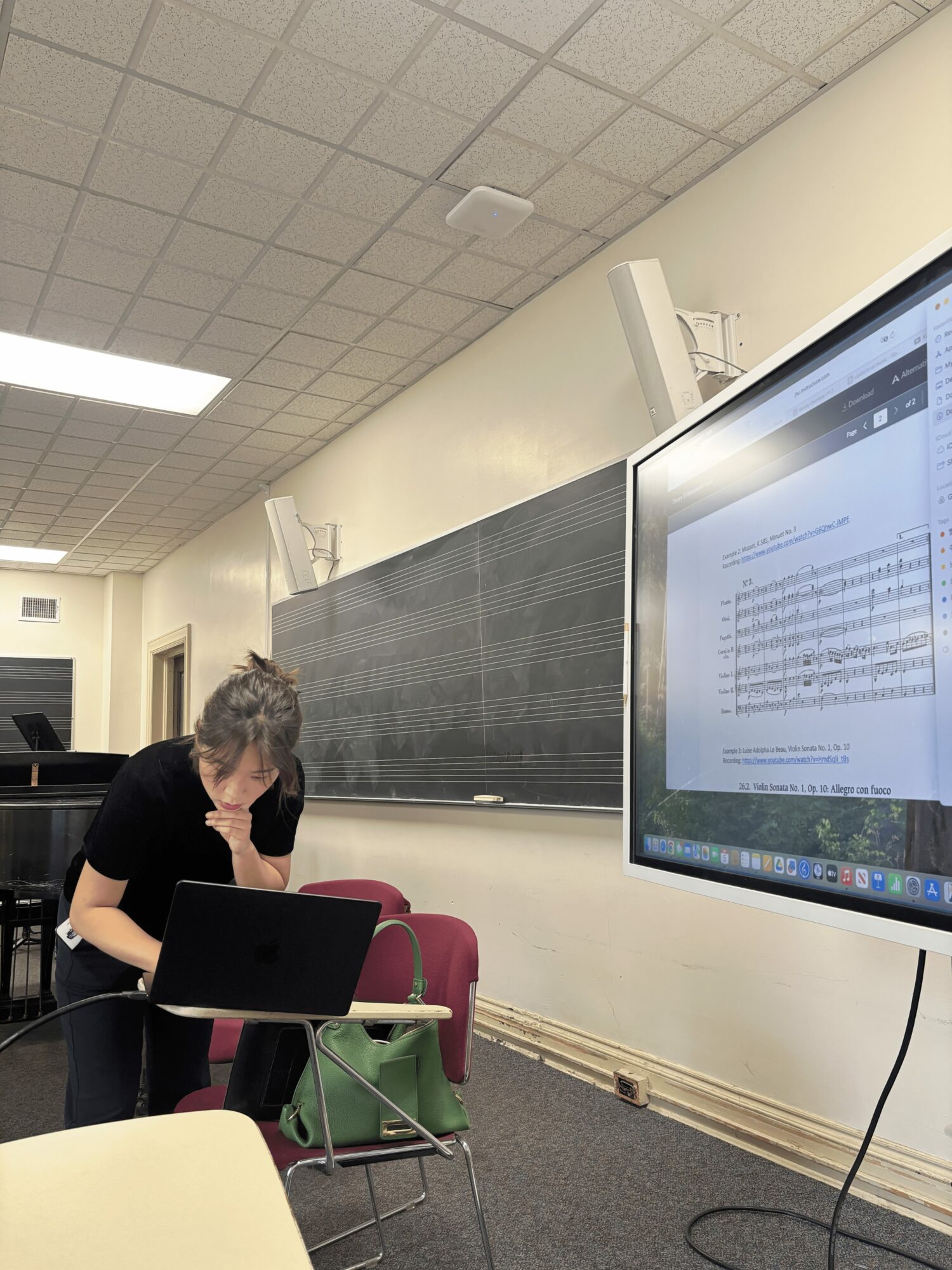
In recent years, my career has expanded significantly in the direction of education. I currently teach music theory at both the Peabody Institute and Johns Hopkins University, and I also teach Instrumentation and composition lessons at Shenandoah University. On weekends, I teach Early Childhood Music at the Peabody Preparatory, working with children from 13 months to six years old. This broad spectrum of teaching—from infants to graduate students—has shown me that music education is not only about sharing knowledge, but about creating connections and using music as a language between people.
Alongside teaching, I’ve been exploring how I can contribute myself to the community. Since 2023, I’ve worked as an Arts in Health intern at Johns Hopkins Hospital, creating meaningful musical experiences for patients, families, and healthcare providers. Over the past two years, I curated eight concert series at the hospital featuring Peabody musicians—offering moments of comfort, relief from environmental stressors, and opportunities for creative engagement.
This year, I’ve taken on a new role leading a program that brings Peabody composition students into the hospital. I mentor undergraduate composers and guide them in discovering how their music can make a tangible impact in such a unique setting.
At the same time, I continue to compose new works, including a current commission for the Longwood Symphony Orchestra in Boston. While I once imagined myself solely pursuing film music, I’ve come to see no real boundary between that and being a composer. My focus now is simply to write music that is true to me, trusting that it will naturally find its place—whether on the concert stage, in film, or in spaces I have yet to imagine.
Contact Info:
- Instagram: https://www.instagram.com/he.ahn
- LinkedIn: https://www.linkedin.com/in/heather-hyoeun-ahn-518310158/
- Youtube: https://www.youtube.com/@he.heatherahn